Roof Flashing Lifespan in DFW
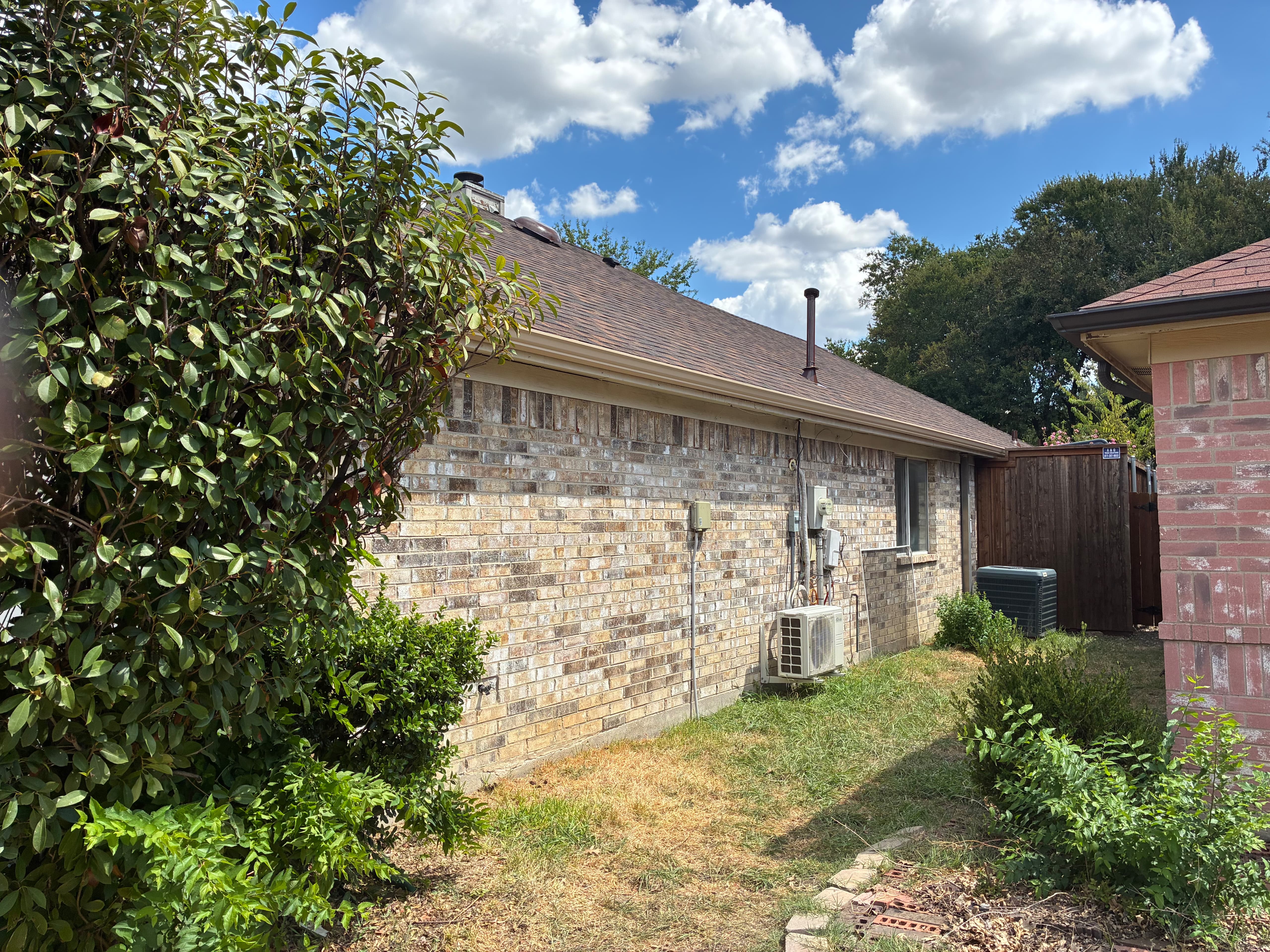
The Unsung Hero: What Exactly Is Roof Flashing and Why It Matters
You've probably heard a lot about shingles, underlayment, and ventilation when it comes to your roof. But there's a crucial component that often goes unnoticed until it causes a problem: roof flashing. Think of it as the tiny, often metal, shield that protects your roof's most vulnerable points from water intrusion. It's meticulously installed around chimneys, vents, skylights, valleys, and where walls meet the roofline. Without proper flashing, water would find its way into your home, leading to everything from annoying drips to serious structural damage. In the Dallas-Fort Worth area, where we see our fair share of intense sun, heavy rains, and occasional hailstorms, the integrity of your roof flashing is absolutely paramount.
At Montesco Roofing, we've been serving DFW homeowners for over 13 years, and I can tell you firsthand that flashing is often the first point of failure we see when a roof starts leaking. It's not the most glamorous part of a roofing system, but it's arguably one of the most critical for long-term protection. When you're looking at your roof, you might see the shingles, but the flashing is the detailed work that seals those tricky transitions. It’s designed to channel water away from these penetrations and seams, directing it down and off your roof. When it does its job, you don't even notice it. When it doesn't, you'll know it all too well.
DFW's Climate Challenge: How Weather Impacts Your Roof Flashing's Lifespan
Living in North Texas means we experience a pretty extreme range of weather conditions throughout the year. This constant cycling of hot and cold, wet and dry, puts a tremendous amount of stress on all parts of your roof, and flashing is no exception. We get intense summer heat that can cause materials to expand and contract repeatedly, leading to fatigue. Then there are the torrential downpours that test its ability to shed water effectively. And let's not forget about the hailstorms that can dent, crack, or even tear flashing materials. In 2026, the DFW climate continues to be a significant factor in how long your roof components will last.
Extreme temperature fluctuations, common in DFW, can cause metal flashing to expand and contract, leading to stress fractures over time if not installed with expansion joints.
Specifically, the intense UV radiation from our Texas sun can degrade certain types of flashing materials, making them brittle and prone to cracking. High winds can lift and tear flashing away from its seal, creating immediate entry points for water. And when we have prolonged periods of heavy rain, as we sometimes do, the flashing has to perform flawlessly to prevent water from seeping into the attic or walls. This constant barrage of weather means that flashing installed in DFW might have a shorter effective lifespan compared to areas with milder climates, unless it's of high quality and installed with the local conditions in mind. It's why choosing the right material and ensuring it's installed correctly by experienced local professionals is so important.
When inspecting your roof after a significant storm event, pay close attention to areas where flashing meets shingles or other roof components. Look for any signs of displacement, lifting, or visible damage.
How Long Does Roof Flashing Typically Last in the Dallas-Fort Worth Area?
The lifespan of roof flashing in the DFW area in 2026 is a bit of a spectrum, and it's directly tied to a few key factors: the material it's made from, the quality of installation, and the severity of the local weather it's exposed to. Generally speaking, you can expect well-installed flashing to last anywhere from 15 to 30 years. However, this is a broad estimate, and individual performance can vary significantly.
For example, galvanized steel flashing, while a common and cost-effective choice, might have a lifespan at the lower end of that spectrum, perhaps 15-20 years, especially if it's not properly coated or if it's subjected to frequent moisture without adequate drainage. Aluminum flashing can offer similar performance. Copper flashing, on the other hand, is known for its exceptional durability and corrosion resistance. It can potentially last 30 years or even longer, but it comes at a higher upfront cost. Stainless steel is another very durable option, offering excellent resistance to corrosion and the elements. The crucial point here is that even the best materials will fail prematurely if they aren't installed correctly. A small gap, a poorly sealed seam, or inadequate coverage can negate the benefits of even the most robust material.
Key Insight
It's not just about the material itself, but how it's integrated into the entire roofing system. Proper overlap, secure fastening, and appropriate sealants are just as vital as the metal's composition for achieving maximum lifespan and protection.
What most homeowners don't realize is that flashing is often installed before the final roofing material (like shingles) goes on, or it's integrated during the shingle installation process. This means that if your shingles are nearing the end of their life, your flashing might be too, or it might have already started to degrade. A comprehensive roof replacement is the ideal time to inspect and replace all flashing components to ensure your new roof system is fully protected for its intended lifespan.
7 Critical Signs Your Roof Flashing Is Failing (And What They Mean)
Spotting failing roof flashing before it leads to a major leak is key to preventing costly interior damage. While you might not be able to get up on your roof regularly, there are several tell-tale signs you can look for from the ground or even inside your home. Being aware of these indicators can save you a lot of headaches and money down the line.
1. Visible Rust or Corrosion
Especially common with galvanized steel or iron flashing, rust is a clear sign that the protective coating has failed and the metal is deteriorating. This can lead to holes and leaks.
2. Cracked or Split Flashing
Over time, expansion and contraction due to temperature changes can cause metal flashing to develop hairline cracks or even split open, creating direct pathways for water.
3. Loose or Missing Flashing
Strong winds or improper installation can cause flashing to pull away from the roof surface or even become completely dislodged. This is a critical failure point.
4. Deteriorated Sealant or Caulk
The sealants used to bond flashing to the roof can dry out, crack, or shrink over time. If you see gaps or crumbling sealant around the flashing, water can begin to seep underneath.
5. Granules in Gutters or Downspouts
While often associated with shingle wear, an excessive amount of asphalt granules in your gutters, especially near flashing points like chimneys or vents, can indicate that water is running over compromised flashing and carrying shingle material with it.
6. Water Stains on Ceilings or Walls
This is often the most obvious sign. If you notice discolored patches, peeling paint, or actual drips on your interior ceilings or walls, especially around chimneys, vents, or skylights, your flashing has likely failed.
7. Mold or Mildew Growth
Persistent moisture behind walls or in attics due to flashing leaks can lead to the growth of mold and mildew, which can be a health hazard and indicate underlying water damage.
If you observe any of these signs, it's crucial to have your roof inspected by a qualified DFW roofing contractor immediately. Ignoring these warnings can lead to much more extensive and expensive repairs down the road, including damage to insulation, drywall, and even the structural framing of your home. We've seen homes in Plano and Frisco where a small flashing issue, left unaddressed for a year or two, turned into a multi-thousand dollar disaster.
Material Matters: Comparing Roof Flashing Durability for DFW Homes
When it comes to roof flashing, the material it's made from plays a massive role in its longevity and resistance to the harsh DFW climate. Not all flashing is created equal, and understanding the differences can help you make a more informed decision when it's time for repairs or a full roof replacement in 2026. Here's a look at some common materials:
| Material | Typical Lifespan (DFW Climate) | Pros | Cons | Cost (Relative) |
|---|---|---|---|---|
| Galvanized Steel | 15-20 years | Readily available, relatively inexpensive, decent strength. | Prone to rust if coating is damaged or scratched, can be heavier. | $ |
| Aluminum | 15-25 years | Lightweight, corrosion-resistant, doesn't rust. | Can be softer and more prone to denting from hail, can be more expensive than galvanized steel. | $ |
| Copper | 25-40+ years | Highly durable, excellent corrosion resistance, develops a protective patina, aesthetically pleasing. | Significantly higher upfront cost, can be a target for theft. | $$ |
| Stainless Steel | 25-35+ years | Excellent corrosion resistance, very strong, durable, maintains its appearance. | Higher cost, can be heavier than aluminum. | $$ |
| Asphalt-Coated Metal | 10-15 years | Often used as a budget-friendly option integrated with asphalt shingles. | The asphalt coating can degrade under intense sun and heat, leading to premature failure. Lifespan is significantly shorter than bare metals. | $ |
Here at Montesco Roofing, we often recommend stainless steel or copper for critical flashing areas in DFW homes when the budget allows. While they have a higher initial investment, their extended lifespan and superior resistance to our local weather conditions mean they often provide a better long-term value. You avoid the repeated costs and headaches of replacing less durable flashing every 15-20 years. For many of our clients in areas like Southlake or Highland Park, the investment in premium flashing materials is a no-brainer for the peace of mind it provides.
Key Insight
The "lifetime" warranty on many asphalt shingles does not extend to the flashing. Flashing is a separate component with its own expected lifespan, and it's often the flashing that fails long before the shingles do.
The High Cost of Neglect: What Happens When Flashing Fails

Ignoring the condition of your roof flashing is like leaving a small crack in your car's windshield. It might seem minor at first, but it will inevitably grow and lead to much bigger, more expensive problems. In the DFW area, the consequences of failing flashing can be particularly severe due to our weather patterns. Water intrusion is the primary culprit, and it can manifest in several damaging ways.
Water that enters your home through failed flashing can travel behind walls, saturating insulation and damaging drywall, leading to mold growth, structural rot, and costly cosmetic repairs.
First, there's the immediate issue of water damage. When flashing fails, water can seep into your attic, creating mold and mildew growth. From there, it can drip onto your ceilings, causing stains, peeling paint, and eventually, structural damage to the drywall and ceiling joists. If the leak continues unabated, it can reach your walls, compromising insulation, causing rot in the wall studs, and leading to expensive repairs that go far beyond simply fixing the roof. We've seen cases in Arlington and Garland where homeowners had to replace entire sections of interior walls due to prolonged flashing leaks.
Beyond the visible water damage, there's the hidden threat of structural rot. Persistent moisture in your attic or walls can weaken the wooden components of your home, leading to sagging ceilings, compromised roof decks, and even foundation issues if the water is not properly managed. This is a serious safety concern and a very expensive problem to fix. Furthermore, failing flashing can compromise the effectiveness of your roof's ventilation system, leading to premature aging of your shingles and reduced energy efficiency in your home. It's a cascading effect where one small failure leads to a chain reaction of problems.
How to Get This Done
If you notice signs of flashing failure, the best course of action is to contact a professional. For DIY enthusiasts, understanding the signs is the first step. If you're comfortable with heights and have the right safety equipment, a visual inspection from a ladder can help identify obvious issues. However, any actual repairs or replacement of roof flashing should be handled by a licensed and insured roofing contractor. For homeowners looking to ensure their flashing is up to par, Montesco Roofing offers comprehensive roof inspections. We'll identify any issues, explain the best solutions, and provide a clear, no-obligation quote for repairs or upgrades.
The cost of addressing these issues can skyrocket. A simple flashing repair might cost a few hundred dollars. But if water damage has set in, you could be looking at thousands for interior repairs, mold remediation, and structural fixes. This is why proactive inspection and maintenance are so vital. It's always more cost-effective to fix a small problem before it becomes a big one.
Proactive Protection: How Montesco Roofing Ensures Lasting Flashing Performance
At Montesco Roofing, we don't just slap on shingles and call it a day. We understand that a truly durable roof system relies on the integrity of every single component, especially the flashing. Our approach is built on years of experience specifically in the DFW climate, ensuring that the flashing we install on your home is designed to withstand our unique weather challenges and last for decades.

When a new roof is installed, we meticulously inspect and replace all existing flashing. It's crucial that new flashing is installed with new underlayment and shingles to create a fully integrated, watertight system.
Our process begins with a thorough inspection. We examine your existing flashing for any signs of wear, damage, or improper installation. If we're doing a full roof replacement, we remove the old roofing materials down to the deck to ensure a clean slate. Then, we select the appropriate flashing material based on the roof's design, pitch, and the homeowner's long-term goals. For most DFW homes, we recommend high-quality stainless steel or copper flashing for critical areas like valleys, chimney bases, and skylight perimeters. These materials offer superior resistance to corrosion and the expansion/contraction cycles common in our area.
1. Precise Measurement & Cutting
Flashing isn't one-size-fits-all. We precisely measure and cut each piece to ensure a perfect fit around every penetration and angle.
2. Strategic Overlapping & Sealing
Proper overlap is key. We ensure each piece of flashing overlaps the one below it correctly to prevent water from getting underneath. High-quality, UV-resistant sealants are used to create a durable bond.
3. Secure Fastening
We use appropriate fasteners (like roofing nails or screws) that are corrosion-resistant and driven in a way that doesn't compromise the waterproof integrity of the flashing or the underlying roof deck.
4. Integration with Underlayment
Our flashing is installed seamlessly with the roofing underlayment, creating multiple layers of defense against water intrusion.
What sets Montesco Roofing apart is our commitment to manufacturer best practices and local building codes. We don't cut corners. Every piece of flashing is installed with meticulous attention to detail, ensuring it channels water effectively away from your home. We back our workmanship with a solid warranty, giving you confidence that your investment is protected for years to come. Protecting homes in Plano, McKinney, and the surrounding DFW communities is our passion, and that starts with getting the details right, like the critical role of properly installed roof flashing.
DIY vs. Professional Flashing Installation: A Costly Decision
When it comes to roof flashing, the temptation for a homeowner might be to try a DIY repair, especially for a small leak. However, when it comes to flashing, the stakes are incredibly high, and the difference between a DIY job and professional installation can be the difference between a minor fix and major structural damage. In 2026, as homeowners look for ways to save, it's critical to understand the risks involved.
| Feature | DIY Flashing Repair/Install | Professional Flashing Installation (Montesco Roofing) |
|---|---|---|
| Material Selection | Limited knowledge, may choose based on cost/availability, not suitability for DFW climate. | Expert knowledge of materials (copper, stainless steel, etc.) best suited for DFW's extreme weather. |
| Installation Technique | Relies on online guides; risk of improper overlap, incorrect fastening, or inadequate sealing. | 13+ years of hands-on experience in DFW; precise techniques for overlapping, sealing, and fastening to ensure watertight integrity. |
| Warranty | None. If it fails, you're on your own. | Workmanship warranty on installation, plus manufacturer warranty on materials. |
| Insurance Claim Assistance | No assistance provided. | Experienced in working with insurance companies for storm damage claims, ensuring proper documentation and coverage. Learn more about DFW roof insurance claims. |
| Safety | High risk of falls and injury without proper safety equipment and training. | Fully insured and trained professionals adhere to strict safety protocols. |
| Long-Term Cost | Often higher due to premature failure, leaks, and subsequent interior damage. | Investment in quality materials and expert installation leads to greater longevity and fewer future costs. |
| Peace of Mind | Constant worry about potential leaks and damage. | Confidence that your home is protected by experts who stand behind their work. |
The reality is, installing roof flashing correctly requires specialized knowledge, tools, and a keen eye for detail. It's not just about bending metal; it's about understanding how water flows and how to integrate flashing seamlessly with the rest of your roofing system. A poorly installed piece of flashing might look okay for a short while, but under the stress of DFW's heat, rain, and wind, it will likely fail, leading to leaks that can cause thousands of dollars in damage. This is why we always advise homeowners to trust this critical job to experienced professionals.
Key Insight
Many roofing warranties, especially for shingles, require that all flashing be installed according to manufacturer specifications by a certified professional. A DIY flashing job could void your entire roof warranty.
Extending Your Flashing's Life: Essential Maintenance Tips for DFW Homeowners
While flashing is designed to be durable, proactive maintenance can significantly extend its lifespan and prevent premature failure, especially in the challenging DFW climate. Think of it like maintaining your car – regular check-ups can prevent major breakdowns. Here are some key maintenance tips for DFW homeowners in 2026:
1. Regular Visual Inspections
At least twice a year (spring and fall are ideal), walk around your home and look at your roof from the ground. Check for any obvious signs of damage, rust, or dislodged flashing, particularly around chimneys, vents, and skylights.
2. Clean Gutters and Downspouts
Clogged gutters can cause water to back up and pool against the base of your flashing, accelerating corrosion and degradation. Keeping them clear ensures proper water drainage away from your roofline.
3. Trim Overhanging Branches
Tree branches can rub against flashing, causing damage, or shed debris that traps moisture. Keeping them trimmed back helps protect your roof components.
4. Inspect Sealants
Periodically check the caulking or sealant around your flashing. If it appears dry, cracked, or is pulling away, it needs to be resealed by a professional to prevent water intrusion.
5. Address Storm Damage Promptly
After any significant hailstorm or high wind event common in DFW, conduct a thorough inspection (or have one done) to check for any new damage to your flashing. Early detection is critical.
It's also vital to understand that some maintenance tasks, like getting up on a steep roof or performing detailed inspections, can be dangerous. That's where professional help comes in. A qualified roofing contractor can perform a much more thorough inspection and identify issues you might miss. If you're in the Richardson or Garland area and want to ensure your roof is in top shape, consider scheduling a professional inspection.
How to Get This Done
For homeowners who want to stay on top of their roof's health, regular visual inspections from the ground and keeping gutters clear are manageable DIY tasks. However, for any detailed inspection of flashing integrity, sealant condition, or potential repair work, it's highly recommended to contact a professional. Montesco Roofing offers detailed roof inspections that include a thorough assessment of your flashing. We can identify potential issues, recommend the best course of action, and perform any necessary repairs or replacements to protect your home.
By incorporating these simple maintenance practices, you can help ensure your roof flashing performs its job effectively for its entire intended lifespan, safeguarding your home from water damage and costly repairs. Remember, a little attention now can save you a lot of money and stress later.
Frequently Asked Questions About Roof Flashing Lifespan and Replacement
How often should I have my roof flashing inspected in DFW?
Can I repair flashing myself, or do I need a professional?
What's the difference between valley flashing and step flashing?
Does hail damage affect roof flashing lifespan?
What is the most durable material for roof flashing in Texas?
Can old flashing cause my new shingles to fail prematurely?
What does "underpaid by insurance" mean for roof flashing?
Need help ensuring your DFW roof flashing is in top condition? Our team has protected hundreds of homes in Dallas, Fort Worth, and surrounding areas for over 13 years. Don't let a small flashing issue lead to a major problem.
Get Your Free Roof Inspection →Montesco Roofing Team
DFW's trusted roofing contractor with 13+ years of experience. Specializing in roof replacements, storm damage repair, and insurance claims across Dallas-Fort Worth.
Get in touch →