DFW Roof Insurance Claims 2026: Steps to a Full Payout Before Winter Hits Your Roof

The True Cost of Storm Damage: Why Your Insurance Claim Matters in 2026
You're standing in your living room, and that tell-tale drip is coming from the ceiling. Or maybe you've noticed a few more shingles scattered in your yard after that last gust of wind blew through North Texas. It's Saturday, September 5, 2026, and the thought of dealing with a roof insurance claim is probably the last thing you want to tackle. But here's the hard truth: ignoring storm damage can turn a small problem into a very expensive one, especially as we head into the colder months here in DFW.
In 2026, we've seen our fair share of unpredictable weather across the Dallas-Fort Worth Metroplex. From intense hailstorms that can shred shingles to high winds that lift and tear, your roof is constantly under siege. The damage might not always be obvious from the ground. Sometimes, it's subtle — a few compromised granules, a dent in a metal flashing, or a tiny tear in the underlayment. But over time, these small issues can lead to leaks, mold growth, and structural problems that will cost you thousands to fix. That's where your homeowners insurance comes in, but navigating the claims process can feel like a whole other storm in itself.
Why Now is Critical for DFW Roof Claims
As a roofing contractor who's been in the DFW area for over 13 years, I've seen firsthand how quickly roof damage can escalate. The longer you wait to file a claim and get repairs done, the more potential for secondary damage to occur. Water intrusion, attic mold, and even structural compromise can develop if a small leak isn't addressed promptly. Plus, insurance companies often have deadlines or stipulations regarding how long after an event you can file. Getting ahead of it now, before winter's chill and potential ice, is crucial for protecting your home and your investment.
Your First Call After a Storm: Why Montesco Roofing is Your Best Ally
When you discover damage to your roof, your instinct might be to call your insurance company immediately. And while that's a necessary step, who you call before that can make all the difference in the outcome of your claim. At Montesco Roofing, we've been helping homeowners in DFW navigate these situations for over 13 years. We're not just a roofing company; we're your neighbors, and we treat every home like it's our own. Our goal is to ensure you get the full payout for storm damage that you're entitled to, so your roof can be restored to its original condition, or even better.
Why is calling a reputable roofing contractor like us first so important? Because we understand the intricacies of roofing systems and, crucially, how insurance companies assess damage. We can provide an honest, expert assessment of your roof's condition before the insurance adjuster arrives. This independent evaluation gives you leverage and helps ensure that all damage, including hidden issues that might be missed by a rushed adjuster, is properly identified and documented. We can explain the scope of work required, discuss material options, and even help you understand the repair or replacement costs involved. This knowledge is power when you're talking to your insurance company.
Don't feel pressured to accept the first offer from your insurance adjuster. They are trained to assess damage, but their primary goal is to settle the claim efficiently. Having your own expert assessment from a contractor like Montesco Roofing provides a crucial second opinion and ensures all necessary repairs are covered.
Think of it this way: if you were diagnosed with a serious medical condition, you'd likely get a second opinion from another doctor, right? The same principle applies to your home's most critical defense system – its roof. We're here to be that second set of expert eyes, working on your behalf to protect your biggest investment.
Step 1: Document Everything – The Unseen Evidence for Your Claim
After any storm that looks like it might have caused damage, your immediate priority should be documentation. This isn't just about taking a few photos; it's about creating a comprehensive record that will support your roof insurance claim. Start by looking for obvious signs from the ground: missing shingles, dented gutters, or damaged vents. If it's safe to do so, and you have a ladder and know how to use it safely, a quick visual inspection of the roof itself can be valuable. Look for cracked, torn, or missing shingles, and note any areas that appear lifted or damaged.
But the damage isn't always visible from the outside. Head into your attic. On a sunny day after a storm, look for any signs of daylight coming through the roof deck. This is a clear indicator of a breach. Also, check for water stains or damp spots on the insulation or the underside of the roof sheathing. Take clear, well-lit photos and videos of everything you find. Don't forget to note the date and time of your inspection. If you have any fallen trees or branches, document those as well, especially if they've made contact with your roof.
Step 1a: Exterior Visuals
Walk around your home. Take photos of any visible damage to shingles, gutters, siding, or windows. Note the condition of your roof from street level.
Step 1b: Attic Inspection
On a bright day, carefully inspect your attic for daylight penetration or signs of water intrusion on the roof decking or insulation.
Step 1c: Interior Water Stains
Check ceilings and walls for any new water stains, especially around light fixtures or in corners where leaks often manifest.
Step 1d: Granule Collection
If you have asphalt shingles, check your gutters and downspouts for an unusual amount of asphalt granules. This indicates shingle wear and potential damage.
Never compromise your safety to inspect your roof. If you're uncomfortable or it's not safe, leave the exterior inspection to the professionals. Your safety is paramount, and that's why we offer complimentary inspections at Montesco Roofing.
This detailed documentation is your first line of defense. It provides tangible proof of the damage and helps build a strong case for your DFW roof insurance claim. The more thorough you are now, the smoother the process will be later.
Step 2: Understanding Your Policy – ACV vs. RCV in Texas 2026
Now, let's talk about your insurance policy. It's a complex document, but understanding two key terms is vital for your insurance payout: Actual Cash Value (ACV) and Replacement Cost Value (RCV). In Texas, most standard homeowners policies offer RCV coverage for the roof, but it's essential to confirm this. If your policy is ACV, it means you'll be reimbursed for the depreciated value of your roof. This means they'll subtract the "wear and tear" from the current cost to replace it.
For example, a 15-year-old roof might have a replacement cost of $15,000, but its ACV might only be $7,500 after accounting for its expected lifespan. This is a significant difference. Replacement Cost Value (RCV), on the other hand, means your insurance company will pay the full cost to replace your roof with a similar new one, minus your deductible. This is typically what you want for roof damage, as it allows you to restore your home to its pre-storm condition without incurring a massive out-of-pocket expense beyond your deductible.
The ACV vs. RCV Difference in DFW
In the DFW area, where storms can cause significant damage, understanding ACV vs. RCV is critical. If your policy is ACV for your roof, you might receive a payout that's only half of what it actually costs to get a new, high-quality roof installed by a reputable roofing contractor DFW. This is why so many homeowners are caught off guard by the true cost of repairs. Always verify your policy's coverage for your roof, and if it's ACV, consider discussing an endorsement for RCV coverage with your agent.
It's also important to understand your deductible. This is the amount you pay out-of-pocket before your insurance coverage kicks in. For storm damage in Texas, deductibles can sometimes be a percentage of your home's coverage (e.g., 1% or 2%) or a flat dollar amount. Knowing these figures will help you anticipate your financial responsibility and evaluate the insurance adjuster's offer accurately.
Step 3: The Independent Inspection – What to Look For (And What Insurers Hope You Miss)
This is where having a seasoned professional on your side is invaluable. While your insurance company will send an adjuster, their assessment might not always be as thorough as it needs to be. Adjusters often have tight schedules and may focus on the most obvious damage, potentially overlooking subtle but critical issues that can lead to future problems. This is why we strongly recommend an independent inspection by a qualified storm damage roof repair specialist like Montesco Roofing. We're not tied to the insurance company's bottom line; our only loyalty is to ensuring your roof is properly repaired or replaced.
Our inspection process goes deep. We'll meticulously examine every inch of your roof, from the shingles and flashing to the underlayment and ventilation system. We'll look for subtle signs of hail impact, such as bruised or cracked shingles, which can be easily missed. We'll check for wind-related damage like lifted or missing shingles, and we'll inspect critical areas like valleys, chimneys, and skylights for any signs of compromise. We also pay close attention to the roof decking, looking for any signs of rot or water damage that could have resulted from previous leaks or ongoing moisture issues.
How to Get This Done
DIY Inspection Tips (for initial assessment):
- Check gutters for an excessive amount of asphalt granules.
- Look for dented or bent metal flashing around vents, chimneys, or skylights.
- Inspect shingles for circular bruises (hail) or tears (wind).
- Examine roof edges for lifted or missing shingles.
If you want to handle this yourself, here's exactly what you need: [tools/steps]. If you'd rather have experienced roofers handle it, our team has done this on hundreds of DFW homes — here's how our process works: We schedule a free, no-obligation inspection at your convenience, document all findings with detailed photos and notes, and provide you with a comprehensive report and estimate. This report is what you'll use to present your case to the insurance company.
"The adjuster missed the hail damage on the north side of my roof because it was getting late. Montesco Roofing found it and got it added to my claim. They saved me thousands."— Sarah K., Plano Resident
What insurers often hope you miss are the secondary damages. This could be damage to the underlayment that isn't immediately visible, or even damage to the fascia or soffits. They might approve a simple shingle replacement, but if the underlayment is compromised, water will still find its way in. We make sure to identify and document all these potential issues, providing your insurance company with a complete picture of the necessary repairs. This detailed report, backed by our years of experience in the DFW climate, is crucial for negotiating a fair settlement.
Step 4: Negotiating with Your Adjuster – Strategies for a Fair Outcome
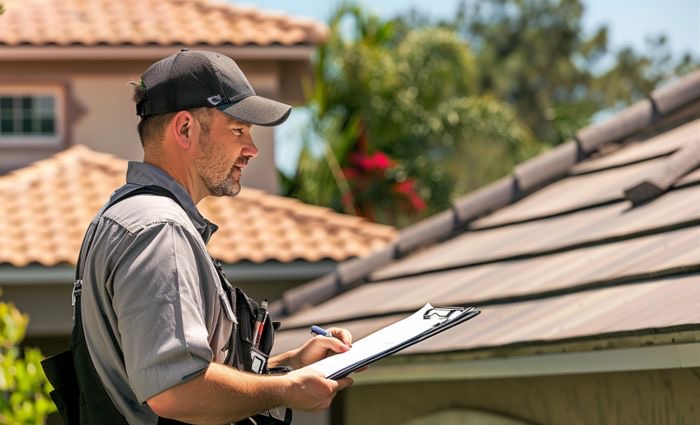
Once you have your independent inspection report and your insurance company has sent their adjuster, it's time for negotiation. This is often the most challenging part of the roof insurance claim process. The adjuster will present their assessment, which, as we've discussed, might not be as comprehensive as yours. Your goal is to ensure that their assessment aligns with your findings and that the settlement covers the full cost of restoring your roof.
Bring your detailed inspection report from Montesco Roofing to the meeting with the adjuster. Point out any discrepancies between their findings and yours. Be prepared to explain the significance of any damage they may have overlooked. For instance, if they're only recommending replacing a few shingles, but your inspection shows widespread granule loss or underlying deck damage, you need to clearly articulate why a more extensive repair or full replacement is necessary. Remember, you're not trying to "trick" anyone; you're advocating for the proper restoration of your home.
If your adjuster is unwilling to budge or you feel their assessment is significantly off, don't hesitate to request a second opinion from the insurance company or consider filing a dispute for your insurance claim. Having a contractor present during the adjuster's inspection can also be incredibly beneficial, as they can point out damage in real-time and ask clarifying questions.
It's also important to understand the line items in the adjuster's report. They'll break down costs for labor, materials, and any specific repairs. If you disagree with the pricing for any of these items, or if they haven't included necessary components (like proper ventilation or specific underlayment), you need to voice that. We can help you understand these line items and ensure they reflect current market rates for quality materials and workmanship in the DFW area. This might involve presenting your own estimate from Montesco Roofing for comparison.
Step 5: Getting Multiple Quotes – The $15,000 Difference in DFW Roof Replacements
Once your insurance company has approved your claim and provided a settlement amount, the next step is to get quotes for the actual repair or replacement work. This is where the value of working with a reputable roofing contractor DFW truly shines. While your insurance settlement is a crucial piece of the puzzle, it's essential to get multiple quotes to ensure you're getting the best value and the highest quality of work for the approved amount. We've seen firsthand how much prices can vary across DFW, and a difference of $15,000 or more between quotes for the same scope of work is not uncommon.
When you get quotes, make sure they are detailed and itemized. They should clearly outline the scope of work, the specific materials to be used (including brand and type of shingles, underlayment, flashing, etc.), the warranty provided, and the total cost. Compare these quotes not just on price, but on the quality of materials, the contractor's experience, their reputation, and the warranty they offer. A cheap quote often means corners are being cut, which can lead to more problems down the road and ultimately cost you more.
The $15,000 Difference Explained
The significant price difference between quotes often comes down to the quality of materials used, the scope of the work (e.g., replacing the entire roof versus just patching), and the contractor's overhead and profit margin. A contractor who uses premium shingles, robust underlayment, and provides a solid workmanship warranty will naturally have a higher quote than someone cutting corners. For a full roof replacement on a typical DFW home, this can easily amount to a $15,000 difference. Choosing the lowest bid without scrutiny can lead to a roof that fails prematurely, costing you far more in the long run than you saved upfront.
When you work with Montesco Roofing, you're not just getting a new roof; you're getting peace of mind. We'll provide you with a detailed quote that aligns with industry standards and the insurance settlement. If the insurance settlement doesn't fully cover the cost of a quality replacement (which can happen, especially with ACV policies or if the initial assessment was low), we'll help you understand the additional investment required and the value it brings. We want you to make an informed decision that protects your home for years to come.
Step 6: The Repair Process – Ensuring Quality Workmanship for Longevity
This is where the rubber meets the road – literally, the shingles meet the roof deck. The quality of the installation is just as important, if not more so, than the quality of the materials. A poorly installed roof, even with the best shingles, will fail prematurely. At Montesco Roofing, we pride ourselves on our meticulous installation process. We adhere to manufacturer specifications and local building codes to ensure your roof is built to last and can withstand the harsh North Texas weather.
Our process begins with a thorough tear-off of the old roofing materials. We don't just cover up old shingles; we remove them down to the deck. This allows us to inspect the underlying roof decking for any rot or damage and replace it as needed. Next, we install a high-quality waterproof underlayment across the entire roof surface. This is a critical barrier against moisture, especially important in DFW where intense sun and sudden downpours are common. We then install drip edge along the eaves and rakes to direct water away from the fascia and foundation.
Step 6a: Deck Inspection & Repair
We remove old roofing and inspect the roof deck for any soft spots, rot, or damage. Damaged sections are replaced.
Step 6b: Underlayment Installation
A synthetic underlayment is installed over the entire deck, providing a secondary water barrier.
Step 6c: Shingle Installation
Shingles are installed with precision, following manufacturer guidelines for nailing patterns and overlap to ensure wind resistance.
Step 6d: Flashing & Ventilation
All critical areas like valleys, chimneys, and penetrations are sealed with proper flashing. Ventilation systems are installed or checked to ensure proper airflow.
Be wary of contractors who skip steps like replacing the underlayment or who use too few nails per shingle. These shortcuts save time and money for the contractor but drastically reduce the lifespan and performance of your roof, making it more susceptible to wind damage and leaks.
We pay special attention to flashing around any roof penetrations (vents, chimneys, skylights) and in valleys, as these are common points of failure if not installed correctly. Proper ventilation is also key to the longevity of your roof system, helping to prevent heat and moisture buildup that can damage shingles and decking over time. Our team is trained on the latest techniques and best practices, ensuring that your new roof not only looks great but also performs exceptionally well for years to come. We are committed to delivering a quality roof replacement that stands up to the Texas elements.
Step 7: Finalizing Your Claim – What to Do When the Work is Done
Congratulations! The roof is repaired or replaced. But your work isn't quite done yet. Finalizing your roof insurance claim involves a few crucial steps to ensure you've received all the compensation you're due and that the job is completed to your satisfaction. After our team has finished the work, we'll conduct a final walkthrough with you. This is your opportunity to inspect the completed project, ask any questions, and ensure you're happy with the results.
Once you've approved the work, we'll provide you with the final invoice. This invoice should match the scope of work agreed upon and reflect any deductions or changes made during the process. You'll then submit this final invoice and any other required documentation to your insurance company to receive the final payment. This often includes the "recoverable depreciation" if your policy is RCV and the depreciation was held back initially. We'll help you understand what this final payment should look like and ensure you receive it.
How to Get This Done
Finalizing Your Claim:
- Conduct a thorough walkthrough with your contractor.
- Review the final invoice and ensure it matches the work completed.
- Submit the final invoice and any required paperwork to your insurance company.
- Follow up to ensure you receive the final payment, including any held depreciation.
If you want to handle this yourself, here's exactly what you need: [tools/steps]. If you'd rather have experienced roofers handle it, our team has done this on hundreds of DFW homes — here's how our process works: We'll walk you through the final inspection, provide a clear final invoice, and assist you in submitting the necessary documentation to your insurance company to ensure you receive your final payment promptly.
Key Takeaways
- Thorough documentation is your strongest asset in an insurance claim.
- Understand your policy's ACV vs. RCV coverage for roofs.
- An independent inspection provides a crucial second opinion.
- Negotiate with your adjuster armed with your own expert assessment.
- Get multiple, detailed quotes from reputable local contractors.
- Quality installation is paramount for roof longevity.
- Ensure all final payments, including held depreciation, are received.
It's also a good time to ask about the warranty on your new roof. At Montesco Roofing, we stand behind our work with a comprehensive workmanship guarantee. This warranty is your assurance that we're committed to the quality of our installation and will be here to address any issues that might arise. Don't hesitate to ask for a copy of the warranty documentation and understand what it covers. A solid warranty is a critical part of protecting your investment long-term.
DFW Roof Insurance Claims: Frequently Asked Questions in 2026
Frequently Asked Questions
How soon should I contact my insurance company after storm damage?
Can I choose my own roofing contractor, or do I have to use one recommended by my insurance company?
What if my insurance company denies my claim?
How long does the roof insurance claim process typically take in DFW?
What is "recoverable depreciation" and how does it affect my payout?
Are there specific types of storm damage that are harder to get approved for in DFW?
How does the DFW climate affect roof insurance claims?
Need help putting this into action? Our team has protected hundreds of DFW homes. Tell us about your roof — free inspection, no pressure.
Get Your Free Roof Inspection →Montesco Roofing Team
DFW's trusted roofing contractor with 13+ years of experience. Specializing in roof replacements, storm damage repair, and insurance claims across Dallas-Fort Worth.
Get in touch →