Wind vs. Hail Damage on Texas Roofs: Which Threat Costs More by 2026?
The Dual Threat: Understanding Wind and Hail Damage to Texas Roofs
It's Wednesday, June 3, 2026, and here in the Dallas-Fort Worth Metroplex, we know that our beautiful homes are constantly under siege from the elements. Two of the most formidable and frequent threats to our roofs are wind damage and hail damage. Both can strike with little warning, leaving homeowners facing costly repairs and stressful insurance claims. While they might seem similar, the way they impact your roof, the signs they leave behind, and ultimately, their long-term financial implications, are quite different. Understanding these differences is crucial for any Texas homeowner looking to protect their biggest investment, especially as we look towards 2027.
Texas weather patterns are notorious for delivering severe storms. We've all seen the radar screens light up, and the subsequent news reports of downed trees and damaged properties. For homeowners, the worry often centers on the roof – that vital shield protecting everything and everyone inside. A strong gust of wind can lift shingles, tear off flashing, and even damage structural components. Hail, on the other hand, can feel like a thousand tiny hammers, leaving dents and cracks that might not be immediately apparent but can lead to leaks and material degradation over time. For us here at Montesco Roofing, with over 13 years of serving DFW homeowners, we’ve seen firsthand how these two forces can wreak havoc.
Don't wait for a leak to appear. Many types of storm damage, especially from hail, are not immediately visible from the ground or even from a quick glance. Regular, professional inspections are your best defense.
The key to minimizing the financial impact isn't just about knowing that your roof is damaged, but understanding how it's damaged. This knowledge empowers you when talking to insurance adjusters, selecting repair materials, and choosing the right roofing contractor. In DFW, where storm seasons can be intense, being informed is your first line of defense. Let's break down what wind and hail damage really look like and how they affect your home’s value and your wallet.
Wind Damage: How High Winds Rip and Tear at Your DFW Roof
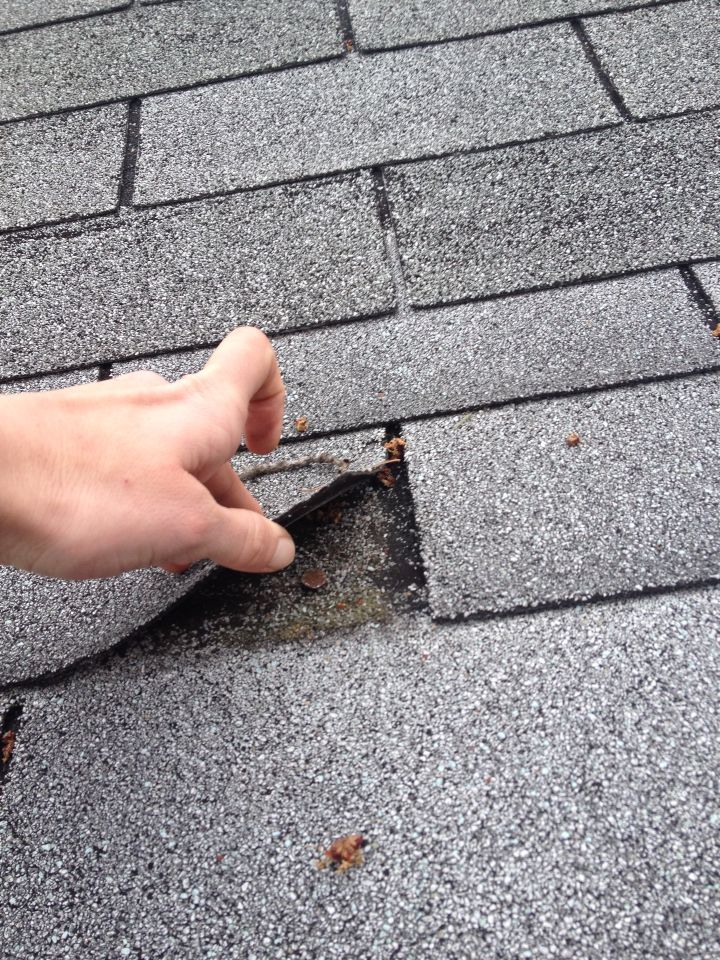
When we talk about wind damage, we're generally referring to the effects of sustained high winds or sudden, powerful gusts associated with thunderstorms and even hurricanes (though less common in DFW, we do get tropical storm remnants). The force of the wind can lift shingles, peel them back, and in extreme cases, rip them right off the roof deck. This isn't just about losing a few shingles; it's about compromising the entire roofing system.
Uplift and Peeling
Wind gets underneath shingles, especially those that might be aging or have compromised adhesive strips. It lifts them, breaking the seal and allowing more wind to get under. This can lead to widespread peeling and shingle loss.
Shingle Blow-Off
When the uplift is strong enough, shingles can be completely torn from the roof deck. This leaves the underlayment and decking exposed, creating immediate vulnerabilities to water intrusion.
Flashing and Vent Damage
Critical areas like roof vents, chimney flashing, and valley metal are also susceptible. Wind can bend, tear, or dislodge these components, creating direct pathways for water to enter your home.
Structural Strain
In severe wind events, the sheer force can put immense strain on the roof structure itself, potentially causing damage to rafters or the sheathing, though this is less common than shingle damage.
The Role of Shingle Type and Age
The age and type of your shingles play a huge role in how well they withstand wind. Newer shingles with intact adhesive strips are more resistant. However, older shingles, or those that have been exposed to harsh Texas sun and heat for years, can become brittle and lose their adhesive properties, making them far more vulnerable to wind uplift. Even impact-resistant shingles can be overcome by extreme wind speeds.
For a DFW homeowner, recognizing wind damage often involves looking for missing shingles, shingles that are curled or lifted, and damaged flashing around penetrations. The visible nature of wind damage can sometimes make it easier to identify quickly, but the underlying issues, like compromised seals, might not be immediately obvious without a professional inspection. It's the kind of damage that, if left unaddressed, can lead to significant leaks during the next rain shower, potentially causing thousands in water damage to ceilings, walls, and insulation.
Hail Damage: The Silent Punctures That Compromise Your Roof's Integrity
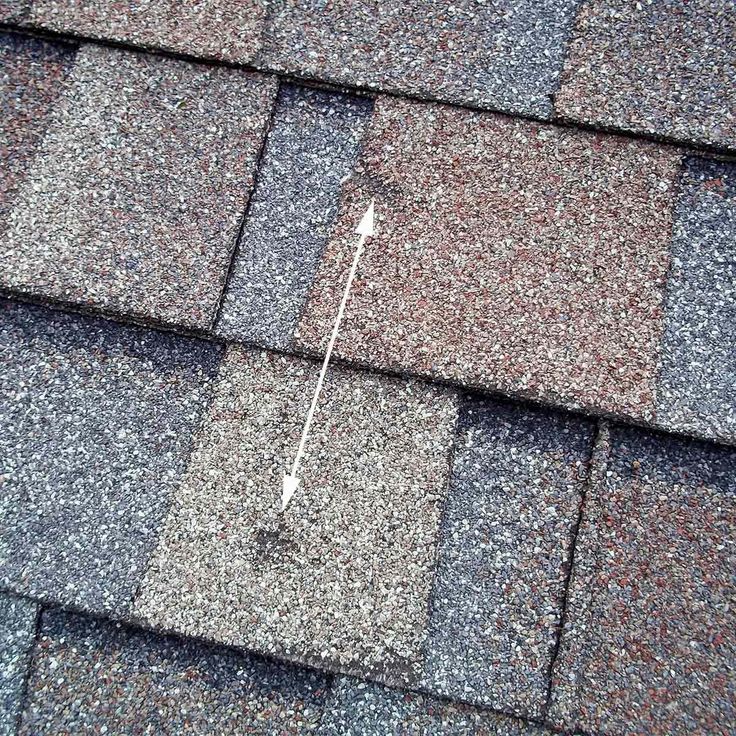
Hail damage is often described as a more insidious threat. Unlike wind, which often causes visible tearing and lifting, hail strikes are typically impact marks. These impacts can range from small dings to significant craters, depending on the size and density of the hailstones. The primary issue with hail damage is that it doesn't always tear the shingle apart; instead, it can fracture the granule layer and the asphalt mat beneath.
Granule Loss
Hailstones strike the shingles, dislodging the protective mineral granules. These granules shield the asphalt from UV rays. When they're lost, the asphalt is exposed, leading to premature aging and drying out of the shingle.
Mat Fracture
Larger hailstones can fracture the asphalt mat within the shingle. This creates a crack or puncture, even if the shingle surface looks relatively intact. This is where water intrusion often begins.
Denting and Bruising
Hail can create visible dents or "bruises" on the shingle surface. While not always a direct cause of leaks, these dents indicate the shingle has absorbed impact and its structural integrity may be compromised.
Compromised Sealant Strips
Hail impacts can damage the adhesive strips that seal shingles together, weakening the bond and making the roof more vulnerable to wind uplift and future hail events.
Many insurance adjusters are trained to look for specific types of hail damage. Simply having dents isn't always enough. They look for granule loss and fractures that indicate functional damage. This is why hiring a qualified DFW roofing contractor for your inspection is so important – they understand these nuances.
The challenge with hail damage is that it can be difficult to spot from the ground. You might see granules in your gutters after a storm, which is a key indicator, but the actual damage to the shingle might be subtle. A professional inspection involves carefully examining each shingle for these subtle signs of impact, granule loss, and mat fractures. In DFW, where we experience significant hailstorms, this cumulative damage can significantly shorten the lifespan of your roof if not properly documented and repaired. The worst part? A small puncture today could mean a major leak and extensive interior damage in a few months, especially after a heavy Texas rain.
Identifying the Culprit: Spotting the Signs of Wind vs. Hail Damage
Distinguishing between wind and hail damage is crucial for filing the right insurance claim and ensuring the correct repairs are made. While both can occur during the same storm, the visual cues are different. As a seasoned roofing expert in DFW, I’ve learned to look for specific tell-tale signs.
Wind Damage Signs
- Missing Shingles: Obvious gaps where shingles have been ripped off.
- Curled or Lifted Shingles: Shingles peeling back at the edges or corners.
- Damaged Flashing: Bent, torn, or dislodged metal around chimneys, vents, or valleys.
- Loose Granules (less common than hail): Can occur as shingles are torn, but typically widespread.
- Debris: Shingles or other roofing materials found in your yard or gutters.
Hail Damage Signs
- Granule Loss: Significant amounts of granules in gutters or downspouts.
- Dents or Bruises: Circular or irregular depressions on the shingle surface.
- Cracked or Fractured Shingles: Visible cracks in the shingle mat, often near the impact point.
- "Black Dots": Small, dark spots where granules have been removed, exposing the asphalt.
- Impact Marks on Metal: Dents on metal flashing, vents, or gutters.
The 'Hail Map' Advantage
Modern technology allows us to track where hail has fallen. If a storm passes over DFW and a 'hail map' shows significant activity in your specific neighborhood (like Plano, Frisco, or McKinney), it's a strong indicator that your roof may have sustained hail damage, even if you haven't seen obvious signs yet. This is a valuable tool when initiating an insurance claim.
What most people miss is that a single storm can inflict both types of damage. A strong wind gust might precede or follow a hail event. This is why a comprehensive inspection by a qualified roofing contractor is essential. We don't just look for the most obvious damage; we meticulously inspect the entire roof system for any signs of compromise. For example, a shingle might be lifted by wind, and then hailstones could strike the exposed underside, causing damage that's missed if only the top is inspected.
How to Get This Done
DIY Inspection: Safely observe your roof from the ground with binoculars. Look for missing shingles or obvious dents. Check your gutters for excessive amounts of granules. Examine your attic for any signs of water intrusion. Document everything with photos and notes. Montesco Roofing's Professional Assessment: If you want to handle this yourself, here's exactly what you need: [tools/steps]. If you'd rather have experienced roofers handle it, our team has done this on hundreds of DFW homes — here's how our process works: We conduct a meticulous, multi-point inspection, document all damage with high-resolution photos and video, and provide a detailed report that aligns with insurance standards, ensuring you get the coverage you deserve.
The Costly Truth: Which Storm Damage Drains Your Wallet Faster in 2026?
When it comes to sheer immediate cost and potential for catastrophic failure, wind damage can be incredibly destructive. A strong gust can rip off a significant portion of your roof in minutes, leading to immediate leaks and potentially structural damage that requires extensive and expensive repairs or even a full roof replacement. The visible nature of this damage often means homeowners are forced to act quickly to prevent further interior damage.
However, over the long haul, hail damage often proves to be the more financially draining threat, particularly when it's not properly identified and addressed. The reason is its insidious nature. Those small punctures and granule loss don't typically cause immediate, dramatic leaks. Instead, they slowly degrade the shingle, exposing the asphalt to UV rays, accelerating aging, and weakening the material. This compromised state makes the roof more susceptible to future wind events, temperature fluctuations, and eventually, leaks.
In 2026, for a homeowner in Garland or Mesquite, the decision to get a thorough inspection after a storm is critical. A small hail impact that costs a few hundred dollars to repair (or is covered by insurance) might prevent tens of thousands in future costs. The insurance industry is also becoming more discerning. They want to see clear evidence of damage that affects the roof's functionality. Subtle hail bruising without significant granule loss might not meet their threshold for a full replacement, but it still compromises your roof. This is where a knowledgeable DFW roofing contractor like Montesco Roofing can be invaluable, documenting the damage in a way that insurance companies understand and accept.
Beyond the Surface: Long-Term Consequences of Undiagnosed Wind and Hail Damage
The real financial sting of wind and hail damage often comes not immediately, but years down the line, if the damage is overlooked or improperly repaired. It's a slow creep of degradation that can turn a manageable repair into a full roof replacement, often sooner than you'd expect.
The Domino Effect of Neglect
Think of your roof as a system. When one part fails or is compromised, it puts undue stress on other components. A small leak from a hail puncture can go unnoticed for months, allowing water to seep into the attic insulation, the roof decking, and even the wall cavities. This leads to mold growth, wood rot, and structural weakening – problems that are far more expensive to fix than the original roof damage.
For homeowners in North Texas, this means dealing with issues like:
- Accelerated Shingle Aging: As mentioned, hail damage removes protective granules, exposing the asphalt to harsh UV rays and heat. This causes shingles to dry out, become brittle, and crack prematurely, shortening their lifespan significantly.
- Compromised Waterproofing: The asphalt mat is the primary waterproofing layer. Fractures from hail or uplift from wind create breaches in this layer, allowing water to penetrate the underlayment and decking.
- Increased Susceptibility to Future Storms: A roof weakened by hail or wind is far more vulnerable to the next storm that rolls through DFW. Shingles that are already brittle from hail will tear more easily in wind, and shingles weakened by wind uplift are less likely to withstand subsequent hail impacts.
- Interior Water Damage and Mold: This is perhaps the most costly long-term consequence. Unseen leaks can cause extensive damage to drywall, paint, insulation, and framing. Mold remediation is a complex and expensive process that can also impact indoor air quality and health.
- Reduced Home Value: A roof that shows signs of wear and tear, or has a history of storm damage that wasn't properly addressed, can significantly decrease your home's resale value. Potential buyers are wary of homes with known roofing issues.

It’s easy to dismiss a few dents or a small patch of missing shingles, especially when the immediate budget feels tight. But the reality is, these seemingly minor issues are indicators of a system under stress. By the time you see significant water stains on your ceiling or notice mold in your attic, the damage has likely spread, and the cost to repair will be exponentially higher. This is why proactive inspection and prompt, professional repair are so critical. We've seen too many homes in Plano, Frisco, and Arlington where minor storm damage was ignored, leading to major structural issues years later.
Protecting Your Investment: Proactive Steps to Mitigate Wind and Hail Damage
Living in Texas means accepting that severe weather is part of the package. But that doesn't mean you have to be a passive victim. Proactive measures can significantly reduce the risk and impact of wind and hail damage on your DFW home.
Regular Professional Inspections
This is the single most important proactive step. Schedule a thorough roof inspection at least once a year, and always after a significant storm event. A qualified roofing contractor can spot damage you might miss.
Maintain Your Roof
Keep your roof free of debris like leaves and branches, which can trap moisture and lead to rot. Trim overhanging trees to reduce the risk of falling limbs during high winds.
Upgrade Your Roofing Materials
When it's time for a replacement, consider impact-resistant shingles (Class 4 rated) that are designed to withstand hail. While they might have a higher upfront cost, they can save you significant money and stress in the long run.
Ensure Proper Ventilation and Drainage
Good attic ventilation helps regulate temperature and moisture, reducing stress on your roofing materials. Clean gutters and downspouts ensure water drains away from your foundation and doesn't pool on the roof.
When selecting new shingles, look for manufacturer warranties that specifically cover wind speed resistance and, if available, hail impact. Brands like GAF, Owens Corning, and CertainTeed offer excellent options with strong warranties.
For homeowners in areas prone to severe weather, like Rowlett or Fort Worth, investing in a high-quality roof is not just about curb appeal; it's about resilience. The materials and installation methods used today are far more advanced than in previous decades. A properly installed roof from a reputable roofing contractor can withstand significant weather events. At Montesco Roofing, we pride ourselves on using top-tier materials and adhering to the strictest installation standards, ensuring your roof is built to last through Texas’s unpredictable climate.
Understanding Your Insurance Policy
Review your homeowner's insurance policy annually. Understand your deductible for wind and hail damage. Some policies may have separate deductibles for wind and hail, or a percentage-based deductible. Knowing this in advance will help you manage expectations if you need to file a claim.
Being proactive also means staying informed about local weather. If you hear reports of severe storms heading towards DFW, take a moment to assess your property. While you shouldn't go out during a storm, you can check your home's vulnerabilities beforehand. After the storm passes, make it a priority to get your roof inspected. This diligence can make the difference between a minor repair and a major disaster.
When Disaster Strikes: Navigating Insurance Claims for Wind and Hail Damage
Dealing with insurance claims after a storm can be one of the most stressful parts of owning a home in Texas. Both wind damage and hail damage are typically covered perils under most homeowner's insurance policies, but the process can be complex. Having a knowledgeable partner, like a seasoned DFW roofing contractor, is invaluable.
Storm chasers and fly-by-night contractors often prey on homeowners after major weather events. They may offer "free" inspections or repairs, only to disappear after the insurance check clears, leaving you with shoddy work and no recourse. Always vet your contractor thoroughly.
Here’s a breakdown of how to navigate the process:
- Document Everything Immediately: As soon as it's safe, take photos and videos of any visible damage from the ground. Note the date and time of the storm.
- Contact Your Insurance Company: Report the damage promptly. They will likely schedule an adjuster to come out and assess the situation.
- Schedule an Independent Inspection: This is where a professional roofing contractor like Montesco Roofing comes in. We can perform a detailed inspection and provide our own assessment, which can be invaluable when comparing it to the insurance adjuster's report. We understand how insurance companies evaluate damage and can ensure all covered issues are identified.
- Review the Adjuster's Report Carefully: Compare the adjuster's findings and estimate with your contractor's assessment. If there's a significant discrepancy, you have the right to request a second opinion or a supplement to the original claim.
- Understand Your Policy and Deductible: Know what your policy covers and what your deductible is. This will help you understand your out-of-pocket expenses.
- Choose a Reputable Contractor: Select a contractor who is experienced with insurance claims, has a strong local presence in DFW, and can provide references and a solid warranty.
The Importance of a Supplement
Often, the initial insurance estimate may not fully cover the cost of a proper repair or replacement, especially if hidden damage is discovered later. A reputable contractor will file a supplemental claim with your insurance company to cover these additional costs, ensuring your roof is restored to its pre-storm condition without you bearing the extra financial burden.
Navigating the insurance landscape can be daunting, but you don't have to do it alone. Our team at Montesco Roofing has extensive experience working with DFW homeowners and their insurance companies. We understand the process, advocate on your behalf, and ensure that the repairs are done correctly and to your satisfaction. We’ve helped hundreds of homeowners in areas like Arlington and Fort Worth get the coverage they deserve after devastating storms.
Montesco Roofing's Approach to DFW Storm Damage Assessment
At Montesco Roofing, we understand that your roof is more than just shingles and tar; it's the primary defense for your family and your belongings. That's why our approach to assessing wind and hail damage in the DFW area is meticulous, comprehensive, and always homeowner-focused. We're not just looking to make a sale; we're looking to provide the best possible solution to protect your home.
When an insurance adjuster visits, it's highly recommended to have your trusted roofing contractor present. This allows for immediate clarification and ensures that all observed damage is accurately documented from both perspectives.
Here's what sets our assessment process apart:
- Detailed, Ground-Up Inspection: We start with a thorough visual inspection from the ground using binoculars, looking for obvious signs of damage.
- Comprehensive Roof Walk: We then safely ascend to the roof to conduct a detailed examination of every shingle, looking for granule loss, dents, cracks, and lifting. We check all flashing, vents, skylights, and valleys for signs of compromise.
- Attic Inspection: We often inspect the attic for any signs of water intrusion, light penetration, or compromised decking, which can indicate leaks that aren't yet visible from the exterior.
- High-Resolution Documentation: We meticulously document all findings with high-quality photos and videos, clearly illustrating the type and extent of the damage.
- Insurance Claim Collaboration: We provide a detailed report that is clear, concise, and aligns with insurance industry standards. We are happy to meet with your insurance adjuster on-site to discuss our findings and advocate for your best interests.
- Transparent Recommendations: Based on our findings, we'll provide you with honest recommendations – whether it's a minor repair or a full roof replacement. We explain the 'why' behind our recommendations, focusing on long-term protection and value.
Our 13+ Years of DFW Experience Matters
Having served the DFW area for over 13 years, we've seen countless storms and understand the specific ways wind and hail impact roofs in our region. This experience allows us to accurately diagnose damage that less experienced contractors might miss, saving you time, money, and headaches down the road.
Our goal is to make the process as smooth as possible for you. We believe in clear communication, expert craftsmanship, and providing solutions that last. Whether it's addressing storm damage in Frisco, Plano, or anywhere in the Metroplex, Montesco Roofing is committed to protecting your home as if it were our own.
Need help assessing potential wind or hail damage? Our team has protected hundreds of DFW homes from the elements. Tell us about your roof — free inspection, no pressure.
Get Your Free Roof Inspection →Frequently Asked Questions About Wind and Hail Roof Damage in Texas
How soon should I get my roof inspected after a storm?
What is the difference between wind damage and hail damage?
Can wind and hail damage happen at the same time?
How do I know if my insurance will cover the damage?
What are the signs of hail damage I can look for myself?
Is it worth repairing minor wind or hail damage?
How long does a roof typically last in Texas after storm damage?
What is the most common type of roof damage in DFW?
Montesco Roofing Team
DFW's trusted roofing contractor with 13+ years of experience. Specializing in roof replacements, storm damage repair, and insurance claims across Dallas-Fort Worth.
Get in touch →