Why Roofs Aren't One-Size-Fits-All in DFW
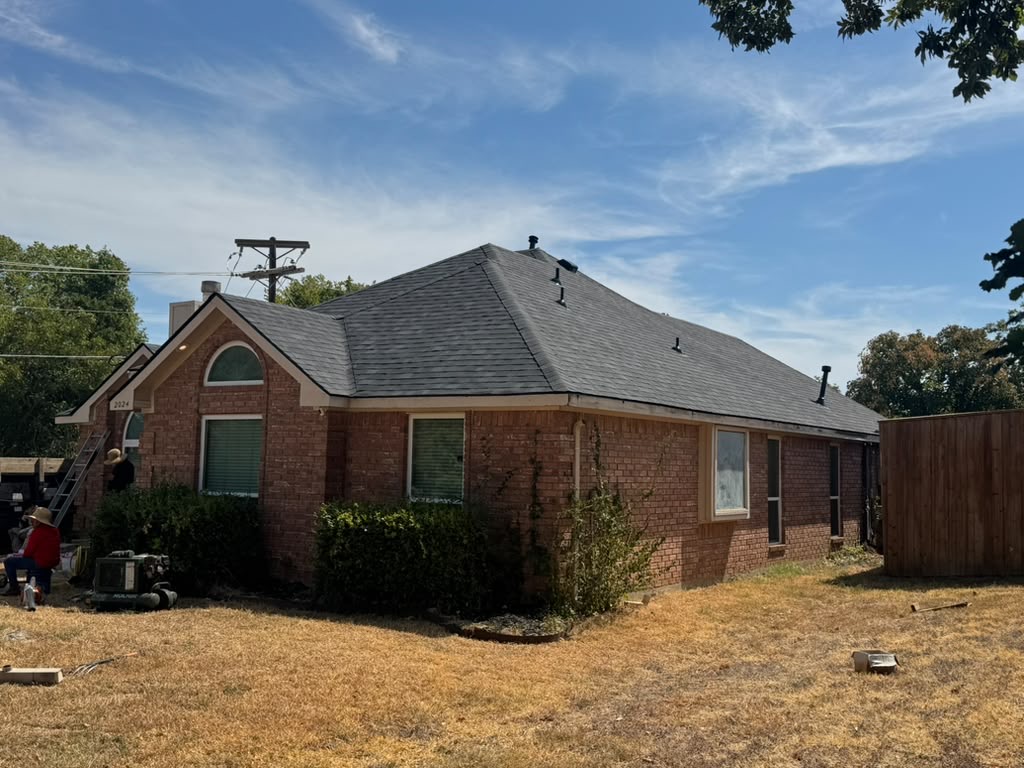
The Myth of the Universal Roof: Why Generic Solutions Fail DFW Homes
You've probably heard it before: "A roof is a roof." It's a tempting thought, isn't it? That a standard, off-the-shelf roofing solution will work just fine for your home, regardless of its age, style, or location. But here in the Dallas-Fort Worth area, especially as we move through 2026, that kind of thinking can lead to some seriously expensive headaches down the road. As a roofing contractor who's been working on DFW homes for over 13 years, I can tell you firsthand that your roof is a lot more complex than just a collection of shingles. It's a finely tuned system designed to protect everything you love under it, and it needs to be treated as such.
Think about it: we experience some of the most dramatic weather swings in the country right here in North Texas. One minute it's scorching sun, the next it's golf-ball-sized hail. A roof that might hold up perfectly in a milder climate could be shredded in a DFW storm. And it's not just about surviving the storms; it's about how your roof performs day in and day out against our intense heat, humidity, and occasional Arctic blasts. Trying to slap the same roof on a historic Victorian in Dallas as you would on a modern farmhouse in Fort Worth is like trying to wear the same shoes for a marathon and a black-tie event – it just doesn't fit the purpose.
What most homeowners miss is that a roof is an ecosystem. It's not just the shingles on top; it's the underlayment, the ventilation, the flashing, the gutters – all working together. When one part isn't suited for our specific DFW environment, the whole system suffers. That's why for us at Montesco Roofing, taking a cookie-cutter approach simply doesn't cut it. We've seen too many homes in Plano, Frisco, and Arlington that have had to be re-roofed years before they should have been, all because the initial solution wasn't designed for our unique challenges. This isn't just about aesthetics; it's about the long-term structural integrity and value of your home. It's about protecting your family and your investment, and that requires a thoughtful, individualized plan.
Beware of contractors who only offer one or two material options or push a "standard package" without understanding your home's specific needs. This often indicates they're more interested in a quick sale than a lasting solution.
7 Factors That Make Your DFW Roof Uniquely Yours
So, if a universal roof is a myth, what makes a DFW roof truly unique? It boils down to a handful of critical factors that we meticulously assess for every single home we work on. Understanding these will help you see why a custom approach isn't a luxury; it's a necessity for protecting your home in our challenging climate.
1. Local Climate & Weather Patterns
This is the big one here in North Texas. We're talking about intense summer heat (often exceeding 100°F), high humidity, and the ever-present threat of severe thunderstorms with high winds and hail. Your roof needs to withstand these extremes consistently. A roof that performs well in Seattle won't necessarily survive a hail storm in Mesquite.
2. Architectural Style & Pitch
The shape and slope of your roof (its pitch) significantly impact how water and debris shed, as well as how it handles wind. A steep, complex roof requires different considerations than a low-slope or flat roof. The architectural style of your home – whether it's a traditional ranch, a modern build, or a classic craftsman – also dictates appropriate materials and designs.
3. Home's Age & Construction
Older homes, especially those built before modern building codes were strictly enforced, might have unique structural considerations or ventilation challenges. The underlying structure needs to be sound to support the new roofing system. We always inspect the decking and structure thoroughly.
4. Material Performance & Longevity
Different roofing materials have vastly different lifespans, maintenance requirements, and performance characteristics. Asphalt shingles, metal, tile, and other options all react differently to our climate. Choosing the right one for your specific situation is crucial for long-term value.
5. Ventilation Requirements
Proper attic ventilation is absolutely critical in DFW. It helps regulate temperature, reduces moisture buildup, and prevents ice dams in the rare cold snaps. Without it, your roof system can degrade prematurely, leading to issues like mold and rot, and driving up your energy bills.
6. Budget & Long-Term Value
While upfront cost is always a consideration, we focus on the long-term value. A slightly more expensive material that lasts twice as long and requires less maintenance can be a much better investment than a cheaper option that needs replacement sooner. It's about total cost of ownership.
7. Local Building Codes & HOA Requirements
We ensure all our installations comply with the latest DFW building codes and any specific requirements from your homeowner's association. This prevents potential fines and ensures your roof is installed safely and correctly.
When we come out for an inspection, we're not just looking for leaks. We're assessing all these elements to recommend a roofing solution that's built to last specifically for your home, in our backyard. It's about more than just covering your house; it's about engineering a shield that can handle the unique pressures of living in DFW.
Material Matters: Asphalt Shingles vs. Metal vs. Tile in North Texas
When you're thinking about a new roof, the material is front and center. And let me tell you, the differences between them are significant, especially here in North Texas. What works great in one region might struggle in another. For DFW homeowners in 2026, understanding these distinctions is key to making a smart investment.
Here in DFW, asphalt shingles are the most common for a reason: they're cost-effective upfront and offer decent protection for their price point. We recommend architectural shingles over the basic 3-tab for better durability and wind resistance, especially since we often see wind speeds that can lift and tear shingles. For homeowners in areas like Rowlett or Garland that are more prone to severe hail, the impact resistance of a Class 4 rated asphalt shingle becomes a critical feature to look for.
However, if you're looking for maximum longevity and are willing to invest more upfront, metal roofing is an increasingly popular choice in DFW. Its reflectivity is a huge plus for our scorching summers, potentially lowering your energy bills significantly. Standing seam metal roofs are incredibly durable, handling high winds like a champ and offering excellent resistance to hail. They're a fantastic, low-maintenance option for homes in areas like Frisco or McKinney.
Then there's tile roofing. It offers a distinct, high-end look, often seen on beautiful custom homes. While incredibly durable and long-lasting, the weight of tile is a major consideration. Many older DFW homes might not have the structural support needed for tile without reinforcement, which adds to the cost. They also require specialized installation to ensure they can withstand our wind events and that individual tiles don't become projectiles. For the right home and the right budget, tile is a stunning and enduring choice.
When considering asphalt shingles, look for the highest wind rating and impact resistance class your budget allows. For DFW's climate, a minimum of a 110 mph wind rating and Class 3 or Class 4 impact resistance is highly recommended. Manufacturers like GAF, Owens Corning, and CertainTeed offer excellent options.
Beyond Aesthetics: How Roof Pitch & Style Impact Performance in DFW Climate
It's easy to get caught up in how a roof looks. We all want our homes to be beautiful, and the roof plays a massive role in that. But here in DFW, the pitch and style of your roof aren't just about curb appeal; they're fundamental to how well it functions, especially under our unique weather conditions.
Key Insight
Roof pitch (the steepness) dictates how effectively water and debris shed. A steeper pitch generally sheds water and snow (though less relevant here) more efficiently, reducing the risk of leaks and ponding. Roof style (e.g., Gable, Hip, Mansard) influences wind resistance, attic space, and overall structural integrity.
Let's talk pitch. In DFW, we don't deal with heavy snow loads, so a very steep pitch isn't always about shedding precipitation in the same way it is up north. However, a moderate to steep pitch is still incredibly beneficial for shedding our frequent heavy rains quickly and efficiently. This minimizes the time water sits on your roof, reducing the chance of it finding its way through small gaps or under shingles. A low-slope or flat roof, common on some modern homes or additions, requires specialized installation techniques and materials (like TPO or EPDM membranes) to prevent water pooling, which can lead to structural damage and leaks over time. We see this often in areas like Arlington where modern designs are popular.
Now, style. A Gable roof, with its two sloping sides meeting at a ridge, is very common and generally performs well. It offers good ventilation potential and is relatively straightforward to build and repair. However, its triangular ends (gables) can be more susceptible to wind uplift if not properly braced. A Hip roof, which slopes on all four sides, is often more aerodynamic and inherently more stable in high winds because it lacks those vulnerable gable ends. Many homes in older DFW neighborhoods feature hip roofs for this reason.
Other styles, like a Mansard roof or a Gambrel roof, offer more living space or aesthetic appeal but can be more complex to build and maintain, and their multiple planes can create more opportunities for wind and water to find entry points if not meticulously installed. The key takeaway is that the style and pitch aren't just decorative choices; they are functional elements that need to be matched to our local weather. A roof that looks great but can't handle a 70 mph gust of wind or a sudden downpour is a failure, no matter how pretty it is.
Considering Different Roof Styles?
The choice between Gable, Hip, or other roof styles involves balancing aesthetics, cost, and performance. For a deeper dive into how these styles perform in our DFW climate and what might suit your home best, check out our guide on Gable vs. Hip Roofs in DFW. Understanding these differences is crucial for making an informed decision that protects your home.
The Hidden Costs of "Cheap" Roofing: What You're Really Paying For
It's human nature to look for a good deal. When it's time for a new roof, the price tag can be daunting, and the allure of a significantly lower quote is powerful. But as a seasoned roofer who's seen the aftermath of "cheap" solutions, I can assure you that often, the cheapest option ends up costing you far more in the long run. Here in DFW, where our weather is so demanding, cutting corners on your roof is a gamble you don't want to take.
A quote that's significantly lower than others (20-30% or more) is a major red flag. It usually means corners are being cut somewhere: in materials, labor, insurance, or warranty. These savings are temporary and often lead to much higher costs later.
What does "cheap roofing" typically entail? It often means:
- Using lower-grade materials that aren't designed for DFW's intense sun and potential hail storms.
- Skimping on underlayment, flashing, or ventilation – the critical layers that protect your home.
- Employing inexperienced or uninsured labor, leading to installation errors and safety risks.
- Offering no or a very limited workmanship warranty, meaning if something goes wrong, they're long gone.
- Cutting corners on cleanup and site preparation, potentially damaging your landscaping or property.
"The bitterness of poor quality remains long after the sweetness of low price is forgotten."— Benjamin Franklin (paraphrased)
Let's break down the actual financial impact. A cheap roof might fail prematurely, say in 10-15 years instead of 20-30. That means you're paying for another full roof replacement much sooner than you should have. If that cheap roof leaks due to poor installation or material failure, you're looking at costly interior damage: water-stained ceilings, damaged drywall, mold remediation, and even structural rot. These interior repairs can easily run into thousands, sometimes tens of thousands, of dollars – far exceeding any initial savings on the roof itself.
Then there's the insurance angle. If your roof fails due to poor installation or substandard materials, your homeowner's insurance company might deny claims for resulting damage, leaving you fully responsible. Furthermore, properly licensed and insured contractors like Montesco Roofing handle the complexities of permits and inspections, ensuring your roof meets code. Cutting these corners can lead to code violations and future problems when you try to sell your home.
How to Get This Done Right
When you choose a reputable contractor, you're investing in quality materials, expert installation, and peace of mind. At Montesco Roofing, we use top-tier manufacturers and back our work with a robust workmanship warranty. We handle all permits and ensure your roof meets or exceeds all local building codes. If you're dealing with storm damage, we also have extensive experience helping homeowners navigate insurance claims to ensure you get the coverage you deserve. Contact us for a free, detailed inspection and quote – we'll show you exactly what you're getting for your investment.
Ultimately, a cheap roof isn't cheap. It's a deferred expense that will almost certainly cost you more in repairs, premature replacement, potential interior damage, and lost home value. Investing in a quality, properly installed roof from an established DFW contractor is one of the smartest financial decisions you can make for your home.
Navigating DFW's Weather: Wind, Hail, and Heat-Resistant Roofing Choices

Living in DFW means living with weather that can be both beautiful and brutal. Our roofs bear the brunt of it, and making choices that prioritize resistance to our specific climate is non-negotiable in 2026. When we talk about wind, hail, and heat, we're talking about the three horsemen of roofing apocalypse for North Texas.
Key Insight
DFW's weather demands roofing systems engineered for resilience. This means focusing on materials and installation techniques that specifically combat high winds, impact from hail, and the relentless heat that can degrade roofing components over time.
Wind Resistance: We've all seen the videos of storms tearing through North Texas. High winds, often exceeding 70-80 mph during severe thunderstorms, can lift shingles, tear them off, and expose the underlayment to rapid water intrusion. For asphalt shingles, this means looking for products with higher wind ratings – ideally 130 mph or more. Architectural shingles are much better than basic 3-tab because they have a thicker profile and more robust nailing strip. Metal roofs, particularly standing seam systems, offer exceptional wind resistance due to their interlocking panels and secure fastening methods. They are often rated for winds well over 140 mph, making them a superior choice for many DFW homeowners.

Hail Resistance: This is a major concern for DFW homeowners. Hailstones can range from pea-sized to golf-ball sized (or even larger!), and they can cause significant damage by cracking shingles, breaking off granules, and even denting metal roofs. When selecting asphalt shingles, look for products with a Class 4 impact resistance rating. These shingles are specifically designed and tested to withstand significant impacts without cracking. Metal roofs, especially those with a Kynar 500 coating, are also excellent against hail, often only getting minor dents that don't compromise their protective qualities. While tile roofs are durable, they can be susceptible to cracking or chipping under severe hail impacts, and their weight can also be a factor in how they handle extreme forces.
When documenting hail damage for insurance, take photos of the dents on your metal roof or the granule loss and bruising on your shingles. This detailed documentation is crucial for a successful insurance claim.
Heat Resistance: Our DFW summers are brutal. Intense, prolonged exposure to high temperatures (often over 100°F for weeks on end) can cause roofing materials to expand, contract, and degrade over time. This can lead to premature brittleness in asphalt shingles, causing them to crack or lose granules. Metal roofs, especially those with reflective coatings, are excellent at bouncing sunlight away, keeping your attic cooler and reducing the load on your HVAC system. Lighter-colored shingles and tiles also perform better in the heat than darker ones. Proper attic ventilation is paramount here; it allows hot air to escape, preventing excessive heat buildup that can damage both your roof and your home's interior.
Best for Wind
Standing Seam Metal
High-wind rated Architectural Shingles
Best for Hail
Metal Roofing (Class 4)
Class 4 Impact Resistant Asphalt Shingles
Best for Heat & Energy Efficiency
Reflective Metal Roofing
Light-colored shingles/tiles with proper ventilation
Choosing materials and installation methods that specifically address these DFW weather challenges isn't just about longevity; it's about ensuring your home remains a safe, comfortable, and protected space year-round. It's about making smart, informed decisions that pay off in the long run, preventing costly repairs and ensuring your roof stands up to whatever Mother Nature throws at us.
Montesco Roofing's Custom Approach: Tailoring Your Roof to Your Home
Here at Montesco Roofing, we've built our 13+ years of experience in DFW not on selling the same roof to everyone, but on understanding that every home is unique. We don't believe in one-size-fits-all solutions. Instead, we've developed a custom approach that takes into account all the factors we've discussed – from the specific microclimate of your neighborhood in Dallas or Fort Worth to the architectural nuances of your house.
Our Process: Tailored to You
Our commitment is to provide a roofing solution as unique as your home. This starts with a comprehensive inspection and a detailed discussion about your needs and priorities.
It begins with a thorough inspection. We don't just glance from the ground; we get on your roof, in your attic, and around your property. We're looking for signs of wear, potential vulnerabilities, and assessing the existing structure. We then sit down with you, not with a generic sales pitch, but with a detailed report and recommendations tailored to your home. This conversation is crucial. We want to understand your concerns, your budget, and your long-term goals for your property.
Based on this assessment, we'll recommend materials that are best suited for DFW's climate and your home's style. This might mean recommending a specific type of architectural shingle with enhanced wind and hail resistance for a home in a high-risk area, or suggesting a standing seam metal roof for a modern build where energy efficiency and extreme durability are paramount. We also pay meticulous attention to the details: the underlayment, the flashing around chimneys and vents, the soffit and ridge vents for proper ventilation. These aren't minor points; they are the difference between a roof that lasts for decades and one that fails prematurely.
When discussing ventilation, ask your contractor about the type of ridge vent and soffit vents they propose. A well-designed system ensures continuous airflow, crucial for preventing heat and moisture buildup in our DFW climate.
Our installation teams are highly trained and experienced in handling the specific demands of DFW weather. They understand the importance of proper nailing patterns for wind resistance, the best practices for sealing against hail, and ensuring the entire system works in harmony. We view every roof we install as a testament to our commitment to quality and our reputation in the community. We're not just contractors; we're neighbors protecting neighbors.
Ready for a Roof Built for Your Home?
At Montesco Roofing, we don't offer packages; we offer solutions. Our custom roofing process ensures your new roof is perfectly suited to your home and the DFW environment. We handle everything from initial inspection to final cleanup with professionalism and care. Schedule your free, no-obligation inspection today and let us show you the Montesco difference. We've been protecting DFW homes for over 13 years, and we're here to ensure yours is next.
Choosing Montesco Roofing means choosing a partner who understands the unique challenges and opportunities of roofing in DFW. It means investing in a solution that's built to last, performs exceptionally, and protects your most valuable asset for years to come.
Your Roof's Lifespan: Investing in Longevity for Your DFW Property
When you're thinking about a new roof, the immediate cost is often the primary focus. But as an experienced DFW roofing contractor, I always encourage homeowners to look beyond the initial price tag and consider the lifespan of their roofing system. For a DFW property, this isn't just about how long the materials will last; it's about the long-term value, reduced maintenance, and the protection it offers your home over the years.
The lifespan of a roof is directly tied to the quality of materials used, the expertise of the installation, and how well the system is suited to the local environment. In DFW, our extreme weather can dramatically shorten the life of an ill-suited roof. For example, a basic asphalt shingle that might last 20-25 years in a milder climate could degrade to 15-18 years here due to the constant thermal cycling (expansion and contraction from extreme heat and occasional cold) and the potential for hail and wind damage.

Consider the alternative: a standing seam metal roof. While the upfront cost is higher, these systems can easily last 40-70 years or even longer in DFW. Over a 50-year period, you might replace a standard asphalt shingle roof two or even three times. The total cost of those multiple replacements, plus potential repair costs and interior damage from leaks during those periods, often far exceeds the cost of a single, high-quality metal roof installation. This is where investing in longevity truly pays off.
When discussing lifespan with your contractor, ask about the expected performance of specific materials in DFW's climate. Don't just rely on manufacturer warranties; understand the real-world durability based on local experience.
This principle applies to other materials and components too. Choosing architectural shingles with higher wind and impact ratings means they're less likely to be damaged by our frequent storms, extending their service life. Proper ventilation, as we've discussed, is critical. A roof that overheats in the summer or traps moisture will degrade much faster, regardless of the material. Investing in a robust ventilation system, coupled with the right roofing material, is an investment in the roof's overall lifespan and your home's energy efficiency.
Investment Focus
Basic Asphalt Shingles: Focus on upfront affordability.
Architectural Shingles: Balance of cost and enhanced durability.
Metal/Tile Roofing: Focus on maximum longevity and long-term value.
Typical Lifespan (DFW)
Basic Asphalt: 10-15 years
Architectural Asphalt: 15-30 years
Metal/Tile: 40-70+ years
Long-Term Cost Considerations
Basic Asphalt: Highest long-term cost due to multiple replacements.
Architectural Asphalt: Moderate long-term cost.
Metal/Tile: Lowest long-term cost, highest upfront investment.
At Montesco Roofing, our goal is to help you make a roofing decision that's right for your home and your budget, but also one that provides the greatest long-term value. We want to install a roof that you can depend on for decades, protecting your family and your investment through all of DFW's seasons. That's the true meaning of investing in your roof's lifespan.
Frequently Asked Questions About Custom Roofing Solutions
Frequently Asked Questions About Custom Roofing Solutions
Why can't I just get the cheapest roofing option available?
How long does a custom-tailored roof typically last in DFW?
What are the most important factors for a DFW roof's performance?
Does the architectural style of my home affect roofing material choices?
How does ventilation play a role in a DFW roof's lifespan?
What is Montesco Roofing's warranty on custom installations?
How do I know if my roof has been damaged by recent DFW weather?
Need help determining the best roofing solution for your unique DFW home? Our team has protected hundreds of homes across Dallas, Fort Worth, and surrounding areas for over 13 years. We believe in a tailored approach that ensures your roof is built for longevity and performance. Tell us about your roof — we offer free inspections and no-pressure quotes.
Get Your Free Roof Inspection →Montesco Roofing Team
DFW's trusted roofing contractor with 13+ years of experience. Specializing in roof replacements, storm damage repair, and insurance claims across Dallas-Fort Worth.
Get in touch →