TPO vs. PVC Flat Roofs Dallas 2026: The $15,000 Decision Between Cost, Codes & Energy Savings
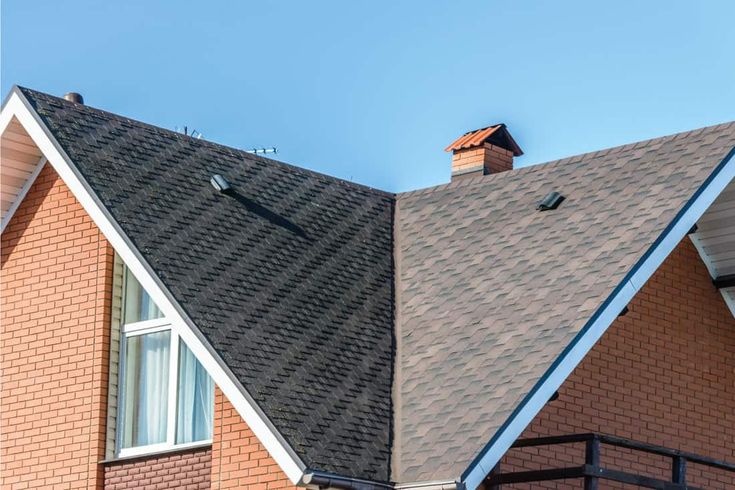
The Great Flat Roof Debate: TPO vs. PVC in the Dallas Heat
You've got a commercial building here in Dallas, and you're staring at a flat roof that's seen better days. Maybe it's showing its age, maybe you're dealing with some annoying leaks after those North Texas pop-up storms, or perhaps you're just planning a major renovation. Whatever the reason, the question of what to put on top of your building is a big one. And when it comes to flat roofs, two materials consistently come up: TPO and PVC. They sound similar, and they're both single-ply membranes, but let me tell you, the differences can be significant, especially when you're talking about a $15,000 to $25,000 investment, or even more, for a Dallas property in 2026. It's not just about slapping down a sheet of plastic; it's about choosing the right shield for your business, considering everything from the scorching Texas sun to the ever-evolving building codes.
Quick Answer: For Dallas commercial flat roofs in 2026, TPO is generally the more budget-friendly option, offering good performance and energy efficiency. PVC, while more expensive upfront, provides superior durability, chemical resistance, and fire ratings, making it ideal for harsher conditions or demanding applications. The choice often hinges on balancing initial cost with long-term performance and specific building needs.
Here at Montesco Roofing, we've been working on roofs across the DFW metroplex for over 13 years. We've seen what holds up and what doesn't under our unique Texas climate – those brutal summers, the occasional freezing rain, and everything in between. When it comes to flat roofs, TPO (Thermoplastic Polyolefin) and PVC (Polyvinyl Chloride) are the frontrunners for good reason. They’re both robust, single-ply systems that offer excellent protection. But if you’re trying to decide between them, you’re probably wondering: what’s the real difference, and which one is right for my building in Dallas?
The truth is, this isn't a one-size-fits-all decision. It’s a strategic choice that impacts your budget, your building's energy efficiency, its longevity, and even its compliance with local regulations. We're talking about protecting your business, your assets, and your bottom line. So, let's break down TPO versus PVC, not with sales jargon, but with the kind of honest, hands-on insight you’d expect from someone who’s spent years installing and maintaining these systems right here in North Texas.
Understanding TPO: The Budget-Friendly Workhorse for Dallas Flat Roofs
TPO has really taken off in the commercial roofing world over the last couple of decades, and for good reason. It’s become the go-to for many building owners in Dallas and across the country, largely because it offers a compelling blend of performance and affordability. Think of it as the reliable, everyday sedan of flat roofing membranes. It gets the job done, it’s cost-effective, and it’s widely available.
What exactly is TPO? It’s a single-ply roofing membrane made from a blend of polypropylene and ethylene-propylene rubber. The key to its performance lies in its formulation, which is designed to be durable, flexible, and resistant to UV rays and ozone. The seams on a TPO roof are heat-welded together, creating a monolithic, watertight surface. This heat-welding process is crucial; it’s what makes the seams as strong, if not stronger, than the membrane itself, preventing leaks and blow-offs.
One of the biggest draws of TPO, especially for businesses operating on a tighter budget here in Dallas, is its price point. Generally speaking, TPO is less expensive than PVC. This initial cost savings can be a significant factor when you're looking at covering thousands of square feet. But don't let the lower cost fool you into thinking it's a flimsy material. Modern TPO formulations have come a long way. They offer good puncture resistance, are relatively easy to install, and are ENERGY STAR® certified, meaning they can reflect a significant amount of the sun's energy, which is a huge plus during our scorching Dallas summers.
When looking at TPO, pay attention to the thickness of the membrane. Thicker membranes (like 60-mil or 80-mil) will generally offer better durability and longevity than thinner ones (45-mil). For a commercial roof in Dallas, I'd strongly recommend at least 60-mil for a good balance of performance and cost.
The installation of TPO is typically straightforward. It can be mechanically fastened, fully adhered, or ballasted, depending on the building structure and local codes. The heat-welding of seams is a critical step that requires skilled installers. A poorly welded seam is a potential leak waiting to happen, especially after experiencing the expansion and contraction cycles our Texas weather throws at it. That's why choosing an experienced DFW roofing contractor who knows how to properly install TPO is just as important as the material itself.
However, there are some considerations with TPO. Early formulations sometimes had issues with UV degradation and becoming brittle over time, especially in extremely hot climates like ours. While manufacturers have significantly improved TPO’s resistance to heat and UV exposure, it's still something to be aware of when comparing it to PVC. Also, TPO can be more susceptible to damage from certain chemicals, greases, or animal fats, which might be a concern for specific types of businesses, like restaurants or manufacturing facilities.
Exploring PVC: The Premium Performer for Extreme Dallas Conditions
Now, let's talk about PVC. If TPO is the reliable sedan, PVC is more like the high-performance SUV. It’s built to handle tougher conditions, offers a higher level of protection, and comes with a more premium price tag to match. For businesses in Dallas where durability, resistance to harsh elements, and long-term performance are top priorities, PVC is often the superior choice.
PVC, or Polyvinyl Chloride, is a thermoplastic membrane that’s inherently strong and flexible. What sets it apart is its composition, which includes plasticizers that give it its flexibility and additives that enhance its fire resistance and chemical resilience. Like TPO, PVC seams are heat-welded, creating a robust, waterproof bond. But the PVC weld is generally considered to be even stronger and more reliable than a TPO weld, offering exceptional resistance to tearing and wind uplift.
One of the most significant advantages of PVC is its outstanding resistance to a wide range of substances. This makes it an excellent choice for buildings that might be exposed to grease, oils, animal fats, or harsh chemicals. Think about restaurants with rooftop exhausts, industrial facilities, or even buildings near certain types of commercial operations. The inherent chemical resistance of PVC means it’s less likely to degrade or be damaged by these substances, which is a major concern for long-term roof integrity in areas like Dallas.
PVC also boasts superior fire-retardant properties. Many PVC roofing systems achieve excellent fire ratings, which can be a critical factor in meeting building codes and ensuring the safety of your occupants and property. This enhanced fire resistance is a direct benefit of the material's composition. Furthermore, PVC is naturally resistant to mold and mildew growth, which can be beneficial in humid conditions or in areas prone to standing water, although proper drainage is always key for any flat roof.
The upfront cost of PVC is typically higher than TPO. This is due to the raw materials and the more complex manufacturing process involved. However, many building owners find that the increased initial investment pays off over the lifespan of the roof. PVC membranes are known for their exceptional durability and longevity, often outperforming TPO in demanding environments. When you factor in reduced maintenance needs and a longer service life, the total cost of ownership for a PVC roof can be very competitive, especially in a challenging climate like Dallas.
The installation of PVC requires a high level of skill, particularly the heat-welding process. While TPO welding is strong, PVC welding is often considered even more robust. It requires precise temperature control and skilled technicians to ensure a seamless, watertight, and wind-resistant installation. This is another area where choosing a seasoned commercial roofing contractor in Dallas is absolutely vital. We understand the nuances of working with PVC to ensure it performs as intended for decades.
TPO vs. PVC Cost Breakdown: What $5,000 vs $15,000 vs $25,000 Actually Buys You in Dallas 2026
When we talk about the cost of a new flat roof in Dallas in 2026, it's not just about the price per square foot. It's about the entire system, the quality of the materials, the complexity of the installation, and the long-term value. A $5,000 job might get you a very basic, thinner TPO membrane on a small, simple roof, but it's unlikely to cover a substantial commercial building with all the necessary layers and proper installation techniques. Let's look at what you can realistically expect at different investment levels for TPO and PVC.
| Feature | $5,000 - $10,000 (Smaller/Simpler Roofs) | $10,000 - $20,000 (Medium/Standard Roofs) | $20,000 - $30,000+ (Larger/Complex Roofs) |
|---|---|---|---|
| Material Type | Likely thinner TPO (45-60 mil), basic white or light grey. | Thicker TPO (60-80 mil) in various colors, or standard PVC (50-60 mil). | Premium TPO (80+ mil) with enhanced features, or thicker PVC (60-80 mil) with specialized coatings. |
| Installation Quality | Basic mechanical fastening or adhered. Seam quality might be variable. Limited warranty. | Professional installation, fully adhered or mechanically fastened. Strong heat-welded seams. Standard manufacturer and workmanship warranties. | Expert installation, often fully adhered for maximum performance. Superior seam integrity. Extended manufacturer and robust workmanship warranties. |
| Lifespan Expectation | 10-15 years (may vary greatly with quality and maintenance). | 15-20 years for TPO, 20-30 years for PVC. | 20+ years for premium TPO, 30+ years for high-quality PVC. |
| Energy Efficiency | Basic reflectivity. | Good reflectivity (ENERGY STAR certified options). | Excellent reflectivity, potential for cool roof coatings, significant energy savings. |
| Durability & Resistance | Moderate resistance to UV and heat. Susceptible to punctures. | Good resistance to UV, heat, and punctures. PVC offers better chemical resistance. | Excellent resistance to UV, heat, punctures, and chemicals. Superior fire resistance with PVC. |
| Warranty | Limited material warranty, short or no workmanship warranty. | Standard material warranty (10-20 years), 5-10 year workmanship warranty. | Extended material warranty (up to 30 years), 10-20+ year workmanship warranty. |
| Overall Value | Short-term solution, may require earlier replacement. | Good long-term value, balancing cost and performance. | Highest long-term value, superior protection, lowest cost of ownership over decades. |
It’s crucial to understand that these are general estimates for 2026 in the Dallas area. Actual costs will depend on the size and complexity of your roof, the specific manufacturer and product line chosen, the existing roof condition (whether tear-off is needed), accessibility, and the contractor's overhead and labor rates. A $5,000 budget might be realistic for a small commercial space or a single-story building with a straightforward roof shape. However, for most established commercial properties in Dallas, you're likely looking at the $10,000 to $30,000+ range, where the difference between TPO and PVC becomes a more significant consideration in terms of the value and performance you're getting.
Key Insight
Don't just get the lowest bid. A cheap roof is often a costly mistake in the long run. Always ask for detailed quotes that break down material costs, labor, warranty information, and any additional services like tear-off or insulation. A reputable Dallas roofing contractor will be transparent about these details.
When you're comparing quotes, pay close attention to the mil thickness of the membrane. For TPO, 45-mil is the minimum, but 60-mil or even 80-mil is strongly recommended for commercial applications in Texas. For PVC, 50-mil is common, but 60-mil or 80-mil offers enhanced durability. The warranty is another critical differentiator. A longer, more comprehensive warranty, especially one that includes both materials and workmanship, is a strong indicator of a quality installation and a durable product. Montesco Roofing always emphasizes the importance of a robust warranty as a testament to the quality of our work and the materials we use.
Energy Savings Showdown: How TPO and PVC Impact Your Dallas Utility Bills
Living and doing business in Dallas means you're no stranger to high energy bills, especially during the summer months when the air conditioning works overtime. Your roof plays a massive role in how much heat enters your building. This is where the reflective properties of TPO and PVC become incredibly important. Both materials are available in "cool roof" colors, typically white or light grey, which are designed to reflect solar radiant heat rather than absorb it. This can make a substantial difference in your building’s internal temperature and, consequently, your cooling costs.
The ENERGY STAR program certifies roofing products that meet specific criteria for solar reflectance and thermal emittance. Both TPO and PVC membranes, when manufactured in cool roof colors, can earn this certification. This means they reflect a significant portion of the sun's rays, keeping your roof surface cooler. A cooler roof surface translates directly into less heat being transferred into your building’s interior.
While both can offer excellent energy savings, there can be subtle differences. PVC, with its inherent reflective qualities and often smoother surface, can sometimes offer slightly better solar reflectance values depending on the specific product. However, the difference in reflectivity between a high-quality, certified cool roof TPO and a cool roof PVC might be minimal in practical terms. The biggest factor influencing energy savings will be the choice of color and the specific solar reflectance rating of the chosen membrane.
What often matters more than the minor material differences is the quality of the installation and the overall roof system design. Proper insulation beneath the membrane is crucial for maximizing energy efficiency. A well-insulated roof, combined with a reflective TPO or PVC membrane, can lead to substantial reductions in cooling costs. For a Dallas business owner, this isn't just about comfort; it's about a tangible reduction in operating expenses. We’ve seen clients report savings of anywhere from 15% to 30% on their cooling bills after installing a high-performance cool roof system.
Maximizing Energy Savings on Your Dallas Flat Roof
To get the most out of your investment, consider these factors:
- Choose a Cool Roof Color: Opt for white or light grey membranes.
- Check Reflectance Ratings: Look for membranes with high Solar Reflectance Index (SRI) values.
- Ensure Proper Insulation: Work with your contractor to ensure adequate insulation is installed beneath the membrane.
- Maintain Your Roof: Keep the surface clean to preserve its reflectivity.
If you're looking to optimize your building's energy performance with a new flat roof, our team at Montesco Roofing can help you select the best TPO or PVC option and ensure it's installed to maximize efficiency. Let's discuss your Dallas property's needs.
It’s also worth noting that while a cool roof helps in the summer, it might slightly increase heating costs in the winter. However, given the intensity and duration of Dallas summers, the net energy savings from a reflective roof typically outweigh any minor increase in winter heating costs. The overall reduction in your HVAC system's workload is usually a significant benefit year-round.
Navigating Dallas Building Codes: TPO & PVC Compliance Essentials for 2026

Building codes are in place to ensure safety, structural integrity, and energy efficiency. When you're installing a new flat roof in Dallas in 2026, compliance with the latest International Building Code (IBC) and local amendments is non-negotiable. Both TPO and PVC membranes are widely accepted and can meet code requirements, but there are specific aspects you need to be aware of.
Building codes are updated regularly. What was acceptable last year might not be this year. Always ensure your contractor is up-to-date with the latest Dallas amendments and has the necessary permits for any roofing work.
One of the most critical areas where codes come into play is fire resistance. Different roof assemblies have different fire ratings (e.g., Class A, B, C). PVC membranes often have inherent superior fire-retardant properties, making it easier for them to achieve higher fire ratings, which can be a significant advantage in certain applications or for buildings in densely populated areas. TPO can also achieve good fire ratings, but it might require specific underlayments or assembly designs to meet the same standards as PVC.
Wind uplift resistance is another crucial code requirement, especially in Texas, which is prone to severe thunderstorms and high winds. Building codes specify the minimum wind uplift resistance required for roofing systems based on the building's height, location, and exposure category. Both TPO and PVC, when installed correctly with the appropriate fastening method (mechanically fastened, fully adhered, or ballasted), can meet these stringent wind load requirements. However, the strength of the heat-welded seams in PVC often provides an added layer of security against wind uplift, as the membrane is less likely to tear or delaminate.
The thickness of the membrane also plays a role in code compliance and performance. Codes often dictate minimum membrane thicknesses for certain applications. For commercial roofs, thinner membranes (like 45-mil TPO) might be permissible in some situations but are generally not recommended for the longevity and durability expected in the Dallas climate. Codes also address requirements for insulation, vapor barriers, and drainage, all of which are integral parts of a compliant and effective flat roof system.
When you're working with a reputable commercial roofing contractor in Dallas, they will be intimately familiar with these codes. They’ll ensure that the chosen material, the underlayment, the fastening method, and the overall roof assembly meet or exceed all local requirements. This includes obtaining the necessary permits and scheduling inspections with the city. Skipping this step can lead to costly rework, fines, or even voided insurance claims down the line.
It’s also important to consider potential future code changes. While we can't predict the future, choosing a high-performance material like PVC, which offers inherent advantages in fire resistance and durability, might position your building favorably for future code updates that could impose stricter requirements on roofing materials.

Installation Matters: Why Expert TPO/PVC Application is Non-Negotiable in DFW
I can't stress this enough: the best TPO or PVC membrane in the world won't perform as intended if it's not installed correctly. In the DFW area, with our extreme weather fluctuations, proper installation is not just about aesthetics or preventing minor leaks; it's about ensuring the long-term structural integrity and safety of your building. This is where the expertise of a seasoned roofing contractor in DFW like Montesco Roofing truly shines.
Step 1: Thorough Site Assessment
Before any work begins, we conduct a detailed inspection of your existing roof, the building structure, and drainage systems. This helps us identify any underlying issues that need addressing and determine the most effective installation method.
Step 2: Surface Preparation
A clean, dry, and properly prepared substrate is essential for optimal adhesion and membrane performance. This involves removing debris, old materials, and ensuring the surface is smooth.
Step 3: Precise Membrane Installation
Whether mechanically fastening, fully adhering, or ballasting, every fastener, adhesive, or weight must be placed according to manufacturer specifications and code requirements. For TPO and PVC, precise heat welding of seams is critical.
Step 4: Flashing and Detailing
Penetrations like vents, HVAC units, and parapet walls are common leak points. Our technicians meticulously flash these areas to ensure a watertight seal, using specialized techniques for each material.
Step 5: Quality Control and Inspection
We perform rigorous in-house inspections throughout the process and ensure all necessary city inspections are passed. This guarantees the roof meets our high standards and all regulatory requirements.
For TPO and PVC, the heat-welding process is paramount. It involves using specialized hot-air welding equipment to fuse the overlapping seams of the membrane together. This creates a continuous, monolithic barrier that’s incredibly strong and watertight. However, it’s not as simple as just running a welder over the seam. The temperature, speed, and pressure of the welder must be precisely controlled. Too little heat, and the weld won't be strong enough. Too much heat, and you can damage the membrane. Experienced installers know how to adjust these settings based on the ambient temperature, the specific material, and even the humidity – all factors we deal with regularly here in Dallas.
"The difference between a good flat roof and a leaky one often comes down to the quality of the seams. We've seen too many roofs fail prematurely because of poor welding. It's a skill that takes practice and attention to detail."— A seasoned Montesco Roofing Foreman
The type of installation also matters. Fully adhered systems, where the membrane is glued down across the entire roof deck, generally offer superior wind uplift resistance and a smoother finish. Mechanically fastened systems, where the membrane is attached with screws and large washers, are often more cost-effective but require specific patterns and fastener types to meet wind load requirements. Ballasted systems, where the membrane is held down by heavy stones or pavers, are less common on commercial buildings now due to weight concerns and potential for damage.
When you choose Montesco Roofing, you're not just getting a new roof; you're getting a team that understands the science and the art of flat roofing. We invest in ongoing training for our installers and use the best equipment. This commitment to quality installation is why we can confidently offer robust warranties on our TPO and PVC roof systems. It’s about protecting your investment for the long haul, especially in a demanding climate like North Texas.
Beyond the Basics: Factors Influencing TPO & PVC Lifespan in Texas Climate
We’ve talked about the inherent qualities of TPO and PVC, their costs, and installation. But what about how long these roofs will actually last here in Texas? The lifespan of any roofing material is influenced by a combination of factors, and the climate in Dallas presents some unique challenges and opportunities.
First and foremost is solar exposure. Our Texas sun is intense. Both TPO and PVC are designed to withstand UV radiation, but prolonged, intense exposure will eventually take a toll. This is why choosing a membrane with a higher UV resistance rating and a lighter, reflective color is so important. A dark-colored roof in Dallas will absorb far more heat and degrade faster than a white or light grey one.
Next is temperature fluctuations. Dallas experiences dramatic temperature swings. Summer highs can be well over 100°F, while winter lows can dip below freezing. This constant expansion and contraction put stress on the roofing material and its seams. Higher quality membranes, and particularly PVC with its inherent flexibility, tend to handle these cycles better over the long term, reducing the risk of cracking or seam separation.
Maintenance is another huge factor. A flat roof, regardless of material, needs regular inspection and cleaning. Debris accumulation on the roof can trap moisture, leading to premature wear and potential leaks. Gutters and drainage systems need to be kept clear to prevent standing water, which is detrimental to any flat roof system. Regular professional inspections, perhaps once or twice a year, can catch small issues before they become big, expensive problems.
Puncture resistance is also critical in a busy commercial environment. Things can fall on the roof, HVAC units need servicing, and sometimes people walk on them. While both TPO and PVC are reasonably puncture-resistant, PVC generally has a slight edge in this regard. However, a thicker TPO membrane (60-mil or 80-mil) can often provide comparable resistance to a standard PVC membrane.
Finally, installation quality, as we’ve discussed, is paramount. A roof installed with meticulous attention to detail, using the right fasteners, adhesives, and flawless heat-welding techniques, will inevitably last longer and perform better than one installed carelessly. The warranty provided by your contractor is a reflection of their confidence in their installation quality and the materials they use.
Key Takeaways
- A lighter, reflective color is essential for maximizing roof lifespan in Dallas's intense sun.
- PVC's inherent flexibility often gives it an edge in handling extreme temperature fluctuations.
- Regular professional maintenance is crucial for extending the life of any flat roof.
- The quality of installation directly impacts how long your TPO or PVC roof will last.
At Montesco Roofing, we aim to install roofs that exceed expectations. We select materials known for their durability in climates like ours and employ installation techniques that ensure longevity. When you invest in a TPO or PVC roof with us, you're investing in a system designed to withstand the unique challenges of the Texas climate for years to come.
Montesco Roofing's Approach to TPO & PVC Flat Roof Solutions in Dallas
Choosing between TPO and PVC for your commercial property in Dallas can feel overwhelming. That's why we at Montesco Roofing make it our business to simplify the process and provide clear, expert guidance. With over 13 years of experience serving the DFW area, we’ve developed a deep understanding of what works best under our local conditions.
Our approach is consultative. We don't just show up and slap down a roof. We start by listening. We want to understand your building's specific needs, your budget, your operational requirements, and any concerns you might have. Is your building a restaurant constantly dealing with grease and heat? Do you prioritize maximum energy savings? Are you facing strict budget constraints? These are the questions that guide our recommendations.
Our Commitment to Quality
At Montesco Roofing, we believe in transparency and quality craftsmanship. We only use premium TPO and PVC membranes from reputable manufacturers. Our installation crews are highly trained and certified, ensuring every seam is perfectly welded and every detail is handled with precision. We stand behind our work with industry-leading warranties.
For many Dallas businesses, a high-quality TPO membrane (60-mil or 80-mil) offers an excellent balance of performance, energy efficiency, and cost-effectiveness. It's a proven performer that can provide decades of reliable service when installed correctly. We often recommend TPO for new builds, re-roofs where budget is a key consideration, and for general commercial applications where extreme chemical resistance isn't a primary concern.
However, for businesses with more demanding needs – those requiring superior resistance to chemicals, extreme fire ratings, or the absolute longest lifespan possible – we confidently recommend PVC. Its inherent strength, flexibility, and resilience make it the top choice for challenging environments. We've installed PVC roofs on everything from large industrial facilities to high-end retail spaces where durability and a premium finish are essential.
When you get a quote from Montesco Roofing, you'll receive a detailed breakdown of the proposed system, including the specific materials to be used, the warranty coverage, and the installation process. We’re happy to walk you through the pros and cons of TPO versus PVC for your specific situation, answering all your questions honestly. Our goal is to empower you to make the best decision for your property and your business.
How to Get This Done
If you want to handle some initial checks yourself, here's what you can do:
- Inspect the area around your roof penetrations (vents, AC units) for any signs of wear or damage.
- Check your current roof's age if possible – many commercial roofs have an expected lifespan of 15-30 years.
- Look for standing water after a rainstorm, which indicates drainage issues.
If you'd prefer to have experienced roofers handle it, our team has installed hundreds of TPO and PVC flat roofs on Dallas commercial properties. Our process involves a thorough inspection, a detailed, no-obligation quote, and professional installation by certified technicians. We handle all permitting and ensure your new roof meets all code requirements and manufacturer specifications.
Ultimately, whether you choose TPO or PVC, the most critical factor is partnering with a trusted, experienced Dallas commercial roofing contractor. We are committed to providing durable, cost-effective, and code-compliant roofing solutions that protect your business for years to come. Don't let your flat roof be a source of stress; let it be a source of security and efficiency.
Frequently Asked Questions About TPO vs. PVC Flat Roofs in Dallas
Frequently Asked Questions About TPO vs. PVC Flat Roofs in Dallas
What is the main difference between TPO and PVC roofing?
Which type of flat roof is more expensive in Dallas 2026?
Which material is better for energy efficiency in Dallas: TPO or PVC?
How long does a TPO roof typically last in Dallas?
How long does a PVC roof typically last in Dallas?
Are TPO and PVC roofs suitable for all types of commercial buildings in Dallas?
What are the key Dallas building code considerations for flat roofs?
Can TPO or PVC roofs withstand hail in Dallas?
Need help deciding between TPO and PVC for your Dallas commercial property? Our team has protected hundreds of DFW businesses with expert flat roofing solutions. Tell us about your roof — get a free inspection and a clear, honest quote.
Get Your Free Roof Inspection →Montesco Roofing Team
DFW's trusted roofing contractor with 13+ years of experience. Specializing in roof replacements, storm damage repair, and insurance claims across Dallas-Fort Worth.
Get in touch →