TPO Roof Leaks: Failure Points We Fix Most Often on Richardson Warehouses
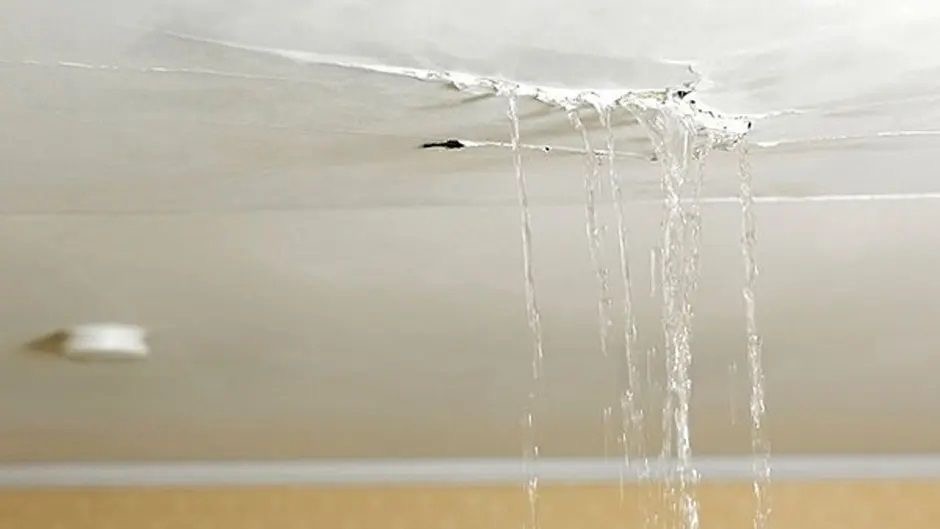
The Hidden Dangers of TPO Roof Leaks on Richardson Warehouses
Here in the Dallas-Fort Worth area, especially out here in Richardson, businesses rely on their warehouses to keep operations smooth and inventory safe. But when a TPO roof leak starts, it's not just a drip from the ceiling. It’s a silent threat that can turn a minor inconvenience into a major headache, impacting everything from your stored goods to your bottom line. We're talking about potential mold growth, structural damage that weakens your building, and costly inventory spoilage. And let’s not forget the disruption to your business operations – every day a leak isn't fixed is a day your business is at risk. As a DFW roofing contractor with over 13 years of experience, I’ve seen firsthand how seemingly small issues can escalate rapidly, especially with the intense Texas weather we experience year-round, from scorching summers to the occasional severe storm.
We’ve been tackling these kinds of problems across the Metroplex for years, and we know that understanding why these leaks happen is the first step to fixing them permanently. The materials themselves are robust, but it's often the installation or the inevitable wear and tear that creates vulnerabilities. For businesses in Richardson, where commercial properties are vital to the local economy, a reliable roof isn’t just a building component; it’s a critical asset. Ignoring a small leak can lead to significant structural repairs, mold remediation, and even necessitate a full roof replacement down the line, costing far more than a timely, professional repair would have. It’s about protecting your investment, your assets, and your peace of mind.
Why TPO Roofs Fail: Understanding Common Weaknesses
Thermoplastic Polyolefin, or TPO roofing, has become a popular choice for commercial buildings like those in Richardson. It’s known for its durability, energy efficiency, and cost-effectiveness. However, no roofing system is completely impervious to damage or failure. The key to understanding TPO leaks lies in recognizing its common vulnerabilities. Think of it like any high-performance material – it needs to be installed correctly and maintained properly to achieve its full lifespan and performance potential. What most people miss is that even the best materials can be compromised by improper installation techniques, environmental factors, or simply aging.
One of the biggest culprits is related to how TPO sheets are joined. TPO is a single-ply membrane that’s typically heat-welded together. This process creates a strong, monolithic surface when done correctly. However, if the temperature isn't right, the seam isn't cleaned properly, or the roller pressure isn't consistent, you can end up with weak spots or even outright gaps. These areas are prime candidates for water intrusion. It’s a detail-oriented process that requires a skilled hand and a deep understanding of the material.
When TPO seams are heat-welded, the temperature and weld speed are critical. Too hot, and you can burn through the membrane. Too cool, and the bond won't be strong enough. Experienced installers pay close attention to these variables, adjusting based on ambient temperature and humidity.
Another significant factor is exposure to the elements. While TPO is UV-resistant and can handle a lot, prolonged exposure to intense Texas sun, hail, and drastic temperature fluctuations can eventually degrade the material. Small cracks can form, especially around edges or where the membrane is stressed. Furthermore, foot traffic on the roof – whether from maintenance crews or even just building occupants – can cause punctures or abrasions. If there are sharp objects on the roof, or if people aren't careful where they step, damage is almost inevitable. This is why regular inspections are so important; identifying and addressing minor damage before it becomes a major leak saves a lot of headaches and money.
Don't assume a small bubble or wrinkle in your TPO membrane is harmless. These can indicate underlying issues with adhesion or installation, and they can become entry points for water if left unaddressed.
Finally, consider the roof's drainage system. Flat or low-slope roofs are designed to shed water, but if the drainage components – like scuppers, gutters, or internal drains – become clogged with debris (leaves, dust, even gravel from roofing materials), water can pool. This standing water puts extra stress on the membrane and seams, increasing the likelihood of leaks. Persistent ponding water is a major enemy of any flat roof system and can accelerate material degradation significantly. It’s a common oversight that can have severe consequences, especially after heavy rains, which we see a fair amount of in North Texas.
Top 7 TPO Roof Failure Points We See in Richardson
Over my 13+ years installing and repairing roofs across DFW, I’ve noticed recurring patterns in where TPO roofs tend to develop leaks. For businesses in Richardson, understanding these specific weak spots can help you be more vigilant and proactive. It’s about knowing what to look for and what your roofing contractor should be checking during inspections. These aren't just theoretical issues; they're the actual points of failure I see on roofs week in and week out.
1. Seam Separation
As mentioned, TPO seams are heat-welded. If the weld isn't perfect, or if the material expands and contracts significantly due to temperature swings (which happens a lot here in Texas), the seam can begin to pull apart, creating a gap for water to enter.
2. Flashing Failures
Flashing is critical around roof edges, parapet walls, and where the roof meets the building's structure. Improperly installed or deteriorated flashing can easily allow water to seep into the building envelope, often appearing as an interior leak far from the actual entry point.
3. Punctures and Tears
This is often due to external factors – falling branches, debris from storms, careless foot traffic, or even sharp edges on rooftop equipment. Even a small puncture can allow a surprising amount of water in, especially under pressure from wind-driven rain.
4. Around Roof Penetrations
Anything that goes through your roof – HVAC units, vents, skylights, pipes – creates a potential leak point. The seals and flashing around these penetrations are constantly exposed to stress and the elements, making them prime candidates for failure if not meticulously maintained.
5. Drainage System Issues
Clogged gutters, blocked scuppers, or malfunctioning internal drains lead to ponding water. This standing water not only stresses the TPO membrane but can also find its way through microscopic imperfections or compromised seams over time.
6. Improperly Installed Adhesives
While heat welding is common, some TPO systems or details use adhesives. If these adhesives aren't applied correctly, or if the substrate isn't properly prepared, the bond can fail, leading to leaks, especially at edges and overlaps.
7. Age and UV Degradation
Even the best TPO will eventually wear down. Over years of exposure to intense sunlight, heat, and weather cycles, the material can become brittle, leading to cracks and a reduced ability to withstand stress, particularly at seams and edges.
These are the areas we focus on when we're called out to a Richardson business with a suspected TPO leak. Our goal isn't just to patch the immediate problem, but to understand the root cause and ensure the repair lasts. It’s about providing a long-term solution, not a temporary fix.
Case Study: Solving a Persistent TPO Leak on a Richardson Distribution Center
A few months back, we were contacted by the manager of a large distribution center here in Richardson. They had been battling a persistent leak in a specific section of their TPO roof for over a year. They had tried multiple quick fixes from different companies, but the water kept coming back, causing damage to their inventory and creating a slippery hazard for their employees.
"We were at our wit's end. Every time it rained, we were worried about our shipments. We needed a solution that would actually last, not just another temporary patch."— Warehouse Manager, Richardson
When our team arrived, we performed a comprehensive inspection. We started by checking the interior for the exact location of the water ingress, then moved to the exterior. We meticulously examined the TPO membrane, paying close attention to seams, penetrations, and drainage points in the affected area. What we discovered was a combination of issues. The initial leak seemed to have originated from a poorly sealed seam near a rooftop HVAC unit. Over time, repeated attempts to patch this one spot without addressing the underlying seam integrity had actually weakened the surrounding membrane.
Furthermore, the drainage scupper in that zone was partially blocked with accumulated debris, causing water to pond in an area that was already compromised. This ponding water was exacerbating the seam issue and slowly working its way under the membrane.
Key Insight
A single leak often isn't caused by just one factor. It's usually a combination of installation flaws, environmental wear, and maintenance neglect that creates a perfect storm for water intrusion. Addressing all contributing factors is essential for a lasting repair.
Our solution involved more than just patching. We carefully removed the failing patches, cleaned the TPO membrane thoroughly, and then meticulously re-welded the compromised seam using specialized equipment to ensure a watertight bond. We also addressed the flashing around the HVAC unit, ensuring it was properly sealed and integrated with the TPO membrane. Finally, we cleared the drainage scupper and ensured the entire drainage system was functioning optimally to prevent future ponding. Since our repair, the client has reported no further leaks, and they’ve signed up for our annual maintenance plan to prevent future issues. This is the kind of long-term problem-solving we aim for.
Diagnosing TPO Roof Leaks: The Montesco Roofing Advantage

Finding the source of a TPO roof leak, especially on a large commercial building, can feel like searching for a needle in a haystack. Water can travel significant distances under the membrane before appearing inside, making it tricky to pinpoint the exact entry point. This is where experience and specialized tools make all the difference. At Montesco Roofing, we don't just guess; we employ a systematic approach to diagnose leaks accurately.
Our Diagnostic Process
Our process for diagnosing TPO leaks involves several key steps:
- Initial Consultation & History: We start by talking to you, the building owner or manager, to understand when the leak started, its severity, and any previous repair attempts.
- Interior Inspection: We'll go into your building to locate the interior signs of water damage – water stains, peeling paint, or active drips. This helps us narrow down the potential roof area.
- Exterior Roof Survey: This is where the hands-on expertise comes in. We conduct a thorough visual inspection of the entire TPO membrane, looking for obvious signs of damage like tears, punctures, blisters, and seam separations.
- Targeted Testing: For less obvious leaks, we employ specialized techniques. This can include:
- Infrared (IR) Thermography: This technology detects temperature differences in the roof, allowing us to identify areas where moisture is trapped beneath the TPO membrane.
- Moisture Meters: Used to confirm the presence of water in the insulation or decking.
- Flood Testing: In some cases, we'll carefully control water application to specific roof areas to observe where it enters.
- Detailed Reporting: After diagnosis, we provide a comprehensive report outlining our findings, including photos and explanations of the cause of the leak, and recommending the most effective repair strategy.
What sets us apart is our commitment to understanding the 'why' behind the leak. A quick patch might stop the drip for a while, but it doesn't address the root cause. For instance, if a seam is failing due to improper heat welding, simply applying sealant over it is a temporary band-aid. We'll identify the faulty weld and re-weld it correctly, ensuring a permanent fix. This thoroughness is crucial for commercial properties in DFW, where a reliable roof is essential for business continuity.

How to Get This Done
If you suspect a TPO roof leak, the first step is to document the interior damage and note the weather conditions. For a professional diagnosis and repair, our experienced team at Montesco Roofing is equipped with the tools and knowledge to accurately pinpoint and fix TPO leaks on your Richardson warehouse. We offer free inspections and detailed, transparent quotes.
Repair vs. Replacement: When to Fix Your TPO Roof in 2026
One of the most common questions we get from business owners in Richardson is whether they should repair their TPO roof or go for a full replacement. It’s a significant decision, both financially and operationally. The answer, as with most things in roofing, depends on several factors:
| Factor | TPO Roof Repair | TPO Roof Replacement |
|---|---|---|
| Cost | Generally lower upfront cost. | Significantly higher upfront cost. |
| Scope of Damage | Ideal for isolated issues like a few punctures, small seam separations, or localized flashing failures. | Necessary for widespread damage, multiple leaks across the roof, significant aging, or structural issues. |
| Age of Roof | Viable if the roof is relatively new (under 10-15 years) and the majority of the membrane is in good condition. | Often the best option for roofs nearing or exceeding their expected lifespan (typically 15-20 years for TPO). |
| Warranty Considerations | Repairs typically come with a limited workmanship warranty from the contractor. Manufacturer warranties may be voided or reduced if repairs aren't done to spec. | Allows for a new manufacturer's warranty (often 10-20 years, sometimes longer with specific systems) and a full workmanship warranty. |
| Long-Term Value | Addresses immediate problems, extending the life of the existing roof. | Provides a completely new, reliable system with a full lifespan ahead, often improving energy efficiency and reducing future repair needs. |
| Disruption to Business | Generally less disruptive, as repairs are localized. | More disruptive, requiring significant time and planning, potentially impacting operations. |
| Frequency of Issues | If you're constantly needing repairs, it's a sign the roof is nearing the end of its life. | A replacement eliminates recurring issues and provides peace of mind. |
Here in Richardson, we often see businesses trying to stretch the life of older TPO roofs with repairs. While understandable, it's crucial to be realistic. If your TPO roof is over 15 years old and experiencing multiple leaks, or if the membrane is becoming brittle and showing signs of extensive UV degradation, a replacement is almost always the more cost-effective and reliable long-term solution. A new TPO roof installed by a qualified contractor like Montesco Roofing will provide decades of protection and often comes with superior energy efficiency benefits. It's an investment in your business's future.
Proactive TPO Roof Maintenance for Richardson Businesses
The best way to avoid costly TPO roof leaks and premature replacements is through a proactive maintenance strategy. For businesses in Richardson, where weather can be unpredictable, a well-maintained roof is your first line of defense. It’s about being smart and investing a little now to save a lot later. Think of it like regular oil changes for your car – it keeps everything running smoothly and prevents major breakdowns.
Schedule your roof inspections during the spring and fall. These seasons offer milder weather, making it safer and more efficient for roofers to conduct thorough inspections and necessary maintenance before or after the harshest weather hits.
What does proactive maintenance involve? It’s a multi-faceted approach:
Regular Inspections
At Montesco Roofing, we recommend at least two comprehensive inspections per year. We’ll check for any developing issues, such as loose seams, small punctures, deteriorating flashing, or clogged drainage systems. Early detection is key.
Debris Removal
Keeping the roof surface clear of leaves, branches, dirt, and other debris is crucial. This prevents ponding water and reduces the risk of punctures. We ensure gutters and drains are clear, allowing water to flow freely.
Seam & Flashing Checks
We meticulously inspect all seams and flashing around penetrations, edges, and parapet walls. Any signs of lifting or separation are addressed immediately with professional heat-welding or appropriate sealing techniques.
Equipment Maintenance
If you have rooftop equipment like HVAC units, we’ll check the integrity of the curbs and flashing surrounding them. This prevents leaks that can occur when equipment vibrations or installation issues compromise the roof membrane.
Minor Repairs
Addressing small issues promptly – a tiny puncture, a minor seam lift – prevents them from escalating into major leaks. These small repairs are significantly less expensive than dealing with extensive water damage.
For businesses in the Richardson area, investing in a roof maintenance plan with a trusted contractor like Montesco Roofing isn't just an expense; it's a smart business decision that protects your assets, minimizes downtime, and extends the life of your roofing system. We’ve been serving the DFW community for over 13 years, and we understand the unique challenges our climate presents to commercial roofs.
Need help keeping your Richardson warehouse roof in top condition? Our team has protected hundreds of DFW commercial properties. Tell us about your roof — we offer free inspections and expert advice to prevent costly leaks.
Get Your Free Roof Inspection →Frequently Asked Questions About TPO Roof Leaks
Frequently Asked Questions About TPO Roof Leaks
How can I tell if my TPO roof is leaking?
Can TPO roofs be repaired, or do they always need replacement?
What causes TPO seams to fail?
How long does a TPO roof typically last?
What's the difference between TPO and EPDM roofing?
How often should my commercial roof be inspected?
Can storm damage cause TPO roof leaks?
Montesco Roofing Team
DFW's trusted roofing contractor with 13+ years of experience. Specializing in roof replacements, storm damage repair, and insurance claims across Dallas-Fort Worth.
Get in touch →