Your Roof Through a Roofer's Eyes
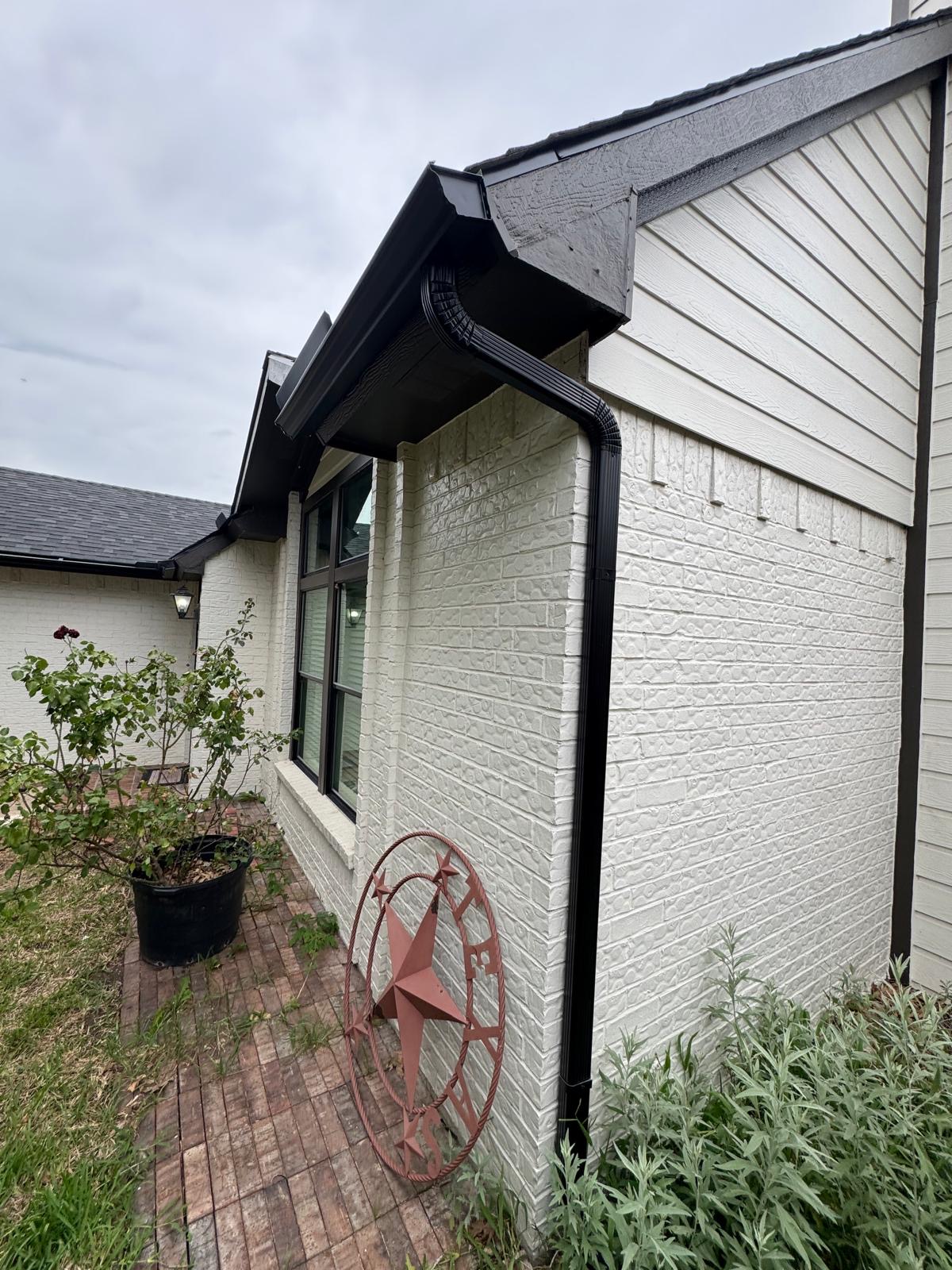
The Unseen Threat: Why Most DFW Homeowners Miss Critical Roof Damage
You're busy. Life in the Dallas-Fort Worth metroplex in 2026 is moving fast – between work, family, and everything else, your roof probably isn't top of mind. It’s doing its job, keeping the weather out, right? That’s what we often hear. But here’s the tough truth: most homeowners only think about their roof when there’s an obvious problem, like a leak staining the ceiling or a storm ripping shingles off. By then, it’s often too late, and what started as a minor issue can turn into a major, expensive headache. We’ve seen it time and time again here in North Texas. A small crack, a few missing granules, or some compromised flashing might seem insignificant from the ground, but from a roofer's perspective, these are early warning signs that, if ignored, can lead to significant structural damage, mold growth, and a drastically shortened roof lifespan.
Think about it: our roofs in DFW have to endure a lot. We're talking scorching Texas summers that bake asphalt shingles, sudden and violent thunderstorms that can unleash golf-ball-sized hail, and high winds that can lift and tear at your roofing materials. These elements are relentless. While a roof is designed to be tough, it’s not indestructible. Over time, even without a major storm, normal wear and tear can create vulnerabilities. The trick is to spot these vulnerabilities before they become major problems. That’s where looking at your roof through a roofer’s eyes comes in. It’s about understanding what to look for, even when nothing seems obviously wrong.
Don't wait for a leak to inspect your roof. Schedule a professional inspection at least once a year, and especially after any significant weather event, like a hail storm or high winds.
As a DFW roofing contractor with over 13 years of experience, I've seen roofs in every condition imaginable, from brand new installations to those nearing the end of their natural life. I’ve learned to spot the subtle signs that often go unnoticed by the average homeowner. It’s not just about shingles; it’s about the entire roofing system – the ventilation, the flashing, the underlayment, and how it all works together to protect your home. Understanding these components and how they can fail is crucial for proactive home maintenance. This knowledge can save you thousands in unexpected repair bills and prevent the stress that comes with a damaged home.
7 Subtle Signs of Roof Damage That Scream "Call a Roofer!"
When you look up at your roof, what do you see? Probably just a large expanse of shingles. But for someone who works with roofs every day, there are dozens of details that tell a story. Here are seven subtle signs that, to a trained eye, are loud warnings:
1. Granule Loss
Asphalt shingles have tiny mineral granules embedded in them. These protect the asphalt from UV rays and wear. When you see a significant amount of these granules in your gutters or downspouts, it means the shingles are deteriorating. It's like seeing the protective layer rub off a new car – it won't be long before the underlying material is exposed.
2. Curled or Cupped Shingles
Shingles are designed to lie flat. When they start to curl up at the edges (cupping) or curl upwards (curling), it's a sign that the asphalt is drying out and becoming brittle, or that moisture is getting trapped underneath. This exposes the shingle's backing and makes them highly susceptible to wind damage and further deterioration.
3. Cracked or Broken Shingles
This might seem obvious, but even small cracks can be overlooked. Hail, high winds, or even just age can cause shingles to crack. A cracked shingle is an open invitation for water to seep beneath it, leading to rot in the decking and potential leaks. We often see this after a strong Texas wind event.
4. Damaged or Missing Shingles
While a missing shingle is hard to miss, sometimes only a corner is gone, or a shingle is lifted but not completely detached. These compromised shingles are weak points. Wind can easily get underneath and lift them further, or water can pool in the gap, causing damage to the underlayment and decking.
5. Deteriorated Flashing
Flashing is the metal or rubber material installed around roof penetrations like chimneys, vents, and skylights, and at roof valleys. It's designed to direct water away from these vulnerable areas. If the flashing is cracked, rusted, loose, or improperly installed, it's a prime spot for leaks. This is one of the most common culprits for hidden water damage.
6. Moss or Algae Growth
While more common in humid climates, moss and algae can grow on DFW roofs, especially on shaded sides. This growth traps moisture against the shingles, accelerating their decay and potentially causing them to rot. It's not just an aesthetic issue; it's a sign of a moisture problem.
7. Sagging Roofline
A visibly sagging roofline is a serious indicator of underlying structural problems. This could be due to damaged rafters, rot in the roof decking, or excessive weight from accumulated debris or even ice/snow buildup (though less common in DFW, it can happen after severe winter events).
Don't assume that just because you don't see visible water stains inside your home, your roof is fine. Water can travel for a long time within your walls and attic space before it becomes visible, causing extensive rot and mold damage unseen.
Beyond the Obvious: What a Professional DFW Roofer Sees on Your Roof
As a roofer, I'm not just looking for the big, obvious problems. I'm trained to see the entire system and how its components interact. Here’s what I'm checking for that most homeowners wouldn't even think about:
Ventilation is Key
Proper attic ventilation is critical for the longevity of your roof. It allows hot, moist air to escape the attic, preventing condensation and heat buildup that can degrade shingles and damage the roof decking. I look for adequate soffit and ridge vents, and ensure they aren't blocked by insulation or debris. Poor ventilation is a silent killer of roofs in hot climates like DFW.
I’m also scrutinizing the edges of your roof. The drip edge, the metal flashing installed along the roof's eaves and rakes, is designed to direct water into the gutters, preventing it from running down the fascia boards and into your home. If it’s bent, rusted, or missing, that’s a major problem waiting to happen.
Then there's the underlayment. This felt or synthetic material sits directly on the roof deck, beneath the shingles. It’s your second line of defense against water. If shingles are compromised, the underlayment is what stops water from reaching the wood. I look for signs that it might be degrading or failing, especially around penetrations.
"Your roof is a system, not just a collection of shingles. Every component works together. When one part fails, it puts stress on the others."— Experienced DFW Roofing Professional
I also pay close attention to how the shingles are installed. Are they overlapping correctly? Are the nails driven properly, not too high or too low, and not overdriven (which can create a weak spot)? Are there any signs of "nail pops" where a nail has worked its way back up through the decking? These installation details, often overlooked by homeowners, are critical for a roof's performance and longevity.
How to Get This Done
If you want to handle this yourself, here's exactly what you need: binoculars for a ground inspection, a ladder (used safely!), gloves, and a keen eye for detail. If you'd rather have experienced roofers handle it, our team has done this on hundreds of DFW homes — here's how our process works: We conduct a comprehensive, 10-point inspection, documenting any findings with photos and providing a clear, honest assessment and estimate.
The True Cost of Ignoring Minor Roof Issues in North Texas
It’s easy to think, "It's just a few granules," or "That one shingle looks a little off, I'll deal with it later." But in the world of roofing, "later" often means significantly more expensive. The climate here in DFW only exacerbates the problem. What starts as a minor vulnerability can quickly escalate:
Minor Issue: Granule Loss / Edge Curling
Potential Future Cost: If ignored, this can lead to water infiltration, causing rot in the roof decking and fascia. This could escalate to needing deck replacement ($1,000 - $5,000+ depending on damage), and potentially new gutters ($500 - $2,000). If water reaches the attic, it can damage insulation and drywall, leading to mold remediation ($2,000 - $10,000+).
Minor Issue: Small Crack / Lifted Shingle
Potential Future Cost: A small opening allows water to seep under shingles. This can lead to rot in the roof decking, requiring costly repairs. In DFW, strong winds can lift this compromised shingle further, causing more damage. If water gets into the attic or wall cavities, you’re looking at extensive water damage repairs, mold, and potential structural compromise, easily running into tens of thousands of dollars.
Minor Issue: Compromised Flashing
Potential Future Cost: This is a direct pathway for water into your home. Even a small leak around a chimney or vent can go unnoticed for months, causing significant rot in the roof structure, attic framing, and interior walls. This can lead to serious structural damage, mold growth, and extensive interior repairs, potentially costing $5,000 - $20,000+ depending on the extent of the water damage.
The reality is, a roof is your home's first line of defense. When that defense is compromised, even in small ways, the entire structure is at risk. Especially here in Texas, where we experience rapid weather shifts and intense storm seasons, a small crack can become a major leak overnight. It's not just about the cost of repairing the roof itself; it's about preventing secondary damage to your attic, insulation, drywall, and even your home's electrical and HVAC systems.
Ignoring these subtle signs is essentially gambling with your home's integrity. The cost of a proactive inspection and minor repair is almost always a fraction of the cost of dealing with the extensive damage that can result from neglect. For DFW homeowners, this is especially true given our climate's demands on roofing systems.
Key Takeaways
- Subtle signs like granule loss and curled shingles indicate underlying wear.
- Compromised flashing is a major culprit for hidden leaks.
- Ignoring small issues in DFW's climate can lead to exponential repair costs.
- A roof is a system; proper ventilation and installation are as crucial as the shingles themselves.
Your DIY Roof Inspection Checklist: What to Look For (and When to Call Us)
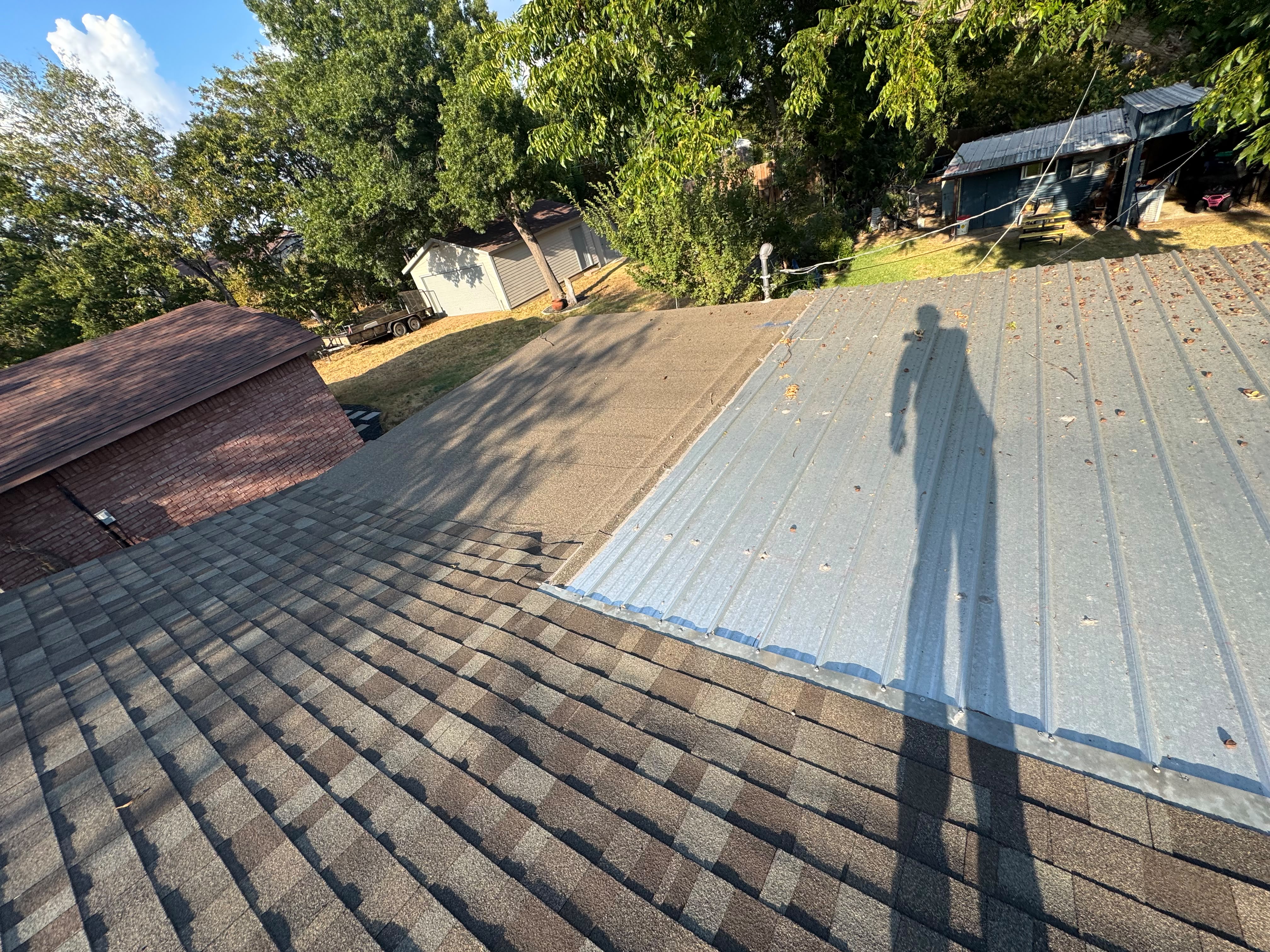
While a professional inspection is always recommended, especially after a significant weather event, you can certainly do a preliminary check yourself. Here’s a simple checklist to get you started. Remember, safety first! If you're uncomfortable on a ladder or unsure about what you're seeing, it's always best to call a professional.
1. Ground Inspection (From the Street or Yard)
Use binoculars if you have them. Look for:
- Missing, cracked, or curled shingles.
- Shingle colors that look uneven (may indicate wear).
- Sagging areas in the roofline.
- Debris buildup on the roof.
2. Gutter Check
Look inside your gutters and around your downspouts for:
- A large amount of shingle granules (looks like coarse sand).
- Debris that might be clogging your gutters, preventing proper drainage.
3. Attic Inspection (If Safe and Accessible)
On a sunny day, go into your attic and look for:

- Daylight shining through the roof deck (indicates holes or missing shingles/underlayment).
- Water stains or dark spots on the underside of the roof decking or rafters.
- Signs of mold or mildew.
- Proper insulation levels and airflow.
4. Check Around Penetrations
From the ground, try to visually inspect (or from a safe vantage point on the roof):
- Chimneys, vent pipes, and skylights. Look for cracked, missing, or deteriorated flashing.
- Caulking around vents that looks brittle or is peeling.
When to Call Montesco Roofing
If you notice any of the following during your DIY inspection, it’s time to call us for a professional assessment:
- Significant granule loss or multiple damaged/missing shingles.
- Visible sagging in the roofline.
- Signs of water damage, mold, or daylight in the attic.
- Any concerns about the condition of your flashing or ventilation.
- After any major storm event in the DFW area.
We offer comprehensive roof inspections to give you peace of mind. Schedule your free inspection today.
Remember, your DIY inspection is a good starting point, but it's not a substitute for a professional assessment. We have the tools, experience, and knowledge to spot issues you might miss and can accurately assess the extent of any damage, providing you with a clear plan for repair or replacement. For homeowners in Dallas, Fort Worth, and surrounding areas like Plano and Frisco, a professional inspection is a smart investment.
Navigating DFW Storm Season: Proactive Roof Protection Strategies for 2026
Here in North Texas, storm season is a reality. We often see intense hail storms, high winds, and heavy rain. Being proactive is your best defense against costly damage and insurance headaches. Here’s how to prepare your roof for what’s coming:
1. Schedule an Annual Inspection
Don't wait for a storm. Get a professional roof inspection in the spring, before the peak of storm season, and again in the fall to check for any damage sustained over the summer. This helps catch issues early.
2. Ensure Proper Ventilation
As mentioned, good attic ventilation is crucial. It helps prevent heat buildup, which can degrade shingles faster, and reduces the risk of ice dams in the rare but possible winter events. It's a key part of a healthy roof system.
3. Trim Overhanging Branches
Trees are beautiful, but branches that hang too low over your roof can cause damage during high winds or storms. Trim them back to prevent them from scraping shingles or falling onto your roof.
4. Check Your Insurance Policy
Understand your coverage, especially your deductible for wind and hail damage. Knowing this beforehand can save you a lot of stress if you do need to file a claim. We can often help guide homeowners through this process. Learn more about navigating insurance claims.
The Impact of Hail on DFW Roofs
Hail damage isn't always obvious. Small dents or bruises on shingles can break the protective granules, leading to premature wear and potential leaks down the line. Even if you don't see large pieces missing, hail can compromise your roof's integrity. We recommend inspecting your roof for hail impacts after any storm that produces stones larger than a dime.
After a significant storm, it's vital to act quickly. Don't wait for your neighbors to get their roofs done. Document any visible damage with photos or videos from the ground if possible. Then, contact a reputable DFW roofing contractor like Montesco Roofing. We're experienced in assessing storm damage and working with insurance companies to ensure you get the repairs you need.
Wind Damage
High winds can lift shingles, tear them at the edges, or even blow them off entirely. Look for shingles that are loose, bent, or missing, especially around roof edges and peaks.
Water Intrusion
Heavy rain can overwhelm compromised areas, leading to leaks. Check attics for moisture, staining, or drips. This is where proactive checks of flashing and seals pay off.
When to Call Montesco Roofing: Your Trusted DFW Roofing Experts
Choosing the right roofing contractor is just as important as maintaining your roof itself. In DFW, you have many options, but not all roofers are created equal. We’ve been serving homeowners in Dallas, Fort Worth, McKinney, Garland, and surrounding communities for over 13 years. We pride ourselves on honesty, quality workmanship, and transparent pricing.
| Feature | Montesco Roofing (Established DFW Expert) | Storm Chaser / Inexperienced Roofer |
|---|---|---|
| Local Presence & Accountability | 13+ years serving DFW, fully licensed and insured. We're here for you. | Often temporary, disappears after the check clears. Little recourse for issues. |
| Experience & Expertise | Master roofers with deep knowledge of DFW's unique climate and building codes. | May lack understanding of local conditions; potential for improper installation. |
| Warranty & Guarantee | Manufacturer-backed warranties on materials + robust workmanship guarantee. | Often limited or non-existent workmanship warranty. Manufacturer warranty may be voided. |
| Insurance Claim Assistance | Dedicated support to help you navigate your claim and ensure fair assessment. | May offer basic help, but often lack the expertise to advocate effectively. |
| Material Quality | We use top-tier materials from reputable manufacturers (GAF, Owens Corning, etc.). | May use lower-quality or uncertified materials to cut costs. |
| Long-Term Value | Investing in quality now saves money and headaches later. Protects your home's value. | Short-term savings often lead to bigger, more expensive problems and reduced home value. |

We believe in educating our clients, not just selling them a service. When you call Montesco Roofing, you're not just getting a roofer; you're getting a partner dedicated to protecting your home. Whether it's a routine inspection, a minor repair, or a full roof replacement, we approach every job with the same level of care and professionalism. We stand behind our work because we know that a properly installed, well-maintained roof is an investment that pays dividends for years to come.
Need help putting this into action? Our team has protected hundreds of DFW homes. Tell us about your roof — free inspection, no pressure.
Get Your Free Roof Inspection →Frequently Asked Questions About DFW Roof Health
How often should I have my roof inspected by a professional in DFW?
What is the average lifespan of a roof in the DFW climate?
Can I repair my roof myself, or should I always call a professional?
What's the difference between storm chasers and local DFW roofing companies?
How does attic ventilation affect my roof's health in Texas heat?
What should I do if I suspect my roof has hail damage?
Montesco Roofing Team
DFW's trusted roofing contractor with 13+ years of experience. Specializing in roof replacements, storm damage repair, and insurance claims across Dallas-Fort Worth.
Get in touch →