Texas Changes Your Maintenance Plan
The Unseen Toll: How Texas Weather Aggressively Attacks Your Roof
You know, living here in the Dallas-Fort Worth area, we get to enjoy a lot of things – sunshine, vibrant communities, and some of the best barbecue around. But let's be honest, our weather can be downright brutal on our homes, especially our roofs. It's not just the occasional hurricane or tornado; it's the relentless daily grind of sun, wind, and dramatic temperature swings that really takes its toll. As a roofer with over 13 years in DFW, I've seen firsthand how quickly a roof can deteriorate if it's not properly maintained. We're talking about everything from intense UV rays baking shingles to sudden, violent hailstorms that can do more damage than you realize at first glance. And with the way storms have been behaving lately, it feels like we're getting more intense weather events every year.
Why Texas Roofs Need Special Attention
The unique climate of Texas, with its scorching summers, humid conditions, and unpredictable severe weather, creates a challenging environment for roofing materials. Unlike many other parts of the country, roofs in DFW face a constant barrage of extreme conditions that can accelerate wear and tear. This means a standard maintenance plan might not be enough; you need strategies tailored to what our specific region throws at your home.
Think about it: those long, hot Texas summers bake your shingles, making them brittle and prone to cracking. Then, when a sudden cold snap hits, or a massive thunderstorm rolls through with high winds and hail, those weakened shingles can easily break or blow off. And it's not just about visible damage. Moisture creeping in, even in small amounts, can lead to mold, rot, and structural issues over time. That's why understanding the specific ways Texas weather impacts your roof is the first step in protecting your home. It’s not just about aesthetics; it’s about the structural integrity and the long-term health of your biggest investment.
What most homeowners don't realize is that roof maintenance isn't just for after a storm. It's an ongoing process, a proactive defense against the elements. Ignoring it is like ignoring a small leak in your car's radiator – it might seem minor now, but it can quickly turn into a catastrophic failure that costs thousands to fix. And in Texas, where weather can change on a dime, that failure can happen a lot faster than you think. So, let's talk about what we can actually do about it.
7 Essential Roof Maintenance Strategies for DFW Homeowners in 2026
Alright, so we know Texas weather is tough on roofs. Now, let's get down to brass tacks. What can you, as a DFW homeowner, actually do to keep your roof in top shape, especially as we move through 2026? It's not rocket science, but it does require a bit of diligence. I've broken it down into seven key strategies that, when followed consistently, can make a huge difference in the lifespan and performance of your roof.
1. Regular Inspections (The Foundation of Care)
This is non-negotiable. You should be getting your roof inspected at least twice a year – once in the spring, before the heavy summer heat and potential storms, and again in the fall, after the summer and before winter's chill. And, of course, after any significant storm event. These inspections don't have to be full-blown professional assessments every time; a good visual check from the ground and a peek in the attic can catch a lot.
2. Keep Gutters Clean and Flowing
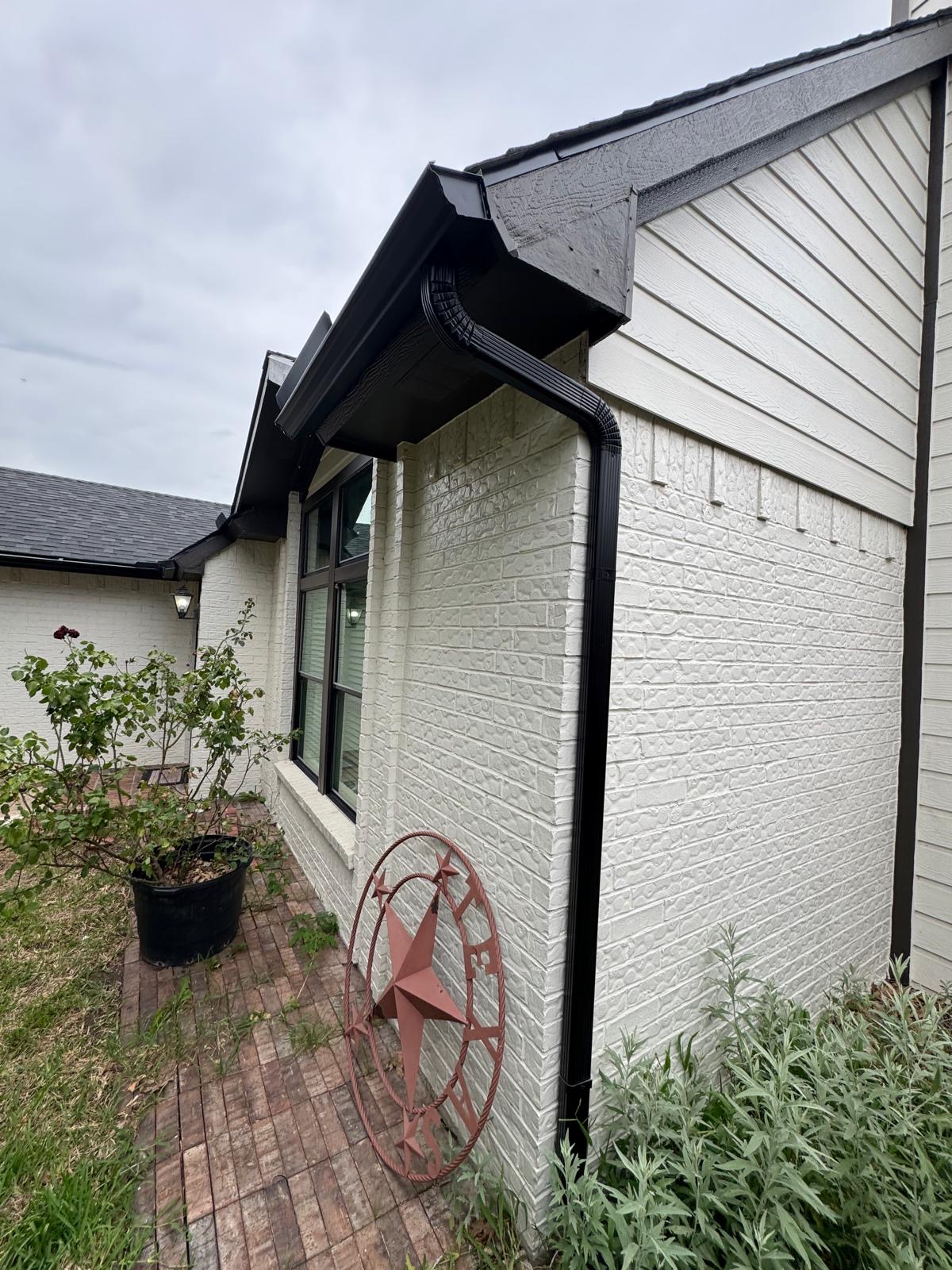
Clogged gutters are a homeowner's silent enemy. When rain can't drain properly, water backs up and can seep under your shingles, into your eaves, and even down into your walls and foundation. In DFW, we get intense rain events, so ensuring your gutters are clear of leaves, twigs, and debris is critical for diverting water away from your home.
3. Trim Overhanging Branches
Trees are beautiful, but branches that rub against your roof or hang too low can cause damage. They can scrape off protective granules from shingles, create damp spots that encourage moss growth, and become a hazard during high winds, potentially falling onto your roof and causing significant damage. Keep them trimmed back, especially before storm season.
4. Watch for Granule Loss
Asphalt shingles have a protective layer of granules that shield them from UV rays and impact. When you see a lot of these granules in your gutters or downspouts, it's a sign that your shingles are aging or have been damaged. This is a key indicator that your roof might be nearing the end of its life or has sustained damage that needs attention.
5. Inspect Your Attic Regularly
Your attic is your roof's first line of defense from the inside. Look for any signs of water stains on the rafters or insulation, especially after a rain. You should also check for proper ventilation. Poor attic ventilation can trap heat and moisture, leading to premature roof decay and even ice dams in the rare instances we get significant winter weather.
6. Check for Damaged or Missing Shingles
This might seem obvious, but it's easy to overlook. Take a walk around your property after storms and look up. Are there any shingles that look curled, cracked, or completely missing? Even a small missing patch can allow water to penetrate the underlayment and decking, leading to bigger problems.
7. Seal and Repair Small Issues Promptly
Don't wait for small problems to become big ones. If you notice a small crack, a loose shingle, or a bit of sealant that's failed around a vent pipe, get it repaired. A small, inexpensive repair now can prevent a costly replacement down the line. Think of it as putting a bandage on a small cut before it gets infected.
Implementing these strategies consistently will significantly contribute to the longevity and protection of your roof. It's about being observant and proactive, rather than reactive. And remember, these are general guidelines; the specific needs of your roof might vary based on its age, material, and surrounding environment.
When inspecting your roof, always prioritize safety. If you're uncomfortable with heights or assessing the roof's condition, it's always best to call a professional. We have the right equipment and expertise to do it safely and thoroughly.
Step-by-Step: Your DIY Roof Inspection Checklist for Texas Homes
Okay, so you're ready to get hands-on with your roof's health. Doing your own basic inspections is a fantastic way to stay ahead of potential problems. Here's a step-by-step checklist you can use. Remember, the goal here is to identify potential issues, not necessarily to fix them yourself unless you're comfortable and it's a minor, safe repair.
Step 1: The Ground-Level Scan
Start by walking around the entire perimeter of your house. Look up at your roof. What do you see? Are there any shingles that appear to be lifting, curling, or missing? Do you notice any sagging areas on the roofline? Check for debris that might have accumulated on the roof surface, especially in valleys. Also, look for any damaged flashing around vents, chimneys, or skylights – that's often a weak point.
2. Gutter and Downspout Check
Follow the water's path. Are your gutters packed with leaves and sediment? Are they pulling away from the fascia board? Are the downspouts clear and directing water at least 5-10 feet away from your foundation? Overflowing gutters are a major red flag for water damage.
3. Attic Reconnaissance
Head into your attic on a clear day. You're looking for two main things: light and moisture. Shine a flashlight around. Can you see any daylight peeking through the roof deck? If so, that's an entry point for water. Next, look for any signs of moisture – dark stains on the wood joists or rafters, damp insulation, or even mold growth. Also, check that your attic vents aren't blocked and that there's good airflow.
4. Granule Patrol
If you have asphalt shingles, check your gutters again, but this time specifically for asphalt granules. A small amount is normal, especially on newer roofs, but a significant accumulation, like a layer in the bottom of the gutter, suggests your shingles are losing their protective coating. You might also see bald spots on the shingles themselves.
5. Sealant and Flashing Inspection
Focus on areas where the roof meets other structures or penetrations: chimneys, vent pipes, skylights, and dormers. The metal flashing and sealant around these areas are critical for preventing leaks. Look for cracked, brittle, or missing sealant, and check that the flashing is securely in place and not rusted or damaged.
6. Document Your Findings
Take pictures or videos of anything that concerns you. This documentation is invaluable when you speak with a roofing professional. It helps them understand the scope of the issue and can be useful if you ever need to file an insurance claim.
This checklist will give you a solid understanding of your roof's current condition. It's a proactive step that empowers you to catch issues early, saving you money and stress down the road. Remember, the weather in Texas is unforgiving, so regular, thorough checks are your best defense.
Never go up on a wet or icy roof. Always use a sturdy ladder and have someone spot you. If you have any doubts about your safety, leave the roof inspection to the professionals.
Beyond DIY: When to Call the Pros for Your DFW Roof Maintenance
While a DIY inspection is a great starting point, there comes a time when you absolutely need to bring in the experts. As your trusted DFW roofing contractor, I've seen too many homeowners try to tackle issues that are beyond their scope, leading to more damage or even injury. Knowing when to call a professional is just as important as knowing what to look for yourself.
Signs Your Roof Needs Professional Attention
If you notice any of these issues during your DIY inspection, it's time to pick up the phone and call a qualified roofing contractor:
Significant Damage After a Storm: If a hail storm has just passed through, or you've experienced high winds, and you suspect damage, it's crucial to have a professional inspect it. They can identify subtle damage, like bruised shingles, that you might miss. Insurance companies often require professional assessments. If you've experienced storm damage, prompt professional assessment is key.
Visible Leaks or Water Intrusion: This is the most obvious sign. If you see water stains on your ceilings or walls, or if you notice active leaks, this indicates a breach in your roof system. This needs immediate attention to prevent further damage to your home's structure, insulation, and interior finishes.
Aging Roof System: Most asphalt shingle roofs in Texas have a lifespan of 15-30 years, depending on the material and quality of installation. If your roof is approaching or has passed this age range, it's wise to schedule a comprehensive inspection to assess its remaining life and potential for future problems. This is also a good time to start thinking about roof replacement.
Extensive Granule Loss or Shingle Deterioration: While you might spot some granules, a roof that is visibly shedding a significant amount, or has shingles that are excessively cracked, brittle, or curling across large sections, needs professional evaluation. This indicates widespread material failure.
Concerns About Ventilation or Insulation: Issues within your attic, such as inadequate ventilation or signs of moisture buildup, can directly impact your roof's health. Professionals can assess these systems and recommend solutions.
Uncertainty or Discomfort with Heights: Safety is paramount. If you're not comfortable climbing ladders or walking on your roof, or if your roof is particularly steep or high, it's always best to leave the inspection to trained professionals who have the proper safety equipment.
How to Get This Done
If you've identified potential issues or your roof is aging, the best next step is a professional inspection. Many reputable roofing companies, including Montesco Roofing, offer free, no-obligation roof inspections. We use specialized tools and our extensive experience to provide a thorough assessment, identify underlying problems, and recommend the most cost-effective solutions. This ensures your roof is properly protected, especially crucial given the unpredictable Texas weather.
Don't underestimate the value of a professional opinion. We've seen it all in DFW, and we know what to look for. A professional inspection can save you from costly, long-term damage and give you peace of mind.
Understanding Roof Material Lifespans in Texas: What to Expect in 2026

When we talk about roof maintenance, it's important to understand that different materials have different lifespans. What you can expect in 2026 for your roof depends heavily on what it's made of and how well it's been cared for. Here in Texas, the harsh sun and extreme weather can sometimes shorten these lifespans if maintenance is neglected.
Asphalt Shingles
The most common roofing material. Standard architectural shingles offer good protection, but the lifespan can be shortened by intense UV exposure and frequent hail. Keeping them clean and free of debris is vital.
Metal Roofing
A highly durable option for Texas. Metal roofs are resistant to hail, wind, and sun. They require minimal maintenance, mainly ensuring fasteners are secure and any coatings are intact. A great long-term investment.
Tile Roofing (Clay/Concrete)
Excellent longevity and aesthetics. However, tile roofs can be heavy and brittle, making them susceptible to cracking from severe hail impacts or foot traffic. Regular inspections for cracks and proper sealing are important.
Wood Shakes/Shingles
Offer a natural look but require more maintenance. They are susceptible to moisture, rot, and fire. In Texas, keeping them clean, dry, and treated is crucial for achieving their expected lifespan.

Here in DFW, we often see asphalt shingles used because they're cost-effective and widely available. However, the intense summer sun can bake them, making them more brittle and prone to impact damage. This means that while you might get 20-25 years out of them with good care, neglecting maintenance could see that lifespan drop significantly. Metal roofs, on the other hand, are incredibly resilient to our weather. They hold up exceptionally well against hail and wind, making them a very popular choice for homeowners looking for low-maintenance durability. Tile roofs are beautiful and long-lasting, but they can be more vulnerable to cracking if not properly installed or if subjected to very large hail.
Understanding these lifespans helps you plan. If your roof is already 15 years old and made of asphalt shingles, it's entering the stage where regular, professional inspections become even more critical. It's about managing expectations and ensuring you're prepared for potential repairs or eventual replacement. Proactive maintenance, especially in our climate, is the best way to ensure your roof reaches its full potential lifespan and continues to protect your home effectively.
Proactive vs. Reactive: The True Cost of Neglecting Roof Maintenance
Let's talk about money. Because, let's face it, that's a big part of why we're discussing roof maintenance. Many people think of maintenance as an unnecessary expense. I see it differently. I see it as an investment that pays dividends by preventing much larger, more painful costs down the road. The difference between being proactive and reactive with your roof maintenance can be thousands, even tens of thousands, of dollars.
| Aspect | Proactive Maintenance (Regular Inspections, Cleaning, Minor Repairs) | Reactive Maintenance (Waiting for Leaks/Damage) |
|---|---|---|
| Initial Cost | Low to moderate (annual inspections, gutter cleaning, small repairs) | Low (initially, as you're doing nothing) |
| Long-Term Cost | Significantly lower. Extends roof life, prevents major issues. | Extremely high. Leads to costly repairs for water damage, structural issues, mold, and premature roof replacement. |
| Roof Lifespan | Maximizes or extends lifespan (e.g., 20-30 years for asphalt shingles). | Shortens lifespan significantly (e.g., 10-15 years or less). |
| Risk of Interior Damage | Minimal. Small issues are caught before they can cause leaks. | High. Leaks can cause extensive damage to drywall, paint, insulation, flooring, and even electrical systems. |
| Risk of Structural Damage | Very low. Prevents water intrusion that leads to rot in decking and rafters. | High. Prolonged water exposure can compromise the structural integrity of your roof framing. |
| Mold & Mildew Growth | Prevented by addressing moisture issues early. | Likely, especially in humid Texas climates, leading to health concerns and costly remediation. |
| Insurance Claims | Can help prevent claims by addressing minor issues. Some policies may offer discounts for maintenance. | May lead to denied claims if damage is deemed a result of neglect. Increases premiums. |
| Peace of Mind | High. You know your home is protected. | Low. Constant worry about potential leaks and damage. |
Here in Texas, the cost of ignoring your roof can escalate rapidly. A small leak that could be fixed for a few hundred dollars might, if left unattended, lead to thousands in water damage repair, mold remediation, and potentially even necessitate a full roof replacement much sooner than expected. Think about the cost of replacing drywall, repainting ceilings, replacing damaged insulation, and dealing with the mess and disruption. It adds up incredibly fast.
The term 'storm chaser' is often used for out-of-town contractors who show up after a major hail event. While some are legitimate, many prey on homeowners' fears, offering quick fixes that aren't thorough and disappearing once the insurance money is collected. Established local contractors like Montesco Roofing are accountable to the community and your satisfaction.
The insurance industry is also becoming more aware of neglect. If a claim is filed for damage that could have been prevented through reasonable maintenance, an insurer might deny coverage or significantly reduce the payout. This means you could be on the hook for the entire cost of repairs or replacement. Investing a few hundred dollars annually in professional inspections and preventative maintenance can easily save you $5,000 to $10,000 or more over the life of your roof. It’s a simple calculation: a small, consistent investment protects you from a massive, unexpected expense.
Montesco Roofing's Approach to Long-Term Roof Health in DFW
At Montesco Roofing, we're not just in the business of fixing roofs; we're in the business of protecting homes. With over 13 years serving the DFW area, we've seen what works and what doesn't when it comes to keeping roofs in top condition, especially against our unique Texas weather. Our approach is built on a foundation of expert knowledge, quality materials, and a genuine commitment to our clients' long-term satisfaction.
Our Philosophy: Prevention Over Reaction
We firmly believe that the best way to handle roofing issues is to prevent them from happening in the first place. This means we don't just show up to fix a leak; we aim to be your partner in maintaining your roof's health throughout its entire lifespan. Our goal is to help you avoid those emergency calls and the associated stress and expense.

Our process starts with thorough, honest assessments. When you call us for an inspection, whether it's a routine check-up or after a storm, we go over every detail. We're looking for not just the obvious signs of damage, but also the subtle indicators that could lead to problems down the line. This includes checking the integrity of your underlayment, ensuring proper attic ventilation, inspecting all flashing and sealants, and assessing the overall condition of your shingles or roofing material.
We also emphasize education. We want our clients to understand their roofs and the factors affecting them. That's why we take the time to explain our findings, show you the damage (with photos and videos), and clearly outline your options. Whether it's a minor repair, a more involved restoration, or a complete roof replacement, we provide all the information you need to make informed decisions. We're passionate about using high-quality materials from reputable manufacturers like GAF, Owens Corning, and CertainTeed, ensuring that any work we do is built to last.
Montesco Roofing's Comprehensive Service
When you partner with Montesco Roofing, you get more than just a repair or replacement. You get a team dedicated to the long-term health of your roof. Our services include:
- Detailed roof inspections and assessments
- Professional repairs for leaks, wind damage, and hail damage
- Complete roof replacements using premium materials
- Gutter installation and repair
- Attic ventilation solutions
- Assistance with insurance claims
We stand behind our work with strong warranties, giving you confidence and peace of mind. For us, it's about building lasting relationships with our DFW neighbors by providing reliable, expert roofing services.
Our commitment to the DFW community means we understand the local climate, building codes, and common roofing challenges. We're not a fly-by-night operation; we're your neighbors, and we're here to ensure your home is protected, year after year. When you choose Montesco Roofing, you're choosing a partner invested in the long-term health and integrity of your roof.
Need help putting this into action? Our team has protected hundreds of DFW homes. Tell us about your roof — free inspection, no pressure.
Get Your Free Roof Inspection →Frequently Asked Questions About Texas Roof Maintenance
How often should I get my roof inspected in Texas?
What's the biggest threat to my roof in Texas?
Can I clean my own gutters, or should I hire someone?
How do I know if my shingles are losing granules?
What is the typical lifespan of an asphalt shingle roof in Texas?
Should I worry about my attic ventilation?
How much does a professional roof inspection typically cost?
What's the difference between roof repair and roof replacement?
Montesco Roofing Team
DFW's trusted roofing contractor with 13+ years of experience. Specializing in roof replacements, storm damage repair, and insurance claims across Dallas-Fort Worth.
Get in touch →