Why Texas Homes Age Faster Than Homeowners Expect: 7 Hidden Factors in 2026
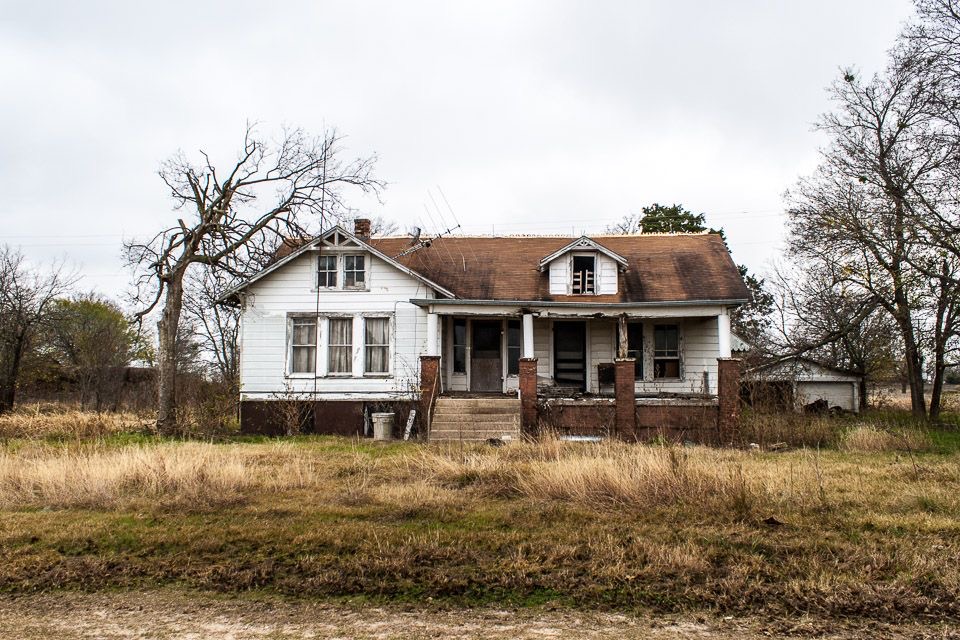
The Texas Climate: A 24/7 Assault on Your Home's Exterior
Let's talk about the Texas climate, specifically right here in DFW. We’re not talking about mild, predictable weather. We’re talking about extremes. In 2026, we've already seen the typical Texas rollercoaster: scorching summer heat that can bake your shingles to a crisp, followed by sudden, dramatic cold snaps that can make materials brittle. And then there are the storms. We're talking about intense humidity that encourages mold and mildew growth, relentless UV radiation that fades paint and degrades roofing materials, and wind gusts that can do more than just rustle leaves – they can rip at your siding and shingles. It’s a constant battle. This isn't just about aesthetics; it's about the structural integrity of your home. Every single day, your home is under siege from the very elements that make Texas unique.Think of your home's exterior like your own skin. Constant exposure to harsh UV rays and extreme temperatures without protection leads to premature aging. For a home, that protection comes from quality materials and diligent maintenance tailored to our climate.
Beyond Hail: Unpacking the 7 Key Factors Accelerating Texas Home Aging
It's easy to blame hail storms for damage – and they are a huge culprit, especially in North Texas. But the reality is, your home is facing a multi-pronged attack. Here are the seven primary factors that are silently, or not so silently, accelerating the aging process of homes across Texas in 2026:1. Extreme Temperature Swings
The rapid shifts from sweltering heat to sudden freezes cause materials to expand and contract repeatedly. This constant stress weakens them over time, leading to cracks, warping, and premature material failure.
2. Intense UV Radiation
Texas sunshine is powerful. Prolonged exposure to ultraviolet rays degrades roofing shingles, siding, paint, and even seals around windows and doors, making them more susceptible to damage and shortening their lifespan.
3. High Humidity & Moisture
Our humid air can lead to mold, mildew, and rot, especially in poorly ventilated areas. It also exacerbates issues like wood rot in siding and structural components, and can create a breeding ground for pests.
4. Volatile Soil Conditions
The expansive clay soils common in North Texas are notorious for shifting dramatically with moisture changes. This puts immense stress on foundations, leading to cracks and structural issues that can affect the entire home.
5. Severe Storms (Hail, Wind, Rain)
While we often focus on hail, high winds can rip shingles, damage siding, and compromise seals. Intense rain can lead to water intrusion, and repeated storm cycles mean constant repair and rebuilding, which can weaken the home's overall resilience.
6. Inadequate Attic Ventilation
This is a silent killer. Poor attic ventilation traps heat and moisture, leading to premature roof decking rot, mold growth, and can even affect your HVAC system's efficiency. It’s crucial for regulating temperature and expelling moisture.
7. Material Choices & Installation Quality
Not all materials are created equal, and even the best materials can fail if not installed correctly. Using materials not suited for Texas's climate or cutting corners on installation significantly reduces a home's lifespan.
Roofs Under Siege: How Texas Weather Destroys Shingles Faster
Your roof is your home's first line of defense, and in Texas, it's a tough job. Let's be honest, a standard asphalt shingle roof here in DFW doesn't last as long as it might in a more temperate climate. The intense Texas sun is a major culprit. Those UV rays are like a slow-motion oven, breaking down the asphalt binder in shingles, making them brittle and prone to cracking. Then you have the temperature swings. When it's 100°F one day and dips to 30°F the next, those shingles expand and contract. This constant movement weakens them, leading to a breakdown of the protective granules and eventually, to leaks.Many homeowners in Texas are surprised to learn that their asphalt shingle roof might only last 15-20 years, significantly less than the 25-30 years often quoted in less harsh climates. This is directly due to the cumulative stress of our weather extremes.
Foundation & Structural Stress: The Unseen Toll of Texas Soil and Expansion
Here in North Texas, we’re sitting on some of the most challenging soil for home foundations: expansive clay. This isn't just dirt; it's a type of clay that absorbs water and swells significantly, then shrinks dramatically as it dries out. Imagine your house resting on a giant sponge that’s constantly expanding and contracting. It’s a recipe for foundation movement. This movement can cause literally everything in your home to shift: walls can crack, doors and windows can become difficult to open or close, and even your roof structure can be put under strain.The Clay Soil Cycle
During rainy seasons, the clay soil absorbs moisture and expands, lifting the foundation. During dry spells, especially after a long Texas summer, the soil shrinks, causing the foundation to settle. This continuous cycle puts immense pressure on your home's structure, leading to visible signs of stress over time.
"We see it all the time in Plano and Frisco. Homeowners think a small crack in the drywall is just cosmetic, but it's often a symptom of underlying foundation issues caused by our soil."— Experienced DFW Home Inspector
Attic Ventilation: The Silent Killer of Your Home's Lifespan in 2026

Poor attic ventilation isn't just about comfort; it’s a major contributor to premature roof failure. It can lead to moisture buildup, which causes mold and rot in the attic and on the roof sheathing. This can compromise the structural integrity of your roof system over time.
How to Improve Attic Ventilation
DIY Check: Look for soffit vents (under the eaves) and ridge or gable vents (at the peak of the roof). Ensure they aren't blocked by insulation or debris. You can also check for signs of condensation or mold in the attic.
Professional Solution: A qualified roofing contractor can assess your current ventilation system and recommend upgrades, such as adding more vents, installing baffled vents to prevent insulation blockage, or even incorporating powered attic fans to actively exhaust hot air. Montesco Roofing specializes in diagnosing and correcting attic ventilation issues to protect your home's longevity.
DIY vs. Professional: Why Cutting Corners on Texas Home Maintenance Costs More
It’s tempting, especially with rising costs in 2026, to try and save money by doing it yourself or opting for the cheapest fix. But when it comes to protecting your Texas home from the unique stresses it faces, cutting corners almost always costs more in the long run. A quick patch job on a roof leak might stop the immediate drip, but if the underlying cause isn't addressed, or if the patch itself isn't done with materials suited for our climate, you're just delaying a bigger, more expensive problem.| Feature | DIY/Budget Repair | Professional Installation (Montesco Roofing) |
|---|---|---|
| Material Selection | Limited by cost and availability; may not be suited for Texas climate. | Expert selection of DFW-climate-rated materials (e.g., impact-resistant shingles, specific ventilation systems). |
| Installation Quality | Variable; relies on homeowner's skill and knowledge of best practices. Can lead to code violations or premature failure. | Certified technicians trained in manufacturer specifications and local building codes. 13+ years of DFW experience. |
| Warranty Protection | Often non-existent or very limited. | Manufacturer warranties (often 25-50 years on materials) plus Montesco's 10-year workmanship guarantee. |
| Insurance Claim Assistance | None. Homeowner responsible for all documentation and negotiation. | Full advocacy with insurance companies to ensure fair coverage for storm damage repairs. |
| Long-Term Value | Short-term fix, higher lifetime cost due to repeated repairs and premature replacement. | Durable, long-lasting solutions that protect your investment and reduce future expenses. |
| Peace of Mind | Constant worry about the next problem. | Confidence in a professionally protected home, knowing it's built to last in Texas. |
The True Cost of a "Cheap" Fix
Consider a small roof repair. A DIY patch might cost $50-$100 in materials. However, if it fails or causes secondary damage due to improper installation, you could be looking at a $5,000-$10,000 repair for water damage, mold remediation, or even a full roof replacement sooner than expected. A professional repair, while costing more upfront (e.g., $300-$800), is done right the first time and comes with a guarantee, saving you money and headaches long-term.

Proactive Protection: How Montesco Roofing Safeguards Your Texas Home
At Montesco Roofing, we've been protecting homes across DFW for over 13 years. We’ve seen firsthand how the Texas climate and soil conditions accelerate wear and tear. That's why our approach isn't just about fixing problems when they arise; it's about proactive protection. We aim to extend the life of your home and prevent those costly issues before they start.Regular, preventative maintenance is key to combating the accelerated aging of Texas homes. This includes annual roof inspections, checking for clogged gutters, ensuring proper attic ventilation, and addressing any minor issues promptly before they become major problems.
How to Get This Done
If you want to handle some preventative checks yourself, here's exactly what you need: a sturdy ladder, gloves, safety glasses, and a keen eye for detail. Check your gutters for debris, look for missing or damaged shingles from the ground if possible, and inspect your attic for water stains or mold.
If you'd rather have experienced roofers handle it, our team has done this on hundreds of DFW homes — here's how our process works: We start with a thorough, no-obligation inspection, identify any potential issues, explain them clearly, and provide a detailed, transparent quote for repairs or replacement using the best materials for our climate. We handle everything from material sourcing to final cleanup, ensuring your home is protected for years to come.
Key Takeaways
- Texas homes face accelerated aging due to extreme weather (sun, heat, storms) and unique soil conditions.
- Roofs in DFW experience faster wear from UV rays, temperature swings, and storm damage.
- Foundation issues from expansive clay soil put significant stress on home structures.
- Inadequate attic ventilation is a critical, often overlooked, factor leading to premature roof failure and moisture damage.
- Cutting corners on maintenance or using the cheapest repair options leads to higher long-term costs in Texas.
- Montesco Roofing offers expertise in materials and installation tailored to the Texas climate for long-lasting protection.
Frequently Asked Questions About Texas Home Aging
How much sooner do Texas homes typically age compared to homes in other regions?
What are the most common signs of accelerated aging in a Texas home?
Can I prevent my Texas home from aging faster?
Is it worth investing in impact-resistant roofing in Texas?
How does the soil in Texas specifically affect a home's lifespan?
What is the role of attic ventilation in combating accelerated aging?
Need help protecting your Texas home from accelerated aging? Our team has the experience and expertise to identify and address the unique challenges DFW homeowners face. Tell us about your roof — free inspection, no pressure.
Get Your Free Roof Inspection →Montesco Roofing Team
DFW's trusted roofing contractor with 13+ years of experience. Specializing in roof replacements, storm damage repair, and insurance claims across Dallas-Fort Worth.
Get in touch →