Roof Maintenance for a First-Time Homeowner

Welcome to Texas Homeownership: Your Roof's First Year Survival Guide
So, you've just closed on your first home here in Texas. Congratulations! That's a huge milestone, and it comes with a lot of new responsibilities. One of the most critical, and often overlooked, is taking care of the roof over your head. Think of your roof not just as a cover, but as the first line of defense for your entire home against the wild Texas weather we get. From the scorching summer sun to the sudden, violent thunderstorms that can roll through DFW, your roof is working overtime. As a DFW roofing contractor with over 13 years of experience, I've seen firsthand what happens when that defense is neglected. It's rarely pretty, and it's almost always expensive. This guide is for you, the new Texas homeowner, to help you understand what you need to know about roof maintenance to keep your home safe and sound, starting right now, in 2026.
It's easy to get caught up in the excitement of decorating and settling in, but understanding your roof's needs from day one is crucial. Neglecting it can lead to a cascade of problems: leaks, mold growth, structural damage, and skyrocketing energy bills. And trust me, dealing with a major roof issue while also managing a mortgage and property taxes is a double whammy you want to avoid.
Key Insight
Your roof is more than just shingles; it's a complex system designed to protect your home's structure, insulation, and interior from the elements. Understanding how it works and what it needs is key to a long and stress-free homeownership experience.
In the next few sections, we'll break down exactly what you need to know. We'll cover the common threats unique to Texas, the essential maintenance tasks, how to tell if you need a professional, and how to build a maintenance schedule that works for your new life as a Texas homeowner. Let's get your roof in top shape.
The 7 Essential Roof Maintenance Tasks Every Texas Homeowner MUST Master in 2026
When you're a new homeowner, the list of "things to do" can feel endless. But some tasks are non-negotiable, especially when it comes to your roof. These aren't complicated, high-skill jobs; they're simple, proactive steps that can save you a world of hurt down the line. Think of these as your roof's annual physicals and daily check-ups.
1. Clear Debris Regularly
Leaves, twigs, and other debris can accumulate on your roof, especially after strong winds or storms. This debris traps moisture, which can lead to rot and damage your shingles or decking. It also provides a cozy home for moss and algae to grow, which can degrade your roofing materials over time. Focus on your gutters too – clogged gutters can cause water to back up under your shingles.
2. Inspect Shingles for Damage
Visually inspect your shingles from the ground using binoculars, or during a safe DIY inspection. Look for cracked, curled, blistering, or missing shingles. These are all signs of wear and tear or potential damage from hail or wind. Pay close attention to areas around vents, chimneys, and skylights, as these are common leak points.
3. Check for Granule Loss
Asphalt shingles have a protective layer of mineral granules. Over time, especially after a storm, these granules can wear off. You'll often find them in your gutters or downspouts. Excessive granule loss means the shingle is losing its protection from UV rays and heat, accelerating its deterioration. If you're seeing a lot of them, it's time for a closer look.
4. Ensure Proper Attic Ventilation
Your attic needs to breathe! Proper ventilation helps regulate temperature and moisture levels. In Texas, this is critical to prevent heat buildup in the summer, which can damage your shingles and drive up cooling costs. It also helps prevent moisture buildup in the winter, which can lead to ice dams or mold. Look for soffit and ridge vents and ensure they aren't blocked by insulation or debris.
5. Inspect Flashing and Seals
Flashing is the metal or rubber material used to seal joints on your roof, such as around chimneys, vents, skylights, and where walls meet the roofline. This is a prime spot for leaks. Check for any signs of rust, damage, or loose seals. Even small gaps can allow water to seep into your home.
6. Trim Overhanging Branches
Trees are beautiful, but branches that rub against your roof can wear down shingles over time. They can also fall during storms, causing significant damage. Keep branches trimmed back at least a few feet from your roofline. This also helps prevent leaves and debris from accumulating on your roof.
7. Clean Gutters and Downspouts
We touched on this, but it bears repeating. Clogged gutters are a major culprit in roof damage. They cause water to overflow, potentially seeping into your eaves and fascia, and can even back up under your shingles. Clean them at least twice a year, more if you have a lot of trees nearby.
When cleaning your gutters, wear sturdy gloves and use a small trowel or gutter scoop. If you have a multi-story home or a steep roof pitch, it’s much safer to hire a professional for this task.
Decoding Your Roof: Common Texas Weather Threats & What to Look For
Texas is known for its extreme weather, and your roof takes the brunt of it. As a new homeowner, understanding these threats will help you know what to watch out for and when to be particularly vigilant.
The DFW area is particularly prone to severe thunderstorms, which can bring large hail and high winds. These events can cause significant, often hidden, damage to your roof that may not be immediately apparent.
Hail Damage: This is a big one here in Texas. Hail, even golf ball-sized, can cause impacts on your shingles. These impacts might not break the shingle outright but can loosen granules, create bruises or cracks, and compromise the shingle's integrity. Over time, this weakened shingle is more susceptible to wind uplift and leaks. After a significant hailstorm, look for dented metal components (like AC units or vents) and, if safe, check your roof for circular impact marks or missing granules.
Wind Damage: Strong winds can lift, tear, or completely remove shingles. Even winds below hurricane force can cause damage. Pay attention to shingles that are cracked, torn, or lifted at the edges. Also, check for displaced or missing shingles, particularly after a strong gusty storm. Wind damage can often compromise the seal of adjacent shingles, leading to further issues.
The most common cause of roof leaks isn't a major storm, but a series of small, unaddressed issues like minor wind damage or compromised seals that worsen over time.— Industry Roofing Expert
Sun and Heat: Texas summers are brutal. The relentless sun and high temperatures can cause shingles to become brittle and degrade faster. This leads to cracking and curling. Properly installed roofing systems with good attic ventilation are designed to withstand this, but extreme heat can accelerate wear and tear on older or compromised roofs.
Heavy Rain and Moisture: While Texas isn't known for constant rain like some other regions, when it rains, it can pour. Prolonged exposure to standing water (due to poor drainage or clogged gutters) can lead to rot in the roof decking and sheathing. It also provides a breeding ground for moss, algae, and mold, which can further damage your roofing materials and even affect indoor air quality if leaks occur.
How to Get This Done
DIY Check: After a significant storm, get out your binoculars and do a visual sweep of your roof from the street. Look for obvious missing shingles, torn sections, or debris. If you have a safe, low-pitch roof and are comfortable, a quick walk-around after confirming it's safe can reveal more. Always prioritize safety. Professional Assessment: For a thorough inspection, especially after severe weather, hire a qualified DFW roofing contractor. We have the tools and expertise to spot subtle damage, check your attic, and assess the overall health of your roof. Montesco Roofing offers free roof inspections to help you understand any potential issues.
DIY Roof Inspection vs. Professional: When to Call the Experts in 2026
As a new homeowner, you're likely looking for ways to save money and take pride in managing your home. A DIY roof inspection is a great starting point. It helps you become familiar with your roof and spot obvious issues. However, there are definite limitations, and knowing when to call in the pros is critical for protecting your investment.
When to definitely call a professional:
- After a significant storm: Especially hail or high winds. You might not see the damage, but a professional can identify compromised shingles, impact marks, and potential leaks.
- If you see water stains: Inside your home, particularly in the attic or on ceilings, is a clear sign you need an expert to find the source.
- Signs of aging: If your roof is 15-20 years old (the typical lifespan for many asphalt shingles), it's wise to have it inspected annually to plan for eventual replacement.
- You're uncomfortable or unsafe: Your safety is paramount. If you can't safely access or inspect your roof, leave it to the pros.
Key Insight
A professional inspection isn't just about finding problems; it's about understanding your roof's overall health and developing a proactive maintenance plan. It's an investment in preventing much larger, more expensive issues down the road.
At Montesco Roofing, we understand that as a new homeowner, you might be hesitant. That's why we offer free, no-obligation roof inspections. Our team in DFW is trained to identify the specific issues common to our area and can explain everything clearly, without the sales pressure. We want you to feel empowered and informed about your home's most critical component.
The True Cost of Neglect: Why Skipping Roof Maintenance Costs Texas Homeowners Thousands
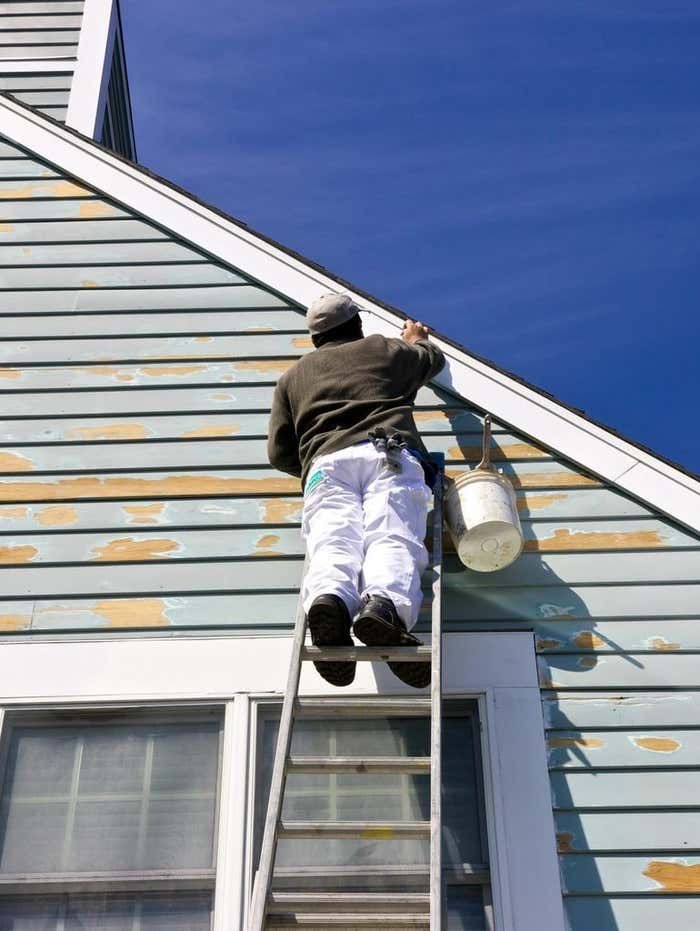
It’s tempting to think, "My roof isn't leaking, so it's fine." But that's like ignoring a small cavity hoping it won't become a root canal. In 2026, the cost of skipping routine roof maintenance can be staggering for Texas homeowners.
Let's break down what happens when maintenance gets ignored:
A small leak, if left untreated, can turn into a major structural problem. Water can seep into your attic, damage insulation, rot wooden rafters and decking, and even compromise the structural integrity of your home. This isn't just about a few water spots; it can lead to thousands of dollars in structural repairs.
- Accelerated Shingle Degradation: Without clearing debris, moisture gets trapped. Granules wash away faster. The sun bakes the asphalt. All these factors shorten the lifespan of your shingles. What might have lasted 20-25 years could fail in 10-15 if neglected.
- Mold and Mildew Growth: Trapped moisture in your attic or under damaged shingles creates a perfect environment for mold and mildew. This can spread into your living space, affecting air quality and causing respiratory issues. Remediation can be costly and complex.
- Structural Damage: This is the big one. Rotting roof decking, compromised rafters, damaged fascia boards, and saturated insulation all stem from persistent leaks or moisture issues. Repairing or replacing these structural elements is significantly more expensive than a simple shingle repair.
- Increased Energy Costs: A damaged or poorly ventilated roof can lead to significant energy loss. In the Texas heat, this means your AC is working harder and longer to keep your home cool, driving up your electricity bills.
- Insurance Denials or Higher Premiums: Insurance companies often view neglected maintenance as a reason to deny claims or increase premiums. If a storm damages a roof that hasn't been maintained, they may argue the damage was exacerbated by a lack of care, leading to partial or full claim denial.
Key Insight
The National Association of Insurance Commissioners (NAIC) reports that proactive maintenance is a key factor in how insurance claims are handled. Demonstrating you've taken reasonable steps to maintain your property can significantly impact claim outcomes.

Annual Maintenance (e.g., $300-$600/year)
Over 5 years. Prevents major issues, extends roof life, lowers energy bills, supports insurance claims.
Neglecting Maintenance (Leading to Repairs/Replacement)
Over 5 years. Covers leak repairs, structural damage, mold remediation, potential premature roof replacement, and higher insurance costs.
The math is pretty clear. Investing a small amount annually in maintenance saves you a fortune in the long run. It's not just about protecting your roof; it's about protecting your entire home and your financial well-being.
How to Get This Done
For routine maintenance like clearing gutters and visually inspecting shingles, you can handle it yourself. However, for tasks requiring ladder work, a closer inspection of potential damage, or attic checks, it's best to rely on professionals. Montesco Roofing offers comprehensive roof maintenance plans designed for DFW homeowners. We'll handle the inspections, clear debris, identify potential issues, and provide you with a clear report, ensuring your roof stays in optimal condition year-round.
Choosing Your Roof Maintenance Partner: What to Look for in a DFW Contractor
As you settle into your new Texas home, you'll likely need to find a reliable roofing contractor. This isn't just for maintenance; it's for any repairs or eventual replacement. Choosing the right partner is crucial, especially in a busy market like DFW.
Don't wait until you have an emergency to find a roofer. Build a relationship with a trusted local contractor before you need them urgently. This ensures you'll get prompt, quality service when it matters most.
Here’s what to look for in a DFW roofing contractor for maintenance and beyond:
- Local Experience: They should understand the specific weather patterns and common roofing issues in the Dallas-Fort Worth area. How long have they been serving DFW?
- Licensing and Insurance: This is non-negotiable. A licensed and insured contractor protects you from liability. Verify their credentials.
- Reputation and Reviews: Look for online reviews (Google, Yelp, BBB) and ask for local references. What do past clients say about their reliability, quality of work, and customer service?
- Manufacturer Certifications: Reputable contractors often hold certifications from major roofing material manufacturers (like GAF, Owens Corning, CertainTeed). This indicates they've undergone specific training and adhere to strict installation standards, often leading to better warranties.
- Clear Communication: Do they explain things clearly? Are they transparent about costs, timelines, and what the maintenance entails? A good contractor will educate you, not just do the work.
- Warranty: Ask about their workmanship warranty. A strong warranty shows confidence in their work.
- No High-Pressure Sales Tactics: You should feel comfortable and informed, not pressured into decisions.
Be wary of storm chasers – contractors who appear out of nowhere after a big storm, often driving uninsured vehicles and offering "too good to be true" deals. They typically disappear once the job is done, leaving you with no recourse if issues arise.
At Montesco Roofing, we've been a part of the DFW community for over 13 years. We pride ourselves on our local expertise, transparent communication, and commitment to quality. We're not here for a quick buck; we're here to build lasting relationships and protect homes in our community. We are GAF Master Elite Certified, which means we meet some of the strictest standards in the industry.
Need help finding a trustworthy roofer? Our team has protected hundreds of DFW homes for over 13 years. Tell us about your roof — free inspection, no pressure, just honest advice.
Get Your Free Roof Inspection →Your Roof Maintenance Schedule: A Year-Round Texas Homeowner's Plan
Consistency is key when it comes to roof maintenance. Creating a schedule helps ensure you're staying on top of it without it feeling like a chore. Here’s a simple plan tailored for Texas homeowners in 2026.
Spring (March - May): The Post-Winter Check-Up
After the potential for winter storms and before the intense summer heat, this is a crucial time. Tasks: Clear any lingering winter debris, check for shingle damage from cold snaps or wind, inspect gutters and downspouts for blockages, and ensure attic ventilation is clear. Look for any signs of leaks that may have developed during the cooler, wetter months.
Summer (June - August): Beat the Heat
The relentless Texas sun is your roof's biggest enemy during these months. Tasks: Visually inspect for signs of heat damage (curling, blistering shingles). Ensure attic ventilation is working optimally to prevent heat buildup, which can shorten shingle life and increase energy costs. Keep an eye out for any signs of leaks, especially after any strong summer thunderstorms.
Fall (September - November): Storm Preparedness & Leaf Patrol
This is prime time for fall storms and the start of leaf-fall season. Tasks: Clear gutters and downspouts of fallen leaves and debris. Inspect shingles for any damage sustained during summer storms. Trim back any tree branches that are touching or overhanging your roof. If a major storm is forecast, do a quick visual check for any obvious issues.
Winter (December - February): The Deep Dive & Annual Professional Inspection
While you're less likely to be on the roof, winter is an excellent time for a thorough check. Tasks: This is the ideal time for your annual professional roof inspection. A contractor can identify issues that might worsen in the spring. Indoors, check your attic for any signs of leaks or moisture. Check your insulation for damp spots. Ensure your ventilation isn't blocked by snow or ice (though less common in DFW, it's good practice).
Key Insight
The National Fire Protection Association (NFPA) recommends clearing debris from roofs and gutters at least twice a year to reduce fire hazards and prevent water damage.
Remember, this is a general guideline. After any significant weather event – a severe thunderstorm, a hailstorm, or strong winds – you should perform an immediate visual inspection from the ground. If you see anything concerning, don't hesitate to schedule a professional inspection.
Frequently Asked Questions for New Texas Homeowners About Roof Maintenance
Frequently Asked Questions
How often should I have my roof professionally inspected in Texas?
What are the most common roof problems in DFW?
Can I do roof maintenance myself?
How much does routine roof maintenance cost in Texas?
What is the lifespan of a typical asphalt shingle roof in Texas?
What should I do if I suspect hail damage to my roof?
Montesco Roofing Team
DFW's trusted roofing contractor with 13+ years of experience. Specializing in roof replacements, storm damage repair, and insurance claims across Dallas-Fort Worth.
Get in touch →