Seasonal Temperature Swings Affect Your Roof
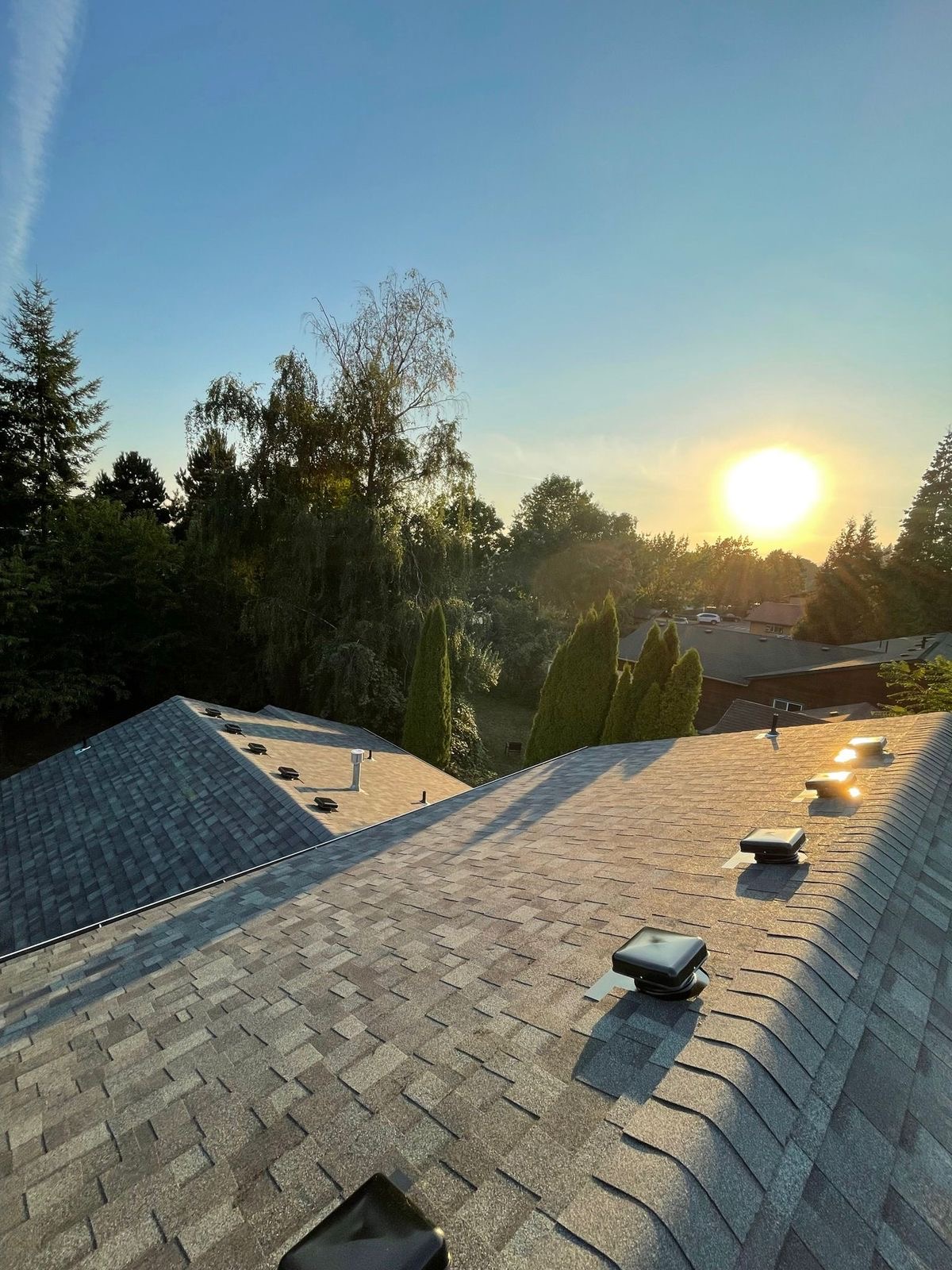
Don't let the unpredictable Texas weather compromise your home's biggest defense. Learn how extreme temperature fluctuations in 2026 are silently damaging your roof and what you can do about it.
You probably know that DFW can get pretty wild with its weather. One day it's sweltering, the next it's downright chilly. But have you ever stopped to think about what all that back-and-forth is doing to your roof? I'm talking about the constant expansion and contraction, the freezing and thawing, the sheer stress that these wild temperature swings put on your home's first line of defense. Here in North Texas, especially in 2026, we've seen some doozies, and your roof is taking a beating, often without you even realizing it until it's too late.
As a roofer with over 13 years of experience right here in the Dallas-Fort Worth area, I've seen firsthand how these seasonal shifts can silently wreak havoc. It's not just about the big storms; it's the everyday stress that wears down your roof over time. And right now, in July of 2026, it's more important than ever to understand what's happening above your head.
The DFW Temperature Rollercoaster of 2026: A Roof's Worst Nightmare
Let's be honest, the weather here in DFW is rarely just "mild." We swing from the scorching heat of August to the unexpected freezes of January, sometimes within the same week. This year, 2026, has been no exception. We've seen days where the thermometer climbs into the triple digits, only to drop dramatically overnight, sometimes bringing frost with it. This constant yo-yo effect is brutal on any building material, but it's particularly hard on your roof.
The 'Why' Behind the Stress
Think of your roofing materials like a rubber band. When it's hot, it expands. When it's cold, it contracts. Your shingles, underlayment, flashing, and even the wood decking beneath them are all subjected to this cycle, day in and day out. Over time, this repeated stretching and shrinking weakens the materials, making them brittle, prone to cracking, and less able to do their job of protecting your home.
What many homeowners don't realize is that even small temperature fluctuations can cause micro-movements. But when you have extreme swings – say, 40 degrees Fahrenheit difference from morning to afternoon, which is common here – those movements become significant. This isn't just a cosmetic issue; it's a fundamental stressor that can compromise the integrity of your entire roofing system. We're talking about accelerated aging, reduced lifespan, and an increased risk of leaks, especially after those unpredictable North Texas rain showers we get.
How Extreme Heat Expands and Contracts Your Roofing Materials
Summer in DFW is no joke, and 2026 has been a prime example. We're talking about prolonged periods where temperatures soar well above 100°F. When the sun beats down on your roof, especially dark-colored shingles, those materials absorb an incredible amount of heat. This heat causes them to expand. It might seem minor, but over thousands of square feet, this expansion is substantial.
When materials expand, they push against each other. If there's no room for this expansion, or if certain materials are more rigid than others, it can create internal stresses. This stress can lead to buckling, warping, or even the loosening of fasteners. Think of it like trying to pack too much into a suitcase – something's got to give.
Then, as the sun sets and temperatures drop, often dramatically here in Texas, those same materials contract. This cycle of expansion and contraction, happening every single day during the hot months, is like putting your roof through a daily workout. Over time, the asphalt in shingles becomes less flexible, the seal strips can lose their adhesive power, and small cracks can begin to form. These tiny fissures might not be visible from the ground, but they are entry points for moisture, which is the enemy of any home's structure.
Lighter-colored roofing materials absorb less heat than darker ones. While asphalt shingles are common, consider the impact of color choice on your roof's lifespan, especially in the intense Texas sun. Cool-roof technologies and lighter shades can significantly reduce heat absorption and the associated expansion/contraction stress.
What most homeowners miss is that this constant movement isn't just happening to the shingles. It affects the entire roofing system – the underlayment, the flashing around vents and chimneys, and even the fascia boards. Each component is expanding and contracting at its own rate, creating friction and stress points where leaks can eventually develop. It’s a complex system, and anything that stresses one part can eventually affect the whole.
The Hidden Cost of Winter's Chill: Freeze-Thaw Cycles on DFW Roofs
Just when you think your roof gets a break, winter in DFW throws its own curveballs. While we might not get prolonged deep freezes like some northern states, we certainly experience those unpredictable days where temperatures dip below freezing. And for your roof, the real danger isn't just the cold itself, but the insidious freeze-thaw cycle.
Here's how it works: Any tiny crack or gap in your shingles, or even in the underlying materials, can trap moisture. When the temperature drops below 32°F, that trapped water freezes and expands. This expansion exerts immense pressure on the surrounding material, forcing the crack wider. Then, when the temperature rises above freezing again, the ice melts, and the water seeps deeper into the now-larger opening.
While less common than in the Northeast, ice dams can still form on DFW roofs, especially on poorly insulated attics or roofs with improper ventilation. When snow or ice melts on the warmer parts of your roof and refreezes at the eaves, it creates a dam that forces water back up under your shingles, leading to leaks inside your home.
This cycle repeats itself every time the temperature hovers around freezing. Each freeze and thaw further weakens the shingles, making them brittle and more susceptible to cracking. It's a slow, persistent form of damage that can go unnoticed for months, especially if the leaks are initially minor and only show up during heavy rain. For homeowners in areas like Frisco or Plano, where we see these fluctuating temperatures, this is a constant threat to their roof's integrity.
The Impact on Shingles
Asphalt shingles are designed with a certain degree of flexibility, but repeated freeze-thaw cycles can degrade the asphalt binder. This makes the shingles brittle and prone to cracking and granule loss. The granules are the protective layer that shields the asphalt from UV rays, so losing them significantly shortens the shingle's lifespan and exposes the underlying material to damage.
What most people don't realize is that the damage from freeze-thaw cycles can be just as severe, if not more so, than damage from a single hail storm. It's a cumulative effect. A shingle that might have survived a few years of expansion and contraction could succumb to a single winter's freeze-thaw stress, leading to a leak that could potentially reach your attic and walls. This is why a thorough roof inspection, especially after winter, is so crucial for DFW homeowners.
7 Subtle Signs Your Roof Is Suffering from Temperature Stress
It's easy to think your roof is fine until you see a dripping ceiling. But by then, the damage is often extensive and expensive. The key is to spot the subtle signs of stress caused by temperature swings before they become major problems. Here are seven things to look out for on your DFW roof:
1. Granule Loss
Check your gutters and downspouts. If you see a significant amount of dark, gritty material, those are your shingle granules. Heat can make the asphalt brittle, and expansion/contraction can dislodge them. This is a common sign of aging and stress.
2. Cracks and Splits
Look closely at your shingles from the ground with binoculars, or even better, during a professional inspection. You might see small cracks, especially along the edges or where shingles overlap. These are direct results of the materials being stretched and stressed.
3. Curling or Cupping Shingles
When shingles curl up at the edges or cup in the middle, it's a sign that the material is warping due to uneven expansion and contraction. This exposes the underlayment and makes them vulnerable to wind and water.
4. Buckling or Washboarding
This is a more severe sign where entire sections of shingles appear to be lifting or rippling. It indicates that the roofing material is expanding and has nowhere to go, causing it to push upwards. This is often seen in areas with extreme heat.
5. Loose or Missing Shingles
While often associated with wind, temperature stress can weaken the adhesive on shingle seals and the nails holding them down. This makes them more susceptible to lifting or blowing off during even moderate winds, especially after a period of extreme heat or cold.
6. Damaged Flashing
Flashing around chimneys, vents, skylights, and in valleys is critical for waterproofing. The constant expansion and contraction can cause metal flashing to warp, crack, or pull away from the roof surface, creating entry points for water.
7. Interior Signs (Water Stains)
The most obvious sign is water stains on your ceiling or walls, or mold growth in your attic. These indicate that leaks have already occurred, often due to compromised shingles or flashing that failed under temperature stress.
Don't wait for the ceiling stains. Regular visual checks from the ground, and more importantly, professional inspections, can catch these issues early. For homeowners in Garland or Mesquite, where the summer heat can be relentless, keeping an eye on these signs is crucial for preventing more significant damage down the line.
The $10,000 Mistake: Why Ignoring Minor Roof Damage Costs You Big

It’s human nature to put off unpleasant tasks, especially when the problem seems small. You might see a shingle that's slightly curled or notice a bit of granule loss in your gutters, and think, "It's not that bad, I'll deal with it later." In DFW, especially in 2026, that "later" can end up costing you thousands, if not tens of thousands, of dollars.
Minor Roof Issue (Untreated)
Potential Future Costs:
- Interior water damage (walls, ceilings, insulation)
- Mold and mildew growth
- Structural wood rot (decking, rafters)
- Pest infestations (attracted by moisture)
- Premature roof replacement
- Increased energy bills (due to compromised insulation)
Total Estimated Cost: $3,000 - $15,000+
Prompt Roof Repair/Maintenance
Benefits:
- Prevents leaks and water damage
- Extends roof lifespan
- Maintains home's structural integrity
- Reduces energy loss
- Peace of mind
Total Estimated Cost: $200 - $1,500
When a shingle cracks due to temperature stress, it's not just the shingle that's compromised. That crack is an invitation for water to reach the underlayment, then the roof decking, and eventually, your attic insulation and the interior of your home. Water damage is notoriously insidious. It can spread within walls, creating mold and rot that are incredibly expensive to remediate. What started as a $300 repair for a few cracked shingles can easily turn into a $5,000 job to fix water-damaged drywall, insulation, and repaint. And if that rot reaches your structural beams or rafters, you're looking at a repair bill that could easily exceed $10,000, not to mention the potential for costly mold remediation.
The Chain Reaction of Neglect
A single compromised shingle can lead to a cascade of problems. Water seeps through, saturating insulation, which reduces its effectiveness and can lead to mold. It can drip onto ceiling joists, causing wood rot. In severe cases, it can even compromise the structural integrity of your roof framing. Addressing the initial problem is always far more cost-effective than dealing with the aftermath.
Moreover, a roof that's constantly stressed by temperature fluctuations is a roof that's aging prematurely. Shingles that crack and curl will need to be replaced sooner. A roof that should have lasted 20-30 years might only make it 15-20 if it's subjected to constant thermal stress and not properly maintained. This means you'll be facing the significant expense of a full roof replacement years ahead of schedule. For DFW homeowners, investing in proactive maintenance and timely repairs isn't just about protecting your home from immediate damage; it's about preserving the long-term value and integrity of your largest investment.
Proactive Roof Maintenance: A 5-Step Plan for DFW Homeowners in 2026
The best way to combat the damage caused by DFW's wild temperature swings is through a proactive maintenance plan. It’s not about waiting for disaster to strike; it’s about preventing it. Here’s a straightforward, 5-step approach that every DFW homeowner can implement in 2026 to protect their roof:
Step 1: Regular Visual Inspections (From the Ground)
Once a month, take a few minutes to walk around your house and look up. Check for obvious signs like missing or damaged shingles, debris accumulation, or sagging areas. This simple habit can catch issues early.

2. Clean Your Gutters and Downspouts
Clogged gutters can cause water to backup onto your roof and into your home. Clean them at least twice a year, typically in the spring and fall, to ensure proper drainage. This also allows you to easily spot granule loss.
3. Trim Overhanging Branches
Trees can provide shade, but branches that rub against your roof can damage shingles. They also create a haven for debris and can fall during storms. Keep branches trimmed back at least 5-10 feet from your roofline.
4. Inspect Attic Ventilation
Proper attic ventilation is crucial for regulating temperature and moisture. Ensure your vents (soffit, ridge, gable) are not blocked by insulation or debris. Good ventilation helps reduce heat buildup in the summer and moisture in the winter.
5. Schedule Professional Inspections
This is the most critical step. Hire a qualified DFW roofing contractor for a thorough inspection at least twice a year – once in the spring and once in the fall. They have the expertise and tools to spot subtle damage that you might miss.
What most homeowners underestimate is the value of a professional inspection. While you can spot obvious issues, a seasoned roofer can identify hairline cracks, compromised sealants, and potential weak spots that are invisible to the untrained eye. They understand how DFW's specific weather patterns affect different roofing materials and can provide targeted advice. For instance, after a particularly harsh winter, a professional inspection is essential to check for any damage caused by freeze-thaw cycles.
How to Get This Done
If you want to handle the visual checks and gutter cleaning yourself, here's exactly what you need: a sturdy ladder, gloves, a trowel for debris, and a willingness to get a little dirty. If you'd rather have experienced roofers handle the critical inspections and identify potential issues caused by DFW's unique climate, our team at Montesco Roofing has inspected and protected hundreds of DFW homes. We provide detailed reports and transparent recommendations. Our process typically involves a ground inspection, a safe attic check, and a detailed report on your roof’s condition, focusing on the impact of seasonal weather.
Remember, a small investment in maintenance now can save you a fortune in repairs later. Think of it like getting an oil change for your car – it keeps the engine running smoothly and prevents major breakdowns. Your roof deserves the same attention.
Montesco Roofing's Expert Approach to Seasonal Roof Protection
Here at Montesco Roofing, we've been serving the DFW community for over 13 years. We've seen it all – the scorching summers, the surprisingly cold snaps, and the storms that seem to come out of nowhere. We understand that your roof isn't just shingles and tar; it's the protective shield for your family and your most valuable asset. That's why our approach to seasonal roof protection is about more than just fixing problems – it's about preventing them and ensuring your roof performs optimally, year after year.
Our Commitment to DFW Homes
We treat every home like it's our own. That means using high-quality materials, employing meticulous installation techniques, and providing honest, expert advice. We don't cut corners, and we don't offer quick fixes that won't last. Our goal is to give you peace of mind, knowing your roof is built to withstand the unique challenges of the North Texas climate.
When we perform a seasonal inspection, we're not just looking for obvious damage. We're meticulously checking for the subtle signs of stress caused by expansion and contraction. This includes:
- Examining shingle integrity for hairline cracks or brittleness.
- Verifying the seal strips are still effective.
- Inspecting flashing for any signs of warping or separation.
- Checking for granule loss that indicates accelerated wear.
- Assessing the overall health of your roofing system, including ventilation and drainage.
"The extreme temperature swings we've seen in 2026 are a real threat. A roof that's constantly expanding and contracting is like a muscle that's overworked without rest. It's going to tear. Our job is to identify those stress points and reinforce them before they become major issues."— A Montesco Roofing Expert
Whether it's recommending the right materials for your home's specific exposure to the sun, ensuring proper attic ventilation to mitigate heat buildup, or performing timely repairs to address minor damage before it escalates, we're here to help. We know that a well-maintained roof is a sound investment, and we're dedicated to helping DFW homeowners protect that investment. If you're in Fort Worth, Arlington, or anywhere in the metroplex, you can count on us to provide the expert care your roof needs.
DIY vs. Professional Roof Inspections: What's Best for DFW Homes?
Many homeowners feel empowered to tackle basic home maintenance themselves, and that's great! For tasks like checking your gutters or visually inspecting your roof from the ground, DIY is a perfectly viable option. However, when it comes to the complex system that is your roof, especially in a climate as demanding as DFW's, professional expertise is invaluable.
| Feature | DIY Roof Inspection | Professional Roof Inspection (Montesco Roofing) |
|---|---|---|
| Cost | Free (your time) | Often free or a nominal fee, applied to repairs if needed. |
| Scope | Surface-level: visible damage, debris. | Comprehensive: shingles, underlayment, flashing, ventilation, attic, structure. |
| Expertise | General homeowner knowledge. | 13+ years of DFW roofing experience, specialized training. |
| Tools & Equipment | Binoculars, ladder (use with caution!). | Specialized inspection tools, safety equipment, thermal imaging (optional). |
| Damage Detection | Can spot obvious issues (missing shingles). | Identifies subtle stress, hairline cracks, potential failure points before they're visible. |
| Material Knowledge | Limited. | Expertise on asphalt, metal, tile, and their performance in DFW's climate. |
| Warranty/Guarantee | None. | Workmanship warranty on repairs/replacements. |
| Insurance Claims | Cannot assess storm damage for claims. | Expert documentation and assessment for insurance claims. Learn more about our insurance claim assistance. |
While you might spot a missing shingle from your driveway, a professional like Montesco Roofing can identify the underlying cause, such as weakened adhesive from heat or stress fractures from freeze-thaw cycles. We can also assess the condition of your underlayment, the integrity of your flashing, and the effectiveness of your attic ventilation – all critical components that are invisible from the ground and crucial for preventing leaks and managing temperature stress.
Climbing on a roof, especially if you're not experienced, can be extremely dangerous. Slips and falls can lead to severe injury or worse. If you're not comfortable or equipped for roof safety, it's always best to leave the inspection to the professionals.
Furthermore, a professional inspection provides an objective assessment. We're not just looking for problems; we're evaluating the overall health of your roof and providing a realistic forecast of its remaining lifespan. This allows you to plan and budget for any necessary repairs or eventual replacement, rather than being blindsided by a costly emergency. For DFW homeowners who want to protect their investment against the relentless demands of our climate, a professional inspection is an essential part of seasonal maintenance.
Frequently Asked Questions About DFW Roofs and Temperature Swings
How often should I have my roof inspected in DFW?
Can extreme heat alone damage my roof?
What is the freeze-thaw cycle and why is it bad for my roof?
How do I know if my roof needs repair due to temperature stress?
Does the color of my shingles affect how they handle temperature swings?
What's the difference between a roof repair and a roof replacement?
How can I prevent temperature-related roof damage in DFW?
Need help understanding your roof's condition or dealing with the effects of DFW's weather? Our team has protected hundreds of homes across metroplex. We provide honest assessments and lasting solutions.
Get Your Free Roof Inspection →Montesco Roofing Team
DFW's trusted roofing contractor with 13+ years of experience. Specializing in roof replacements, storm damage repair, and insurance claims across Dallas-Fort Worth.
Get in touch →