The $500 Roof Patch That Snowballed into a $15,000 Nightmare

The "Little Fix" Trap: Why Small Roof Issues Can Explode into Big Problems
You just found a small leak, maybe a shingle or two out of place after that last gusty North Texas wind. It seems manageable, right? A quick fix, a few hundred bucks, and you're back to normal. That's how it starts for many homeowners in the Dallas-Fort Worth area. They see a minor issue and think, "I'll just get a small repair done." But here's the thing: what seems like a tiny problem on the surface can often be a symptom of a much larger, more insidious issue lurking beneath. This is the "little fix" trap, and it's one of the most common ways homeowners end up facing a roofing nightmare that costs them thousands more than they ever expected. It's not just about the cost; it's about the potential for extensive damage to your home's structure, your insulation, and even your personal belongings.
In DFW, we see this all too often. Our climate, with its intense sun, sudden hailstorms, and high winds, puts a tremendous amount of stress on our roofs. Even a small breach in your roofing system – that's your shingles, underlayment, decking, and ventilation working together – can allow water to seep in. Once water finds a way in, it doesn't just sit there. It starts to degrade the materials it touches. It can soak into your roof decking, which is the plywood or OSB sheathing that forms the base of your roof. This leads to rot, weakening the structural integrity of your entire roof system. From there, the water can travel down into your attic insulation, reducing its effectiveness and creating a breeding ground for mold and mildew. Eventually, it finds its way into your ceilings, walls, and even down to your living spaces, causing water stains, peeling paint, and potentially far more extensive damage.
Many times, a homeowner will call for a "shingle repair," but the real problem is compromised flashing around a vent pipe or chimney. If that flashing isn't replaced correctly, the leak will continue, and the water will start to damage the decking and framing around it.
The temptation to go for the cheapest, quickest "fix" is understandable. You might find a handyman offering to replace a few shingles for a couple of hundred dollars, or a less reputable "storm chaser" promising a fast patch-up job. But the reality is, a true roofing professional looks at the entire system. They're not just replacing a shingle; they're assessing why it blew off, checking the underlayment beneath it, and ensuring the integrity of the surrounding shingles and decking. When you cut corners on a roof repair, you're not just delaying the inevitable; you're often making the eventual problem significantly worse, and far more expensive to fix. This is especially true here in North Texas, where our weather can go from calm to chaotic in a matter of minutes.
DFW Hail & Wind: The Perfect Storm for Roof Damage That Starts Small
Living in the Dallas-Fort Worth Metroplex means we're no strangers to dramatic weather. We get beautiful sunny days, but we also get some of the most aggressive storm seasons in the country. Hail, high winds, and torrential rain are unfortunately a regular part of life here. These weather events are brutal on our homes, and the roof, being the primary shield, takes the brunt of it. What often starts as a seemingly minor event can have lasting consequences for your roofing system.
After any significant hail or wind event in DFW, don't just look at your roof from the ground. Get up in your attic and look for any signs of daylight coming through the roof decking. This is a surefire sign of a breach that needs immediate attention.
Let's talk about hail. Even "small" hail, say the size of a quarter, can cause significant damage. It doesn't necessarily crack or shatter shingles immediately. Instead, it bruises them. This bruising breaks the protective granules that shield the asphalt layer from UV rays. Over time, these bruised shingles become brittle and lose their ability to shed water effectively. A single hailstorm might leave you with hundreds of these micro-bruises across your roof. If you only address the few shingles that look obviously damaged or missing, you're leaving the majority of the compromised areas exposed to the elements. This is where the snowball effect truly begins. Those compromised shingles will start to deteriorate faster, become susceptible to wind uplift, and eventually lead to leaks.
Then there's wind. DFW is known for its powerful gusts. Wind can lift shingles, tear them away, and expose the underlayment. But it can also loosen the seals on adjacent shingles, making them vulnerable to future wind events or water intrusion. A shingle that's been partially lifted and then resealed by the sun and heat might look fine, but its adhesive bond is weakened. This makes it a prime candidate to blow off in the next storm, leaving a gap. If you're only replacing the shingle that blew off, you're missing the potential for damage to the surrounding shingles that are now also compromised.
The insidious nature of this damage is that it's often not immediately apparent. A homeowner might think, "My roof looks okay," after a storm. But the damage is happening at a microscopic level, or in areas that aren't easily visible. This is why a professional inspection from a seasoned DFW roofing contractor is so crucial after any significant weather event. We're trained to spot these subtle signs of damage – the granule loss, the bruising, the compromised seals, the subtle signs of water intrusion in the attic – that a homeowner might overlook. Ignoring these early indicators is like ignoring a small cavity in your tooth; it might not hurt now, but it's guaranteed to become a much bigger, more painful, and more expensive problem down the road.
Key Insight
The lifespan of an asphalt shingle can be significantly reduced by impacts that don't cause immediate visible failure. The protective granule layer is essential for reflecting UV rays and preventing the asphalt from degrading. Any damage that removes or loosens these granules compromises the shingle's integrity and accelerates its aging process.
Case Study: The $500 Patch That Cost $15,000 – A DFW Homeowner's Nightmare
Let me tell you about a situation we encountered last year in Plano. A homeowner, let's call her Sarah, noticed a small water stain appearing on her ceiling after a particularly nasty thunderstorm in late spring. It wasn't a flood, just a noticeable discoloration, about the size of a dinner plate. She called a local handyman she found online, who came out and quoted her $500 to "fix the leak." He went up, applied some sealant around a vent pipe and replaced a couple of shingles that looked a bit curled. Sarah was relieved, paid him, and thought that was the end of it.
"It seemed like such a small problem at first. I just wanted it fixed quickly and cheaply. I never imagined it would lead to this."— Sarah, Plano Homeowner
About six months later, as the cooler weather started to set in, Sarah noticed the stain on her ceiling had gotten significantly larger. Worse, she started to see a musty smell in that room. Concerned, she contacted us at Montesco Roofing for a full inspection. When we got there, we found that the sealant the handyman had used had failed. It wasn't a permanent solution, just a temporary patch. The water had continued to seep in, not just through the original point of entry, but also through the compromised seals of the surrounding shingles that had been disturbed during the "repair."
Sealants applied directly to shingles or flashing without proper preparation and underlying repair are rarely a long-term solution. Water can find its way around the sealant, or the sealant itself can degrade under UV exposure and temperature fluctuations common in DFW.
Our inspection revealed that the constant moisture had completely rotted out a significant section of her roof decking. It wasn't just a few boards; it was a large area, roughly 10x10 feet, that had become soft and spongy. The water had also saturated the attic insulation above that section, creating an ideal environment for mold growth. Furthermore, the moisture had begun to wick down into the rafters and the top plates of her walls, compromising the structural integrity of her home. What started as a $500 "fix" had now turned into a full roof replacement, including replacing the rotted decking, remediating mold in the attic, and repairing some of the interior water damage. The final bill? Just shy of $15,000.
Key Insight
The "handyman" who performed the initial repair was not a licensed roofing contractor. While they might be skilled at general repairs, they likely lacked the specialized knowledge and tools to properly diagnose and address the underlying issues of a roofing system, especially in the context of DFW's challenging climate.
This story is a harsh reminder that when it comes to your home's roof, cutting corners on repairs can be incredibly costly. A cheap fix often means a temporary fix, and a temporary fix on a roof is a ticking time bomb for much larger problems. The $500 patch didn't solve the problem; it merely masked it, allowing the damage to fester and spread, turning a manageable repair into a catastrophic expense. This is why it's so vital to trust your roof to experienced professionals who understand the complexities of roofing systems and the specific challenges posed by the DFW environment. We've seen this exact scenario play out in neighborhoods across Plano, Frisco, and McKinney, and the outcome is always the same: significantly higher costs for the homeowner.
How to Get This Done
If you're dealing with a suspected roof leak, the first step is always a professional assessment. Montesco Roofing's experienced team will conduct a thorough inspection, identifying the root cause of the leak, not just the symptom. We'll provide a detailed report and a transparent estimate for a permanent repair or replacement, ensuring your DFW home is protected. We also have extensive experience navigating insurance claims for storm damage, helping you understand your coverage and get the compensation you deserve.
Beyond the Patch: 7 Hidden Dangers Lurking in Subpar Roof Repairs
When a roof repair is done incorrectly, or when only the most obvious symptom is addressed, it opens the door to a cascade of problems that homeowners rarely anticipate. These aren't just minor inconveniences; they can lead to significant structural damage, health hazards, and drastically shortened roof lifespan. Here are seven hidden dangers that often arise from subpar roof repairs, especially in a climate like ours here in DFW:
1. Accelerated Roof Deterioration
Improperly sealed or replaced shingles, or disturbed flashing, allow moisture to penetrate the underlayment and decking. This accelerates rot and degradation, leading to premature roof failure long before its expected lifespan. A roof that should last 20-30 years might fail in 10-15 if poorly repaired.
2. Structural Weakening
The roof decking (plywood or OSB) is the foundation of your roof. When it becomes waterlogged and rots, it loses its strength. This can lead to sagging sections of your roof, and in severe cases, compromise the structural integrity of your entire home, potentially leading to collapse under heavy loads like snow (though rare in DFW) or accumulated debris.
3. Mold and Mildew Growth
Attic spaces are often dark, humid, and poorly ventilated. Any water intrusion creates the perfect breeding ground for mold and mildew. These fungi can spread rapidly, not only damaging your insulation (reducing its R-value and effectiveness) but also posing serious health risks to occupants, including respiratory problems and allergies.
4. Interior Water Damage
Water doesn't stop at the attic. It can seep through ceilings, walls, and even down electrical wiring. This leads to unsightly water stains, peeling paint, damaged drywall, warped wood trim, and can even compromise electrical systems, creating fire hazards. The cost to repair interior damage can easily exceed the cost of the initial roof repair.
5. Pest Infestations
Rotting wood and damp insulation are attractive to various pests, including rodents, insects, and termites. These unwelcome guests can cause further damage to your home's structure and create unsanitary conditions. An improperly repaired roof can become an entry point for these infestations.
6. Reduced Energy Efficiency
When attic insulation becomes wet and compacted due to leaks, it loses its ability to insulate effectively. This means your HVAC system has to work harder to maintain comfortable temperatures, leading to higher energy bills. A poorly repaired roof directly impacts your home's energy performance.
7. Voided Manufacturer Warranties
Many roofing material manufacturers have specific installation and repair guidelines. Using improper materials, sealants, or techniques can void the warranty on your roofing products. This means if a legitimate defect occurs later, you won't be covered, leaving you responsible for the full cost of replacement.
In DFW, the cycle of heat, humidity, and sudden storms means these issues can develop much faster than in milder climates. The sun beats down relentlessly, drying out poorly applied sealants, while sudden downpours test the integrity of any compromised areas. A quick patch job might hold for a few weeks, but it's unlikely to withstand the rigors of a Texas summer followed by a fall storm season. This is why Montesco Roofing emphasizes a comprehensive approach. We don't just patch a hole; we diagnose the entire roofing system to ensure that any repair is a permanent solution, protecting your home from these hidden dangers.
Key Takeaways
- Subpar roof repairs can lead to accelerated deterioration, structural weakness, mold growth, interior water damage, pest infestations, reduced energy efficiency, and voided warranties.
- These issues are exacerbated in DFW's climate due to intense sun, humidity, and frequent severe weather.
- A professional inspection and repair by an experienced DFW roofing contractor is essential to prevent these cascading problems.
The Professional vs. DIY Roof Repair: A Costly Comparison for DFW Homes
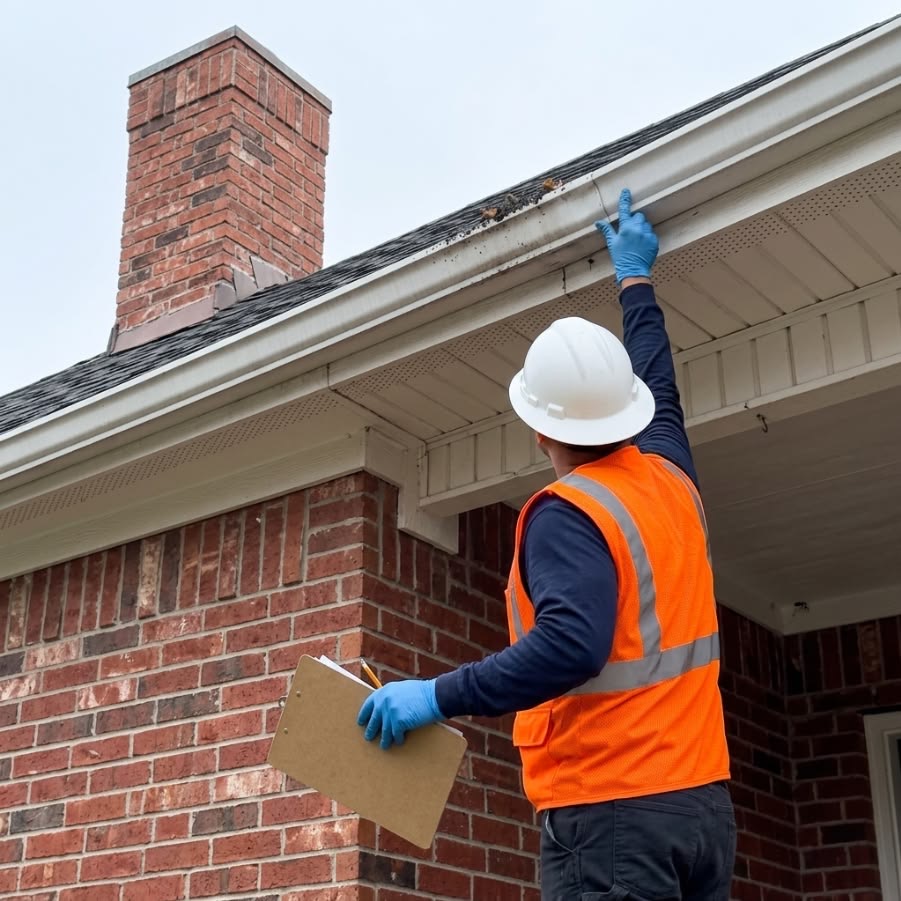
When faced with a roof issue, many homeowners consider tackling it themselves or hiring a less experienced individual to save money. While the upfront cost might seem lower, the long-term financial implications for DFW homeowners are often staggering. Let's break down what you get when you choose a professional, established roofing contractor like Montesco Roofing versus a DIY approach or a less reputable repair service.
| Feature | Professional DFW Roofing Contractor (e.g., Montesco Roofing) | DIY / Handyman Repair | "Storm Chaser" / Unestablished Repair |
|---|---|---|---|
| Diagnosis Accuracy | Expert assessment of the entire roofing system, identifying root causes. | Limited knowledge; may only address visible symptoms, missing underlying issues. | Often a quick, superficial fix; may not identify or address the true source of the problem. |
| Materials Used | High-quality, manufacturer-approved materials suited for DFW climate. | May use generic or lower-grade materials not designed for long-term performance. | Inconsistent quality; often uses cheapest available materials to maximize profit. |
| Workmanship Guarantee | 13+ year workmanship warranty on repairs and replacements. | None. You are responsible for any future issues. | Rarely offered, and if given, the company may be gone by then. |
| Insurance Claim Assistance | Full advocacy; experienced in navigating DFW insurance claims. | None. You're on your own with the insurer. | May offer assistance, but often with their own interests prioritized over yours. |
| Long-Term Cost | Highest initial cost, lowest long-term cost due to durability and proper repair. | Lowest initial cost, potentially highest long-term cost due to repeat repairs or full replacement. | Variable initial cost, often very high long-term cost due to recurring failures and extensive damage. |
| Local Accountability | 13+ years serving DFW; established business with local ties. | Local, but may lack specialized roofing knowledge. | Often transient; may leave town after collecting payment, leaving homeowners without recourse. |
| Structural & Interior Protection | Ensures repairs prevent further damage to decking, insulation, and interior. | High risk of continued damage if underlying issues are missed. | High risk of continued damage; often exacerbates existing problems. |
This comparison highlights a critical point for DFW homeowners: the cheapest option upfront rarely saves you money in the long run. A DIY repair might seem appealing, especially for minor cosmetic fixes, but a true roofing system repair requires specialized knowledge, tools, and materials that most homeowners don't have. Even if you get the repair done "correctly" yourself, you still lack the backing of a professional warranty and the expertise to handle potential insurance claims if the damage was storm-related.
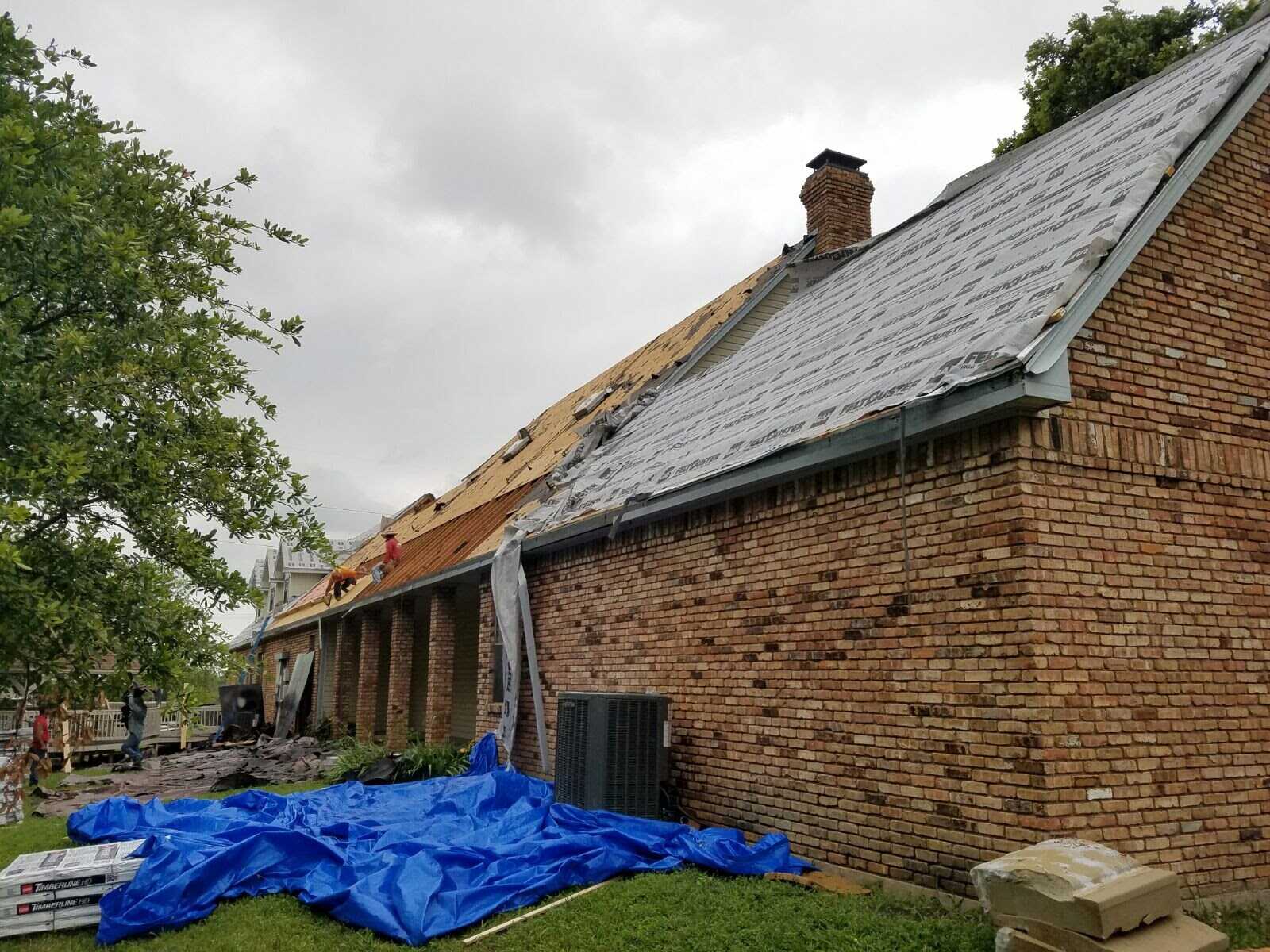
The "storm chaser" scenario is particularly dangerous. These individuals or temporary companies often swoop into DFW after a major storm, offering quick fixes and promising the world. They might be cheaper than an established contractor, but their work is often shoddy, their materials are suspect, and they disappear once the insurance money is collected, leaving homeowners with the same problems – or worse – down the road. Montesco Roofing has been a trusted name in DFW for over 13 years because we stand behind our work. We understand the local building codes, the specific climate challenges, and the importance of a lasting repair or replacement. Our goal is to provide a permanent solution that protects your investment, not just a quick patch that will fail when you least expect it.
Key Insight
The true cost of a roof repair isn't just the dollar amount you pay today, but the total cost over the life of your roof. A professional, warranty-backed repair by a reputable contractor significantly reduces the risk of future expenses related to recurring leaks, structural damage, and premature roof replacement.
Your 5-Step Action Plan to Prevent the "Snowball Effect" on Your DFW Roof
Preventing a minor roof issue from turning into a costly nightmare is all about proactive measures and informed decisions. Here’s a practical, 5-step action plan tailored for DFW homeowners to safeguard their roofs and their wallets:
Step 1: Schedule Regular Professional Inspections
Don't wait for a problem to appear. Aim for at least one comprehensive roof inspection annually, and an additional one after any significant hail or wind event. A professional DFW roofing contractor like Montesco Roofing can identify subtle signs of wear and tear or damage that you might miss. Think of it as preventive maintenance for your home's most critical shield.
Step 2: Document Your Roof's Condition
Keep a record of your roof's age, any past repairs, and photos of its condition. After a storm, take clear photos or videos of any visible damage from the ground (safely!) and from your attic. This documentation is invaluable if you need to file an insurance claim or when discussing repairs with a contractor.
Step 3: Understand Your Insurance Policy
Know your homeowner's insurance policy, particularly the sections on roof damage, deductibles, and coverage for depreciation. Many DFW homeowners are surprised to learn their policy may cover storm damage, but understanding the specifics before an incident is key to navigating claims successfully. We can often help guide you through this process.
Step 4: Vet Any Contractor Thoroughly
If you need a repair, never hire the first person who shows up or the cheapest quote. Look for established, licensed, and insured contractors with a proven track record in DFW. Check online reviews, ask for references, and verify their credentials. A contractor who is transparent about their process and provides detailed, written estimates is a good sign.
Step 5: Prioritize Permanent Solutions Over Quick Fixes
When a repair is needed, resist the urge for a temporary patch if the underlying issue is significant. A reputable contractor will explain why a more comprehensive repair or even a roof replacement might be the most cost-effective long-term solution. Trust their expertise to prevent future, more expensive problems.
Implementing these steps will put you in a much stronger position to protect your home from the costly "snowball effect." It's about being informed, proactive, and choosing the right partners to maintain your property. For homeowners in Dallas, Fort Worth, and the surrounding DFW areas, this diligence is not just recommended; it's essential for safeguarding your investment against our unique weather challenges.
How to Get This Done
For a DIY approach to inspection, start by walking around your home and looking for obvious signs of damage like missing shingles, curling edges, or debris in your gutters that might indicate granule loss. Check your attic for any water stains or daylight. If you find anything concerning, or if you’ve experienced a significant storm, it's time to call in the pros. Montesco Roofing offers free, no-obligation roof inspections designed to catch these issues early and provide you with a clear, honest assessment of your roof's condition. We'll explain your options and ensure you understand the best path forward for a lasting solution.
How Montesco Roofing Ensures Your Roof Repair is a Permanent Solution, Not a Temporary Fix
At Montesco Roofing, we understand that your roof is more than just shingles on a frame; it's the primary defense for your home and family. That's why we've built our entire process around ensuring that every repair, and every replacement, is a permanent, high-quality solution, not a temporary band-aid. Our 13+ years of experience serving the DFW area have taught us what it takes to build roofs that last and address issues comprehensively.
Key Insight
Our commitment is to long-term protection. When we perform a repair, we're not just fixing the visible problem. We're investigating the entire roofing system to ensure that what's done today prevents future, larger issues from developing, saving you money and stress down the line.
What sets us apart is our diagnostic approach. Before we even pick up a tool for a repair, our experienced technicians conduct a thorough inspection. This isn't just a quick glance; it involves:
- System-Wide Assessment: We examine every component of your roof – shingles, underlayment, flashing around vents and chimneys, gutters, and the attic space for signs of moisture or ventilation issues.
- Identifying the Root Cause: We don't just treat the symptom (like a leak). We determine why the leak occurred. Was it a failed seal? Damaged decking? Improperly installed flashing? This understanding is crucial for a permanent fix.
- DFW Climate Considerations: Our repairs are designed to withstand the extreme temperature fluctuations, intense UV exposure, and violent storms common in North Texas. We use materials and techniques proven to perform in our unique environment.
When it comes to the actual repair, we adhere to the highest standards of workmanship. This means:
- Quality Materials: We use only premium roofing materials from reputable manufacturers. If a shingle needs replacement, we ensure it matches existing materials for integrity and aesthetics, and that the underlying decking is sound.
- Proper Installation Techniques: Our crews are trained in best practices for all types of roofing repairs and installations. This includes correct nailing patterns, proper sealing, and ensuring water-shedding capabilities are restored or enhanced.
- Manufacturer Compliance: We ensure all repairs and installations meet or exceed manufacturer specifications, which is vital for maintaining any applicable warranties.
Furthermore, we stand behind our work with a robust workmanship warranty. This is your assurance that we are confident in the quality and longevity of our repairs. If an issue arises due to our workmanship, we'll be here to fix it – no questions asked. This commitment to accountability is what distinguishes a reputable contractor from a fly-by-night operation. We're not just fixing your roof today; we're investing in the long-term protection and value of your home.
Need a roof repair that lasts? Don't let a small issue turn into a big problem. Our team has protected hundreds of DFW homes with durable, long-term solutions. Tell us about your roof — we offer free inspections and honest advice, no pressure.
Get Your Free Roof Inspection →DFW Roof Repair FAQ: Common Questions Answered to Avoid Costly Mistakes
Frequently Asked Questions
How do I know if my roof needs a repair or a full replacement?
What's the difference between a handyman and a licensed roofing contractor for repairs?
How quickly should I get a roof leak repaired in DFW?
Can storm damage be considered "normal wear and tear" by insurance companies?
What are the signs I should look for myself that indicate I need a professional inspection?
How long does a typical roof repair take?
Will a small, cheap repair affect my ability to get a new roof later?
Montesco Roofing Team
DFW's trusted roofing contractor with 13+ years of experience. Specializing in roof replacements, storm damage repair, and insurance claims across Dallas-Fort Worth.
Get in touch →