Smart Roof Repairs That Save Homeowners Thousands
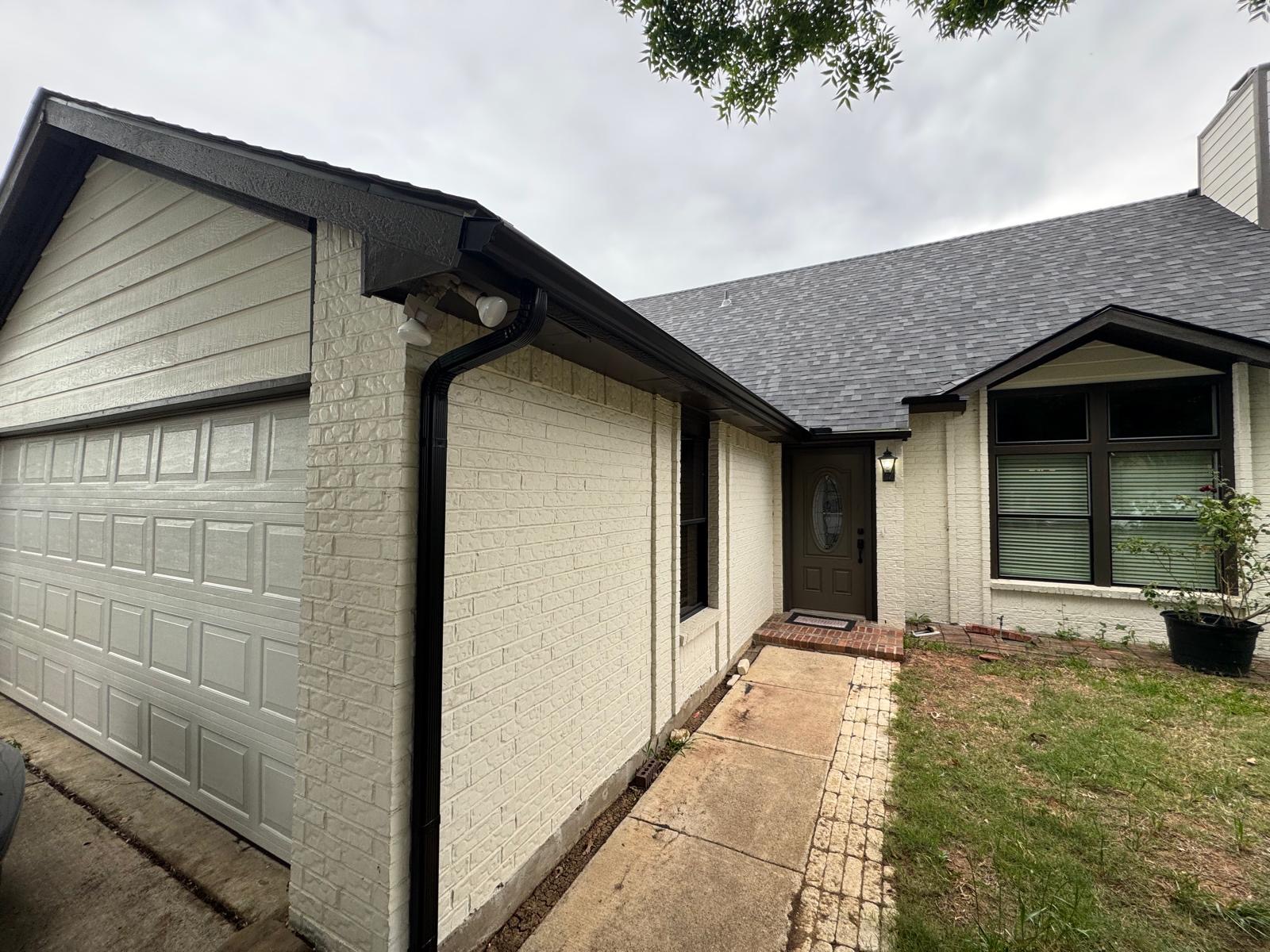
The $15,000 Question: Repair or Replace Your DFW Roof?
You’ve noticed a few shingles out of place after that last gusty North Texas wind, or maybe a water stain is starting to peek through in the attic. Your mind immediately jumps to the worst: a full roof replacement. We get it. The thought of a hefty bill can be overwhelming. But here’s the thing: not every roof issue is a death sentence for your entire roofing system. In fact, many common problems can be addressed with smart, targeted repairs that can extend the life of your roof for years, saving you a significant chunk of change. As a DFW roofing contractor with over 13 years of experience, I've seen firsthand how a well-executed repair can be the smartest move for homeowners, especially in a climate like ours that throws everything from intense sun to sudden hailstorms at our homes.
The decision between repairing your roof and replacing it entirely is a big one, especially here in DFW where our roofs work overtime. We’re talking about homes in Plano, Frisco, Arlington, and all across the metroplex facing unique challenges. A full roof replacement can easily set you back anywhere from $10,000 to $25,000 or more, depending on the size of your home and the materials you choose. That’s a serious investment. On the other hand, a targeted roof repair might cost anywhere from a few hundred dollars to a couple of thousand. The key is knowing when a repair is sufficient and when you’re just delaying the inevitable. My goal, and the goal of Montesco Roofing, is always to protect your home and your wallet with the most sensible, long-term solution. We don't upsell when it's not needed; we provide honest assessments and effective solutions.
Understanding the nuances of your roofing system is crucial. Your roof isn't just a collection of shingles; it's a complex, layered system designed to protect your home from the elements. When one part is compromised, it can affect others. But that doesn't automatically mean the whole system needs to be ripped off and replaced. It means we need to be smart about how we address the issue. Think of it like a minor cavity in your tooth – a filling can fix it and keep your tooth healthy. You wouldn't pull the whole tooth out for a small cavity, right? The same principle applies to your roof. We've seen homeowners in Garland and Mesquite face minor storm damage, and with a proper repair, they’ve avoided the massive cost of a full replacement for many more years.
Don't let minor issues fester. Small problems, like a few missing shingles or a small leak, can quickly escalate into major damage if left unaddressed, potentially leading to structural issues, mold growth, and ultimately, a much more expensive replacement.
7 Critical Signs Your DFW Roof Needs a Smart Repair, Not a Full Replacement
So, how do you know if your roof is a candidate for repair? It’s all about recognizing the signs. Here in DFW, our roofs are constantly battling intense UV rays, the occasional severe thunderstorm with hail, and high winds. These stressors can cause specific types of damage that are often repairable. If you’re noticing any of the following, it’s likely time to call a professional roofing contractor for an assessment, but there’s a good chance a repair is in your future, not a full replacement.
1. Missing or Damaged Shingles
This is probably the most common sign. A few blown-off shingles after a wind event, or shingles that are cracked, curled, or brittle from age and sun exposure, can often be individually replaced. If you only have a handful affected, a repair is usually the way to go.
2. Granule Loss
Ever checked your gutters and found a thick layer of gritty, sand-like material? Those are asphalt granules, and they're the protective layer of your shingles. Significant granule loss, especially in a concentrated area, indicates wear. If it's widespread and severe, replacement might be needed, but localized loss can sometimes be repaired by replacing the affected shingles.
3. Small Leaks in the Attic
A small, isolated leak discovered in your attic, especially after a rainstorm, doesn't automatically mean your whole roof is failing. It could be a sign of a damaged shingle, a compromised flashing seal around a vent or chimney, or a small hole. A skilled roofer can pinpoint the source and repair it. We've helped many homeowners in Fort Worth and surrounding areas with these exact issues.
4. Damaged or Deteriorated Flashing
Flashing – the metal strips around chimneys, vents, skylights, and valleys – is critical for preventing water intrusion. If you see rusted, cracked, or dislodged flashing, it's a prime candidate for repair. Often, just resealing or replacing a section of flashing is all that's needed.
5. Sagging Roof Sections (Minor)
A minor sag in one specific area might indicate an underlying structural issue or water damage to the decking. While this needs immediate attention, it doesn't always necessitate a full roof replacement. Sometimes, the damaged decking can be replaced locally, and the roofing system can be restored.
6. Algae or Moss Growth (Localized)
While unsightly, localized patches of algae or moss are usually a cosmetic issue. They can be cleaned off. However, if the growth is severe and has caused significant deterioration of the shingles, it might be a sign of deeper problems that could lean towards replacement. But for simple green patches, a cleaning and perhaps some specialized treatment is often enough.
7. Cracked or Loose Ridge Cap Shingles
The ridge cap shingles run along the peak of your roof and are crucial for ventilation and watershed. If these are cracked, loose, or missing, it’s a straightforward repair. Replacing these specific shingles can prevent water from entering the attic at the highest point of your roof.
Key Insight
The age of your roof is a significant factor. If your roof is relatively new (under 10-15 years old) and experiencing localized damage, a repair is almost always the more cost-effective and sensible solution. If it's nearing the end of its lifespan (20+ years in DFW's climate), even minor issues might be a sign to start planning for a replacement.
When Replacement is Unavoidable: Identifying the Tipping Point for DFW Roofs
Now, let's talk about when repairs just won't cut it anymore. There’s a point where the damage is too widespread, the age too advanced, or the underlying issues too severe for simple fixes. Ignoring these signs and opting for repeated repairs is often more expensive in the long run than a proactive replacement. Here’s how to spot that tipping point:
If your roof has experienced multiple large hail events or significant windstorms within a short period, even if individual repairs were made, the cumulative damage might have compromised the entire system. It's crucial to have a professional assess the overall integrity, not just the visible damage.
Widespread Shingle Damage: If you're seeing missing shingles across large sections of your roof, or if a significant percentage (say, 25-30% or more) of your shingles are cracked, brittle, curled, or balding, it's likely time for a replacement. Trying to replace that many shingles is labor-intensive and can lead to an uneven appearance and potential new leak points.
Advanced Age and Material Fatigue: Most asphalt shingle roofs in DFW have a lifespan of 15-25 years, depending on the quality of materials and installation, and the severity of our climate. If your roof is approaching or has exceeded this age range, and you're seeing widespread signs of wear like curling, cracking, and granule loss, it's a strong indicator that the entire system is fatigued and needs replacement. Manufacturers like GAF and Owens Corning design their shingles with a specific lifespan in mind.
Decking Issues: The roof decking (the plywood or OSB sheathing beneath the shingles) is the foundation of your roofing system. If you discover extensive rot, soft spots, or water damage to the decking – often revealed during a leak investigation or when shingles are removed – this is a major red flag. Replacing rotted decking requires removing the old roofing material, making it a much larger job that often justifies a full replacement.
Multiple Leaks in Different Areas: If you're experiencing leaks in multiple, unrelated areas of your home, it suggests a systemic problem rather than isolated damage. This could be due to an aging underlayment, poor ventilation, or widespread material failure. Addressing each leak individually will be a constant battle and ultimately more costly than a full replacement.
Substandard Previous Repairs: We often see homes where previous "repairs" were done improperly, using the wrong materials or techniques. This can create more problems than it solves and compromise the integrity of the entire roof. If you suspect past repairs were not up to par, it's wise to get a professional assessment for a potential full replacement.
Ultimately, the tipping point is reached when the cost and frequency of repairs begin to approach the cost of a new roof, or when the underlying structure or material integrity is compromised to the point where repairs are no longer a reliable long-term solution.
The True Cost of Neglecting Minor Roof Issues in DFW
It’s easy to put off a small roof repair. Maybe the estimate seems a bit high for just a few shingles, or perhaps you’re just busy. But in the DFW climate, neglecting even minor roof issues can lead to a cascade of expensive problems. What starts as a few dollars for a repair can quickly balloon into thousands for extensive damage. We’ve seen it happen time and again in neighborhoods across North Texas.
Minor Issue (e.g., Loose Shingle)
Potential Outcome if Neglected: Water intrusion into attic, damaged insulation, mold growth, compromised decking, potential interior ceiling damage.
Resulting Major Damage
Actual Cost: Significantly higher due to secondary damage.
Think about it: a small gap where a shingle is missing or a faulty seal around a vent can allow rainwater to seep into your attic. Once inside, that water can saturate your insulation, reducing its effectiveness and leading to higher energy bills. Worse, it can begin to rot the wooden structure of your roof – the decking and rafters. This rot can spread, weakening the entire roof system. By the time you see a stain on your ceiling, the damage might already be extensive, requiring not only roof repairs but also costly repairs to drywall, paint, and potentially even structural elements.
Furthermore, water damage can create an ideal environment for mold and mildew growth. Mold can spread rapidly within walls and attics, posing health risks to your family and requiring expensive remediation services. The presence of mold can significantly devalue your home and make it difficult to sell. For homeowners in DFW, where humidity can be a factor, mold growth after water intrusion is a serious concern.
Regular roof inspections, ideally once in the spring and once in the fall, can help catch minor issues before they become major problems. A professional inspection is a small investment that can save you thousands in potential repair costs down the line.
The financial implications are clear: a small, timely roof repair is almost always more cost-effective than dealing with the extensive damage that results from neglect. It's about being proactive rather than reactive. Montesco Roofing is committed to helping DFW homeowners avoid these costly pitfalls by providing thorough, honest assessments and reliable repair services.
Montesco Roofing's Expert Assessment: How We Determine Repair vs. Replacement
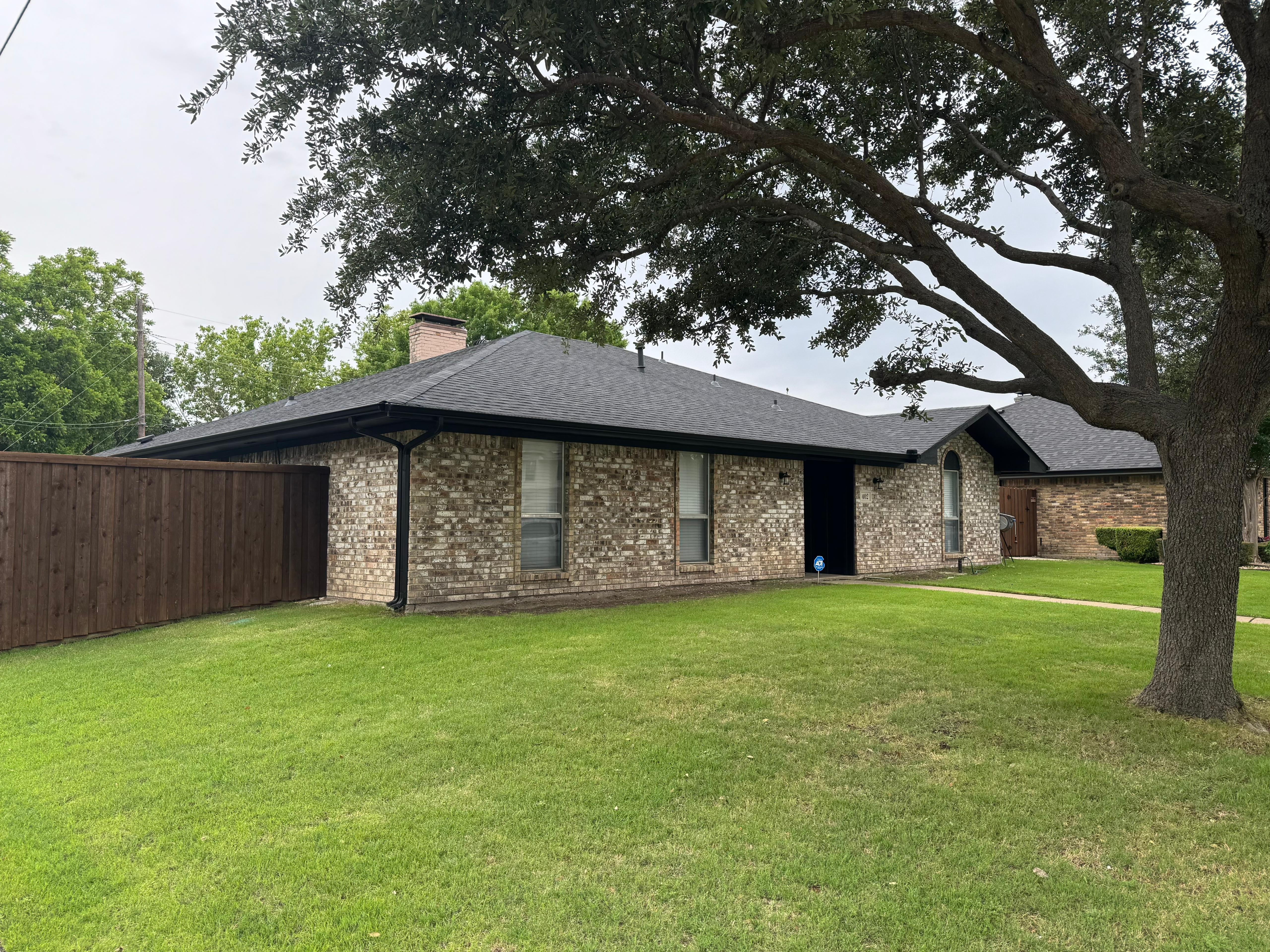
When you call Montesco Roofing, you're not just getting someone to slap a few shingles on. You're getting a seasoned roofing expert who understands the DFW climate and the intricacies of roofing systems. Our assessment process is thorough and designed to give you the clearest picture possible of your roof's condition and the best path forward.
1. Initial Consultation & Visual Inspection
We start by listening to your concerns. What have you noticed? When did you first notice it? Then, we conduct a detailed visual inspection of your roof from the ground and from the roof itself (safely, of course). We'll look for obvious signs of damage like missing shingles, cracks, granule loss, and condition of flashing.
2. Attic Inspection
This is critical. We'll go into your attic to look for signs of water intrusion, such as dark stains on the underside of the decking, light peeking through, or evidence of mold and mildew. This is where we can often pinpoint the exact source of leaks that aren't visible from the outside.
3. Assessment of Materials & Age
We'll identify the type of roofing material you have and estimate its age. This helps us understand its remaining lifespan and how it's holding up against our local weather. We'll also check for signs of material fatigue, like brittleness or curling.
4. Evaluation of Underlying Structure
If there are signs of significant water damage or sagging, we'll carefully inspect the roof decking and underlying structural components to assess their condition. This is crucial for determining if repairs are feasible or if structural work is needed alongside roofing.
5. Consideration of Local Climate Impact
Our DFW location means we understand the impact of intense sun, high winds, and potential hail. We assess how these elements have affected your roof and how they might impact the longevity of any repairs or a new roof.
6. Detailed Report & Recommendation
After the inspection, we provide you with a clear, honest report detailing our findings. We'll explain whether a repair is the best solution, what that repair would entail, or if a full replacement is the most sensible investment for your home's long-term protection.
We believe in empowering homeowners with knowledge. We’ll explain the pros and cons of each option, discuss material choices if replacement is recommended, and provide transparent pricing. Our goal is to ensure you feel confident in the decision you make for your home.
How to Get This Done
If you want to handle initial checks yourself: look for obvious signs like missing shingles from the ground, check your gutters for excessive granules after a storm, and note any water stains in your attic. If you'd rather have experienced roofers handle the assessment and potential repairs, our team has assessed and repaired hundreds of DFW homes. Our process involves a thorough inspection, clear communication, and quality workmanship to ensure your roof is protected for the long haul.
Comparing Repair Costs vs. Full Replacement in DFW: A Financial Breakdown
When it comes to your roof, making the financially sound decision is paramount. While a full roof replacement is a significant investment, sometimes it's the only viable option. However, for many DFW homeowners, a well-executed repair can offer substantial savings and extend the life of their existing roof. Let's break down the typical costs and considerations.
| Feature | Smart Roof Repair (Localized Issues) | Full Roof Replacement |
|---|---|---|
| Typical Cost Range (DFW, 2026) | $300 - $3,000+ (depending on scope) | $10,000 - $25,000+ (depending on size, materials, complexity) |
| Lifespan Extension | Can add 3-10 years to an otherwise healthy roof | Restores to new, with full manufacturer warranty |
| Scope of Work | Addresses specific damaged areas (e.g., replacing a few shingles, resealing flashing) | Complete removal of old roofing, inspection of decking, installation of new underlayment, shingles, and ventilation |
| Warranty on Workmanship | Often limited to the repaired section or a few years | Typically a 10-25 year workmanship warranty from a reputable contractor |
| Material Warranty | N/A for individual repairs, or depends on new materials used | Full manufacturer warranty (e.g., 30-50 years for standard asphalt shingles) |
| Insurance Involvement | May be covered if damage is due to a covered event (storm); deductible applies | Often involves insurance if damage is covered; deductible applies |
| When it's the Right Choice | Minor storm damage, localized leaks, aging but intact roof system with isolated issues. | Widespread damage, end-of-life roof, significant structural issues, multiple previous repairs. |
| Long-Term Value | High if the underlying roof is sound and the repair is expertly done. | High, offering peace of mind and a fresh start for your home's protection. |
For example, a homeowner in Rowlett might experience minor hail damage that affects only about 10% of their shingles. Instead of a $15,000 replacement, a targeted repair costing around $1,500 could restore the roof's integrity and appearance. This allows them to defer the cost of a full replacement for several more years, giving them time to budget and plan. Conversely, a homeowner in Plano whose 25-year-old roof has multiple leaks and widespread granule loss will find that the cost of repairing each individual issue would quickly surpass the price of a new roof installed by a qualified DFW roofing contractor like Montesco Roofing.
Key Insight
The decision isn't always about the cheapest immediate option. It's about the best long-term value and protection for your home. A professional assessment from Montesco Roofing will help you understand which path offers the most financial sense and security for your DFW property.
DIY Roof Repair Myths vs. Professional Solutions for DFW Homeowners
In today's DIY-centric world, it's tempting to think you can tackle any home repair yourself, including your roof. While small tasks like cleaning gutters might be manageable, significant roof repairs are a different story, especially in the challenging DFW climate. Many homeowners believe they can save money by doing it themselves, but this often leads to more costly problems down the line.
"The most common mistake homeowners make is underestimating the complexity and danger of roofing work. What looks simple on YouTube can be treacherous in reality."— Experienced Roofing Professional
Myth 1: DIY repairs are always cheaper.
While you save on labor, the cost of materials, tools, and potential mistakes can quickly add up. A professional roofer buys materials in bulk, has specialized tools, and knows exactly what's needed. More importantly, if a DIY repair fails or causes further damage (like a leak into your attic), the subsequent professional repair or replacement costs can be far higher than if you'd hired a pro from the start. For instance, improper installation of a vent flashing can lead to persistent leaks that damage your home's interior.
Working on a roof is inherently dangerous. Falls can result in serious injury or even death. DFW weather can be unpredictable, with sudden winds or heat. A professional roofer has the safety equipment and training to mitigate these risks.
Myth 2: I can easily match shingles and materials.
Shingle colors and styles vary significantly between manufacturers and even between batches from the same manufacturer. Finding an exact match for older shingles can be incredibly difficult, leading to a patched roof that looks unsightly and can actually devalue your home. Professional roofers have established relationships with suppliers and know how to source the right materials.
Myth 3: My homeowner's insurance will cover any mistakes.
This is a dangerous assumption. Most homeowner's insurance policies cover damage from specific perils (like wind or hail), not damage resulting from poor workmanship or lack of maintenance. If a DIY repair fails and causes further damage, your insurance company may deny claims related to that damage, leaving you to foot the entire bill.
For minor, accessible issues like a single loose shingle that can be safely reached from a ladder, a DIY fix might be considered. However, for anything involving leaks, structural components, or large areas, it's always best to call a licensed and insured roofing contractor. Montesco Roofing offers free inspections to help you assess the situation.
Professional Solutions: When you hire Montesco Roofing, you're not just paying for labor; you're investing in expertise, safety, quality materials, and peace of mind. We understand the nuances of DFW weather and building codes. Our team is trained to identify the root cause of roofing problems, not just treat the symptoms. We use high-quality materials that meet manufacturer specifications and offer warranties on both our workmanship and the materials used. This ensures that your repair is not only effective but also durable and backed by a company that stands behind its work. For homeowners in Plano, Frisco, Fort Worth, and beyond, choosing a professional like Montesco Roofing is the smartest investment for protecting their homes.
Frequently Asked Questions About DFW Roof Repairs in 2026
How often should I have my DFW roof inspected?
Can hail damage be repaired, or does it always require replacement?
What is the typical lifespan of a repaired roof section?
How do I know if my insurance will cover a roof repair in DFW?
What are the most common materials used for DFW roofs?
How can I tell if my roof is leaking into the attic?
Is it worth repairing an old roof or should I just replace it?
Need help deciding if your DFW roof needs a repair or a replacement? Don't guess and risk costly mistakes. Our experienced team at Montesco Roofing is here to provide an honest, expert assessment of your roof's condition. We've protected hundreds of homes across DFW for over 13 years. Let us inspect your roof today – free of charge, with no obligation.
Get Your Free Roof Inspection →Montesco Roofing Team
DFW's trusted roofing contractor with 13+ years of experience. Specializing in roof replacements, storm damage repair, and insurance claims across Dallas-Fort Worth.
Get in touch →