Not Every Problem Makes Sound
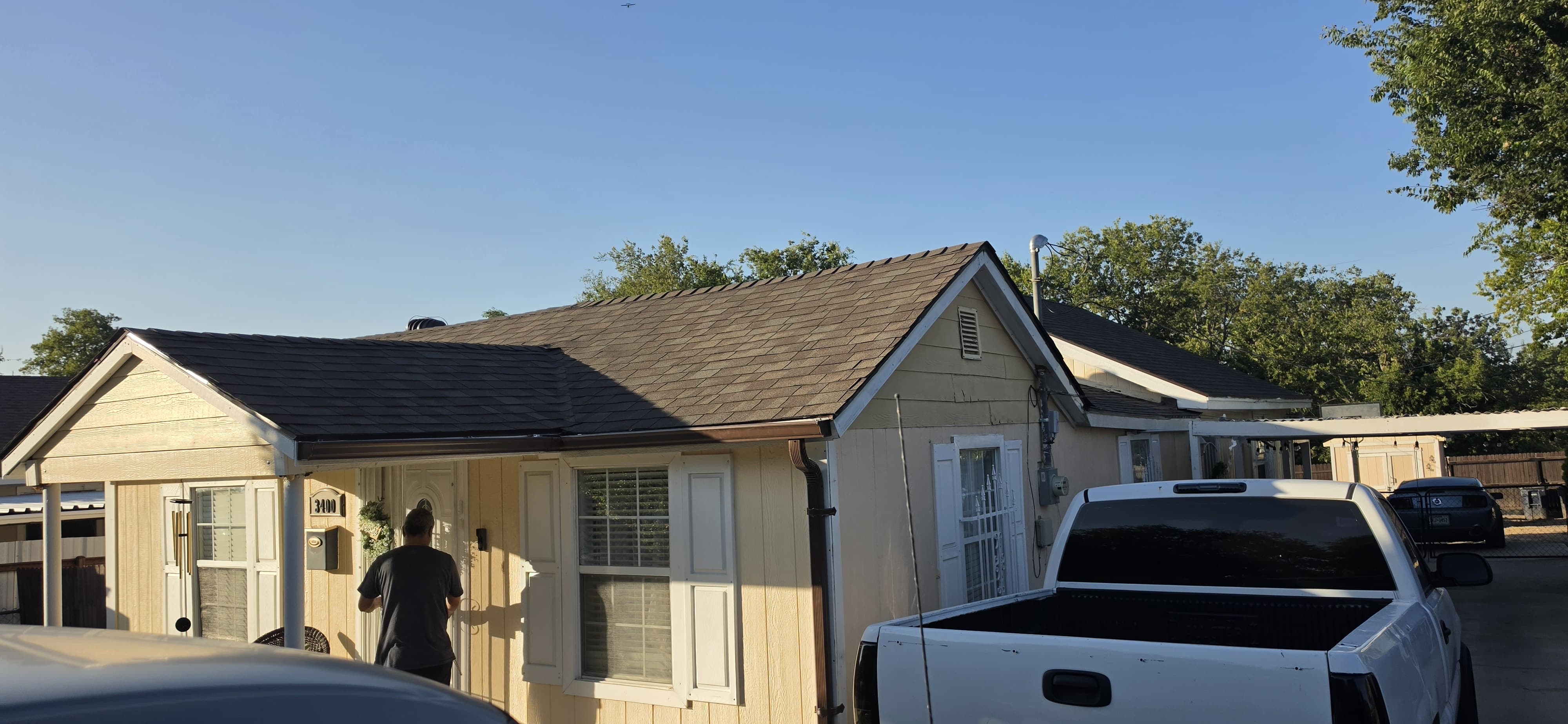
The Illusion of Silence: Why Your Roof Might Be Damaged Without a Sound
You've probably heard the saying, "If it ain't broke, don't fix it." For most things around the house, that's decent advice. But when it comes to your roof, especially here in North Texas, that kind of thinking can lead to some seriously expensive headaches down the road. We're talking about those problems that don't come with a dramatic crash or a visible leak – the ones that are quietly working away, weakening your home's first line of defense. It's Tuesday, August 25, 2026, and the DFW area has seen its fair share of weather extremes this year already. While we often think of roof problems as obvious – a missing shingle after a big windstorm, or a water stain spreading across your ceiling – the reality is, many of the most damaging issues develop silently. They're the slow creeps, the subtle deteriorations that, if left unchecked, can turn a minor inconvenience into a major structural problem.Threat #1: Granule Loss – The Unseen Erosion of Your Shingles
Asphalt shingles are designed with a protective outer layer of mineral granules. These granules are the roof's primary defense against the sun's harsh UV rays and the elements. They reflect sunlight, keeping your attic cooler and preventing the asphalt binder from drying out and becoming brittle. When you see a significant amount of these granules in your gutters or around your downspouts, it's a clear indicator of trouble.Regularly check your gutters, especially after a heavy rain. A small amount of granule loss is normal, especially on newer roofs as they settle. But excessive amounts, or finding them consistently, signals a problem. Look for bald spots on your shingles too.
Don't confuse normal wear with significant granule loss. A few granules in the gutter after installation or a very strong storm is expected. However, if you're consistently seeing handfuls or if your shingles look faded and have bald patches, it’s time for a closer look.
Threat #2: Attic Ventilation Failure – The Silent Killer of Your Roof Deck
This is a big one, especially in a climate like ours. Your attic needs to breathe. Proper attic ventilation is crucial for a healthy roof system. It allows hot air and moisture to escape, preventing a buildup of heat and humidity. When ventilation is inadequate or blocked, that trapped air and moisture has nowhere to go.Key Insight
A well-ventilated attic helps regulate temperature, reducing energy costs in the summer and preventing ice dams in colder climates (though less of an issue here in DFW, the principle of moisture removal is still vital). More importantly, it prevents moisture buildup that can lead to mold, mildew, and the deterioration of your roof deck – the plywood or OSB sheathing that your shingles are nailed to.
How to Get This Done
Proper attic ventilation involves a balanced system of soffit vents (allowing fresh air in at the eaves) and ridge vents or box vents (allowing hot, moist air to escape at the peak). If you suspect poor ventilation, it's best to have a professional roofing contractor assess your attic. They can identify blockages, recommend the right type and amount of ventilation for your home's specific needs, and ensure it's installed correctly. Montesco Roofing specializes in diagnosing and correcting attic ventilation issues that protect your roof deck and extend its life.
Threat #3: Subtle Flashing Failures – Where Water Seeps In Unnoticed
Roof flashing is that critical metal component installed around roof penetrations – chimneys, vents, skylights, and where different roof planes meet (like valleys). Its job is to direct water away from these vulnerable areas. When flashing is improperly installed, damaged, or corroded, it can create tiny entry points for water. The "silent" aspect comes from the nature of the failure. It's not usually a gushing leak. Instead, it's a slow, insidious seep. Water can work its way behind the flashing, down into the underlayment, and then into the roof deck or even the attic space. Because it's happening behind the scenes, often in areas that are hard to see from the ground, you might not notice it for months, or even years."Flashing is the unsung hero of a watertight roof. When it fails, even in a small way, it's like leaving a tiny crack in a dam – eventually, the pressure will find its way through."— Experienced Roofing Professional
When you or a professional inspect your roof, pay close attention to the condition of the flashing. Look for signs of rust, corrosion, cracks in the sealant, or if the metal appears to be lifting or separating from the roof surface. Any signs of damage or dislodging should be addressed immediately.
Threat #4: Compromised Underlayment – The Hidden Barrier's Slow Decay
Underlayment is the protective layer installed directly over the roof deck, beneath the shingles. It acts as a secondary water barrier, providing crucial protection should water get past the shingles themselves. Common types include felt paper or synthetic membranes. The silent threat here is that underlayment can degrade over time, especially if it's exposed to moisture or if it was of lower quality to begin with. UV rays can break down felt, and repeated wetting and drying cycles can cause it to become brittle or delaminate.Key Insight
The underlayment is your roof's emergency backup system. While shingles are the first line of defense, the underlayment is what stands between your home's interior and a catastrophic leak if shingles are damaged or blown off. Its integrity is paramount, even if it's hidden from view.
During a roof replacement, ensure your contractor is using high-quality synthetic underlayment or at least a properly installed felt underlayment. Don't let them skip this step or use inferior materials. It’s a critical layer that’s hard to inspect once the shingles are on.
Threat #5: Debris Accumulation – The Slow Drip That Erodes
This might seem obvious, but the silent danger of debris accumulation isn't just about clogged gutters. It's about how that trapped debris can create localized moisture problems and accelerate wear. Leaves, twigs, pine needles, and other organic matter can pile up in valleys, around vents, and on flatter sections of your roof.After significant wind or rain events, take a moment to look at your roof from the street. Are there obvious piles of leaves or debris collecting in any areas? Clearing these out promptly can prevent a host of problems, especially in areas where water tends to pool.
Threat #6: Micro-Cracks in Shingles – Invisible Damage Waiting to Worsen
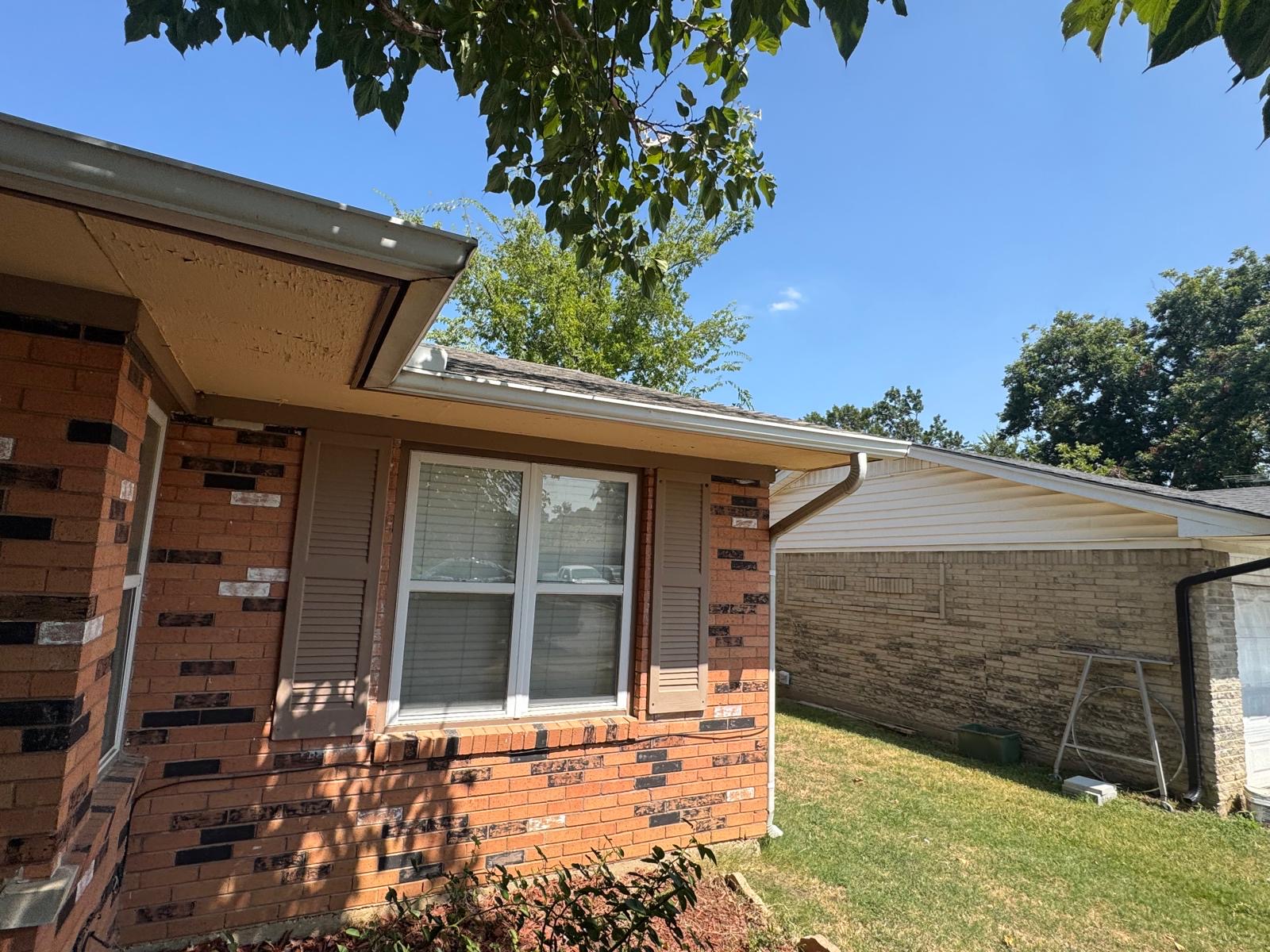
Key Insight
Micro-cracks are essentially pre-failures. They are the beginning of the end for a shingle's protective integrity. While they might not cause an immediate leak, they significantly weaken the shingle and make it far more susceptible to damage from subsequent weather events.
If your roof has recently experienced hail, even if you don't see obvious dents or missing shingles, it's crucial to have a professional inspection. Hail can cause micro-cracks that aren't immediately visible but will lead to premature roof failure.
Threat #7: Ponding Water on Flat Roofs – The Gradual Weakening
While many homes in the DFW area have pitched roofs, some structures, like garages, additions, or commercial buildings, feature flat or low-slope roofs. These are particularly susceptible to a silent threat: ponding water. Ponding occurs when water doesn't drain off the roof surface within 48 hours after rainfall. This can be due to improper slope, clogged drains, or depressions in the roofing membrane.For flat or low-slope roofs, regular checks of drainage systems are essential. Ensure gutters, scuppers, and internal drains are clear of debris. Also, look for any signs of sagging or unevenness in the roof surface, which could indicate underlying structural issues or water accumulation.

The Cost of Ignoring the Silent Threats: A DFW Homeowner's Dilemma
When you're faced with a roof problem, the immediate thought might be, "How much will this cost to fix?" But the real question for DFW homeowners in 2026 is, "How much will it cost if I don't fix it, or if I wait too long?" The silent threats we've discussed are insidious because they don't announce their presence with a loud bang or a dramatic leak. They work slowly, steadily eroding your roof's integrity and your home's value.| Factor | Ignoring Silent Threats (Delayed Repair) | Prompt Professional Repair/Maintenance |
|---|---|---|
| Initial Cost | Low (initially, as problems are hidden) | Moderate (for inspection and minor repairs) |
| Long-Term Cost | Very High (extensive repairs, structural damage, premature replacement) | Lower (preventative measures, smaller repairs, extended roof life) |
| Roof Lifespan | Significantly Reduced (potential for premature failure) | Maximized (achieving full potential lifespan) |
| Structural Integrity | Compromised (rot, mold, weakening deck) | Maintained and Protected |
| Energy Efficiency | Reduced (poor ventilation, moisture issues) | Improved (proper ventilation, intact insulation) |
| Home Value | Diminished (visible or hidden damage) | Maintained or Increased (well-maintained asset) |
| Peace of Mind | Low (constant worry about potential failure) | High (knowing your home is protected) |
Key Insight
The Insurance Information Institute reports that while homeowners insurance covers sudden and accidental damage, gradual wear and tear or lack of maintenance are typically not covered. This means that if a silent threat progresses to a point where it causes widespread damage, you might be entirely on the hook for the repairs, even if you have comprehensive coverage.
Source: Insurance Information Institute, 2023Proactive Protection: How Montesco Roofing Uncovers Hidden Dangers
As a DFW roofing contractor with over 13 years of experience, we've seen firsthand the devastating consequences of letting those silent roof threats go unaddressed. Our approach isn't about waiting for the obvious signs of distress; it's about being detectives for your home's protection. We understand the unique challenges DFW homeowners face, from the relentless Texas sun to the unpredictable storm seasons.What We Do Differently
When we conduct a roof inspection, we're not just looking for missing shingles. We're meticulously examining every component of your roof system. This includes:
- Granule Analysis: Checking for excessive granule loss and signs of UV damage.
- Ventilation Assessment: Evaluating airflow in your attic to ensure proper temperature and moisture control.
- Flashing Integrity: Inspecting all flashing around penetrations and in valleys for signs of corrosion, damage, or improper sealing.
- Underlayment Condition: Assessing the state of the underlayment, especially in vulnerable areas.
- Debris Management: Identifying areas where debris can accumulate and cause moisture issues.
- Shingle Surface Examination: Looking for micro-cracks, curling, or other subtle signs of wear.
- Drainage Systems: Ensuring flat or low-slope roofs are draining properly.
Why a Pro Inspection Matters
Homeowners often underestimate the complexity of a roof system. While a quick walk-around might seem sufficient, professional roofers are trained to recognize the subtle signs of distress that can lead to major issues. Think of it like a doctor's check-up – they can spot potential problems long before you feel sick. For your roof, this early detection is crucial in DFW's demanding climate.
Your 2026 DFW Roof Health Checklist: What to Look For (Even When It's Quiet)
Even when your roof isn't actively leaking or making noise, there are things you can do as a homeowner to stay ahead of potential problems. Think of this as your DFW-specific roof health check-up for 2026.1. The Gutter Sweep
After a good rain, or even just periodically, look in your gutters. Are there excessive amounts of black granules? If so, it indicates your shingles are losing their protective layer. Also, check if gutters are free of leaves and debris that could trap moisture.
2. Attic Daylight Check
On a bright, sunny day, go into your attic with a flashlight. Look for any spots where daylight is shining through the roof deck. This is a direct sign of a breach in your roofing system.
3. Interior Wall & Ceiling Scan
Keep an eye out for any new water stains, discoloration, or peeling paint on your ceilings and upper walls. While these are obvious signs, they can develop slowly, making them easy to overlook until they're significant.
4. Exterior Shingle Observation
From the ground with binoculars, or during a professional inspection, look for signs like curling or cupping shingles, bald spots where granules are missing, or any visible cracks. On flatter sections, check for pooling water.
5. Vent & Flashing Visuals
Inspect the areas around vents, chimneys, and skylights. Look for any signs of rust on metal flashing, cracks in sealant, or if the flashing appears to be lifting or pulling away from the roof surface.
6. Insulation Check (Attic)
While in the attic, feel your insulation. Is it damp or musty? This can be a sign of moisture buildup due to poor ventilation or leaks that are slowly compromising the roof deck and insulation.
Frequently Asked Questions About Silent Roof Damage
What are the most common silent roof problems in DFW?
How often should I have my roof inspected in DFW?
Can I fix silent roof issues myself?
How does attic ventilation prevent roof damage?
What is the role of flashing on a roof?
Will my homeowner's insurance cover damage from silent roof issues?
How do I know if my shingles are losing too many granules?
Need help putting this into action? Our team has protected hundreds of DFW homes. Tell us about your roof — free inspection, no pressure.
Get Your Free Roof Inspection →Montesco Roofing Team
DFW's trusted roofing contractor with 13+ years of experience. Specializing in roof replacements, storm damage repair, and insurance claims across Dallas-Fort Worth.
Get in touch →