Beyond Flat: Why Shingles Have Texture & What It Means for Your DFW Roof in 2026

You're looking at your roof, maybe after a strong North Texas breeze, and you notice it. It's not perfectly smooth. There's a subtle (or sometimes not-so-subtle) texture to those asphalt shingles. It makes you wonder, "Why aren't they just flat and smooth like a piece of plastic?" It's a fair question, and one that gets to the heart of how your roof actually works, especially here in the DFW Metroplex where we see everything from scorching sun to sudden downpours and even the occasional hail. That texture isn't just for looks; it's a critical design element with real performance benefits. As a roofer with over 13 years in DFW, I've seen firsthand how the right shingle texture can make a world of difference.
The Illusion of Flat: Why Shingle Texture Isn't Just for Show
When we think of roofing materials, especially asphalt shingles, the image that often comes to mind is a series of overlapping, somewhat flat pieces. But the reality, especially in modern roofing, is far more nuanced. The texture you see is primarily due to the mineral granules that are fused onto the top surface of the asphalt. These aren't just sprinkled on; they're an integral part of the shingle's construction. Think of them like tiny, uniformly sized pebbles embedded in a flexible mat. This granular layer is what gives shingles their color, their UV protection, and, crucially, their texture.
Without this granular layer, asphalt shingles would be a dark, sticky, and vulnerable mess. The asphalt itself would degrade rapidly under direct sunlight, becoming brittle and prone to cracking. The granules act as a shield, reflecting solar radiation and protecting the asphalt binder from the harsh UV rays that are so common here in North Texas. But beyond protection, this textured surface is what allows the shingle to perform its primary job: protecting your home from the elements. The subtle variations in height and density created by the granules are precisely what allow water to flow off your roof efficiently and what give the shingles their ability to withstand the forces of nature.
What most homeowners don't realize is that the manufacturing process itself can influence the texture. Different types of shingles, from the basic 3-tab to the more robust architectural (or dimensional) shingles, employ different methods to create their distinct textures. For example, architectural shingles often have a layered, more varied appearance because they are made from multiple layers of asphalt and fiberglass, creating a thicker, more pronounced dimensionality. This isn't accidental; it's engineered to provide a better look and, more importantly, better performance.
The Science of Grip: How Texture Enhances Wind Resistance on DFW Roofs
Living in DFW, we're no strangers to strong winds. From the occasional derecho to the more common strong gusts that sweep across the plains, your roof has to hold its own. This is where shingle texture plays a surprisingly significant role. The granular surface creates a form of aerodynamic friction. Imagine trying to slide a smooth, polished stone across a surface versus a rough, textured rock. The textured rock will catch and resist movement much more effectively. The same principle applies to your shingles.
When wind hits a roof, it creates uplift pressure. Smooth surfaces might allow wind to glide over with less resistance, but textured surfaces, particularly those with overlapping architectural shingles, can disrupt airflow. The granules themselves create micro-eddies and turbulence that help to "grip" the roof deck. More importantly, the way architectural shingles are designed, with their varied lengths and thicknesses, creates a more irregular surface. This irregularity breaks up the smooth flow of wind, reducing the direct force that can lift shingles. It's like the difference between a kite with a smooth surface and one with a slightly ruffled texture – the ruffled one can sometimes catch the wind better and be more stable.
This enhanced grip is a major reason why architectural shingles are so popular in areas prone to high winds, like North Texas. They are designed to withstand higher wind speeds than older, flatter 3-tab shingles. The interlocking nature of these shingles, combined with the textured surface, makes it much harder for wind to get underneath and peel them back. For homeowners in areas like Frisco or Plano, where wind events can be significant, choosing shingles with a robust texture is a smart investment in your home's protection. It's not just about how the wind looks; it's about how it interacts with the surface of your roof.
When discussing shingle options with your contractor, ask specifically about the shingle's wind rating. This is often expressed in miles per hour (e.g., 110 mph, 130 mph). Higher ratings generally indicate a shingle designed for better performance in windy conditions, often due to its construction and textured surface.
Beyond Aesthetics: Texture's Role in Water Shedding and Durability
While wind is a concern, water is the ultimate adversary of any roof. The primary job of your roof is to keep water out, and shingle texture plays a vital role in this. The granular surface isn't just for show or grip; it actively helps in channeling water down and away from your roof deck. The slight roughness and the way granules are distributed create tiny channels that guide rainwater efficiently towards the gutters.
Think about a smooth, almost slick surface versus one with a bit of texture. Water tends to bead up and flow more readily over the textured surface. This is because the granules create micro-interruptions in the water's flow, preventing it from forming a solid, cohesive sheet that might seep into small gaps. This efficient shedding is crucial, especially during heavy Texas rainstorms. It reduces the amount of time water sits on the shingle surface, minimizing the risk of moisture penetration, which can lead to rot, mold, and eventual leaks.
Furthermore, the texture contributes to the overall durability of the shingle. The granules protect the asphalt from the damaging effects of sunlight and temperature fluctuations. Without them, the asphalt would become brittle and crack, creating pathways for water. The consistent embedding of these granules throughout the manufacturing process ensures that this protective layer is robust and long-lasting. When you see a roof that's shedding granules excessively, it's a clear sign that the shingle is nearing the end of its lifespan, as its protective, textured shield is wearing away.
Excessive granule loss, especially if you find large amounts in your gutters or downspouts, is a strong indicator of an aging or damaged roof. This means the shingle's protective layer is compromised, and it's less effective at shedding water and resisting UV damage. If you notice this, it's time for a professional inspection.
The Visual Impact: How Texture Elevates Your Home's Curb Appeal in 2026
Let's be honest, aesthetics matter. Your roof is a significant portion of your home's exterior, and its appearance has a huge impact on its overall curb appeal. This is where shingle texture really shines, quite literally. The subtle variations in light and shadow created by a textured surface add depth, dimension, and visual interest that a flat, uniform surface simply can't achieve. In 2026, homeowners are more focused than ever on making their homes look their best, and the roof is a key component.
Standard 3-tab shingles, with their uniform shape and flatter profile, tend to create a more monolithic look. While functional, they can sometimes appear a bit dated or less visually engaging. Architectural shingles, on the other hand, with their varied cutouts and thicker profiles, create a more dynamic, dimensional appearance. This often mimics the look of natural materials like wood shakes or slate, but at a fraction of the cost and with much lower maintenance. The way light plays across the different planes and shadows cast by the textured surface gives the roof a richer, more sophisticated look.
This visual richness translates directly into increased home value. A well-textured, high-quality roof can make a home stand out in the neighborhood and can be a significant selling point. When you're choosing shingles, the color is only part of the equation. The texture of that color is what brings it to life and gives your home its unique character. For DFW homeowners looking to enhance their property's appeal, selecting shingles with a pleasing texture is a smart move. It's an investment that pays off both aesthetically and financially.
Key Insight
The difference in curb appeal between a 3-tab shingle and a dimensional/architectural shingle is often night and day. The layered design and textured surface of architectural shingles create a much more substantial and visually appealing roofline, which is a significant factor in how a home is perceived.
Types of Shingle Texture: From Standard to Designer Styles
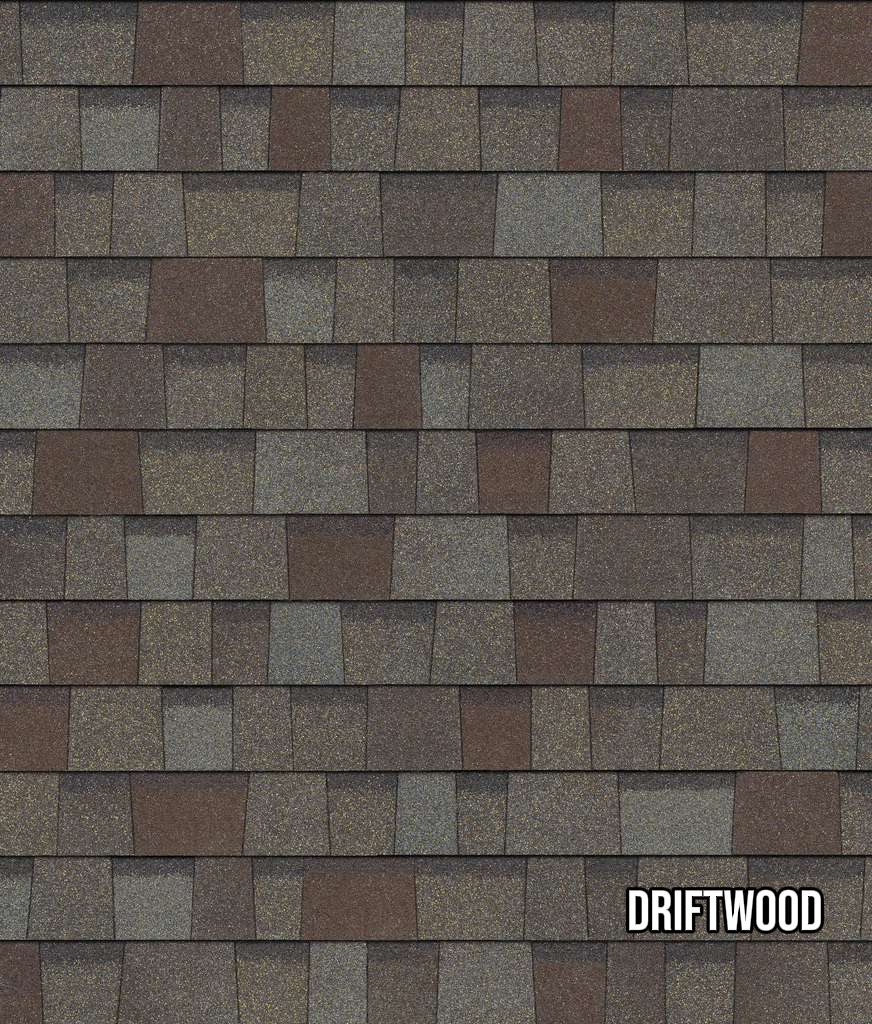
Not all shingle textures are created equal. The type of texture you'll find largely depends on the type of asphalt shingle you're considering. Here's a breakdown:
3-Tab Shingles
These are the most basic and generally the most affordable asphalt shingles. Their name comes from the three uniform cutouts that create the "tab" effect. The texture is relatively flat and uniform, with a consistent pattern across the roof. While functional, they offer the least visual depth and are more susceptible to wind damage compared to other types.
Architectural (Dimensional) Shingles
These are the most popular choice for homeowners today. They are constructed from multiple layers of asphalt and fiberglass, giving them a thicker, more varied profile. The cutouts are irregular, creating a dimensional, shadow-like effect that mimics the look of natural materials like wood shakes. This texture provides significant visual appeal and enhanced performance.
Luxury/Designer Shingles
These are the premium option, designed to replicate the look of high-end materials like slate or wood shakes with incredible realism. They are typically heavier, thicker, and feature more complex designs and color blends than standard architectural shingles. The texture is highly varied and sophisticated, offering the ultimate in curb appeal and durability, but at a higher price point.
When you're looking at roofing options, pay attention not just to the color but to the style and construction of the shingle. Manufacturers like GAF, Owens Corning, and CertainTeed offer a wide range of architectural and designer shingles, each with its own unique texture and aesthetic. The choice often comes down to your budget, your desired look, and the performance requirements for your specific location here in North Texas.

Choosing the Right Texture: A DFW Homeowner's Guide for 2026
Selecting the right shingle texture for your DFW home in 2026 involves balancing several factors. It's not just about picking what looks nice; it's about selecting a material that will perform well in our unique climate and provide long-term value.
1. Assess Your Home's Style
Consider the architectural style of your home. A modern home might benefit from a sleeker, more uniform texture, while a traditional or craftsman-style home could be enhanced by the rustic look of a wood-shake-style architectural shingle. Drive around neighborhoods in McKinney or Allen to see what appeals to you.
2. Understand Performance Needs
Given our DFW weather patterns – intense sun, potential for high winds, and heavy rain – look for shingles with good wind ratings and a design that promotes effective water shedding. Architectural shingles generally excel here. Consider shingles with enhanced UV protection, as our sun is relentless.
3. Budget Considerations
As mentioned, 3-tab shingles are the most budget-friendly but offer less in terms of texture, longevity, and wind resistance. Architectural shingles represent a significant upgrade in both aesthetics and performance for a moderate increase in cost. Luxury shingles are a premium investment.
4. Color and Texture Harmony
The texture of a shingle significantly impacts how its color appears. Darker colors with deep textures can absorb more heat, while lighter colors with less texture might reflect more. Look at samples in natural light to see how the color and texture interact. Manufacturers often offer "shadow line" effects built into the shingle's design, which enhance its dimensionality.
5. Manufacturer Reputation and Warranty
Choose reputable manufacturers known for quality. Brands like GAF, Owens Corning, and CertainTeed have extensive warranties, often 30-50 years for architectural shingles, which include protection against manufacturing defects and, importantly, wind damage. A good warranty is a testament to the quality and durability of the shingle's construction, including its texture.
When you're making this decision, it's invaluable to consult with a local, experienced roofing contractor. We can show you samples, explain the differences in performance, and help you choose a shingle that not only looks great but will protect your home for decades to come. For instance, many of the architectural shingles we install in areas like Fort Worth come with enhanced features designed specifically for regions like ours.
How to Get This Done
Choosing the right shingle texture is crucial, but the installation is equally important. If you're considering a roof replacement, the process involves careful planning and execution. Our team at Montesco Roofing has been installing high-quality, textured shingles on DFW homes for over 13 years. We ensure every shingle is properly aligned, sealed, and integrated to maximize its wind resistance, water-shedding capabilities, and visual appeal. Our process includes a thorough inspection, meticulous tear-off of old materials, proper underlayment installation, and precise shingle application, all backed by our workmanship warranty.
The Montesco Roofing Difference: Expert Installation for Maximum Shingle Performance
At Montesco Roofing, we understand that the texture of a shingle isn't just about what you see; it's about how it performs. That's why our installation process is meticulously designed to harness the full potential of every shingle we lay.
It starts with a thorough inspection of your existing roof deck. A solid foundation is critical for any shingle, regardless of its texture. We check for any rot, damage, or improper ventilation, as these issues can compromise the integrity of the entire roof system, and ultimately, the performance of the shingle texture.
Next, we focus on the underlayment. This layer acts as a secondary barrier against moisture. We use high-quality synthetic underlayments that provide superior protection and a stable surface for the shingles. This is particularly important in DFW, where extreme temperature swings can cause materials to expand and contract, and where heavy rain is a frequent occurrence.
When it comes to laying the shingles themselves, our installers are trained to pay close attention to the alignment and overlap. For architectural shingles, the way the tabs are staggered and the shadow lines are created is essential for both their visual appeal and their ability to shed water effectively. We use the correct type and number of fasteners, ensuring they are driven to the proper depth – not too shallow to miss their grip, and not too deep to damage the shingle. This precision is what gives our installations their renowned durability and resistance to wind uplift, even in the challenging DFW climate.

Proper ventilation is another often-overlooked aspect that directly impacts shingle longevity. Good attic ventilation helps to regulate temperature and moisture levels, preventing premature aging of the shingles and protecting the roof deck. We ensure that your roof system is properly ventilated, which is crucial for maintaining the performance and appearance of your textured shingles for years to come.
We also believe in transparency. We'll walk you through the entire process, explain why we use specific materials, and answer all your questions. Our goal isn't just to install a roof; it's to provide peace of mind, knowing that your home is protected by a system built for performance and longevity, from the deck up to the textured surface of the shingles.
Ready to enhance your home's protection and curb appeal with the right shingle texture? Our team has been serving DFW homeowners for over 13 years, delivering quality craftsmanship and trusted advice. Let's discuss your roofing needs — we offer free, no-obligation inspections and estimates.
Get Your Free Roof Inspection →Frequently Asked Questions About Shingle Texture
Does shingle texture affect the color of my roof?
Are textured shingles more expensive than flat ones?
How does shingle texture help with energy efficiency?
What happens if my shingles start losing their texture (granules)?
Can I install textured shingles myself in DFW?
Are textured shingles better for hail resistance?
Montesco Roofing Team
DFW's trusted roofing contractor with 13+ years of experience. Specializing in roof replacements, storm damage repair, and insurance claims across Dallas-Fort Worth.
Get in touch →