What We Found During a Routine Roof Inspection Shocked the Homeowner
You just noticed a small water spot on your ceiling after a pretty mild rain shower last week. It's not a flood, just a little discoloration, and you think, "Eh, I'll get to it eventually." Sound familiar? Many homeowners in DFW put off what seems like a minor roof issue. But what if that small spot is just the tip of a much larger, more dangerous iceberg hiding just above your head? We recently performed a "routine" inspection that turned into quite the eye-opener for the homeowner, revealing issues that had been silently threatening their home for years.
Quick Answer: A seemingly routine roof inspection in DFW can uncover serious, hidden problems like compromised flashing, inadequate ventilation, or widespread granule loss that significantly shorten a roof's lifespan and lead to costly water damage. Regular professional inspections are crucial because many critical issues are not visible from the ground and can develop over time, especially after Texas's unpredictable weather events.
The "Routine" Inspection That Wasn't: Unveiling the Unexpected
We see it all the time here in North Texas. Homeowners are busy. Life happens. That annual roof check-up? It often gets pushed down the priority list, especially if there haven't been any obvious leaks or major storm events. But here's the thing: your roof is a complex system, and problems can develop subtly, often out of sight. We were called out to a lovely home in Plano for what the owner described as a "minor drip" after a recent drizzle. They were expecting us to maybe reseal a few shingles or suggest a small repair. What we found, however, was a stark reminder that "routine" doesn't always mean "simple." This wasn't just about a few loose shingles; it was about a roof that was silently deteriorating, putting the entire home at risk.
Key Insight
A roof's lifespan is heavily dependent on regular maintenance and timely repairs. Ignoring small signs or skipping inspections can lead to a cascade of more severe and expensive problems down the line, especially in a climate as demanding as DFW's.
The homeowner, a nice lady named Sarah, had lived in her home for over 15 years. She'd had the roof installed shortly after buying the house, and it was a good quality material, but it was getting to that age where proactive checks become non-negotiable. She was convinced it was just a minor seal failure around a vent pipe. When we got up there, we saw that while the vent pipe was an issue, it was symptomatic of much larger, systemic problems that had been brewing for a while. It’s a classic case of the visible problem being a mere symptom of a deeper, more concerning condition.
5 Hidden Roof Threats DFW Homeowners Often Miss (And Why They're Dangerous)
In a place like DFW, where we can experience everything from scorching sun to sudden hailstorms and torrential rain within the same year, your roof works overtime. Many homeowners focus on the shingles themselves, but there are several other components that are just as critical, if not more so, when it comes to protecting your home. These are the elements that often go unnoticed until they cause significant damage.
1. Compromised Flashing
This is arguably the most common culprit for leaks that homeowners miss. Flashing is the metal or waterproof material installed around roof penetrations like chimneys, vent pipes, skylights, and in valleys. When it cracks, rusts, or pulls away, water can seep directly into your attic and wall cavities. It's often hidden beneath shingles or caulk, making it invisible from ground level.
2. Inadequate Ventilation
Your attic needs to breathe. Proper attic ventilation helps regulate temperature and moisture. Poor ventilation can lead to a buildup of heat, which bakes your shingles from the inside out, significantly reducing their lifespan. It also traps moisture, which can cause mold, mildew, and rot in your attic structure and insulation. In DFW's hot summers, this is a major concern.
3. Granule Loss
Asphalt shingles have a protective layer of mineral granules that shield them from UV rays and impact. Over time, and especially after hail or strong winds, these granules can wear away. You'll often see them in your gutters or downspouts. Significant granule loss means the asphalt beneath is exposed, making the shingle brittle and prone to damage.
4. Clogged Gutters & Downspouts
While not strictly part of the roof surface, gutters are essential for directing water away from your home's foundation. When they're clogged with leaves and debris, water can back up under your shingles, saturate your fascia boards, and even pool around your foundation, leading to serious structural issues. This is a big one after our windy North Texas seasons.
5. Sealant Deterioration
The caulk and sealants used around flashing, vents, and nail heads are designed to create watertight seals. Over years of sun exposure and temperature fluctuations common in DFW, these sealants can dry out, crack, and lose their effectiveness, creating entry points for water.
Watch Out
Many of these issues, particularly flashing failures and ventilation problems, are invisible from the ground. Relying solely on visual checks from your driveway means you're likely missing critical warning signs that could be silently damaging your home.
DIY vs. Professional Roof Inspection: Why the Stakes Are Too High to Guess
I get it. Homeowners want to save money, and a DIY inspection seems like a good first step. You can walk around your house, look up at the roof from the street, maybe even climb a ladder (though I always advise caution there). But when it comes to understanding the true health of your roof, especially after a significant weather event or as it ages, there's no substitute for a trained professional. The technology and experience a seasoned roofing contractor brings to the table are invaluable.
Think about it: a professional roofer has spent years, often decades, understanding how roofs are built, how they fail, and what the specific vulnerabilities are in our DFW climate. We know what to look for, where to look, and what the implications of certain findings are. We're not just looking for obvious holes; we're assessing the entire system – the underlayment, the decking, the ventilation, the flashing, the seals, and yes, the shingles themselves.
| Feature | DIY Inspection | Professional Inspection (Montesco Roofing) |
|---|---|---|
| Scope | Surface-level visual check from ground; limited attic view. | Comprehensive assessment of shingles, underlayment, decking, flashing, ventilation, gutters, and structural integrity. |
| Tools & Expertise | Eyesight, perhaps binoculars; basic homeowner knowledge. | Specialized tools (e.g., moisture meters), ladders, safety equipment, deep knowledge of materials, installation techniques, and failure modes. |
| Identification of Hidden Issues | Low likelihood of finding compromised flashing, subtle decking rot, or ventilation problems. | High likelihood of identifying subtle leaks, water intrusion points, developing rot, and ventilation deficiencies. |
| Material Assessment | Can spot obvious granule loss or cracked shingles. | Can assess shingle age, proper installation, signs of premature aging (brittleness, curling), and manufacturer-specific wear patterns. |
| Insurance Claim Support | Documentation may not be sufficient for insurance purposes. | Detailed, professional reports and photographic evidence crucial for successful insurance claims. We understand the process. |
| Warranty Implications | May miss issues that void manufacturer warranties. | Can identify installation errors or material defects that need addressing to maintain warranty. |
| Cost of Neglect if Missed | Potential for extensive, costly interior damage, mold, and structural failure. | Early detection saves thousands in repairs, prevents secondary damage, and extends roof life. |
| Peace of Mind | Limited; often leaves homeowners with lingering uncertainty. | Complete confidence in the roof's condition and a clear action plan if issues are found. |
The table above really highlights the difference. For instance, many homeowners might notice a shingle that's cracked, but a professional can tell you if that crack is due to age, impact damage, or a manufacturing defect. They can also assess if the sealant around it has failed, or if the underlying underlayment is compromised. That level of detail is critical, especially when dealing with insurance companies after a storm, or when planning for the future health of your home. We've seen too many cases where a homeowner thought they were saving money by doing it themselves, only to end up with thousands in water damage because a subtle issue was missed.
How to Get This Done
If you want to get a basic understanding of your roof's condition yourself, here's what you can do: 1. Ground Inspection: Walk around your house and look for obvious signs like missing, curled, or cracked shingles. Check your gutters for excessive shingle granules. 2. Attic Check (Safely!): If you have attic access and it's safe to enter, look for daylight coming through the roof deck, water stains on the rafters or insulation, or signs of mold. 3. Document Everything: Take clear photos of any damage you find. If you'd rather have experienced roofers handle this crucial step, our team has performed thousands of detailed roof inspections on DFW homes. We provide a thorough report and clear recommendations, ensuring no detail is missed.
The Anatomy of a Shocking Discovery: What Montesco Roofing Found
Back to Sarah's house in Plano. As I mentioned, the initial call was about a small drip. When we got up on the roof, the first thing we noticed was that while the shingles looked okay from a distance, a closer inspection revealed widespread granule loss. It wasn't catastrophic, but it was significant enough to indicate that the protective layer was wearing thin, making the asphalt underneath vulnerable to the intense DFW sun and any potential hail. The average lifespan of asphalt shingles can be significantly reduced by excessive sun exposure and heat without adequate protection.
But the granule loss was just the beginning. We then investigated the area around the vent pipe where the drip was reported. The flashing around the vent pipe was indeed compromised. It wasn't just a little sealant failure; the metal itself had begun to rust and lift away from the pipe, creating a clear channel for water to enter. This is precisely the kind of hidden problem that can go undetected for months, slowly seeping into the attic, the insulation, and eventually the ceiling drywall.
"What homeowners often don't realize is that a roof isn't just shingles. It's a layered system, and one failure point can compromise the integrity of the entire structure. We look at the whole picture, not just the most obvious symptom."— A seasoned DFW Roofing Expert
As we continued our inspection, we found that the issue with the flashing wasn't isolated. We discovered similar problems around the chimney base and in one of the roof valleys where the sealant had completely degraded. The water that had been getting in wasn't just affecting the ceiling; it had started to show signs of moisture damage on the underside of the roof decking in the attic, and some of the insulation was becoming matted down. This also pointed to a larger issue: inadequate attic ventilation. The trapped moisture couldn't escape, exacerbating the damage and creating a breeding ground for mold. A well-ventilated attic is crucial for preventing these moisture-related issues.
What started as a call for a "minor drip" had revealed a roof system that was significantly compromised. If left unchecked, these issues would have led to a much larger roof replacement project, potential structural damage to the attic and rafters, and extensive interior repairs. The homeowner was understandably shocked, as she had no idea the extent of the problems lurking above.
Beyond Shingles: The Critical Role of Flashing, Gutters, and Vents
It’s easy to think of your roof as just the shingles you see from the street. But a high-performance roof is a sophisticated system, and each component plays a vital role in keeping your home dry and protected. When any one of these elements fails, it can have a domino effect, leading to widespread damage. Let's break down why flashing, gutters, and vents are so crucial, especially in the DFW climate.
Key Insight
Your roof is more than just its outer layer. It's an integrated system designed to shed water, manage temperature, and protect the structural integrity of your home.
Flashing: The Unsung Hero of Waterproofing
Flashing is the material, typically metal, that creates a watertight seal between your roof and any element that penetrates it. This includes chimneys, vent pipes (plumbing vents, HVAC vents), skylights, and dormers. It's also used in roof valleys, where two roof planes meet. The purpose of flashing is to direct water away from these critical junctions. In DFW, with our intense sun and temperature swings, the sealants used with flashing can dry out and crack. Wind-driven rain, common during our thunderstorms, can easily exploit these weaknesses. If flashing fails, water can travel down into your attic, soak into your insulation, and even drip into your walls, leading to rot, mold, and significant structural damage. We often find that when a homeowner reports a leak, it's almost always related to compromised flashing.
Gutters: Your Home's Drainage System
Gutters and downspouts are your home's first line of defense against water damage around the foundation. Their job is to collect rainwater from the roof and channel it safely away from your house. In North Texas, we can get heavy downpours very quickly. If your gutters are clogged with leaves, twigs, and debris (which is common after windy seasons), the water has nowhere to go. It can back up onto your roof edge, potentially seeping under shingles and into the fascia board, causing rot. Worse, it can overflow and pool around your foundation, leading to hydrostatic pressure that can crack concrete, cause basement leaks, or even compromise your home's structural stability. Keeping gutters clean is a simple but incredibly effective maintenance task.
Vents: The Breath of Your Home
Attic ventilation is critical for a healthy roof and a comfortable home. A well-ventilated attic allows hot air and moisture to escape, preventing a host of problems. In the summer, a poorly ventilated attic can become an oven, reaching temperatures well over 150°F. This extreme heat bakes the shingles from the underside, accelerating their deterioration and shortening their lifespan. It also makes your air conditioning work harder, driving up energy bills. In the winter, trapped moisture can condense on the underside of the roof deck, leading to mold, mildew, and rot. Proper ventilation, achieved through a combination of soffit vents (at the eaves) and ridge vents (at the peak), creates a natural airflow that keeps your attic at a more stable temperature and humidity level. It's a key component in extending the life of your roof and preventing secondary damage.
When we performed Sarah's inspection, we found that her gutter system was partially clogged, and her attic ventilation was insufficient, contributing to the moisture buildup that exacerbated the flashing issues. It was a perfect storm of problems, all stemming from components that often get overlooked.
How Storms (Even Small Ones) Leave a Lasting, Invisible Mark on Your Roof
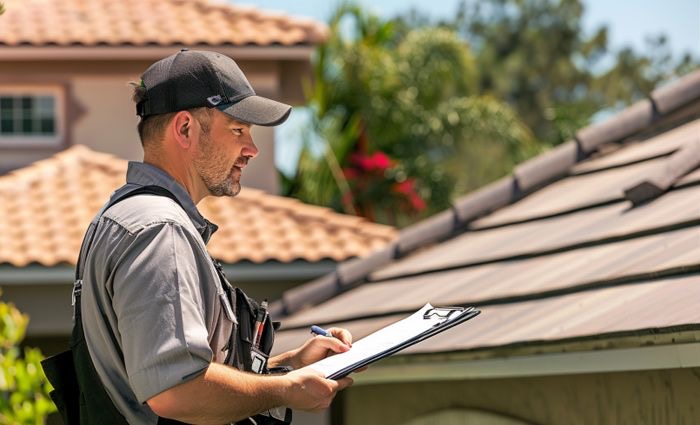
Texas is no stranger to severe weather. We get hail, high winds, and driving rain that can wreak havoc on our homes. But what many homeowners don't realize is that even storms that don't seem "severe" can leave behind damage that isn't immediately obvious. These subtle impacts can significantly shorten your roof's lifespan and lead to bigger problems down the road. For homeowners in the DFW area, understanding this is key to proactive maintenance.
Watch Out
Don't wait for visible leaks to call a roofer after a storm. Hail and wind damage can compromise shingles in ways that aren't apparent for weeks or months, leading to premature failure.
Hail: The Silent Bruiser
Hail, even pea-sized hail, can damage your roof. When hail strikes shingles, it can bruise the asphalt mat beneath the protective granules. This bruising can cause tiny fractures that aren't visible from the ground. Over time, these fractures weaken the shingle, and the granules can start to loosen and wash away, especially during subsequent rain events. Larger hail can crack shingles outright, but it's the smaller, less obvious impacts that are often missed. A professional inspection after a hailstorm is crucial because we can identify these subtle bruises and assess the extent of the damage. We look for specific patterns of impact that indicate hail, and we can determine if the damage is significant enough to warrant an insurance claim or require replacement.
Wind: The Unseen Force
High winds, even those not strong enough to rip shingles off entirely, can lift and loosen them. This loosening can compromise the seals between shingles. When wind lifts a shingle, it can break the adhesive strip that holds it down. Even if it settles back down, that seal is broken, making the shingle more susceptible to wind uplift in the future and allowing water to get underneath. This is particularly problematic in DFW, where we often experience sudden, powerful wind gusts. We also see wind damage that causes shingles to curl or lift at the edges, exposing the underlayment to the elements.
The "What If" Factor
The real danger with storm damage is the "what if" factor. What if that small hail impact created a micro-fracture that will fail in six months? What if that wind gust loosened a shingle just enough for water to start wicking underneath? These are the questions that keep experienced roofers up at night. For Sarah, the storm damage wasn't the primary issue; her roof was aging. However, the cumulative effect of years of sun exposure and potential minor storm impacts had weakened the system, making it more vulnerable. Her "routine" inspection revealed that the roof was at a critical point where any significant weather event could have caused major damage.
For homeowners in DFW, it's not a question of if your roof will be impacted by weather, but when. And when it is, understanding the subtle ways storms affect your roof is crucial for timely intervention. This is why we emphasize that post-storm inspections are as important as regular maintenance checks.
The True Cost of Neglect: What Happens When You Ignore Subtle Roof Warnings
It's easy to think of a roof as a one-time purchase, or at least something you only worry about when it's actively leaking. But neglecting your roof is like ignoring a small cavity in your tooth; it might seem minor now, but it can lead to a root canal and a crown later. For homeowners in DFW, the cost of ignoring subtle roof warnings can be staggering, extending far beyond just needing a new roof.
Key Insight
The cost of proactive maintenance and timely repairs is almost always significantly less than the cost of dealing with major structural damage and interior water intrusion.
The Cascade of Interior Damage
The most immediate consequence of a neglected roof is water intrusion. That small drip Sarah noticed? If left unaddressed, it can slowly soak into your attic insulation, reducing its effectiveness and leading to higher energy bills. The moisture can then seep into ceiling drywall, causing stains, mold, and eventually structural weakening. If the water continues to penetrate, it can reach wall cavities, damaging studs, electrical wiring, and plumbing. This can lead to costly mold remediation, electrical hazards, and extensive interior renovations that are far more expensive than a simple roof repair or even a full replacement.
Reduced Lifespan and Premature Replacement
As we saw with Sarah's roof, neglecting issues like granule loss, compromised flashing, or poor ventilation significantly accelerates the aging process of your shingles. Instead of getting the full 20-30 years you might expect from a quality roof, you could be looking at needing a replacement in 10-15 years, or even sooner. This means you'll incur the cost of a full roof replacement much earlier than anticipated, often before you've even paid off your mortgage or saved up for such a major expense.
Structural Integrity Compromised
Water damage isn't just about aesthetics; it can compromise the very structure of your home. Rotting roof decking, weakened rafters, and saturated insulation can lead to sagging sections of your roof, or worse, a partial or complete roof collapse. This is a catastrophic failure that can render your home uninhabitable and lead to astronomical repair costs, often exceeding what insurance might cover or what homeowners can afford.
Decreased Home Value
A well-maintained roof is a significant asset when selling your home. Conversely, a roof showing signs of neglect, water damage, or age will drastically reduce your home's market value. Potential buyers will see it as a major expense they'll have to undertake, and they'll factor that into their offer, often asking for a significant discount. For Sarah, our inspection identified issues that, if ignored, would have cost her tens of thousands of dollars in repairs and significantly impacted her home's value. By addressing it proactively, she avoided that fate.
Don't Wait for Disaster
The difference between a small repair and a catastrophic failure often comes down to one thing: timely intervention. If you suspect a problem, or if it's simply been a while since your last professional inspection, don't delay. Addressing issues early is the most cost-effective way to protect your home and your investment. Our team in DFW is trained to spot these subtle warnings before they become major crises.
Your 3-Step Plan to Proactive Roof Health in DFW This Summer 2026
Now that we've seen how a "routine" inspection can uncover serious issues, and the significant costs associated with neglect, let's talk about what you can do now to ensure your DFW home is protected. Proactive roof health isn't complicated, but it does require a commitment to regular checks and timely action. Here’s a simple, three-step plan for homeowners in the Dallas-Fort Worth metroplex to keep their roofs in top shape throughout the rest of 2026 and beyond.
Step 1: Schedule Your Annual Professional Inspection (If You Haven't Already)
This is non-negotiable. Given our climate, we recommend at least one thorough inspection per year, ideally in the spring before the intense summer heat and thunderstorms kick in, or in the fall after potential storm seasons. A professional roofer like Montesco Roofing will conduct a detailed assessment, looking for everything we've discussed: compromised flashing, granule loss, ventilation issues, signs of wear and tear, and any storm-related damage. It's an investment that pays for itself by preventing more costly repairs down the line. Consider it preventative medicine for your home.
Step 2: Perform Regular Visual Checks (From the Ground!)
While a professional inspection is key, you can do your part between visits. Regularly walk around your property and look up. Do you see any shingles that are curling, cracked, or missing? Are your gutters overflowing with debris? Can you see any sagging areas on the roofline? Keep an eye out for new water stains on your ceiling or walls. Document anything unusual with photos. This simple habit can help you spot potential problems early, allowing you to alert your roofing contractor sooner. It’s about being an informed homeowner.
Step 3: Address Issues Promptly and Choose Quality Repairs/Replacements
If your inspection reveals issues, or if you notice something during your visual checks, don't wait. Whether it's a minor repair to flashing or a full roof replacement, choose a reputable, experienced DFW roofing contractor. Cutting corners on repairs or settling for the cheapest bid can lead to recurring problems and ultimately cost you more. Ensure any work done is up to code and comes with a solid workmanship warranty. For Sarah, addressing the issues we found proactively meant a repair that was significantly less costly and disruptive than if she had waited for a major leak.
Need help putting this into action? Our team has protected hundreds of DFW homes. Tell us about your roof — free inspection, no pressure.
Get Your Free Roof Inspection →By following these steps, you're not just maintaining your roof; you're investing in the long-term health, safety, and value of your home. It's about peace of mind, knowing that the most critical shield protecting your family is in excellent condition.
Frequently Asked Questions About Routine DFW Roof Inspections
Frequently Asked Questions
How often should I have my roof inspected in DFW?
What does a professional roof inspection typically cost?
Can I do a roof inspection myself?
What kind of damage can hail cause to my roof?
How important is attic ventilation for my roof's health?
What should I do if I find a small leak after a rainstorm?
How long do asphalt shingles typically last in DFW?
What's the difference between a roof repair and a roof replacement?
Montesco Roofing Team
DFW's trusted roofing contractor with 13+ years of experience. Specializing in roof replacements, storm damage repair, and insurance claims across Dallas-Fort Worth.
Get in touch →