7 Roofing Myths DFW Homeowners Believe (And Why They Cost You Thousands in 2026)
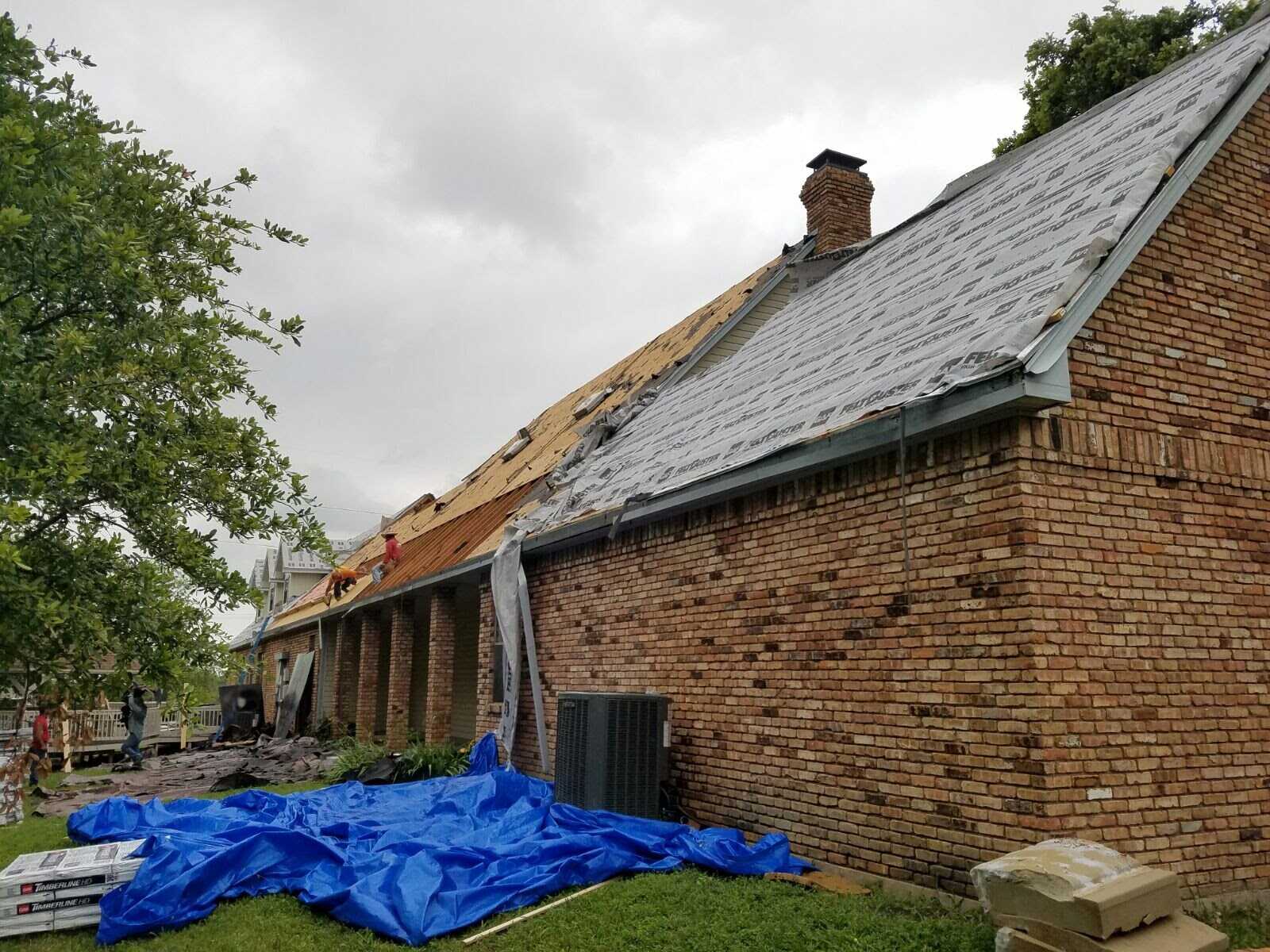
You just noticed a drip in your ceiling after a strong North Texas storm, or maybe you're getting ready to sell your home and a potential buyer pointed out some questionable spots on your roof. It's easy to feel overwhelmed, especially when you're bombarded with conflicting advice. The truth is, many homeowners in Dallas-Fort Worth are operating under some pretty common roofing myths that, by the time they realize it, have already cost them a small fortune in unnecessary repairs or, worse, significant structural damage.
The "Patch It Up" Myth: Why Small Roof Leaks Are a Big Problem
Here's the thing about roofs: they're designed to be a continuous, impenetrable barrier. When you spot a small leak, it's not just a minor inconvenience; it's a symptom of a larger issue that's already begun to compromise your home's integrity. In the DFW climate, where we can go from scorching sun to torrential downpours in a matter of hours, water intrusion is a serious threat.
Many folks think, "Oh, it's just a tiny drip, I'll get to it later." But that "later" can be disastrous. That small drip is a gateway for water to seep into your attic insulation, soak into your wooden rafters and decking, and even reach your drywall and paint. Over time, this leads to:
- Mold and Mildew Growth: This isn't just unsightly; it's a serious health hazard, especially for those with respiratory issues. It thrives in damp, dark spaces like attics and wall cavities.
- Structural Damage: Wood rot is a slow but destructive process. It weakens the very framework of your home, potentially leading to sagging ceilings, compromised structural supports, and even the need for extensive and expensive repairs beyond just the roof itself.
- Pest Infestations: Damp, decaying wood is an attractive habitat for termites, carpenter ants, and other pests that can cause further damage to your home.
What most homeowners miss is that by the time you see a drip inside, the damage has likely been occurring for some time, and it's probably more extensive than you realize. A small leak can quickly turn into a major repair bill, often far exceeding the cost of addressing the initial problem promptly. This is why we always recommend a thorough inspection at the first sign of trouble, especially after a significant weather event.
Ignoring even the smallest roof leak in the DFW area is like ignoring a small crack in a dam. What seems minor now can lead to catastrophic failure and incredibly costly repairs down the line, impacting your home's structure and even your family's health.
Myth vs. Reality: The True Lifespan of DFW Roofs in 2026
There's a common misconception that a roof, once installed, is good for several decades with minimal fuss. While a well-installed, high-quality roof can last a long time, the actual lifespan is heavily influenced by a variety of factors, especially here in North Texas.
Many homeowners believe a standard asphalt shingle roof will last 30 years, no questions asked. While that's the potential lifespan of some higher-end shingles under ideal conditions, the reality in DFW is often quite different. Our extreme weather plays a huge role:
- Intense Sun and Heat: The relentless Texas sun bakes shingles, causing them to become brittle, curl, and lose their protective granules. This UV degradation is a major factor in premature aging.
- Severe Hail Storms: DFW is no stranger to powerful hail storms. Even if hail doesn't cause visible punctures, it can bruise shingles, break the asphalt bond, and significantly shorten their life expectancy. We've seen roofs that are only 5-10 years old already showing signs of significant wear due to hail.
- High Winds: Strong gusts can lift shingles, tear them, and expose the underlayment to the elements, leading to leaks and further damage.
The type of shingle also matters. Basic 3-tab shingles, while budget-friendly upfront, typically have a shorter lifespan (15-20 years) compared to architectural or designer shingles (25-30+ years). Furthermore, the quality of the installation is paramount. Even the best shingles won't last if they aren't installed correctly, with proper ventilation and flashing details.
So, while you might have heard that a roof lasts "forever," it's more realistic to expect a lifespan of 15-25 years for a standard asphalt shingle roof in DFW, depending heavily on the factors I just mentioned. Regular inspections are key to maximizing that lifespan and catching issues before they become major problems.
Insurance Claim Myths: What Adjusters Hope You Don't Know
Dealing with insurance after a storm can feel like navigating a minefield. There are so many myths out there that can cost homeowners dearly. One of the biggest is the idea that the insurance adjuster's assessment is the final word and that they always have your best interests at heart.
Here's the hard truth: insurance adjusters are employed by the insurance company. Their primary goal is to assess damage and determine the payout based on the policy and their company's guidelines. While many adjusters are honest, they are not on your side in the same way your own chosen roofing contractor is. They might overlook subtle damage, misinterpret policy language, or use outdated pricing models for repairs.
Common myths include:
- "The adjuster's estimate is what you'll get paid": Adjuster estimates are often based on simplified software and may not account for all the necessary repairs or the specific costs of materials and labor in DFW. They might also miss or downplay damage that isn't immediately visible.
- "You have to use the contractor the adjuster recommends": This is false. You have the right to choose your own licensed and reputable roofing contractor to perform the repairs.
- "My policy covers everything": Policies vary greatly. Understanding your deductible, depreciation, and what constitutes covered "wear and tear" versus storm damage is crucial.
The most effective way to combat these myths is to have your own qualified roofing contractor inspect your home before you meet with the insurance adjuster, and certainly before you agree to any settlement. We can provide an independent assessment, document all damage thoroughly, and help you navigate the claims process. This is why we offer specialized insurance claim assistance to DFW homeowners.
How to Get Your Insurance Claim Right
DIY Inspection Tips: After a storm, check your gutters for excessive granules, look for dents or damage on metal flashing, and inspect your attic for any signs of water intrusion. Document everything with photos and notes.
Montesco Roofing's Process: When you suspect storm damage, call us first. We'll perform a detailed inspection, meet with your insurance adjuster to ensure all damage is accounted for, and provide a comprehensive estimate. We advocate for you throughout the entire insurance claim process to ensure you receive fair compensation for a complete and proper repair or replacement.
"Cheapest is Best" Fallacy: The Real Cost of Budget Roofing
This is a trap that ensnares too many homeowners, especially in a market like DFW where competition can drive prices. The idea that you should always go with the lowest bid for roofing services is a dangerous myth. While saving money is tempting, the "cheapest" option often comes with hidden costs that far outweigh the initial savings.
When you choose a roofer solely based on price, you're often sacrificing quality, experience, and reliability. Here's what that "bargain" roof might actually cost you:
- Substandard Materials: Cheap roofing contractors often use lower-grade shingles and materials that won't last as long or perform as well.
- Poor Installation: They might cut corners on labor, skip crucial steps like proper underlayment installation, or fail to ensure adequate ventilation, leading to premature roof failure.
- Lack of Warranty or Insurance: Many fly-by-night operations disappear after the job is done, leaving you with no recourse if something goes wrong. They might not carry adequate insurance, putting you at risk if an accident happens on your property.
- Shorter Lifespan: A cheap roof might look okay for a few years, but it's likely to fail much sooner than a professionally installed, quality roof, leading to more frequent repairs and eventual replacement sooner than expected.
At Montesco Roofing, we've been serving the DFW area for over 13 years. We know that quality comes with a price, but we also understand the value of a long-term investment. We use top-tier materials from manufacturers like GAF and Owens Corning and adhere to the strictest installation standards.
| Feature | The "Cheapest" Option | Montesco Roofing (Quality Investment) |
|---|---|---|
| Material Quality | Basic, lower-grade shingles; may lack durability. | Premium architectural shingles from GAF, Owens Corning, CertainTeed; designed for longevity and DFW climate. |
| Installation Expertise | Untrained or inexperienced crews; potential for missed steps and poor workmanship. | Certified, experienced installers; meticulous attention to detail, proper ventilation, and flashing. |
| Warranty on Workmanship | Often none, or a very limited, non-transferable warranty. | 13+ years of local experience; robust workmanship guarantee for peace of mind. |
| Manufacturer Warranty | May be voided by poor installation; limited coverage. | Full manufacturer warranties (up to Limited Lifetime) properly registered and backed. |
| Insurance & Licensing | Often lacking adequate insurance or proper licensing, putting you at risk. | Fully licensed, insured, and bonded for your protection. |
| Long-Term Cost | Higher overall cost due to premature failure, frequent repairs, and earlier replacement. | Lower long-term cost due to durability, fewer repairs, and extended lifespan. |
When you're looking at roofing bids, don't just compare the bottom line. Compare the value, the materials, the warranty, and the contractor's reputation. For a home in DFW, investing in a quality roof is investing in its protection and your family's security for years to come.
DIY Roof Repairs: The Dangerous Illusion of Saving Money

I get it. You see a YouTube video, you feel handy, and you think, "Why pay someone to fix this when I can do it myself and save hundreds?" It's a tempting thought, especially for minor issues. However, when it comes to roofing, the DIY approach is often a dangerous illusion that can quickly turn into a costly nightmare.
Here's why attempting DIY roof repairs, especially on a DFW home, is generally a bad idea:
- Safety Risks: Working on a roof is inherently dangerous. Falls can lead to severe injury or even death. The steep pitches, slippery surfaces (especially after rain), and heights involved require professional training and safety equipment that most homeowners don't have.
- Lack of Expertise and Tools: Roofing isn't just slapping shingles on. It involves understanding proper flashing techniques, ventilation requirements, underlayment installation, and how different materials interact. You also likely lack the specialized tools needed for a professional job.
- Voiding Warranties: Most shingle manufacturers will void their warranties if the roof is not installed or repaired by a certified professional. Even a small DIY patch could compromise the warranty on your entire roof.
- Ineffective Repairs: Even if you manage to avoid injury and don't void a warranty, a DIY repair is often temporary. You might patch a leak, but you might not have addressed the underlying cause, leading to the problem recurring or worsening.
- Liability: If you fall and injure yourself on your own property, your homeowner's insurance might not cover it as fully as if a licensed contractor with their own liability insurance were on the job. If you damage a neighbor's property while working on your roof, you could be personally liable.
Attempting DIY roof repairs can lead to serious injury, void manufacturer warranties, and often results in more extensive damage and higher costs than if you had hired a professional from the start. The perceived savings are rarely worth the risks involved.

While simple tasks like clearing debris from gutters might be within the DIY realm, anything involving shingle replacement, flashing repair, or leak investigation is best left to experienced roofing professionals. The peace of mind and the guarantee of a proper, safe repair are well worth the investment in a licensed DFW roofing contractor.
Myth: All Hail Damage is Obvious
This is one of the most insidious myths, and it's often exploited by those looking to cut corners or by insurance companies trying to minimize payouts. Homeowners in DFW frequently believe that if they can't see large dents or missing shingles, there's no hail damage. This couldn't be further from the truth.
Hail damage is often subtle and cumulative. A single hailstone might not cause a puncture, but a storm with thousands of hailstones, even if they're relatively small (like pea-sized or marble-sized), can cause significant damage over time. Here's what to look for:
- Bruising: Hail can bruise the asphalt mat of a shingle. This breaks the protective granules, exposing the asphalt layer beneath to UV rays and water. This bruising isn't always visible from the ground and might only be apparent upon close inspection, often requiring a ladder and detailed examination.
- Granule Loss: The protective granules on shingles are designed to shield the asphalt from the sun and elements. When hail impacts shingles, it can knock these granules loose. You'll often see an excessive amount of granules in your gutters and downspouts after a hailstorm.
- Dents on Metal Components: Metal vents, flashing, and even gutters can show dents from hail. While this might seem obvious, it's often overlooked if the adjuster isn't meticulously checking every surface.
- Impact Marks: In some cases, you might see circular impact marks on shingles or siding, but these can be easily missed if not specifically looked for.
The Cumulative Effect of Hail
It's not just about individual impacts. A storm can create a pattern of damage across your entire roof. Each bruise, each bit of granule loss, weakens the shingle and reduces its ability to protect your home. Over months and years, this leads to premature aging, cracking, and eventual leaks.
This is why a professional roof inspection after any significant hailstorm is so critical. Our experienced inspectors in DFW know exactly what to look for, including the subtle signs of hail damage that might be missed by an untrained eye or a hurried insurance adjuster. It's the difference between a small, covered repair and a massive, out-of-pocket replacement down the road.
The "Never Need Another Roof" Lie: Understanding Warranties in 2026
The idea that you install a roof once and then forget about it for 30, 40, or even 50 years is largely a myth, especially when it comes to the practical realities of owning a home in DFW. While some high-end roofing systems can last that long under ideal conditions, the concept of a "lifetime" warranty needs careful examination.
What does "lifetime" really mean in the context of a roof warranty? It usually means the manufacturer's warranty, which typically covers defects in the material itself, not damage caused by external factors like storms, high winds, or improper installation. And even manufacturer warranties have limitations:
- Limited Lifetime: Most asphalt shingle warranties are "limited lifetime." This means the coverage decreases over time. The first 10-15 years might offer full replacement value, but after that, it often covers only the depreciated value of the shingles, leaving you to pay the difference for labor and installation.
- Transferability: If you sell your home, can the warranty be transferred to the new owner? Some are, some aren't, and there might be a fee involved. This is important for resale value.
- Maintenance Requirements: Many warranties require regular inspections and maintenance. If you don't keep up with these requirements, your warranty could be voided.
- Installation is Key: As mentioned before, if the shingles weren't installed according to the manufacturer's specifications, the warranty is likely void. This is why choosing a certified installer is so important.

At Montesco Roofing, we're committed to transparency. We stand behind our workmanship with our own robust guarantee, and we ensure that all manufacturer warranties are properly registered and understood. We also educate our clients on the realities of roof lifespans and the importance of ongoing maintenance. A roof is an investment, and like any investment, it requires proper care and a realistic understanding of its lifecycle. We've been serving DFW homeowners for over 13 years, and we're here to help you protect that investment long-term.
Your DFW Roofing Questions Answered: Debunking the Top 5 Myths
Frequently Asked Questions
Myth: If I see a small leak, I can just patch it myself.
Myth: My roof is only 10 years old, so it has plenty of life left.
Myth: I don't need to be present when the insurance adjuster inspects my roof.
Myth: The cheapest roofing bid is always the best deal.
Myth: I'll know if my roof has hail damage because I'll see obvious dents.
Need help navigating the complexities of your DFW roof? Don't let myths cost you thousands. Our team has been protecting homes across Dallas and Fort Worth for over 13 years. We offer honest assessments and expert solutions.
Get Your Free Roof Inspection →Montesco Roofing Team
DFW's trusted roofing contractor with 13+ years of experience. Specializing in roof replacements, storm damage repair, and insurance claims across Dallas-Fort Worth.
Get in touch →