Roof Colors 2026: The 7 Secrets to Picking the Perfect Shade for Your DFW Home
Choosing the right roof color is more than just aesthetics; it's about protecting your home, enhancing its value, and even impacting your energy bills. In 2026, DFW homeowners have more options than ever, but making the best choice requires understanding more than just the latest trends.
The Unseen Power of Roof Colors: Curb Appeal, Value, and Energy in 2026
As a roofing contractor who's seen hundreds of homes across DFW, I can tell you that the roof color is often the most overlooked, yet most impactful, exterior design element. It's the crown of your home, and in 2026, it's playing a bigger role in how people perceive value and even how efficiently your home runs. A well-chosen roof color can instantly elevate your home's curb appeal, making it stand out in neighborhoods from Plano to Fort Worth. It's not just about looking good, either. Studies have shown that the right roof color can significantly influence your home's energy consumption. Darker colors absorb more heat, which can be a benefit in cooler months but a burden during our sweltering North Texas summers. Lighter, reflective colors, on the other hand, can bounce sunlight away, keeping your attic cooler and reducing the load on your air conditioning system. This directly translates to lower energy bills, a benefit every homeowner in DFW can appreciate, especially with the rising costs we've seen recently. Furthermore, a thoughtfully selected roof color can actually boost your home's resale value. It signals attention to detail and good taste, making your property more attractive to potential buyers. In 2026, with the housing market remaining competitive, that extra edge can make a real difference.
When we're out inspecting roofs in areas like Frisco or Arlington, we often see homeowners struggling with this decision. They might love a deep charcoal, but then worry about the heat it'll trap. Or they'll opt for a lighter shade for efficiency but fear it won't have enough visual punch. It's a delicate balance, and understanding the interplay between color, material, and our local climate is key to making a choice you'll be happy with for years to come. This isn't a decision to rush; it's an investment in your home's appearance, longevity, and efficiency.
Trending Roof Colors for DFW Homes in 2026: Beyond Black and Gray
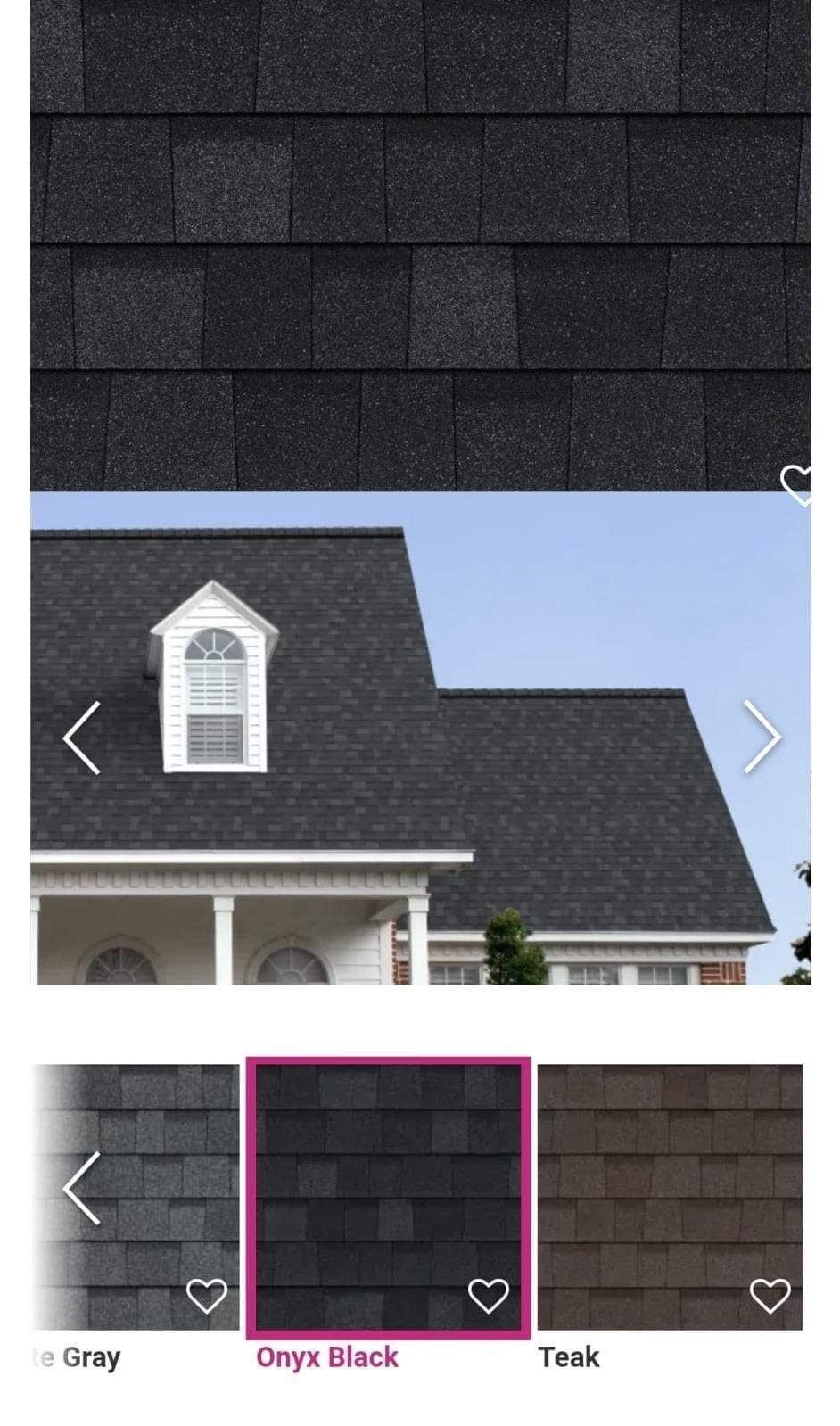
While classic black and various shades of gray have been DFW staples for years – and for good reason, they're incredibly versatile – 2026 is seeing a subtle shift towards more nuanced and sophisticated palettes. We're still seeing a lot of charcoal gray and deep black, especially on modern and traditional homes. These colors offer a bold, clean look that pairs well with almost any siding color, from crisp white to warm brick. They also tend to hide dirt and debris relatively well, which is a bonus here in dusty North Texas.
Key Insight
The enduring popularity of dark neutrals like black and gray comes from their ability to create a strong, grounding contrast with lighter exterior elements, making architectural details pop.
However, the real excitement in 2026 is in the emergence of richer, earthier tones. Think deep browns, warm tans, and even subtle earthy greens. These colors bring a sense of warmth and natural beauty, fitting beautifully with the Texas landscape and a variety of home styles, from rustic ranch homes to more contemporary designs. They offer a softer alternative to black or gray, providing depth without being too overpowering. For homeowners looking to move beyond the expected, these earth tones are a fantastic option. We're also seeing an increased interest in dimensional shingles that mimic the look of natural materials like slate or wood shake. These often come in blends of colors, offering a more complex and visually interesting roofscape. For example, a blend of browns and tans can give the impression of natural wood without the maintenance.
When considering trends, remember that your roof is a long-term investment. While it's great to stay current, choose a color that you'll love for the next 20-30 years, not just for the current season. Timeless appeal often trumps fleeting trends.
Metal roofing, in particular, is offering a wider spectrum of color options than ever before. While traditional standing seam roofs in black or bronze remain popular, manufacturers are expanding their palettes to include muted blues, deep burgundies, and even custom color matching. This allows for a much more personalized approach to your home's exterior. The key takeaway for 2026 is a move towards colors that are sophisticated, grounded in nature, and offer a subtle richness beyond the basic neutrals. It's about creating a look that feels both modern and timeless.
Matching Your Roof Color to Your Home's Architectural Style
The biggest mistake I see homeowners make is picking a roof color based solely on personal preference without considering how it harmonizes with their home's architectural style. What looks stunning on a modern farmhouse might feel out of place on a classic colonial. In 2026, understanding your home's DNA is crucial for a cohesive look. Let's break down some common styles here in the DFW area:
Modern & Contemporary Homes
These homes often feature clean lines, geometric shapes, and minimalist aesthetics. Dark charcoal, deep black, or even a sleek metallic silver work exceptionally well. These colors provide a sharp contrast and emphasize the home's modern design. For a bolder statement, consider a deep navy blue. Avoid overly busy or warm-toned colors that can clash with the sharp angles.
Traditional & Colonial Homes
Think symmetry, classic proportions, and often brick or clapboard siding. Medium to dark grays, classic blacks, and deep browns are excellent choices. These colors offer a timeless, elegant look that complements the architectural integrity of these homes. Lighter grays or even a muted forest green can also work, especially if your home has white trim.
Craftsman & Bungalow Homes
Characterized by their natural materials, low-pitched roofs, and wide eaves. Earthy tones are king here: warm browns, tans, deep greens, and even muted reds or russets. These colors enhance the natural, handcrafted feel of Craftsman homes. Consider blends that mimic wood shakes for an authentic look.
Mediterranean & Spanish-Style Homes
These homes often feature stucco exteriors, tile roofs, and warm color palettes. While traditional tile roofs are often terracotta, if you're opting for shingles or metal, consider colors that complement these elements. Warm earth tones, deep terracotta hues, muted browns, and even a sophisticated dark bronze can work beautifully. Avoid stark whites or cool grays that can feel out of sync.
Here in DFW, we see a lot of ranch-style homes, which often fall into the Craftsman or traditional categories. For these, a warm brown or a medium-to-dark gray shingle from brands like GAF or Owens Corning can provide that perfect blend of classic appeal and durability. It’s about finding a color that doesn't just sit on top of your house, but feels like it belongs there. When in doubt, it’s always wise to look at the existing colors of your siding, brick, and trim. The roof color should be a harmonious part of the overall exterior color scheme. A good rule of thumb is to choose a roof color that is either darker or lighter than your siding, but not the exact same shade, to create visual interest.
Material Matters: How Roofing Type Influences Color Choice & Longevity
The type of roofing material you choose plays a significant role in the available color options and how those colors perform over time. It's not just about the pigment; it's about the material's inherent properties. In 2026, homeowners have a few primary choices, each with its own color characteristics:
For DFW homeowners, asphalt shingles remain the most popular choice due to their balance of cost and performance. Brands like Owens Corning and CertainTeed offer a vast array of asphalt shingle colors, often with enhanced durability and wind resistance features crucial for our Texas storms. When selecting asphalt shingles, look for those with dimensional or architectural designs, as these blends of colors offer more visual depth and tend to hide wear and tear better than flat, single-tone shingles. Metal roofing is gaining traction, particularly standing seam, for its longevity and energy efficiency. Its color options are often more vibrant and hold their color exceptionally well under the intense Texas sun. The coatings used on metal roofs are designed to withstand UV rays, meaning your chosen color will look much the same for decades. This makes a metal roof in a sophisticated dark gray or a deep bronze a compelling long-term investment. When considering color, always ask about the specific coating technology used by the manufacturer, as this dictates its fade resistance.
How to Get This Done
If you're considering a new roof or a re-roofing project in DFW, the best approach is to consult with a seasoned DFW roofing contractor. We can provide samples of different shingle and metal colors, show you examples on similar homes in your neighborhood, and explain the performance characteristics of each material and color option. This hands-on approach ensures you're making an informed decision tailored to your home and local climate.
Cool Roofs vs. Hot Roofs: Energy Efficiency by the Numbers in DFW
This is where things get really interesting for DFW homeowners, especially as we head into the warmer months of 2026. The color of your roof has a direct and measurable impact on your home's energy efficiency. Think of it like wearing dark clothing on a sunny day versus light clothing. Dark colors absorb solar radiation, turning sunlight into heat, while light colors reflect it. This principle is the foundation of "cool roof" technology.
In DFW, where summer temperatures regularly soar into the triple digits, a dark roof can significantly increase the heat load on your home. This means your air conditioning system has to work harder and longer to maintain a comfortable indoor temperature, leading to higher electricity bills. A dark asphalt shingle roof can reach temperatures of over 150°F (65°C) on a hot day. In contrast, a light-colored, reflective roof might stay closer to 100-120°F (38-49°C). That's a substantial difference!
Key Insight
When choosing a roof color, consider its solar reflectance index (SRI). A higher SRI indicates better heat reflectivity. Manufacturers often provide this data for their roofing products.
For asphalt shingles, manufacturers are developing "cool roof" options that incorporate special granules designed to reflect more sunlight. These often appear as lighter grays, whites, or muted earth tones. While they might not be as dramatic as a pure white roof, they offer a significant energy advantage over traditional dark shingles. For instance, a lighter gray architectural shingle can have an SRI that is 20-30 points higher than a standard dark gray shingle. Metal roofing excels in this area. Many metal roofing systems come with highly reflective coatings that are inherently designed to bounce solar radiation away. Colors like light silver, cool white, or even light beige are excellent choices for maximizing energy efficiency in our climate. While a deep charcoal roof might look stunning, opting for a lighter shade or a specifically designed cool roof material can lead to average annual savings of 10-15% on cooling costs here in Texas. It's a smart investment that pays for itself over time. When you're thinking about a roof replacement, especially if you're in a neighborhood like Rowlett or Mesquite where summer heat is a constant, prioritizing energy efficiency in your color choice is a no-brainer.
Don't let the desire for a dark, dramatic roof completely overshadow the energy benefits. Even a slightly lighter shade of gray or a brown with more tan undertones can make a noticeable difference in your home's internal temperature and your energy bills compared to a deep black or navy.
The Psychology of Roof Colors: How Shades Affect Your Home's Vibe

Beyond the practicalities of aesthetics and energy efficiency, the color of your roof can subtly influence the overall feeling and perception of your home. It's a fascinating aspect of design that often goes unnoticed, but it's there. In 2026, homeowners are becoming more attuned to the emotional impact of their living spaces, and the roof plays a part in that. Think about what different colors evoke:
Dark Grays & Blacks
These colors often convey a sense of sophistication, stability, and modern elegance. They can make a home feel grounded and secure. On a very large home, they can sometimes make it feel more imposing, while on smaller homes, they can make them appear more substantial.
Warm Browns & Tans
Evoke feelings of warmth, comfort, and natural connection. They tend to make a home feel inviting and approachable, blending seamlessly with natural landscapes. These colors can create a cozy, grounded atmosphere.
Medium to Light Grays
These offer a sense of balance and neutrality. They can feel calm, serene, and timeless. They don't demand attention but provide a sophisticated backdrop that allows other exterior elements to shine.
Earthy Greens & Blues
Can bring a sense of tranquility and connection to nature. Greens often feel refreshing and organic, while blues can evoke calm and stability. These are excellent choices for homes aiming for a relaxed, natural vibe.
Consider a home in a wooded area or one with a lot of natural landscaping. An earthy brown or a deep green roof can enhance that connection to nature, making the house feel like it's part of the environment. Conversely, a sleek black roof on a modern home can create a dramatic, bold statement, projecting a sense of confidence and cutting-edge design. For homes with a more traditional feel, like those in established neighborhoods in Garland or Richardson, a classic gray or a warm brown often feels more appropriate and comforting. It's about aligning the roof color with the overall narrative you want your home to tell. While these psychological associations are subtle, they contribute to the overall impression your home makes. When you're sitting on your porch, the color of the roof above you can contribute to your sense of peace or excitement. It's a small detail that can have a surprisingly large impact on the feel of your home, and in 2026, homeowners are increasingly looking for spaces that resonate emotionally.
DFW Climate & Roof Colors: Smart Choices for Texas Heat and Beyond
Living in DFW means we deal with extremes: scorching summers, occasional freezing snaps, strong winds, and the ever-present threat of hail. Your roof color choice needs to be smart enough to handle all of it, but especially the heat. As we've discussed, lighter colors are generally better for reflecting solar radiation, which is critical for keeping your home cooler during our long, hot summers. This isn't just about comfort; it's about reducing wear and tear on your HVAC system and potentially extending the life of your roof itself. Excessive heat can degrade roofing materials faster, especially asphalt shingles. A cooler roof surface means less thermal stress on the shingles, potentially leading to fewer maintenance issues down the line.
However, it's not always a simple "light is best" scenario. In the winter, darker roofs can absorb a bit more heat, which can be beneficial for melting snow or ice, though this is less of a concern in DFW than in more northern climates. The primary concern here is the summer heat. When selecting materials, consider options specifically designed for hot climates. Many asphalt shingle manufacturers now offer shingles with enhanced solar reflectivity, often appearing in lighter shades of gray, tan, or even a very pale brown. These are excellent compromises for homeowners who want the look of a darker roof but need the energy-saving benefits of a lighter one. For metal roofs, the color coating plays a huge role. Look for coatings with a high SRI rating. Colors like light bronze, silver, or a pale beige can significantly reduce heat absorption compared to a dark bronze or black metal roof. It's also worth noting that the texture and finish of the roofing material can influence how it reflects light. A matte finish might absorb slightly more heat than a glossy one, though this is a minor factor compared to the actual color.
When choosing an asphalt shingle, look beyond just the visual sample. Ask your roofing contractor about the shingle's specific cool roof rating or its solar reflectance data. This information is crucial for making an informed decision about energy efficiency in our DFW climate.
For homeowners in areas like McKinney or Allen, where sprawling single-family homes are common, making a smart color choice can have a cumulative effect on neighborhood energy consumption and individual utility bills. It’s about making an informed decision that benefits not only your home's immediate appearance but also its long-term performance and your wallet. Don't underestimate the power of color in combating the Texas heat!
Navigating HOA Rules & Local Color Restrictions in DFW
This is a crucial step that many homeowners forget until it's too late. Here in the DFW metroplex, many neighborhoods have Homeowners Associations (HOAs) that dictate exterior home features, including roof colors. In 2026, these regulations are still very much in place and are designed to maintain a certain aesthetic consistency within the community. Ignoring HOA guidelines can lead to fines, mandated re-roofing, and a lot of headaches. It's always best to check your HOA's architectural guidelines before you fall in love with a specific roof color. These documents typically outline approved color palettes or require a formal submission and approval process for any exterior changes.
Key Insight
HOA guidelines are in place to preserve property values and maintain neighborhood harmony. While they can sometimes feel restrictive, they often guide homeowners towards choices that are proven to work well within the community's established aesthetic.
What kind of restrictions might you encounter? Some HOAs are very specific, providing a list of approved shingle colors or even specific manufacturer product lines and colors. Others might be more general, stating that roof colors must be "natural," "earth-toned," or "complementary to the home's exterior." Some might prohibit certain colors altogether, like bright reds or blues, unless they are part of a very specific architectural style. Even if your neighborhood doesn't have an HOA, some cities or municipalities might have their own ordinances regarding exterior colors, particularly in historic districts. As your trusted DFW roofing contractor, we always advise our clients to confirm these details early in the process. We can help you navigate this by providing manufacturer color charts and working with you to select options that are likely to gain approval. It’s much easier to get it right the first time than to deal with the consequences of non-compliance. Think of it as part of the comprehensive planning that goes into a successful roofing project. A beautiful new roof in a color you love, that also meets all local requirements, is the ultimate goal.
How to Get This Done
DIY Research: Obtain your HOA's architectural guidelines document. Many are available online through the HOA's portal or management company website. Look for sections on roofing materials and colors. If you're unsure, contact your HOA board or management company directly.
With Montesco Roofing: When you partner with us for your roofing project, we'll discuss your HOA's requirements upfront. We can even help you find the specific product and color codes that meet their criteria. Our goal is to make the entire process as smooth and stress-free as possible, ensuring your new roof is compliant and beautiful.
Visualize Your Dream Roof: Tools for DFW Homeowners
Looking at small color chips or even large samples can be helpful, but it's incredibly difficult to truly envision how a new roof color will look on your specific home. That's where visualization tools come in handy, and in 2026, they're more sophisticated than ever. These tools allow you to see your home with a new roof color before any shingles are even ordered. Most major roofing manufacturers offer online tools where you can upload a photo of your house or use a generic model that resembles your home's style. You can then digitally "paint" your roof with various colors and materials.
For example, GAF's "Roofing Wizard" or CertainTeed's "ColorView" tools allow you to experiment with different shingle colors and styles. These are invaluable for comparing subtle differences between shades of gray or brown. You can see how a particular color interacts with your siding, trim, and brickwork under different simulated lighting conditions. This is especially useful here in DFW, where the bright Texas sun can make colors appear very different than they do in a showroom.
When using online visualizers, try to use a clear, front-facing photo of your home taken on a bright, sunny day. This will give you the most accurate representation of how the color will look in natural light. Also, experiment with a few different siding colors if you're also planning on painting your home.
Beyond manufacturer tools, some professional roofing contractors, including us here at Montesco Roofing, may use more advanced visualization software. These programs can create highly realistic renderings of your home with a new roof, offering an even more accurate preview. Seeing your home transformed digitally can provide immense peace of mind and help you confirm your color choice with confidence. It’s a small step that can prevent a costly mistake. Don't just guess; visualize! It's the best way to ensure you're making the perfect choice for your DFW home in 2026.
Roof Color Maintenance: What Shows Dirt & Wear in 2026?
A beautiful roof color is great, but how does it hold up over time, and which colors are going to show dirt, grime, or wear more prominently here in Texas? This is an important consideration for long-term satisfaction and maintaining your home's curb appeal. In 2026, with homeowners increasingly busy, choosing a roof color that requires less visible maintenance is often a priority.
Dark Colors (Black, Charcoal, Deep Brown)
Pros: Generally hide dirt, dust, and pollen quite well. They also tend to show less wear from subtle granule loss over time.
Cons: Can show chalking (a powdery residue from the coating) more prominently if the coating degrades. May show lighter-colored lichen or mold growth more easily if they occur.
Medium Tones (Medium Gray, Tan, Earth Tones)
Pros: Offer a good balance. They hide everyday dust and dirt effectively while not showing chalking as obviously as very dark colors.
Cons: Lighter specks of debris might be more visible than on a dark roof. Some subtle wear might be apparent over many years.
Light Colors (Light Gray, Beige, White)
Pros: Reflect heat best. Can make a home feel brighter and larger.
Cons: Show dirt, dust, pollen, and water stains most readily. Any growth of algae or moss will be highly visible. Granule loss can also be more apparent, leading to lighter streaks.
Here in DFW, dust and pollen are constants. This means lighter-colored roofs will likely show these elements more quickly than darker or medium-toned roofs. If you choose a light gray or beige roof, you might find yourself needing to clean it more often to maintain its pristine appearance, especially if your home is near trees or in an area prone to dust. Darker colors, like a deep charcoal or a rich, warm brown, are generally more forgiving when it comes to everyday dirt and dust. They tend to blend in the common environmental debris we encounter. However, it's important to remember that quality of materials and installation plays a huge role in longevity and how well colors hold up. High-quality asphalt shingles with robust granule adhesion and advanced protective coatings will resist fading and wear better, regardless of color. Similarly, well-applied metal roof coatings are designed for durability. Regular roof maintenance, like clearing gutters and occasional cleaning (if recommended by the manufacturer), will help any roof color look its best for longer. If you're concerned about maintenance, a medium-toned roof, such as a balanced gray or a warm taupe, often provides the best compromise between aesthetic appeal and low-visibility dirt accumulation in our DFW environment.
Need help picking the perfect roof color for your DFW home? Our experienced team has helped hundreds of homeowners choose colors that enhance curb appeal, boost energy efficiency, and stand the test of time. We'll bring samples, use visualization tools, and ensure your choice meets HOA requirements.
Get Your Free Roof Inspection & Color Consultation →Frequently Asked Questions About DFW Roof Colors
What are the most popular roof colors in DFW in 2026?
Do roof colors really affect my energy bill in Texas?
Can I choose any roof color I want, or are there restrictions?
How does the roofing material affect color choice?
Which roof colors hide dirt and wear best in DFW?
Is it better to choose a trendy roof color or a classic one?
Montesco Roofing Team
DFW's trusted roofing contractor with 13+ years of experience. Specializing in roof replacements, storm damage repair, and insurance claims across Dallas-Fort Worth.
Get in touch →