Where Roofs Meet Walls: 7 Critical Inspection Points DFW Homeowners Miss in 2026
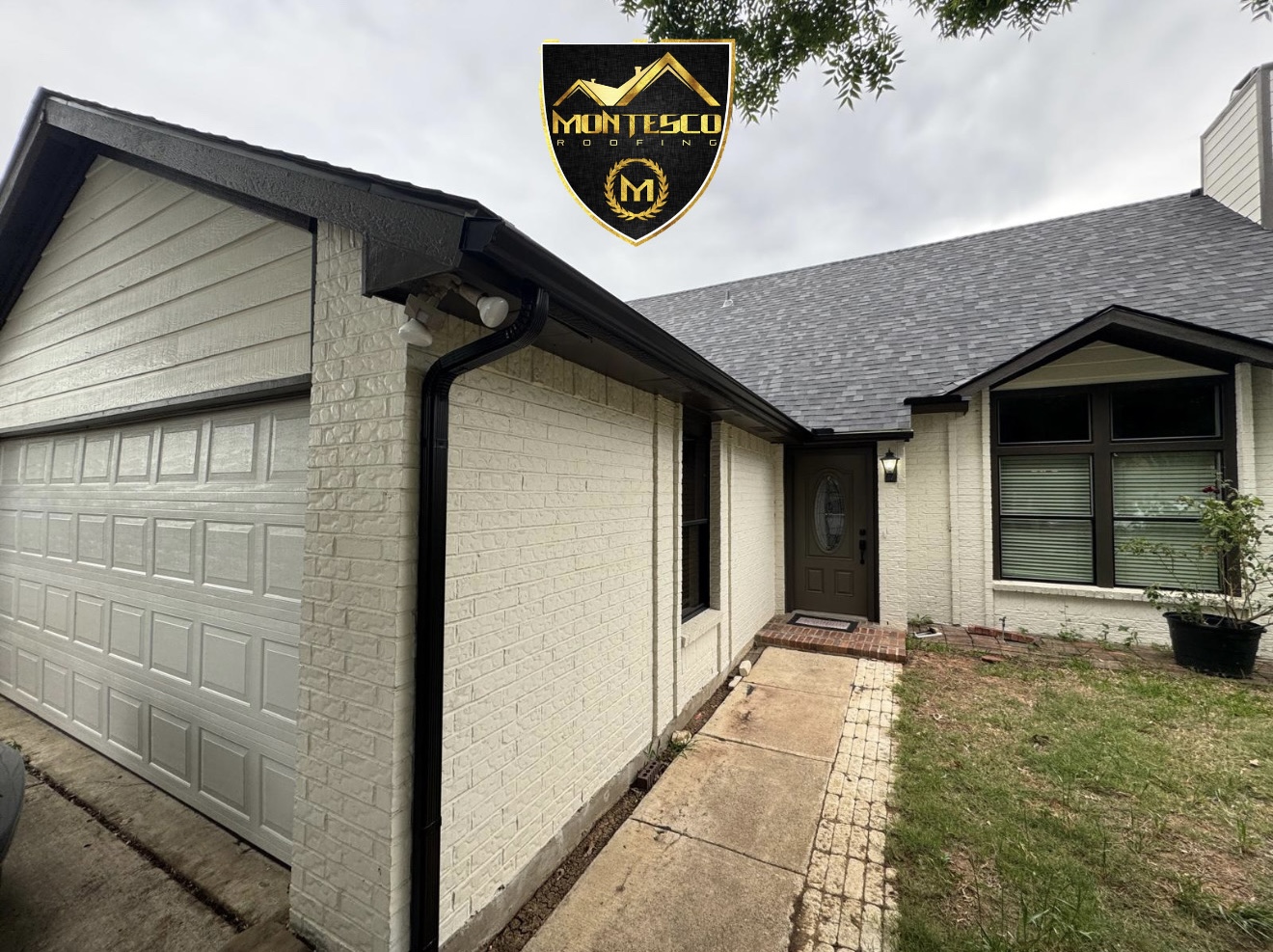
You just noticed a damp spot on your ceiling near where the roofline meets the side of your house. Or maybe you're prepping for the next North Texas storm season, wondering if every part of your home is truly secure. For many homeowners here in the Dallas-Fort Worth area, the roof-to-wall junction is a blind spot – a place where water likes to sneak in, causing damage that can get expensive fast. It’s not just about the shingles; it’s about how everything connects.
The Unseen Vulnerability: Why Roof-to-Wall Junctions Matter Most
Here in DFW, we’re no strangers to dramatic weather. We get our share of intense sun, driving rain, and, yes, even hail that can batter our homes. While most folks focus on the vast expanse of their shingles, there’s a less glamorous but infinitely more critical area that often gets overlooked: the point where your roofline meets your exterior walls. Think of it like the seam on a jacket; if that seam is weak, the whole garment is compromised. The roof-to-wall junction is precisely that seam for your home. It’s a complex area where different building materials converge, and if that convergence isn’t perfectly executed and maintained, it becomes a prime target for water intrusion. This isn't just about a drip in the attic; it’s about protecting the very structure of your home, the insulation, the drywall, and preventing the kind of mold and rot that can turn a minor issue into a major renovation. We've seen it time and again in Plano, Frisco, and all over North Texas – a seemingly small oversight here can lead to significant headaches down the road.
This area is often a combination of roofing materials, siding materials, and specialized metalwork called flashing. Each component plays a vital role, but their interaction is where the real challenge lies. When rain falls, it flows down your roof. When it reaches the edge where the roof meets a vertical wall, it needs a clear, unobstructed path to drain away from the house. If that path is blocked, compromised, or poorly designed, water can back up, seep under shingles, find its way through tiny cracks, and begin its destructive journey. We’re talking about potential damage to eaves, fascia, wall studs, and even your foundation if left unchecked. It’s the kind of problem that doesn’t announce itself with a loud bang but rather a quiet, insidious creep that can weaken your home’s integrity over time. That's why understanding these junctions is so important for any DFW homeowner looking to keep their property in top shape, especially in 2026.
7 Critical Inspection Points DFW Homeowners Must Check Before 2027
When you're looking at your roof, it's easy to just scan the main field of shingles. But the real vulnerabilities often hide in plain sight, especially where the roofline meets a vertical wall. Here are the seven key areas you need to pay close attention to, particularly after a strong storm rolls through DFW:
1. The Flashing Itself
This is the metal (or sometimes plastic) piece designed to channel water away. It should be integrated seamlessly. Look for any signs of rust, cracks, bends, or sections that have pulled away from the wall or roof. Is it fully covering the seam?
2. Sealant Condition
Around the flashing and where siding meets the roof edge, there’s usually sealant or caulk. Over time, this can dry out, crack, or shrink, creating gaps. Check for any brittle, peeling, or missing sealant. The butyl tape or caulk Montesco Roofing uses is specifically designed for outdoor, extreme weather conditions.
3. Siding Integration
How does your siding meet the roofline? Is the siding properly tucked under the flashing or roof edge? If the siding is too low, it can trap water against the wall. Look for any gaps between the siding and the flashing, especially at corners or around windows that are close to the roofline.
4. Shingle Condition at the Edge
Even if the flashing is intact, if the shingles at the very edge of the roof are curling, lifting, or missing, water can get underneath and work its way down. Pay attention to any granules you might find in your gutters or downspouts, as this can indicate shingle wear.
5. Gutters and Downspouts
Are your gutters clean and properly sloped? Clogged gutters force water to overflow, often directly down the side of your house, right where the roof meets the wall. Ensure downspouts are directing water well away from the foundation.
6. Ventilation Penetrations
Any vents (like plumbing vents or attic vents) that penetrate the roof near a wall junction need their own flashing. These are often overlooked and can be a weak point if the flashing around them is damaged or poorly installed.
7. Chimney and Skylight Flashings
While not strictly a roof-to-wall junction in every case, chimneys and skylights that are near a wall transition point are critical areas. The flashing around these elements must be in perfect condition to prevent leaks that can travel and appear as if they're coming from the wall intersection.
Many homeowners in DFW try to save money by patching small leaks themselves. While that might seem like a good idea, often these patched areas fail again, especially after another Texas storm. What looks like a simple fix can hide underlying rot or structural damage that only a professional can properly assess and repair. It's crucial to address the root cause, not just the symptom.
Understanding Roof Flashing: Your First Line of Defense
Let's talk about flashing. If you've ever looked closely at where your roof meets a wall, a chimney, or a vent pipe, you've seen it. It's usually a piece of metal – typically aluminum, galvanized steel, or copper – expertly bent and installed to create a waterproof barrier. Its sole purpose is to redirect water away from vulnerable joints and seams, preventing it from seeping into your home. Think of it as the raincoat for your roof's most exposed parts. In DFW, with our intense sun and occasional severe weather, flashing is constantly battling the elements. Over time, UV rays, temperature fluctuations, and physical impacts (like hail) can cause it to degrade, crack, or even lift away. When this happens, the protective seal is broken, and water finds an easy path inside.
Key Insight
Properly installed flashing isn't just about covering a gap; it's about creating a layered defense. The best installations involve multiple pieces of flashing working together – step flashing woven into the roof shingles, counter flashing covering the top edge of the step flashing and extending into the wall, and a well-sealed top edge to prevent wind-driven rain from getting underneath. This is the kind of detail that separates a good roof from a great, long-lasting one.
There are several types of flashing used at roof-to-wall intersections. Step flashing is common where a sloped roof meets a vertical wall. It consists of individual pieces that overlap each other like steps, allowing water to flow down the wall and onto the roof. Apron flashing is used at the bottom of a roof-to-wall transition, while vent flashing is specifically designed for pipes or vents. The material choice matters too. While aluminum is common and cost-effective, its lifespan can be shorter than copper or higher-grade stainless steel in harsh environments. The quality of the installation is paramount. Even the best material will fail if it's not installed correctly, sealed properly, and maintained over the years. For homeowners in the DFW area, understanding that flashing isn't a 'set it and forget it' component is key to long-term roof health.
Common Issues at the Roof-Wall Intersection: What to Watch For
When we're out inspecting homes in neighborhoods like Rowlett or Garland, certain issues at the roof-to-wall intersection pop up more often than others. These are the red flags that tell us a problem might be brewing, or is already underway.
One of the most frequent culprits is cracked or dried-out sealant. Over the years, the relentless Texas sun beats down on the caulk or sealant used to seal the edges of flashing and siding. This causes it to become brittle, shrink, and eventually crack. Even a hairline crack can be enough for water to start seeping through. Another common problem is improperly installed or damaged flashing. This can happen during initial construction if corners weren't cut, or it can develop over time due to hail impacts or wind damage. We often see flashing that has been bent, pulled away from the wall, or has holes rusted through it. This creates direct pathways for water to enter the attic or wall cavity.
When inspecting your siding near the roofline, look for any signs of water staining or discoloration on the wall itself, especially after rain. This can be an early indicator that water is getting past your roof-to-wall seal. Also, check your attic for any damp spots on the underside of the roof decking or water stains on the rafters.
We also frequently encounter issues with siding that is too low. In an ideal scenario, the siding should be installed so that the top edge is tucked under the flashing, or at least sits flush with the bottom edge of the flashing. If the siding extends above the flashing, it can trap water against the wall, forcing it to seep into the structure. This is a construction defect that can lead to significant rot and damage to the wall sheathing and studs. Finally, debris buildup in the roof-to-wall channel can also cause problems. Leaves, twigs, and dirt can accumulate, damming up water and forcing it to sit against vulnerable materials, accelerating their decay.
DIY vs. Professional Inspection: When to Call Montesco Roofing

As a homeowner, you can certainly perform some basic checks on your roof-to-wall junctions. However, there's a distinct line between a homeowner’s visual inspection and a professional assessment. Understanding this difference is crucial for making informed decisions about your home's safety and longevity.
| Feature | DIY Homeowner Inspection | Professional Inspection (Montesco Roofing) |
|---|---|---|
| Scope | Visual check from the ground (binoculars), or limited attic inspection for daylight. | Comprehensive, multi-point inspection using specialized tools and extensive knowledge. Includes attic, roof surface, and exterior wall evaluation. |
| Tools & Equipment | Eyes, binoculars, ladder (use with caution!), flashlight. | Drones, thermal imaging cameras, moisture meters, specialized climbing gear, safety equipment, professional checklists. |
| Expertise | General homeowner knowledge. | 13+ years of DFW roofing experience, manufacturer training, knowledge of building codes, material science, and common failure points. |
| Identification of Hidden Issues | Limited to visible damage. May miss early signs of rot, mold, or structural compromise. | Ability to detect hidden moisture, insulation issues, structural damage, and subtle material degradation that isn't visible to the untrained eye. |
| Safety | Risk of falls from ladders or roof access. Limited ability to safely inspect high or complex areas. | Trained and insured professionals with proper safety protocols, minimizing risk to property and personnel. |
| Documentation & Reporting | Personal notes, maybe some photos. | Detailed written report with photos, identifying specific issues, recommended solutions, and often, repair estimates. |
| Insurance Claims Assistance | None. | Extensive experience navigating insurance claims, providing documentation, and advocating for homeowners. We know how to document storm damage effectively for claims in Texas. Learn more about our insurance claim support. |
| Warranty & Guarantees | None. | Workmanship guarantees on repairs and installations, manufacturer warranties on materials. |
For a homeowner, a DIY inspection is about being aware of the obvious. You can look for missing shingles, large cracks in sealant, or obvious damage after a storm. However, truly assessing the integrity of a roof-to-wall junction requires specialized knowledge and tools. For example, a professional can use thermal imaging to detect moisture behind walls or under decking that isn't visible to the naked eye. They can identify subtle signs of rot or structural weakness that could be catastrophic if left untreated. Given the complexity and the potential for severe damage, it’s often best to leave the detailed inspection of these critical areas to experienced professionals like the team at Montesco Roofing. Our free roof inspections are designed to catch these subtle issues before they become major problems for your DFW home.

The Cost of Neglect: What Happens When Roof-Wall Junctions Fail
Ignoring a compromised roof-to-wall junction isn't just a minor inconvenience; it can lead to a cascade of expensive problems. The initial cost of a small repair might seem like a lot, but it pales in comparison to the long-term consequences of neglect. Here in the DFW climate, where we experience significant temperature swings and heavy rainfall, the damage can escalate rapidly.
The most immediate consequence of a failing junction is water intrusion. This water can seep into your attic, soaking insulation and damaging the underside of your roof decking. From there, it can drip down into your wall cavities, affecting insulation, drywall, and even the wooden studs that form your home’s structure. This is where rot and mold begin to grow. Mold isn't just unsightly; it can pose serious health risks to your family and can be incredibly difficult and expensive to remediate. The structural integrity of your home can also be compromised. Rotting wood loses its strength, which can lead to sagging ceilings, weakened walls, and, in extreme cases, contribute to more significant structural failures. This is why our team at Montesco Roofing takes every roof inspection, especially around these critical junctions, very seriously.
"We had a small leak for months that we ignored, thinking it was minor. After a big storm last spring, it worsened dramatically. By the time we called for help, we had significant mold damage in the attic and walls, costing us thousands to repair. If we'd addressed the flashing issue early on, it would have been a fraction of the cost."— A Frustrated DFW Homeowner
Beyond the physical damage, there are financial repercussions. Repairing water damage, mold remediation, and structural repairs are costly. Your homeowner's insurance policy might cover some of the damage, but many policies have clauses that exclude damage caused by neglect or poor maintenance. This means you could be footing the entire bill. Furthermore, if you decide to sell your home, any signs of water damage or structural issues will be discovered during an inspection, potentially leading to a significantly lower sale price or the deal falling through entirely. Proactive maintenance and timely repairs at the roof-to-wall junction are not just about protecting your home; they're about protecting your investment and your family's well-being.
Proactive Maintenance: Extending the Life of Your Roof-Wall Seal
The best way to avoid the costly problems associated with roof-to-wall junctions is through consistent, proactive maintenance. Think of it like regular check-ups for your car; it prevents major breakdowns. For homeowners in DFW, this means understanding what maintenance is needed and when.
Schedule a professional roof inspection at least once a year, and always after any significant storm event (heavy winds, large hail). This is especially important in North Texas, where weather can be unpredictable. A thorough inspection will catch issues before they become visible from the ground or inside your home.
Regularly cleaning your gutters is a simple yet incredibly effective maintenance task. Clogged gutters are a primary cause of water backing up and overflowing down the side of your house, stressing the roof-to-wall seal. Ensure your downspouts are clear and directing water at least 5-10 feet away from your foundation. Visually inspect the sealant around your roof-to-wall junctions and any penetrations (like vents) at least twice a year. Look for signs of cracking, peeling, or shrinkage. If you see minor issues, a professional can often re-seal the area to prevent water intrusion. For homeowners who are comfortable and safe doing so, a ground-level visual inspection using binoculars can help spot obvious problems like lifted flashing or damaged shingles near the wall line.

How to Get This Done
DIY Option: Clean gutters and downspouts regularly. Visually inspect sealant from the ground with binoculars. Document any visible damage with photos for later reference.
Montesco Roofing Option: Schedule a comprehensive roof inspection. Our experienced technicians will meticulously check your roof-to-wall junctions, flashing, sealant, siding integration, and more. We provide a detailed report and can perform necessary repairs, from resealing to full flashing replacement. Contact us today to schedule your inspection and ensure your DFW home is protected.
Consider the lifespan of your roofing materials. While shingles can last 20-30 years, flashing and sealant have shorter lifespans. Even if your shingles are in good condition, the flashing and sealant might be nearing the end of their effective service life. If your roof is older, or if you've experienced significant storm damage, it's wise to have a professional assess the condition of these critical components. Montesco Roofing has been serving the DFW community for over 13 years, and we understand the unique challenges our climate presents. Proactive maintenance isn't just about fixing problems; it's about investing in the longevity and integrity of your home. It's about peace of mind, knowing that the roof over your head is truly secure, especially when the next Texas storm rolls in.
Frequently Asked Questions About Roof-Wall Junctions
Frequently Asked Questions About Roof-Wall Junctions
What exactly is a roof-to-wall junction?
How often should I inspect my roof-to-wall junctions?
Can hail damage affect roof-to-wall junctions?
What are the signs of a failing roof-to-wall seal?
Is it safe for me to inspect my roof-to-wall junctions myself?
How long does roof flashing typically last in the DFW climate?
Can a roof leak from the wall junction damage my home's foundation?
Your home’s protection starts with its most vulnerable points. Don't let overlooked roof-to-wall junctions become a hidden threat. Our team at Montesco Roofing has been safeguarding DFW homes for over 13 years, with a keen eye for the details that matter most.
Schedule Your Free Roof Inspection →Montesco Roofing Team
DFW's trusted roofing contractor with 13+ years of experience. Specializing in roof replacements, storm damage repair, and insurance claims across Dallas-Fort Worth.
Get in touch →