Your Roof's Skeleton
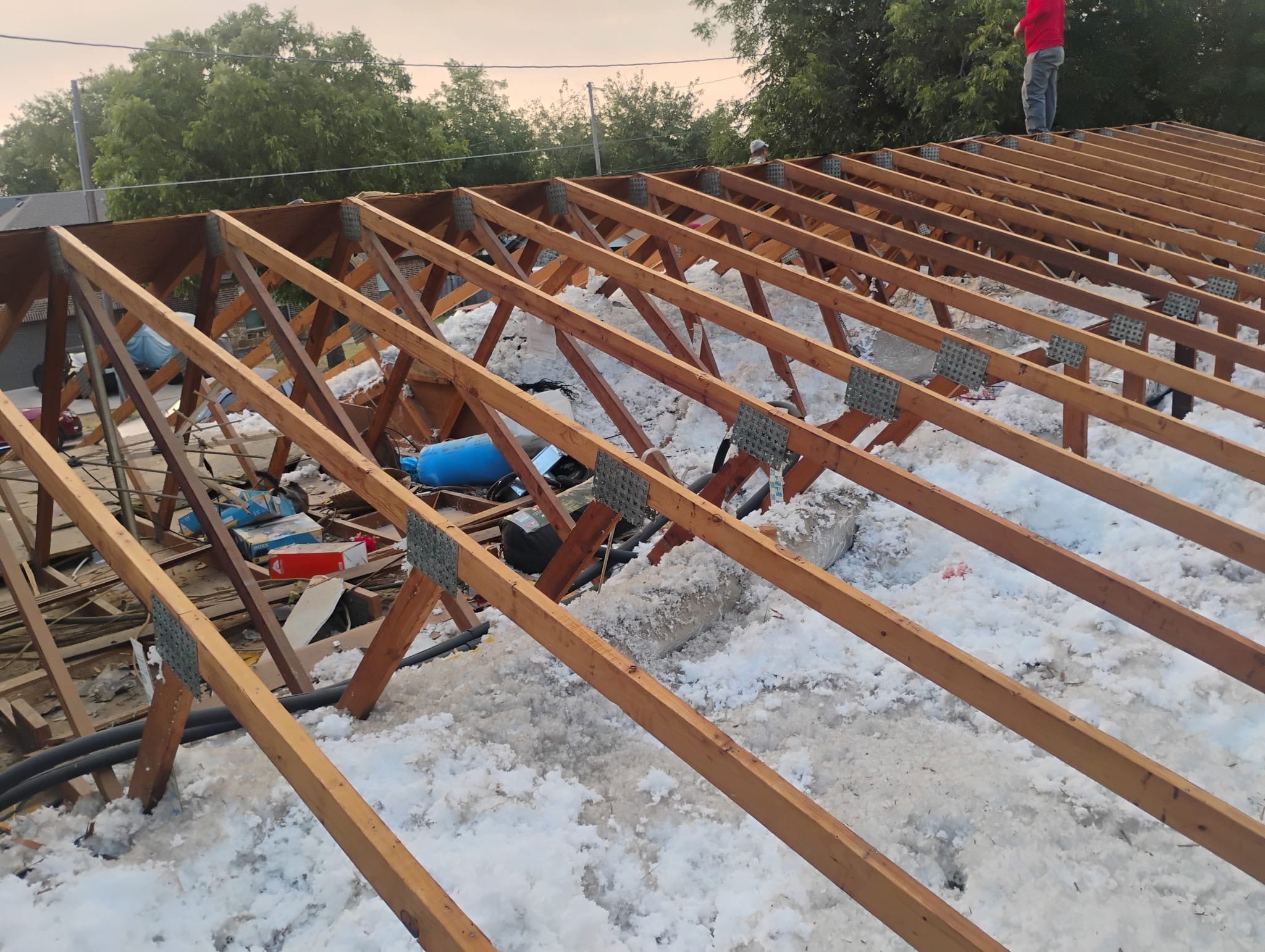
You see the shingles, the flashing, maybe even the gutters. But what about what's underneath? Your roof's structural skeleton – the rafters, trusses, and decking – is the silent guardian of your home, working hard to keep everything safe and sound. In DFW, where we face everything from intense summer heat to the occasional wild storm, this hidden framework is constantly under pressure. Ignoring its health is like ignoring a doctor's warning about your own heart; it might seem fine for a while, but the consequences can be devastating and incredibly expensive. This year, 2026, is the perfect time to look beyond the surface and understand the critical structural issues that could be silently undermining your most valuable asset.
The Unseen Foundation: Understanding Your Roof's Structural Skeleton
Think of your roof’s structural system as its skeleton. It's the intricate network of beams, supports, and sheathing that bears the load of everything from shingles and insulation to rain, hail, and the weight of North Texas sunshine beating down. In DFW, this framework is designed to withstand significant environmental stresses. The primary components you’ll find are either rafters or trusses, which form the angled supports, and the roof decking (or sheathing), typically plywood or OSB panels, that covers these supports and provides a base for the roofing materials. These elements work in concert to transfer weight down to your home's walls and foundation. A compromised skeleton means the entire roof system is at risk, potentially leading to everything from minor leaks to total collapse. Understanding these components is the first step in protecting your home.
The integrity of this skeleton is paramount. It's not just about aesthetics; it's about fundamental safety. When the structure is sound, it can handle the heavy loads imposed by weather, like the immense weight of ice and snow that can accumulate after a rare but impactful winter storm here in North Texas, or the relentless uplift forces from strong winds during our spring and fall storm seasons. The proper installation and maintenance of these structural elements are non-negotiable for long-term home health. Without them, the roof can’t do its job effectively, leaving your home vulnerable.
Key Insight
The structural components of your roof are often hidden from view, making them susceptible to damage that can go unnoticed for years. Unlike a damaged shingle that you might spot from the ground, structural issues require a closer, expert look, often from within the attic or during a comprehensive roof inspection.
7 Critical Structural Weaknesses DFW Homeowners Must Watch For in 2026
As a roofing contractor who's been navigating the unique challenges of the DFW climate for over 13 years, I've seen firsthand the kinds of issues that can develop in a roof's structure. It's not always the obvious leak that causes the most damage; it's often the hidden weaknesses that compound over time. Here are seven critical structural problems that DFW homeowners absolutely need to be aware of this year:
1. Sagging Roof Lines
Ever noticed a dip or a visible curve in your roofline when looking at your home from the street? This is a classic sign of structural weakness. Sagging can be caused by a number of factors, including damaged or undersized rafters/trusses, inadequate support beams, or excessive weight from accumulated debris or old roofing layers. In DFW, the intense heat can also cause wood to warp over time, contributing to this issue. A sagging roof is a clear indication that the skeleton is struggling to support the load.
2. Water Damage to Wood Components
This is a big one, especially with our unpredictable Texas weather. Leaks from damaged shingles, flashing, or vent boots can allow water to seep into the roof decking and structural timbers. Over time, this moisture leads to rot, mold, and a significant weakening of the wood. You might see dark stains in your attic or feel spongy areas on the decking. This type of damage is insidious because it compromises the strength of the very materials holding your roof up.
3. Improper Bracing and Support
Roof structures, especially those built years ago, might not have been designed to withstand the higher wind speeds and hail impacts common in DFW. This means they might lack adequate bracing or hurricane clips, which are essential for keeping the roof securely attached to the walls during high winds. If your home experienced a significant storm, it's crucial to ensure the bracing is still in place and hasn't been compromised.
4. Pest Infestations
Termites, carpenter ants, and wood-boring beetles are unfortunately common in Texas. These pests can tunnel through and consume the wooden structural elements of your roof, weakening them from the inside out. Often, you won't see the damage until it's quite severe. Regular inspections, both for pests and for the damage they cause, are vital.
5. Overloaded Attic Spaces
Many homeowners use their attics for storage. While a few boxes are usually fine, overloading an attic with heavy items can put undue stress on the ceiling joists and the roof structure. This is especially true if the joists weren't designed for significant weight-bearing. This is less about the roof's skeleton failing on its own and more about adding external stress it wasn't built to handle.
6. Inadequate Ventilation
Poor attic ventilation is a silent killer of roof structures. It can lead to excessive heat buildup in the summer, which bakes the wood and roofing materials, and moisture accumulation in the winter, leading to rot and mold. Proper ventilation systems, like soffit and ridge vents, are crucial for maintaining a healthy roof environment. Without them, the wood can degrade faster.
7. Old or Damaged Fasteners
The nails and screws that hold your roof decking to the rafters and trusses can corrode or loosen over time, especially in humid environments or areas with salt exposure (though less common in DFW, it’s still a factor for older homes). This can compromise the connection between the decking and the framing, making the roof more susceptible to damage from wind uplift or even just the normal stresses of weather.
Don't just look at the shingles. When you're up in the attic, especially after a rain event, check the underside of the roof decking for any signs of moisture, dark spots, or mold. Also, tap on the wood; if it sounds hollow or soft, it could be water-damaged.
Rafters vs. Trusses: How Different Framing Affects Structural Health
When we talk about a roof's skeleton, the two most common framing methods are rafters and trusses. Understanding the difference can help you appreciate how structural issues might manifest in your specific home. Both have their pros and cons when it comes to structural integrity and maintenance.
Key Insight
Regardless of whether you have rafters or trusses, the critical factor for structural health in DFW is ensuring they are adequately sized for the span, properly connected to the walls and each other, and protected from moisture and pests. Neither system is inherently "better" for structural longevity; it's all about proper design, installation, and maintenance.
When I'm inspecting a home in Plano or Frisco, I'm looking at how these framing members are installed. Are the rafters properly tied together at the peak? Are the trusses sitting flush on the walls and secured with the correct connectors? These details matter immensely. A single improperly installed truss can put stress on its neighbors, creating a domino effect over time.
The True Cost of Ignoring a Weak Roof Skeleton: Beyond Leaks
Most homeowners think about roof replacement when they see water stains or a leak. But the cost of ignoring a compromised roof skeleton goes far beyond the price of new shingles. The structural integrity of your home is the foundation of its value and safety. When that’s at risk, the financial implications can be staggering.
A roof that's already sagging or showing signs of structural weakness is far more vulnerable to catastrophic damage during a severe Texas storm. What might have been a manageable repair could become a total roof replacement, or worse, damage to your home's entire structure.
Here’s a breakdown of what you’re really risking:
Ignoring a weak roof skeleton can lead to:
- Catastrophic Collapse: In the worst-case scenario, a severely compromised roof structure can fail entirely, leading to a partial or total collapse of the roof and potentially significant damage to the rest of your home. The cost to rebuild after such an event can easily run into tens or hundreds of thousands of dollars.
- Compromised Interior: Beyond leaks, sagging structures can cause drywall to crack, ceilings to buckle, and even exterior walls to shift. This type of damage affects the entire building envelope, not just the roof.
- Reduced Home Value: A visibly sagging roof or known structural issues are major red flags for potential buyers. They can significantly devalue your home and make it difficult to sell. In today's DFW market, structural integrity is a non-negotiable for buyers.
- Insurance Complications: If a structural failure occurs due to neglect, your insurance company might deny your claim, leaving you fully responsible for the extensive repair costs. Maintaining your home’s structure is often a condition of your homeowner's policy.
- Increased Future Repair Costs: A small structural issue, if left unaddressed, can worsen over time, leading to more extensive and expensive repairs down the line. For example, a small amount of rot can spread, requiring replacement of larger sections of framing.
How to Get This Done
For minor structural concerns like a few rotten deck boards or a loose rafter tie, a skilled handyman might suffice. However, for significant issues involving sagging rooflines, compromised trusses, or widespread rot affecting the main structural members, you need a licensed and experienced roofing contractor. Our team at Montesco Roofing in DFW specializes in diagnosing and repairing these complex structural problems, working closely with your insurance if storm damage is involved. We ensure that any repairs meet or exceed building codes for lasting safety and integrity.
DIY vs. Professional Structural Roof Assessment: What to Expect

When it comes to assessing the structural integrity of your roof, there's a difference between a homeowner's quick check and a professional, in-depth inspection. While you can spot some obvious signs, a seasoned roofing expert has the tools, knowledge, and experience to identify subtle issues that could be precursors to major problems.
When inspecting your attic, pay attention to the temperature. If it feels unusually hot or humid, even on a cooler day, it could indicate a ventilation problem that's stressing your roof structure.
While a DIY check can alert you to major issues, it's not a substitute for a professional assessment. A qualified roofing contractor in DFW can provide a detailed report, identify potential problems before they become emergencies, and offer solutions tailored to your home's specific needs. This is especially critical after a significant storm event or if your home is older.
Montesco Roofing's Expert Structural Inspection Process in DFW
At Montesco Roofing, we don't just look at your shingles. We understand that a truly protected home requires a deep dive into its structural integrity. Our process for assessing your roof's skeleton is thorough and designed to give you complete peace of mind, especially here in the challenging DFW climate.
1. Initial Exterior Assessment
We start by examining your roof from the ground and from a safe vantage point on a ladder. We look for any visible signs of sagging, unevenness, or displacement of roofing materials that could indicate underlying structural issues. We'll also check the condition of your fascia and soffits, which are integral to the roof's overall structure.
2. Attic Entry and Comprehensive Inspection
This is where we get into the "skeleton." We'll safely enter your attic to conduct a detailed inspection of all rafters, trusses, and roof decking. We're looking for:
- Signs of water damage, rot, or mold.
- Evidence of pest infestation (termite tubes, frass, damage).
- Structural integrity of connections between framing members.
- Adequacy of bracing and support systems.
- Proper installation of vents and flashing from the inside.
- Any signs of stress or warping in the wood.
3. Ventilation and Insulation Check
We assess your attic's ventilation system to ensure it's functioning correctly. Proper airflow is critical for preventing moisture buildup and heat stress on the structural components. We also note the insulation levels, as inadequate insulation can contribute to condensation issues.
4. Documentation and Reporting
We meticulously document our findings with high-resolution photos and detailed notes. You'll receive a clear, easy-to-understand report outlining any issues identified, explaining their potential impact, and providing a transparent breakdown of recommended solutions. For storm damage claims, this report is invaluable for working with your insurance company.
5. Transparent Recommendations and Estimates
Based on our findings, we’ll discuss your options. Whether it's a minor repair, reinforcing a section, or a full structural replacement, we provide detailed, upfront estimates. We believe in empowering homeowners with knowledge, not pressuring them into decisions. Our goal is to provide the best long-term solution for your home's protection.
How to Get This Done
If you suspect your roof's structure might be compromised, the best immediate step is to schedule a professional inspection with Montesco Roofing. We'll send an experienced technician to your DFW home to perform a thorough assessment. If the issue is minor and you prefer a DIY approach for something like clearing out attic debris or sealing a small attic leak yourself, ensure you have the proper safety gear and knowledge. However, for anything involving the structural framing, always rely on experienced professionals.
Preventing Structural Roof Failure: Proactive Steps for DFW Homes
The best way to avoid the thousands of dollars in costs associated with structural roof failure is through proactive maintenance and timely interventions. For DFW homeowners, this means understanding the specific environmental challenges we face and taking steps to mitigate them. It's about being smart with your home's upkeep.
Key Takeaways
- Regular Inspections: Schedule professional roof inspections at least twice a year (spring and fall) and after any major storm.
- Attic Vigilance: Keep your attic clean, well-ventilated, and free of excess weight. Regularly check for signs of moisture or pests.
- Prompt Leak Repairs: Address any roof leaks immediately. Even small leaks can cause significant rot and structural damage over time.
- Proper Ventilation: Ensure your attic has adequate soffit and ridge vents to regulate temperature and humidity.
- Trim Overhanging Branches: Large tree branches can fall during storms, damaging your roof structure. Keep them trimmed.
Here are some actionable steps you can take:
1. Schedule Annual Structural Assessments
Don't wait for a leak to appear. Incorporate a structural check into your annual home maintenance routine. A professional inspection can catch subtle issues before they escalate. This is especially important for homes older than 15-20 years, as materials naturally degrade.
2. Maintain Proper Attic Ventilation
Good attic ventilation is key in DFW. It prevents heat buildup in the summer, which can warp wood, and moisture condensation in the winter, which leads to rot. Ensure your soffit vents aren't blocked by insulation and that your ridge vents are clear.
3. Address Water Intrusion Immediately
Whether it's a small drip from a damaged shingle or a persistent leak around a vent pipe, water is the enemy of your roof's structure. Get any leaks repaired by a professional roofing contractor as soon as you notice them. Delaying can turn a small repair into a massive structural undertaking.
4. Be Mindful of Attic Load
Your attic framing is designed to support the roof and a certain amount of insulation and weight. Avoid storing heavy items in your attic, especially in the center spans between joists. If you plan on using your attic for significant storage, consult a structural engineer or your roofing contractor.
5. Keep an Eye Out for Pests
Regularly inspect accessible areas of your attic for signs of termites, carpenter ants, or other wood-destroying insects. If you suspect an infestation, contact a pest control professional immediately. Prompt treatment can prevent extensive damage to your roof's skeleton.
Need help putting this into action? Our team has protected hundreds of DFW homes. Tell us about your roof — free inspection, no pressure.
Get Your Free Roof Inspection →Frequently Asked Questions About Roof Structure in DFW
Frequently Asked Questions About Roof Structure in DFW
What is the most common structural problem seen in DFW roofs?
How often should I have my roof's structure inspected?
Can a leaking roof that isn't fixed eventually cause the roof to collapse?
What's the difference between a roof repair and a structural repair?
How can I tell if my attic ventilation is poor?
Does a home inspection cover roof structure?
What are the signs of termite damage to roof structures?
Montesco Roofing Team
DFW's trusted roofing contractor with 13+ years of experience. Specializing in roof replacements, storm damage repair, and insurance claims across Dallas-Fort Worth.
Get in touch →