Your Roof Replacement Journey

Why Your DFW Roof Replacement Can't Wait Until 2027
It's Friday, August 14, 2026, and the Texas sun is beating down. You've probably noticed it – that nagging feeling that your roof might be on its last leg. Maybe you've seen a few shingles out of place after a recent gust of wind, or perhaps you're just starting to worry about the age of your current roof. Here's the honest truth: delaying a much-needed roof replacement in the Dallas-Fort Worth area, especially as we head into the fall storm season, is a gamble you don't want to take. Waiting until 2027 could mean inviting more significant, and far more expensive, problems into your home. We've seen too many homeowners in DFW put off this crucial maintenance, only to face water damage, mold growth, and compromised structural integrity. The DFW climate, with its intense sun, unpredictable hail, and heavy rains, is tough on roofing materials. What might seem like a minor issue today can escalate rapidly, turning a manageable project into a crisis.
Think of your roof as the shield for everything you hold dear – your family, your belongings, your peace of mind. When that shield starts to weaken, it's not just about aesthetics; it's about fundamental protection. We've seen firsthand in areas like Frisco, Plano, and Arlington how quickly a small leak can spread through insulation, drywall, and even into the foundation if left unchecked. The cost of a full roof replacement now is almost always less than the cumulative cost of emergency repairs, mold remediation, and potential structural fixes down the road. Plus, with the housing market as it is, a well-maintained, updated roof is a significant asset. Don't let worry about the process keep you from protecting your investment. The journey to a new roof can be surprisingly smooth when you're working with the right guidance.
Step 1: The Crucial DFW Roof Inspection – What to Expect
The very first, and arguably most important, step in any roof replacement project is a thorough inspection. This isn't just a quick glance from the street. A professional inspection, especially one conducted by an experienced DFW roofing contractor like Montesco Roofing, is about digging deep to understand the true condition of your roof system. We're not just looking at the shingles; we're examining the entire structure – the decking, the underlayment, the flashing, the ventilation, and the gutters. Our goal is to identify any underlying issues that might not be immediately obvious.
Step 1: Interior Check
We start by looking in your attic. We're searching for any signs of daylight peeking through, damp insulation, or water stains on the rafters. This is often the first indicator of a breach in your roof's protective layer.
Step 2: Exterior Assessment
Outdoors, we'll get on the roof (safely, of course!) to inspect the condition of your shingles. We're looking for cracked, curled, or missing shingles, as well as signs of granule loss, which can clog your gutters and reduce the lifespan of your roof.
Step 3: Flashing & Ventilation
We pay close attention to the flashing around chimneys, vents, and skylights, as these are common areas where leaks begin. Proper attic ventilation is also critical; inadequate airflow can lead to heat buildup and premature shingle decay.
Step 4: Gutter & Downspout Check
Clogged gutters can cause water to back up under your shingles or overflow, leading to fascia and soffit damage. We'll check for debris and ensure they're properly sloped and draining away from your foundation.
What most homeowners don't realize is that a roof isn't just shingles. It's a complex system. The underlayment acts as a secondary water barrier, the decking provides the structural base, and the ventilation system is crucial for regulating temperature and moisture. A comprehensive inspection by a seasoned roofing contractor in Dallas will identify any weaknesses in any part of this system. This detailed assessment is what allows us to provide an accurate recommendation, whether it's a minor repair or a full roof replacement. We believe in transparency, so we'll walk you through our findings, often with photos and videos, so you understand exactly what's going on.
Don't wait for a visible leak. If your roof is over 15-20 years old (depending on the material) or has recently experienced significant hail or wind, it's time for an inspection. Early detection is key to preventing major damage.
Step 2: Understanding Your Roofing Options: Shingles vs. Metal in North Texas
Once we've determined that a roof replacement is necessary, the next big decision is material. For homeowners here in North Texas, the two most popular options are asphalt shingles and metal roofing. Each has its own set of advantages, disadvantages, and cost implications. Understanding these differences is crucial for making an informed choice that fits your home, your budget, and our local climate.
| Feature | Asphalt Shingles | Metal Roofing (Standing Seam) |
|---|---|---|
| Lifespan | 15-30 years (depending on quality) | 40-70+ years |
| Initial Cost | $7,000 - $15,000+ (for average home) | $12,000 - $25,000+ (for average home) |
| Durability (DFW Climate) | Good, but can be susceptible to hail impact and strong winds. Requires more frequent replacement. | Excellent. Highly resistant to hail, wind, and extreme temperature fluctuations. Ideal for Texas storms. |
| Energy Efficiency | Varies. Lighter colors and certain "cool roof" shingles can reflect more sun. | Excellent. Metal roofs reflect solar radiant heat, reducing cooling costs significantly in the DFW summer. Can be coated for enhanced reflectivity. |
| Maintenance | Requires regular checks for granule loss, cracking, and lifting. | Minimal. Occasional checks for fastener tightness and sealant integrity. |
| Aesthetics | Wide variety of colors and styles. Traditional look. | Sleek, modern look. Available in various colors and profiles (e.g., standing seam, corrugated). Can mimic the look of shingles or tile. |
| Warranty | Typically 20-30 years limited manufacturer warranty. | Often 30-50 years limited manufacturer warranty, sometimes lifetime. |
| Weight | Heavier, may require additional structural support on older homes. | Lighter than asphalt shingles, often a good choice for older structures. |
Asphalt shingles are the long-time standard for a reason. They're cost-effective upfront, readily available, and offer a familiar look. For homeowners on a tighter budget or those planning to sell within the next 10-15 years, a high-quality architectural asphalt shingle can be a great choice. However, when you look at the long-term value and resilience in the harsh North Texas environment, metal roofing really shines. The initial investment is higher, but the extended lifespan, superior resistance to hail and wind – which are common in DFW storm seasons – and significant energy savings can make metal a more economical choice over 30-40 years. We've seen a growing trend in areas like McKinney and Allen where homeowners are opting for metal for its durability and aesthetic appeal.
Don't let the lowest bid on shingles fool you. The quality of asphalt shingles varies greatly. Opting for a premium architectural shingle from a reputable manufacturer like GAF, Owens Corning, or CertainTeed will offer better longevity and wind resistance than basic 3-tab shingles, especially in our DFW climate.
When we discuss roof replacement materials, we're not just talking about aesthetics. We're talking about how well the material will perform under pressure from Texas weather. Metal roofs, particularly standing seam systems, offer incredible performance against the high winds and hail that DFW is known for. They are also Class 4 impact resistant, the highest rating available, meaning they can withstand significant hail without damage. This is a huge advantage for homeowners in areas prone to severe weather.
Step 3: Navigating DFW Roof Replacement Costs: What $5K vs $15K vs $25K Really Buys You
Let's talk about the elephant in the room: cost. Understanding what you're paying for is critical when it comes to a roof replacement. The price tag can vary significantly, and it's not just about the size of your home. It's about the quality of materials, the complexity of the roof, the contractor's expertise, and the warranty they provide. Here’s a general breakdown of what you might expect for different budget levels in the DFW area in 2026.
| Budget Level | Typical Materials | Expected Lifespan | Key Features & Limitations | What You Get (DFW 2026) |
|---|---|---|---|---|
| $5,000 - $8,000 | Basic 3-tab asphalt shingles | 15-20 years | Lower wind resistance, less durable, limited color options. May not meet modern building codes for wind uplift. Might only cover very small homes or simple roof structures. | A very basic, budget-friendly option. Likely the lowest quality shingles available. Best for very small structures or as a temporary fix. Might not include comprehensive tear-off and disposal. |
| $8,000 - $15,000 | Architectural/Dimensional Asphalt Shingles (e.g., GAF Timberline, Owens Corning Oakridge) | 25-30 years | Good wind resistance (up to 110 mph), better aesthetics, more color choices. Standard for most DFW homes. | A solid, reliable choice for most DFW homeowners. Includes full tear-off, new underlayment, ice & water shield in vulnerable areas, and manufacturer-backed warranties. This is where quality starts to matter significantly. |
| $15,000 - $25,000+ | Premium Architectural Shingles, or Basic Metal Roofing (Standing Seam) | 30-50+ years | Higher wind resistance (130+ mph), enhanced durability, superior aesthetics, better energy efficiency (with metal). | Top-tier asphalt shingles with robust warranties and performance. Or, a good entry-level metal roof system that offers exceptional longevity and resilience against DFW storms. Includes comprehensive warranties and often enhanced ventilation solutions. |
It's crucial to understand that these are just estimates for the DFW market in 2026. The actual price for your roof replacement will depend on factors like the pitch and complexity of your roof, the number of valleys and dormers, the type of decking you have (and if it needs replacement), and any necessary upgrades to ventilation or flashing. A contractor who provides a bid significantly lower than others might be cutting corners on materials, labor, or underlayment. We've seen this happen time and again in areas like Garland and Mesquite – homeowners thinking they're saving money only to face premature failure and costly re-roofing years later.
Key Insight
When getting quotes for your roof replacement, ensure they are detailed and itemized. Look for line items that include tear-off, disposal of old materials, new underlayment, ice and water shield, new drip edge, and specific shingle/metal product names. Don't be afraid to ask what each item entails.
The cost of a new roof is an investment in your home's future. The roofing contractor you choose plays a massive role in the value you receive. A reputable company will use high-quality materials, adhere to manufacturer specifications and local building codes, and stand behind their workmanship with a solid warranty. This is where Montesco Roofing excels. We are committed to providing transparent pricing and explaining exactly what goes into your investment, ensuring you get the best possible value and protection for your DFW home.
Step 4: Choosing Your DFW Roofing Contractor: 7 Questions to Avoid Costly Mistakes
Selecting the right DFW roofing contractor is arguably the most critical step in the entire roof replacement process. A good contractor will ensure the job is done right the first time, using quality materials and proper installation techniques. A bad one? Well, that can lead to a lifetime of headaches, leaks, and costly callbacks. Here are seven essential questions you should ask any contractor you're considering, especially here in the DFW metroplex.
1. Are you licensed and insured?
This is non-negotiable. Licensing requirements vary by city and county, but always ensure they have the proper permits and are insured with general liability and worker's compensation. This protects you from potential lawsuits if a worker is injured on your property or if damage occurs.
2. How long have you been in business in the DFW area?
Longevity is a good indicator of reliability. A contractor who has been serving the DFW community for 13+ years, like Montesco Roofing, understands our local climate, building codes, and the specific challenges our roofs face.
3. Can you provide references and show examples of your work?
Ask for contact information of recent clients in your area and look at their portfolio. Seeing completed projects in person or through high-quality photos can give you a real sense of their craftsmanship.
4. What kind of warranty do you offer on your workmanship?
Manufacturer warranties cover materials, but a workmanship warranty covers the installation. A strong workmanship warranty (like our 10-year guarantee at Montesco) is a sign of confidence in their own work.
5. Will you be using subcontractors?
While some subcontractors are skilled, it's important to know who will be on your property. Reputable companies often use their own trained crews to ensure consistent quality and adherence to their standards.
6. What is your process for handling storm damage claims?
If your roof replacement is due to storm damage, you need a contractor experienced in navigating insurance claims. They should be able to work with your adjuster and help ensure you get a fair settlement.
7. Do you have manufacturer certifications?
Being a certified installer for major manufacturers like GAF or Owens Corning means the contractor has undergone specific training and meets high standards for installation, which often translates to better warranties.
Beware of contractors who appear after a major storm, pressure you into signing a contract immediately, or offer unusually low bids. These "storm chasers" often disappear once the checks clear, leaving homeowners with shoddy work and no recourse. We've seen this happen too often in North Texas. A true professional roofing contractor will be transparent, patient, and focused on providing the best long-term solution for your home.
How to Get This Done
If you want to handle the contractor vetting process yourself, here's exactly what you need: time for research, phone calls, scheduling multiple appointments, and carefully reviewing contracts. If you'd rather have experienced roofers handle it, our team has done this on hundreds of DFW homes — here's how our process works: We start with a no-obligation inspection, provide a detailed, transparent quote, and manage the entire project from start to finish, including coordination with your insurance if needed.
Step 5: The Montesco Roofing Difference: Our Seamless Replacement Process
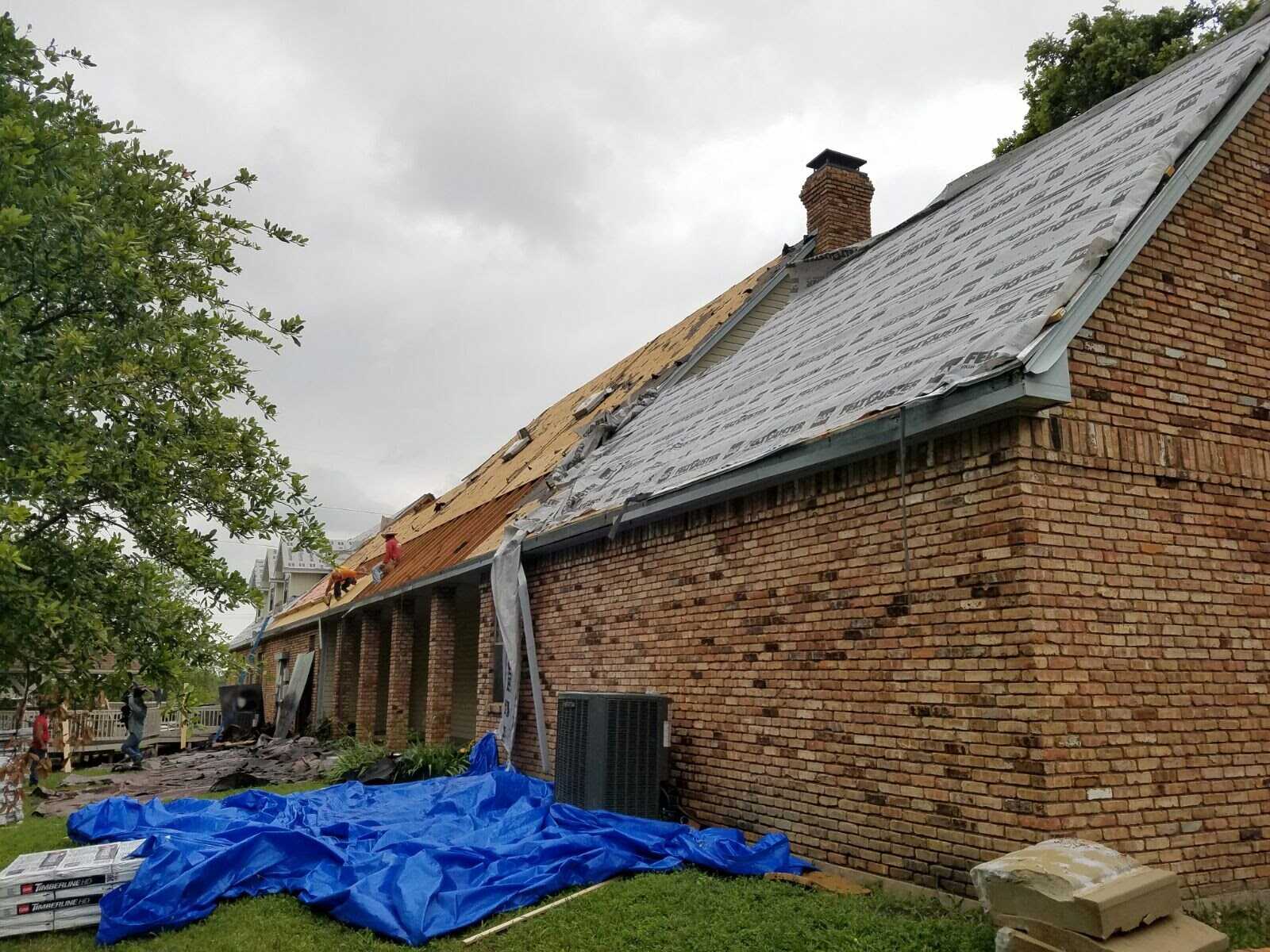
At Montesco Roofing, we understand that a roof replacement can feel overwhelming. That's why we've refined our process over 13+ years to be as straightforward and stress-free as possible for our DFW clients. We treat every home like our own, and our commitment to quality and customer service is unwavering. Here’s what you can expect when you choose us for your new roof.

1. Detailed Consultation & Inspection
It all starts with a comprehensive, no-cost inspection. We'll assess your current roof's condition, identify any issues, and discuss your needs and preferences. We'll then provide a detailed, itemized quote that clearly outlines the scope of work, materials, and warranty.
2. Material Selection & Planning
We'll guide you through choosing the best roofing materials for your home, considering durability, aesthetics, and budget. We'll also coordinate scheduling based on material availability and your availability.
3. Permitting & HOA Approvals (if applicable)
We handle all necessary local permits and assist with any homeowner's association (HOA) approval processes, ensuring your project is compliant with all regulations.
4. Preparation & Protection
On installation day, our team will protect your landscaping, windows, and siding with tarps and shields. We'll also set up magnetic sweeps to ensure all nails are thoroughly cleaned up.
5. Efficient & Professional Installation
Our experienced and certified crews work efficiently to remove your old roofing system and install your new one, adhering to the highest industry standards and manufacturer specifications.
6. Thorough Site Cleanup
Once the new roof is installed, we conduct a meticulous cleanup of the entire work area. This includes removing all debris, equipment, and using magnetic rollers to ensure no nails are left behind.
7. Final Inspection & Walk-Through
We perform a final, detailed inspection to ensure every aspect of the installation meets our quality standards. We then walk through the completed project with you to confirm your complete satisfaction.
What sets Montesco Roofing apart is our dedication to communication and our hands-on approach. We're not just a company that sends out salesmen; we're experienced roofers who understand the technicalities of a proper installation. We believe in building trust with our clients in DFW, and that starts with transparency and delivering on our promises. When you choose Montesco, you're choosing a partner who is invested in protecting your home for years to come.
"The team at Montesco was incredibly professional. They explained everything clearly, worked efficiently, and my new roof looks fantastic. They truly treated my home with respect."— Satisfied Homeowner in Southlake
Step 6: What Happens During Your DFW Roof Replacement Day?
The day your new roof is installed is often the most anticipated part of the roof replacement journey. While every home and project is unique, here’s a general idea of what you can expect on installation day here in DFW. Our goal is to make this day as smooth and non-disruptive as possible for you and your family.
Key Insight
Most standard roof replacements on an average-sized DFW home can be completed in a single day. However, complex roofs, extensive decking repairs, or challenging weather conditions might extend the timeline.
Morning: Arrival and Preparation
Our roofing crew will typically arrive early in the morning, usually between 7:00 AM and 8:00 AM. They'll begin by setting up their equipment, including dumpsters for debris and protective coverings for your landscaping and home's exterior. You might hear some noise as they prepare, but they'll do their best to minimize disruption. If you have pets or young children, it's a good day to keep them indoors or in a secure area away from the immediate work zone.
Mid-Day: Tear-Off and Deck Inspection
The crew will start by carefully removing your old roofing materials, shingle by shingle. This process can be noisy. As they tear off the old roof, they'll be inspecting the underlying roof decking for any signs of rot, water damage, or structural weakness. If repairs are needed – for example, replacing a few rotten plywood sections – this is when it will happen. We'll always contact you to discuss any necessary decking repairs and their associated costs before proceeding.
Afternoon: Installation of New System
Once the decking is prepped, the installation of your new roof begins. This includes laying down the synthetic underlayment, installing the ice and water shield in critical areas (like valleys and around penetrations), and then installing your new shingles or metal panels. The crew works systematically to ensure proper overlap, sealing, and fastening according to manufacturer specifications. Ventilation components will also be installed at this stage.
Late Afternoon/Early Evening: Cleanup and Final Touches
As the installation nears completion, the crew will begin a thorough cleanup. This involves removing all debris from the roof, ground, and gutters. They'll use magnetic sweepers to pick up any stray nails from your lawn and walkways. This cleanup is crucial; we want your property to look as good, if not better, than when we arrived.
End of Day: Final Inspection and Walk-Through
Before leaving, the project manager or crew leader will conduct a final inspection of the entire roof and surrounding property. They'll then typically conduct a brief walk-through with you to point out the completed work and answer any immediate questions. We want to ensure you're completely satisfied with your new roof and the service you received.
Keep your driveway clear on installation day. This provides essential access for dumpsters and material delivery. Also, consider parking vehicles away from the house to protect them from potential debris.
Step 7: Post-Replacement: Ensuring Longevity and Peace of Mind
Congratulations, you've got a brand-new roof! But the roof replacement journey isn't quite over. The final steps are about ensuring the longevity of your investment and giving you lasting peace of mind. This is where the quality of the contractor and the materials truly pay off, especially here in the challenging DFW climate.
Receiving Your Warranty Documents
This is critical. You should receive both the manufacturer's warranty for the roofing materials and the contractor's warranty for workmanship. Make sure you understand the terms, coverage, and duration of each. We provide comprehensive warranty information for all our installations at Montesco Roofing. If you ever have questions about your warranty, we're here to help.
Regular Visual Inspections
While your new roof is built to last, it's still a good idea to perform occasional visual checks. From the ground, look for any signs of damage such as missing or damaged shingles, excessive granule loss in your gutters, or sagging areas. Also, check your attic periodically for any signs of leaks. Doing this at least twice a year, and after any major storm events, can help catch minor issues before they become major problems.
Gutter Maintenance
As mentioned before, keeping your gutters clean is vital. Clogged gutters can cause water to pool and potentially back up under your new shingles, compromising the integrity of your roof system. We recommend having them cleaned out at least twice a year, especially after the fall leaf drop.
DIY Checks
Frequency: Twice a year.
What to look for: Granule loss in gutters, missing shingles, sagging, debris on roof.
Tools: Binoculars, ladder (use with extreme caution).
Professional Inspection
Frequency: Every 2-3 years, or after severe storms.
What to look for: Comprehensive system check, including flashing, ventilation, decking integrity, and fastener security.
Tools: Professional expertise, specialized equipment.
Understanding Your Insurance Policy
If your roof replacement was due to storm damage, ensure you have all the necessary documentation from your insurance company. Keep copies of the adjuster's report and any claim correspondence. If you have questions about your coverage or how it relates to your new roof, don't hesitate to reach out to us. We've helped many DFW homeowners navigate the complexities of insurance claims.
Peace of Mind Included
At Montesco Roofing, our commitment doesn't end when the job is done. We offer a 10-year workmanship warranty on all our roof replacements. If anything goes wrong with the installation, we'll be here to fix it. We also provide guidance on maintaining your new roof to ensure it lasts for decades. Contact us to learn more about our warranties and services.
Your DFW Roof Replacement Journey: Frequently Asked Questions
Frequently Asked Questions
How long does a typical roof replacement take in DFW?
What is the average cost of a roof replacement in DFW in 2026?
Do I need a permit for a roof replacement in Dallas or Fort Worth?
How can I tell if my roof needs replacing or just repairing?
What's the difference between a manufacturer warranty and a workmanship warranty?
How does the DFW climate affect my roof's lifespan?
Can I replace my roof myself?
Need help putting this into action? Our team has protected hundreds of DFW homes. Tell us about your roof — free inspection, no pressure.
Get Your Free Roof Inspection →Montesco Roofing Team
DFW's trusted roofing contractor with 13+ years of experience. Specializing in roof replacements, storm damage repair, and insurance claims across Dallas-Fort Worth.
Get in touch →