Your Roof Policy Has Limits

You just found a leak after last night's storm, or maybe you're seeing granules in your gutters, and you're thinking, "My homeowner's insurance should cover this." It's a common thought, especially here in North Texas where severe weather is practically a given. But here's the tough truth: your homeowner's insurance policy, while essential, isn't a blank check for your roof. In 2026, DFW homeowners are increasingly finding out that the "full coverage" they thought they had often comes with hidden limits and complexities that can leave them footing a significant bill.
The Illusion of Full Coverage: What "Standard" Roof Policies Really Mean
Walking into a home improvement store or browsing online, you see products advertised as "industry-standard." It gives you a sense of comfort, right? You assume your homeowner's insurance policy works the same way. You pay your premiums, and when disaster strikes, your roof is covered. However, "standard" in insurance often means "typical" or "most common," not necessarily "all-encompassing." What's standard for one policy might have significant gaps for another, and even within a single policy, the devil is truly in the details.
Here in the DFW metroplex, we deal with more than just the occasional rain shower. We face intense hailstorms that can shred shingles, high winds that can tear off entire sections, and the relentless Texas sun that ages materials faster than you might think. A standard policy is designed to protect against sudden and accidental damage, but it's not a perpetual maintenance plan. It's crucial to understand that insurance companies are in the business of managing risk, not replacing your roof every time it shows a little age or a minor imperfection.
Read your policy documents thoroughly, especially the sections on "Coverages," "Exclusions," and "Conditions." Don't be afraid to ask your insurance agent to explain anything you don't understand. It's your home, and you have a right to know what's protected.
Many homeowners in areas like Frisco, Plano, and Arlington assume that because they have homeowner's insurance, their roof will be replaced to its original condition after any storm. This is a dangerous assumption. The language in your policy, often dense and legally worded, dictates what's covered and, more importantly, what isn't. By the time a claim is filed, it's often too late to realize you were missing crucial coverage. This is why understanding the common limitations before you need to file a claim is paramount for DFW residents.
Depreciation Deductions: How Your "New" Roof Becomes an "Old" One in the Eyes of Insurers
This is perhaps the most common and frustrating way DFW homeowners get shortchanged. Your roof is an asset that loses value over time. Insurance companies account for this through depreciation. Think of it like a car. When you buy a new car, it's worth its sticker price. A year later, it's worth less, even if it's in perfect condition. Your roof is no different.
When your roof sustains damage that's covered by your policy, the insurance company will typically pay out the Actual Cash Value (ACV) of the damaged portion first. ACV is the replacement cost minus depreciation. So, if a new roof costs $15,000 to install, but the insurance adjuster determines your existing roof had depreciated by 40% due to age and wear, they might initially offer you $9,000 ($15,000 - $6,000 depreciation). The remaining $6,000 is what they owe you under a Replacement Cost Value (RCV) policy, but you often have to fight for it.
Many homeowners mistakenly believe their policy automatically pays for a brand-new roof. The reality is, without a specific RCV endorsement or a strong advocacy effort, you'll likely only receive the depreciated value initially, leaving you to cover the rest of the cost for a new, full-price roof.
This depreciation deduction is a major hurdle. It means that even if you have a valid claim for a full roof replacement due to hail or wind damage, you'll be short thousands of dollars needed to actually purchase and install that new roof. This is where many homeowners in Fort Worth and surrounding areas get stuck, facing unexpected out-of-pocket expenses they never anticipated. It's not uncommon for insurance adjusters to apply depreciation aggressively, even on relatively young roofs, if they deem them to have "less than expected remaining lifespan."
Policy Exclusions and Limitations: The Fine Print That Costs You Thousands
Beyond depreciation, insurance policies are riddled with exclusions and limitations that can significantly impact what you can claim, especially for roof damage. These are specific conditions or types of damage that your policy simply won't cover. For homeowners in the DFW area, understanding these is critical because our climate presents unique challenges.
Key Insight
Common exclusions related to roofs often include: damage from lack of maintenance, wear and tear, gradual deterioration, mold or rot, and sometimes even damage from certain types of pests. If your roof fails due to age or poor upkeep, your insurance likely won't cover it, even if a storm exacerbates the existing problem.
Here are some typical limitations and exclusions that catch DFW homeowners off guard:
- Wear and Tear/Gradual Deterioration: This is a big one. If your roof is old, brittle, or showing signs of age, and it fails, the insurance company will likely attribute the failure to its natural lifespan rather than a specific storm event. They'll argue it was going to fail anyway. This is why regular roof inspections are so important, even if you don't suspect storm damage.
- Lack of Maintenance: If your roof hasn't been properly maintained – think clogged gutters, missing shingles that weren't replaced, or visible damage ignored over time – insurance companies can deny claims. They see it as a failure on the homeowner's part to mitigate potential damage.
- Cosmetic Damage: Sometimes, hail can cause dents or minor abrasions on shingles that don't compromise the structural integrity of the roof. While visually unappealing, insurance companies often classify this as cosmetic and therefore not covered, even if it's a direct result of a storm.
- Mold, Fungus, or Rot: If water intrusion has been a persistent issue (perhaps due to an unrepaired leak) and has led to mold or rot, these secondary damages are typically excluded. The focus will be on the initial cause of the leak, not the resulting growth.
- Building Code Upgrades: If your local building codes have changed since your roof was installed, and a full replacement requires bringing it to current code (e.g., requiring more robust ventilation or stronger underlayment), your policy may not cover the full cost of these upgrades. Some policies offer limited "Ordinance or Law" coverage, but it's often insufficient for a complete overhaul.
The key takeaway here is that insurance is designed for catastrophic events, not for the natural aging process of your home's components. For DFW homeowners, whose roofs are constantly battling intense sun, humidity, and severe weather, understanding these exclusions is the first line of defense against unexpected repair bills. Ignoring them is like hoping a leaky faucet will fix itself – it rarely ends well.
ACV vs. RCV: Understanding the Critical Difference in Your DFW Roof Payout
We touched on ACV and RCV earlier, but it's so critical for DFW homeowners that it deserves its own deep dive. The distinction between Actual Cash Value (ACV) and Replacement Cost Value (RCV) is fundamental to understanding your roof insurance payout. Most standard policies are written with ACV as the initial payout, and RCV is often an add-on or requires specific policy language.
ACV vs. RCV Payout for Roof Damage
| Feature | Actual Cash Value (ACV) | Replacement Cost Value (RCV) |
|---|---|---|
| What it Pays | Cost to replace minus depreciation. | Cost to replace with new materials of like kind and quality, with no depreciation deduction. |
| Initial Payout | Lower, reflecting the depreciated value of your damaged roof. | Higher, based on current market rates for new materials and labor. |
| Depreciation | Deducted from the payout. | Not deducted; you receive the full replacement cost. |
| Homeowner Out-of-Pocket Costs | Significantly higher, as you must cover the depreciated amount to get a new roof. | Typically limited to your policy deductible. |
| Example: $15,000 Roof Replacement | If roof is 40% depreciated, initial payout might be $9,000. You're responsible for the remaining $6,000 plus deductible. | If roof is 40% depreciated, initial payout might be $15,000 (minus deductible). You're responsible only for the deductible. |
| Policy Type | Standard on many basic homeowner policies. | Often an endorsement or requires a premium policy. Check your declarations page. |
| Ideal For | Lower premiums, but higher risk of out-of-pocket expenses after a claim. | Maximum protection, ensuring you can replace your roof without significant financial burden. |
For DFW homeowners, especially those with roofs nearing the 10-15 year mark, an ACV policy can be a ticking time bomb. If a severe hail storm hits, you might receive a payout that only covers a fraction of the cost to put on a new, modern roof. You're then left to scramble to find the remaining funds, often facing higher prices from roofing contractors who are in high demand after a storm. This is precisely why many experienced DFW roofing contractors, like Montesco Roofing, strongly advise homeowners to secure RCV coverage if possible.
How to Get This Done
DIY Approach: Scrutinize your current homeowner's insurance policy. Look for terms like "Replacement Cost Value" or "RCV" in the dwelling coverage section. If it's not explicitly stated or is listed as ACV, contact your insurance agent immediately to inquire about adding RCV coverage or upgrading your policy. Understand the additional premium cost associated with RCV. If you've recently had storm damage, review your adjuster's report carefully to see if they paid ACV or RCV.
Montesco Roofing Approach: When we conduct a free roof inspection for DFW homeowners, we not only assess the physical condition of your roof but also discuss your insurance situation. We can help you understand what your current policy likely covers and where potential gaps might exist. If you're in the process of filing a claim, we can provide detailed documentation and estimates that align with RCV principles, making it easier for you to advocate for the full coverage you deserve. Schedule a free inspection to discuss your roof's condition and insurance coverage.
The difference between ACV and RCV isn't just a technicality; it's the difference between getting enough money to truly repair or replace your roof, and getting a payout that leaves you significantly short. In a market where roofing material and labor costs are constantly rising, especially after a major storm event in areas like Rowlett or Garland, this difference can amount to tens of thousands of dollars.
Underinsurance Traps: Why Your Coverage Amount Might Not Be Enough for a Full Replacement
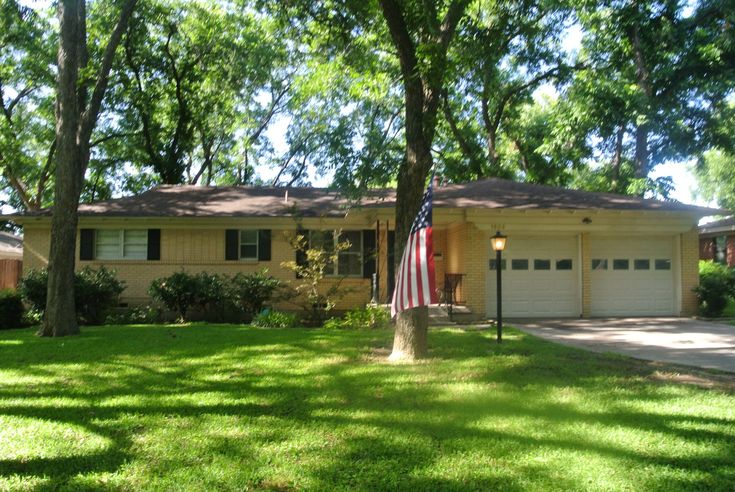
Even if your policy is RCV and you understand depreciation, there's another insidious trap: underinsurance. This happens when the total amount of coverage on your homeowner's policy is simply not enough to cover the cost of rebuilding your home, including your roof, to its current condition. This is a growing concern across the country, and DFW is not immune.
Several factors contribute to underinsurance for DFW homeowners:
- Inflation and Rising Construction Costs: The cost of building materials, lumber, and skilled labor has been on a steady upward trend. If your policy hasn't been updated to reflect these increases, your coverage amount can quickly fall behind the actual cost of rebuilding. This is especially true in 2026, where supply chain issues and labor shortages continue to impact construction pricing.
- Policy Limits Not Adjusted Annually: Many homeowners set their policy limits when they buy their home and then forget about them. They don't realize that their coverage needs to be re-evaluated each year to keep pace with inflation and market changes. Your premium might go up slightly, but your coverage amount needs to go up substantially.
- Scope of Damage: A severe storm event might not just damage your roof. It can also cause damage to siding, windows, gutters, and even the interior of your home. If your policy's overall dwelling coverage limit is too low, it might be quickly exhausted by the totality of the damage, leaving insufficient funds for the roof replacement.
- Local Market Conditions: DFW is a booming region. The demand for construction and renovation services, especially after a storm, drives up prices. A policy that might have been adequate five years ago could be woefully insufficient today for a full roof replacement in a competitive market.
Don't rely on your mortgage lender's required coverage amount as the ultimate guide. They often require enough to cover the loan, not necessarily the full cost to rebuild your home from the ground up. Always aim for coverage that reflects the current market cost of rebuilding your specific home.
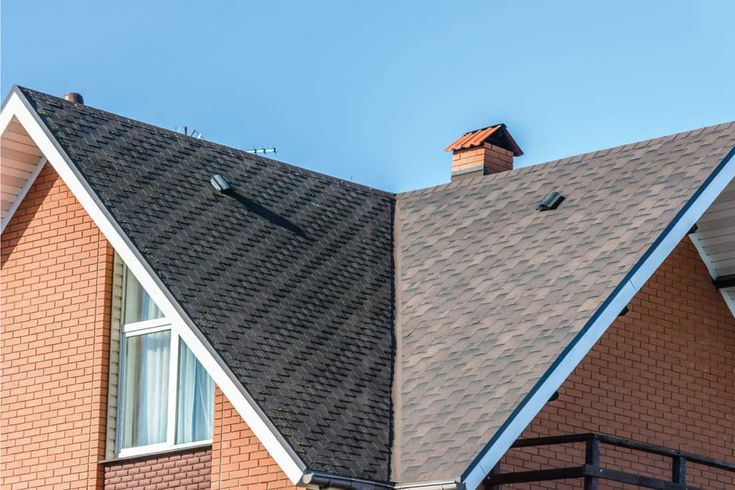
Underinsurance means that even with a valid claim for a damaged roof, you might only receive a portion of the actual repair or replacement cost. The insurance company is only obligated to pay up to your policy limit. If that limit is $300,000 but rebuilding your home and roof now costs $350,000, you're facing a $50,000 shortfall, regardless of your deductible or whether you have ACV or RCV. This is a critical limitation that many DFW homeowners overlook until it's too late.
5 Proactive Steps to Maximize Your Roof Insurance Coverage Before Disaster Strikes
The best way to combat these limitations and ensure you're not shortchanged by your insurance is to be proactive. Waiting until after a storm hits is like trying to fix a leaky dam during a flood – it's far more difficult and often less effective.
1. Conduct a Comprehensive Policy Review
Schedule a meeting with your insurance agent at least once a year, ideally before storm season kicks into high gear. Ask them to walk you through your policy, specifically focusing on roof coverage. Inquire about ACV vs. RCV, any specific exclusions for roofing materials or age, and your dwelling coverage limits. Don't be afraid to ask clarifying questions until you fully understand your protection.
2. Understand Your Deductible
Know exactly what your deductible is for different types of damage (e.g., wind/hail vs. other perils). Some policies in Texas have separate deductibles for wind and hail damage, often a percentage of your home's value (e.g., 1% or 2%). A higher deductible means you pay more out-of-pocket before insurance kicks in, but it might also come with lower premiums. Make sure the deductible is manageable for your budget.
3. Document Your Roof's Condition
Before any storm damage occurs, have your roof professionally inspected. Get a detailed report and high-quality photos of your roof's current condition. This documentation serves as valuable proof of its state before any damage happened, which is crucial for disputing claims where depreciation or wear-and-tear might be argued by the insurer. Keep this with your policy documents.
4. Consider "Ordinance or Law" Coverage
As mentioned, building codes change. If your roof is older and a replacement requires upgrades to meet current standards, this coverage can help. It's often an optional endorsement, so ask your agent if it's available and what its limits are. For a home in a rapidly developing area like DFW, this can be a lifesaver.
5. Research Reputable Local Roofing Contractors
Get to know a trusted, established roofing contractor in your area before you need one. Look for companies with a strong local presence (13+ years in DFW, like Montesco Roofing), good reviews, and proper licensing and insurance. A good contractor can be an invaluable resource during the claims process, helping you understand the damage and advocate for fair compensation. They've seen it all and know how to navigate insurance claims effectively.
Taking these steps empowers you. It shifts you from a passive policyholder to an informed homeowner who understands the potential pitfalls and has a strategy in place to mitigate them. This proactive approach is what separates homeowners who get fully covered from those who end up with unexpected bills after a storm.
When Coverage Falls Short: How Montesco Roofing Helps Navigate Unforeseen Roof Repair Costs
Despite your best efforts, sometimes insurance coverage simply doesn't cover the full cost of a necessary roof replacement. This is where the expertise of a seasoned DFW roofing contractor becomes invaluable. At Montesco Roofing, we've been protecting homes across Dallas, Fort Worth, and the surrounding suburbs for over 13 years. We understand the complexities of storm damage and insurance claims better than most.
Key Insight
Our goal is not just to fix your roof, but to ensure the process is as smooth and financially manageable as possible for you. We see ourselves as partners in protecting your home investment, especially when insurance claims present challenges.
Here’s how we help DFW homeowners when coverage falls short:
- Accurate Damage Assessment: We provide thorough, detailed inspections and reports that clearly document the extent of the damage. This robust documentation is essential for any claim, especially when challenging an insurer's assessment.
- Insurance Claim Advocacy: We work with your insurance company on your behalf. We understand their processes, language, and common tactics. We can meet with adjusters on-site, explain the damage from a roofer's perspective, and help ensure they see the full picture.
- Understanding Policy Limitations: We can help you interpret your policy's limitations, like depreciation schedules or specific exclusions. While we can't change your policy, we can help you understand how it impacts your claim and what your actual payout might be.
- Transparent Pricing and Options: If your insurance payout isn't enough for a full replacement, we provide clear, itemized estimates for the work needed. We discuss all your options, including different material choices and financing solutions if necessary, helping you make informed decisions about covering the remaining costs.
- Focus on Long-Term Value: We never cut corners. Even if insurance coverage is limited, we ensure your roof is repaired or replaced to the highest standards, using quality materials and proper installation techniques. This ensures your roof lasts and prevents future issues that could lead to further claims and expenses.
How to Get This Done
If you're facing a situation where your insurance payout seems insufficient for a full roof replacement, the first step is to get a second opinion from an experienced local roofer. Contact Montesco Roofing for a free, no-obligation inspection and consultation. We'll assess your roof, review your claim details, and provide you with an honest assessment of what's needed and how we can help you navigate the remaining costs.
We understand that dealing with insurance companies can be stressful, especially when you're already worried about the condition of your home. Our goal is to alleviate that stress by providing expert guidance and quality workmanship, ensuring your home is protected, no matter the complexities of your insurance policy.
Frequently Asked Questions About DFW Roof Insurance Policy Limits
Frequently Asked Questions
What is the most common way DFW homeowners are shortchanged by their roof insurance in 2026?
Does my homeowner's insurance cover wear and tear on my roof?
What's the difference between ACV and RCV for roof claims in Texas?
How can I ensure my roof insurance coverage is adequate for a full replacement?
What if my insurance company offers less than I think my roof damage is worth?
Are cosmetic damages from hail covered by insurance?
How do building code upgrades affect my roof insurance claim?
Need help understanding your roof's condition and how it relates to your insurance in DFW? Our team has protected hundreds of homes across North Texas. Tell us about your roof — we offer free inspections with no pressure.
Get Your Free Roof Inspection →Montesco Roofing Team
DFW's trusted roofing contractor with 13+ years of experience. Specializing in roof replacements, storm damage repair, and insurance claims across Dallas-Fort Worth.
Get in touch →