Every Roof Layer Has a Job
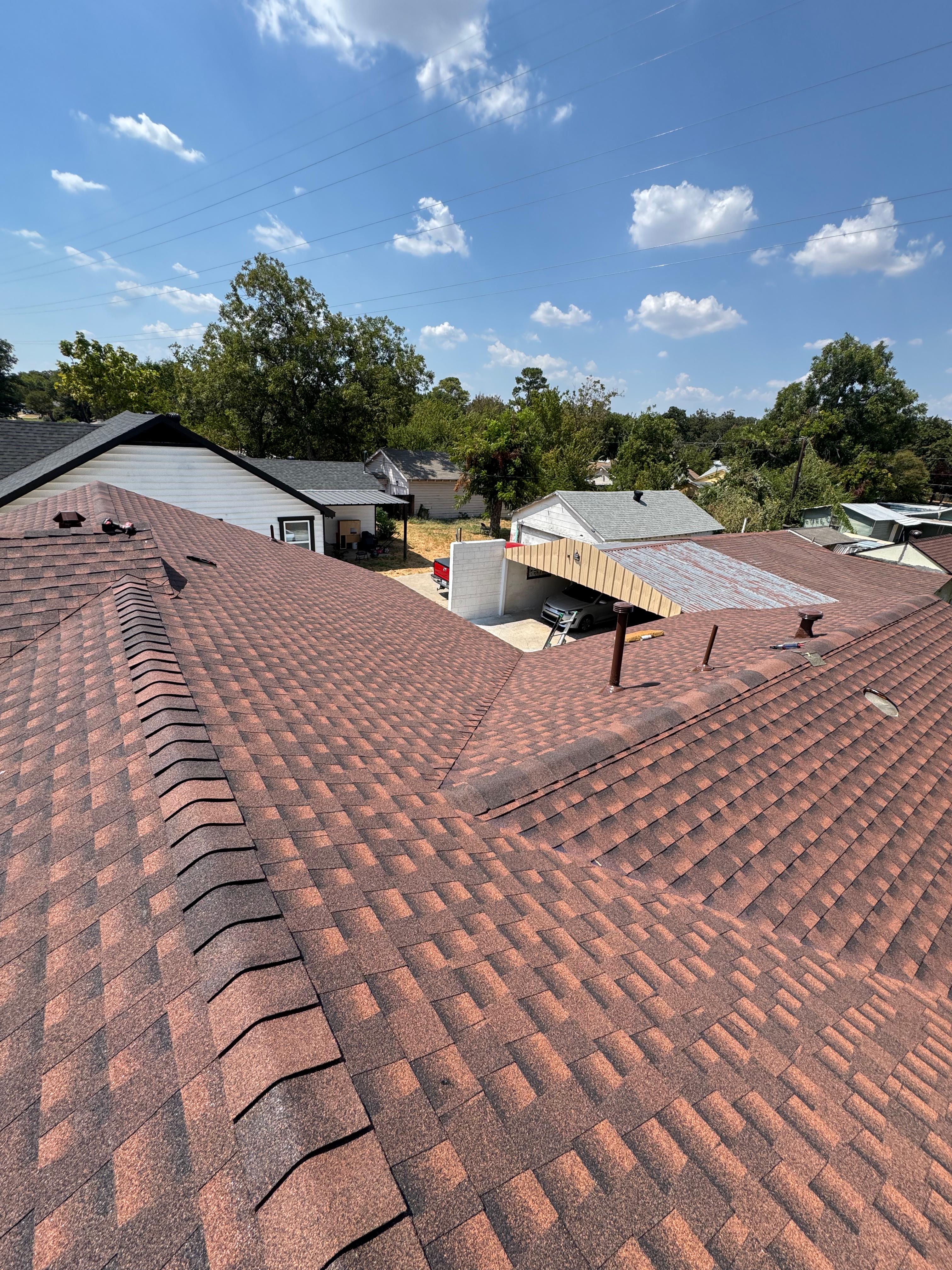
The Unseen Foundation: Why Your Roof's Structure Matters Most
You see the shingles every day, don't you? They're the part of your roof that faces the Texas sun, the hail, and the wind. But here's the thing most homeowners don't realize: those shingles are just the outermost layer of a complex, multi-component system. Each layer, from the solid wood decking to the very last shingle, has a critical job. And when even one of these layers fails, it's not just a small problem; it can lead to major headaches, costly repairs, and compromise the safety of your entire home. In 2026, with the unpredictable North Texas weather we've been seeing, understanding this system is more important than ever for DFW homeowners.
Think of your roof not as a single product, but as a carefully engineered shield. It's designed to work together, with each component supporting the others. If you're in Plano, Frisco, or anywhere in the DFW metroplex, you know we get it all – scorching heat, torrential downpours, and the occasional severe storm. Your roof has to stand up to all of it. When we're out inspecting a home in Arlington or Fort Worth, or even after a big storm rolls through Garland, we're not just looking at the shingles. We're assessing the entire system, because that's where true protection lies.
This perception is understandable, but it's also a bit like saying the paint is the most important part of a car. It's what you see, but without the frame, engine, and all the other intricate parts, it's just a shell. Your roof is no different. A failing layer underneath those visible shingles can lead to leaks, mold, rot, and a host of other issues that can quickly become expensive nightmares. Today, we're going to break down each of these essential layers so you can understand exactly what's protecting your home and why quality installation matters so much.
Layer 1: The Sheathing/Decking – The Solid Base of Your Protection
This is where it all starts. The roof decking, often called sheathing, is the structural foundation of your roof. Typically made from large sheets of plywood or oriented strand board (OSB), it's nailed directly to the rafters or trusses of your home. Its primary job is to provide a solid, stable surface for the rest of the roofing materials to be attached to. Without this strong base, the entire roofing system would be unstable and unable to bear weight, like snow (though less common here in DFW, it's still a factor in structural integrity) or the weight of workers during installation or repairs.
Beyond just being a base, the decking also plays a crucial role in transferring wind and snow loads to the structural framing of your house. It's the skeleton that holds everything else in place. When we're doing a full roof replacement in the Dallas area, especially after a significant storm event, inspecting the decking is paramount. If we find any signs of rot, water damage, or delamination – which can happen if water has gotten past other layers over time – we absolutely recommend replacing it. Installing new shingles over compromised decking is like building a new house on a shaky foundation; it’s a recipe for future problems.
The quality and condition of your roof decking directly impact the lifespan and performance of your entire roof. It's the unsung hero that nobody sees, but its integrity is non-negotiable for a truly robust roofing system. For homeowners in Fort Worth and surrounding suburbs, ensuring this base is sound is the first step in long-term roof protection.
Layer 2: The Underlayment – Your Roof's First Line of Defense Against Water
Sitting directly on top of the roof decking is the underlayment. This is a crucial water-resistant barrier, usually made from asphalt-saturated felt or a synthetic material. Its primary job is to provide a secondary layer of protection against moisture that might find its way through or under the shingles. Think of it as a raincoat for your roof deck.
There are a few types of underlayment commonly used today. Traditional asphalt-saturated felt (often called 15-pound or 30-pound felt) has been around for decades. However, synthetic underlayments are becoming increasingly popular, and for good reason. They are lighter, stronger, more resistant to tearing, and offer superior water protection. Many synthetics also have a slip-resistant surface, making them safer for roofers to walk on during installation, which is a big plus for us when we're working on a steep roof in Dallas.
Key Insight:
Modern building codes, especially in areas prone to severe weather like DFW, often mandate specific types of underlayment or require enhanced protection in vulnerable areas, like valleys or eaves. This is why it's essential to work with a qualified DFW roofing contractor who stays up-to-date on these requirements.
The underlayment acts as a critical buffer. If a strong wind blows shingles loose, or if hail creates a small puncture, the underlayment is the next line of defense preventing water from reaching the decking and, ultimately, the interior of your home. In the hot Texas climate, underlayment also helps to reflect some solar heat, contributing to your home's overall energy efficiency. For homeowners in areas like Rowlett or Mesquite, where storms can be intense, this layer is non-negotiable.
How to Get This Done
DIY Inspection: While you can't see the underlayment without removing shingles, you can look for signs of water damage on your decking from the attic. Check for dark stains, mold, or soft spots. If you suspect issues, it's time for a professional inspection.
Montesco Roofing Approach: When we perform a roof replacement, we always remove the old roofing materials down to the decking. We then meticulously inspect the decking for any damage and replace it as needed. We then install a high-quality underlayment, either traditional felt or a premium synthetic, depending on the homeowner's needs and the roof's specifications. We ensure it's properly overlapped and sealed to provide maximum protection.
Layer 3: Drip Edge & Flashing – The Guardians of Vulnerable Zones
While the underlayment provides a broad water barrier, drip edge and flashing are specialized components designed to protect the most vulnerable areas of your roof from water intrusion. These are typically made of metal, like aluminum or galvanized steel, and are installed at specific points where water is most likely to collect or run off in an uncontrolled manner.
Drip Edge
Metal flashing installed along the edges of the roof (eaves and rakes).
Job: Directs water away from the fascia and into the gutters, preventing rot and water damage to the roof edge and siding.
Flashing
Metal pieces installed around penetrations and transitions.
Job: Seals gaps where water could enter, such as around chimneys, vents, skylights, and in roof valleys.
In a DFW climate, where we deal with both intense sun that can cause materials to expand and contract, and heavy rains that can drive water under shingles, properly installed drip edge and flashing are critical. Without them, water can seep into the eaves, rot the fascia boards (the boards behind the gutters), and even get into the attic space, leading to mold and structural damage. This is particularly important in areas like Allen or Frisco, where older homes might have outdated or missing flashing.
"Flashing is the unsung hero of a roofing system. It's often overlooked, but its failure is a leading cause of leaks, especially around penetrations."— Roofing Industry Expert, Homebuilding Magazine
Roof valleys, where two roof planes meet, are especially prone to water accumulation. Specialized flashing is installed within the valley to channel this water safely down and away. Similarly, around plumbing vents, attic vents, and chimneys, metal flashing is bent and sealed to create a watertight barrier. When we're on a roof in Fort Worth after a storm, we pay close attention to the condition of the flashing. Damaged, corroded, or improperly installed flashing is often the culprit behind leaks that homeowners might not even realize are happening until significant damage has occurred.
Step 1: Eave Installation
Drip edge is installed under the underlayment on the eaves (bottom edges) to direct water into the gutters.
Step 2: Rake Installation
Drip edge is installed over the underlayment on the rakes (sloping edges) to prevent wind-driven rain from getting underneath.
Step 3: Penetration Flashing
Metal flashing is custom-fit and integrated around chimneys, vents, and skylights, often with a sealant.
Step 4: Valley Flashing
Specialized metal or underlayment is installed in roof valleys to manage large volumes of water.
The integrity of these components is vital for the long-term health of your roof and your home. Investing in quality metal drip edge and proper flashing installation is a small price to pay for preventing much larger, more expensive water damage issues down the road.
Layer 4: Shingles/Covering – The Visible Shield Against the Elements
Now we get to the layer most people think of when they think of a roof: the shingles, or whatever the primary covering material is. For the vast majority of homes in DFW, this means asphalt shingles. These are the visible, protective layer that faces the brunt of the weather. They are designed to shed water, withstand UV rays, and provide a beautiful aesthetic to your home.
Asphalt shingles themselves are a composite product. They have a fiberglass mat base, coated with asphalt, and then topped with mineral granules. These granules are not just for color; they provide UV protection for the asphalt, helping to prevent it from becoming brittle and cracking. The quality and type of shingle can vary significantly. In the DFW area, we often recommend architectural or dimensional shingles over the older, 3-tab styles. Architectural shingles are thicker, have a more varied appearance, and are generally more durable and wind-resistant.
Key Insight:
The lifespan of your shingles can be significantly affected by the DFW climate. Intense UV radiation, extreme temperature fluctuations, and severe storms can all accelerate wear and tear. Choosing shingles with higher wind ratings and better UV resistance is a smart investment for North Texas homeowners.
When a storm hits, shingles are the first line of defense against hail and wind-driven rain. Hail can cause "bruising" or impact marks on shingles, which can compromise their integrity over time, even if they don't immediately crack. High winds can lift shingles, allowing water to get underneath, or even tear them off completely. That's why the quality of the shingle and, crucially, the quality of the installation – how well they are nailed, sealed, and aligned – is so important.
| Feature | Basic 3-Tab Shingles | Architectural/Dimensional Shingles | Premium/Luxury Shingles |
|---|---|---|---|
| Appearance | Flat, uniform look | Textured, dimensional look, mimics wood shake or slate | Deep texture, rich colors, highest aesthetic appeal |
| Durability | Moderate, typically 15-25 years | Good, typically 25-40 years | Excellent, 40-50+ years |
| Wind Resistance | Lower, often rated for 60-70 mph | Higher, often rated for 110-130 mph | Highest, often rated for 130+ mph |
| Cost | Lowest | Mid-range | Highest |
| DFW Suitability | Okay for basic needs, less ideal for severe weather | Recommended for most DFW homes due to weather | Excellent for homeowners seeking maximum longevity and curb appeal |
| Manufacturer Warranty | Standard limited warranty | Extended limited warranty, often with wind coverage | Longest warranties, often with enhanced protection |
At Montesco Roofing, we've seen firsthand how much of a difference choosing the right shingle makes, especially after a severe weather event. We work with top manufacturers like GAF, Owens Corning, and CertainTeed to offer a range of high-quality shingles that can stand up to the demands of the Texas climate. The right shingle, installed correctly, is your home's primary defense.
Layer 5: Ventilation – The Unsung Hero of Roof Longevity
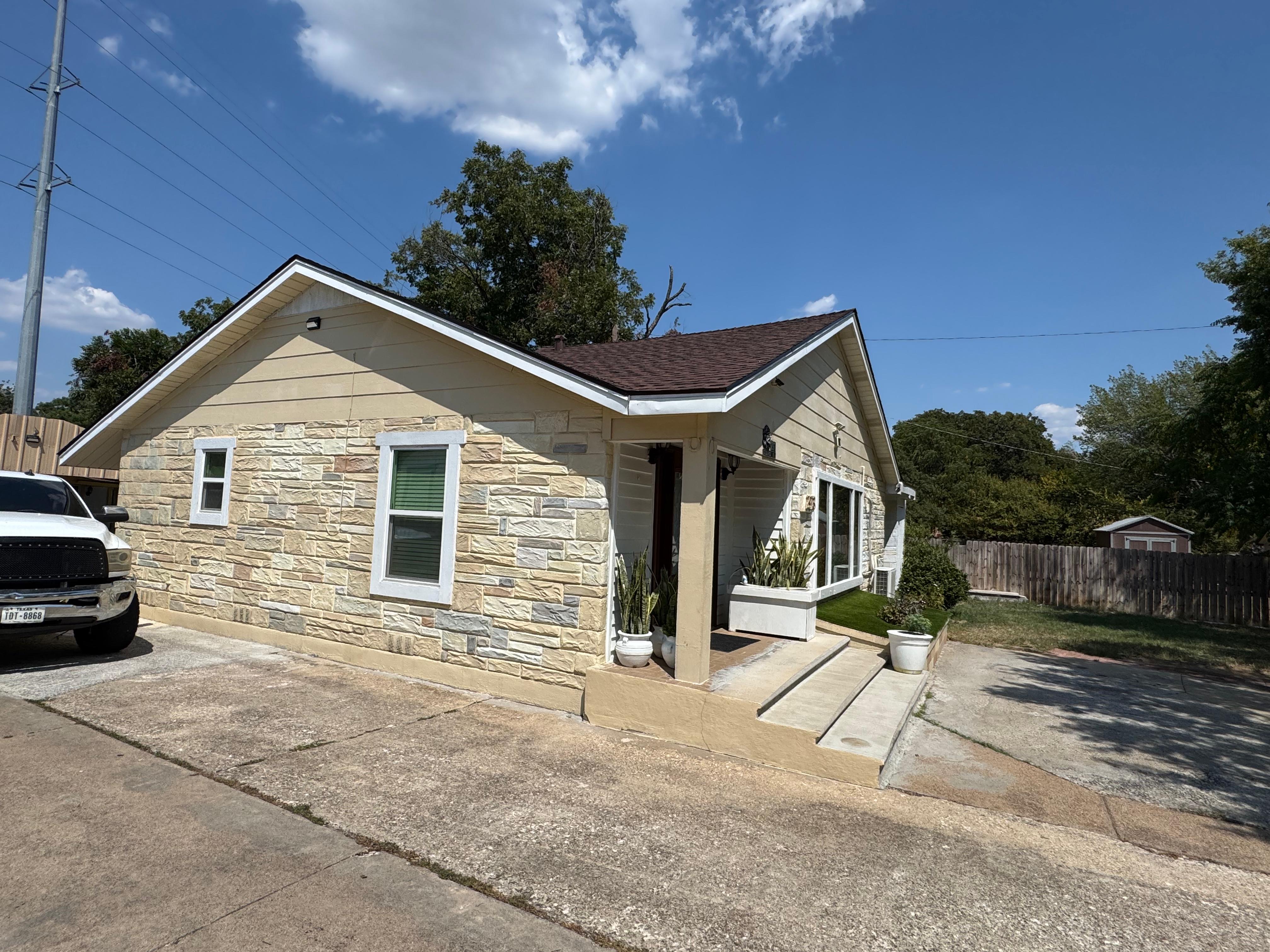

There are typically two main types of ventilation: intake and exhaust. Intake vents, often soffit vents located under the eaves, allow fresh, cooler air to enter the attic. Exhaust vents, such as ridge vents (running along the peak of the roof) or static roof vents, allow hot, moist air to escape. The goal is to create a continuous airflow that pushes out heat in the summer and moisture in the winter.
Why is this so important in DFW? In the summer, attics can reach temperatures well over 150°F. This intense heat bakes the underside of your shingles, accelerating their aging process and reducing their lifespan. Proper ventilation helps to dissipate this heat, keeping the roof deck cooler and extending the life of your shingles by years. In the winter, it helps to vent out moisture that can accumulate from household activities, preventing condensation that can lead to mold, mildew, and rot in the attic structure.
When we're assessing a roof in Dallas or Fort Worth, we always check the ventilation system. We look for blocked vents, insufficient intake or exhaust, and ensure that any insulation hasn't been improperly installed, blocking airflow. A well-ventilated attic is a sign of a well-maintained roof and a more energy-efficient home.
How to Get This Done
DIY Inspection: Check your soffits for obstructions (like insulation or debris) and ensure they are clear. Look at your attic's peak for ridge vents or other exhaust vents and ensure they aren't covered or damaged. You can also feel for airflow in the attic on a moderately warm day.
Montesco Roofing Approach: We conduct thorough ventilation assessments as part of our inspections. If a system is inadequate or damaged, we recommend and install solutions like ridge vents, box vents, or wind turbines, ensuring the proper balance of intake and exhaust for your specific home. We can also advise on proper insulation installation to avoid blocking airflow.
The Montesco Roofing Difference: Crafting a Complete Roof System
As you can see, a roof is far more than just shingles. It's a meticulously designed system where every layer has a specific and vital role. At Montesco Roofing, we don't just replace shingles; we build complete, integrated roofing systems. With over 13 years of experience serving the DFW area, we understand the unique challenges our climate presents – from the intense sun and heat to the sudden, severe storms.
Key Insight:
Our approach is rooted in understanding the interplay between each roofing layer. We don't cut corners. We believe in using high-quality materials, adhering to manufacturer specifications, and employing skilled technicians who understand the science behind a durable roof. This is why we're confident in offering robust warranties on our workmanship.
When you choose Montesco Roofing for a project in Plano, Arlington, or any DFW community, you're not just getting a new roof; you're getting peace of mind. We start by meticulously inspecting your existing roof deck and structure. We then install premium underlayment, ensure proper drip edge and flashing are in place, select the right shingles for your home's needs and aesthetic, and critically, we evaluate and upgrade your attic ventilation if necessary. This holistic approach ensures that your new roof will perform optimally, protect your home effectively, and last for years to come.
"What sets Montesco apart is their commitment to the entire system. They explained why each layer was important, and their crew was meticulous. My new roof looks great and I feel so much more secure."— Satisfied Homeowner, North Dallas
We pride ourselves on being transparent and educational. We want you to understand exactly what's happening with your home's protection. If you're in the DFW area and have questions about your roof's layers, or if you suspect you might have damage from a recent storm, don't hesitate to reach out. We're here to provide honest assessments and lasting solutions.
Common Roof Layer Failures & Their Costly Consequences in DFW
Understanding the individual layers is one thing, but knowing what happens when they fail is crucial for homeowners in DFW. The consequences of a compromised roof system can be severe and expensive, often extending far beyond the initial problem.
Here's a breakdown of common failures and their ripple effects:
Decking Failure
Cause: Rot from persistent leaks, insect damage, or age.
Consequence: Loss of structural integrity, leading to sagging rooflines, potential collapse under weight, and inability to securely fasten new roofing materials. Requires complete tear-off and replacement of decking.
Underlayment Breach
Cause: Punctures from hail, tears during installation, or age-related degradation.
Consequence: Water penetrates to the decking, causing rot and mold. Can lead to interior water damage if decking is compromised.
Flashing & Drip Edge Issues
Cause: Improper installation, corrosion, wind damage, or age.
Consequence: Water intrusion at roof edges, valleys, chimneys, and vents. Leads to fascia rot, siding damage, and leaks into the attic and living spaces. Often one of the most common leak sources after storms.
Shingle Damage
Cause: Hail impacts, high winds lifting or tearing, UV degradation, improper nailing.
Consequence: Exposed underlayment and decking, leading to leaks. Granule loss can indicate shingle aging and reduced protection. Compromised shingles significantly reduce the roof's ability to shed water.
Poor Ventilation
Cause: Blocked vents, insufficient vent types/quantity, improper insulation installation.
Consequence: Heat and moisture buildup in the attic. Accelerates shingle aging, leads to decking rot, mold growth, and can increase energy costs as your HVAC system struggles.
For DFW homeowners, the financial impact of these failures can be substantial. According to the Insurance Information Institute, the average cost of roof repair after a severe storm can range from $1,000 to $5,000 or more, depending on the extent of the damage. However, if underlying structural damage or widespread water intrusion has occurred due to neglected layers, the costs can easily skyrocket to tens of thousands of dollars, especially if mold remediation or significant interior repairs are needed. This is why proactive maintenance and understanding the full scope of your roofing system are so critical.
Need help putting this into action? Our team has protected hundreds of DFW homes. Tell us about your roof — free inspection, no pressure.
Get Your Free Roof Inspection →FAQ: Your Burning Questions About Roof Layers Answered
Frequently Asked Questions
What is the most important layer of my roof?
It's impossible to name just one "most important" layer because they all work together. However, the decking provides the structural foundation, and the underlayment and flashing are your primary defenses against water intrusion. Without any one of them performing its job, the entire system is compromised.
How often should I inspect my roof layers?
We recommend a professional inspection at least twice a year, especially in the spring and fall, and after any severe weather event. You can also do visual checks from the ground periodically. Pay attention to your attic for signs of leaks.
Can I just replace shingles without checking the layers underneath?
While it might seem like a cost-saving measure, it's generally not recommended, especially if your roof is older or has experienced leaks. Installing new shingles over damaged decking or without proper underlayment is a shortcut that often leads to premature failure and more expensive repairs later. A reputable DFW roofing contractor will always inspect the underlying layers.
What are synthetic underlayments and why are they better?
Synthetic underlayments are modern alternatives to traditional felt. They are typically made from woven polypropylene or polyester. They are lighter, stronger, more resistant to tearing, and provide superior water resistance compared to felt. They also offer better longevity and safety for installers.
How does attic ventilation affect my shingles?
Proper attic ventilation helps to dissipate heat and moisture. In the summer, it prevents extreme heat buildup that can bake and degrade shingles prematurely. In the winter, it helps vent moisture that can cause rot in the roof deck, which indirectly affects shingle adhesion and integrity.
What's the difference between flashing and drip edge?
Both are metal components designed to manage water, but they serve different purposes. Drip edge is installed along the roof edges (eaves and rakes) to direct water away from the fascia and into gutters. Flashing is installed around penetrations (like chimneys, vents, skylights) and in roof valleys to seal vulnerable areas where water could otherwise seep in.
How do I know if my roof decking needs replacing?
Signs of decking issues include sagging or uneven areas on your roofline, visible rot or mold in your attic, or if your current roof is nearing the end of its lifespan. A professional inspection is the best way to determine the condition of your decking.
Montesco Roofing Team
DFW's trusted roofing contractor with 13+ years of experience. Specializing in roof replacements, storm damage repair, and insurance claims across Dallas-Fort Worth.
Get in touch →