Roof Inspection Guide 2026: DIY Secrets & Pro Insights for DFW Homeowners
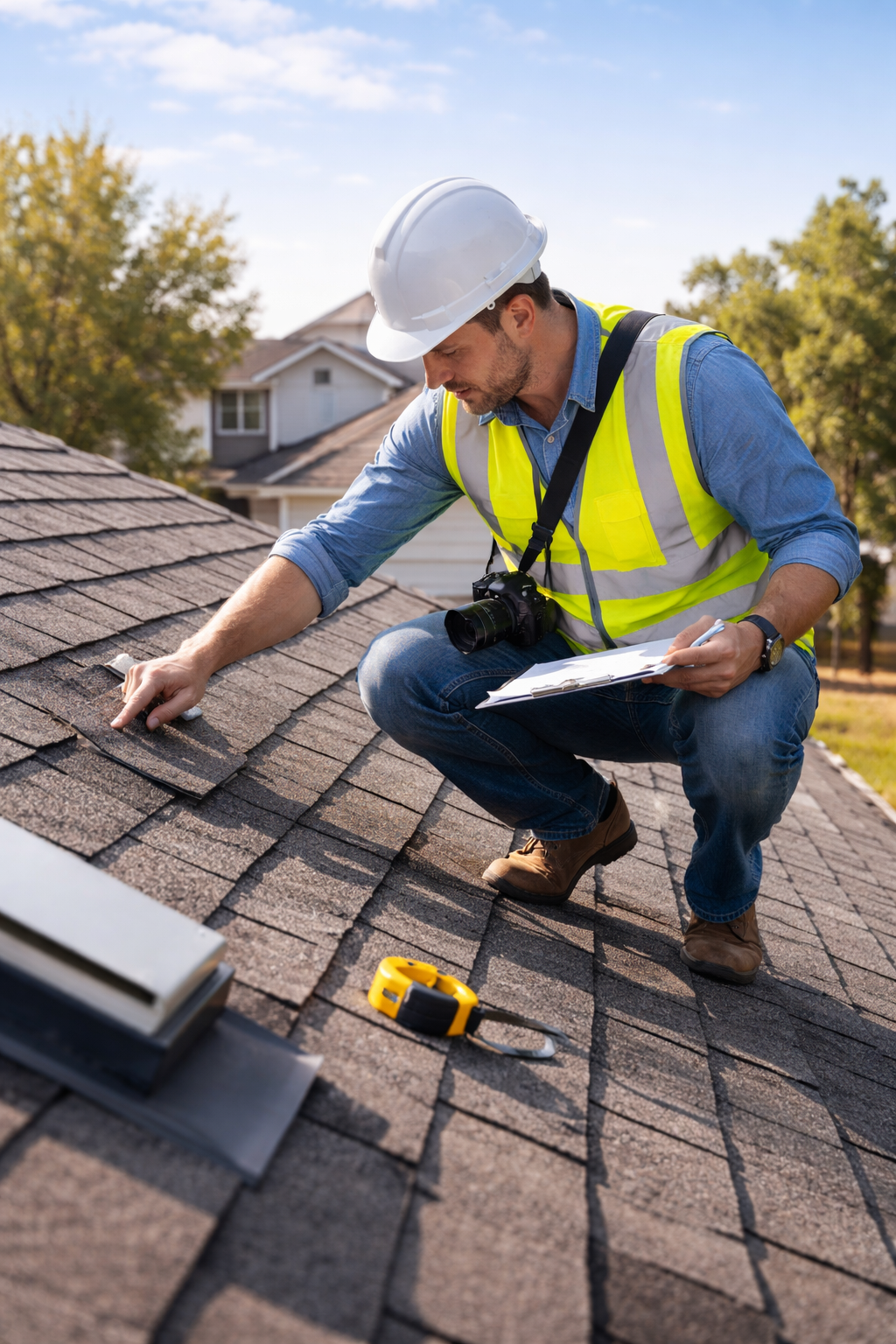
You've probably seen the news reports after a big storm rolls through DFW. Maybe you've even noticed a few missing shingles after a strong gust of wind, or perhaps you're just getting that nagging feeling that your roof, the very shield protecting your family and your biggest investment, might need a closer look. That's not just a roof problem; it's a potential money problem, a safety problem, and a peace-of-mind problem.
Quick Answer: A roof inspection is a crucial process where a qualified professional or homeowner systematically examines your roof system for damage, wear, and potential issues. Regular inspections, especially after severe weather in DFW, help prevent minor problems from becoming costly repairs, extend your roof's lifespan, and ensure your home remains protected. In 2026, understanding what to look for yourself and when to call a pro is key to maintaining your home's integrity.
What is a Roof Inspection and Why is it Crucial for DFW Homes?
At its heart, a roof inspection is a thorough evaluation of your entire roofing system. Think of it like a doctor's check-up for your house, but specifically focused on the most vital component protecting you from the elements: your roof. This isn't just about spotting a few loose shingles; it's about looking at the whole picture – the shingles themselves, the flashing around chimneys and vents, the gutters, the attic space for signs of leaks, and the overall structural integrity.
Here in North Texas, our roofs face a unique set of challenges. We deal with intense summer sun that can bake and crack materials, and then we get hit with unpredictable, powerful hailstorms that can cause significant damage. The wind here can be ferocious, and sometimes, we even see ice and snow, though less frequently. All of these factors take a toll on your roof over time. A professional inspection helps identify weaknesses before they become major failures.
Why is this so critical, especially now in 2026? Because proactive maintenance is always cheaper than reactive repair. Ignoring small issues – like a few granules missing from a shingle or a small area of rust on flashing – can lead to bigger problems like water intrusion, mold growth, and even structural damage that can cost thousands to fix. For DFW homeowners, a well-maintained roof isn't just about curb appeal; it's about safeguarding your investment against our sometimes harsh climate.
Don't wait for a disaster. Think of a roof inspection as preventative medicine for your home. It's far more cost-effective to catch a small issue early than to deal with a major leak or structural damage later.
When Should You Schedule a Roof Inspection in DFW? (The 2026 Checklist)
Knowing when to get your roof checked is just as important as knowing how. For most homes in the DFW area, a good rule of thumb is to schedule a professional inspection at least once a year. However, certain circumstances warrant immediate inspection:
Annual Inspection
A standard check-up, ideally in the spring or fall, to assess wear and tear from the previous season's weather and prepare for the next.
Post-Storm Inspection
Immediately after any significant hailstorm, high wind event, or heavy rain that you suspect might have caused damage. This is crucial for insurance claims.
After Major Work
Following any exterior work on your home, like HVAC installation or solar panel mounting, to ensure no new damage was introduced.
Selling or Buying a Home
A professional inspection is standard practice during real estate transactions to identify any hidden issues for the buyer or seller.
Signs of Age
If your roof is approaching or has exceeded its expected lifespan (typically 15-30 years depending on material), more frequent checks are wise.
In 2026, with fluctuating weather patterns and an ever-vigilant insurance industry, being proactive is your best strategy. A timely inspection after a storm can be the difference between a covered repair and an out-of-pocket expense. For homeowners in areas like Frisco, Plano, or Fort Worth, where storm activity can be intense, this is especially true. We've seen too many cases where homeowners waited too long, and minor hail damage turned into significant leaks because the initial signs were missed.
Waiting until you see water stains on your ceiling is often too late. By then, water has likely been seeping into your attic insulation and potentially compromising your roof decking and rafters for some time. Early detection is key.
DIY Roof Inspection: A Step-by-Step Checklist for Homeowners
While a professional inspection is highly recommended, you can certainly perform a valuable DIY roof inspection to identify potential issues. Safety is paramount here, so always exercise caution, especially if you're not comfortable on a ladder or with heights. If at any point you feel unsafe, stop and call a professional.
Step 1: Ground Level Assessment
Walk around your house, looking up at the roof from different angles. Are there any obvious signs of damage like missing, cracked, curled, or warped shingles? Look for sagging areas, which could indicate structural problems. Check if your gutters are clear of debris and securely attached. Also, look for granules in the downspouts – this indicates your shingles are wearing out.
Step 2: Attic Inspection
Head into your attic on a sunny day. With a flashlight, look for any signs of daylight peeking through the roof deck. This is a clear indicator of a leak. Also, look for water stains, mold, or mildew on the underside of the roof sheathing and on your insulation. Check for damp or sagging insulation, which can be a sign of moisture intrusion.
Step 3: Gutter and Downspout Check
Clean out your gutters of leaves and debris. While doing this, check for any signs of rust or damage to the gutters themselves. Ensure downspouts are directing water away from your foundation. Clogged gutters can cause water to back up under your shingles.
Step 4: Chimney and Vent Inspection
Examine the flashing around your chimney, plumbing vents, and any skylights. Flashing is the metal material used to seal joints and prevent water from entering. Look for signs of rust, cracks, or loose sections. These are common points where leaks can start.
Step 5: Document Your Findings
Take clear photos or videos of anything you find that seems concerning. Note the date and time. This documentation is invaluable if you decide to call a professional or file an insurance claim.
Remember, this DIY inspection is a great starting point, but it's not a substitute for a professional evaluation. You might miss subtle signs that an experienced eye would catch.
How to Get This Done
If you want to handle this yourself, here's exactly what you need: a sturdy ladder, a flashlight, gloves, a camera, and a willingness to be safe. If you'd rather have experienced roofers handle it, our team at Montesco Roofing has done this on hundreds of DFW homes — here's how our process works: We start with a detailed ground-up inspection, then safely ascend to the roof to examine every component, including flashing, vents, and shingle integrity. We'll also check your attic for any signs of water intrusion and provide a comprehensive report with photos and recommendations.
What Professional DFW Roof Inspectors Look For: A Deep Dive
A seasoned roofing professional brings a level of expertise and specialized knowledge to an inspection that goes beyond what most homeowners can achieve. We're trained to spot issues that might seem minor but can have significant long-term consequences. Here’s a more in-depth look at what we examine:
Key Insight
Professional inspectors don't just look for obvious damage; they assess the overall health and longevity of your roof system. This includes checking for proper ventilation, which is critical for preventing heat buildup and moisture issues in the attic, especially important in the Texas heat.
- Shingle Condition: We look beyond just cracks. We examine for granule loss (a sign of wear), cupping or curling (indicating age or heat damage), blistering (often from moisture trapped in the shingle), and evidence of moss or algae growth, which can degrade shingles over time.
- Flashing Integrity: This is a major leak point. We meticulously inspect flashing around chimneys, vents, skylights, and valleys. We check for proper installation, signs of rust, tears, or separation from the roof deck.
- Roof Decking: While often hidden, we can sometimes identify soft spots or sagging from the exterior or from inside the attic. This can indicate rot or structural compromise.
- Ventilation: Proper attic ventilation is crucial for regulating temperature and moisture. We check that soffit vents, ridge vents, and other ventilation systems are clear, functional, and adequately installed. Poor ventilation can lead to premature roof failure and increased energy costs.
- Gutters and Downspouts: We ensure they are clean, free of leaks, and properly sloped to direct water away from the foundation. We also check for any sagging or detached sections.
- Hail and Wind Damage: We're trained to identify the subtle but distinct marks left by hail (dents, bruises) and wind (uplifted shingles, torn edges). This is vital for insurance claims.
- Sealants and Caulking: We inspect the condition of sealants around penetrations and seams. Old or cracked sealant can allow water to seep in.
- Moss and Algae: While common in humid climates, excessive growth can trap moisture and damage shingles. We assess the severity and recommend appropriate cleaning or treatment.
Our goal is to provide a comprehensive assessment that gives you a clear picture of your roof's current condition and any potential future issues.
Common Roof Problems & Their Warning Signs in Texas Climates
The DFW climate, with its extremes, presents specific challenges that lead to common roofing problems. Understanding these issues and their signs can help you spot them early:
Missing or Damaged Shingles
Signs: Visible gaps on the roof, shingles found in the yard after storms. Can lead to immediate water intrusion.
Granule Loss
Signs: Granules in gutters or downspouts, bald spots on shingles. Indicates shingles are wearing out and losing their protective layer.
Curling or Cupping Shingles
Signs: Shingle edges lift upwards or curl. Often caused by heat and moisture, leading to susceptibility to wind uplift.
Cracked or Brittle Shingles
Signs: Shingles appear dry, brittle, and develop cracks. Can be a result of extreme temperature fluctuations or age.
Leaking Flashing
Signs: Water stains on ceilings or walls, particularly around chimneys, vents, or skylights. Rust or gaps in the metal flashing.
Sagging Roof Deck
Signs: Visible dips or sags in the roofline. Can indicate water damage, rot, or structural failure. Requires immediate attention.
In Texas, the intense UV rays can accelerate shingle degradation, while sudden temperature shifts can cause expansion and contraction, leading to cracks. Hailstorms are a major culprit for granule loss and impact damage that may not be immediately obvious but can lead to leaks down the line. Proper ventilation is also key; without it, heat can build up in the attic, causing shingles to deteriorate faster and increasing energy bills.
Understanding Your Roof Inspection Report: What It Means for You

After a professional inspection, you'll typically receive a roof inspection report. This document is your roadmap to understanding your roof's condition. It's not just a list of problems; it's an explanation of what was found, why it's a concern, and what your options are.
"A good roof inspection report should be clear, concise, and backed by photographic evidence. It should empower the homeowner to make informed decisions about repairs or replacement."— Industry Standard Best Practice
Here’s what you can expect and how to interpret it:
- Summary: Often, a report begins with a summary of the overall condition – excellent, good, fair, or poor.
- Detailed Findings: This section will break down issues by component (shingles, flashing, gutters, etc.). You'll see descriptions of damage, severity, and location.
- Photographic Evidence: High-quality reports include photos of the issues identified, making it easier to visualize the problems.
- Recommendations: This is crucial. The inspector will recommend specific actions – immediate repairs, preventative maintenance, or a full roof replacement. They might also suggest further investigation by another specialist if needed.
- Lifespan Estimation: For roofs showing wear, the report might provide an estimate of remaining lifespan.
- Code Compliance: A thorough report will note if any aspects of your current roofing system are not up to current building codes.
Don't hesitate to ask your roofing contractor to clarify anything you don't understand. A reputable contractor will be happy to walk you through the report and answer all your questions. This is where you can really see the value of hiring an experienced roofing contractor in DFW.
The True Cost of a Roof Inspection in DFW (2026 Pricing & Value)
The cost of a roof inspection in the Dallas-Fort Worth area can vary. For a standard inspection by a reputable roofing company in 2026, you can generally expect to pay anywhere from $150 to $400. However, this price is highly dependent on several factors:
| Factor | Impact on Cost | Typical Range (2026 DFW) |
|---|---|---|
| Contractor Experience & Reputation | Highly experienced, certified inspectors with strong reputations may charge more. | $200 - $400 |
| Scope of Inspection | A basic visual inspection is less expensive than a comprehensive one including attic and detailed report generation. | $150 - $300 |
| Roof Size & Complexity | Larger, multi-story, or complex roof designs (multiple gables, dormers) require more time and effort. | $250 - $450+ |
| Location within DFW | Some areas may have slightly higher labor costs. | Varies slightly by city (e.g., Dallas, Fort Worth, Plano) |
| Additional Services | If the inspection includes detailed drone footage or thermal imaging, costs will increase. | $300 - $500+ |
| Purpose of Inspection | Inspections for real estate transactions or insurance claims might have specific requirements that affect pricing. | $200 - $400 |
It's important to note that many reputable roofing contractors, like Montesco Roofing, offer free roof inspections, especially for homeowners who suspect they might have storm damage or are considering a replacement. This is often a strategic decision; they'd rather invest a little time upfront to build trust and demonstrate their expertise. When a contractor offers a free inspection, it's usually part of their sales process, aiming to identify potential work.
Be wary of contractors who offer "free inspections" but then pressure you into immediate, expensive repairs without providing a detailed, itemized report. Always ensure you understand what's included in any inspection, free or paid.
The true value of a roof inspection isn't just the price you pay; it's the long-term savings it provides. Identifying a small leak early can prevent thousands of dollars in water damage, mold remediation, and structural repairs. It also helps you budget for future needs, like a roof replacement, rather than being blindsided by an emergency expense.
Roof Inspections for Home Purchases & Insurance Claims in 2026
The role of a roof inspection becomes even more critical in specific scenarios, particularly when buying a home or dealing with insurance claims.
For Home Purchases: When buying a home in DFW, a roof inspection is non-negotiable. It's typically part of the overall home inspection process, but sometimes a specialized roofing inspection is warranted, especially if the roof appears older or the seller hasn't provided recent inspection records. A clean bill of health can give you confidence, while identifying issues allows you to negotiate the price or request repairs from the seller. It protects you from inheriting costly problems.
For Insurance Claims: Following a storm, a detailed roof inspection is the first step in filing an insurance claim. A professional inspector can identify subtle hail or wind damage that might be missed by a quick visual assessment. This report, complete with photos and detailed notes, serves as crucial evidence for your insurance adjuster. It helps ensure you receive fair compensation for all necessary repairs or a full roof replacement. In Texas, insurance companies often send adjusters who might focus on the most obvious damage. Having your own independent, professional assessment from a DFW roofing contractor is your best defense against underpayment.
Remember, the insurance industry is complex. Understanding your policy and having documentation from a trusted local roofer is essential for a smooth claims process. We’ve helped hundreds of DFW homeowners navigate these claims, ensuring they get the coverage they deserve.
How Montesco Roofing Ensures Your Peace of Mind with Inspections
Here at Montesco Roofing, we understand that your roof is more than just shingles and tar; it's the guardian of your home and family. With over 13 years of dedicated service in the DFW area, we've seen it all – from the aftermath of devastating hailstorms to the slow, creeping damage caused by relentless Texas sun.
Our Commitment
We treat every home like our own. That means we're not just inspecting your roof; we're assessing the entire system that protects you. Our goal is to provide you with honest, expert advice, not a sales pitch. We want you to feel confident and secure, knowing exactly what condition your roof is in.
When you schedule an inspection with us, you're getting more than just a quick look. You're getting the benefit of our extensive experience. We use a methodical approach:
- Thorough Ground Assessment: We start by examining your roof from the ground, looking for obvious signs of damage and wear.
- Safe Roof Access: Our trained technicians will safely ascend to your roof, equipped with the right tools and safety gear.
- Detailed Component Check: We meticulously inspect shingles, flashing, vents, valleys, gutters, and any penetrations. We’re looking for everything from granule loss to compromised seals.
- Attic Inspection: We'll check your attic for any signs of water intrusion, mold, or inadequate ventilation.
- Comprehensive Report: You'll receive a detailed report with clear explanations and photographic evidence of our findings.
- No-Pressure Recommendations: We'll discuss your options, whether it's a minor repair, routine maintenance, or a full replacement, and answer all your questions honestly.
We believe in transparency and education. Our inspections are designed to empower you with the knowledge you need to make the best decisions for your home. Whether you're in Arlington, Garland, or Mesquite, our commitment to quality and integrity remains the same.
Need help putting this into action? Our team has protected hundreds of DFW homes. Tell us about your roof — free inspection, no pressure.
Get Your Free Roof Inspection →Frequently Asked Questions About Roof Inspections
How often should I get my roof inspected in DFW?
Can I do a roof inspection myself?
What is the average cost of a roof inspection in DFW in 2026?
What should I look for during a DIY roof inspection?
Do I need a roof inspection before buying a house?
How does a roof inspection help with insurance claims?
What if my roof inspection report recommends a full replacement?
Montesco Roofing Team
DFW's trusted roofing contractor with 13+ years of experience. Specializing in roof replacements, storm damage repair, and insurance claims across Dallas-Fort Worth.
Get in touch →