How Long Can a House Really Go Without a Roof Inspection? The 12-Month Reality Check 2026
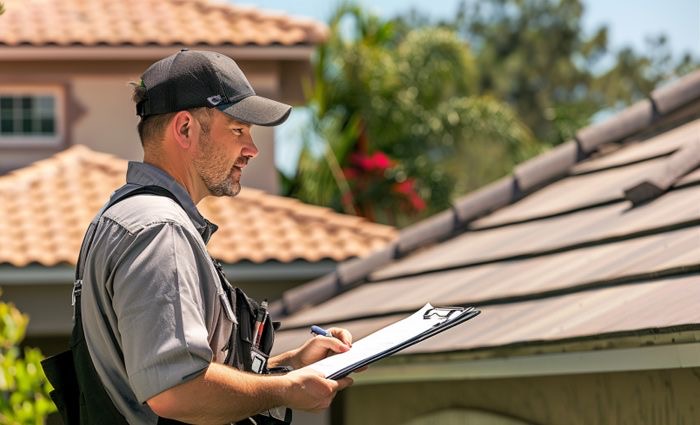
The 12-Month Rule: Why Annual Roof Inspections Are Non-Negotiable for DFW Homes
You just noticed a small water stain on your ceiling after that last North Texas downpour, and suddenly, the thought of your roof pops into your head. It’s easy to push it aside, right? After all, it’s just… there. Doing its job. But here in DFW, where we see everything from scorching heatwaves to sudden, violent hailstorms, that “just there” roof is constantly under siege. The truth is, you can’t afford to wonder “how long can a house really go without a roof inspection?” The answer, for peace of mind and your wallet, is no more than 12 months. For many of us here in the Dallas-Fort Worth metroplex, especially after a significant weather event, that timeframe shrinks considerably. I’ve been on roofs across Plano, Frisco, and Fort Worth for over 13 years, and I can tell you firsthand: a proactive inspection is the single best investment you can make in your home’s long-term health.
Think of it like a regular check-up with your doctor. You wouldn’t wait until you’re seriously ill to see a physician? Your roof is the primary shield protecting everything you own and love from the elements. Ignoring its needs is like ignoring a persistent cough; it might seem minor now, but it can snowball into something far more serious and expensive down the line. Here in Texas, our climate is particularly brutal on roofing materials. That’s why the 12-month rule isn't just a suggestion; it's a crucial maintenance schedule to prevent small problems from becoming catastrophic failures. We've seen it time and again: a few loose shingles overlooked, a tiny crack in a vent boot ignored, and suddenly, water is working its way into the structure, causing rot, mold, and escalating repair bills.
This isn't about fear-mongering; it's about practical, seasoned advice from someone who sees the consequences of neglect every single day. When you invest in a quality roof, you expect it to last. But that longevity isn't automatic. It requires consistent care, and that care starts with a professional inspection. It’s about catching issues when they’re small, manageable, and affordable – not when they’ve compromised your home’s integrity.
Beyond the Obvious: 7 Hidden Dangers of Skipping Your DFW Roof Inspection
Most homeowners associate roof inspections with finding leaks. And yes, that's a big part of it. But the dangers of skipping your annual inspection go much, much deeper. They can impact your home's structural integrity, your family's health, and even your financial stability. Here are seven hidden dangers you might not be considering:
1. Compromised Insulation & Energy Loss
Loose or damaged shingles can allow moisture to seep into your attic, degrading your insulation. This means your HVAC system works harder, driving up your energy bills significantly in our DFW heat. You're essentially paying to cool the outside air.
2. Structural Wood Rot
Water that gets past the shingles and underlayment can start to rot the wooden decking (plywood or OSB) beneath. This rot spreads silently, weakening the very foundation of your roof structure. Eventually, it can lead to sagging or, in severe cases, a partial roof collapse.
3. Mold and Mildew Growth
Attics are prime real estate for mold and mildew when moisture levels rise. This isn't just unsightly; it's a serious health hazard. Mold spores can spread throughout your home, triggering allergies, asthma, and other respiratory issues for your family.
4. Pest Infestations
Damaged roofing provides easy entry points for rodents, insects, and other pests. They can nest in your insulation, chew through wiring, and cause all sorts of damage that’s difficult and expensive to remediate.
5. Voided Manufacturer Warranties
Most roofing manufacturers require regular maintenance, including professional inspections, to keep their warranties valid. Skipping inspections can mean that when a major issue arises, your warranty is useless, leaving you to foot the entire bill.
6. Decreased Home Value
A neglected roof is a major red flag for potential buyers. It signals deferred maintenance and can significantly lower your home's appraisal value, costing you thousands when it's time to sell.
7. Escalating Repair Costs
This is the big one. A small leak might cost a few hundred dollars to fix. But if that leak has been ignored for months, it can lead to damaged drywall, rotted rafters, mold remediation, and a full roof replacement, costing tens of thousands.
Many homeowners mistakenly believe that if they don't see an obvious leak, their roof is fine. However, damage from hail, wind, or even just UV exposure can create micro-cracks and wear that aren't immediately visible from the ground or even the attic. These small issues are precisely what annual professional inspections are designed to catch.
DFW Climate: How Texas Heat and Storms Accelerate Roof Wear
Living in DFW means we experience some of the most extreme weather patterns in the country. This dynamic climate is incredibly tough on roofing materials, and it's why you absolutely cannot treat your roof like it’s invincible. The constant barrage of environmental stressors can significantly shorten its lifespan if not properly managed.
The DFW Weather Gauntlet
Our region is a perfect storm (literally!) for roofing challenges. We face:
- Intense UV Exposure: The relentless Texas sun beats down, drying out asphalt shingles, causing them to become brittle and prone to cracking. Granules that protect the asphalt can also loosen over time due to heat and UV rays.
- Extreme Temperature Fluctuations: The rapid shifts from hot days to cold nights (and vice-versa) cause materials to expand and contract, leading to stress fractures and loosening of fasteners.
- Severe Thunderstorms: DFW is notorious for its powerful thunderstorms, which often bring:
- Hail: Hailstones, regardless of size, can bruise shingles, crack them, or knock off protective granules, exposing the asphalt underneath to further degradation. Even "small" hail can cause significant subsurface damage that isn't immediately apparent.
- High Winds: Straight-line winds and microbursts can lift shingles, tear them off, or damage flashing around vents and chimneys, creating immediate entry points for water.
- Humidity and Heavy Rain: While not as prevalent as in coastal areas, periods of high humidity and heavy rainfall can contribute to moisture buildup in attics and around penetrations, exacerbating rot and mold issues.
Given this onslaught, it's no wonder that roofs here in North Texas often have a shorter lifespan than in more temperate climates. A roof that might last 25-30 years in a milder region could struggle to reach 20 years in DFW without diligent care. This is precisely why a yearly inspection isn't just a good idea; it's a necessity. It allows us to identify wear and tear caused by these specific DFW elements and address them before they become major structural problems. For example, after a significant hail event, even if you don't see obvious holes, we'll be looking for bruising and granule loss that indicate future failure points. A visual check from the ground often misses this critical damage.
Don't wait for a visible sign of damage. The most critical damage from hail or high winds is often subsurface. That's why scheduling an inspection with a qualified DFW roofing contractor after any major storm is so important, even if your house looks fine from the street.
We’ve seen homes in neighborhoods like Rowlett and Garland that have had to replace roofs much sooner than expected simply because the cumulative effects of these weather patterns weren't addressed early. The sun bakes the shingles, the wind tears at loose edges, and then a hail storm comes through and breaks what’s already weakened. It’s a domino effect, and an annual inspection is the best way to break that chain.
DIY vs. Professional Roof Inspections: What You Can (and Can't) See
It’s tempting to think you can just hop up on a ladder and give your roof a once-over yourself. And honestly, for a quick visual check, it’s better than nothing. But it’s crucial to understand the limitations of a DIY inspection, especially in a complex DFW environment. There’s a world of difference between a homeowner’s glance and a seasoned roofer’s detailed assessment.
DIY Inspection (Homeowner)
Pros: Free, immediate, identifies obvious issues (large missing shingles, obvious leaks).
Cons: Safety risks (falls), limited access (usually ground-level or brief ladder checks), lack of expertise to identify subtle damage (hail bruising, underlying rot, improper flashing), can miss crucial signs of wear, may not be sufficient for insurance claims or warranty validation.
Professional Inspection (Montesco Roofing)
Pros: Safety assured (trained professionals, proper equipment), thorough examination of all roof components (shingles, flashing, vents, gutters, chimney), identification of subtle damage (hail, wind, wear), expert knowledge of building codes and material lifecycles, proper documentation for insurance/warranty, peace of mind.
Cons: Cost (though often minimal for a basic inspection, and many contractors offer free ones), requires scheduling.
When I inspect a roof, I'm not just looking for a hole. I'm examining the granule adhesion on your shingles – that's the protective layer that prevents UV damage. I'm checking the condition of your flashing around chimneys, vents, and valleys; this is where most leaks start. I’m looking for signs of nail pops, which can create small but persistent leaks, and checking the age and condition of your vent boots, which degrade over time. I also assess your gutter system for granule buildup, indicating shingle wear, and check for proper ventilation in your attic, which is critical for preventing moisture issues.
How to Get This Done
If you want to handle a basic visual check yourself, here's exactly what you need: binoculars for ground-level assessment, a sturdy ladder (used safely!), gloves, and a notepad. Look for missing shingles, curling edges, damaged flashing, and granule buildup in gutters. If you'd rather have experienced roofers handle it, our team at Montesco Roofing has performed thousands of inspections on DFW homes — here's how our professional process works: We conduct a thorough on-site inspection, document findings with photos and detailed notes, provide a clear explanation of your roof's condition, and offer expert recommendations without pressure.
A DIY inspection might tell you, "Hey, a shingle looks loose." A professional inspection will tell you, "This shingle is loose because the seal strip has failed due to excessive heat, and the underlayment beneath is showing signs of UV degradation, which means it's likely compromised and will fail within the next 6-12 months if not addressed. We recommend replacing this section and inspecting the surrounding area for similar wear." See the difference? It's about understanding the "why" and the "what next." For anything beyond a superficial check, especially in our challenging DFW climate, a professional is indispensable.
The Cost of Neglect: How Deferred Maintenance Turns Small Issues into Big Bills
This is where the rubber meets the road, or rather, where the water meets your living room. The decision to skip a roof inspection, or to put off minor repairs, almost always ends up costing homeowners significantly more in the long run. It's a classic case of "pay a little now, or pay a lot later."
Let’s break down a common scenario here in DFW. Say a small hail storm passes through. You might not see any obvious damage from your driveway. But a professional inspection – the kind we do at Montesco Roofing – might reveal that a few shingles have been bruised, and some granules have been knocked off. Individually, these are minor issues. If addressed promptly, a simple repair might cost a few hundred dollars to replace a few shingles and ensure the underlying felt is intact.
Many insurance policies have a timeframe for reporting storm damage. If you wait too long to get an inspection after a storm and then discover significant damage, your insurance company might deny the claim because it's no longer considered "new" damage. Prompt inspection is key for insurance purposes too.
Now, what happens if you skip that inspection? The bruised shingles continue to be exposed to the sun and wind. The missing granules mean the asphalt beneath is directly hit by UV rays, accelerating its breakdown. Water finds its way into tiny cracks, freezes and expands in colder months (yes, we get those too!), and widens the damage. Eventually, that small bruise turns into a crack, then a hole. Water starts seeping through the underlayment and onto the roof deck. This is when you see the ceiling stain. But by this point, the damage isn't just to a few shingles. The plywood decking beneath could be rotting, and moisture might have already entered your attic insulation. The repair bill that was once a few hundred dollars can easily jump to several thousand for structural repairs and mold remediation, not to mention the cost of a partial or full roof replacement.
It’s a painful lesson many homeowners in DFW learn the hard way. The annual inspection is your insurance policy against these escalating costs. It’s about being proactive, not reactive. By investing a small amount of time and money into regular checks, you’re safeguarding your home and your finances from the devastating impact of deferred maintenance.
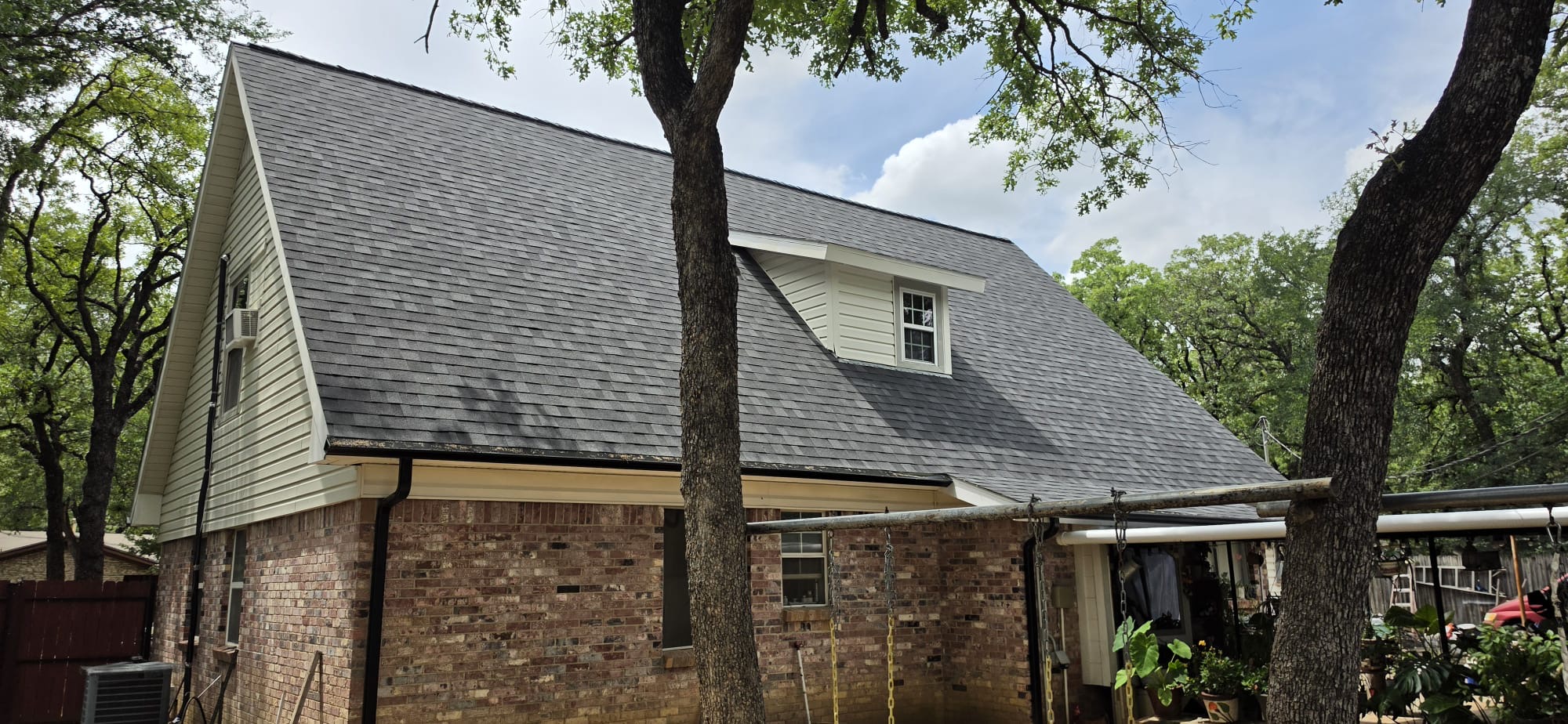
What a Professional DFW Roof Inspection Uncovers in 2026
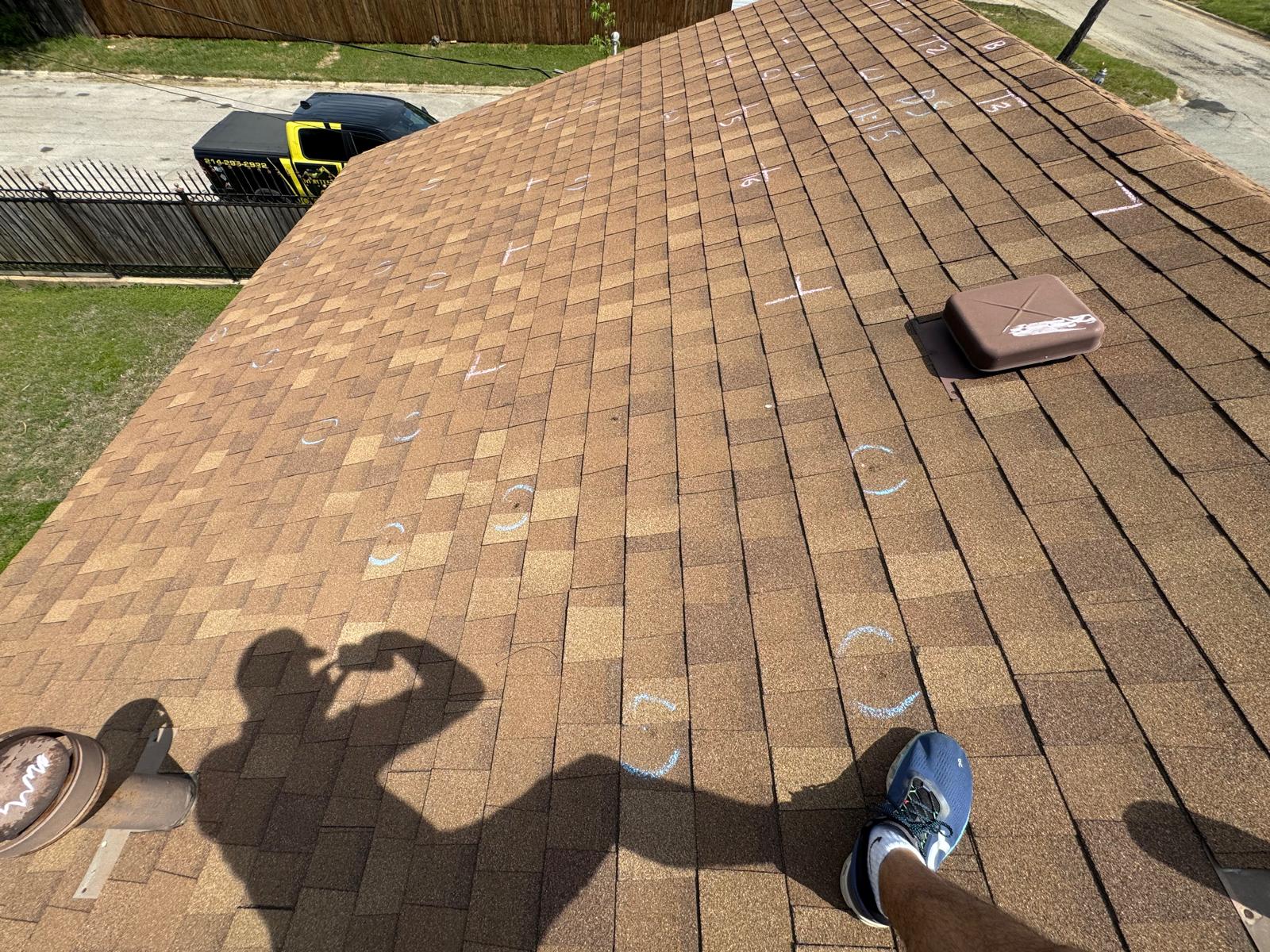
When you schedule a professional roof inspection with a reputable contractor like Montesco Roofing, you're not just getting someone to look around. You're getting an expert assessment that covers every critical aspect of your roof's health. We go beyond what the eye can easily see, using our experience and knowledge to identify potential problems before they manifest into costly repairs.
The Montesco Difference
Our inspections are designed to be thorough and transparent. We prioritize educating homeowners about their roof's condition, empowering them to make informed decisions. We understand that your roof is a significant investment, and our goal is to help you protect it.
Here’s a glimpse of what we meticulously examine during a DFW roof inspection in 2026:
Shingle Integrity
We check for curling, cracking, blistering, and loss of granules. We specifically look for signs of hail damage (bruising) and wind uplift, which are common in our area. We also assess the overall wear pattern of the shingles.
Flashing and Sealants
This is crucial. We inspect the metal flashing around chimneys, skylights, dormers, and in roof valleys. We look for rust, cracks, or loose seams, and check the condition of the sealant around these areas, as they are prime spots for leaks.
Ventilation Systems
Proper attic ventilation is key to preventing moisture buildup and extending roof life. We inspect attic vents (ridge vents, soffit vents, gable vents) for blockages, damage, or signs of water intrusion that could indicate a problem.
Gutters and Downspouts
Clogged gutters can cause water to back up under shingles or overflow, leading to fascia rot and foundation issues. We check for proper slope, secure attachment, and any signs of granule buildup or damage.
Chimney and Skylights
We examine the chimney cap, mortar, and flashing for damage or deterioration. For skylights, we check the seals and glass for cracks or leaks.
Roof Decking and Underlayment (When Visible)
While not always visible from the exterior, we look for signs of sagging in the roof deck from the attic, which can indicate rot or structural issues. We also assess the condition of the underlayment if exposed during the inspection.
Penetrations and Valleys
Any point where something pierces the roof (plumbing vents, HVAC units) is a potential leak point. We check these carefully, along with roof valleys, which are critical for channeling water away.
After the inspection, we provide a detailed report, often with photos, outlining our findings. This report is more than just a list of problems; it’s a roadmap for maintaining your roof. We'll explain what the issues mean, what the potential consequences are if left unaddressed, and provide clear, honest recommendations for repairs or future maintenance. This level of detail is what sets a professional inspection apart and provides true value for homeowners in Dallas, Fort Worth, and surrounding areas.
Your Next Steps After an Inspection
Once you have your inspection report, it's time to act. If minor repairs are recommended, address them promptly. If the roof is nearing the end of its lifespan, start planning for a replacement. For any questions about the report or to discuss repair options, reach out to our experienced team at Montesco Roofing. We're here to provide clear guidance and reliable solutions for your DFW home.
Your 2026 DFW Roof Inspection Checklist: Key Areas to Focus On
While a professional inspection is invaluable, knowing what to look for yourself can help you stay informed and spot potential issues between professional visits. Here’s a simplified checklist you can use for a ground-level assessment of your DFW roof in 2026.
1. Shingles from the Ground
Using binoculars, scan your roof for obvious signs of damage: missing shingles, cracked shingles, or shingles that appear to be curling or lifting at the edges. Also, look for excessive granule loss in your gutters.
2. Gutters and Downspouts
Check if your gutters are overflowing or if there's a significant amount of shingle granules (looks like coarse sand) collected in them. This indicates shingles are degrading.
3. Flashing and Seals
Look around chimneys, vents, and skylights. Do the metal flashing pieces look secure and intact? Are the seals around them cracked or peeling away?
4. Sagging or Depressions
From the ground, look for any areas where the roofline appears to be sagging or dipping. This could indicate underlying structural problems.
5. Attic Check (If Accessible & Safe)
During daylight hours, go into your attic. Look for any signs of daylight coming through the roof deck. Check for water stains, dark spots, or mold on the underside of the roof decking or rafters.
6. Debris
Excessive debris, like tree branches or leaves, can trap moisture and cause damage. Ensure your roof and gutters are relatively clear.
When documenting potential issues, take clear photos or videos from multiple angles. Note the date and time. This documentation is invaluable if you need to file an insurance claim or discuss repairs with a contractor.
Remember, this checklist is for preliminary assessment. It's not a substitute for a professional inspection. If you notice any of these signs, or if it’s been over a year since your last check, it’s time to call in the experts. For those in Arlington, McKinney, or anywhere in the DFW Metroplex, Montesco Roofing offers comprehensive inspections to give you complete peace of mind.
Montesco Roofing's Proactive Approach: Ensuring Your Roof's Longevity
At Montesco Roofing, we've been serving the DFW community for over 13 years. We've seen firsthand how a proactive approach to roof maintenance can save homeowners thousands of dollars and countless headaches. Our philosophy is simple: protect your home like it's our own.
Our Commitment to DFW Homeowners
We understand the unique challenges DFW homeowners face with their roofs. Our team is dedicated to providing honest assessments, quality workmanship, and exceptional customer service. We believe in building long-term relationships based on trust and reliability.
This is why we strongly advocate for annual roof inspections, and more frequent checks after severe weather. Our inspection process is designed to be thorough and educational. We don't just tell you there's a problem; we show you, explain the implications, and offer clear, actionable solutions. Whether it’s a minor repair to prevent future leaks or a comprehensive plan for a roof replacement when the time is right, we’re with you every step of the way.
Why Choose Montesco for Your Inspection?
Experience: 13+ years serving DFW homeowners means we know the local climate and its impact on roofing systems.
Expertise: Our technicians are trained to identify subtle signs of damage that others might miss.
Transparency: We provide detailed reports with photos and clear explanations.
No Pressure: We offer honest assessments and recommendations, not a hard sell.
Local Presence: We're a local DFW company, invested in our community and accountable for our work.
We often partner with homeowners to create a long-term maintenance plan, especially for older roofs or those that have experienced significant weather events. This might involve regular check-ups, timely repairs, and planning for eventual replacement. It’s about making informed decisions that protect your investment and ensure your home remains safe and sound for years to come. Don't wait for a leak to become a crisis. Let us help you stay ahead of potential problems. Schedule your roof inspection with Montesco Roofing today and experience the peace of mind that comes with expert, proactive care.
Frequently Asked Questions About Roof Inspection Frequency
Frequently Asked Questions About Roof Inspection Frequency
How often should I get my roof inspected in DFW?
What's the difference between a DIY and a professional roof inspection?
How long does a typical roof inspection take?
What if I just had a new roof installed? Do I still need inspections?
Can a roof inspection help with my insurance claim?
What are the signs that my roof might need an inspection sooner than 12 months?
How much does a roof inspection typically cost in DFW?
Montesco Roofing Team
DFW's trusted roofing contractor with 13+ years of experience. Specializing in roof replacements, storm damage repair, and insurance claims across Dallas-Fort Worth.
Get in touch →