Roof Inspection Cost 2026: Your Investment vs. Expense Guide for DFW Homeowners

Understanding the True Cost of a Roof Inspection in DFW
You've probably seen ads or heard neighbors talk about getting their roof inspected, especially after a big Texas storm. Maybe you're thinking about buying a new home here in the Dallas-Fort Worth area, or perhaps you just noticed a shingle that looked a little out of place after that last hailstorm. Whatever the reason, you're wondering: how much does a roof inspection actually cost? It's a fair question, and the answer isn't always a simple dollar amount. Think of it less as an expense and more as a crucial investment in the health and longevity of your home.
Here at Montesco Roofing, we've been serving DFW homeowners for over 13 years, and we've seen firsthand what happens when roofs are neglected. A small issue, caught early during an inspection, can save you thousands in repairs down the line. Ignoring it? That can lead to major structural damage, mold, and a much larger bill. So, let's break down what goes into that inspection price and why it's one of the smartest decisions you can make for your home.
Roof Inspection Cost Breakdown: Factors That Influence Pricing
It's not just about slapping a price tag on a quick look. Several key factors determine what you'll pay for a professional roof inspection. Understanding these helps you appreciate the value you're getting. For us here in North Texas, especially with our unpredictable weather, these factors are even more critical.
Roof Size and Complexity: This is a big one. A sprawling ranch-style home in Plano with a simple gable roof is going to take less time and effort to inspect than a multi-story custom build in Southlake with numerous dormers, skylights, and complex valleys. The more square footage and intricate the roof design, the longer it takes to thoroughly examine every nook and cranny. We're talking about checking every vent, flashing around every chimney, and inspecting all the transition points. It’s not just the square footage of the house, but the actual surface area of the roof itself.
Roof Material: Different roofing materials require different inspection techniques and expertise. While inspecting asphalt shingles is fairly straightforward, examining a tile roof, a metal roof, or a slate roof might require specialized knowledge and tools. For instance, a metal roof inspection might involve listening for specific sounds of expansion or contraction, while a tile roof requires careful observation for cracks or displacement without causing damage. Each material has its own unique failure points that an experienced inspector knows to look for.
When getting quotes, don't just ask for a price. Ask what the inspection includes. A good inspector will provide a detailed report with photos and recommendations, not just a verbal "it looks okay."
Inspector's Experience and Credentials: Just like any profession, there's a range of expertise among roof inspectors. A seasoned professional with years of experience, certifications from reputable organizations (like the NRCA – National Roofing Contractors Association), and a strong local reputation in DFW will naturally command a higher fee. They've seen it all – from minor granule loss on older shingles to catastrophic damage from a derecho. This experience translates into a more accurate assessment and valuable insights that a less experienced inspector might miss. We believe in investing in continuous training for our team to stay on top of the latest techniques and materials.
Geographic Location: While DFW is a relatively unified market, there can be slight variations in pricing based on the specific area. For example, the cost of doing business, including labor and insurance, can differ between a more suburban area like Frisco and a denser urban core. However, for a reputable contractor, the primary driver remains the quality of the inspection, not just the zip code.
Type of Inspection: This is a major differentiator. Are you getting a standard maintenance check-up, a detailed report for a real estate transaction, or a specialized assessment for an insurance claim after a significant storm? Each has different requirements and levels of detail, affecting the cost. We'll dive deeper into the types of inspections shortly.
Key Insight
The "cost" of a roof inspection should always be weighed against the potential cost of not getting one. Early detection of issues like failing sealant around flashing, clogged gutters, or compromised underlayment can prevent much more expensive problems like water damage to your attic, ceilings, and walls, not to mention mold growth.
Types of Roof Inspections & Their Associated Costs in 2026
Not all roof inspections are created equal. The purpose of the inspection significantly influences the process and, consequently, the price. Here’s a look at the common types and what you can expect to pay in 2026 here in the DFW metroplex.
| Inspection Type | Typical Cost Range (DFW, 2026) | Best For | What to Expect |
|---|---|---|---|
| Standard Maintenance Inspection | $75 - $250 | Routine check-ups (annual or semi-annual), identifying minor wear and tear. | Visual check of shingles, flashing, gutters, vents, and sealant. Focus on general condition and preventative maintenance. Usually performed from the ground or a ladder. |
| Real Estate Inspection (Pre-Purchase/Sale) | $150 - $400 | Home buyers and sellers to assess roof condition for transactions. | More thorough than maintenance checks. Includes attic inspection for leaks, structural integrity assessment, and a detailed report with photos, often required by lenders. |
| Storm Damage Inspection | $150 - $500+ (often waived if hired for repairs) | After significant hail or wind events in DFW. Crucial for insurance claims. | Detailed examination for hail impacts (bruising, granule loss), wind damage (uplifted or missing shingles), and damage to other exterior components. Requires expertise to identify subtle storm-related issues. |
| Drone/Aerial Inspection | $200 - $600 | Large properties, hard-to-access roofs, or when minimizing physical contact is preferred. | Uses high-resolution cameras on drones to capture detailed images of the roof surface. Can identify granules, cracks, and flashing issues from above. Often supplemented with ground checks. |
| Infrared (Thermal) Inspection | $400 - $1,000+ | Detecting hidden moisture, insulation issues, or leaks not visible to the naked eye. | Uses thermal imaging cameras to identify temperature differences that can indicate water intrusion in the roof deck or insulation. Best performed under specific weather conditions (e.g., after rain, during temperature fluctuations). |
| Attic Inspection (as part of a roof inspection) | Included in other inspection types or a small add-on ($50-$100) | Identifying internal signs of leaks or ventilation problems. | Checking for water stains, mold, damaged insulation, and proper ventilation flow in the attic space, which are critical indicators of roof performance. |
Many roofing companies offer "free" roof inspections. While this can be a good starting point, understand that their primary goal is to sell you a roof replacement or repair. Be sure to get a second opinion from an independent inspector or a reputable contractor like Montesco Roofing if you have any doubts, especially if a significant repair or replacement is recommended.
Free vs. Paid Roof Inspections: Navigating the Options
The term "free roof inspection" sounds appealing, right? And for some situations, it can be a useful first step. However, it's crucial to understand the nuances and potential limitations. Here in DFW, with our active storm seasons, you'll see a lot of companies offering free inspections, especially after hail or wind events.
Free Inspections: The Upside and Downside
The upside is obvious: no immediate out-of-pocket cost. These inspections are often performed by roofing contractors looking to drum up business. They can be great for identifying obvious, significant damage that needs immediate attention. They might spot missing shingles, major dents from hail, or visible sagging that a homeowner might miss.
However, the downside is the inherent conflict of interest. The inspector's company makes money when they sell you a new roof or a major repair. This doesn't mean they'll intentionally mislead you, but it can sometimes lead to a less objective assessment. A contractor might be more inclined to recommend a full replacement when a targeted repair would suffice, or they might overlook minor issues that don't immediately lead to a sale. They might also be less thorough in documenting every single detail if it doesn't directly contribute to a repair quote.
Key Insight
A free inspection is like getting a second opinion from a doctor who also sells the medication. It's not necessarily bad, but you might want to consult with a specialist (an independent inspector or a contractor known for integrity) for a truly unbiased view, especially for complex situations.
Paid Inspections: The Value of Objectivity
A paid, professional roof inspection, whether from an independent inspector or a reputable contractor known for their comprehensive approach (like us at Montesco Roofing), offers a different kind of value. You're paying for an unbiased assessment of your roof's condition. The inspector's goal is to provide you with accurate information, regardless of whether it leads to a repair or replacement. This objective report is invaluable for several reasons:
- Accurate Condition Assessment: You get a clear picture of your roof's health, including minor issues that could become major problems later.
- Informed Decision-Making: Whether you're planning for future maintenance, negotiating a home sale, or filing an insurance claim, an objective report empowers you.
- Insurance Claims: Insurance adjusters often rely on detailed inspection reports. A paid, professional report can be crucial in ensuring your claim is accurate and you receive the full compensation you're entitled to.
- Peace of Mind: Knowing the true condition of your roof, without any sales agenda, provides immense peace of mind.
How to Get This Done
If you want to get a general idea yourself, start by looking for obvious signs from the ground: missing shingles, sagging areas, or debris in your gutters. For a truly thorough assessment, especially after a storm or before a major transaction, consider hiring a professional. At Montesco Roofing, our inspections are detailed, unbiased, and focused on providing you with the best possible information to protect your home. We'll walk you through the findings and explain your options clearly, with no pressure.
The ROI of a Professional Roof Inspection: Preventing Future Expenses
Let's talk about return on investment (ROI). While the cost of a roof inspection might seem like an added expense, its true value lies in the potential savings it generates over time. Think of it like getting regular oil changes for your car – it costs a little upfront but prevents much more expensive engine damage down the road.
Early Detection is Key
In DFW, our roofs are constantly battling the elements: intense summer sun, driving rain, and the occasional hail storm. These conditions take a toll. An inspection can reveal subtle signs of wear that are easily missed by the untrained eye:
- Granule Loss: Shingles shed granules over time, but excessive loss can indicate they're nearing the end of their lifespan or have been damaged by hail.
- Cracked or Brittle Shingles: Prolonged sun exposure can make shingles brittle and prone to cracking.
- Compromised Flashing: The metal or rubber seals around chimneys, vents, and in valleys are critical. If they're cracked, rusted, or improperly installed, water can seep into your home.
- Ventilation Issues: Inadequate attic ventilation can lead to moisture buildup, damaging your roof deck and insulation, and even causing premature shingle failure.
Catching these issues early allows for minor, less expensive repairs. A small patch on a flashing might cost a few hundred dollars. Letting it go could lead to water damage in your attic, walls, and ceilings, potentially costing thousands to repair and remediate mold.
Aids in Insurance Claims
If your roof has sustained damage from a storm, a detailed inspection report from a reputable roofing contractor is invaluable. It provides objective documentation of the damage, often with photographic evidence. This report can be presented to your insurance adjuster to support your claim. Without it, insurers might underestimate the damage, leading to a lower payout. Navigating insurance claims can be complex, and having a professional report on your side significantly strengthens your position.
When filing an insurance claim, document everything. Take your own photos and videos, keep copies of all communication, and have your professional inspection report ready. This thoroughness can make a huge difference in the claim outcome.
Facilitates Real Estate Transactions
For home buyers, a roof inspection is non-negotiable. It's one of the most expensive components of a home, and its condition can significantly impact the value and future costs. An inspection report can help you negotiate the purchase price, ask the seller to make repairs, or even walk away from a deal that carries too much risk. For sellers, an upfront inspection can identify and address potential issues before listing, leading to a smoother sale and potentially a higher selling price.
Extends Roof Lifespan
Ultimately, the goal of regular inspections and prompt repairs is to maximize the lifespan of your roof. A well-maintained roof can last its expected lifetime (e.g., 20-30 years for many asphalt shingles). Neglecting maintenance can shorten that lifespan by years, forcing you to pay for a full roof replacement much sooner than necessary. The cost of a few hundred dollars for inspections and minor repairs pales in comparison to the tens of thousands of dollars a premature roof replacement can cost.
What a Comprehensive DFW Roof Inspection Should Cover (Checklist)
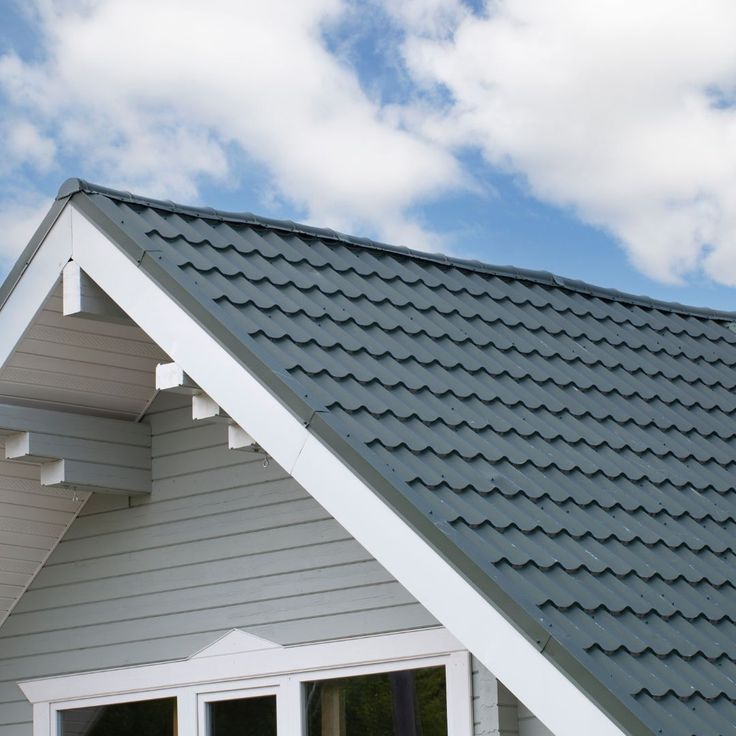
When you're paying for a roof inspection, you want to know you're getting your money's worth. A truly comprehensive inspection goes beyond a quick glance. Here in DFW, where our climate demands robust roofing systems, a thorough check is essential. Here’s what a professional roof inspection should cover:
1. Exterior Roof Surface
Shingles: Check for curling, cracking, blistering, missing shingles, and excessive granule loss. We look at the condition of the granules as they protect the asphalt layer from UV rays. In DFW, sun damage is a major factor.
2. Flashing
Inspect the metal or rubber seals around chimneys, vents, skylights, and in valleys. Look for rust, cracks, tears, or loose sections, as these are common entry points for water.
3. Gutters and Downspouts
Ensure they are clear of debris, properly attached, and draining away from the foundation. Clogged gutters can cause water to back up under shingles or around the fascia board.
4. Vents and Pipe Boots
Check for cracks, damage, or deterioration in plumbing vents, attic vents, and any other roof penetrations. The rubber boots around pipes can dry out and crack in the Texas heat.
5. Ridge Caps and Fascia/Soffits
Inspect the condition of the ridge cap shingles for proper sealing and look for any signs of rot, damage, or pest infestation on the fascia boards (the boards along the roof edge) and soffits (the underside of the roof overhang).
6. Chimney
Examine the masonry for cracks, loose mortar, and the condition of the cap and flashing. A compromised chimney can be a significant source of leaks.
7. Attic Inspection
Crucially, a professional will inspect the attic space for signs of leaks (water stains on rafters or decking), inadequate insulation, and proper ventilation. This is often overlooked but is vital for roof health.
8. Structural Integrity
While not always a deep structural survey, an inspector will look for signs of sagging or unevenness in the roof deck, which could indicate underlying structural issues or water damage.
Beware of inspectors who only look from the ground or only use a drone. A truly comprehensive inspection requires getting on the roof (safely!) and looking inside the attic. This is how you catch the most critical issues.
Choosing the Right Roof Inspector in DFW: Beyond the Price Tag
Selecting the right inspector is as important as the inspection itself. With so many options in the DFW area, it can be overwhelming. Here’s what to consider beyond just the lowest price:
Reputation and Reviews: Look for local companies with a strong track record and positive reviews. Websites like Google, Yelp, and the Better Business Bureau can offer insights into customer experiences. For us at Montesco Roofing, building trust in the DFW community for over 13 years means prioritizing customer satisfaction and quality workmanship.
Experience and Certifications: As mentioned earlier, experience matters. Look for inspectors or companies that have been in business for a significant period, especially in the DFW area. Certifications from industry bodies like the NRCA or manufacturer-specific training indicate a commitment to professional standards.
Key Insight
When choosing an inspector, think about their primary motivation. Is it to provide you with an honest assessment (independent inspector, or a reputable contractor focused on long-term relationships), or is it to sell you a new roof immediately (a contractor solely focused on sales)?
Insurance and Licensing: Ensure the inspector or company is properly licensed and insured. This protects you in case of any accidents or damages during the inspection process.
Detailed Reporting: A good inspector will provide a comprehensive written report that includes high-quality photos of any issues found, clear explanations of the problems, and specific recommendations for repairs or maintenance. This report is your documentation and your guide for next steps.
Unbiased Advice: If you're getting a "free" inspection from a contractor who also does repairs and replacements, be sure to ask clarifying questions. If they strongly recommend a full replacement for what seems like a minor issue, consider getting a second opinion. An independent inspector or a contractor with a reputation for integrity will give you the straight scoop.
The Montesco Roofing Difference
At Montesco Roofing, we understand that your roof is one of the most critical components of your home. Our inspections are conducted by seasoned professionals who treat every home as if it were their own. We pride ourselves on transparency, thoroughness, and providing honest assessments. While we are a full-service roofing contractor, our inspection process is about giving you the facts, empowering you to make the best decision for your home and budget. We’ve been serving Plano, Frisco, McKinney, Arlington, Fort Worth, and all across DFW for over 13 years, and our reputation is built on trust and quality.
When to Schedule Your Roof Inspection in DFW for Maximum Value
Timing is everything when it comes to roof inspections. Knowing when to schedule one can maximize its value and prevent costly surprises. Here are the key times you should consider getting your roof inspected:
Don't wait for a leak to become a crisis. Proactive inspections are the cornerstone of good home maintenance and can save you significant stress and money.
Need help putting this into action? Our team has protected hundreds of DFW homes. Tell us about your roof — free inspection, no pressure.
Get Your Free Roof Inspection →Frequently Asked Questions About Roof Inspection Costs
Frequently Asked Questions
Is a roof inspection covered by homeowner's insurance?
Can I do a roof inspection myself?
How long does a roof inspection take?
What happens if the inspection finds major damage?
Is a drone roof inspection as good as a physical one?
How often should I get my roof inspected in DFW?
Montesco Roofing Team
DFW's trusted roofing contractor with 13+ years of experience. Specializing in roof replacements, storm damage repair, and insurance claims across Dallas-Fort Worth.
Get in touch →