Roof Condition vs. Kitchen Upgrades: Why Your DFW Home's Foundation Matters Most in 2026

The Unseen Foundation: Why Your Roof Is Your Home's Most Critical Asset
You've probably seen those HGTV shows, right? They're all about the stunning kitchen remodels, the spa-like bathrooms, the open-concept living spaces. And yeah, those are fantastic. They make a house feel like a home, a place you want to spend time in. But here in the DFW area, especially as we navigate June 11, 2026, I've seen firsthand what happens when homeowners get caught up in the glamour and forget about the real foundation of their property: the roof. It's easy to get distracted by shiny new cabinets, but if the roof above your head isn't doing its job, all those beautiful upgrades are literally at risk of being ruined. That's not a gamble any DFW homeowner should take.
We've been serving the DFW metroplex for over 13 years. During that time, we've seen countless homes where homeowners invested heavily in interior renovations, only to face catastrophic damage from a neglected roof. Our approach is simple: protect the investment first. A strong roof isn't just a feature; it's the essential shield that safeguards everything else you've worked hard for.
Think about it. Your roof is the first line of defense against everything North Texas can throw at it: scorching summer sun, torrential downpours, and yes, even those infamous hail storms that seem to pop up every spring and fall. It's the silent guardian, working 24/7 to keep your family safe and dry. When it's in good shape, you might not even think about it. But when it starts to fail, the problems it creates can spread like wildfire, affecting everything from your drywall and insulation to your electrical systems and even the foundation itself.
It's a common misconception that only visible parts of a home contribute to its value. While granite countertops and stainless steel appliances are certainly attractive to potential buyers, an inspector will always look up – and not just at the ceiling. They'll be checking the condition of the roof. A worn-out, damaged, or aging roof is a major red flag. It signals to buyers (and appraisers) that significant future expenses are on the horizon. In a competitive DFW market, a home with a solid roof will always have an edge over one that requires immediate, costly repairs, regardless of how recently the kitchen was updated.
Kitchen Glamour vs. Roof Integrity: A DFW Homeowner's Dilemma in 2026
Here in 2026, the allure of a magazine-worthy kitchen is stronger than ever. We're seeing homeowners in areas like Plano, Frisco, and McKinney pouring tens of thousands of dollars into transforming their kitchens. And honestly, who can blame them? It's the heart of the home, where memories are made. But let's get real for a second. If the roof over that beautiful new kitchen is compromised, you're not just looking at a potential leak; you're looking at the destruction of that very space you just invested so much in.
Our local climate is notoriously tough on roofs. Intense sun can degrade shingles, heavy rains can cause water intrusion, and the frequent storms, especially hail, can cause significant damage that isn't always immediately visible. A roof that might be fine in a milder climate could be reaching its breaking point here in North Texas after just a few seasons of intense weather.
Imagine this: you just finished a $30,000 kitchen remodel. New cabinets, quartz countertops, a custom backsplash, the works. Then, a severe thunderstorm rolls through DFW. A few shingles are blown off, and a small leak develops. Initially, it seems minor. But water finds its way. It seeps through your attic insulation, drips onto your new drywall, stains your freshly painted ceiling, and potentially warps your new cabinets. Suddenly, that beautiful kitchen is compromised. The cost to repair the roof might have been $10,000-$15,000, but now you're looking at repairing the roof and the damaged kitchen elements, potentially running into tens of thousands more. That's a hard lesson learned.
It's about protecting your investment. A kitchen upgrade is a lifestyle enhancement and can increase your home's resale value, but it's an addition to the value of the fundamental structure. A sound roof is part of that structure. It's what keeps the rest of your home, including that newly renovated kitchen, intact and protected. When we talk about home value, we're talking about the overall health of the property. A beautiful kitchen on a failing structure is like putting a fancy paint job on a car with a busted engine – it looks good for a while, but it won't run.
The True Value Proposition
A well-maintained roof preserves your home's structural integrity, prevents costly secondary damage, and contributes to long-term property value. A kitchen remodel offers immediate aesthetic appeal and lifestyle improvements but offers little protection against the elements. In DFW, where weather is a significant factor, prioritizing the roof is a matter of essential protection and sound financial planning.
The Domino Effect: How a Failing Roof Undermines Every Other Home Improvement
This is where things get really serious, and honestly, a bit heartbreaking to witness. A compromised roof doesn't just affect the ceiling directly below it. It sets off a chain reaction, a domino effect that can slowly but surely degrade the entire structure of your home. We're not just talking about aesthetics anymore; we're talking about structural integrity and your family's health.
Step 1: Water Intrusion
Rainwater finds even the smallest openings – a cracked shingle, a loose flashing, a nail hole. It starts to seep into your attic.
Step 2: Insulation Damage
Attic insulation, crucial for energy efficiency, becomes saturated. This dramatically reduces its effectiveness, leading to higher energy bills and uneven temperatures throughout your home.
Step 3: Structural Weakening
Persistent moisture in the attic can lead to rot in the wooden rafters, trusses, and decking. This compromises the structural integrity of your roof and, eventually, the entire house.
Step 4: Mold and Mildew Growth
Damp, dark spaces like attics are breeding grounds for mold and mildew. This can spread into your living areas, posing serious health risks, especially for those with respiratory issues.
Step 5: Interior Damage
From stained ceilings and walls to warped drywall and damaged paint, the visible signs of water damage start to appear, often requiring extensive repairs that go far beyond a simple patch job.
And it doesn't stop there. Think about your electrical systems. Water and electricity are a dangerous combination. Leaks can damage wiring, leading to short circuits, potential fire hazards, and costly electrical repairs. Your HVAC system is also at risk. If your attic is damp and moldy, the air circulating through your vents can carry those spores throughout your home, impacting indoor air quality. Plus, a poorly insulated attic due to waterlogged insulation means your HVAC system has to work overtime, increasing wear and tear and energy consumption.
"We always tell homeowners, 'Your roof is the umbrella for your house.' If the umbrella has holes, everything underneath gets wet, and that's where the real problems start."— Experienced DFW Contractor
So, when you're contemplating a $15,000 kitchen upgrade, ask yourself: what's the condition of the roof protecting that investment? If your roof is aging, showing signs of wear, or has recently been through a significant storm, that $15,000 might be better allocated to ensuring the integrity of your home's most critical protective layer. A solid roof protects not just the structure, but also your health, your energy efficiency, and the longevity of all your other home improvements. It's the foundation upon which everything else is built.
Protecting Your DFW Home: The Montesco Roofing Difference
At Montesco Roofing, we understand the unique challenges DFW homeowners face. We don't just replace roofs; we provide comprehensive solutions to protect your home. Our experienced team uses high-quality materials and meticulous installation techniques to ensure your roof can withstand the Texas elements for years to come. If you suspect your roof needs attention, or if you're planning renovations, let us provide a thorough inspection and honest assessment. Contact us today for a free, no-obligation estimate.
Beyond Aesthetics: The True Cost of Neglecting Your DFW Roof
We've all heard the saying, "An ounce of prevention is worth a pound of cure." When it comes to your roof here in DFW, that saying couldn't be more true. Neglecting roof maintenance or ignoring early signs of wear doesn't save you money in the long run; it almost always costs you significantly more. The upfront savings are an illusion, a short-sighted decision that can lead to a cascade of expensive problems.
Some homeowners opt for quick, cheap patches when they notice minor issues. While a small repair might seem like a cost-saver, it often masks underlying problems. If the entire roof is aging or if there's widespread damage from a storm, a partial patch is like putting a band-aid on a deep wound. It won't address the root cause and can lead to bigger, more expensive failures down the line.
Let's break down the true costs associated with a neglected roof in our climate:
Neglecting Your Roof
Water damage to ceilings, walls, insulation, and structural components.
Mold and mildew remediation, leading to health issues and extensive repairs.
Reduced energy efficiency due to damaged insulation and potential air leaks.
Accelerated deterioration of the roof itself, requiring premature replacement.
Potential structural damage affecting the home's foundation and framing.
Decreased resale value and difficulty selling the property.
Increased risk of catastrophic failure during severe weather events.
Proactive Maintenance & Timely Replacement
Prevention of water damage, saving on interior repairs.
Avoidance of costly mold remediation and associated health risks.
Maintained energy efficiency and lower utility bills.
Extended roof lifespan, delaying the need for full replacement.
Preservation of structural integrity and overall home safety.
Enhanced resale value and a more attractive property to buyers.
Peace of mind knowing your home is protected from the elements.
In DFW, the cost of a full roof replacement can range significantly, but you're generally looking at anywhere from $10,000 to $25,000 or more, depending on the size of your home, the materials chosen, and the complexity of the roof. However, the cost of dealing with the aftermath of a significant roof failure – including extensive water damage, structural repairs, mold remediation, and potential electrical issues – can easily double or triple that amount. Add to that the cost of lost energy efficiency and the diminished value of your home, and the true cost of neglect becomes staggering.
This is precisely why we emphasize the importance of regular roof inspections and timely repairs. It's not about spending money unnecessarily; it's about making a smart investment in the long-term health and value of your home. A small leak addressed promptly might cost a few hundred dollars. Ignoring it until water is dripping through your ceiling could lead to tens of thousands in damages. When you consider the potential costs, investing in your roof's integrity is one of the most financially sound decisions a DFW homeowner can make.
DFW Roof Lifespans & Replacement Costs: What $5,000 vs $15,000 vs $25,000 Buys You in 2026
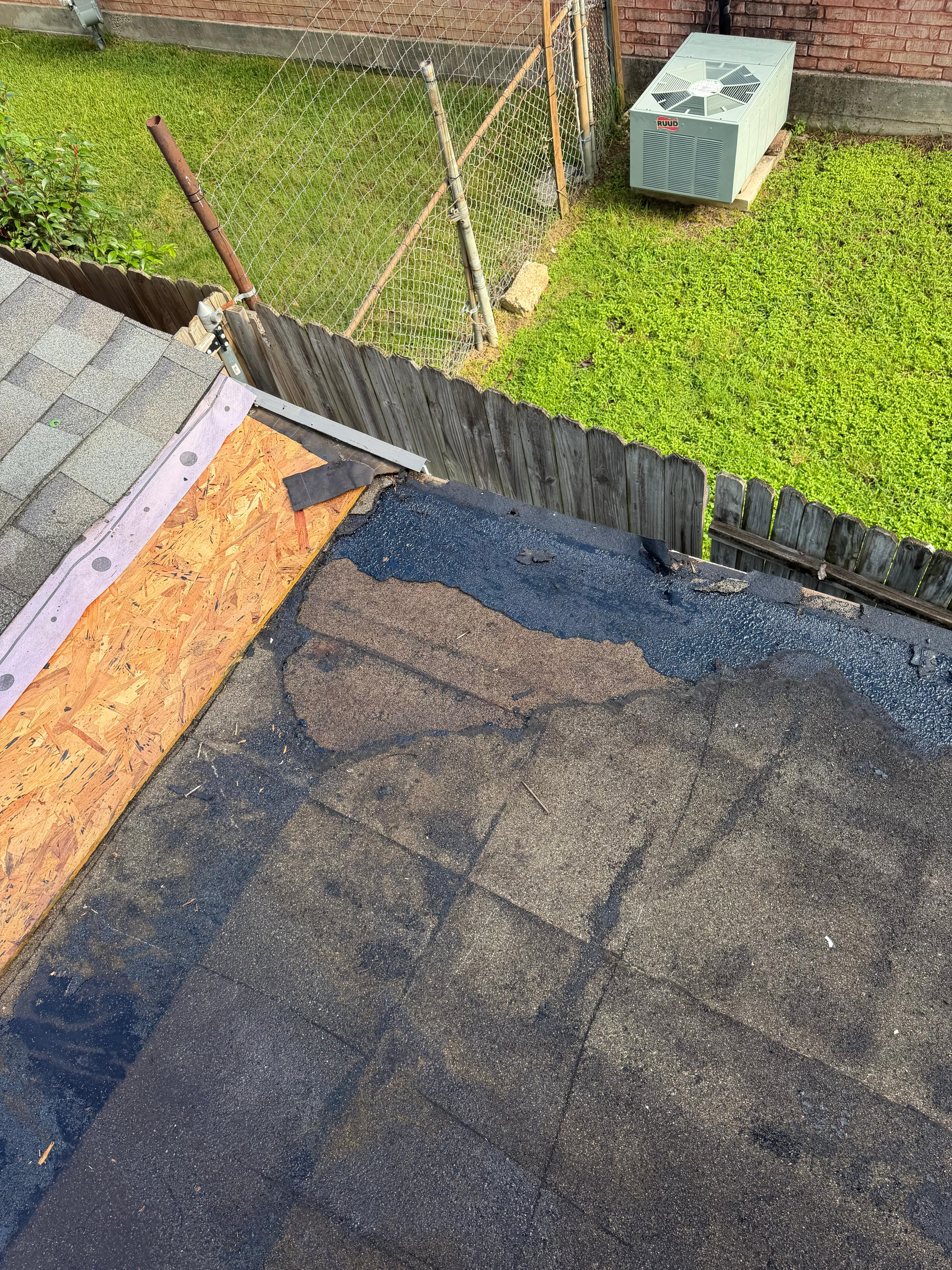
When it comes to roofing in DFW in 2026, understanding what you get for your investment is crucial. The price tag can vary wildly, and it's not just about the contractor's overhead. It's about the materials used, the complexity of the job, and the quality of the installation – all of which directly impact the lifespan and performance of your roof.
| Investment Level | Typical Materials | Estimated Lifespan (DFW Climate) | What to Expect | Potential Downsides |
|---|---|---|---|---|
| ~$5,000 - $8,000 (Entry-Level) | Basic 3-tab asphalt shingles (e.g., lower-end GAF, Owens Corning, CertainTeed) | 15-20 years | Covers the most basic needs. Might be suitable for smaller homes or garages. Offers minimal wind and impact resistance. | Shorter lifespan, less resistant to DFW's harsh weather (hail, high winds, intense sun). May not meet all insurance requirements. Limited aesthetic appeal. Faster granule loss. |
| ~$10,000 - $18,000 (Mid-Range/Standard) | Architectural/Laminated asphalt shingles (e.g., GAF Timberline, Owens Corning Oakridge, CertainTeed Landmark) | 25-30 years | This is the sweet spot for most DFW homeowners. Offers good durability, better wind resistance, and a more substantial appearance. Many come with enhanced impact ratings. | Still susceptible to extreme hail damage over time, though more resistant than 3-tab. Quality of installation is paramount. |
| ~$20,000 - $30,000+ (Premium/High-Performance) | High-end architectural shingles with advanced impact resistance (e.g., GAF Golden Pledge, Owens Corning Duration MAX, CertainTeed Presidential). Could also include metal roofing systems or premium synthetic materials. | 30-50+ years (depending on material) | Maximum durability, superior wind and impact resistance designed for harsh climates. Enhanced aesthetics, energy-efficient options, and often come with the best manufacturer warranties. Often required for specific insurance benefits. | Higher upfront cost. Installation requires specialized expertise. May be overkill for some homes, but essential for maximizing longevity and protection in high-risk areas. |
It's important to note that these are general estimates for 2026 in the DFW area. Actual costs can vary based on the specific contractor, the complexity of your roof (number of valleys, dormers, steep pitches), the need for underlayment upgrades, and any necessary structural repairs identified during the inspection. For instance, replacing a 2,000 sq ft ranch home will cost less than a 4,000 sq ft two-story with multiple roof planes.
For our climate, investing in architectural shingles with a high impact resistance rating (IR rating) is often a wise choice. While they cost more upfront than basic 3-tab shingles, they offer significantly better protection against hail, which is a recurring threat in North Texas. This can translate to fewer insurance claims and a longer lifespan for your roof.
When you're getting quotes, don't just look at the bottom line. Ask about the specific materials being used, their warranty, and the contractor's workmanship warranty. A cheap roof installed poorly won't last, regardless of the material. A reputable DFW roofing contractor like Montesco Roofing will always discuss these options with you, explaining the pros and cons of each in relation to your home and budget. We want you to make an informed decision that provides the best long-term value and protection.
7 Silent Signs Your DFW Roof Needs Immediate Attention (Before It's Too Late)
Your roof is constantly working, and sometimes, it sends out subtle signals that it needs some TLC. These aren't always obvious leaks or missing shingles. Often, they're quiet warnings that, if ignored, can lead to major problems down the line. As a DFW roofing contractor with over 13 years of experience, I've learned to spot these signs, and they're critical for homeowners to be aware of, especially with our dynamic weather.
1. Granules in Gutters & Downspouts
Shingles have a protective layer of granules that shield them from UV rays and impact. If you find a significant amount of these granules in your gutters or at the base of your downspouts, it means your shingles are degrading and losing their protective layer. This is a clear sign of aging or stress.

2. Sagging Roof Decking
Look at your roofline from the street. Does it appear to sag or have soft spots? This indicates that the underlying structure (the roof deck) may be compromised by moisture, rot, or even structural issues. This is a serious problem that requires immediate attention.
3. Dark Streaks or Stains on Shingles
While sometimes caused by algae or mold (which can be cleaned), persistent dark streaks can also indicate that the asphalt in your shingles is breaking down and the granules are washing away. This is especially common in areas with prolonged sun exposure.
4. Damaged or Missing Shingles
This is the most obvious sign. Cracked, curled, torn, or completely missing shingles leave your roof vulnerable to water intrusion. Even a few damaged shingles can be enough for rain or hail to find its way underneath.
5. Daylight Visible Through the Roof (Attic Inspection)
The best place to check for roof integrity is from your attic. On a bright day, if you can see any daylight peeking through the roof deck, it means there are holes or gaps that will allow water in. This is a critical warning sign.
6. Worn or Damaged Flashing
Flashing is the metal material used around chimneys, vents, skylights, and in valleys to direct water away. If this flashing is cracked, rusted, loose, or improperly installed, it's a prime spot for leaks.
7. High Energy Bills or Uneven Temperatures
An old or damaged roof can significantly impact your home's insulation and ventilation. If you notice your HVAC system is working harder than usual, or if certain rooms are consistently hotter or colder than others, your roof might be contributing to the problem by allowing heat to escape or enter.
In DFW, these signs can be exacerbated by our unique weather patterns. Intense summer heat can bake shingles, making them brittle. Unexpected hail storms can cause micro-fractures that aren't immediately visible. Heavy rains can exploit any weakness. It's crucial to be vigilant. A proactive approach to roof maintenance is always more cost-effective and less stressful than dealing with the consequences of a major failure.
How to Get This Done
DIY Inspection Tips: Grab a pair of binoculars and inspect your roof from the street for obvious damage. If it's safe and you're comfortable, do an attic inspection on a sunny day to look for daylight. Check your gutters for excessive granule buildup.
Professional Assessment: For a thorough and accurate assessment, especially after a storm or if you notice any of the signs above, it's best to call a qualified DFW roofing contractor. Montesco Roofing offers free roof inspections to identify any issues and provide a clear, honest recommendation on the best course of action. We'll give you the peace of mind you deserve.
Montesco Roofing's Professional Approach: Securing Your Home's Future
Here at Montesco Roofing, our philosophy is built on trust, expertise, and a genuine commitment to protecting homes in the DFW area. We're not just contractors; we're your neighbors, and we treat every home as if it were our own. Over our 13+ years serving Dallas, Fort Worth, and the surrounding communities, we've seen what works and what doesn't, and we've honed our process to deliver exceptional results that last.
Our Commitment to Quality
We believe that a roof is more than just shingles and nails. It's a critical component of your home's structural integrity and a vital barrier against the elements. That's why we never cut corners. From the initial inspection to the final cleanup, our team is dedicated to providing a seamless and stress-free experience for our clients.
What sets us apart? It starts with our team. Every technician at Montesco Roofing is highly trained and experienced. We don't rely on subcontractors who might not share our commitment to quality. We invest in our people, ensuring they have the skills and knowledge to handle any roofing challenge, whether it's a minor repair or a full roof replacement. We're passionate about proper installation techniques because we know that's where the longevity of a roof truly lies.
When you choose Montesco Roofing, you're choosing a partner who understands the nuances of DFW weather. We know which materials perform best under our intense sun and which are most resistant to our frequent hail storms. We're familiar with the building codes in cities like Arlington, Garland, and Mesquite, ensuring every job is done to spec and beyond. We also have extensive experience working with insurance companies on storm damage claims, helping homeowners navigate the often-complex process to get the coverage they deserve.
Material Expertise
We work with top manufacturers like GAF, Owens Corning, and CertainTeed, recommending the best products for your specific needs and budget. We geek out over the details – the quality of the underlayment, the strength of the fasteners, the proper ventilation.
Meticulous Installation
Our installation process is detailed and precise. We ensure proper overlap, secure flashing, and correct ventilation, all critical for a long-lasting, leak-free roof. We believe in doing it right the first time.
Transparent Communication
We keep you informed every step of the way. From the initial quote to project completion, you'll know what to expect. No surprises, just honest communication and reliable service.
Commitment to DFW
With over 13 years in the DFW metroplex, we're a local company invested in our community. We stand behind our work with robust workmanship warranties, offering you long-term peace of mind.
Ultimately, our goal is to provide you with a roof that not only looks great but also offers superior protection for years to come. We want you to feel confident that your home is secure, regardless of what the Texas sky throws at it. That's the Montesco Roofing promise.
Prioritizing Your Investment: A Step-by-Step Guide to Roof Health
Taking care of your roof doesn't have to be overwhelming. By breaking it down into manageable steps, you can ensure your home's most important protective layer stays in top condition. This guide is designed to help you understand the process, from initial assessment to ensuring long-term protection. It's about being proactive, not reactive.
Step 1: Conduct a Visual Inspection (From the Ground)
Start by walking around your home and looking up. Use binoculars if needed. Check for obvious signs of damage like missing, cracked, or curled shingles. Look for sagging areas or areas where the roofline appears uneven. Note any debris or potential hazards on the roof.
Step 2: Inspect Your Attic
On a clear day, go into your attic. Look for any signs of water stains on the rafters or decking. If you can see daylight through the roof deck, it's a clear indication of a leak. Check for signs of mold or mildew, which suggest persistent moisture issues.
Step 3: Check Your Gutters and Downspouts
Clean out your gutters regularly. Look for an excessive amount of shingle granules. This granular material is a sign that your shingles are aging and breaking down. Also, ensure water is flowing freely away from your foundation.
Step 4: Document Any Findings
Take clear photos or videos of any damage or concerning signs you find. This documentation is invaluable, especially if you plan to file an insurance claim or need to explain the issues to a roofing contractor.
Step 5: Schedule a Professional Inspection
For a comprehensive and accurate assessment, especially after a storm or if you've found concerning signs, it's crucial to hire a qualified roofing professional. They have the tools, expertise, and experience to identify issues you might miss and can provide an honest evaluation of your roof's condition.
Step 6: Discuss Repair vs. Replacement Options
Based on the professional inspection, you'll get a clear recommendation. If repairs are feasible, understand what they entail and their expected lifespan. If replacement is necessary, discuss material options, warranties, and the installation process.
Step 7: Obtain Multiple Quotes (If Replacing)
If a roof replacement is recommended, get at least three detailed quotes from reputable DFW roofing contractors. Compare not just the price, but the scope of work, materials specified, warranties offered, and the contractor's reputation.
Step 8: Ensure Proper Installation and Warranty
Once you choose a contractor, ensure they are following best practices for installation. Understand your manufacturer's warranty and your contractor's workmanship warranty. Keep all documentation.
For homeowners in the DFW area, staying on top of roof health is an ongoing process. Our climate demands it. Regular checks, prompt attention to minor issues, and professional guidance when needed will protect your home and your investment. Remember, a well-maintained roof is a key component of a valuable and safe home.
Ready to Secure Your Home?
Don't let roof concerns linger. Whether you're planning renovations or just want peace of mind, a professional roof inspection is the first step. Montesco Roofing is here to help. We provide thorough, honest assessments and expert solutions tailored to DFW homes. Let us help you protect your biggest investment.
Schedule Your Free Inspection →Frequently Asked Questions About DFW Roof Condition & Home Value
How often should I have my DFW roof inspected?
Can a bad roof really affect my home's foundation?
If I'm planning to sell my home in DFW soon, should I prioritize roof repairs or kitchen upgrades?
What's the average lifespan of a roof in the DFW climate?
How does a roof condition impact my homeowner's insurance in Texas?
Is it better to repair a small roof leak or replace the entire roof?
What are the signs of storm damage to my roof that I should look for after a DFW storm?
Ready to ensure your DFW home's most critical asset is protected? Don't let outdated roof concerns overshadow your property's true value. Montesco Roofing has been protecting homes in the DFW metroplex for over 13 years, offering expert advice and top-quality workmanship. We're committed to providing honest assessments and lasting solutions.
Get Your Free Roof Inspection Today →Montesco Roofing Team
DFW's trusted roofing contractor with 13+ years of experience. Specializing in roof replacements, storm damage repair, and insurance claims across Dallas-Fort Worth.
Get in touch →