Choosing a Roof Color That Slashes Energy Bills or Boosts Curb Appeal?
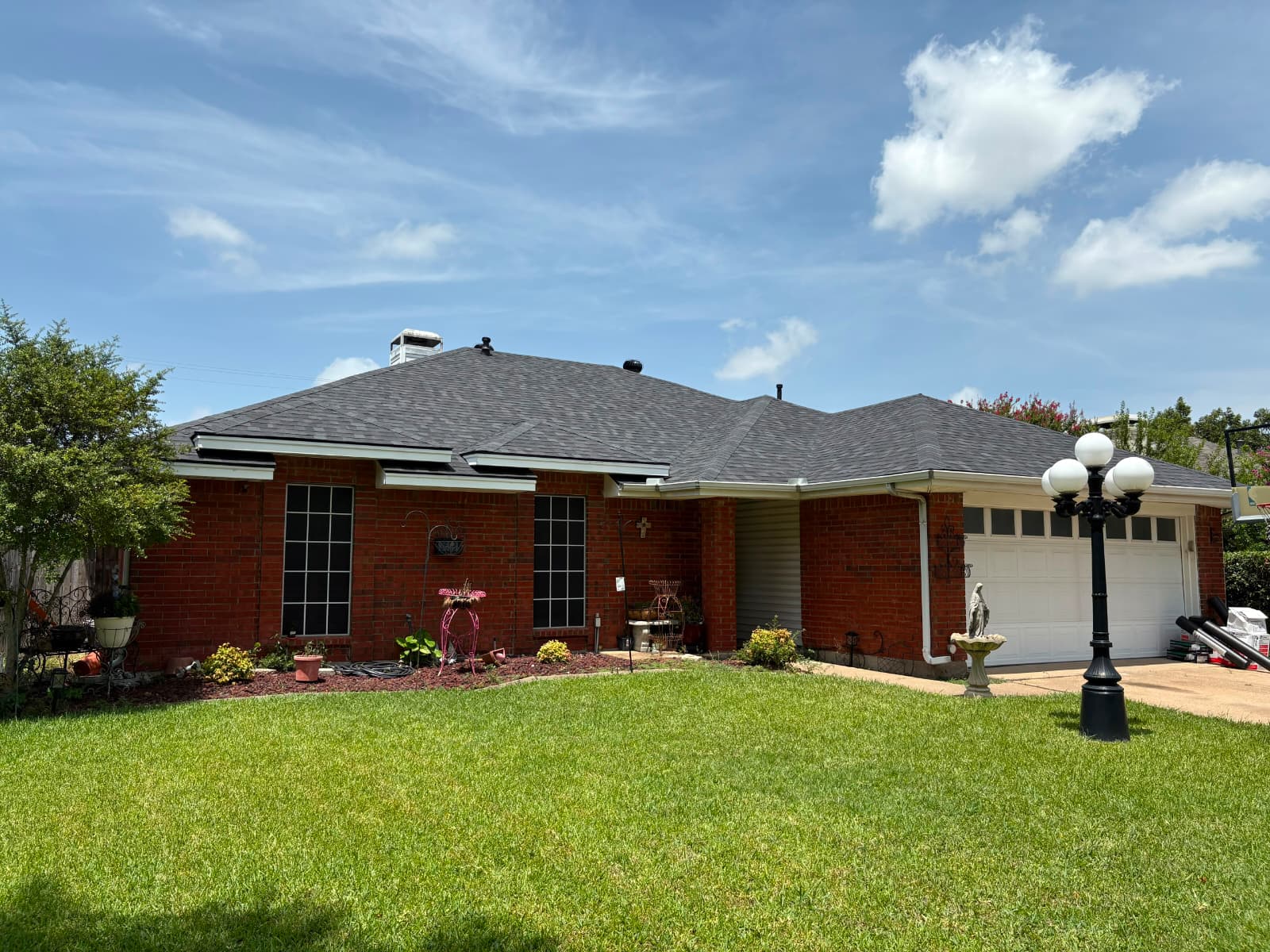
The Hidden Impact of Roof Color on Your DFW Energy Bills
You're probably thinking about roof color in terms of how it looks, right? Does it match the brick? Does it make the house pop? And that's totally normal – curb appeal is a big deal, especially here in DFW where first impressions matter. But what if I told you that the color of your roof has a huge impact on your energy bills, especially during our sweltering Texas summers? It's true. The choices you make today can mean a noticeable difference in your cooling costs from June through September, every single year.Quick Answer: In DFW, darker roof colors absorb significantly more heat, leading to higher attic temperatures and increased air conditioning use, thus driving up energy bills. Lighter, more reflective colors bounce sunlight away, keeping your attic cooler and reducing your cooling costs by as much as 15-20% during peak summer months. Choosing the right color is a smart investment for both your home's look and your wallet.
When looking at shingle samples, remember that colors can appear slightly different on your roof than they do indoors under artificial light. Always try to view larger samples outdoors, ideally on a sunny day, to get the best sense of how the color will truly look and perform.
Some older asphalt shingles might not have the same reflective properties as newer, energy-efficient options. If your roof is due for replacement, it's the perfect opportunity to upgrade to materials that actively help manage heat absorption and reduce your energy load.
Beyond Aesthetics: How Roof Color Affects Home Value in 2026
We all want our homes to look good. A beautiful home is a source of pride, and for many DFW homeowners, the roof is the crowning jewel. But the color you choose for that roof does more than just make your house look pretty; it can actually influence your home's overall market value. In 2026, buyers are savvier than ever, and they're looking at the whole picture – including the little details like roof color.Key Insight
According to industry experts, homes with attractive, well-maintained exteriors, including a complementary roof color, can sell faster and for a higher price. It’s an investment in your property’s perceived value.
"The roof is the largest single element of a home's exterior. Its color sets the tone for the entire property and plays a crucial role in its overall aesthetic appeal and marketability."— National Association of Home Builders (NAHB)
Before settling on a color, drive around some of the nicer neighborhoods in DFW – think Preston Hollow, Southlake, or even parts of McKinney. See what roof colors are common on homes with similar architectural styles to yours. This can give you a good sense of what's currently trending and generally well-received.
DFW Climate Considerations: Light vs. Dark Roofs for Texas Heat
Living in DFW means living with intense sunshine for a good portion of the year. Our climate presents unique challenges for our homes, and the roof is right in the thick of it. When we talk about roof color, we're not just talking about fashion; we're talking about a practical response to the DFW heat. This is where the light versus dark roof debate really heats up – pun intended.Quick Answer: For the DFW climate, lighter roof colors are generally more advantageous due to the intense summer heat. They reflect more solar radiation, keeping attics cooler and reducing AC load, which translates to lower energy bills. Darker roofs absorb more heat, leading to hotter attics and increased cooling costs, though they can offer some advantages in very cold climates or for snowmelt, which are less relevant here.
While lighter colors are generally better for heat reflection, the type of material and its specific reflective properties also matter. Some advanced materials are engineered to be highly reflective regardless of their shade.
"In hot climates, cool roofs can significantly reduce a home's energy consumption for cooling, leading to lower utility bills and reduced strain on the electricity grid."— U.S. Department of Energy
Key Insight
The term cool roof refers to roofing materials that are specifically designed to reflect more sunlight and absorb less heat than standard roofing materials. This can be achieved through lighter colors, special reflective coatings, or engineered materials.
7 Key Factors for Choosing Your Perfect DFW Roof Color
Picking a roof color is more than just choosing a shade you like. It's a decision that impacts your home's energy efficiency, its resale value, and its overall look for years to come. Here in DFW, with our unique climate and architectural styles, there are specific factors to weigh. Let's dive into the seven most important ones to consider for your home.1. Architectural Style
The color of your roof should complement your home's architectural style. A modern home might suit a sleek charcoal or a bold, dark gray, while a traditional ranch-style house might look best with a warm brown or a classic gray. Consider the lines and materials of your home.
2. Siding and Brick Colors
This is crucial. Your roof color needs to harmonize with your home's primary exterior colors. Look at your brick, stone, and siding. Do you have warm undertones (reds, yellows, browns) or cool undertones (grays, blues)? Choose a roof color that either complements or contrasts harmoniously.
3. DFW Climate & Energy Efficiency
As we've discussed, darker colors absorb more heat. For our hot Texas summers, lighter, more reflective colors (like tans, light grays, or even specially designed cool roof materials) are generally more energy-efficient. This is a major consideration for DFW homeowners.
4. Neighborhood Aesthetics
While you want your home to stand out, you also want it to fit within the neighborhood context. Look at what other homes in your area are doing, especially those with similar styles. A drastically different color might look out of place and could impact resale value.
5. HOA Regulations
Many neighborhoods, especially in planned communities around DFW, have Homeowners Association (HOA) rules regarding exterior colors, including roofing. Always check your HOA guidelines before you make a final decision to avoid costly mistakes.
6. Material Type and Finish
The material of your roof (asphalt shingles, metal, tile) and its finish can affect how a color looks. For example, a charcoal asphalt shingle might look different from a charcoal metal roof. Discuss the specific material you're considering with your roofing contractor.
7. Long-Term Appeal
Trends come and go. While a trendy color might be appealing now, will you still love it in 10-15 years? Neutral, classic colors generally have the best long-term appeal and are less likely to feel dated. This is especially important given the lifespan of a roof.
Don't just pick a color from a tiny swatch. Get larger samples, and if possible, look at homes with similar colors installed in your area. Colors can vary significantly based on lighting conditions and surrounding elements.
How to Get This Done
DIY Option: Drive around your neighborhood and take notes on roof colors you like on similar homes. Check your HOA's architectural guidelines online. Look at manufacturer websites for color visualizers.
Montesco Roofing Option: We offer personalized consultations where we can bring large material samples to your home, show you examples of our completed projects in your area, and help you visualize the best color choices based on your home's specific features and our DFW climate. Schedule your consultation today.
Roof Color Palette: Exploring Popular DFW Shingle & Material Options
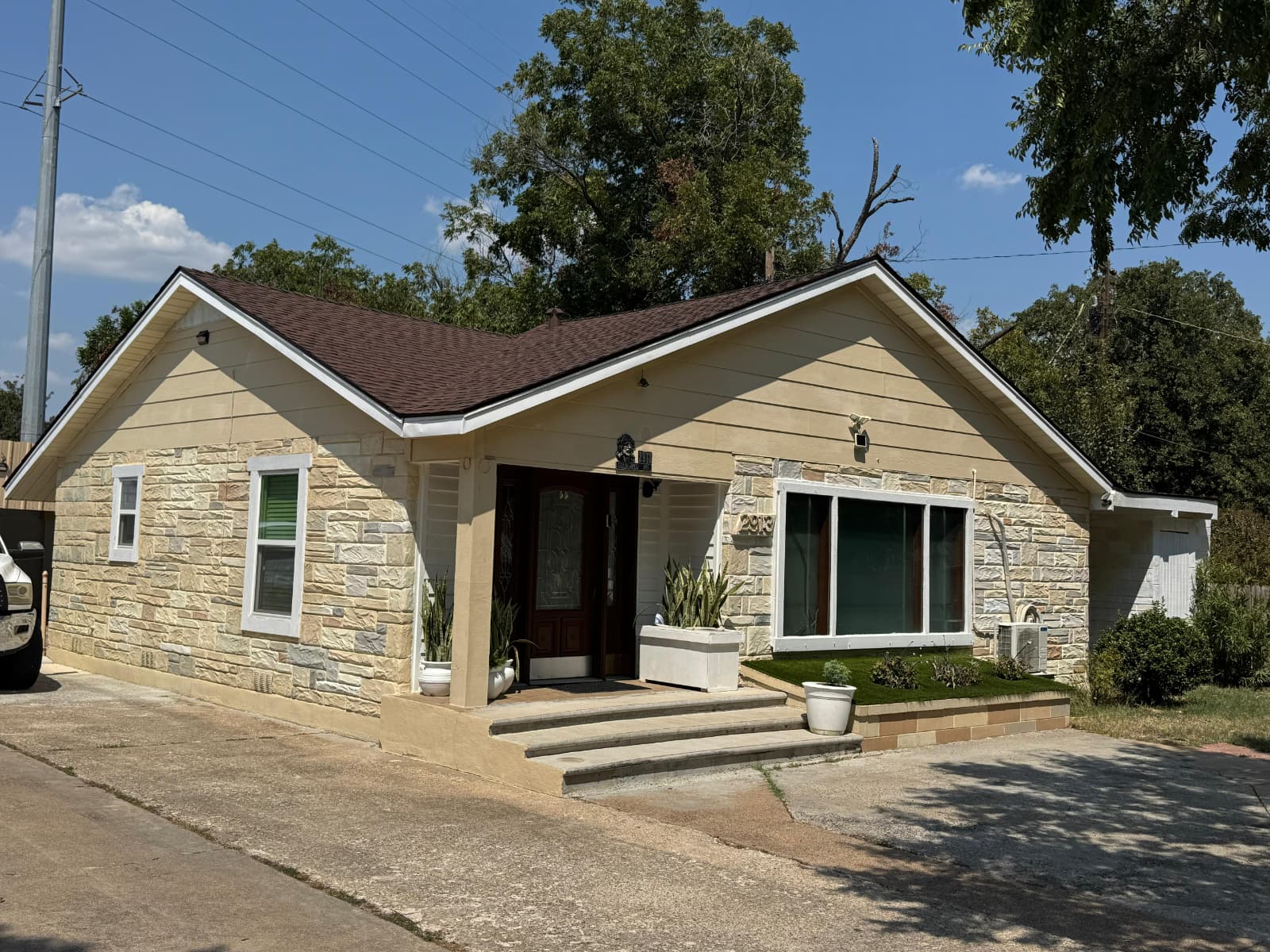
| Color Family | Common Shades (DFW) | Aesthetic Appeal | Energy Efficiency (DFW Climate) | Material Examples |
|---|---|---|---|---|
| Grays | Charcoal, Slate Gray, Pewter, Light Gray, Dove Gray | Timeless, versatile, modern, sophisticated. Pairs well with most siding and brick colors. | Medium to High (lighter grays are more reflective) | Asphalt Shingles (e.g., GAF Timberline HDZ Charcoal, Owens Corning Oakridge Pewter), Metal Roofing |
| Browns & Tans | Earth Brown, Walnut, Chestnut, Beige, Tan, Sandstone | Warm, inviting, natural, traditional. Excellent with brick and earthy-toned exteriors. | Medium (can vary; lighter tans are better than dark browns) | Asphalt Shingles (e.g., CertainTeed Landmark Pro Driftwood, Atlas StormMaster Slate Brown), Wood Shakes (less common in DFW due to fire risk) |
| Blacks | Black, Onyx, Midnight Black | Bold, dramatic, classic. Can make a home look more stately. | Low (absorbs the most heat) | Asphalt Shingles (e.g., GAF Royal Sovereign Black), Metal Roofing |
| Whites & Off-Whites | White, Cream, Off-White, Pale Gray-Blue | Crisp, clean, bright, traditional. Can make a home feel larger. | Very High (most reflective) | Asphalt Shingles (less common due to potential for staining), Metal Roofing, Tile |
| Blues & Greens | Deep Blue, Slate Blue, Forest Green, Sage Green | Unique, sophisticated, natural. Can be striking but may have less broad appeal than neutrals. | Medium (depends on shade; darker shades absorb more heat) | Asphalt Shingles, Metal Roofing |
Many manufacturers offer cool roof shingles that meet ENERGY STAR® requirements. These shingles are designed with reflective granules that significantly reduce heat absorption, even in darker colors. Ask your contractor about these options!
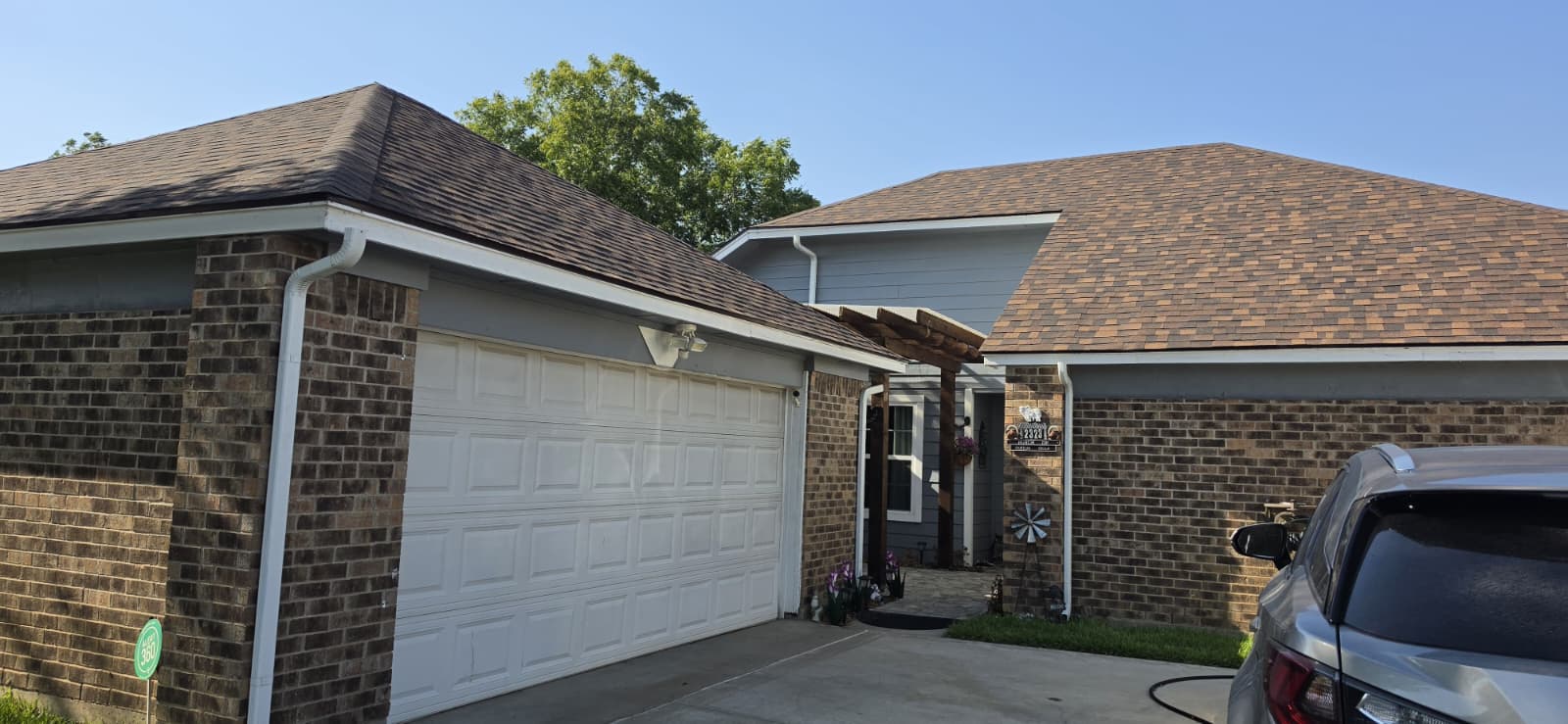
Key Insight
The specific blend of colors within a single shingle can make a big difference. For example, a "brown" shingle might actually be a blend of lighter tans, darker browns, and even hints of gray or black, giving it depth and making it more forgiving with dirt and weathering.
Don't confuse standard color coatings on metal roofs with specialized cool roof coatings. The latter are specifically engineered to reflect solar radiation and meet energy efficiency standards. Always ask for these specific features if energy savings are a priority.
The Montesco Roofing Color Consultation: A Professional Approach
Choosing a roof color is a significant decision, and at Montesco Roofing, we don't just slap on shingles and call it a day. We understand that your roof is a major investment, and its color impacts everything from your home's appearance to its energy bills and its value. That's why we offer a comprehensive color consultation as part of our roofing process. It's our way of ensuring you get a result you'll be happy with for years to come.Quick Answer: Our color consultation is a personalized service where we help DFW homeowners select the ideal roof color by considering their home's architecture, existing exterior colors, local climate, HOA rules, and energy efficiency goals. We bring large material samples and leverage our expertise to ensure a beautiful, functional, and valuable outcome.
Step 1: Understanding Your Home
We'll assess your home's architectural style, the undertones of your brick or siding, and any existing landscaping that might influence color choices.
Step 2: Discussing Your Priorities
Are you focused on energy savings? Boosting resale value? Or achieving a specific aesthetic? Your priorities guide our recommendations.
Step 3: Material & Color Samples
We bring large, actual material samples to your home. Seeing a full-sized shingle or metal panel in natural light on your actual house is vastly different from a small brochure sample.
Step 4: Expert Recommendations
Leveraging our 13+ years of experience in the DFW area, we'll suggest colors and materials that are proven to perform well in our climate and complement your home.
Step 5: Visualizing the Outcome
We can often use visualizer tools or show you examples of our completed projects in your area with similar color schemes so you can see the potential result.
"Montesco Roofing made the process so easy. I was so stressed about picking the right roof color, but their expert advice and the big samples they brought made all the difference. My house looks amazing now!"— Satisfied DFW Homeowner
How to Get This Done
DIY Option: Research roofing material manufacturers online (like GAF, Owens Corning, CertainTeed, Atlas) and use their online color visualizers. Drive around your neighborhood and note any homes with roofs you admire.
Montesco Roofing Option: Schedule a free consultation with Montesco Roofing. We bring the showroom to you with large samples and expert advice tailored to your specific home and the DFW climate. We ensure your roof color is both beautiful and functional.
Common Roof Color Mistakes to Avoid in 2026
Picking the wrong roof color can be a costly mistake, both aesthetically and financially. Over our years serving homeowners across DFW, we've seen a few common pitfalls that people fall into. Avoiding these can save you a lot of headaches and ensure you're happy with your roof for its entire lifespan.Choosing a color that's too trendy without considering its long-term appeal. What looks cutting-edge today might feel dated in a few years, and replacing a roof is a major expense.
Don't forget to consider the color of your gutters, soffits, and fascia. These elements should also complement your chosen roof color. Sometimes, a slightly different shade or finish can tie everything together beautifully.
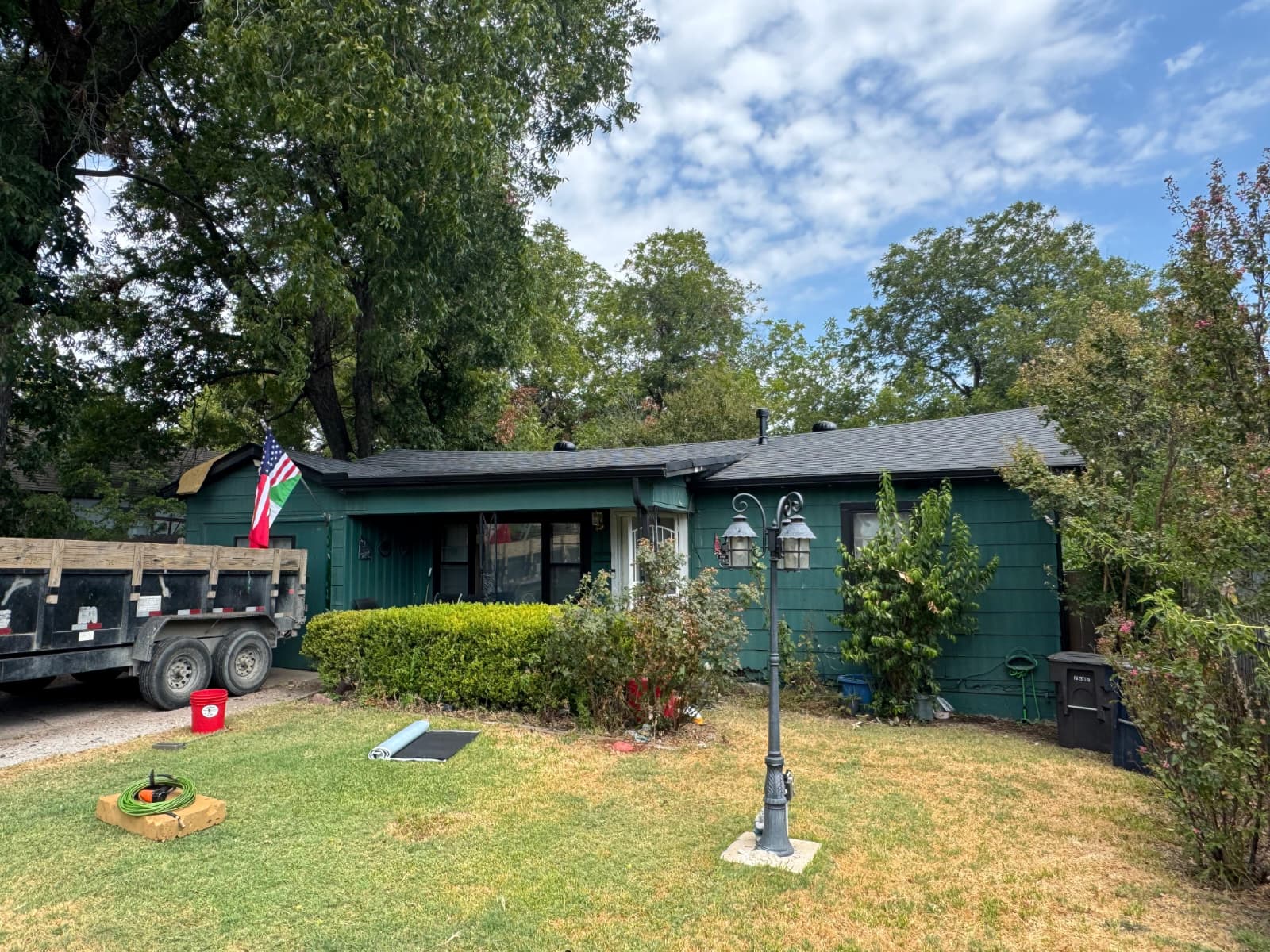
Key Insight
Failing to consider energy efficiency is a significant mistake, especially in DFW. Opting for a dark roof solely for aesthetics without understanding how it will impact your cooling costs during our hot summers can lead to buyer's remorse and higher utility bills for years.
Mistake to Avoid
Choosing color from a tiny swatch.
Ignoring brick/siding undertones.
Forgetting HOA rules.
Prioritizing looks over energy efficiency in DFW.
Not considering long-term trends.
Smart Solution
Use large, physical samples on-site.
Harmonize roof color with existing exterior.
Verify HOA guidelines before choosing.
Opt for lighter, reflective colors where possible.
Select classic, neutral colors for lasting appeal.
Frequently Asked Questions About DFW Roof Colors
What is the most popular roof color in DFW?
Can a dark roof be energy efficient in DFW?
How does roof color affect my home insurance in Texas?
Should I choose a color that matches my house siding or contrasts with it?
Are there any specific roof colors that deter pests?
How long does it take for a new roof color to look "settled"?
What's the difference between a standard asphalt shingle color and a "cool roof" color?
Need help putting this into action? Our team has protected hundreds of DFW homes. Tell us about your roof — free inspection, no pressure.
Get Your Free Roof Inspection →Montesco Roofing Team
DFW's trusted roofing contractor with 13+ years of experience. Specializing in roof replacements, storm damage repair, and insurance claims across Dallas-Fort Worth.
Get in touch →