Your Roof Has a Blind Spot

You've got a roof over your head, and you probably think it's doing its job. But what if I told you there are hidden dangers lurking on your roof right now, things you can't see from the street or even from inside your attic, that could lead to major headaches and expensive repairs down the line? It's like a blind spot in your car – you don't know it's there until it's too late. Here in DFW, where we see everything from scorching sun to sudden, violent storms, your roof is constantly under pressure. Ignoring these hidden threats in 2026 is a gamble you don't want to take.
The Invisible Threats: Why Your Roof Has "Blind Spots"
Think about it: a roof is a complex system designed to protect your entire home from the elements. It’s not just a flat surface; it’s a carefully engineered shield. Yet, many homeowners view it as a single, monolithic entity that either works or it doesn't. The reality is far more nuanced. Over time, and especially with the intense weather cycles we experience here in North Texas, specific components can fail or degrade without immediately signaling a full-blown crisis. These are the blind spots – the subtle signs of trouble that, if missed, can escalate into major structural issues, water damage, mold growth, and costly, disruptive repairs. By the time you notice a leak or see water stains on your ceiling, the damage might already be extensive, affecting everything from your insulation to your drywall and even the structural integrity of your home.
In DFW, the relentless Texas sun beats down on our roofs, causing materials to expand and contract. Then, BAM! A sudden hailstorm or high winds can create damage that isn't always visible from a distance. This constant stress means that even a seemingly healthy roof can harbor hidden problems. It's crucial to understand that a roof's lifespan isn't just about the age of the shingles; it's about the integrity of the entire system, including all the less glamorous components that work together. Let's shine a light on these often-overlooked areas.
Key Insight
Ignoring your roof's "blind spots" in 2026 is like ignoring a small crack in your windshield; it might seem minor now, but it can quickly spread and compromise the entire structure, leading to much larger, more expensive problems.
Blind Spot #1: Flashing Failures – The Silent Water Intruder
When you look at a roof, you see shingles. What you often don't see, or don't pay attention to, are the critical pieces of metal or other waterproof material called flashing. These are installed at every point where the roof surface is interrupted – around chimneys, vent pipes, skylights, and where the roof meets a wall (like a dormer or a two-story section). Their job is to create a watertight seal, directing water away from these vulnerable areas.
Flashing can be one of the most common culprits of roof leaks. Because it's often hidden beneath shingles or integrated into the roofline, it's easily missed during a casual inspection. When flashing fails – through corrosion, cracking, or improper installation – water doesn't just drip; it can seep deep into your home's structure, causing rot in the decking, fascia, and even the rafters.
In the DFW climate, the extreme temperature fluctuations can cause metal flashing to expand and contract repeatedly, leading to fatigue and cracks over time. Wind-driven rain, which is common during our Texas thunderstorms, can force water into even the smallest gaps around failing flashing. What starts as a tiny drip can, over months, saturate insulation and drywall, leading to mold and mildew growth, which is a serious health concern and incredibly difficult to remediate. This is why a thorough roof inspection by a seasoned professional is so vital – we know where to look and what to look for when it comes to flashing integrity.
When inspecting your attic, look for any signs of water staining or dampness around the base of chimneys, vent pipes, or where the roofline meets an interior wall. Even a slight discoloration can indicate a flashing issue that needs immediate attention.
Blind Spot #2: Attic Ventilation – The Overlooked Heat & Moisture Trap
Your attic isn't just empty space; it's a crucial part of your home's climate control system, and proper attic ventilation is key. It allows hot air and moisture to escape, keeping your attic cooler in the summer and drier in the winter. Without adequate ventilation, this trapped air becomes a breeding ground for problems. In the DFW summer, attics can reach incredibly high temperatures, putting immense stress on your roofing materials and significantly increasing your energy bills as your HVAC system works overtime.
But it's not just about heat. Moisture is a silent killer. In the winter, warm, moist air from your living space can rise into the attic and condense on the cooler roof decking. This can lead to mold, mildew, and wood rot. It can also cause your insulation to become damp, drastically reducing its effectiveness and leading to higher heating bills. Many homeowners never even think about their attic's ventilation system, assuming it's just "there." However, it's comprised of intake vents (often soffit vents under the eaves) and exhaust vents (ridge vents or box vents on the roof). If these are blocked by insulation, debris, or were never properly installed, your entire system suffers.
How to Get This Done
You can do a basic check by looking for soffit vents under your eaves and ensuring they aren't blocked by insulation. On the roof, look for ridge vents running along the peak or individual box vents. If you suspect an issue, a professional inspection is essential. Our team can assess your attic's ventilation system, identify blockages or deficiencies, and recommend solutions like adding baffles to ensure proper airflow, or upgrading to more efficient vent systems to protect your home from moisture and heat damage.
Blind Spot #3: Debris Accumulation – More Than Just an Eyesore
Leaves, twigs, pine needles, and other organic matter can easily accumulate on your roof, especially if you have mature trees around your home in Plano or Frisco. While it might just look like a mess, this debris accumulation is more than just an aesthetic problem. It's a literal trap for moisture. When leaves and debris sit on your shingles, they hold moisture against the roof surface. This prolonged exposure can accelerate the deterioration of your shingles, leading to premature aging and potential rot in the underlying roof decking.
Step 1: Visual Check
From the ground, or a safe vantage point, look for significant piles of leaves or debris, especially in valleys or around penetrations.
Step 2: Granule Trapping
Debris can trap shingle granules, which are essential for protecting the asphalt from UV rays. This can lead to faster wear.
Step 3: Blocked Drainage
Accumulated debris can clog gutters and downspouts, leading to water backing up onto the roof edge or fascia.
Furthermore, this trapped moisture can create the perfect environment for moss and algae growth. While aesthetically displeasing, moss can lift shingles, creating pathways for water to enter your home. In DFW, we might not deal with the same level of moss as in wetter climates, but the principle of trapped moisture accelerating decay still holds true. Regular cleaning, especially after heavy leaf fall in the autumn, is a simple yet effective way to prevent these issues. It’s a small maintenance task that can prevent significant future problems.
Blind Spot #4: Granule Loss – Your Shingles' First Line of Defense Weakening
Those tiny, colorful granules embedded in your asphalt shingles are not just for looks. They are your shingles' primary defense against the sun's harsh ultraviolet (UV) rays and extreme weather. The granules reflect sunlight, keeping the asphalt layer beneath from overheating and becoming brittle. When you see a significant amount of these granules collecting in your gutters or at the base of your downspouts, it's a clear indicator of granule loss, and it's a major blind spot for many homeowners.
"The granules are like sunscreen for your asphalt shingles. When they're gone, the asphalt is exposed and starts to break down much faster."— Experienced Roofing Professional
Granule loss can occur naturally over time as shingles age, but it can be significantly accelerated by hail, high winds, or even walking on the roof improperly. In DFW, our intense sun can exacerbate this issue. If you notice a bald or patchy appearance on your shingles, or if your gutters are consistently filled with gritty material, it means your shingles are losing their protective layer. This exposure makes the asphalt vulnerable to degradation, cracking, and eventually, failure. A roof that's losing granules is a roof that's on its way out much sooner than it should be.
New Shingle
Provides maximum UV protection and durability.
Shingle with Granule Loss
Vulnerable to UV damage, cracking, and premature aging.
Identifying this blind spot requires looking beyond just the overall appearance of the roof. It means checking your gutters and downspouts for that tell-tale gritty residue. If you see it, it's a sign that your shingles are working overtime to protect themselves, and they're losing the battle. This is a critical indicator that a roof replacement might be on the horizon sooner than you think.
Blind Spot #5: Tree Overhangs & Root Systems – Nature's Slow Assault

Trees can be beautiful additions to your property, providing shade and enhancing curb appeal, especially in areas like Southlake or Colleyville. However, when branches hang too low over your roof, they become a significant blind spot. Tree overhangs can cause a multitude of problems. First, they block sunlight, preventing shingles from drying out properly after rain or dew, which can lead to moisture retention and mold growth. Second, falling leaves and debris, as we've discussed, accumulate.
Branches rubbing against shingles can cause abrasion, wearing down the protective granules and even tearing the shingles themselves. During storms, heavy branches can break off and fall onto the roof, causing significant damage to shingles, decking, and even structural components.
Beyond the branches, the tree's root system can also pose a threat, though it's a much slower, more insidious one. If large trees are planted too close to your home's foundation, their roots can grow and exert pressure on underground pipes, including sewer lines or drainage systems. While this isn't a direct roof issue, it's a related home infrastructure problem that can lead to costly repairs and water damage that might eventually affect your home's exterior, indirectly impacting your foundation and potentially the lower levels of your home.
Keep tree branches trimmed back at least 6-10 feet from your roofline. If you have large trees close to your foundation, consider consulting with an arborist and a plumber to assess the risk to your underground utilities.
For homeowners in DFW, managing trees is an ongoing task. Regular pruning by a professional can prevent branches from becoming a direct threat to your roof. It's a proactive maintenance step that protects your roofing investment and prevents potential storm-related damage.
Blind Spot #6: Chimney & Vent Pipe Seals – Small Gaps, Big Problems
Every penetration through your roof – whether it's a chimney, a plumbing vent pipe, an exhaust fan, or a skylight – is a potential entry point for water. The seals around these penetrations are critical, and they are often overlooked blind spots. These seals are typically made of materials like rubber boots (for vent pipes) or specialized flashing systems. Over time, especially under the harsh DFW sun and through repeated expansion and contraction cycles, these seals can dry out, crack, become brittle, or even get dislodged.
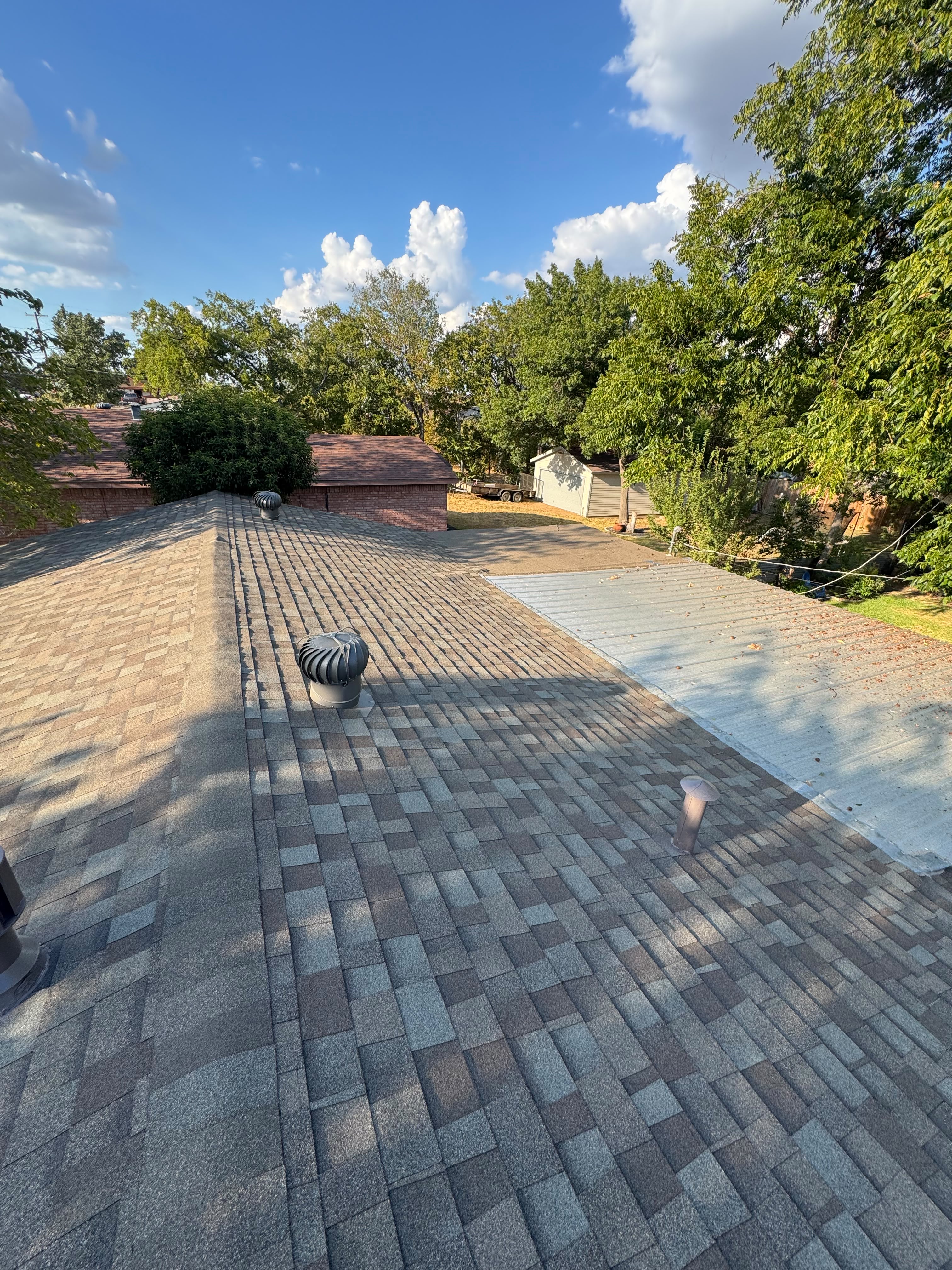
A compromised seal around a chimney or vent pipe might not seem like a big deal. You might not see water pooling around them from the ground. But water is persistent. It can find its way through the tiniest cracks, seeping down the sides of the pipe or chimney, under the flashing, and into your attic or wall cavities. This slow, persistent intrusion can lead to rot in your roof decking, damage to insulation, and mold growth within your home's structure. The consequences can be severe and costly to repair, often requiring not just roof work but also interior demolition and reconstruction.
Key Insight
These small penetrations are often where leaks begin because they are subjected to more stress than the flat planes of the roof due to their irregular shapes and the way they interrupt the roof's natural water flow.
Regular inspections are key to catching these issues early. A trained eye can spot dried, cracked rubber boots, loose flashing, or signs of sealant degradation. Addressing these small issues proactively can prevent the cascade of problems that result from water intrusion. It's a small part of the roof, but a critical one for preventing major damage.
Blind Spot #7: Gutters & Downspouts – The Unsung Heroes of Water Management
Your gutters and downspouts are not just decorative elements; they are essential components of your home's water management system. Their primary job is to collect rainwater from your roof and direct it safely away from your foundation. When they are clogged, damaged, or improperly sloped, they cease to function effectively, creating a significant blind spot that can lead to a host of problems, including basement flooding, foundation damage, and even erosion around your home.
Step 1: Check for Clogs
Look for leaves, twigs, and other debris that can block water flow.
Step 2: Inspect for Damage
Check for sagging, loose sections, or holes in the gutters and downspouts.
Step 3: Verify Drainage
Ensure downspouts extend far enough from the foundation to carry water away effectively.
In DFW, where we can experience sudden heavy downpours, overloaded or clogged gutters can cause water to overflow. This water can then run down the sides of your house, potentially seeping into the fascia board, soffits, and even the wall structure. Worse, if water backs up onto the roof edge due to clogged gutters, it can lead to ice dams in the rare instances we get freezing rain, or simply cause rot and damage to the roof's edge. This is a problem that many homeowners overlook because they’re focused on the shingles themselves, not the drainage system that supports them.
How to Get This Done
Regularly cleaning your gutters is a must, especially after leaf fall in the fall. You can do this yourself, but if your roof is steep or high, it's safer to hire a professional. Montesco Roofing also offers comprehensive roof inspections that include a thorough check of your gutter and downspout system. We can identify issues like improper slope, blockages, or damage that could be compromising your home's protection.
Proactive Protection: How Montesco Roofing Uncovers Your Roof's Blind Spots
At Montesco Roofing, we've been serving DFW homeowners for over 13 years, and we understand the unique challenges our climate presents. We don't just look at your roof; we conduct a comprehensive system analysis. Our inspections go beyond the obvious. We're trained to spot the subtle signs of wear and tear that can become major problems, the very "blind spots" we've discussed.
Key Takeaways
- Experienced Eyes: Our team knows where to look for compromised flashing, inadequate ventilation, and deteriorating seals.
- Material Expertise: We understand how different roofing materials react to DFW's weather and can identify early signs of damage.
- System Approach: We inspect the entire roofing system, from the shingles to the underlayment, decking, ventilation, and drainage.
- Preventative Maintenance: Our goal is to identify potential issues before they become costly disasters, saving you time and money.
When we inspect your roof, we're not just looking for storm damage; we're looking for the cumulative effects of time, weather, and wear. We'll document any findings with photos and provide a clear, honest assessment of your roof's condition. This allows you to make informed decisions about repairs or replacements, ensuring your home remains protected. Investing in regular, professional inspections is one of the smartest ways to safeguard your home against the hidden threats that can compromise its integrity.
DIY vs. Professional Inspection: What You Can See vs. What We Find
It's great when homeowners take an active role in maintaining their properties. A DIY inspection can catch some obvious issues, but it's crucial to understand its limitations, especially when it comes to the intricate details of your roof's health. The "blind spots" are, by definition, the things that are difficult or impossible for an untrained eye to spot.
| Feature | DIY Inspection (Ground/Attic Check) | Professional Inspection (Montesco Roofing) |
|---|---|---|
| What's Checked | Visible shingle damage (missing, cracked), obvious leaks in attic, granule buildup in gutters. | All DIY checks PLUS: Flashing integrity, ventilation system (soffit/ridge vents), vent pipe seals, chimney flashing, fascia/soffit condition, decking condition, subtle signs of water intrusion, structural integrity. |
| Tools Used | Ladder (if comfortable), binoculars, flashlight. | Professional-grade ladders, safety harnesses, moisture meters, infrared cameras (optional for advanced diagnostics), specialized inspection tools. |
| Expertise Level | Basic homeowner knowledge. | 13+ years of DFW roofing experience, manufacturer training, understanding of building codes and best practices. |
| Identification of Blind Spots | Low to moderate. Often misses subtle issues. | High. Specifically trained to identify hidden damage and potential failure points. |
| Insurance Claims | Can provide supporting evidence, but often not sufficient on its own. | Detailed reports with photos are invaluable for insurance claims, especially for storm damage. We can advocate for you throughout the insurance claims process. |
| Safety Risk | Moderate to high, especially if climbing on the roof. | Minimal for homeowner; our technicians are trained and insured for roof safety. |
| Cost | Free (your time). | Free inspection often included with service estimates or available for a nominal fee, which can be applied to services. |
While a DIY check is a good starting point, it's no substitute for a professional assessment. Our team at Montesco Roofing has the experience, tools, and knowledge to identify those hidden dangers that could be silently damaging your home. We can provide a detailed report, complete with photographic evidence, that clearly outlines any issues and the recommended solutions, ensuring you're fully informed about your roof's condition and the steps needed to protect your investment.
Frequently Asked Questions About Roof Blind Spots in DFW
What's the biggest blind spot for DFW homeowners regarding their roofs?
How often should I have my roof inspected by a professional?
Can I check my attic for roof leaks myself?
What is the lifespan of a typical asphalt shingle roof in Texas?
How do I know if my roof has insufficient attic ventilation?
What's the difference between a roof repair and a roof replacement?
Don't let your roof's blind spots put your home at risk. Our team at Montesco Roofing has protected hundreds of DFW homes with expert inspections and quality workmanship. Tell us about your roof — we offer free inspections with no pressure.
Get Your Free Roof Inspection →Montesco Roofing Team
DFW's trusted roofing contractor with 13+ years of experience. Specializing in roof replacements, storm damage repair, and insurance claims across Dallas-Fort Worth.
Get in touch →