The Anatomy of Your Roof: The Essential Parts Every DFW Homeowner Must Know by 2026

Why Understanding Your Roof's Anatomy is Crucial for DFW Homeowners in 2026
You see it every day, but how much do you really know about the roof over your head? Here in the Dallas-Fort Worth metroplex, our roofs work overtime. They battle intense Texas sun, sudden torrential downpours, and the occasional surprise hail storm. By 2026, with the climate patterns we're seeing, understanding the different parts of your roof isn't just for roofer geeks like me; it's a critical part of protecting your most valuable asset – your home. Think of it like knowing the vital signs of your own body. If you can spot the early warning signs, you can address issues before they become major, expensive problems. That's what this is all about: empowering you with knowledge so you can have more informed conversations with your roofing contractor and make smarter decisions for your home’s longevity.
We've seen it all in my 13+ years serving DFW communities like Frisco, Plano, and Fort Worth. Homeowners who understand their roof's structure are often the ones who catch issues early, saving themselves thousands in potential water damage and costly repairs down the line. It’s not about becoming a certified roofer overnight; it’s about recognizing the key players on your roof and what their job is. From the unseen foundation to the visible shingles, each component plays a vital role in keeping your home safe, dry, and energy-efficient, especially under the demanding North Texas climate.
Quick Answer: Understanding your roof's 7 essential parts – the deck, underlayment, shingles, flashing, ventilation, fascia, and soffit – is crucial for DFW homeowners in 2026 to identify potential problems early, ensure proper function against Texas weather, and make informed decisions about maintenance and repairs, ultimately protecting your home's structural integrity and value.
The Foundation: Roof Decking – The Unseen Backbone of Your Home
Let's start from the bottom up, so to speak. Beneath all those shingles and layers, you have the roof deck, also known as roof sheathing. This is the structural foundation of your entire roof system. Typically made of plywood or oriented strand board (OSB), it's nailed directly to your home's rafters or trusses. Its primary job is to provide a solid, stable surface for the rest of the roofing materials to be attached to. Without a strong, properly installed roof deck, your roof simply wouldn't have anything to hold onto, making it vulnerable to wind uplift and structural failure – something we see too often after strong DFW storms.
In our Texas climate, the roof deck also plays a role in the overall thermal performance of your home. A well-constructed deck, combined with proper ventilation, helps to regulate attic temperatures, which can significantly impact your energy bills. When we inspect a roof, especially after a major storm event or if a homeowner suspects a leak, checking the integrity of the roof deck is one of the first things we do. Rot, delamination (where the layers of plywood start to separate), or sagging are all red flags that indicate the deck is compromised and needs immediate attention. This is a critical component that often goes unnoticed until there’s a significant problem, making it a prime candidate for hidden damage.
What most homeowners don't realize is that the roof deck is the primary structural element that transfers wind and snow loads (though snow is less of a concern here in DFW, wind uplift from severe storms is!) to the rest of your home's framing. So, when you're talking about a roof replacement, especially if you're considering upgrading your roofing material, ensuring your roof deck is in excellent condition is paramount. We've seen situations where homeowners opted for just a re-roofing over an old, damaged deck, and it's a recipe for disaster. It’s like putting a fancy new paint job on a car with a rusty frame – it won't last.
When getting a roofing quote, always ask about the condition of your roof deck. A reputable contractor will inspect it and include any necessary repairs or replacement in their estimate. Don't be afraid to ask for photos of the deck if it needs work – seeing is believing, and it helps you understand the scope of the project.
The First Line of Defense: Underlayment – Your Roof's Invisible Shield
Right on top of that solid roof deck sits another layer that's just as important, though often unseen: the roof underlayment. Think of this as your roof’s invisible shield, a crucial secondary barrier against moisture. It's typically made of felt paper or a synthetic material and is laid directly over the roof deck before the shingles are installed. Its main job is to provide an extra layer of protection against water that might get past the shingles, especially during heavy rain or if a shingle is damaged or blown off.
In DFW, where we experience intense sun and sudden, heavy rains, underlayment is absolutely vital. The relentless UV rays can degrade shingles over time, and strong winds can lift them, creating an entry point for water. The underlayment acts as a dam, preventing that water from reaching the roof deck and, more importantly, your home's interior. Different types of underlayment exist, including traditional asphalt-saturated felt and more modern synthetic options. Synthetic underlayments are becoming increasingly popular because they are lighter, stronger, more resistant to tearing, and offer superior water-blocking capabilities, which is a big plus for North Texas weather.
A common mistake we see, particularly with less experienced or fly-by-night roofing operations that pop up after a major storm, is skimping on the underlayment or using the wrong type. This is a classic example of cutting corners that will cost you dearly down the road. A compromised underlayment can lead to mold growth, rot in your attic and rafters, and eventually, significant interior water damage. When we perform a roof repair or a full replacement, we always use high-quality underlayment that meets or exceeds local building codes and manufacturer specifications. It’s a small investment that offers immense protection.
Traditional Felt Underlayment
Pros: Cost-effective, widely available.
Cons: Can be heavier, more prone to tearing during installation, may absorb moisture if exposed.
Synthetic Underlayment
Pros: Lighter, stronger, more tear-resistant, excellent water barrier, better UV resistance.
Cons: Higher initial cost.
The Protective Layer: Shingles & Roofing Material – More Than Just Aesthetics
This is the part everyone sees – the shingles, or whatever roofing material you have. While they're often chosen for curb appeal, their primary function is to be the main line of defense against the elements. Here in DFW, the most common roofing material is asphalt shingles. They're a popular choice because they offer a good balance of affordability, durability, and variety in terms of color and style. We work with top manufacturers like GAF, Owens Corning, and CertainTeed, understanding that not all shingles are created equal.
Asphalt shingles are made of a fiberglass or organic mat base, saturated with asphalt, and then coated with mineral granules. These granules are crucial – they protect the asphalt from UV rays and provide fire resistance. The quality of the asphalt and the density of the granules significantly impact the shingle's lifespan and performance. For our harsh Texas summers, choosing shingles with good UV resistance and a higher wind rating is essential. We often recommend architectural or dimensional shingles over the basic 3-tab style. Architectural shingles are thicker, have a more varied appearance, and are generally more durable and wind-resistant, making them a better long-term investment for DFW homes.
Beyond asphalt, other roofing materials exist, like metal roofs, which are gaining popularity in Texas for their durability and energy efficiency, or tile roofs, common in some architectural styles. Each has its own pros and cons, and the "best" material often depends on your budget, home style, and local climate. However, regardless of the material, proper installation is absolutely key. Even the highest-quality shingles will fail prematurely if not installed correctly according to manufacturer specifications and local building codes. That’s why choosing a qualified and experienced DFW roofing contractor is so important.
Guarding Against Water Intrusion: Flashing – The Critical Sealant
Now let's talk about the unsung heroes of roof waterproofing: flashing. These are typically thin pieces of metal – usually aluminum, galvanized steel, or copper – installed at critical junctions where the roof plane changes or where a roof meets a vertical surface. Think about areas like chimneys, vent pipes, skylights, dormers, and valleys (where two roof slopes meet). These are prime spots where water can find its way into your home if not properly sealed.
Flashing is meticulously installed to create a watertight barrier. It's designed to channel water away from these vulnerable points and direct it onto the main roofing material. If flashing is damaged, improperly installed, or missing, it’s an open invitation for leaks. We see this frequently after severe weather events in DFW. A strong gust of wind can lift or tear flashing, or hail can dent it, creating small gaps that allow water ingress. Even minor issues here can lead to significant damage over time, including rot in the roof deck and structural components, and water stains on your ceilings.
When we conduct a roof inspection, especially after a storm, we pay very close attention to the flashing. We look for any signs of corrosion, cracks, loose pieces, or signs of water staining around these areas. The type of flashing used and how it's integrated with the shingles and underlayment are critical. For instance, step flashing, which looks like a series of metal steps, is essential for chimneys and walls. Valley flashing, used where two roof planes intersect, needs to be robust enough to handle the concentrated water flow. Ensuring all flashing is correctly installed and maintained is one of the most effective ways to prevent leaks and extend the life of your roof system.
How to Get This Done
Identifying compromised flashing often requires a close-up inspection, ideally by a trained eye. If you notice water stains on your ceiling, especially near chimneys, vents, or skylights, or if you see curling or missing shingles around these areas, it's a strong indicator that your flashing might be the culprit. For a thorough inspection and professional repair of flashing, it's best to rely on experienced roofers. Our Montesco Roofing team specializes in diagnosing and repairing these critical leak points on homes throughout the DFW area. We ensure all flashing is installed to last, protecting your home from water intrusion.
Breathing Easy: Ventilation – Keeping Your Attic Cool and Dry
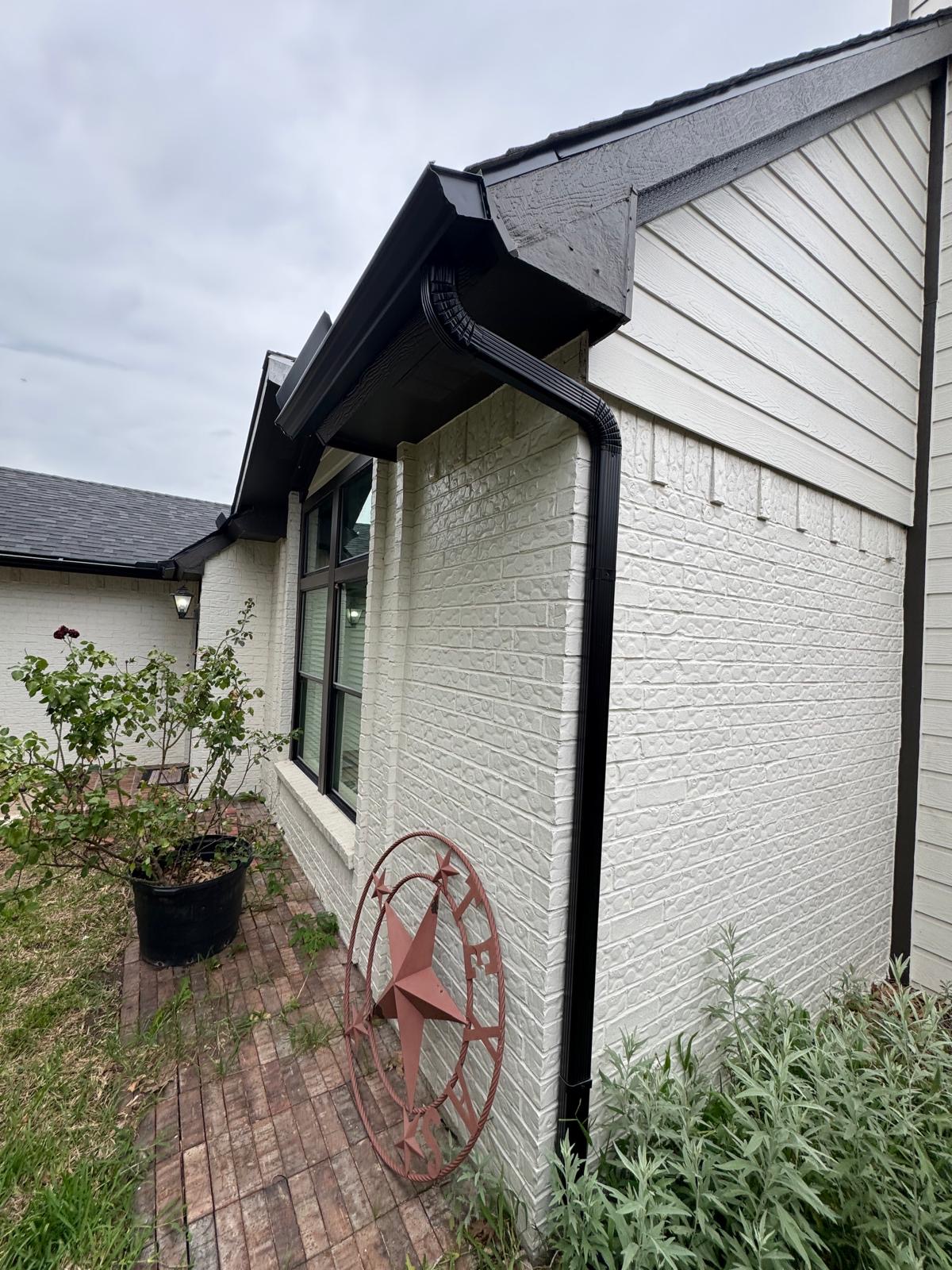
This is a part of the roof system that many homeowners overlook, but proper roof ventilation is absolutely essential for the health and longevity of your entire home. It's not just about comfort; it's about preventing moisture buildup and managing temperature extremes. Your attic space needs to breathe. A well-ventilated attic allows hot air to escape in the summer and moist air to be expelled year-round, which is particularly important in a humid climate like North Texas.
The system typically involves a balance of intake vents (usually soffit vents located under the eaves) and exhaust vents (like ridge vents or box vents located at the peak of the roof). This creates a natural airflow that circulates air through the attic. In the scorching DFW summers, this ventilation helps prevent your attic from becoming an oven, which can reduce the load on your air conditioning system and prolong the life of your roofing materials. Conversely, in cooler months, it helps prevent condensation from forming inside the attic, which can lead to mold, mildew, and rot in your roof deck and framing.
We often find homes in areas like Garland and Mesquite that have inadequate or blocked ventilation. This can lead to a host of problems, including premature shingle aging, ice dams in colder climates (though less common here, moisture issues are still prevalent), and increased energy costs. When we’re assessing a roof for replacement, we always evaluate the existing ventilation system. Sometimes, we recommend adding more vents or upgrading to a more efficient system, like a continuous ridge vent, which works seamlessly with the roofline and provides excellent airflow. A properly ventilated attic is a sign of a well-engineered and maintained roof system.
Blocked soffit vents are a common problem. Insulation can sometimes sag and block the airflow from the soffit vents into the attic space. This prevents fresh air from entering, disrupting the entire ventilation cycle. Regular checks of your attic and soffit vents are crucial, especially if you've had insulation added recently.
The Edges and Eaves: Fascia and Soffit – Protecting Your Home's Exterior
Moving to the edges of your roof, we encounter two more critical components that work together: the fascia and soffit. These are not directly part of the roof's water-shedding system but are vital for protecting the underlying structure and ensuring proper ventilation.
The fascia is the vertical board that runs along the lower edge of the roof, where the gutters are attached. It essentially caps the ends of the rafters. Its primary purpose is to provide a surface for attaching gutters and to protect the exposed ends of the roof trusses or rafters from the elements. When your gutters are properly installed, they're attached directly to the fascia. If the fascia is rotten or damaged, your gutters won't be secure, and water can back up and cause even more damage to your roof and siding.
Beneath the fascia, and extending slightly under the eaves, is the soffit. This is the underside of your roof overhang. It often contains vents, which are the intake vents for your attic ventilation system we discussed earlier. The soffit closes off the eaves, preventing pests like birds and squirrels from nesting in your attic and also protecting the rafters from weather. The soffit and fascia work in tandem: the soffit provides the underside protection and ventilation intake, while the fascia caps the edge, supports the gutters, and completes the seal.
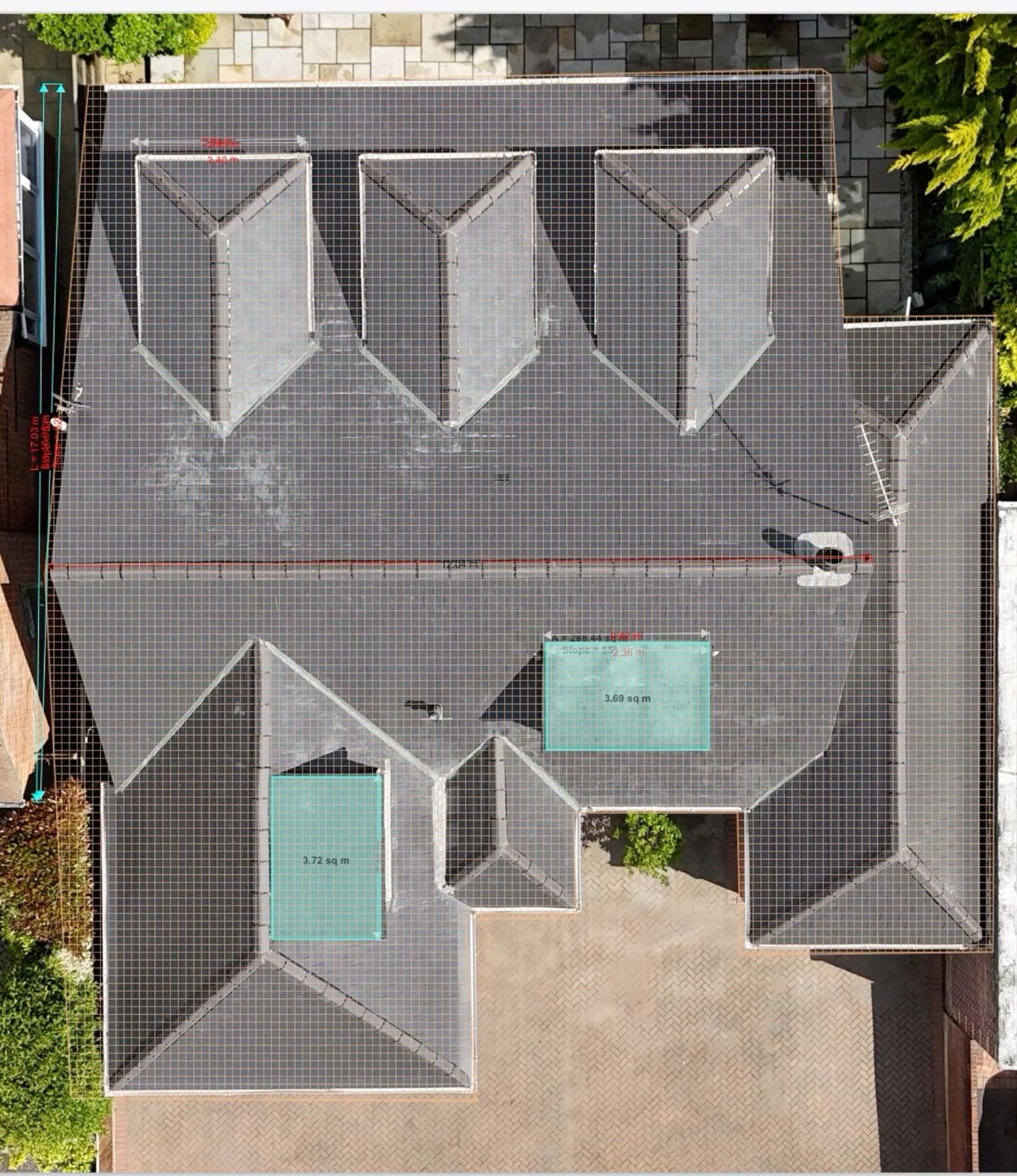
In DFW, these components are constantly exposed to sun, rain, and temperature fluctuations. Wood fascia and soffit can rot if not properly maintained or if gutters overflow regularly. We often recommend replacing wood fascia and soffit with durable, low-maintenance materials like vinyl or aluminum, especially in areas prone to moisture or insect damage. This not only enhances the curb appeal of your home but also provides long-term protection and reduces the need for frequent repairs. A cracked or rotted fascia board can lead to significant water damage to your roof deck and even the exterior walls of your home.
| Feature | Wood Fascia & Soffit | Vinyl/Aluminum Fascia & Soffit |
|---|---|---|
| Durability | Susceptible to rot, insect damage, cracking, and warping over time. Requires regular maintenance. | Highly resistant to rot, insects, and moisture. Maintains structural integrity longer. |
| Maintenance | Requires regular painting or staining to prevent decay. | Low maintenance; typically only needs occasional cleaning. |
| Cost (Initial) | Generally lower initial cost. | Higher initial cost compared to wood. |
| Lifespan | Varies greatly with maintenance; can be significantly shorter if neglected. | Typically lasts 20-30+ years with minimal upkeep. |
| Ventilation Integration | Can be vented, but wood is more prone to moisture issues. | Designed with integrated vents that are resistant to moisture and pests. |
| Impact of DFW Weather | Can degrade quickly under intense sun and rain without constant upkeep. | Designed to withstand harsh weather conditions without significant degradation. |
| Long-Term Value | Requires ongoing investment in maintenance and potential repairs. | Offers superior long-term value through reduced maintenance and increased lifespan. |
Choosing between wood and its more durable counterparts often comes down to budget and long-term maintenance preferences. For homeowners in North Texas looking for the most resilient and low-maintenance solution, vinyl or aluminum fascia and soffit are excellent investments.
Common DFW Roofing Issues & How Anatomy Knowledge Helps Prevent Them
Living in the DFW area means dealing with specific roofing challenges. Understanding the anatomy of your roof equips you to better identify and prevent these common issues:
1. Hail Damage: Our region is notorious for severe hailstorms. Hail can impact shingles, causing bruising and cracking that may not be immediately visible. It can also damage flashing and ventilation components. Knowing about these parts helps you understand where to look for damage after a storm. For instance, dents on flashing or displaced ridge vent caps are clear indicators. Early detection is key for insurance claims.
2. Intense Sun Exposure: The relentless Texas sun bakes our roofs, causing shingles to dry out, become brittle, and lose their granules. This accelerates aging. Understanding that shingles have a protective granule layer and that underlayment is their backup helps you appreciate the need for quality materials and proper installation to withstand this constant UV assault.
3. Wind Uplift: Strong winds, common in DFW, can lift shingles, compromise flashing, and even tear off entire sections of roofing. Knowledge of how shingles interlock and how flashing seals vulnerable areas highlights the importance of proper installation techniques that resist wind uplift. A compromised fascia board can also contribute to wind damage by allowing wind to get under the roofing edges.
4. Moisture Intrusion: Whether from heavy rain, condensation due to poor ventilation, or leaks around penetrations, moisture is a roof's enemy. Understanding the roles of underlayment, flashing, and ventilation helps you recognize that a leak isn't just a shingle problem; it could be a failure in any of these interconnected components. Catching mold or rot in the attic (roof deck issue) is a direct result of failing moisture barriers.
5. Attic Heat Buildup: In the summer, attics can reach extreme temperatures. Poor ventilation exacerbates this, putting stress on shingles and increasing energy costs. Knowing about soffit and ridge vents helps you understand why proper airflow is critical for your home's overall comfort and energy efficiency.
Key Insight
When you understand how each part of your roof system works together, you can better assess the severity of any damage and communicate effectively with your roofing contractor. For example, knowing that hail damage to shingles can compromise the underlayment, and that compromised flashing can lead to rot in the roof deck, gives you a more comprehensive picture of potential issues.
When to Call a Montesco Roofing Pro: Recognizing the Signs
As much as I love talking roofs, I know most homeowners don't spend their days thinking about their roof's anatomy. That's perfectly fine! My goal is to empower you with enough knowledge to recognize when it's time to call in the professionals. Here at Montesco Roofing, with over 13 years serving the DFW community, we've developed a keen eye for the subtle (and not-so-subtle) signs that indicate a roof needs attention.
Signs to watch for include:
- Visible Damage: Missing, cracked, curling, or blistering shingles are obvious signs. Also, look for damaged flashing around chimneys, vents, or skylights.
- Granules in Gutters: If you see a significant amount of shingle granules (they look like coarse sand) in your gutters or around the base of your home, it means your shingles are wearing out and losing their protective layer.
- Water Stains: Any water stains on your ceilings or walls, especially after rain, are a serious red flag. Check your attic for damp spots or daylight peeking through the roof deck.
- Sagging Roofline: A visible dip or sag in your roofline can indicate structural issues with the roof deck or rafters, often due to water damage or age.
- Mold or Mildew in the Attic: This is a strong indicator of moisture buildup, often caused by inadequate ventilation or leaks, which can compromise the roof deck and framing.
- Increased Energy Bills: An old, poorly ventilated, or damaged roof can lead to significant heat loss or gain, making your HVAC system work harder and driving up your energy costs.
- Age of the Roof: Most asphalt shingle roofs have a lifespan of 15-30 years. If your roof is approaching or has passed this age range, it's wise to have it inspected regularly, even if you don't see obvious problems.
Don't wait until you have a major leak or storm damage to call us. Regular inspections, especially after severe weather events common in North Texas, can catch small issues before they escalate. We offer thorough, no-pressure inspections for homeowners in Plano, Fort Worth, Arlington, and surrounding areas. We'll walk you through our findings, explain the condition of each component of your roof, and provide honest recommendations. Our goal is to help you maintain a safe, secure, and beautiful roof for years to come.
How to Get This Done
If you suspect any of the issues above, or simply want peace of mind, the best next step is a professional roof inspection. You can certainly do a visual check from the ground for obvious damage. You can also check your attic for daylight or moisture. However, for a comprehensive assessment of all roof components – from the deck to the flashing and ventilation – a professional is invaluable. Montesco Roofing offers free, detailed roof inspections for DFW homeowners. We'll use our expertise to identify any potential problems, explain them clearly, and provide a transparent estimate if repairs or replacement are needed. We’re committed to protecting your home like it’s our own.
Your Roof Anatomy FAQ for DFW Homeowners
Frequently Asked Questions
What is the most important part of my roof?
How often should I have my roof inspected in DFW?
Can I repair just the shingles, or do I need a full roof replacement?
What's the difference between soffit and fascia?
How does roof ventilation affect my energy bills in Texas?
Is it worth investing in higher-quality shingles?
What should I do if I suspect hail damage after a storm?
Can a roofer fix just a small leak, or will they push for a whole new roof?
Montesco Roofing Team
DFW's trusted roofing contractor with 13+ years of experience. Specializing in roof replacements, storm damage repair, and insurance claims across Dallas-Fort Worth.
Get in touch →