Ridge Caps Explained
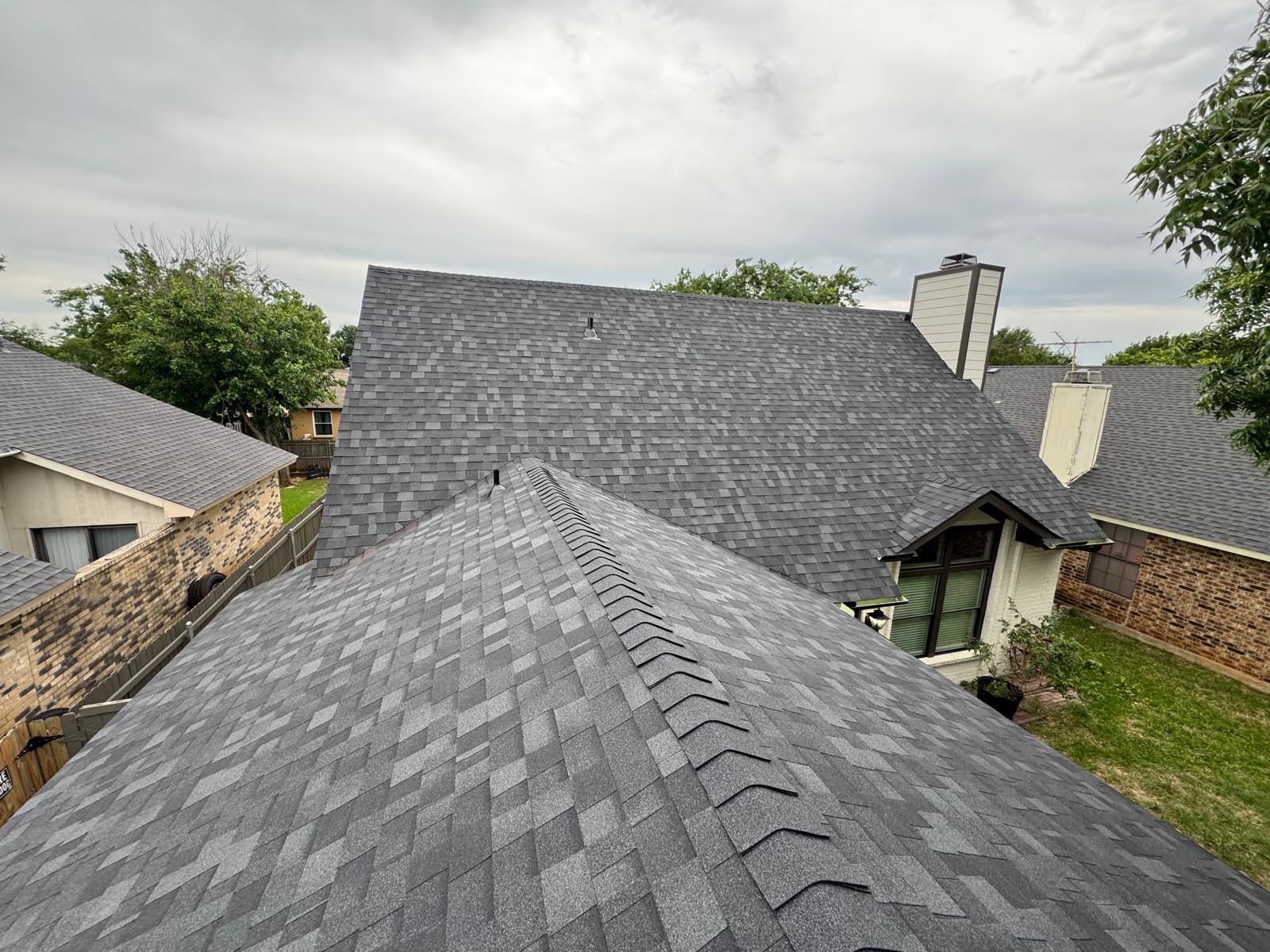
You've probably heard about shingles, flashing, and maybe even soffits when talking about your roof. But there's a critical component that often goes unnoticed, yet it plays a starring role in keeping your home safe and dry: the ridge cap. For us here in the DFW area, where we see everything from scorching heat to sudden, intense storms, understanding every part of your roof's defense system is essential. I've been working on roofs in Dallas, Fort Worth, and all across North Texas for over 13 years, and I can tell you, a healthy ridge cap is just as important as the shingles covering the main slopes of your roof.
What Exactly is a Roof Ridge Cap?
Think of your roof like a house's helmet. The main body of the roof, covered in shingles or other roofing material, is the protective shell. The ridge cap, however, is like the reinforced seam or the top edge of that helmet. It's the material that runs along the very peak of your roof, where two angled sections of the roof meet and form a horizontal ridge.
This isn't just a decorative element; it's a functional necessity. The ridge cap's primary job is to seal off the highest point of your roof, preventing water from seeping into the attic space. Because of its position, it's the first line of defense against rain, hail, and even blowing debris that can try to find its way into your home. It's the final piece of the puzzle that completes the entire roofing system, ensuring that water flows off the roof as intended, rather than pooling or finding tiny entry points.
In DFW, where we experience such varied weather, this seal is paramount. We see intense thunderstorms that can drive rain upwards and sideways, and during hail season, impacts can dislodge even well-secured materials. The ridge cap has to withstand these forces just as much as the rest of your roof.
While many homes use specialized ridge cap shingles that are thicker and designed for this specific purpose, sometimes standard shingles are cut and applied to form the ridge. However, dedicated ridge cap shingles offer superior durability and better aesthetics.
The Crucial Role of Ridge Caps in DFW Roof Ventilation
This is where things get really interesting, especially for homeowners in a climate like ours here in North Texas. Your attic needs to breathe. Proper roof ventilation is absolutely critical for the health of your home and the longevity of your roof. It helps regulate temperature, reduces moisture buildup, and prevents issues like mold, mildew, and ice dams (though ice dams are less common here than in colder climates, moisture buildup is still a major concern).
Ridge caps, particularly ridge vent systems, are a key player in achieving this balance. A ridge vent is essentially a continuous vent installed along the entire length of the roof's ridge. It works in conjunction with intake vents, usually located in the soffits (the underside of your roof's eaves), to create a natural airflow. Cool, dry air enters through the soffit vents, rises through the attic space, and exits through the ridge vent at the peak.
Why is this so important in DFW? In the summer, our scorching Texas heat can build up significant heat in the attic. Without proper ventilation, this heat transfers down into your living space, forcing your air conditioning system to work overtime. This means higher energy bills and unnecessary wear and tear on your HVAC. A well-functioning ridge vent system helps exhaust that superheated air, keeping your attic cooler and your home more comfortable.
In cooler months, or after heavy rains, moisture can accumulate in the attic from everyday household activities (showering, cooking, breathing). If this moisture isn't vented out, it can condense on the underside of your roof decking and insulation, leading to mold, rot, and a weakened structure. The ridge vent, as the highest point, allows this moist air to escape naturally.
If your ridge cap is covered by something that blocks airflow – like a poorly installed cap, debris buildup, or even paint – it can severely compromise your home's ventilation, leading to hidden moisture problems and accelerated roof decay. Always ensure your ridge cap is clear and functional.
How Ridge Caps Prevent Costly Roof Leaks in 2026
Let's talk about the most direct and perhaps most feared problem: roof leaks. The ridge cap is the absolute final barrier at the peak of your roof. When rain falls, it runs down the slopes of your roof. Where those slopes meet, if the ridge isn't properly sealed, water can find its way in. This is especially true during DFW's intense rainstorms, where wind can drive water upwards and into any available crevice.
A properly installed ridge cap, whether it's a specialized ridge shingle or a well-executed metal flashing, creates a watertight seal. It's designed to overlap the shingles on both sides of the ridge and extend down the slopes just enough to channel water away. When this seal is compromised – perhaps by missing shingles, cracking, or deterioration from age and UV exposure – water can begin to seep into the attic.
Step 1: Water Hits the Ridge
Rain or hail impacts the highest point of your roof.
Step 2: Flow Down Slopes
Water is designed to run down the main roof planes.
Step 3: Ridge Cap Seals the Peak
A properly functioning ridge cap prevents any water from penetrating the joint.
Step 4: Water is Directed Away
The water continues its journey off the roof edges.
Once water enters the attic, it doesn't just sit there. It can drip onto insulation, the ceiling drywall, and even down into wall cavities. This can lead to:
- Structural Damage: Rotting roof decking, compromised rafters, and mold growth can weaken the entire roof structure.
- Interior Water Damage: Stains on ceilings and walls, peeling paint, damaged plaster, and ruined insulation.
- Electrical Hazards: Water dripping onto electrical wiring can create a serious fire risk.
- Mold and Mildew: The dark, damp environment of an attic is a breeding ground for mold, which can spread throughout your home and cause respiratory problems.
The cost of repairing these secondary damages can often far exceed the cost of repairing or replacing a damaged ridge cap. That's why being proactive, especially after a significant storm event here in DFW, is so important. We've seen too many homeowners face thousands in repairs because a small issue at the ridge was ignored.
Key Insight
The ridge cap is the most exposed part of your roof to direct vertical water intrusion. Its integrity is paramount for preventing leaks that can quickly escalate from a minor nuisance to a major structural problem.
Ridge Cap Materials: Asphalt Shingles vs. Metal Roofing in DFW
When it comes to ridge caps, the material used often depends on the primary roofing material of your home. Here in DFW, the two most common are asphalt shingles and metal roofing systems.
| Feature | Asphalt Shingle Ridge Caps | Metal Ridge Caps |
|---|---|---|
| Primary Material Match | Designed to complement asphalt shingle roofs. Often a thicker, more robust shingle specifically manufactured for ridges. | Used with metal roofing systems. Typically a custom-fabricated metal piece that matches the style and gauge of the main roof panels. |
| Durability & Lifespan | Good, but generally less durable than metal. Lifespan is tied to the quality of the shingles and the climate. DFW heat can accelerate wear. | Excellent. Metal ridge caps are highly durable, resistant to extreme temperatures, and can last as long as the metal roofing system itself (often 50+ years). |
| Wind Resistance | Can be susceptible to wind uplift, especially older or improperly installed shingles. Specialized ridge cap shingles offer better resistance. | Exceptional wind resistance when properly fastened and integrated with the metal roofing system. |
| Leak Prevention | Effective when new and well-maintained. Can become brittle and crack over time, creating potential leak points. | Superior sealing capabilities. Custom fabrication ensures tight fits and robust protection against water intrusion. |
| Ventilation Integration | Can be used in conjunction with various ridge vent systems (e.g., baffled vents, ridge rolls) or as part of a passive ventilation system. | Often integrated with specialized metal ridge vents designed to work seamlessly with the metal panels, offering excellent airflow. |
| Aesthetics | Complements the look of asphalt shingle roofs. Available in various colors. | Sleek, modern look that matches metal roofing. Available in a wide range of colors and finishes. |
| Cost (Material & Installation) | Generally more affordable upfront for materials and installation, especially compared to custom metal fabrication. | Higher upfront cost due to material and custom fabrication requirements. However, offers better long-term value due to longevity. |
For asphalt shingle roofs, we typically use architectural ridge cap shingles. These are heavier, more flexible, and designed to withstand the elements better than basic 3-tab shingles. They provide a clean, finished look and excellent protection.
With metal roofs, the ridge cap is usually a piece of the same metal material, expertly bent and fabricated to fit the specific angle of the roof peak. This ensures a continuous metal barrier that is extremely durable and weather-resistant. Given the extreme weather we see in DFW, from intense sun to high winds and hail, metal ridge caps offer a significant advantage in terms of longevity and performance.
Key Insight
While both materials can offer protection, the choice of ridge cap material should align with your primary roofing system. For metal roofs, a metal ridge cap is almost always the best choice for maximum durability. For asphalt shingles, specialized ridge cap shingles offer a significant upgrade over basic shingles.
Signs Your DFW Ridge Cap Needs Professional Attention This Year
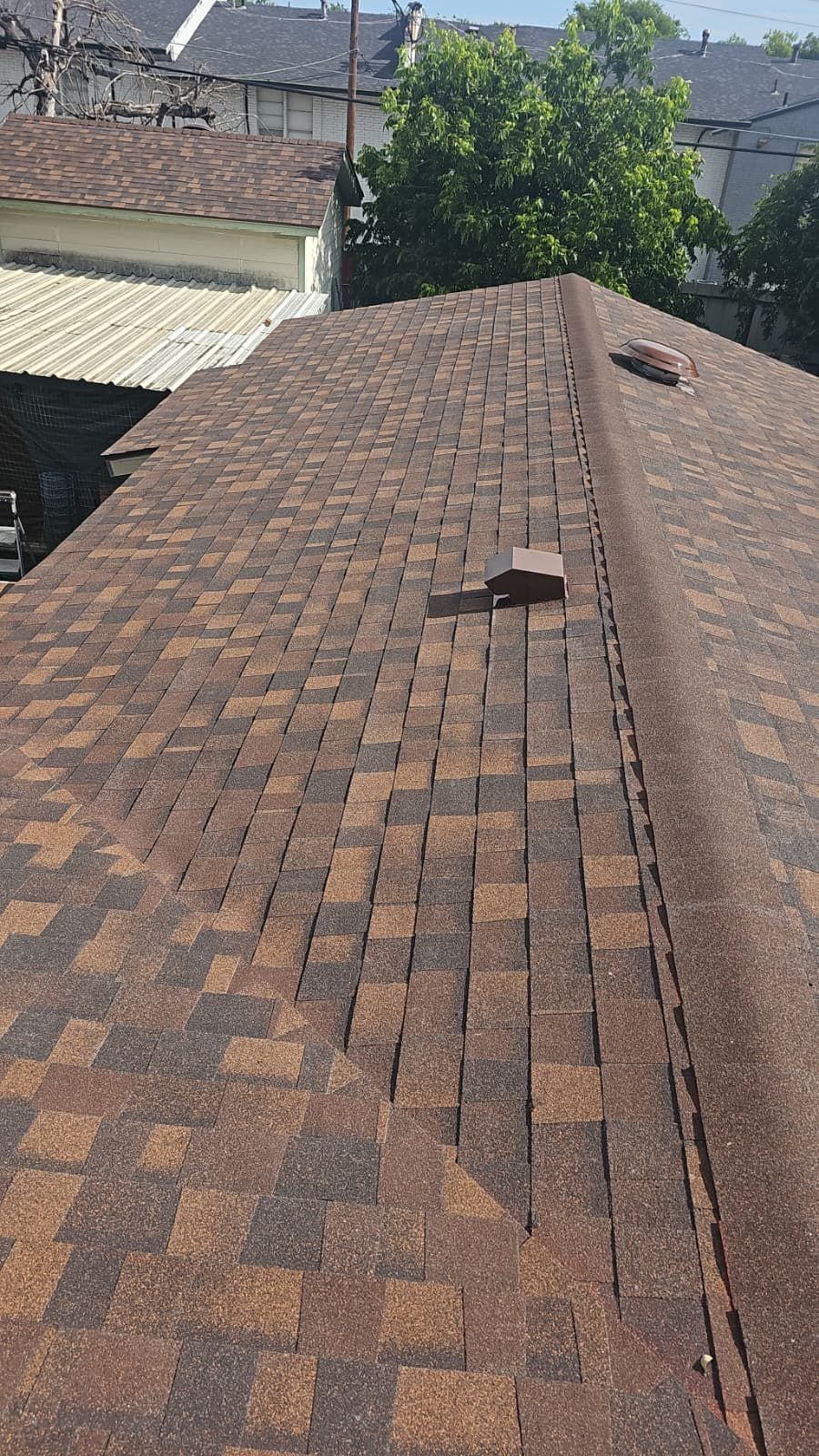
Your roof works hard for you, especially here in the Texas heat and during our frequent storm seasons. The ridge cap, being at the very top, takes a beating. Recognizing the signs that it needs attention is key to preventing bigger problems down the road. Here's what to look out for on your DFW home:
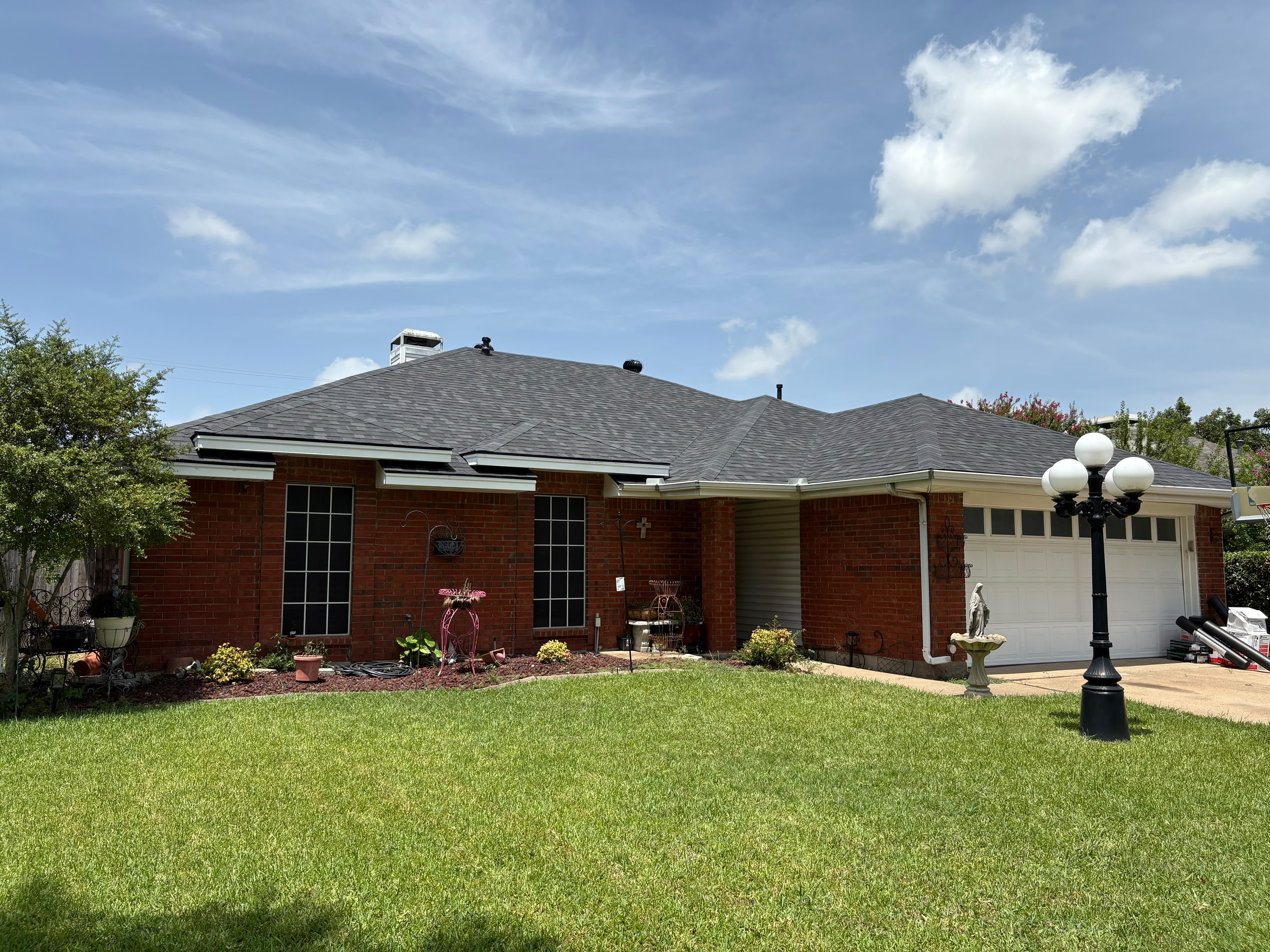
We often see issues after a strong DFW storm. Hail can dent and crack shingles, and high winds can lift and tear them. Even intense sun over many years can make asphalt brittle. If you notice any of these signs, it's time to call a professional roofing contractor. Ignoring these warnings can lead to much more extensive and expensive repairs later.
How to Get This Done
If you notice any of these signs, the best first step is a thorough roof inspection. You can perform a visual check from the ground using binoculars, but for a detailed assessment of your ridge cap and overall roof health, it's crucial to have a professional inspect it. If you want to handle this yourself, you'll need a sturdy ladder, safety harness, and knowledge of roofing materials. If you'd rather have experienced roofers handle it, our team has inspected and repaired hundreds of DFW roofs — here's how our process works: We start with a comprehensive, no-obligation inspection, provide a clear, detailed estimate, and use only high-quality materials installed by certified technicians to ensure your ridge cap is as durable as the rest of your roof.
The Montesco Roofing Difference: Expert Ridge Cap Installation in 2026
At Montesco Roofing, we know that the difference between a roof that lasts 20 years and one that struggles after 10 often comes down to the details. And the ridge cap is a prime example of a detail that demands expert attention.
Our team has been serving the Dallas-Fort Worth area for over 13 years, and we've seen firsthand what works and what doesn't when it comes to protecting homes from our unique climate. When we install or replace a ridge cap, we're not just slapping on some shingles. We're ensuring that this critical seal is perfect.
"Proper installation is everything. You can have the best materials in the world, but if they're not installed correctly, they won't perform. That's especially true for a vital component like the ridge cap."— A seasoned roofing expert's perspective
Here's what sets Montesco Roofing apart:
- Certified Technicians: Our installers are trained and certified, understanding the nuances of different roofing materials and the specific requirements for optimal performance in the DFW environment.
- Quality Materials: We use only high-quality ridge cap shingles from reputable manufacturers, or custom-fabricated metal components that meet strict industry standards.
- Attention to Detail: We meticulously prepare the roof deck, ensure proper underlayment is in place, and apply the ridge cap with precision, paying close attention to nailing patterns, sealant application, and overlap to create a truly watertight and wind-resistant seal.
- Ventilation Integration: If your home requires a ridge vent system, we ensure it's installed correctly, working in harmony with your soffit vents to provide optimal attic airflow.
- Local Expertise: We understand the challenges posed by Texas heat, humidity, and storm activity. Our installation methods are designed to withstand these conditions, giving you peace of mind.
Whether you're getting a full roof replacement or just need a repair on your existing ridge cap, choosing a contractor who prioritizes quality installation makes all the difference. It's about ensuring your home is protected for years to come, not just until the next rain shower.
Need to ensure your ridge cap is performing its best? Our team has protected hundreds of DFW homes with meticulous roofing work. Tell us about your roof — free inspection, no pressure.
Get Your Free Roof Inspection →DIY Ridge Cap Repair: Why It's a Risky Gamble for DFW Homeowners
I get it. When you see a damaged shingle or a small area that looks like it needs fixing, the DIY instinct kicks in. And for some minor home repairs, that's a perfectly fine approach. However, when it comes to your roof, especially something as critical as the ridge cap, a DIY attempt can often lead to more problems than it solves.
Here’s why I strongly advise against DIY ridge cap repairs for most homeowners in DFW:
For homeowners in Dallas, Plano, or Fort Worth, the combination of intense sun, potential for hail, and high winds means that any compromised area of your roof needs to be addressed with expertise. While a quick patch might seem like a cost-saver initially, the potential for future leaks, structural damage, and costly professional repairs makes it a gamble that's rarely worth taking.
It's always best to trust a licensed and insured roofing contractor like Montesco Roofing for any work on your roof. We have the training, the equipment, and the experience to ensure the job is done right the first time, protecting your home and your investment.
Frequently Asked Questions About DFW Roof Ridge Caps
What is the lifespan of a typical asphalt shingle ridge cap in DFW?
How much does it cost to replace a ridge cap in 2026?
Can a damaged ridge cap cause attic mold?
What's the difference between a ridge cap and a ridge vent?
How often should I have my DFW ridge cap inspected?
Can I just patch a missing ridge cap shingle myself?
Montesco Roofing Team
DFW's trusted roofing contractor with 13+ years of experience. Specializing in roof replacements, storm damage repair, and insurance claims across Dallas-Fort Worth.
Get in touch →