The Secrets to a Resilient Roof in 2026
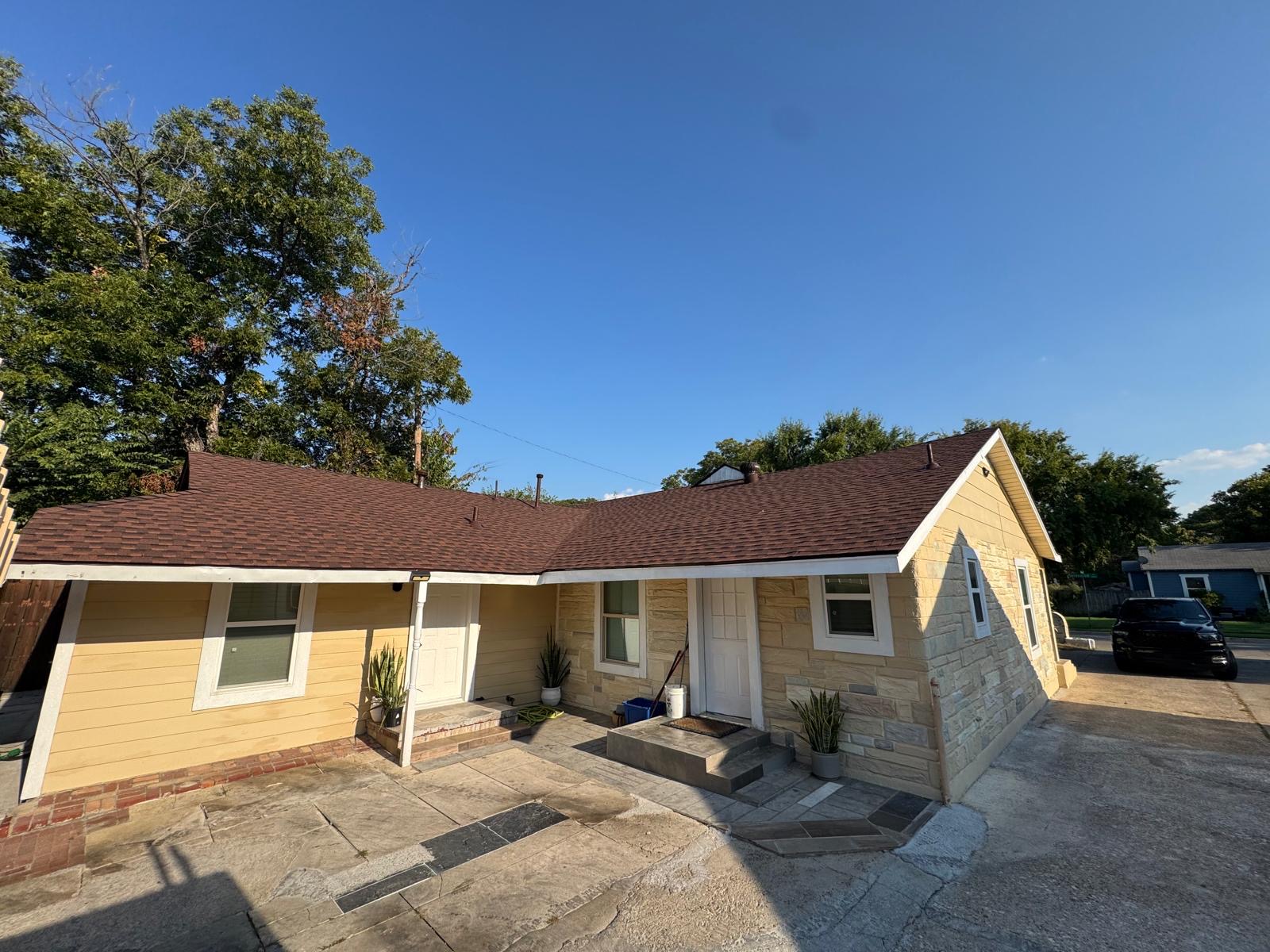
The Foundation of Resilience: Why Material Synergy Matters for Your DFW Roof
You’ve probably heard a lot about shingles, or maybe metal roofing, when it comes to your home’s protection. But what most homeowners don’t realize is that a roof isn’t just one single product. It’s a complex system of many different components, and how well they work together is the real secret to a roof that can stand up to everything North Texas throws at it, especially with the unpredictable weather we’ve seen this year, 2026.
Think of it like building a great team. You don't just pick the best quarterback; you need a solid offensive line, reliable receivers, and a smart defense. Similarly, your roof needs every part – from the decking underneath to the vents on top – to be in sync. When these materials are chosen and installed correctly, they create a powerful synergy that keeps your home safe, dry, and energy-efficient for years to come. But when they clash or are mismatched? That's when you start seeing problems, especially after a big DFW storm.
Here at Montesco Roofing, we've been working on roofs across Dallas, Fort Worth, and the surrounding areas for over 13 years. We’ve seen firsthand what happens when materials are treated as isolated parts versus what happens when they're designed to work as a cohesive unit. The difference is night and day. This isn't just about aesthetics; it's about the long-term performance and durability of your home's most critical shield.
In this guide, we’re going to pull back the curtain on what makes a DFW roof truly resilient. We’ll explore the unsung heroes that work behind the scenes, the critical partnerships between different materials, and what happens when things go wrong. Understanding this synergy is your first step to making informed decisions and ensuring your home is protected, not just today, but for many Texas seasons to come.
Beyond Shingles: The Unseen Heroes of Your Roof System
When people think about their roof, the first thing that usually comes to mind are the shingles – the visible, outermost layer that gives the house its curb appeal. And yes, shingles are incredibly important. But they’re just one piece of a much larger, intricate puzzle. The real magic happens with the components that work underneath, around, and within the shingle layer.
These are the "unsung heroes" of your roof system. They’re the critical layers that provide secondary water protection, manage heat and moisture, and ensure the structural integrity of the entire roof. Without them, even the best shingles would eventually fail, especially under the intense heat and occasional severe storms we experience here in North Texas.
Think of your roof system like a high-performance race car. The body (shingles) looks great, but the engine, suspension, and chassis (underlayment, flashing, ventilation, decking) are what make it perform reliably under pressure.
Let’s break down some of these essential, often overlooked, components:
Underlayment
This is the layer installed directly on top of the roof decking, beneath the shingles. It acts as a crucial secondary barrier against water intrusion if shingles are damaged or blown off during high winds, a common occurrence in DFW.
Flashing
Made from metal (like aluminum or galvanized steel), flashing is installed around vulnerable areas like chimneys, vents, skylights, and in valleys where two roof planes meet. Its job is to channel water away from these critical junctures, preventing rot and leaks.
Ventilation Components
This includes soffit vents, ridge vents, and attic vents. Proper ventilation is vital for regulating attic temperature and moisture. It prevents heat buildup in the summer (which can damage shingles) and moisture condensation in the winter (which can lead to mold and rot).
Roof Decking
This is the structural base of your roof, typically plywood or OSB (Oriented Strand Board). It provides a solid surface for attaching underlayment and shingles and is the foundation for the entire system's strength.
Each of these components plays a distinct but interconnected role. When they’re chosen with compatibility in mind and installed by skilled professionals who understand how they interact, they create a powerful defense against the elements. This is the essence of roof system synergy, and it's what we focus on at Montesco Roofing to ensure your home in Dallas or Fort Worth is truly protected.
Asphalt Shingles & Underlayment: A Critical Partnership for DFW Homes
Asphalt shingles are the go-to roofing material for a reason, especially here in the DFW metroplex. They offer a good balance of cost, durability, and a wide range of styles and colors. However, their effectiveness is significantly amplified – or diminished – by the underlayment installed beneath them. This partnership is one of the most fundamental in creating a weather-tight roof.
Key Insight
The underlayment is your roof's first line of defense against water that gets past the primary covering (the shingles). In DFW, where we can experience sudden downpours and strong winds, a robust underlayment system is non-negotiable for preventing leaks and costly water damage to your attic and interior.
Traditionally, asphalt-saturated felt paper was the standard. While it offers some protection, modern synthetic underlayments have become the industry standard for good reason. They offer superior water resistance, are lighter, more durable, and less prone to tearing during installation – a huge advantage when working on steep or complex rooflines common in areas like Plano or Frisco.
Here's why the right underlayment matters so much:
- Secondary Water Barrier: If a shingle is lifted by wind or damaged by hail, the underlayment is the last line of defense before water reaches your decking.
- Moisture Management: Some advanced underlayments are "breathable," allowing trapped moisture from the attic to escape, which helps prevent mold and rot.
- Durability: High-quality underlayments are designed to withstand UV exposure for a period, giving installers a working window without compromising integrity.
- Adhesion: Certain underlayments are designed to bond with the shingles, creating a sealed system that further resists wind-driven rain.
When we install a new roof in North Texas, we don’t just slap on any shingles. We carefully select an underlayment that’s compatible with the chosen shingle manufacturer and designed for the specific challenges of our climate. For instance, using an ice and water shield membrane along eaves and in valleys is standard practice for us, even though it’s not always done by less experienced contractors. This proactive approach ensures that even in the face of a severe hail storm or heavy rain, your home remains protected. It’s about building a system, not just applying a covering.
Using the wrong type of underlayment, or skipping it altogether, is a common shortcut that can lead to premature roof failure. This is especially true in areas prone to extreme weather like DFW, where a little extra protection can make all the difference.
For homeowners considering a roof replacement in Arlington or Fort Worth, understanding this shingle-underlayment relationship is key. It’s a fundamental aspect of ensuring your new roof isn't just beautiful, but truly resilient.
Metal Roofing & Flashing: The Dynamic Duo Against Texas Storms
While asphalt shingles are popular, metal roofing systems have gained significant traction in DFW for their exceptional durability and longevity. When paired with correctly installed metal flashing, they form a formidable defense against the harsh Texas weather, especially the high winds and hail that can batter our homes.
Metal roofs, especially standing seam systems, are designed to withstand incredible forces. They are inherently fire-resistant and can last 50 years or more. However, their true strength lies in how they integrate with other components, particularly flashing.
Flashing is the unsung hero around penetrations and transitions on a metal roof. Think of your chimney, vent pipes, skylights, or the valleys where roof sections meet. These are the prime spots where water can find its way in. Metal flashing, typically made from aluminum, galvanized steel, or copper, is meticulously shaped and sealed to create a watertight barrier around these areas.
Here’s why this combination is so powerful:
- Seamless Integration: Properly designed metal flashing can be integrated directly into the standing seam system, creating a virtually seamless transition that water simply can't penetrate.
- Durability Match: Metal roofing and metal flashing are made of similar materials that expand and contract at comparable rates, reducing the risk of stress cracks or separation due to temperature fluctuations.
- Wind Resistance: The robust nature of metal roofing, combined with secure flashing techniques, makes it highly resistant to wind uplift, a critical factor during DFW’s notorious storm seasons.
- Longevity: Both metal roofing and high-quality metal flashing are built to last for decades, ensuring a long-term, low-maintenance solution for your home.
Metal Roof + Proper Flashing
50+ year lifespan, superior wind and hail resistance, integrated water channeling.
Metal Roof + Poor Flashing
Vulnerable leak points, potential for wind damage at transitions, premature failure.
When we’re working on a metal roof project in communities like Rowlett or Mesquite, our team pays extreme attention to the flashing details. It’s not just about slapping a piece of metal in place; it’s about understanding the water flow dynamics and ensuring every joint, seam, and penetration is perfectly sealed. This meticulous approach is what separates a good metal roof from a truly great one that will perform for decades.
If you're considering metal roofing for your home in DFW, always ask about the flashing details. It's the dynamic duo that ensures your investment is truly protected.
Ventilation & Decking: The Unsung Collaboration for Roof Longevity
We’ve talked about the outer layers and the secondary water barriers, but what about what’s happening inside the roof structure? The collaboration between your roof decking and your ventilation system is absolutely crucial for the long-term health and performance of your roof, especially under the extreme temperature swings we see in North Texas.
Your roof decking – typically plywood or OSB – is the solid foundation. It’s what everything else gets nailed to. But it’s also susceptible to moisture damage if not properly managed. This is where ventilation comes in as its silent partner.
Key Insight
An improperly ventilated attic can trap heat and moisture, essentially cooking your roof decking and shingles from the inside out. This leads to premature aging, blistering of shingles, and even structural rot. In the DFW heat, good ventilation is like an air conditioner for your attic.
A well-designed ventilation system works to create a continuous flow of air through your attic space. This typically involves:
- Soffit Vents: Located under the eaves, these allow fresh, cooler air to enter the attic.
- Ridge Vents: Installed along the peak of the roof, these allow hot, moist air to escape.
- Other Attic Vents: Depending on the roof design, gable vents or box vents might also be incorporated.
The synergy here is that the incoming cool air from the soffits pushes the hot, humid air out through the ridge vents. This constant circulation:
- Reduces Heat Buildup: Keeps attic temperatures closer to outside temperatures, preventing shingles from overheating and degrading prematurely.
- Manages Moisture: Removes moisture that can condense on the underside of the decking and rafters, preventing mold, mildew, and rot.
- Extends Shingle Life: By keeping the roof deck cool, it helps maintain the integrity of the asphalt and granules in your shingles, extending their lifespan.
- Prevents Ice Dams (Less common in DFW, but still relevant): In colder snaps, it prevents heat from escaping the attic and melting snow, which can refreeze at the eaves and cause ice dams.
When we perform a roof inspection or replacement in areas like Richardson or Garland, we always check the existing ventilation. If it’s inadequate, we’ll recommend upgrades. This might involve adding more soffit vents, installing a continuous ridge vent system, or ensuring there’s a clear path for air to flow. It’s a relatively inexpensive upgrade that pays dividends in the longevity and performance of your entire roof system. The decking is the foundation, but ventilation is what keeps that foundation healthy and strong for years to come.
The Cost of Incompatibility: When Materials Clash, Your Roof Suffers
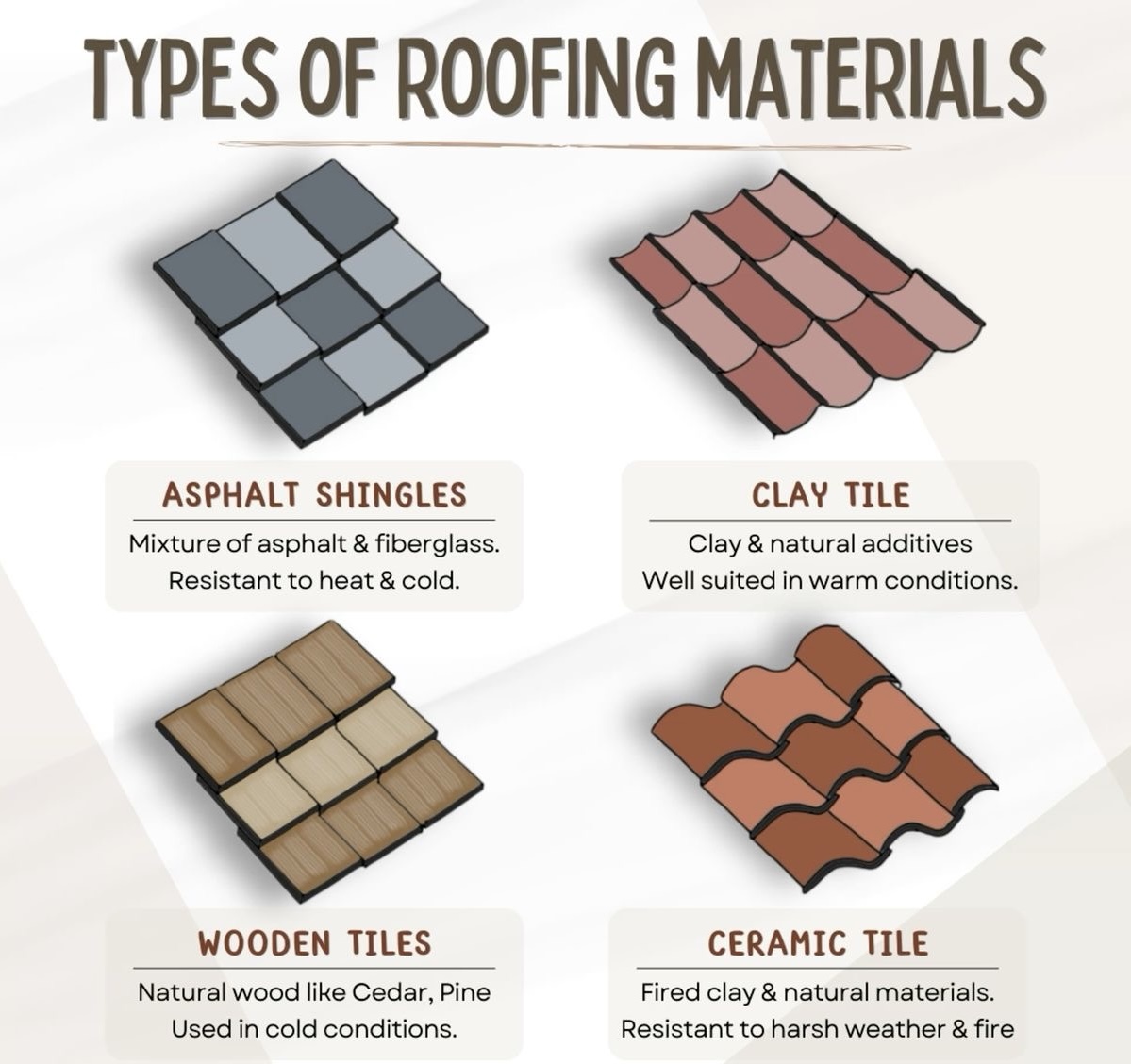
You might think that as long as you're buying quality products from reputable manufacturers, everything will work out fine. But the reality is, not all roofing materials are created equal, and more importantly, not all materials are designed to work together. When there's incompatibility between different components of your roof system, it can lead to premature failure, costly repairs, and a significantly shortened roof lifespan.
Using a high-quality shingle with a cheap, incompatible underlayment is like putting premium fuel in an engine designed for regular. You won't get the performance you expect, and you might even cause damage.
Here are a few common examples of material incompatibility and their consequences:
- Shingles and Underlayment: Some shingles have specific adhesive strips or granules that can react poorly with certain types of underlayment, leading to blistering or premature breakdown of the underlayment. Conversely, a non-breathable underlayment in a well-insulated attic can trap moisture against the decking.
- Metal Flashing and Different Metals: When dissimilar metals come into contact (like copper flashing with galvanized steel gutters), it can cause galvanic corrosion. This is an electrochemical process where one metal corrodes faster than it normally would, leading to premature failure of the flashing.
- Ventilation and Insulation: If your attic insulation is installed in a way that blocks the airflow from soffit vents, your ventilation system won't work effectively. This leads to the heat and moisture buildup issues we discussed earlier, impacting both the decking and the shingles.
- Manufacturer Warranties: Many shingle manufacturers have specific requirements for the underlayment, starter strips, and other accessories to be used with their shingles. Failing to adhere to these requirements can void your warranty, leaving you unprotected if something goes wrong.
| Factor | Compatible Materials (Synergy) | Incompatible Materials (Clash) |
|---|---|---|
| Lifespan | Extended (e.g., 30+ years for shingles) | Shortened (e.g., premature shingle failure) |
| Performance | Optimal water shedding, ventilation, and structural integrity. | Compromised water protection, poor heat/moisture management. |
| Warranty | Full manufacturer and workmanship warranty coverage. | Voided warranties, leaving homeowners exposed. |
| Cost of Ownership | Lower long-term costs due to durability and fewer repairs. | Higher long-term costs from frequent repairs and early replacement. |
| Resistance to DFW Weather | High resistance to hail, wind, and temperature extremes. | Increased vulnerability to storm damage and heat-related issues. |

The cost of incompatibility isn't just about buying the wrong product; it's about the ripple effect it has on the entire roof system and your wallet. A cheap shortcut today can mean a five-figure repair bill tomorrow. That's why, at Montesco Roofing, we always recommend using materials that are not only high-quality individually but are also designed to work harmoniously as part of a complete roofing system. This is a core principle of our approach to roofing in Dallas and Fort Worth.
Montesco Roofing's Material Mastery: Ensuring Perfect Harmony for Your DFW Roof
Here in DFW, we see it all – from the intense summer sun that can bake shingles to the sudden, violent thunderstorms that can rip them away. Protecting your home requires a roofing system that’s built to withstand these extremes, and that starts with understanding how different materials work together. At Montesco Roofing, this isn't just a talking point; it's the foundation of how we operate.
How to Get This Done
If you want to handle assessing your roof materials yourself, it's a complex task that requires climbing ladders and understanding building science. A safer approach is to look for visual cues like granule loss in gutters or visible damage from the street. If you'd rather have experienced roofers handle it, our team has extensive experience with DFW roofs. We conduct thorough inspections, identify potential material incompatibilities, and recommend solutions that ensure your roof system performs optimally. Our process involves a detailed assessment of your current roof, discussion of material options that offer the best synergy for your home's specific needs, and precise installation by our certified technicians.
Our 13+ years of experience in the DFW area have given us invaluable insight into which material combinations perform best under our unique climate conditions. We partner with leading manufacturers known for their quality and their commitment to creating integrated roofing systems. This means we’re not just installing shingles; we’re installing a complete protection package.
What does "material mastery" look like in practice at Montesco Roofing?
- Manufacturer Certifications: We maintain certifications with major roofing manufacturers like GAF and Owens Corning. This means we’re trained on their specific system requirements, including the correct pairing of shingles, underlayments, and accessories for maximum performance and warranty coverage.
- Detailed Inspections: Every inspection goes beyond just looking for missing shingles. We examine the decking, assess the ventilation, check the condition of the flashing, and evaluate the underlayment. This comprehensive approach allows us to identify potential material conflicts or weaknesses.
- System-Based Recommendations: When it's time for a replacement, we don't just recommend a product; we recommend a system. This includes specifying the right underlayment for your chosen shingles, ensuring proper ventilation is integrated, and selecting flashing that’s compatible and durable.
- Experienced Installers: Our crews are trained to understand the nuances of how different materials interact. They know how to properly seal flashing, ensure correct shingle overlap, and maintain airflow for ventilation – all critical steps for system integrity.
- Focus on Longevity: We’re not interested in quick fixes that fail down the road. Our goal is to install roofs that offer lasting protection, minimizing the need for frequent repairs and extending the overall lifespan of your roof.
For homeowners in Dallas, Fort Worth, Frisco, or anywhere in North Texas, choosing Montesco Roofing means choosing a team that understands the intricate science of roofing systems. We ensure that every component of your roof works in harmony, creating a resilient shield that protects your home and your peace of mind, year after year.
Your DFW Roof Material Compatibility Checklist: 7 Key Questions to Ask
Making sure your roof materials work together is critical for its longevity and performance, especially here in the challenging DFW climate. When you're getting quotes or discussing a roof replacement, asking the right questions can make a huge difference. Here’s a checklist of 7 key questions to ask your roofing contractor to ensure they’re building a synergistic system, not just installing individual parts.
1. What type of underlayment do you recommend, and why is it compatible with the shingles you’re proposing?
This checks if they're thinking beyond just the shingles and considering the secondary water barrier.
2. Are you using manufacturer-recommended starter strips, and how do they integrate with the shingles and underlayment?
Starter strips are crucial for wind resistance and proper shingle adhesion. Compatibility is key.
3. What type of flashing will be used around penetrations (chimneys, vents, skylights), and how will it be sealed?
This probes their understanding of critical leak points and the materials needed to protect them.
4. How will you ensure proper attic ventilation, and what types of vents (ridge, soffit, etc.) will be incorporated?
This ensures they're considering the health of the roof deck and preventing moisture/heat buildup.
5. What is the warranty on the specific materials you're proposing, and are there any specific installation requirements to maintain that warranty?
This highlights whether they are aware of manufacturer requirements that could void warranties if not met.
6. Do you use a "cool roof" or energy-efficient underlayment or shingle option that would be beneficial for DFW's heat?
This asks about materials that can help manage the intense Texas sun and reduce energy costs.
7. Can you show me examples of roofs you've installed where material synergy was a key focus?
This asks for proof of their experience and commitment to building complete systems.
Asking these questions not only educates you but also helps you assess the contractor’s knowledge and commitment to building a truly resilient roof system. A contractor who can confidently answer these questions is one who understands the importance of material synergy. If you're in the DFW area and want a roof that's built to last, these are the kinds of conversations you should be having.
Need help putting this into action? Our team has protected hundreds of DFW homes by ensuring every roofing component works in perfect harmony. Tell us about your roof — we offer free inspections and honest advice, no pressure.
Get Your Free Roof Inspection →Frequently Asked Questions About DFW Roof Material Synergy
Frequently Asked Questions About DFW Roof Material Synergy
What is roof material synergy, and why is it important for a DFW roof?
Can I mix and match different brands of roofing materials?
How does DFW's weather impact the choice of roofing materials and their synergy?
What is the most common material incompatibility issue homeowners face in DFW?
How can I tell if my current roof has material incompatibility issues?
Does choosing a full roofing system from one manufacturer guarantee better synergy?
What role does roof decking play in material synergy?
Montesco Roofing Team
DFW's trusted roofing contractor with 13+ years of experience. Specializing in roof replacements, storm damage repair, and insurance claims across Dallas-Fort Worth.
Get in touch →