The purpose of underlayment
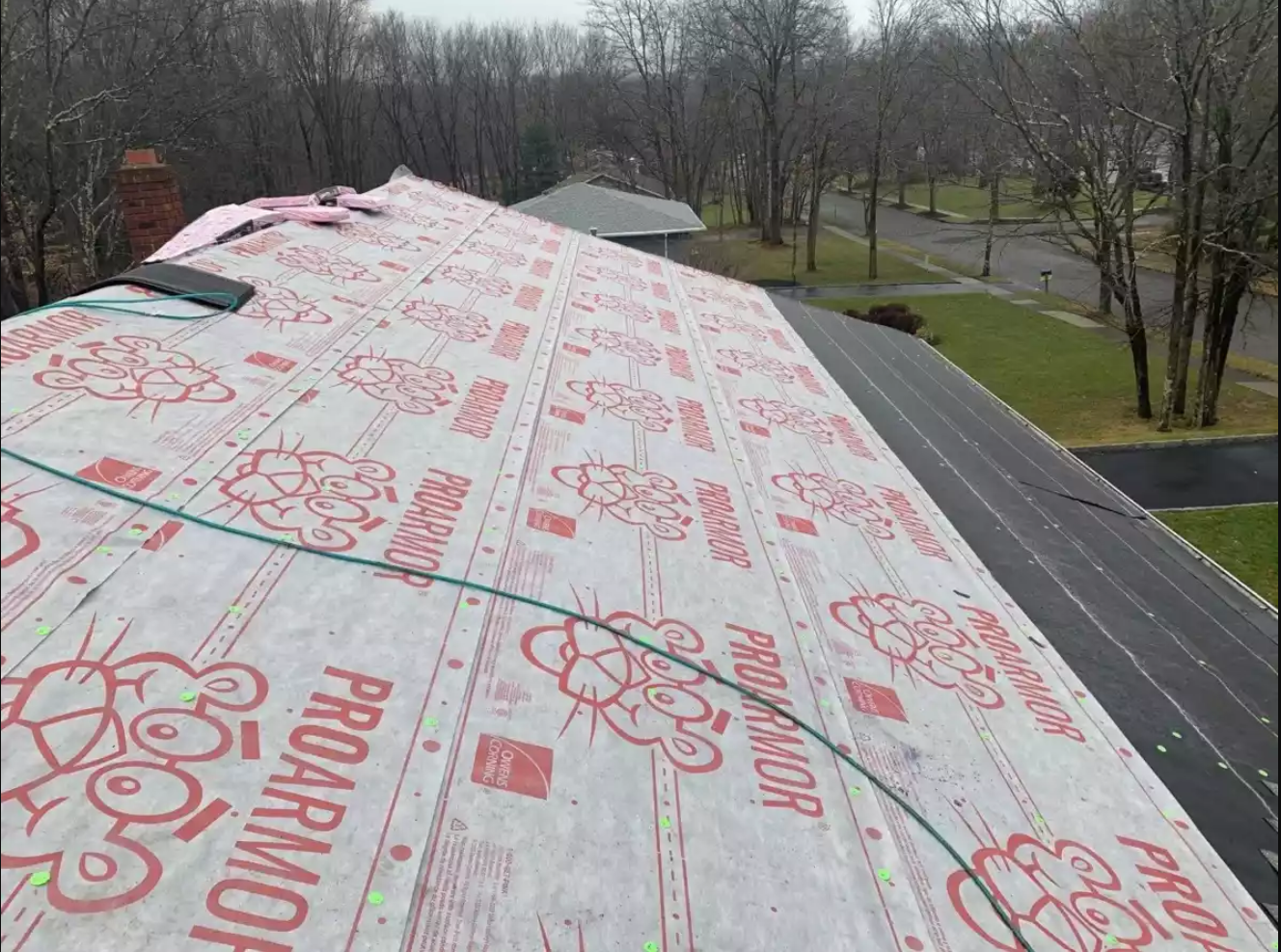
You've probably heard the term "roof underlayment" thrown around, maybe during a roof inspection or when you're looking into a new roof. But what is it, really? And more importantly, what's its actual purpose of roof underlayment for your home here in Dallas-Fort Worth?
Here in DFW, where we face everything from scorching summer sun to sudden, violent hail storms and even the occasional ice event, your roof needs every layer of defense it can get. What many homeowners don't realize is that the underlayment isn't just an optional extra; it's a critical, often unseen, component that can literally be the difference between a minor issue and a major headache, especially if your primary roofing material gets compromised. It's the unsung hero, the last line of defense, and frankly, a non-negotiable part of a truly resilient roof system.
Quick answer: Roof underlayment is a vital, water-resistant or waterproof layer installed directly onto your roof deck before the shingles or other primary roofing material. Its main purpose is to provide a crucial secondary barrier against moisture intrusion, protecting your home from leaks, enhancing the roof's overall durability, contributing to fire safety, and even shielding the roof deck during the installation process itself.
What is Roof Underlayment? The Unsung Hero of Your Roof
Let's start with the basics. Imagine your roof as an onion, with many protective layers. Your shingles or tiles are the outermost layer, the one everyone sees, designed to shed the bulk of the water. But what happens if a shingle blows off in a strong gust of wind, or if hail punches a hole right through it? That's where the roof underlayment comes in. It's a continuous sheet of material, typically made from asphalt-saturated felt or synthetic polymers, that we roll out and fasten directly to the plywood or OSB roof deck.
Think of it as a sophisticated raincoat for your roof deck. While your primary roofing material takes the brunt of the weather, the underlayment is there to catch anything that gets past it. It’s not designed to be exposed to the elements long-term, but it's absolutely engineered to handle temporary exposure and prevent water from seeping into your attic and walls. This hidden layer is fundamental to a robust roofing system, and understanding its function is key to appreciating why it's so important for your North Texas home.
Key Insight: The "Hidden" Protection
Many homeowners focus solely on shingles, but the underlayment is performing critical work out of sight. It's preventing rot, mold, and structural damage that can occur if water reaches your roof deck or attic, often long before you ever see a drip inside your living space.
The Primary Purpose: A Robust Secondary Water Barrier
The most fundamental and critical purpose of roof underlayment is to serve as a secondary line of defense against water intrusion. Your shingles are great, but they aren't completely watertight on their own. Wind-driven rain, especially common during our intense DFW thunderstorms, can sometimes force water up and under shingles. Snowmelt, while less frequent here, can also sneak in. And what about condensation forming in your attic? The underlayment is designed to manage all these scenarios.
When wind-driven rain pushes water underneath your shingles, the underlayment acts as a continuous, impenetrable barrier, directing that water down and off your roof. Without it, that water would soak into your roof deck, leading to rot, mold growth, and eventually, leaks inside your home. This protection is especially crucial in areas like Frisco, Plano, and McKinney, where neighborhoods are often exposed to open plains and high winds. It’s a passive but incredibly effective shield, constantly working to keep your home dry and safe.
We've seen it countless times: a roof with proper underlayment can weather a significant storm, even with some shingle damage, minimizing interior harm. Conversely, a roof without adequate underlayment, or with poorly installed underlayment, often leads to immediate and costly interior damage when the primary roofing fails. This is precisely what does roof underlayment do – it buys you time and prevents disaster.
Why Roof Underlayment is Absolutely Necessary for DFW Homes
Given the unique challenges of the Dallas-Fort Worth climate, asking "is roof underlayment necessary?" isn't just a good question; it's a critical one. And my answer is always a resounding YES. Our weather patterns here are anything but mild. We experience extreme temperature swings, from 100+ degree summers to freezing winters. But the real game-changer for roofs in North Texas is our severe storm season.
Every year, communities from Fort Worth to Garland, and from Arlington to Rowlett, brace for hailstorms and powerful winds. These events don't just damage shingles; they can rip them off, crack them, or create impact points that allow water to penetrate. In 2026 alone, we've already seen several significant hail events across the metroplex, reminding us just how vulnerable roofs can be. The underlayment becomes your backup catcher, stopping the water that inevitably gets past the damaged primary layer.
After any significant DFW storm, even if your shingles look okay from the ground, a professional inspection is crucial. Hidden damage can compromise your primary roofing, making your underlayment the sole protector against leaks until repairs are made. Don't wait for a leak to appear inside your home.
Beyond storms, the intense UV radiation from our Texas sun can degrade roofing materials over time. This constant expansion and contraction can create tiny cracks or lift edges, making it easier for moisture to find a path. A quality underlayment adds an extra layer of protection against these everyday stresses, extending the effective life of your entire roof system. It's an investment in peace of mind, knowing that your home has a robust defense against whatever Mother Nature throws at us here in Texas.
Beyond Water: How Underlayment Enhances Roof Durability and Longevity
While moisture protection is the star role, the purpose of roof underlayment extends far beyond just keeping water out. It plays a significant part in the overall durability and longevity of your entire roof system. How so? Well, it provides a smoother, more consistent surface for the primary roofing material to be installed upon. This eliminates imperfections in the roof deck, which can otherwise transfer through the shingles and lead to premature wear or inconsistent adhesion.
A well-installed underlayment also acts as a buffer between the roof deck and the shingles. This is particularly important with temperature fluctuations. As the roof expands and contracts with the intense heat of a Dallas summer day and the cooler night, the underlayment helps to absorb some of that movement, reducing stress on the shingles. It prevents the primary roofing material from sticking directly to the wood deck, which can be a problem with certain shingle types, leading to blistering or other issues over time.
Skipping underlayment or using inferior quality material might save a few dollars upfront, but it's a false economy. Without this crucial layer, your roof's lifespan can be significantly shortened, leading to premature repairs or even a full roof replacement much sooner than expected. This oversight often costs homeowners thousands in preventable damage.
Furthermore, underlayment protects the roof deck itself from moisture that might condense from inside the attic, or from incidental water during construction. A dry, stable roof deck is a strong roof deck. By ensuring the deck remains in good condition, the underlayment helps maintain the structural integrity of your roof, which is essential for supporting the weight of the roofing materials and withstanding wind uplift. This is why why is roof underlayment important for the long-term health of your home.
Protecting the Roof Deck: Underlayment's Crucial Role During Installation and Delays
Here's a critical function of underlayment that often gets overlooked: its role in protecting your roof deck during the installation process. Imagine we've stripped off your old roof in Richardson or Mesquite, and suddenly an unexpected pop-up thunderstorm rolls through, as they often do in North Texas. Without underlayment applied immediately, your exposed plywood or OSB roof deck would be completely vulnerable to rain.
Water-soaked roof decking can warp, swell, and even delaminate, compromising its structural integrity. If this happens, it can lead to costly repairs, delays in the roofing project, and even the need to replace sections of the roof deck itself before shingles can be installed. This is why Montesco Roofing always prioritizes getting the underlayment down as quickly as possible after tear-off. It’s a vital safeguard against the unpredictable DFW weather we deal with.
Shielding Your Investment During Vulnerable Times
The underlayment acts as an immediate, temporary roof, allowing us to continue working safely and without undue pressure from the weather. It ensures that even if there's a delay in shingle delivery, or an unforeseen weather event, your home remains protected. We've seen projects in Allen and Garland where underlayment held strong for days, even weeks, protecting the home while we waited for specialized materials or better weather. It’s an essential part of responsible and professional roofing practice, ensuring that the foundation of your new roof remains pristine.
This protective aspect also extends to situations where the primary roofing material might be temporarily compromised after installation – perhaps a shingle is dislodged by a strong gust, or a repair is pending. In these interim periods, the underlayment steps up, acting as the primary water barrier until the outer layer can be restored. It truly is a testament to roofing underlayment meaning – a fundamental layer of continuous protection.
Fire Safety: The Underlayment's Contribution to Your Roof's Fire Rating
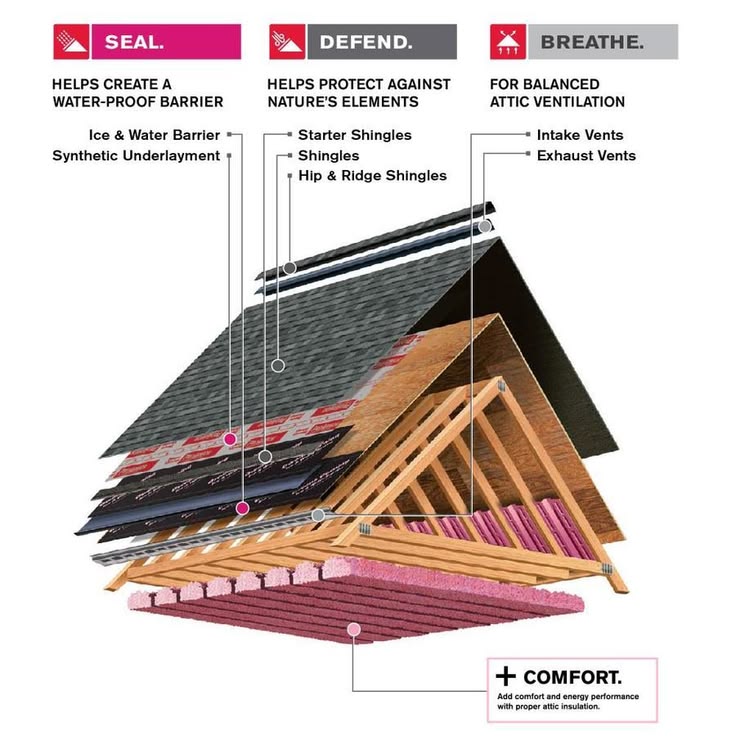
When you think about fire safety in your home, your roof might not be the first thing that comes to mind, but it's incredibly important, especially with the risk of wildfires in drier parts of Texas or even embers from nearby house fires. Another crucial purpose of roof underlayment is its contribution to the overall fire rating of your roof system.
Roofing materials are tested and given a fire rating (Class A, B, or C), with Class A being the most fire-resistant. While the primary roofing material, like asphalt shingles, plays a major role, the underlayment can significantly impact this rating. Many synthetic underlayments and even some modified felt products are engineered with fire-retardant properties. When installed as part of a complete roofing system, they help prevent flames from penetrating the roof deck and spreading into the attic or home below.
"A comprehensive roofing system considers every layer, not just the visible ones. The underlayment is often the silent guardian that enhances fire resistance and structural integrity, crucial for peace of mind."<— National Roofing Contractors Association (NRCA), 2025 Guidelines
This is particularly important in densely populated areas like DFW, where homes are often close together. A fire in one home could potentially spread to neighboring properties, and a fire-resistant roof system can help contain the blaze and protect your home from external ignition sources. When we install a new roof, especially in areas like Plano or Frisco where building codes are strict, we ensure that every component, including the underlayment, contributes to the highest possible safety standards. It’s not just about keeping water out; it’s about protecting your family and your property from a much more devastating threat. Understanding roofing underlayment requirements often includes these fire safety considerations.
Types of Roof Underlayment: Felt vs. Synthetic in 2026
Now that we've covered what does roof underlayment do, let's talk about the different types you'll encounter. Historically, asphalt-saturated felt paper was the standard, and it's still used today. But in 2026, synthetic underlayments have really taken the lead, especially in areas like DFW where performance and durability are paramount. Here's a quick comparison:
| Feature | Traditional Felt Underlayment (e.g., 15 lb or 30 lb) | Modern Synthetic Underlayment (e.g., GAF Shingle-Mate, Owens Corning Deck Defense) |
|---|---|---|
| Material | Organic felt saturated with asphalt | Polypropylene or polyethylene woven fabric, often coated |
| Weight/Coverage | Heavier, lower coverage per roll (e.g., 200-400 sq ft) | Much lighter, higher coverage per roll (e.g., 1000+ sq ft) |
| Tear Strength | Lower; can tear easily, especially when wet | Significantly higher; highly tear-resistant, even when wet |
| Moisture Resistance | Water-resistant; can absorb some moisture, may wrinkle/buckle | Water-resistant to waterproof; sheds water, won't wrinkle or buckle |
| Walkability | Can be slippery, especially when dusty or wet | Often has anti-slip coating for safer walking during installation |
| UV Exposure | Limited; typically degrades quickly with prolonged sun exposure (days) | Can withstand UV exposure for weeks or even months without degradation |
| Durability/Lifespan | Good for short-term protection, but less durable overall | Excellent for long-term performance, contributes to roof longevity |
| Cost (Materials) | Generally lower upfront cost | Higher upfront cost, but often better long-term value |
| Long-Term Value | Adequate for basic protection, but prone to issues | Superior protection, better performance, longer roof lifespan |
| Warranty Backing | Often limited or basic manufacturer warranty | Integrated into comprehensive manufacturer warranty systems (e.g., GAF Golden Pledge) |
While felt underlayment is still a viable option for certain applications, especially in drier climates or for very budget-conscious projects, Montesco Roofing almost exclusively recommends and installs synthetic underlayment for DFW homes. The superior tear strength, UV resistance, and overall durability of synthetic products like GAF FeltBuster or Owens Corning Deck Defense simply offer better protection against our local weather challenges and contribute to a much longer-lasting roof. It’s a foundational choice that truly impacts the performance of your entire roofing system, answering the question, "why is roof underlayment important" with tangible benefits.
Specialized Underlayment for DFW's Unique Climate: Ice Dams and More
While most of DFW doesn't typically experience the heavy, prolonged snowfalls that lead to widespread ice dam issues like those in the northern states, we're not entirely immune. Remember the big freeze we had a few years back? When temperatures drop below freezing for extended periods, and you have some snowfall or freezing rain, ice dams can indeed form along the eaves of your roof. This is where specialized underlayments become critical. This answers another part of what does roof underlayment do.
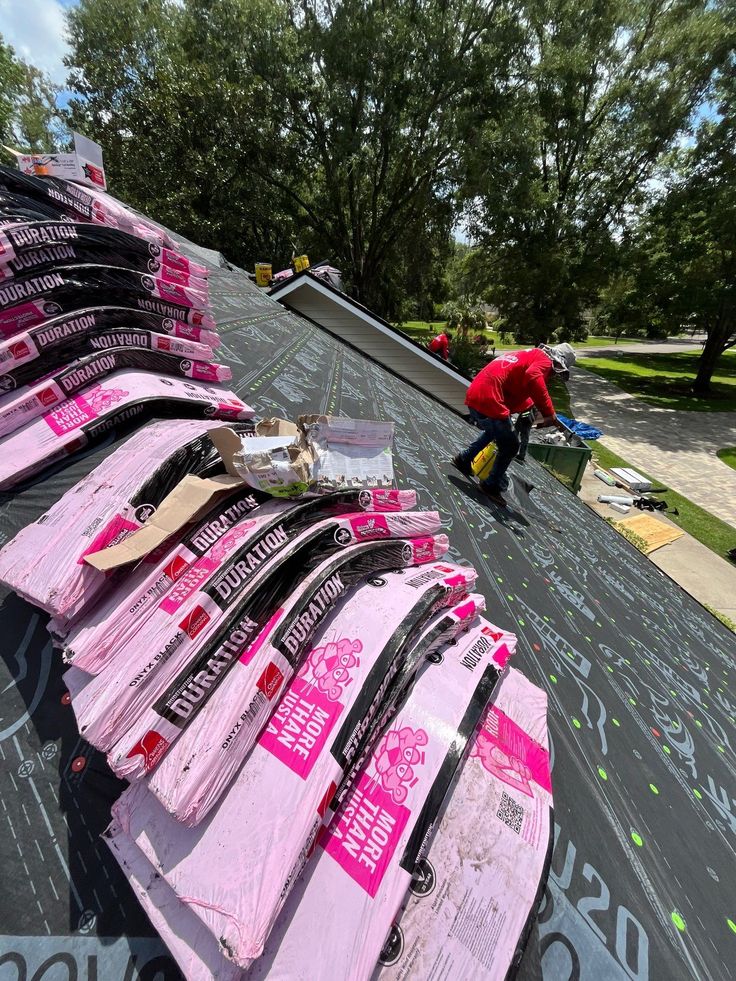
Products like ice and water shield (often called "leak barrier" by manufacturers like CertainTeed or Atlas) are self-adhering, rubberized asphalt membranes that create a watertight seal directly to the roof deck. They're typically installed along the eaves, in valleys, around chimneys, skylights, and other penetrations – basically, any area where water is likely to collect or where leaks commonly occur. These are the "high-risk" zones on your roof. This specialized underlayment literally seals itself around fasteners, creating an incredibly robust barrier.
Protection Where It Matters Most
For DFW homes, we always recommend applying ice and water shield in these vulnerable areas. It's not just about ice dams; it's also about preventing leaks from heavy, wind-driven rain that can pool in valleys or back up under shingles at the eaves. This extra layer of waterproofing is a smart investment, especially considering the severe weather variability we experience. We often see homes in Arlington and Fort Worth benefit greatly from this added protection.
Beyond Standard Requirements
While local building codes in Texas might not mandate extensive use of ice and water shield everywhere, we consider it a best practice for long-term protection. It's about building a roof that doesn't just meet minimum standards but truly stands up to the test of time and weather. This proactive approach helps avoid costly roof repair down the line, especially in areas prone to pooling water or debris buildup.
When Montesco Roofing installs a new roof or performs a roof replacement, we meticulously assess your roof's unique vulnerabilities and recommend the appropriate specialized underlayments to ensure comprehensive protection against all DFW climate challenges. This attention to detail is part of our commitment to building roofs that last.
The Risks of Skipping Underlayment in DFW
So, what happens if you decide to skip the underlayment, or if a less-than-reputable contractor suggests it's "not really necessary" to cut costs? The answer is simple and often expensive: you're exposing your home to significant and preventable risks. This is why understanding the importance of underlayment is so vital.
Without a proper underlayment, your roof deck is directly exposed to any moisture that penetrates the primary roofing material. This could be from wind-driven rain, hail damage, or even normal wear and tear on shingles. Once water gets to the roof deck, several problems can quickly escalate:
- Wood Rot and Decay: The plywood or OSB deck will absorb moisture, leading to rot. This weakens the entire roof structure, making it less capable of supporting the roofing materials and less resistant to high winds.
- Mold and Mildew Growth: A damp attic environment is a breeding ground for mold and mildew. This can spread rapidly, affecting indoor air quality, potentially causing health issues for your family, and requiring costly remediation.
- Interior Leaks and Damage: Eventually, water will seep through the roof deck, staining ceilings, damaging insulation, drywall, paint, and even electrical systems. What starts as a small drip can quickly become a major repair bill for your home's interior.
- Compromised R-Value: Wet insulation loses its effectiveness. This means higher energy bills as your HVAC system works harder to heat and cool your home, especially during our extreme DFW summers and winters.
- Voided Warranties: Many roofing manufacturers' warranties, especially for premium shingle systems, require the installation of specific underlayment products as part of their "system" approach. Skipping it could void your warranty, leaving you without coverage if a product defect arises.
In short, skipping underlayment is an invitation for trouble. The minor savings upfront are almost always dwarfed by the eventual costs of repairs and remediation. It's a short-sighted decision that a reputable DFW roofing contractor would never recommend. Ensuring proper roofing underlayment meaning means understanding these risks and avoiding them.
Montesco Roofing's Approach to Underlayment Excellence
At Montesco Roofing, with our 13+ years of experience protecting homes across Dallas, Fort Worth, and all of North Texas, we don't just "install a roof." We engineer a complete, multi-layered defense system. Our approach to underlayment is a prime example of this commitment to quality and longevity. We understand that the purpose of roof underlayment is foundational to everything else we do.
When you choose Montesco Roofing, you're not just getting shingles; you're getting a meticulously planned and executed roofing system. Here's how we ensure underlayment excellence:
How to Get This Done
If you're considering a new roof or need an inspection after a storm, understanding your underlayment options is key. While you can certainly research materials, choosing the right type and ensuring proper installation requires expert hands. Our team at Montesco Roofing has done this on hundreds of DFW homes — here's how our process works to ensure your underlayment is top-notch:
Step 1: Thorough Deck Inspection
Before any underlayment goes down, we meticulously inspect your roof deck for any existing damage, rot, or soft spots. We replace any compromised decking to ensure a solid, smooth foundation.
Step 2: Strategic Underlayment Selection
Based on your home's specific needs, roof pitch, and local DFW climate considerations, we recommend the optimal synthetic underlayment, often from industry leaders like GAF or Owens Corning, ensuring superior performance.
Step 3: Precise Installation & Overlap
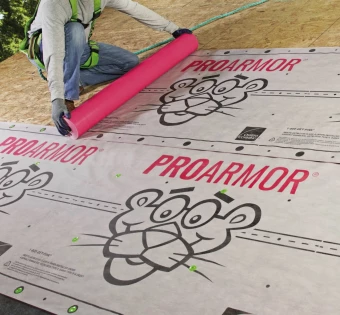
Our certified crews install the underlayment with strict adherence to manufacturer specifications and best practices, ensuring proper overlap, fastening patterns, and sealing around penetrations. No shortcuts, ever.
Step 4: Specialized Leak Barrier Application
For critical areas prone to water pooling or ice dams (eaves, valleys, around chimneys), we apply self-adhering ice and water shield for an extra layer of watertight protection, going beyond basic requirements.
Step 5: Integrated System Approach
We view underlayment not as a standalone product, but as an integral part of a complete roofing system, working in harmony with flashing, ventilation, and primary roofing materials to provide maximum protection.
This comprehensive approach ensures that your roof is not just visually appealing but structurally sound and exceptionally durable from the deck up. It's how we deliver lasting peace of mind to homeowners in communities like McKinney, Denton, and Grapevine. We believe in transparency and educating our clients, because an informed homeowner makes the best decisions for their property. Learn more about how we approach DFW roof storm defense and insurance claims on our blog.
Key Takeaways
- Underlayment is a Secondary Water Barrier: It's your roof's crucial backup, preventing leaks when primary roofing is compromised.
- Essential for DFW Climate: Protects against severe storms, hail, and extreme temperatures common in North Texas.
- Enhances Durability & Longevity: Provides a smooth surface, reduces stress on shingles, and protects the roof deck from degradation.
- Critical During Installation: Shields the exposed roof deck from weather damage and delays.
- Contributes to Fire Safety: Can improve your roof's overall fire rating, adding an extra layer of protection.
- Synthetic is Superior: Modern synthetic underlayments offer better tear strength, UV resistance, and overall performance than traditional felt.
- Skipping It is Costly: Leads to rot, mold, interior leaks, and potentially voided warranties.
Need help putting this into action? Our team has protected hundreds of DFW homes. Tell us about your roof — free inspection, no pressure.
Get Your Free Roof Inspection →Frequently Asked Questions About Roof Underlayment
Is roof underlayment required by code in Dallas-Fort Worth?
How long can roof underlayment be exposed to the elements?
Does underlayment help with energy efficiency?
Can I install new shingles over old underlayment?
Is "ice and water shield" necessary for homes in DFW?
What's the difference between underlayment and a vapor barrier?
Montesco Roofing Team
DFW's trusted roofing contractor with 13+ years of experience. Specializing in roof replacements, storm damage repair, and insurance claims across Dallas-Fort Worth.
Get in touch →