Prosper & Celina Boom: How Rapid Growth Is Impacting Your Home Maintenance in 2026
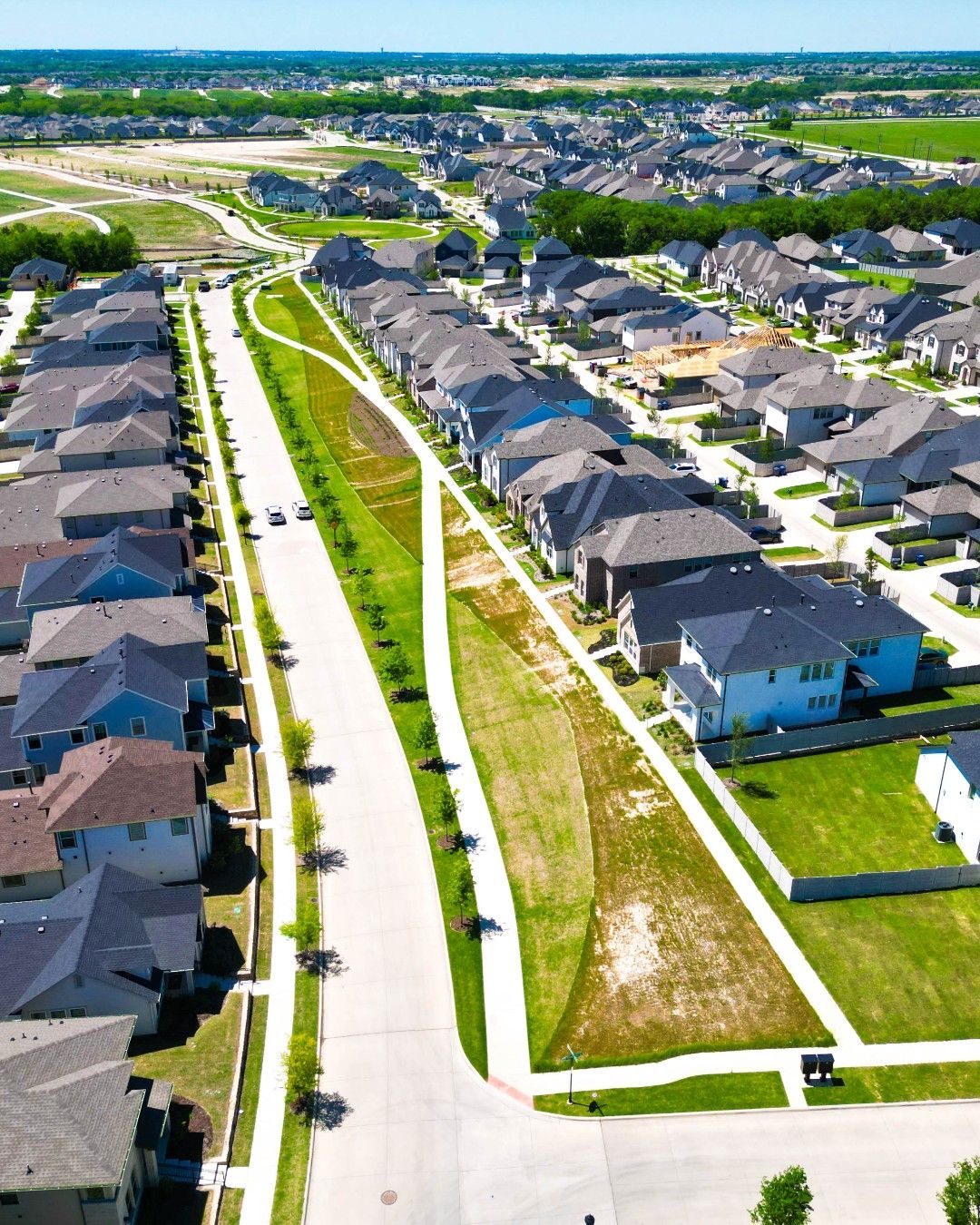
The Unseen Strain: How Prosper & Celina's Population Surge Stresses Existing Homes
You've probably noticed it if you live in or around Prosper and Celina. The cranes are everywhere, new neighborhoods are popping up faster than you can count, and the traffic is… well, it's definitely different. This rapid growth, while exciting for the DFW metroplex, puts a unique kind of pressure on the homes that have been here all along. We're talking about established homes, the ones that have weathered a few Texas storms and have seen their fair share of neighborhood barbecues. These homes are now facing a new set of challenges, and it's not just about keeping up with the Joneses who are building next door. It's about the subtle, and sometimes not-so-subtle, ways that a booming population can actually strain the very infrastructure and maintenance needs of your existing property. Think about it: more people means more cars, more construction, more demand on utilities, and even shifts in local ecosystems. All of this can have a direct, though often overlooked, impact on the longevity and upkeep of your home. As your trusted roofing expert here in DFW with over 13 years in the trenches, I've seen firsthand how these macro trends trickle down to micro-level home maintenance concerns.
Prosper and Celina are not just growing; they're exploding. This isn't your typical suburban expansion; it's a full-blown boom. And while that brings economic vitality, it also brings a unique set of maintenance challenges for homeowners whose properties were established before this wave hit. More people means more demand on everything – water, power, and yes, the very air quality and environmental conditions around your home. Imagine the constant hum of construction, the increased traffic on roads that weren't designed for this volume, and the sheer number of new families needing services. This influx isn't just changing the landscape; it's subtly altering the environment your home lives in. For your roof, this can mean more dust and debris settling, increased exposure to construction-related fumes, and even changes in wind patterns as new structures go up. It’s a lot to consider, and it all points to one thing: your home's maintenance plan needs to be as dynamic as the communities around it.
Don't underestimate the impact of constant construction dust and debris. It can clog gutters, degrade roofing materials faster, and even affect exterior paint. Regular cleaning and inspections are more important than ever.
New Construction vs. Your Established Home: The Hidden Maintenance Disparities
When you drive through Prosper or Celina right now, it's impossible to miss the sheer volume of new construction. Gleaming new houses are going up everywhere. And it's easy to think, "Well, my house is older, so it must be fine." But here's the thing most people miss: new construction, while shiny and new, often comes with its own set of potential issues down the line, and it can actually highlight the maintenance needs of your established home in a new light. New homes are built to current codes, which are constantly evolving, and sometimes those new standards can expose older building practices that might now be considered less efficient or durable. For example, modern homes might have enhanced ventilation systems or different types of insulation that can impact how moisture and heat move around the structure. This can create a contrast with older homes, making issues like inadequate attic ventilation or older window seals more apparent. Furthermore, the rapid pace of new construction means that builders are often under pressure to finish quickly. While they must meet code, the long-term durability and quality of materials might not always be the absolute priority compared to speed. This can lead to issues that only surface after a few years. For homeowners with established properties, this means you can't afford to rest on your laurels. Your home has a history, and understanding that history is key to its future. That means being extra diligent about inspections and proactive maintenance because, frankly, the new builds are changing the very environment your older home operates within.
New construction sites generate a lot of activity: heavy machinery, dust, and increased water runoff. This can indirectly impact neighboring established homes by potentially eroding soil around foundations or depositing debris on roofs.
Key Insight
Established homes often have the benefit of having "settled" and revealed any inherent structural quirks. The challenge is that they also have accumulated wear and tear. New construction highlights these differences, making it crucial to understand what your older home needs to perform as well as, if not better than, a brand-new build.
Let's talk about materials. While modern building materials have advanced, older homes often feature craftsmanship and materials that are no longer common or are prohibitively expensive to replicate. Think about solid wood framing versus engineered lumber, or older brickwork that has stood the test of time. The maintenance needs are different. New homes might have synthetic siding that requires less painting but can be susceptible to UV degradation over decades, whereas older wood siding might need more frequent painting but can be repaired or replaced with similar materials if cared for. For roofing, new homes might come with standard asphalt shingles, but your older home might have had different types of roofing, or perhaps the original roofing was of a higher quality than what's typically installed today as a baseline. The key is to understand the specific materials and construction methods of your home. Don't assume that because something is new, it's automatically superior in every aspect for the long haul. And conversely, don't assume that because your home is older, it's beyond repair or improvement. It's about informed maintenance, tailored to your home's unique character and history, especially in a market where new construction is the dominant narrative.
Increased Traffic & Activity: The Wear and Tear on Your Property's Exterior
It’s a simple equation: more people means more activity, and more activity means more wear and tear on everything, including your home's exterior. In booming areas like Prosper and Celina, this isn't just about the occasional delivery truck. We're talking about a sustained increase in vehicular traffic on local streets, more kids playing outside, more lawn care equipment being used, and a general uptick in foot traffic around your property. For your roof, this translates to a few things. Firstly, increased vibrations from traffic, especially on streets near major thoroughfares, can subtly loosen shingles over time. It's not usually a dramatic effect, but it's a cumulative one. Secondly, more activity around your home means a higher chance of accidental damage. A stray frisbee, a child's errant soccer ball, or even a ladder leaning against the house incorrectly during a neighbor's DIY project can cause minor damage that, if left unchecked, can lead to bigger problems. Think of it like your car: if you drive it more, it needs more frequent oil changes and tire rotations. Your home's exterior is no different. The constant exposure to the elements is one thing, but the added human element of increased neighborhood activity can accelerate that process. This is particularly true for roofing materials that might be older or have existing minor vulnerabilities. The increased stress, even if seemingly small, can exploit those weaknesses.
Established Home (High Activity Area)
Pros: Familiarity with home's needs, potential for higher quality original materials. Cons: Accelerated wear from increased activity, potential for overlooked issues.
New Construction Home (Lower Initial Activity)
Pros: Brand new materials, built to current codes. Cons: Potential for builder shortcuts, unknown long-term performance of newer materials, less neighborhood activity (initially).
What most people don't realize is how much the environment around your home affects its lifespan. In a rapidly growing area, even seemingly minor things like increased dust and debris from construction sites can settle on your roof. This isn't just unsightly; it can actually trap moisture and promote the growth of algae or moss, which can degrade roofing materials over time. Add to that the potential for airborne particles from the sheer volume of vehicles on the road, and your roof is constantly being bombarded. For homeowners in Prosper and Celina, this means that your regular roof inspections aren't just a good idea; they're a necessity. We're talking about more frequent checks for missing or damaged shingles, granule loss (which indicates the shingle is breaking down), and any signs of wear that might be exacerbated by the increased environmental stressors. It's about being proactive rather than reactive. A small repair now, identified during an inspection, can save you thousands in the future, especially when your home is under this heightened level of environmental stress due to rapid growth.
How to Get This Done
DIY Inspection Tip: Walk around your property and look for any signs of damage or unusual wear on your roof from street level. Check your gutters for excessive shingle granules. If you notice anything concerning, it’s time for a professional assessment.
Montesco Roofing's Approach: Our team is trained to spot the subtle signs of wear and tear accelerated by increased neighborhood activity. We perform thorough roof inspections, documenting everything and providing clear, honest recommendations. Let us give you peace of mind about your roof's condition in this dynamic DFW environment.
Shifting Microclimates & Drainage Challenges in Growing DFW Suburbs
This is a big one, and it's often overlooked. As Prosper and Celina continue to expand with vast new developments, we're inadvertently changing the local microclimates and, crucially, the drainage patterns. Think about it: acres of concrete, asphalt, and tightly packed new homes replace open fields and natural landscapes that used to absorb rainwater. This leads to increased surface runoff. Where does all that water go? It has to go somewhere, and often it's directed towards existing neighborhoods and properties. This can create localized flooding issues or simply overwhelm existing drainage systems that weren't designed for such a dramatic increase in water volume. For your roof, this means increased exposure to standing water, which is a major enemy of most roofing materials. Water that sits on shingles can seep into seams, degrade the asphalt, and lead to premature aging. Furthermore, the sheer volume of construction means that ground surfaces are constantly being disturbed. This can lead to soil erosion around your foundation and even impact the integrity of underground utilities. The impact on your home's exterior, especially its roof, is significant. We’re seeing more instances of water pooling on flat or low-slope roofs, and gutters struggling to cope with sudden downpours.
The environmental changes aren't just about water. The proliferation of hard surfaces like roofs, driveways, and roads can create "heat island" effects, where urban and suburban areas become noticeably warmer than surrounding rural areas. This increased ambient temperature puts additional stress on your roofing materials, accelerating their breakdown and increasing the load on your home's HVAC system. Imagine your roof absorbing even more heat on an already hot Texas summer day. It's a constant battle. For homeowners in Prosper and Celina, understanding these shifting microclimates is vital. It's not just about the weather forecast anymore; it's about how the built environment is actively changing the conditions your home experiences daily. This means paying extra attention to your home's drainage system – from your gutters and downspouts to any French drains or grading around your property. A well-functioning drainage system is your first line of defense against water damage, and in these rapidly developing areas, it's more critical than ever. We’ve seen cases where new developments upstream have inadvertently created drainage problems for older homes just a mile or two away. It’s a chain reaction you need to be aware of.
"The rapid development in North Texas, including areas like Prosper and Celina, necessitates a proactive approach to stormwater management. Homeowners need to be aware that their property's drainage can be impacted by surrounding construction, even if it's not immediately adjacent."— DFW Area Civil Engineer (Anonymous for privacy)
What does this mean for your roof specifically? It means we need to be extra vigilant about checking for signs of water intrusion, especially after heavy rains. This includes inspecting the roof decking from the attic if possible, looking for water stains on ceilings or walls, and ensuring that your gutters are clear and functioning efficiently. The materials used for your roof are designed to shed water, but they can only do so effectively if the water can move away from the structure unimpeded. When drainage is compromised by increased runoff or clogged gutters, the lifespan of your roof can be significantly reduced. It's a direct consequence of the changing landscape. So, while you're enjoying the growth and new amenities Prosper and Celina offer, remember that your home's exterior, especially its roof, is on the front lines of these environmental shifts. Regular, thorough inspections by a qualified DFW roofing contractor are your best defense against potential water damage and premature roof failure.
Protecting Your Investment: Proactive Roof Maintenance in a Booming Market

In a market like Prosper and Celina, where property values are steadily climbing and new construction is everywhere, your home is likely one of your biggest investments. Protecting that investment, especially its most critical component – the roof – should be a top priority. The rapid growth we're experiencing isn't just changing the look of our towns; it's creating a dynamic environment that demands a more proactive approach to home maintenance. Waiting for a problem to appear, like a leak or visible damage, is no longer the best strategy. By then, the damage may have already spread, leading to more extensive and costly repairs. Proactive maintenance, particularly for your roof, is about staying ahead of the curve. This means implementing a consistent inspection schedule, addressing minor issues before they escalate, and ensuring your roof is in optimal condition to handle the stresses of a growing community. For us at Montesco Roofing, this means educating homeowners about the specific challenges posed by this rapid expansion and offering solutions that go beyond just fixing what's broken. We focus on preventative measures that ensure the longevity and integrity of your roof.
Step 1: Schedule Annual Roof Inspections
With increased environmental stress from growth, consider semi-annual inspections, especially before and after peak storm seasons in North Texas.
Step 2: Maintain Gutters and Drainage
Ensure gutters are clear of debris from construction and landscaping. Proper water flow away from your home is crucial.
Step 3: Address Minor Damage Promptly
Don't let small issues like a few missing shingles or small cracks fester. Early intervention prevents water intrusion and further damage.
Step 4: Consider Upgrades
If your roof is approaching the end of its lifespan, or if you're considering a significant renovation, now might be the time to invest in a more durable, impact-resistant roofing system.
The value of a well-maintained roof extends far beyond just preventing leaks. It plays a significant role in your home's overall energy efficiency, its curb appeal, and ultimately, its resale value. In a competitive DFW real estate market, a pristine roof can be a major selling point. Conversely, a roof showing signs of neglect can deter potential buyers and lead to difficult negotiations. The current growth in Prosper and Celina means more eyes are on properties, and buyers are often looking for homes that require minimal immediate attention. Therefore, investing in proactive roof maintenance is not just about protecting your current home; it's about safeguarding your financial investment for the future. It's about ensuring that as the community around you evolves, your home remains a solid, secure, and valuable asset.
Many homeowners in rapidly developing areas are tempted by quick fixes or "storm chasers" after an event. While tempting, these temporary solutions often lack proper warranties and can lead to bigger problems down the line, especially when your home is already under increased environmental stress.
For established homeowners in Prosper and Celina, understanding the lifecycle of your roofing materials is key. Asphalt shingles, for example, typically last 15-30 years, depending on quality and climate. If your roof is approaching that age range, the increased wear-and-tear from the booming environment might mean it's nearing its end of life sooner than you think. Proactive replacement, planned on your terms, is always better than an emergency replacement after a storm or significant failure. It allows you to choose the best materials, get the best warranty, and ensure the installation is done correctly by a reputable roof replacement contractor who understands the DFW climate. It’s an investment that pays dividends in peace of mind and long-term home protection.
Prosper & Celina Home Maintenance Checklist: What to Prioritize in 2026
Living in a rapidly growing area like Prosper or Celina in 2026 means being extra vigilant about your home maintenance. The increased activity, potential for shifting environmental factors, and sheer pace of development demand a more robust checklist. As your local DFW roofing expert, I want to ensure you're focusing on the right things to keep your home protected. Beyond the standard seasonal tasks, the unique pressures of this boom require a few extra considerations. Your roof, being the primary shield against the elements, should always be at the top of this list. But it's not just about the roof itself; it's about the systems that support it and the property as a whole.
Roof & Exterior
Regular Inspections: Schedule professional roof inspections at least twice a year, especially before and after the Texas spring and fall storm seasons. Look for missing, cracked, or curling shingles, check for granule loss in gutters, and inspect flashing around vents and chimneys.
Gutters & Drainage
Clear & Functional: Ensure gutters are free of debris from construction and landscaping. Check that downspouts direct water at least 5-10 feet away from your foundation. Consider larger capacity gutters if runoff is a significant issue.
Attic Ventilation
Crucial for Longevity: Proper attic ventilation is key to preventing moisture buildup and regulating temperature. In Prosper/Celina, with increased heat and potential humidity shifts, ensure your vents (soffit, ridge, gable) are not blocked and are functioning effectively.
Landscaping & Grading
Water Management: Ensure your yard's grading slopes away from your home. Trim trees and branches that overhang your roof, as they can cause damage and create shaded areas where moisture can linger.
When it comes to your roof, think about the specific challenges of 2026 in North Texas. We've seen increased storm activity in recent years, and the rapid development can exacerbate drainage issues. Therefore, pay close attention to your roof's condition, especially after any significant weather events. Look for signs of hail damage or wind uplift. If your roof is older, consider its remaining lifespan. A roof that's 15-20 years old might be nearing the end of its service life, and the added stress from the environment could shorten it further. This is where proactive replacement becomes a smart move, allowing you to choose materials that offer better protection against Texas weather, like impact-resistant shingles. We've seen a significant uptick in homeowners in areas like Frisco and McKinney opting for these upgrades, and it's a trend we expect to continue as people recognize the value.
Beyond the roof, don't forget the other exterior elements. Siding, windows, and doors all play a role in your home's protection. Ensure they are well-sealed and free from damage. In areas with heavy construction, the risk of dust and debris impacting these elements increases. Regular cleaning can help prevent premature wear. For homeowners in Prosper and Celina, this comprehensive approach to maintenance is what separates a well-preserved home from one that starts to show its age prematurely. It's about understanding that the rapid growth isn't just an abstract concept; it has tangible effects on the very structure of your home. By prioritizing these items on your checklist, you're not just performing tasks; you're actively protecting your significant investment in the heart of DFW.
Montesco Roofing: Your Partner in Navigating Growth-Related Home Maintenance
Navigating the complexities of home maintenance in a rapidly growing area like Prosper and Celina can feel overwhelming. The sheer pace of development, the changing environmental factors, and the constant need to protect your investment require a partner who understands the local landscape and has the expertise to back it up. That's where Montesco Roofing comes in. With over 13 years of dedicated service right here in the DFW metroplex, we're not just roofing contractors; we're your neighbors, committed to protecting your home as if it were our own. We've seen DFW grow and change, and we've adapted our services to address the unique challenges that come with it. For established homeowners in these booming communities, our deep understanding of local weather patterns, building codes, and the specific stresses placed on homes by rapid development is invaluable.
How to Get This Done
If you want to tackle some basic exterior checks yourself, here's what to look for: clear debris from around your foundation, ensure your downspouts are directing water away, and visually inspect your roof from the ground for obvious damage.
If you'd rather have experienced roofers handle it, our team has done this on hundreds of DFW homes — here's how our process works: We start with a thorough, no-obligation inspection, using our expertise to identify issues exacerbated by local growth. We then provide a clear, detailed estimate and work with you to implement the best solution, whether it's a repair or a full replacement with high-quality materials built to last in Texas.
We understand that when you're dealing with your roof, you need more than just a quick fix. You need honest advice, quality workmanship, and a company you can trust to be there for the long haul. That's why we focus on transparency and education. We'll explain exactly what we find, why it matters, and what your options are. Whether it's identifying subtle signs of wear that are being accelerated by increased activity, addressing drainage issues caused by new construction upstream, or recommending the best roofing materials for the Texas climate, we're here to guide you. Our commitment to assisting with insurance claims after storm damage is also a critical part of our service, ensuring you get the coverage you deserve. In a booming market, choosing the right roofing contractor is paramount. You need someone who isn't just trying to cash in on the growth, but who is invested in the long-term well-being of your home and the community.
When you partner with Montesco Roofing, you're choosing a team that values integrity, quality, and lasting relationships. We're here to help you protect your home, maintain its value, and ensure it stands strong against the impacts of Prosper and Celina's exciting growth. Don't let the rapid changes in our communities leave your home vulnerable. Let us be your trusted guide.
Need help putting this into action? Our team has protected hundreds of DFW homes. Tell us about your roof — free inspection, no pressure.
Get Your Free Roof Inspection →Frequently Asked Questions About Home Maintenance Amidst Rapid Growth
How does rapid growth specifically affect my roof in Prosper or Celina?
Should I inspect my roof more often in 2026 due to the boom?
What are the biggest drainage concerns in growing DFW suburbs?
Are new construction homes always better maintained than older homes in Prosper/Celina?
How can I protect my home's value during this period of rapid growth?
What are impact-resistant shingles and why are they relevant for DFW homes?
If my roof is older, should I replace it before it fails?
Montesco Roofing Team
DFW's trusted roofing contractor with 13+ years of experience. Specializing in roof replacements, storm damage repair, and insurance claims across Dallas-Fort Worth.
Get in touch →