Metal vs. Shingle Roofs in Texas: The 2026 Ultimate Showdown for Your Home

The Texas Roof Dilemma: Why Your Choice Matters More Than You Think
You're standing in your kitchen, coffee in hand, thinking about the next big home improvement project. Your roof. It's not just a cover; it's the shield protecting your family, your belongings, and your home's structural integrity from everything North Texas throws at it. We're talking about those scorching summer sunbeams that can bake asphalt shingles, the sudden, violent thunderstorms that seem to pop up out of nowhere, and the occasional, but impactful, hail events we've seen more and more of lately. As a DFW roofing contractor with over 13 years of hands-on experience, I've seen firsthand how the right roofing material can make all the difference. In 2026, with the DFW climate as unpredictable as ever, deciding between a traditional shingle roof and a modern metal roof isn't just about aesthetics; it's about long-term value, resilience, and peace of mind.
Choosing the right material can feel overwhelming. You've got friends who swear by their sturdy metal roofs, and neighbors who've always gone with the classic look of shingles. What's the real story? What works best when you're dealing with the unique challenges of living in a place like Plano, Frisco, or Fort Worth? Let's break down the key differences, look at what you can expect in 2026, and help you make an informed decision that will protect your home for years to come.
It's more than just picking pretty colors. It's about investing wisely in your property's future. We'll dive into the nitty-gritty of costs, lifespans, how each material stands up to our notorious Texas weather, and what you can realistically expect when it comes to installation and maintenance. By the end of this, you'll have a clear picture of which roofing solution is the smartest bet for your home right here in North Texas.
Shingle Roofs: The Familiar Favorite for Texas Homes
When most people picture a house, they probably picture a roof covered in asphalt shingles. They're the undisputed champions of residential roofing across the country, and for good reason. They're readily available, come in a vast array of colors and styles, and, crucially, they tend to be the most budget-friendly option upfront. For many homeowners in DFW, especially those on a tighter renovation budget, shingles represent a familiar and accessible choice.
When choosing asphalt shingles, don't just look at the color. Pay attention to the wind resistance rating and look for shingles with algae-resistant properties, which are especially helpful in our humid Texas summers to prevent those unsightly dark streaks.
Here in Texas, the most common type you'll encounter is the asphalt shingle. They're made from a fiberglass mat coated with asphalt and then topped with mineral granules. These granules are key – they provide the color, protect the asphalt from UV rays, and add fire resistance. The quality and thickness of these components determine the shingle's performance and lifespan. For instance, a basic 3-tab shingle is the most economical, but it's also the least durable. Architectural or dimensional shingles, on the other hand, are thicker, have a more varied texture, and offer better performance and a longer life expectancy. We've seen a significant shift towards architectural shingles for new installations and replacements in areas like Garland and Mesquite because they offer a better balance of cost and durability.
Cheap asphalt shingles, while tempting on price, often have a much shorter lifespan in our Texas heat and are far more susceptible to wind and hail damage. This can lead to more frequent repairs and an earlier, more expensive replacement down the line. It's a classic case of "you get what you pay for."
The lifespan of a shingle roof is heavily influenced by the quality of the material and, critically, the installation. In a more temperate climate, you might expect 20-30 years from a good quality architectural shingle. However, here in the DFW metroplex, the relentless Texas sun, extreme temperature fluctuations, and the increased frequency of severe weather can significantly shorten that lifespan. We often see shingles begin to show signs of wear—like curling, cracking, or granule loss—sooner than expected. This is why proper ventilation and installation are absolutely paramount for maximizing the life of any shingle roof in our area. A poorly installed shingle roof is a ticking time bomb waiting for the next big storm.
Key Insight
While shingles are a familiar and accessible choice, homeowners in high-risk storm areas like North Texas need to be particularly mindful of their roof's vulnerability. Investing in higher-quality architectural shingles and ensuring a meticulous installation by a reputable DFW roofing contractor is crucial for maximizing their performance and lifespan.
Many homeowners appreciate the variety that shingles offer. You can find them in virtually any color imaginable, from deep charcoal grays that mimic slate to earthy browns and even vibrant reds. This versatility allows homeowners to match their roof to their home's architectural style and their personal preferences. If curb appeal and a wide range of aesthetic options are your top priorities, shingles remain a strong contender.
Metal Roofs: The Modern Champion for Texas Durability
Now, let's talk about metal roofs. If you've been driving around DFW lately, you've probably noticed more and more homes sporting sleek, modern metal roofs. And there's a very good reason for this growing popularity: they are incredibly resilient and built to withstand the toughest conditions, making them an increasingly attractive option for Texas homeowners. They're not just for barns anymore; standing seam metal roofs, in particular, are becoming a sophisticated choice for residential properties.
Metal roofing comes in various forms, each with its own look and performance characteristics. You've got metal shingles that mimic the look of traditional shingles or shakes, corrugated metal panels that offer a more industrial aesthetic, and the increasingly popular standing seam metal roof. Standing seam systems feature vertical panels with raised seams that interlock, creating a watertight and highly durable barrier. The fasteners are hidden beneath these seams, which significantly reduces the risk of leaks and corrosion, a critical factor in our high-humidity Texas environment.
When considering a metal roof, look into cool roof coatings. These special finishes reflect solar radiant heat, significantly reducing the amount of heat absorbed by your roof and, consequently, your attic and home. This can lead to substantial energy savings, especially during our hot DFW summers.
One of the biggest advantages of metal roofs, especially in Texas, is their incredible durability and resistance to the elements. They are highly resistant to hail damage – often deflecting smaller hailstones rather than denting or puncturing. They can also withstand extremely high winds far better than shingles. For a region like ours, prone to sudden, violent storms, this level of resilience offers unparalleled peace of mind. I've seen metal roofs stand up remarkably well after storms that have left neighboring shingle roofs in tatters. This makes them an excellent choice for homeowners in areas like Arlington or Fort Worth that frequently experience severe weather.
While metal roofs are incredibly durable, they are not impervious to damage. Large, unusually sized hail can cause dents, and improper installation can lead to issues like whistling noises or leaks. It's crucial to work with an experienced metal roofing contractor who understands the nuances of installing these systems correctly in the Texas climate.
Another significant benefit of metal roofs is their energy efficiency. Many metal roofing materials are designed to reflect solar heat, which can reduce cooling costs by as much as 10-25% during the summer months. This is a huge advantage for homeowners in DFW, where air conditioning bills can skyrocket. Furthermore, metal is a recyclable material, and many metal roofs are made from recycled content, making them a more environmentally friendly choice.
Key Insight
Metal roofs offer exceptional protection against Texas's most common weather threats: hail, high winds, and intense sun. Their longevity and energy efficiency make them a superior long-term investment, especially for homeowners in storm-prone areas of DFW.
While the upfront cost of a metal roof is typically higher than that of a shingle roof, its extended lifespan, reduced maintenance needs, and potential energy savings often make it more cost-effective over the life of the roof. When you factor in the potential savings on energy bills and the reduced risk of costly storm damage repairs, the long-term value proposition of a metal roof becomes very compelling.
Metal vs. Shingle Roofs in Texas: A 2026 Cost & Lifespan Comparison
When it comes to making a decision about your home's roof, the numbers often speak the loudest. In 2026, understanding the financial implications of choosing between metal and shingle roofs is paramount for any DFW homeowner. It's not just about the initial price tag; it's about the total cost of ownership over the years, including installation, maintenance, potential repairs, and the roof's overall lifespan.
| Feature | Asphalt Shingles (Architectural Grade) | Metal Roofs (Standing Seam) |
|---|---|---|
| Upfront Cost (2026 DFW Avg.) | $8,000 - $18,000 (for a 2,000 sq ft home) | $18,000 - $35,000+ (for a 2,000 sq ft home) |
| Typical Lifespan | 15-25 years (in Texas climate) | 40-70 years |
| Hail Resistance | Moderate to Poor (can crack, granule loss) | Excellent (deflects most hail, minor dents possible) |
| Wind Resistance | Good (up to 130 mph with proper installation) | Excellent (can withstand 140+ mph winds) |
| Energy Efficiency | Fair (absorbs more heat) | Excellent (highly reflective, reduced cooling costs) |
| Maintenance Needs | Regular inspections, potential repairs for damage | Minimal; occasional checks for debris or loose fasteners |
| Insurance Premium Impact | May see higher premiums in hail-prone areas | Often qualifies for discounts due to superior durability |
| Environmental Impact | Shorter lifespan means more frequent replacement waste | Recyclable, often made from recycled materials |
Note: Costs are estimates for a typical 2,000 sq ft home in the DFW area in 2026 and can vary based on material quality, complexity of roof design, and contractor chosen.
As you can see, the initial investment for a metal roof is significantly higher. However, when you look at the lifespan, the difference is dramatic. A metal roof can last more than twice as long as a shingle roof in our Texas climate. This means that over a 50-year period, you might only need to replace your roof once with metal, whereas you might need two or even three shingle roof replacements. When you factor in the cost of multiple replacements, installation labor, and potential repairs due to storm damage on shingle roofs, the long-term cost of a metal roof often becomes the more economical choice.
Key Insight
While the upfront cost of a metal roof is higher, its significantly longer lifespan, superior durability against Texas weather, and potential energy savings often make it the more cost-effective choice over the next 40-70 years compared to multiple shingle roof replacements.
It's also important to consider the impact on your homeowner's insurance. Many insurance companies in Texas offer discounts for homes with metal roofs due to their proven resistance to hail and wind damage. This can help offset the higher initial cost over time. Conversely, homes with older shingle roofs in areas prone to severe weather might see their premiums increase, especially after a major storm event. This is a factor many homeowners in areas like Rowlett or Rockwall should be considering as they plan their roofing investments for 2026.
Ultimately, the decision between metal and shingles often boils down to your budget, your timeline for staying in the home, and your tolerance for risk related to weather events. If you plan to move in the next 10-15 years and are on a tight budget, a quality architectural shingle might be your best bet. But if you're looking for a long-term, low-maintenance, highly durable solution that will protect your home and potentially increase its value for decades to come, a metal roof is a very strong contender.
Performance Under Texas Skies: Hail, Wind, and Heat

Let's be honest, the weather here in DFW can be brutal. We experience some of the most extreme weather patterns in the country, and your roof takes the brunt of it. When deciding between metal and shingles in 2026, understanding how each material performs under our specific conditions is crucial. It's not just about what looks good; it's about what's going to hold up when Mother Nature decides to test your home's limits.
Many metal roofing systems can be installed directly over an existing shingle roof, which can save on tear-off costs and labor. However, it's essential to ensure the existing roof structure can support the added weight and that proper attic ventilation is maintained. Always consult with your roofing professional.
Hail is a major concern for homeowners across North Texas. We've seen significant hail events in recent years that have caused widespread damage. Asphalt shingles, especially standard grades, are susceptible to cracking, granule loss, and even punctures from large hailstones. This damage can compromise the shingle's protective layer, leading to premature aging and leaks. Metal roofs, particularly those made from steel or aluminum, are much more resistant to hail. While large hailstones can cause dents, these dents typically don't compromise the roof's integrity or lead to leaks. Some metal roofing materials even carry specific Class 4 hail resistance ratings, the highest available, offering superior protection.
Even with a hail-resistant metal roof, it's vital to have it inspected after a significant hailstorm. While it may not have leaked, dents could create stress points over time, or debris could lodge in seams. A thorough inspection by a qualified Texas roofing contractor is always a good idea.
Wind is another major player in Texas weather. From strong gusts to full-blown derechoes, high winds can lift, tear, and damage roofing materials. Shingles are particularly vulnerable at their edges and seams. If a shingle is lifted, wind-driven rain can get underneath, leading to water damage to the decking and the interior of your home. Architectural shingles offer better wind resistance than basic 3-tab shingles, but even they have their limits. Metal roofs, especially standing seam systems, are engineered to resist high winds. The interlocking panels create a robust barrier that is far less likely to be lifted or torn away, even in hurricane-force winds.
And then there's the heat. Our Texas summers are legendary, and the constant barrage of UV rays and high temperatures can take a toll on roofing materials. Asphalt shingles can become brittle, crack, and lose their protective granules over time, leading to reduced performance and a shortened lifespan. Metal roofs, especially those with reflective coatings or lighter colors, are far more effective at reflecting solar heat. This keeps the attic cooler, reduces the workload on your air conditioning system, and can lead to significant energy savings. This is a critical factor for homeowners in the hottest parts of DFW, like Dallas and its surrounding suburbs.
Key Insight
Metal roofs offer a distinct advantage over shingles when it comes to handling the extreme hail, wind, and heat conditions prevalent in Texas. Their inherent durability translates to better protection and potentially lower long-term costs.
When you're choosing your roofing material, think about the weather events that are most common in your specific DFW neighborhood. Are you in an area known for frequent hail? Do you experience particularly strong winds? Are you looking to maximize energy efficiency during the scorching summer months? The answers to these questions will heavily influence which material is the better long-term investment for your home.
Installation & Maintenance: What to Expect for Each Type
The best roofing material in the world won't perform as intended if it's not installed correctly or if it's neglected. For both metal and shingle roofs, understanding the installation process and the ongoing maintenance requirements is key to maximizing their lifespan and performance. As a hands-on roofer, I can tell you that proper installation is absolutely non-negotiable, regardless of the material you choose.
When getting quotes for installation, don't just ask for the price. Ask about the warranty on workmanship, the types of fasteners used, and the underlayment materials. A cheap installation often leads to expensive problems later.
Installation of Shingle Roofs: Shingle installation is a relatively straightforward process that most roofing contractors in DFW are well-versed in. It involves laying down an underlayment (a protective barrier), followed by starter strips along the eaves and rakes, and then overlapping the shingles themselves. The key to a good shingle installation lies in the proper nailing pattern, correct overlap, and ensuring that all flashing around vents, chimneys, and valleys is meticulously sealed. A common mistake is improper nailing, which can lead to shingles blowing off in high winds. Another critical aspect is ensuring adequate attic ventilation; without it, heat and moisture can build up, damaging the shingles and the roof deck from the inside out.
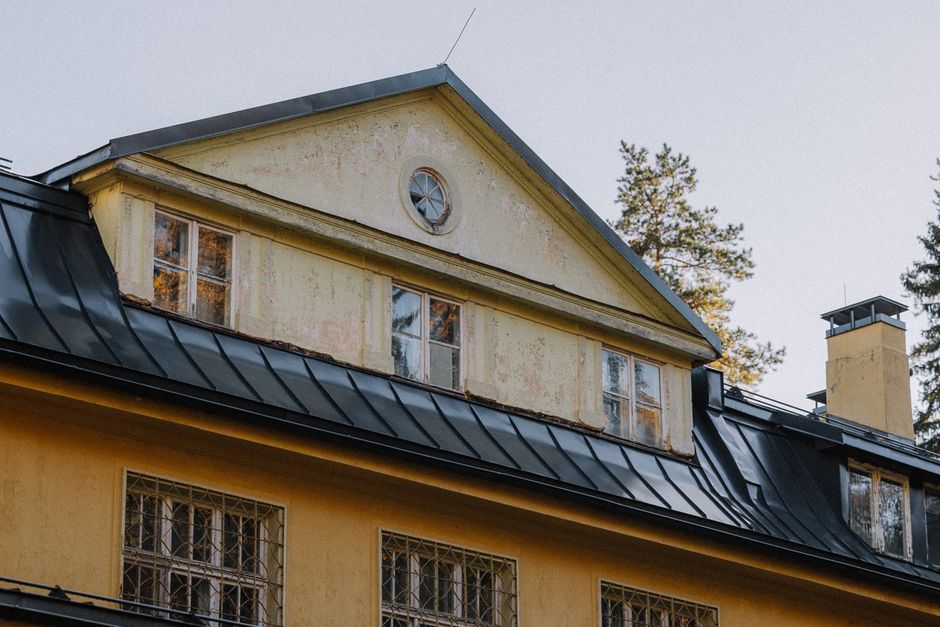
Beware of contractors who offer significantly lower prices for shingle installation. They might be cutting corners on underlayment, using fewer nails per shingle, or not properly sealing critical areas. These shortcuts will almost certainly lead to premature failure and costly repairs down the line.
Maintenance for Shingle Roofs: Shingle roofs require more regular maintenance than metal roofs. You should periodically inspect your roof for signs of damage, such as curling, cracking, or missing shingles. It's also important to keep your gutters clean, as clogged gutters can cause water to back up under the shingles. If you notice any granule loss in your gutters, it's a sign that the shingles are aging and losing their protective layer. Annual inspections, especially after severe weather events, are highly recommended.
Installation of Metal Roofs: Metal roof installation, particularly standing seam systems, requires specialized knowledge and tools. Precision is key. The panels must be cut accurately, aligned perfectly, and fastened according to manufacturer specifications. The interlocking seams are designed to expand and contract with temperature changes, so the fastening system needs to accommodate this movement without compromising the seal. Improper installation can lead to whistling noises in high winds, leaks at the seams, and even premature wear from friction. It's imperative to hire a contractor with proven experience in installing metal roofing systems, especially in a challenging climate like ours in North Texas.
Key Insight
While shingles are more straightforward to install, metal roofing requires specialized expertise. The long-term performance of either material is heavily dependent on the skill and attention to detail of the installer.
Maintenance for Metal Roofs: Generally, metal roofs are very low-maintenance. The most common maintenance task is ensuring that debris like leaves and branches don't accumulate on the roof, particularly in valleys or around penetrations, as this can trap moisture. Periodic visual inspections (from the ground or using binoculars) are a good idea to check for any loose fasteners or damage. Unlike shingles, you won't typically see wear and tear like granule loss or curling. If you do notice any issues, it's usually related to the fasteners or seals, which a qualified contractor can address promptly.
How to Get This Done
DIY Inspection Tip: Safely check your gutters for an excessive amount of dark granules, which indicates shingle wear. For metal roofs, look for any visible dents or loose fasteners from the ground with binoculars. Always prioritize safety and avoid climbing on your roof unless you have the proper training and equipment.
Professional Installation & Maintenance: If you're considering a new roof or need a thorough inspection after a storm, Montesco Roofing has over 13 years of experience installing and maintaining both shingle and metal roofs across the DFW metroplex. We understand the unique demands of the Texas climate and ensure every installation meets the highest standards for durability and performance.
The difference in maintenance is a significant factor for many homeowners. The lower maintenance requirements of metal roofs, coupled with their superior durability, often make them a more convenient and worry-free option for busy families in areas like Plano or McKinney.
Aesthetics & Home Value: Finding the Right Look for Your Texas Property
Let's talk about how your roof looks and how it impacts your home's overall appeal and resale value. In DFW, where home values are a significant consideration for most residents, your roofing material plays a crucial role. While performance and durability are paramount, aesthetics and the potential boost to your property's worth are also important factors.
Key Insight
While metal roofs offer a modern, sleek look and can significantly increase home value due to their longevity and durability, traditional shingles provide a wider range of classic aesthetic options that can also be attractive to buyers, especially in established neighborhoods.
Shingle Aesthetics: Asphalt shingles offer the widest variety of colors and styles. From the simple, uniform look of 3-tab shingles to the textured, dimensional appearance of architectural shingles, you can find a shingle that complements almost any home's architectural style. You can mimic the look of slate, wood shakes, or just opt for a classic, clean finish. This versatility makes shingles a popular choice for homeowners who want to achieve a specific look or update their home's appearance without a drastic change. For neighborhoods with a more traditional aesthetic, like parts of Richardson or Garland, shingles often fit right in.
Metal Roof Aesthetics: Metal roofs have evolved significantly in appearance. While corrugated metal still has its place, standing seam metal roofs offer a clean, contemporary, and sophisticated look that is increasingly popular. They come in a wide range of colors, including many that mimic traditional materials like slate or wood. Some homeowners even opt for specialized finishes like copper or zinc for a truly unique and high-end appearance. Metal roofs can make a home stand out, giving it a modern curb appeal that can be very attractive to buyers in newer developments or those looking for a distinctive property.
When choosing a color for your metal roof, consider the Texas sun. Lighter, more reflective colors will absorb less heat, contributing to energy savings. Darker colors can still be beautiful but may increase your cooling costs slightly.
Impact on Home Value: Both roofing materials can add value to your home, but they do so in different ways. A new, high-quality shingle roof can certainly boost curb appeal and add value, especially if the old roof was in poor condition. However, a metal roof often provides a more significant return on investment, particularly in areas where durability and longevity are highly valued. Buyers recognize the long-term benefits of a metal roof—reduced maintenance, lower energy bills, and superior protection against the elements—and are often willing to pay a premium for a home that already has one. This can be a significant advantage when selling your home in a competitive DFW market.
While a metal roof can add significant value, ensure it's installed by a reputable contractor who understands how to integrate it aesthetically with your home's architecture. A poorly installed or mismatched metal roof might not have the desired impact on curb appeal or resale value.
Ultimately, the "best" aesthetic choice depends on your personal taste and the style of your home. However, from a value perspective, the long-term durability and low-maintenance nature of a metal roof often make it a more compelling investment for homeowners looking to maximize their property's resale value in the long run.
Montesco Roofing's Expert Guidance for Your Texas Roof Decision
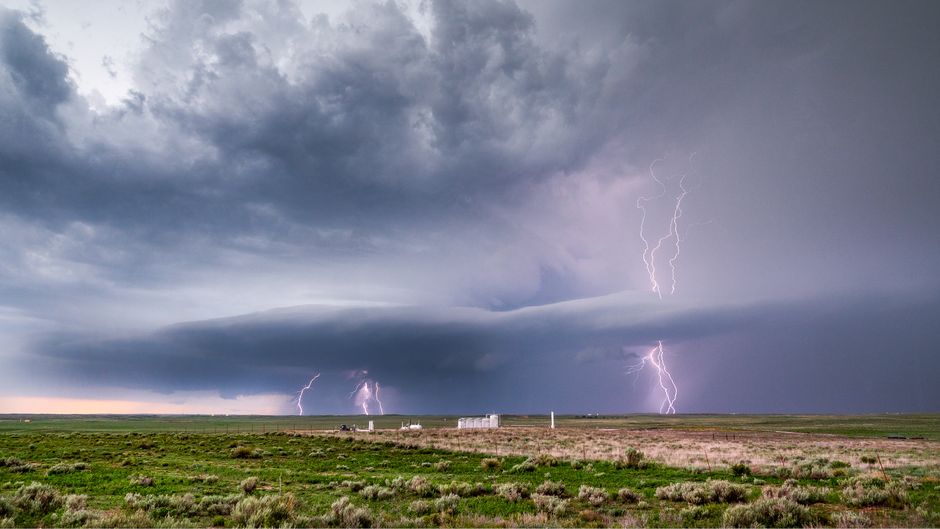
Choosing between a metal and a shingle roof is a significant decision, and it's one that shouldn't be taken lightly. Here at Montesco Roofing, we've been helping homeowners across the DFW metroplex protect their investments for over 13 years. We understand the unique challenges our Texas climate presents, and our goal is to provide you with honest, expert advice, not just a sales pitch. We're here to help you make the best decision for your home and your budget.
Key Insight
Montesco Roofing's 13+ years of experience in DFW means we have the local knowledge to guide you to the best roofing solution for your specific needs, whether that's the proven resilience of metal or the cost-effectiveness of high-quality shingles.
When you contact us, we don't just give you a quick quote and disappear. We start with a thorough, no-obligation inspection of your current roof. We'll get up there, examine the condition, identify any existing damage, and assess the structural integrity. This hands-on approach allows us to see exactly what we're dealing with, which is crucial in a region prone to storm damage. We'll then sit down with you, explain our findings in clear, easy-to-understand terms (no confusing jargon!), and discuss the pros and cons of each material as they apply to your specific situation.
When you're interviewing roofing contractors, ask about their experience with both metal and shingle installations in the DFW area. Look for testimonials or examples of their work, and ensure they are properly licensed and insured.
We believe in transparency. That's why we'll walk you through the different types of materials available, explain the warranties offered by manufacturers, and detail our own workmanship guarantee. We want you to feel confident and informed every step of the way. Whether you're leaning towards the superior durability of a standing seam metal roof or the budget-friendly appeal of a high-quality architectural shingle, we have the expertise to guide you.
Our team is trained on the latest installation techniques and best practices for both metal and shingle roofing systems. We understand the critical importance of proper ventilation, flashing, and sealing – elements that are often overlooked by less experienced contractors but are vital for the longevity of your roof in Texas's extreme weather. We're not just here to install a roof; we're here to build a lasting relationship based on trust and quality workmanship.
How to Get This Done
DIY Assessment: Start by noting any visible signs of damage from the ground – missing shingles, sagging areas, or debris buildup. Check your attic for any signs of water intrusion or daylight peeking through. This initial assessment can help you articulate your concerns when you speak with a professional.
Professional Guidance: If you're unsure whether metal or shingles are right for your home, or if you suspect you have storm damage, schedule a free inspection with Montesco Roofing. We'll provide a clear, honest assessment and tailored recommendations based on your home's specific needs and the challenges of the DFW climate. We're committed to ensuring your home is protected with a high-quality, durable roof.
Your roof is one of the most important investments you'll make in your home. Let Montesco Roofing, your trusted local experts, help you make the right choice for lasting protection and peace of mind.
Frequently Asked Questions About Texas Metal vs. Shingle Roofs
What is the average lifespan of a metal roof versus a shingle roof in Texas?
Which type of roof is more resistant to hail damage in DFW?
Is a metal roof more expensive than a shingle roof in 2026?
Can a metal roof help lower my energy bills in Texas?
Which roofing material is better for resale value in the DFW area?
Do metal roofs make a lot of noise during rain or hail storms?
How often do shingle roofs need to be replaced in Texas?
What is the most important factor when choosing a roofing contractor for either material in DFW?
Need help deciding which roof is right for your Texas home? Our team has protected hundreds of DFW homes with expert installations and honest advice. Tell us about your roof — free inspection, no pressure.
Get Your Free Roof Inspection →Montesco Roofing Team
DFW's trusted roofing contractor with 13+ years of experience. Specializing in roof replacements, storm damage repair, and insurance claims across Dallas-Fort Worth.
Get in touch →