Metal vs. Shingle Roofs

The DFW Roof Dilemma: Metal vs. Shingle in 2026
You're standing in your living room, maybe with a cup of coffee on a crisp October morning here in North Texas. The sun's coming up, and you're thinking about your home. It's your biggest investment, your sanctuary. And right now, you're wrestling with a big decision: what kind of roof should you put on it? Specifically, the age-old question for DFW homeowners in 2026: metal roofs versus asphalt shingles.
It's not a simple choice. Both have their pros and cons, and honestly, the right answer for your home depends on a lot of factors – your budget, your priorities, and even your neighborhood's specific climate challenges. We see homeowners in Plano, Frisco, and all across the Dallas-Fort Worth metroplex grappling with this, often feeling overwhelmed by the options and the conflicting advice they get.
Here at Montesco Roofing, we've been installing and repairing roofs in DFW for over 13 years. We've seen everything from the latest innovations in metal roofing to the tried-and-true reliability of asphalt shingles. We've walked countless attics, inspected roofs after devastating hail storms, and helped families navigate the complexities of making this crucial home improvement decision. We understand that you're not just buying a roof; you're investing in protection, energy efficiency, and curb appeal for decades to come. This isn't a decision to be rushed or made based on the cheapest quote alone.
So, let's break it down. We'll look at the real numbers, the long-term benefits, and what each material truly offers for homes here in the unique Texas environment. By the end of this, you'll have a much clearer picture of which roofing material makes the most sense for your home and your budget in 2026.
Quick Answer: In DFW in 2026, asphalt shingles offer a lower upfront cost and wide variety of styles, making them a popular choice for many homeowners. Metal roofs, while significantly more expensive initially (often $15,000+ for a typical DFW home), provide superior longevity (50+ years vs. 15-30 for shingles), exceptional durability against Texas storms, and better energy efficiency, often paying for themselves over their extended lifespan through reduced energy bills and fewer repairs.
Unpacking the Upfront Costs: What $5,000 vs. $15,000 vs. $25,000 Buys You
Let's get straight to the number that often makes the biggest splash: cost. When you're looking at roofing in DFW in 2026, the upfront investment is a primary driver for most homeowners. It's easy to see a significant price difference and make a decision based on that alone, but it's crucial to understand what you're actually getting for your money.
Think about a typical home in a neighborhood like Garland or Mesquite. For a standard 2,000-2,500 square foot house, the cost of a new roof can vary dramatically. We're talking about a range that can easily span from $7,000 to $12,000 for a decent quality asphalt shingle roof, but it can also climb to $15,000, $20,000, or even $25,000+ for a premium metal roofing system.
What's driving these numbers? It's a combination of material cost, labor complexity, and the expected lifespan. Let's break down what those different price points typically represent:
| Feature | Budget Shingles (~$7,000 - $10,000) | Mid-Tier Shingles (~$10,000 - $14,000) | Premium Shingles (~$14,000 - $18,000) | Standard Metal (~$15,000 - $22,000) | High-End Metal (~$20,000 - $30,000+) |
|---|---|---|---|---|---|
| Material Quality | Basic 3-tab shingles, shorter lifespan, lower wind resistance. | Architectural/laminate shingles, better aesthetics, moderate lifespan (20-30 years), good wind resistance. | High-definition, designer shingles, enhanced durability, longer lifespan (30+ years), superior wind and impact resistance. | Galvalume steel, standing seam or corrugated, good durability, moderate reflectivity. | Aluminum, copper, zinc, or premium steel with advanced coatings; standing seam, superior reflectivity, highest durability. |
| Lifespan | 15-20 years | 20-30 years | 30+ years | 40-60 years | 50-75+ years |
| Installation Complexity | Standard, straightforward installation. | Standard, may require more attention to detail for aesthetic alignment. | Requires skilled installers to ensure proper layering and aesthetic appeal. | Requires specialized tools and techniques, often steeper pitch needed for optimal water shedding. | Highly specialized; requires expert installers, precise measurements, and custom fabrication. |
| Wind Resistance (DFW Storms) | Typically rated for 60-90 mph. May struggle in stronger gusts. | Rated for 110-130 mph. Better performance in moderate storms. | Rated for 130+ mph. Excellent resistance for most DFW storm events. | Rated for 120-160+ mph. Excellent resistance. | Rated for 160+ mph. Superior resistance. |
| Hail Resistance | Varies greatly; basic shingles are prone to damage. | Moderate resistance. | Good to excellent resistance, especially impact-resistant shingles. | Excellent resistance, especially with thicker gauge steel or aluminum. | Excellent to superior resistance. |
| Aesthetics | Limited color and style options. | Wide range of colors and dimensional looks. | Premium colors, textures, and designs that mimic other materials. | Sleek, modern look; available in various colors and finishes. | Luxurious, distinct appearance; can mimic slate, tile, or wood shake. |
| Energy Efficiency | Lower; standard shingles absorb heat. | Moderate; some lighter colors reflect more heat. | Good; lighter colors and some specialized shingles offer better reflectivity. | Good to Excellent; reflective coatings significantly reduce heat absorption. | Excellent; highly reflective surfaces can drastically lower cooling costs. |
| Warranty | Limited manufacturer warranty (10-25 years), often prorated. Workmanship warranty varies. | Better manufacturer warranty (25-50 years, often limited). Workmanship warranty varies. | Longer manufacturer warranty (50 years to limited lifetime). Better workmanship warranties often available. | Manufacturer warranty typically 20-50 years, often non-prorated. Workmanship warranty varies. | Manufacturer warranty often 50+ years, non-prorated, some with limited lifetime coverage. Strong workmanship warranties are key. |
Key Insight: The True Cost of Ownership
While the initial price tag is important, smart homeowners in DFW look at the cost of ownership over the roof's lifespan. A $10,000 shingle roof that needs replacement in 15 years costs more in the long run than a $20,000 metal roof that lasts 50 years. Factor in potential repair costs, energy savings, and resale value when comparing these upfront figures.
Lifespan Showdown: How Long Will Your DFW Roof Really Last?
This is where the rubber really meets the road for long-term value. In a place like the Dallas-Fort Worth metroplex, where we experience intense sun, dramatic temperature swings, and the occasional severe weather event, a roof's lifespan is directly tied to its durability and the quality of its installation. You want a roof that's going to protect your home for as long as possible without becoming a recurring expense.
When we talk about lifespan, we're not just throwing out numbers. We're talking about the inherent properties of the materials and how they perform under real-world DFW conditions over time. It's about weathering the relentless Texas sun, enduring freezing nights in winter, and standing strong against wind-driven rain.
Asphalt Shingles: The Workhorse with a Shelf Life
Standard architectural asphalt shingles, the most common choice in DFW, typically have a manufacturer-rated lifespan of 20 to 30 years. However, in our harsh climate, it's not uncommon for them to start showing significant wear and tear closer to the 15-20 year mark, especially if they've been subjected to extreme weather or if installation wasn't perfect. The sun's UV rays are brutal on the asphalt granules, causing them to degrade, crack, and eventually blow off, leaving the underlying mat exposed and vulnerable.
What can shorten the life of your shingle roof even further? Poor attic ventilation is a huge culprit here in Texas. When hot air gets trapped in the attic, it bakes the underside of your roof deck and shingles, accelerating their deterioration. We often see homes in older neighborhoods in Arlington or Fort Worth with inadequate ventilation, leading to premature roof failure.
Metal Roofs: The Long-Haul Champion
Metal roofs, on the other hand, are built to last. Depending on the type of metal and the quality of the coating, you can expect a lifespan of anywhere from 40 to 75 years, and sometimes even longer. A properly installed standing seam metal roof, for instance, is designed to shed water effectively and resist corrosion and degradation from UV rays and temperature fluctuations.
Materials like aluminum, copper, and zinc are inherently durable and resistant to rust. Even steel, when properly coated with Galvalume or other protective finishes, offers incredible longevity. For a home in a DFW suburb like Keller or Southlake, a metal roof is an investment that can literally outlast the next few generations of shingle roofs.
Consider this: if you install a shingle roof today, you might be looking at needing another full replacement around 2041-2046. If you invest in a metal roof now, it could still be protecting your home in 2076, 2086, or even beyond.
Pro Tip: Don't just rely on the manufacturer's rating. Your roof's lifespan is heavily influenced by local weather patterns, the quality of installation, and regular maintenance. A well-maintained metal roof will always outperform a neglected shingle roof, regardless of their theoretical ratings.
Durability in the Texas Elements: Hail, Wind, and Heat Resistance
When you live in DFW, you know that "mild weather" is a relative term. We deal with everything from scorching summers to derechos that can bring baseball-sized hail and hurricane-force winds. Your roof is the first line of defense against these extreme conditions, and the material you choose makes a massive difference in how well it holds up.
The Hail Threat: A DFW Reality
Texas, and the DFW area in particular, is notorious for its severe hailstorms. These events can cause significant damage, from denting shingles to cracking them open, exposing the underlayment and leading to leaks. This is a major concern for homeowners in areas like McKinney and Allen.
Asphalt shingles, especially standard ones, are inherently vulnerable to hail. While impact-resistant shingles (often labeled with an "IR" rating) offer better protection and may even qualify for insurance discounts, they are still susceptible to damage from large, fast-moving hail. We often see insurance adjusters struggle to properly assess hail damage on shingles, leading to disputes. For a home that's been hit by severe hail, even impact-resistant shingles might need replacement sooner than their rated lifespan.
Metal roofs, especially those made from thicker gauge steel or aluminum, are far more resistant to hail damage. While a very large hailstone might cause a dent, it's unlikely to penetrate the metal or compromise its integrity. This means fewer repair calls, less worry during storm season, and a more resilient home.
Wind Resistance: Battling the DFW Gusts
DFW can experience sudden, powerful wind gusts. Shingles are typically rated for specific wind speeds (e.g., 110 mph, 130 mph). While higher-rated shingles offer better protection, shingles are still individual pieces that can be lifted, torn, or peeled away in extreme winds. This can lead to a cascade of damage across the roof.
Metal roofs, particularly standing seam systems where panels are interlocked and secured with concealed fasteners, offer exceptional wind resistance. They are designed to withstand much higher wind speeds, making them a more secure choice in storm-prone areas. The solid, continuous nature of a metal roof means there are fewer points of failure when the wind really picks up.
The Sun's Fury: Heat and UV Degradation
Our Texas sun is relentless. The constant exposure to intense UV radiation and high temperatures degrades asphalt shingles over time, making them brittle and prone to cracking. This is a silent killer of shingle roofs, even without major storms.
Many modern metal roofs are designed with reflective coatings. These coatings bounce sunlight away from the roof surface, significantly reducing the amount of heat absorbed by the attic and the entire home. This not only keeps your home cooler but also extends the life of the metal itself by reducing thermal expansion and contraction cycles.
Watch Out: Not all metal roofs are created equal. Corrugated metal panels, while cheaper, may not offer the same level of durability or wind resistance as a standing seam system. Always ask about the specific gauge of metal, the type of coating, and the fastening system when comparing metal roofing options.
Aesthetic Appeal & Home Value: Which Material Enhances Your DFW Property?
Let's talk about how your roof looks and how it impacts your home's overall appeal and market value. In DFW, where curb appeal is king, especially in competitive real estate markets like those in Frisco or Southlake, your roof plays a significant role.
Asphalt Shingles: Versatility and Familiarity
Asphalt shingles have long been the go-to choice for a reason: they're incredibly versatile. They come in a vast array of colors and styles. You can get basic 3-tab shingles that offer a clean, uniform look, or you can opt for architectural or designer shingles that mimic the look of natural wood shakes, slate, or tile. This variety allows homeowners to match their roof to their home's architectural style and personal preferences.
For many buyers in DFW, a well-maintained shingle roof is familiar and expected. It doesn't raise any questions or concerns. While a premium shingle roof can definitely boost curb appeal and add value, the aesthetic impact is often more about the specific style and color chosen rather than the material itself.
Metal Roofs: Modern Elegance and Distinctiveness
Metal roofing has shed its industrial image and evolved into a sophisticated, premium roofing option. Today's metal roofs offer sleek, modern profiles that can dramatically enhance a home's appearance. Standing seam metal roofs, in particular, provide a clean, crisp look that is highly sought after in contemporary and modern home designs.
Metal roofs are also available in a wide range of colors, including muted earth tones, bold architectural shades, and even finishes that mimic the look of natural materials like slate or cedar shakes, but with far greater durability. This distinctiveness can set your home apart from the neighbors, potentially increasing its marketability and perceived value.
Impact on Home Value
Both types of roofing can add value, but they do so differently. A high-quality asphalt shingle roof in good condition will certainly contribute to your home's value. However, a metal roof often provides a more significant return on investment in terms of enhanced curb appeal and the perception of a premium, low-maintenance home.
According to various studies on home improvement ROI, roofing is always high on the list. However, the long-term benefits of a metal roof – its longevity, durability, and energy efficiency – can translate into a higher resale value and attract buyers who are looking for a home that requires less immediate maintenance and offers greater long-term savings.
When it comes to selling your home in DFW, a relatively new, high-quality roof of either type is a major selling point. But a metal roof can be a unique selling proposition that appeals to buyers looking for longevity and modern aesthetics.
"A roof is not just a shield; it's a statement about the care and investment put into a home. In DFW, that statement needs to speak of resilience and enduring quality."— Montesco Roofing Expert
Energy Efficiency: Keeping Your DFW Home Cooler and Your Bills Lower
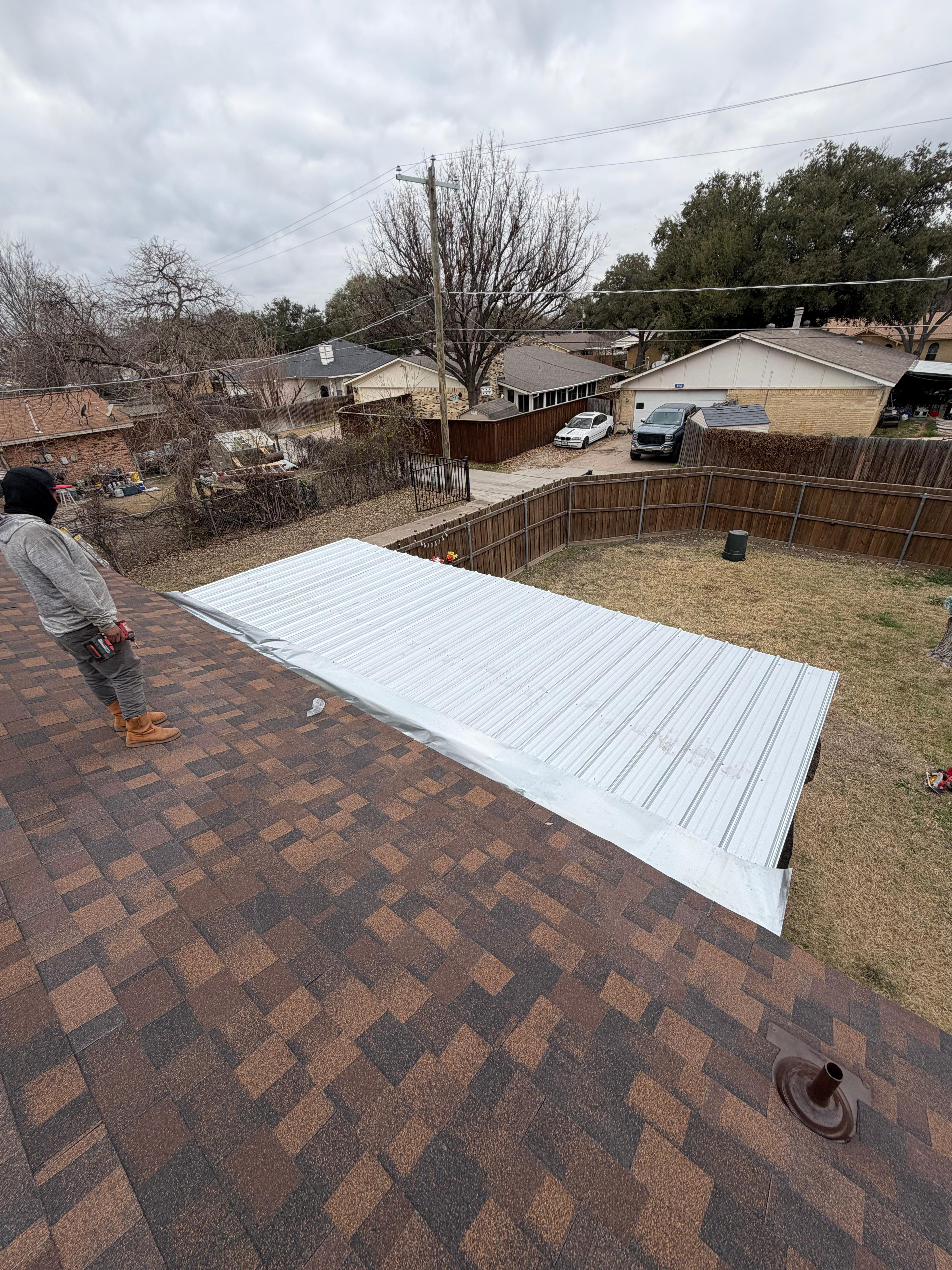
For anyone living in the Dallas-Fort Worth area, the summer months are a constant battle against the heat. Your roof plays an enormous role in how well your home retains cool air and keeps the heat out. This is where the difference between metal and shingle roofs can really hit your wallet through your energy bills.
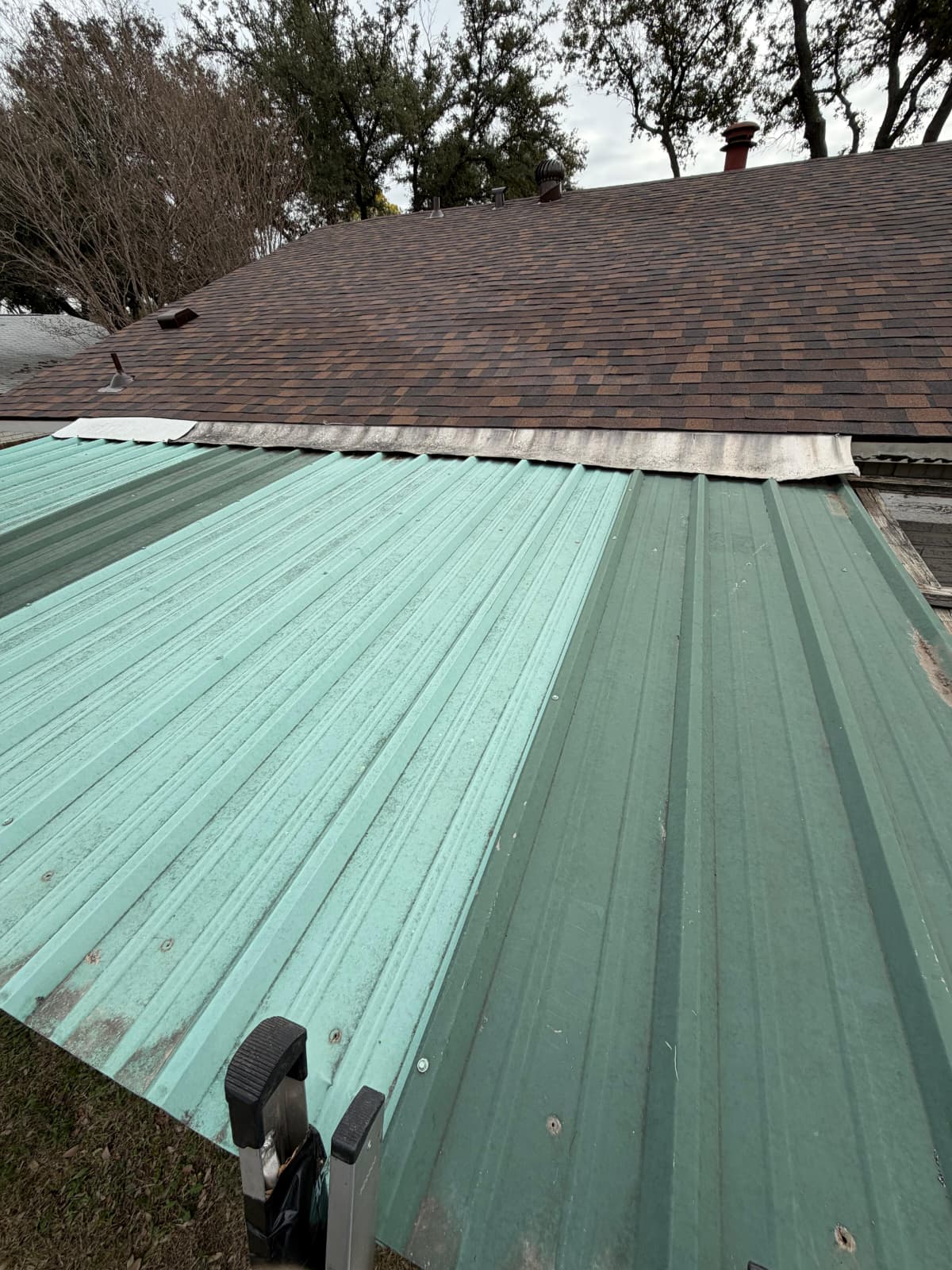
The Heat Absorption Factor
Traditional asphalt shingles, especially darker colors, are notorious for absorbing solar heat. This absorbed heat then transfers into your attic and, subsequently, into your living spaces. This forces your air conditioning system to work harder and longer to maintain a comfortable temperature, leading to higher electricity bills. In the peak of a DFW summer, this can add a significant amount to your monthly expenses.
Metal Roofs: The Cool Choice
This is one of the biggest advantages of metal roofing, especially for a climate like ours. Many metal roofing systems are designed with reflective coatings. These coatings can reflect a significant portion of the sun's radiant energy away from the roof surface. This means less heat is absorbed, and therefore less heat transfers into your home.
The U.S. Department of Energy estimates that reflective metal roofs can reduce cooling costs by as much as 10-25% compared to conventional dark asphalt shingles. For a home in Plano, where summer temperatures regularly exceed 95°F, this can translate into hundreds of dollars saved annually.
Ventilation and Insulation: The Supporting Cast
It's important to remember that while the roofing material itself is crucial, it's part of a larger system. Proper attic ventilation and adequate insulation are equally vital for energy efficiency, regardless of whether you have shingles or metal. A well-ventilated attic allows hot air to escape, reducing the heat load on your roofing material and your home.
However, even with excellent ventilation and insulation, a heat-absorbing roof will still make your AC work harder. This is why the reflective properties of metal roofs offer such a significant advantage in our Texas climate.
Long-Term Savings vs. Initial Cost
While the upfront cost of a metal roof is higher, the potential energy savings over its 50+ year lifespan can help offset that initial investment. Think about it: if you can save $200-$300 per year on cooling costs, that's $10,000-$15,000 in savings over 50 years. This makes the higher initial price of a metal roof a much more attractive long-term proposition for budget-conscious homeowners who are planning to stay in their homes for a while.
Key Insight: Beyond Color
When considering energy efficiency with metal roofs, don't just look at the color. The Solar Reflectance Index (SRI) is the key metric. Higher SRI values mean the material reflects more sunlight and absorbs less heat. Many modern metal roofing systems are engineered for high SRI values, making them ideal for hot climates like DFW.
Installation & Maintenance: The Hidden Factors in Your Roofing Choice
We've talked a lot about materials, costs, and durability. But what often gets overlooked in the decision-making process are the nuances of installation and ongoing maintenance. These aren't flashy features, but they have a profound impact on your roof's performance and longevity.
Installation: The Foundation of Longevity
This is where experience and expertise truly matter. A high-quality material installed incorrectly will fail prematurely. Here in DFW, we've seen the aftermath of poorly installed roofs from less reputable contractors, especially after storm seasons when fly-by-night companies flood the market.
Asphalt Shingles: While installation is generally more straightforward than metal, it still requires precision. Proper underlayment, correct nailing patterns (not over-nailing or under-nailing), and adequate ventilation are critical. An experienced DFW roofing contractor will know the specific requirements for our climate and building codes.
Metal Roofs: Installation of metal roofing, particularly standing seam systems, is more specialized. It requires specific tools, precise measurements, and a deep understanding of how the metal expands and contracts with temperature changes. Incorrect installation can lead to leaks, fastener issues, and premature wear. This is why choosing a contractor with proven experience in metal roofing installation is paramount.
Maintenance: Keeping Your Roof in Top Shape
Regular maintenance is key to maximizing the lifespan of any roof. However, the type and frequency of maintenance differ significantly between shingles and metal.
Asphalt Shingles: Maintenance typically involves keeping gutters clean, checking for damaged or missing shingles after storms, and ensuring moss or algae don't take hold (which can degrade the granules). Because shingles have a shorter lifespan, proactive maintenance is more about extending their service life and preventing minor issues from becoming major problems.
Metal Roofs: Metal roofs generally require less maintenance. The primary tasks involve periodic inspections to ensure fasteners are secure (if applicable), checking for any debris that might trap moisture, and ensuring no damage occurred from falling branches or extreme weather. Because metal is non-porous and highly durable, you don't typically worry about moss growth or granule loss.
The Warranty Factor
Both material warranties and workmanship warranties are critical. A manufacturer's warranty covers defects in the material itself. A workmanship warranty, provided by your roofing contractor, covers issues arising from the installation. For metal roofs, where installation is more complex, a strong workmanship warranty from an established DFW roofing company like Montesco Roofing is essential. We stand behind our work with a 10-year workmanship guarantee, giving homeowners peace of mind that their investment is protected.
How to Get This Done
If you're considering a new roof, the first step is always a thorough inspection. For DIYers, this means checking your attic for daylight, looking for granule loss in gutters, and inspecting for visible damage after storms. For homeowners in DFW who want expert insight, our team offers free, no-obligation roof inspections. We'll assess the condition of your current roof, discuss your material options (shingles, metal, etc.), and provide a detailed, transparent quote tailored to your home and budget. We've installed hundreds of roofs across Plano, Fort Worth, and beyond, ensuring every installation meets the highest standards.
Making the Smart Investment: When Montesco Roofing Recommends Metal or Shingle
Here at Montesco Roofing, we're not about pushing one material over another. Our goal is to help you make the best decision for your home, your lifestyle, and your budget here in North Texas. After 13+ years serving DFW homeowners, we've developed clear guidelines for when each material shines brightest.
When We Recommend Asphalt Shingles:
Asphalt shingles remain a fantastic choice for many DFW homeowners, and here's why:
- Budget-Conscious Buyers: If your primary concern is the upfront cost, and you're looking for a reliable roof that meets basic protection needs, high-quality architectural shingles are often the most practical solution. They offer a great balance of performance and affordability.
- Shorter-Term Homeowners: If you plan to sell your home within the next 5-10 years, a new, high-quality shingle roof can provide excellent curb appeal and protection that appeals to potential buyers without the long-term commitment that a metal roof demands.
- Specific Aesthetic Needs: For homes with very traditional architectural styles where a specific look (like a certain type of shake or tile) is paramount and can only be achieved with certain shingle designs, shingles might be the preferred aesthetic choice.
- Rapid Replacement Needs: In cases of urgent replacement after a widespread storm event where speed is of the essence, the availability and quicker installation times of shingles can sometimes be a factor.
We work with top manufacturers like GAF and Owens Corning to provide homeowners with the best architectural shingles available, ensuring durability and beauty. We'll always steer you towards impact-resistant options if hail is a major concern in your area.
When We Recommend Metal Roofs:
Metal roofing is an investment that pays dividends over time, and we often recommend it for homeowners who:
- Prioritize Longevity and Durability: If you want a roof that will last 50+ years, withstand DFW's toughest storms with minimal fuss, and protect your home for the long haul, metal is the clear winner. It's the ultimate "set it and forget it" roofing solution for many.
- Focus on Long-Term Savings: The energy efficiency benefits of reflective metal roofs, combined with drastically reduced maintenance and repair costs over decades, make them a financially smart choice for homeowners planning to stay in their homes for a while.
- Seek Enhanced Home Value and Curb Appeal: A modern metal roof can significantly elevate your home's aesthetic and perceived value, making it stand out in the DFW market.
- Are in High-Risk Storm Zones: For homes in areas known for frequent or severe hail and wind, the superior resilience of metal roofing offers unparalleled peace of mind.
Our expertise with metal roofing spans various types, including standing seam Galvalume steel and aluminum, and we partner with reputable suppliers to ensure you get the best quality materials for your DFW home.
Ultimately, the decision is yours. Our role is to provide you with all the facts, transparent pricing, and expert advice so you can make an informed choice that you'll be happy with for decades to come. We want to ensure your roof is not just a cover, but a true protector of your family and your investment.
Need help putting this into action? Our team has protected hundreds of DFW homes. Tell us about your roof — free inspection, no pressure.
Get Your Free Roof Inspection →Metal vs. Shingle Roofs: Your DFW Decision Guide
So, you've weighed the pros and cons, considered the costs, and thought about the long-term benefits. Now, let's distill all that information into a straightforward guide to help you make that final decision for your DFW home in 2026.
Frequently Asked Questions
What's the average lifespan difference between metal and shingle roofs in DFW?
Which type of roof is better for hail resistance in Texas?
How much more does a metal roof typically cost than an asphalt shingle roof in DFW?
Can a metal roof actually save me money on my energy bills in DFW?
Which material offers better curb appeal and home value?
Is metal roofing noisy during rainstorms or hail in DFW?
What are the maintenance requirements for each type of roof in DFW?
Montesco Roofing Team
DFW's trusted roofing contractor with 13+ years of experience. Specializing in roof replacements, storm damage repair, and insurance claims across Dallas-Fort Worth.
Get in touch →