Meet Your Roof`s Defender
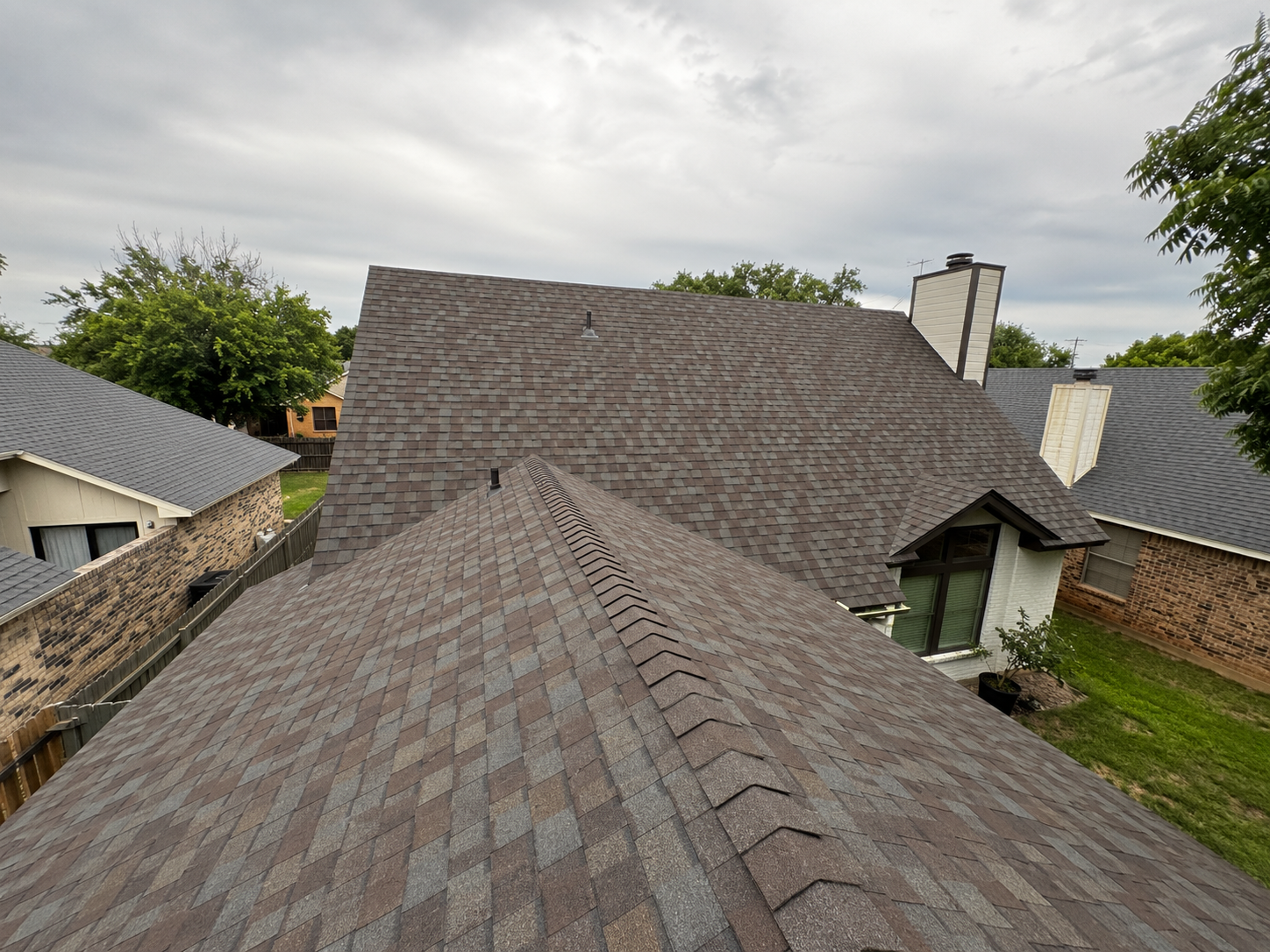
The Unsung Hero: Why Your Roof Ridge Matters Most in DFW
You know, when people think about their roof, they usually picture the shingles – those big, flat surfaces that catch the sun and rain. And sure, they're important. But there's this one part, running right along the very top, that’s often overlooked, yet it’s absolutely critical, especially here in the DFW Metroplex. I’m talking about the roof ridge. Think of it as the spine of your entire roof system. It's the highest point, where two sloping sides of your roof meet, and it’s the last line of defense against some of the nastiest weather North Texas can throw at us. We've seen plenty of storms roll through Frisco, Plano, and Fort Worth, and time and time again, the integrity of the ridge proves to be a make-or-break factor for a home’s overall protection.Anatomy of a Storm-Resistant Ridge: What to Look For
So, what exactly makes a roof ridge "storm-resistant"? It’s not just a single piece of material. It’s a carefully constructed system, and each component plays a vital role. Understanding this anatomy is key to knowing what to look for, whether you're doing a quick visual inspection or talking to a roofing professional. First, you have the ridge cap shingles. These aren't your standard shingles. They're specifically designed to overlap the peak of the roof, covering the gap where the two roof planes meet. They're typically thicker and more flexible than field shingles, allowing them to conform to the angle of the roof. Proper overlap is crucial here – too little, and wind can lift them; too much, and they can create an uneven surface that’s prone to damage. Below the ridge cap shingles, and often integrated with them, is the ridge vent. This is a modern marvel in roofing technology, and it’s something we strongly advocate for in DFW homes. A ridge vent is essentially a continuous opening along the peak of the roof, covered by a baffled material that allows air to escape the attic while preventing rain, snow, and insects from getting in. This is critical for attic ventilation, helping to regulate temperature and reduce moisture buildup, which can lead to mold and rot. Good ventilation isn't just about comfort; it's about the longevity of your entire roof structure.When inspecting your ridge, look for any signs of lifting, curling, or missing shingles. Also, check the material covering the ridge vent – it should be intact and free of debris that could impede airflow.
Common Ridge Failures in DFW Weather: 5 Warning Signs
Living in DFW means preparing for the unpredictable. Our weather patterns can be quite aggressive, and the roof ridge is often the first place to show signs of distress. Over 13 years, we’ve seen the same problems pop up repeatedly, and recognizing these warning signs can save you a lot of trouble and money. Here are five common ridge failures we see in the DFW area:1. Lifted or Curled Ridge Cap Shingles
This is usually the most visible sign. High winds can get underneath the edge of a ridge cap shingle and lift it, or cause it to curl upwards. This exposes the underlayment and fasteners to the elements, creating an immediate entry point for water.
2. Missing Ridge Cap Shingles
Sometimes, the wind is strong enough to completely rip off ridge cap shingles. If you notice gaps along the peak of your roof, it’s a serious problem that needs immediate attention. This leaves the ridge completely vulnerable.
3. Cracked or Deteriorated Ridge Vent Material
The material that forms the ridge vent itself can become brittle over time due to UV exposure and weather. Cracks or holes in this material can allow water ingress, while clogged vents (from debris) hinder necessary attic ventilation.
4. Granules in Gutters
While some granule loss is normal over time, an excessive amount of asphalt granules in your gutters, especially concentrated near the ridge, can indicate that the ridge cap shingles are wearing out or being damaged. These granules are the protective layer of your shingles.
5. Signs of Water Intrusion in the Attic
This is the most critical warning sign. If you see water stains on your attic's rafters, plywood sheathing, or insulation, especially near the peak, it’s a direct indication that water is getting past your ridge. This can lead to rot, mold, and structural damage.
Don't wait for a major leak to address ridge issues. Small problems, like a few lifted shingles, can quickly escalate into much larger, more expensive repairs if left unaddressed, especially with DFW's active storm seasons.
Ridge Venting vs. Ridge Cap: Understanding the Difference for DFW Homes
It's easy to get the terms "ridge cap" and "ridge vent" mixed up, but they serve distinct, albeit related, functions. For homeowners in DFW, understanding this difference is key to appreciating how your roof works to protect your home and keep you comfortable. The ridge cap, as we've discussed, is the outermost layer of shingles that covers the peak of your roof. Its primary job is to provide a watertight seal and protect the underlying roof structure from direct exposure to the elements – rain, sun, wind. Think of it as the shingles’ final handshake with the sky. They're designed to overlap, creating a barrier. In DFW, where we see intense sun that can degrade materials and strong winds that try to pry things loose, a robust and properly installed ridge cap is essential. The ridge vent, on the other hand, is all about ventilation. It’s a system that runs along the ridge and allows hot, moist air to escape your attic. This is incredibly important in Texas. During our hot summers, attics can get extremely hot, and without proper ventilation, that heat radiates down into your living space, making your air conditioner work overtime and driving up energy bills. In cooler months, it helps prevent condensation from forming, which can lead to mold and wood rot.Key Insight
A common misconception is that a ridge cap is a ridge vent. While they are both located at the peak and often work together, their functions are different. A ridge cap is primarily for weatherproofing, while a ridge vent is for airflow. Many modern roofing systems integrate both seamlessly.
The $8,000 Mistake: Ignoring Ridge Integrity Before the Next Storm

Many homeowners only think about their roof after a storm. However, the damage often starts subtly and is exacerbated by subsequent weather events. Proactive inspection and maintenance of your ridge are far more cost-effective than reactive repairs after significant damage.
How to Get This Done
To prevent costly ridge failures, ensure your roof ridge is properly sealed and ventilated. If you're comfortable working at heights and have the right safety gear, you can visually inspect your ridge for lifted or missing shingles and check for debris in your ridge vent. However, for a thorough inspection and repair, especially if you suspect damage or are due for maintenance, it's best to trust professionals. Montesco Roofing offers comprehensive roof inspections for DFW homeowners, identifying potential issues before they become expensive problems.
Ridge Repair vs. Replacement: When to Invest in Montesco Roofing's Expertise
Deciding whether to repair or replace your roof ridge can be tricky. It depends on the extent of the damage, the age of your roof, and the materials used. Here at Montesco Roofing, with over 13 years of experience in DFW, we always aim for the most cost-effective and long-lasting solution for our clients.Key Insight
It's crucial to remember that a roof ridge is part of a larger system. A repair on the ridge might be a temporary fix if the rest of the roof is nearing the end of its life. We always look at the big picture to ensure you're making the most sound investment for your home's protection.
How Montesco Roofing Fortifies Your DFW Roof Ridge for Peak Performance
When you choose Montesco Roofing, you're not just getting a new roof; you're getting a roof built to last, especially in the challenging DFW climate. Our approach to fortifying your roof ridge goes beyond simply slapping on some shingles. We treat every roof like it's our own, focusing on the details that make the biggest difference when the storms roll in. Our process starts with a meticulous inspection. We don't just glance at the peak. We get up there, examine the existing ridge cap, check the condition of the ridge vent, and probe the underlying wood sheathing for any signs of moisture damage or rot. This thoroughness is what sets us apart and prevents issues down the line. When it comes to installation, we’re fanáticos about quality. For the ridge cap, we use high-quality, architectural shingles specifically designed for ridge applications. We ensure they are installed with the correct number and placement of fasteners, using roofing nails that are long enough to penetrate through the shingles, underlayment, and securely into the roof deck. In DFW, where wind uplift is a serious concern, this is non-negotiable. We often use a high-temperature roofing cement under the starter course of ridge cap shingles for an extra layer of adhesion against strong gusts.Ensure your chosen roofing contractor uses manufacturer-recommended installation methods for ridge caps and vents. Cutting corners here, even slightly, can significantly reduce the lifespan and performance of your roof ridge in high-wind areas like North Texas.
How to Get This Done
If you want to handle this yourself, here's exactly what you need: Safety harness, ladder stabilization, roofing nails (correct size and type), high-temperature roofing cement, manufacturer-approved ridge cap shingles and ridge vent system, and proper underlayment. If you'd rather have experienced roofers handle it, our team has done this on hundreds of DFW homes — here's how our process works: We start with a free, detailed inspection, provide a transparent quote, use premium materials with manufacturer warranties, and back our work with a 13+ year workmanship guarantee. We handle everything from material selection to final cleanup.
Ridge Maintenance Checklist: Proactive Steps for DFW Homeowners in 2026
Preventing major roof problems, especially those related to the ridge, is all about proactive maintenance. Here in DFW, with our dynamic weather, a little attention throughout the year can save you a lot of headaches and money down the road. Think of this as your annual check-up for your roof's backbone.1. Post-Storm Inspection (Visual Only!)
After any significant storm with high winds or heavy hail, take a safe look at your roof from the ground. Use binoculars if needed. Check for any obviously missing, lifted, or damaged ridge cap shingles. Note any debris accumulation on the ridge.
2. Annual Attic Check
At least once a year, preferably in the spring before the intense heat, go into your attic. Look for any signs of water staining on the underside of the roof deck, particularly near the peak. Also, check your insulation for damp spots.
3. Gutter Sweep
Clean your gutters at least twice a year, typically in late spring and late fall. As you do this, pay attention to the amount of shingle granules in the gutters. An excessive amount, especially if concentrated near the roof's peak, could indicate shingle wear.
4. Ridge Vent Clarity Check
From the ground, visually inspect the ridge vent. Ensure it’s not clogged with leaves, twigs, or other debris. Good airflow is essential for your attic's health and your roof's longevity.
5. Professional Inspection Schedule
Schedule a professional roof inspection with a reputable DFW roofing contractor like Montesco Roofing at least once every 2-3 years, or after any major weather event. They have the expertise and safety equipment to perform a thorough assessment of your entire roof system, including the critical ridge.
Key Insight
While visual inspections from the ground are good, they can't replace a professional inspection. A trained eye can spot subtle signs of damage or wear that a homeowner might miss, especially concerning the underlying structure and flashing.
Frequently Asked Questions About Your Roof Ridge
What exactly is a roof ridge, and why is it so important?
How can I tell if my roof ridge is damaged?
Is ridge venting necessary for all roofs in DFW?
Can a storm chaser fix my roof ridge properly?
What is the lifespan of a typical roof ridge cap?
How much does it typically cost to repair a roof ridge in DFW?
Should I be concerned about ice dams on my roof ridge in DFW?
Need help putting this into action? Our team has protected hundreds of DFW homes. Tell us about your roof — free inspection, no pressure.
Get Your Free Roof Inspection →Montesco Roofing Team
DFW's trusted roofing contractor with 13+ years of experience. Specializing in roof replacements, storm damage repair, and insurance claims across Dallas-Fort Worth.
Get in touch →