How DFW Roofs Endure the Heatwave and Beyond
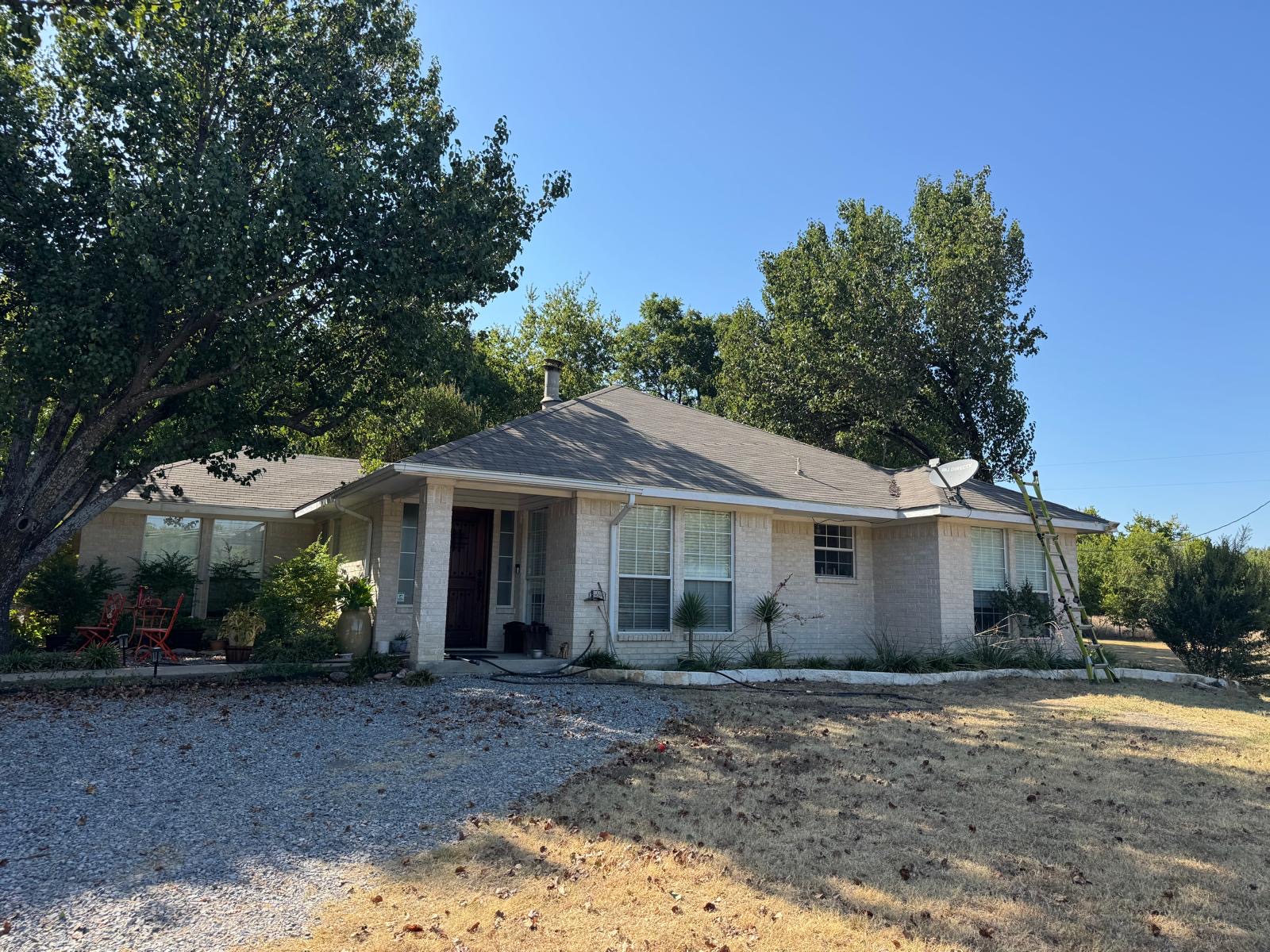
The Unrelenting DFW Summer: Why Your Roof is Under Siege in 2026
The sun beats down on North Texas, and in 2026, it feels like summer decided to move in and never leave. We're deep into September, and the heat isn't letting up. For DFW homeowners, that constant, intense sun isn't just uncomfortable; it's a relentless assault on your home's most vital shield: your roof. We're talking about temperatures that can climb well into the triple digits, day after day, week after week. This isn't just a mild inconvenience; it's an environmental stressor that can significantly shorten the lifespan of your roofing system and lead to costly repairs down the line if not managed properly. Here in the Dallas-Fort Worth metroplex, we know a thing or two about extreme weather. We've got the hail storms in the spring and the scorching heat that seems to bake everything in the summer. This year, it feels like the summer has been particularly long and brutal, pushing our homes to their limits. Your roof is the first line of defense against everything Mother Nature throws at us, and when it’s constantly battling intense solar radiation, its components start to break down. We're not just talking about asphalt shingles here; the entire roofing system, from the underlayment to the flashing, is put under immense pressure. Understanding these threats is the first step to protecting your investment.Asphalt shingles can reach surface temperatures of 150°F or higher on a hot Texas day.
Think of your roof like your skin in the summer. If you don't use sunscreen and stay hydrated, you'll get sunburned and damaged. Your roof needs similar protection and care to withstand the DFW heat.
Beyond the Shingles: How Extreme Heat Degrades Your Roofing System
It's easy to focus on the shingles themselves – the visible part of your roof. But the real damage from this relentless 2026 DFW heatwave is happening to the entire roofing system, often unseen until it's too late. We're talking about the underlayment, the decking, the insulation, and crucially, the ventilation. Let's start with the asphalt shingles. The granules on top are designed to protect the asphalt binder from UV rays, which are amplified by the intense Texas sun. However, prolonged exposure to extreme heat can dry out and degrade these binders. This makes the shingles brittle, prone to cracking, and more likely to lose their protective granules. You might start seeing more of those little black specks in your gutters – that's a sign your shingles are shedding their defense. Over time, this leads to a shortened lifespan for your shingles, meaning you’ll be looking at a roof replacement sooner than you expected.Darker colored shingles absorb more heat. While they might look sleek, they can significantly increase attic temperatures, putting extra strain on your entire roofing system and your home's HVAC. In DFW's climate, this is a critical consideration.
Key Insight
The lifespan of a typical asphalt shingle roof in the DFW area can be significantly reduced by prolonged exposure to extreme heat and UV radiation. While a roof might be rated for 20-30 years, constant high temperatures can shorten that by 5-10 years if not properly managed. This is why investing in quality materials and proper installation is paramount for long-term durability.
Roof Component Affected
Brittleness, granule loss, cracking, "alligatoring"
Drying out, potential warping (especially if moisture present)
Degradation, loss of waterproofing over time
Traps heat, accelerates shingle degradation from underside, increases HVAC load
5 Critical Roof Maintenance Steps to Survive the 2026 DFW Heatwave
Living through another intense DFW summer means your roof is working overtime. Waiting for visible signs of damage is like waiting for a toothache to get really bad before going to the dentist – it’s usually more complicated and expensive by then. Proactive maintenance is your best defense against the prolonged heat of 2026. Here are five critical steps you should be taking right now to ensure your roof stays in top shape.Step 1: Thorough Attic Inspection
This is non-negotiable. Get into your attic (safely, of course) and look for any signs of heat stress or moisture. Check for daylight coming through the roof deck, dark stains on the rafters or sheathing (indicating past or current leaks), and feel for excessive heat radiating downwards. Ensure insulation isn't blocking vents.
Step 2: Clear Gutters and Downspouts
While it might not seem directly related to heat, clogged gutters prevent proper water drainage. If you have any unexpected summer showers or even just dew, water can back up under your shingles or around your fascia, exacerbating heat-related issues and potentially causing rot. Clean them out regularly.
Step 3: Inspect Shingles for Damage
From the ground or a safe ladder position, visually inspect your shingles. Look for any that are curling, cracked, missing, or have lost a significant amount of their protective granules. Pay close attention to areas that receive the most direct sunlight, especially on south-facing slopes.
Step 4: Check Exterior Vents and Flashing
Ensure all your roof vents (ridge vents, soffit vents, turbine vents) are clear of debris. Also, inspect the flashing around chimneys, skylights, and any other roof penetrations. Damaged or deteriorated flashing is a prime entry point for water, which can be trapped and worsened by heat.
Step 5: Trim Overhanging Branches
While shade can be good, overgrown tree branches touching your roof can cause physical damage (rubbing, debris accumulation) and prevent air circulation, trapping heat and moisture. Trim them back to allow for better airflow and prevent potential limb damage during strong winds.
How to Get This Done
If you want to handle your roof inspection yourself, gather a sturdy ladder, gloves, and a flashlight. Document any issues with photos. If you'd rather have experienced roofers handle it, our team at Montesco Roofing has performed hundreds of roof inspections on DFW homes. We know exactly what to look for to protect your home from the heat. We can identify subtle signs of damage that might be missed by the untrained eye.
Ventilation: The Unsung Hero of a Cool DFW Roof This Summer
If there's one aspect of roofing that gets overlooked more than any other, it's ventilation. Many homeowners think about shingles, flashing, or even the attic insulation, but proper attic ventilation is the silent guardian of your entire roofing system, especially during the scorching DFW summers of 2026. It’s the unsung hero that works tirelessly to keep your home cool and your roof healthy. Think of your attic like the space between your lungs and your outer clothing. If that space can’t exchange air, you get stuffy and overheated. Your attic is no different. On a hot Texas day, the sun beats down on your roof, and heat radiates through the decking into the attic space. Without adequate ventilation, that heat has nowhere to go. It gets trapped, creating an oven-like environment.An improperly ventilated attic can be up to 50% hotter than the outside air temperature, significantly stressing roofing materials.
Simply having vents isn't enough. The size, placement, and balance of your intake and exhaust vents are critical. Too many exhaust vents without enough intake, or vice-versa, can create negative pressure, drawing conditioned air from your home into the attic, which is incredibly inefficient.
Key Insight
A common misconception is that more insulation automatically means a cooler home. While insulation is vital, without proper ventilation to remove the heat that bypasses or builds up around the insulation, the attic temperature will still soar, negating some of the benefits of the insulation and stressing your roof.
Cool Roof Technologies: Investing in Long-Term Heat Defense for Your DFW Home

Homes with cool roofs can see energy savings of 20-30% compared to traditional roofs, especially in hot climates like DFW.
When considering cool roof materials in DFW, don't just look at the reflectivity rating. Also, consider the material's durability and suitability for our specific climate, including its resistance to hail and high winds. A good roofing contractor can help you navigate these options.
Key Insight
The effectiveness of cool roofs is measured by their Solar Reflectance Index (SRI), which accounts for both how much sunlight is reflected and how much heat is emitted. Higher SRI values indicate a cooler roof. Look for materials with an SRI of 29 or higher for steep-slope roofs and 78 or higher for low-slope roofs, according to EPA guidelines.

DIY vs. Professional Roof Cooling Solutions: What's Your Best Bet for 2026?
When it comes to tackling the heat this 2026 summer and protecting your DFW roof, you've got options. Some homeowners are handy and think they can handle certain aspects themselves, while others prefer to bring in the experts. Let's break down what you can realistically do yourself versus when you absolutely need a professional roofing contractor.| Feature | DIY Approach | Professional Approach (Montesco Roofing) |
|---|---|---|
| Attic Inspection | Low Cost Requires time, basic tools (flashlight, ladder). Risk of missing subtle signs of damage or moisture. Safety concerns on ladders/in attics. |
Investment Comprehensive assessment using specialized tools and expertise. Trained eyes spot issues like inadequate ventilation, hidden leaks, and material degradation. Ensures safety. |
| Gutter Cleaning | Low Cost Requires time, ladder, gloves, and possibly a gutter scoop. Can be physically demanding and hazardous. |
Moderate Cost Efficient and safe clearing of gutters and downspouts. Can integrate with other roof maintenance checks. |
| Shingle Inspection | Free (with risk) Visual check from ground or safe ladder. Limited perspective. May miss damaged shingles that are not obviously broken. |
Free Inspection Detailed inspection from multiple angles, including close-ups. Identifies subtle granule loss, curling, and potential underlying damage. Schedule your free inspection today. |
| Ventilation Assessment & Upgrade | Difficult/Risky Difficult to assess airflow balance. DIY installation of vents can be complex, may void warranties, and lead to improper installation if not done correctly. |
Expert Solution Accurate assessment of attic airflow and ventilation needs. Professional installation of soffit vents, ridge vents, or other systems ensures optimal performance and longevity. We understand DFW climate needs. |
| Cool Roof Materials Installation | Not Recommended Requires specialized knowledge of material application, sealing, and integration with existing systems. Incorrect installation can lead to leaks and premature failure. Often voids manufacturer warranties. |
Specialized Expertise Certified installers for leading cool roof brands. Ensures proper application, adherence to manufacturer specifications, and maximizes the benefits of reflective materials for maximum heat defense. |
| Long-Term Durability & Warranty | None Any DIY work generally offers no warranty. Issues arising from DIY can be costly to fix later. |
13+ Years Local Experience Workmanship warranty on all installations. Manufacturer warranties on materials. Peace of mind knowing your investment is protected by an established DFW contractor. |
Key Insight
While DIY can save money on small, simple tasks, when it comes to your roof, especially in a demanding climate like DFW, the risks often outweigh the rewards. Professional installation ensures that materials are applied correctly, warranties are maintained, and your roof is built to last against the extreme heat and potential storms of North Texas.
How to Get This Done
If you're comfortable and knowledgeable about basic home maintenance, tasks like clearing gutters or a visual shingle inspection from the ground are manageable DIY projects. For anything involving the roof structure, ventilation systems, or specialized materials like cool roofs, it's always best to consult with a professional. Montesco Roofing offers free roof inspections to give you an expert assessment of your home's needs, whether it's ventilation upgrades or considering cooler roofing materials.
Montesco Roofing's Heat-Resilient Strategies for DFW Homeowners
Here at Montesco Roofing, we understand that protecting your home from the relentless DFW heat isn't just about surviving the summer; it's about ensuring your roof lasts for years to come. With over 13 years of experience serving communities from Frisco to Fort Worth, we've seen firsthand how the Texas climate can test the limits of roofing systems. That's why we focus on heat-resilient strategies that go beyond the standard. Our approach starts with a deep understanding of the unique challenges posed by our climate. We don't just install roofs; we engineer them to withstand the extreme temperatures, intense UV exposure, and occasional severe weather that are part of life in North Texas. Here’s how we ensure your roof is built for the long haul, especially against the 2026 heatwave:- Material Selection: We guide homeowners toward high-quality roofing materials that are specifically designed to perform well in hot climates. This includes selecting asphalt shingles with higher wind and impact ratings, exploring reflective cool roof options like CertainTeed's CoolStar shingles or Owens Corning's CoolShades, and discussing the benefits of durable metal roofing with advanced cool coatings. We prioritize manufacturers with strong warranties and a proven track record.
- Superior Ventilation Systems: As we’ve discussed, proper ventilation is paramount. We meticulously design and install balanced ventilation systems, combining effective soffit (intake) and ridge (exhaust) vents to create consistent airflow. This helps exhaust superheated air from the attic, reducing the load on your roofing materials and keeping your home cooler. We often recommend products like Lomanco or Air Vent systems for their proven performance.
- Expert Installation Techniques: The best materials won't perform optimally if not installed correctly. Our team is trained in best practices for installing roofing systems in hot weather, ensuring proper sealing, expansion gap management, and secure fastening. We pay close attention to details like underlayment application, drip edge installation, and proper flashing around penetrations – all critical for preventing heat-related failures and water intrusion.
- Focus on Roof Deck and Underlayment: We ensure that the underlying layers of your roof are robust. This includes inspecting and, if necessary, replacing compromised roof decking and using high-quality synthetic underlayments that offer superior protection against heat, moisture, and UV degradation compared to traditional felt paper.
- Insurance Claim Advocacy: While not directly heat-related, if your roof does suffer damage (from hail, wind, or even the cumulative stress of heat), our experience navigating insurance claims for DFW homeowners is invaluable. We help ensure you receive fair compensation for necessary repairs or replacements, protecting your investment. This is particularly important after significant weather events.
Be wary of roofing contractors who push for the cheapest materials or seem rushed. In DFW, a quality roof is an investment. Cutting corners on materials or installation, especially when dealing with extreme heat, will almost certainly lead to more expensive problems down the road.
Need help protecting your DFW home from the heat? Our team has protected hundreds of homes with durable, heat-resistant roofing solutions. Tell us about your roof — free inspection, no pressure.
Get Your Free Roof Inspection →FAQ: Your Burning Questions About DFW Roofs and Summer Heat Answered
Frequently Asked Questions
How does the 2026 DFW heatwave specifically damage my roof?
What are the signs that my roof is suffering from heat damage?
Is ventilation really that important for my roof in Texas heat?
What are "cool roof" technologies, and are they worth the investment in DFW?
Should I use lighter or darker shingles for my DFW roof?
How often should I have my roof inspected in North Texas?
Can heat damage cause leaks in my roof?
What is Montesco Roofing's experience with heat-related roof issues in DFW?
Montesco Roofing Team
DFW's trusted roofing contractor with 13+ years of experience. Specializing in roof replacements, storm damage repair, and insurance claims across Dallas-Fort Worth.
Get in touch →