Living Under a Roof
The Unseen Battle: How DFW Weather Aggressively Attacks Your Roof
As we're well into 2026 here in the Dallas-Fort Worth metroplex, you've probably noticed our weather is, shall we say, active. It's not just about the scorching summer sun that beats down relentlessly, or the occasional surprise freeze in winter. DFW weather is a constant, aggressive assault on your home's most critical shield: your roof. We're talking about sudden, violent hailstorms that can look like something out of a movie, high winds that can rip shingles clean off, and the persistent, damaging UV rays that degrade materials over time. Think about it – in a single year, your roof can be pummeled by hail the size of golf balls, subjected to winds that feel like a hurricane, and then baked by temperatures that soar past 100 degrees Fahrenheit. It's a tough environment, and your roof is on the front lines every single day. Understanding this constant battle is the first step to keeping your home protected. We've seen it time and again: homeowners who underestimate the sheer power of North Texas weather end up with costly repairs down the line. It's not just about aesthetics; it's about the structural integrity of your entire home.Don't wait for a leak to think about your roof. Proactive inspection and maintenance are your best defense against the DFW elements. It’s like taking your car for regular oil changes – it prevents bigger, more expensive problems later.
7 Critical Signs Your DFW Roof Is Whispering "Help Me" Before It Screams
Most homeowners only think about their roof when a problem becomes obvious – a water stain on the ceiling, or a drip during a storm. But a roof, especially in a demanding climate like ours here in DFW, often gives you plenty of warning signs that it's struggling. Ignoring these early whispers can turn a small, manageable issue into a catastrophic failure. We've seen it all in our 13+ years serving North Texas, and these are the tell-tale signs that your roof needs attention now, not later.1. Granules in Gutters
See a fine, gritty sand-like material in your gutters or downspouts? Those are shingle granules, and they're the protective coating that shields your shingles from UV rays. When they start shedding, it's a clear sign of wear and tear, and your shingles are becoming more vulnerable.
2. Curled or Cracked Shingles
Take a look from the ground. If you notice shingles that are curling up at the edges or have visible cracks, they're losing their ability to seal and protect your home. This often happens due to heat exposure and age.
3. Missing Shingles
This is one of the most obvious signs. High winds can literally tear shingles off your roof. If you see bare spots where shingles should be, or find shingles in your yard after a storm, it's an immediate red flag that needs professional attention to prevent water intrusion.
4. Sagging Roofline
A roofline that appears to be dipping or sagging in certain areas is a serious structural concern. This can indicate underlying damage to the roof deck or supports, often due to moisture or age, and needs immediate assessment.
5. Water Stains or Mold in the Attic
This is a crucial interior sign. Go into your attic on a dry day and look for any discoloration, mold growth, or damp spots on the rafters or insulation. This directly points to a leak that's already making its way inside your home.
6. Daylight Through the Roof
While you're in the attic, shine a flashlight around. If you can see daylight peeking through anywhere on the underside of your roof deck, it means there are holes or gaps allowing water and pests entry. This is an emergency situation.
7. Peeling Paint or Blistering Near the Roofline
Water damage can manifest in the siding or trim near your roof. If you notice peeling paint, blistering, or water stains on your exterior walls, especially where the roof meets the wall, it could be a sign of an underlying roof issue.
Many homeowners see minor granule loss and think it's no big deal. However, in DFW, where our sun is intense and storms are frequent, that granule loss accelerates wear. It's like ignoring a small chip in your windshield – it can quickly spread and compromise the entire structure.
The $5,000 Mistake: Why DIY Roof Patching Costs You Tens of Thousands in DFW
It’s tempting, right? You spot a small issue, maybe a few missing shingles after a gusty wind, and you think, "I can fix that myself." You grab some roofing tar, a few shingles from the garage, and head up there. It seems like a cost-saving measure. But here’s the hard truth, based on over 13 years of experience right here in the DFW area: DIY roof patching is often the most expensive mistake a homeowner can make. Why? First, safety. Working on a roof is inherently dangerous. Falls can lead to severe injuries, and in Texas, with our often steep pitches and unpredictable weather, it's a risk many homeowners aren't equipped to handle. Second, effectiveness. Roofing materials are designed to work together. A patch done incorrectly, with the wrong materials or without proper sealing techniques, won't hold. It might keep the rain out for a week, but it often creates more entry points for water or fails under the next strong wind. This allows moisture to seep into your attic, insulation, and even the structural beams of your home. Over time, this leads to rot, mold, and severe structural damage. We've seen homes where a "quick fix" led to needing a full roof replacement, extensive wood rot repair, and even mold remediation – costs that easily run into the tens of thousands of dollars. A professional roofing contractor like Montesco Roofing has the knowledge, the specialized tools, and the manufacturer-certified training to ensure repairs are done correctly and to code. We understand how different materials interact, how to properly seal edges, and how to ensure your roof can withstand the brutal DFW climate.DIY Patch Job
Pros: Perceived immediate cost saving.
Cons: High risk of injury, ineffective seal, often leads to further damage, no warranty, can void existing roof warranty.
Professional Repair (Montesco Roofing)
Pros: Expert assessment, proper materials, correct installation, long-lasting solution, workmanship warranty, prevents further damage.
Cons: Higher upfront cost than a DIY attempt.
Key Insight
The true cost of a DIY roof repair isn't the few dollars you save on materials. It's the tens of thousands you'll likely spend later when that "fix" fails and causes extensive water damage, rot, or mold. For a roof in DFW, professional expertise is an investment in protecting your entire home.
Beyond Shingles: Understanding DFW Roof Material Lifespans & Performance in 2026
When most people think "roof," they picture asphalt shingles. And for good reason – they're common, affordable, and come in a huge variety of styles. But here in DFW, with our extreme temperature swings and intense UV exposure, the lifespan and performance of your roofing material are critical factors. It's not just about picking the cheapest option; it's about choosing what's best suited for our climate and your budget for the long haul. Asphalt shingles are the workhorse for many DFW homes. A good quality architectural shingle from a reputable manufacturer like GAF or Owens Corning, when installed correctly, can last anywhere from 20 to 30 years. However, the intense Texas sun and the cyclical nature of our storms can sometimes shorten that lifespan if not properly maintained. We're seeing more and more homeowners opt for impact-resistant shingles, especially in areas prone to severe hail. These are designed to withstand more abuse and can offer a longer service life, often with better insurance premiums. Beyond shingles, there are other options, though they come with different price points and considerations for our DFW environment. Metal roofing, for example, is becoming increasingly popular. Standing seam metal roofs can last 50 years or more, are highly resistant to hail and wind, and can even reflect solar heat, potentially lowering your energy bills – a big plus during our long, hot summers. However, the upfront cost is significantly higher than asphalt shingles. Tile roofing (clay or concrete) is another option, offering excellent durability and a classic look. These can last 50+ years but are very heavy, requiring a reinforced roof structure, and can be more susceptible to cracking if walked on improperly.| Roofing Material | Typical Lifespan (DFW Climate) | Initial Cost (Approx.) | Hail Resistance | Wind Resistance | UV Resistance | Maintenance Needs |
|---|---|---|---|---|---|---|
| Asphalt Shingles (Standard) | 15-25 years | $8,000 - $15,000 (for average home) | Moderate | Good | Moderate | Regular inspection, gutter cleaning |
| Asphalt Shingles (Architectural/Impact Resistant) | 20-30+ years | $12,000 - $20,000+ | Excellent | Excellent | Good | Regular inspection, gutter cleaning |
| Standing Seam Metal Roof | 50+ years | $25,000 - $40,000+ | Excellent | Excellent | Excellent | Minimal (check fasteners, sealants) |
| Clay/Concrete Tile | 50+ years | $30,000 - $50,000+ | Moderate (can crack) | Good | Excellent | Careful foot traffic, occasional tile replacement |
When considering materials, always ask about manufacturer warranties and installer certifications. For DFW, impact-resistant shingles or metal roofing can offer significant peace of mind and potential insurance benefits. Don't just look at the initial price; consider the total cost of ownership over 20-30 years.
Your Roof's Best Friend: Proactive Maintenance for DFW Homes in 2026
1. Regular Gutter Cleaning
This is crucial. Clogged gutters can cause water to back up under your shingles, seep into your fascia boards, and even lead to ice dams in rare winter freezes. Aim to clean them at least twice a year, especially after the fall leaf drop and during the spring pollen season. Look for any signs of leaks or damage to the gutters themselves.
2. Inspect Shingles for Damage
Periodically (from the ground with binoculars, or during a professional inspection), look for those signs we discussed: curling, cracking, missing granules, or outright missing shingles. Address minor issues promptly before they become major leaks.
3. Check for Overhanging Branches
Tree branches rubbing against your roof can cause friction damage to shingles over time. They can also become a hazard during storms, falling and causing significant damage. Trim back any branches that are too close to your roofline.
4. Ensure Proper Attic Ventilation
Good attic ventilation is key to regulating temperature and moisture. It helps prevent heat buildup in the summer and condensation in the winter, both of which can damage your roof deck and insulation. Ensure your soffit and ridge vents are clear and functioning.
5. Professional Roof Inspections
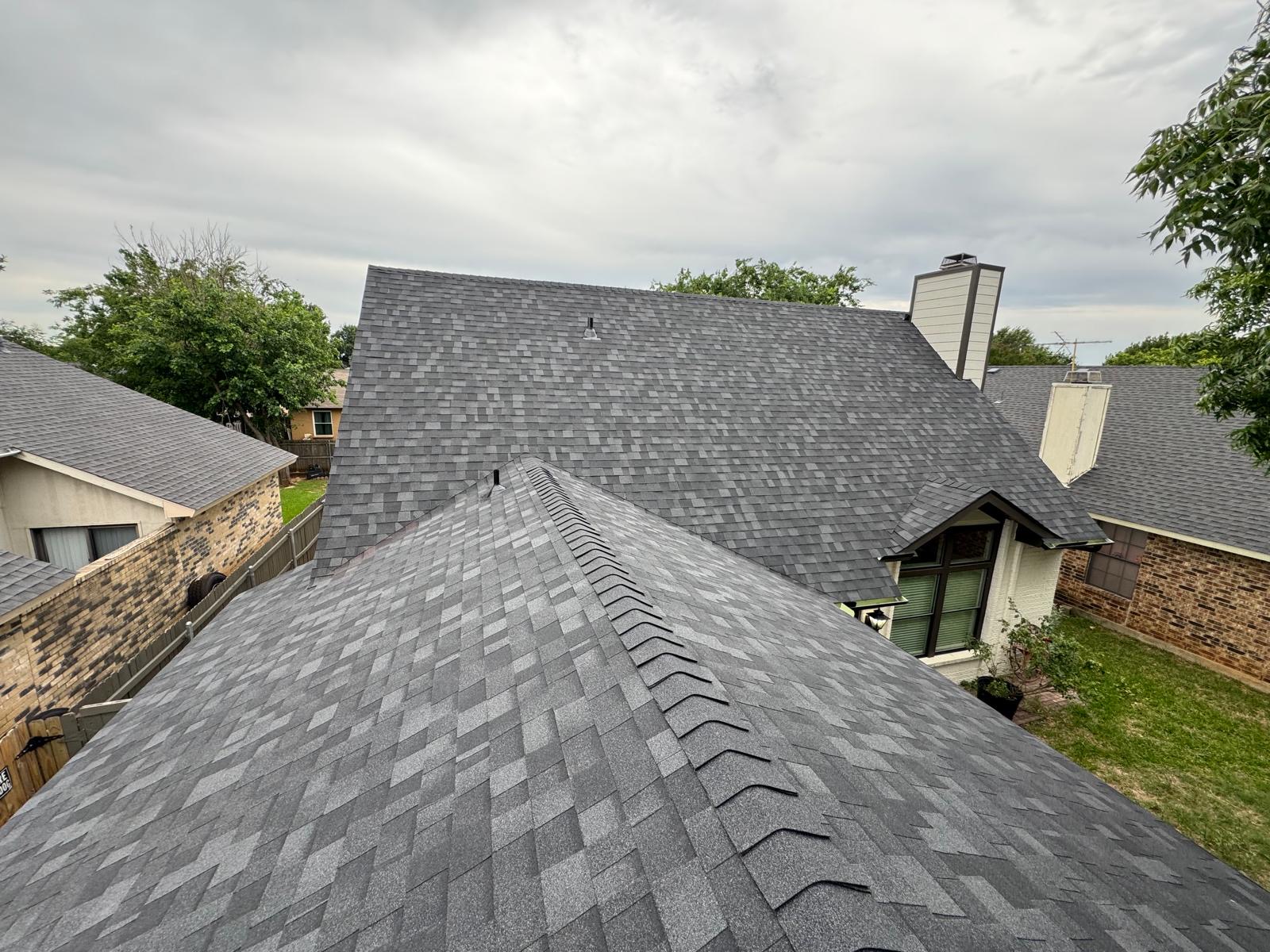
This is where professionals like Montesco Roofing come in. We recommend at least one thorough inspection per year, and an additional one after any major storm event. Our trained eyes can spot issues you might miss, assess the overall health of your roof, and identify potential problems before they escalate.
How to Get This Done
For gutter cleaning and basic visual checks, you can often do this yourself or hire a local handyman. However, for a comprehensive roof inspection that covers structural integrity, ventilation, and potential internal damage, it's best to trust experienced roofers. Our team at Montesco Roofing performs detailed inspections, looking at everything from the shingles and flashing to the underlayment and decking, providing you with a clear picture of your roof's health and any necessary next steps. We've serviced hundreds of homes in Plano, Frisco, McKinney, and across the entire DFW area.
When Disaster Strikes: Navigating DFW Roof Storm Damage Claims Like a Pro
We all dread it – that moment when the wind howls and the hail pounds down, and you know your roof is taking a beating. Here in DFW, storm damage is a reality of homeownership. And when it happens, the next big hurdle is often dealing with your insurance company to get your roof repaired or replaced. This can be a complex and frustrating process, but understanding it beforehand can make a world of difference. First, document everything. As soon as it's safe, go outside and take clear photos and videos of any visible damage. Look for missing shingles, dents on metal flashing, and hail impacts. If possible, check your attic for any signs of water intrusion. This documentation is crucial evidence for your claim. Next, contact your insurance company promptly. Most policies require you to report damage within a certain timeframe. Be prepared to provide them with your initial assessment and photos. Now, here's where many DFW homeowners run into trouble: the insurance adjuster's assessment. They are working for the insurance company, and their goal is to assess damage based on their company's guidelines, which may not always align with a full, proper repair or replacement. This is why hiring an experienced, local roofing contractor is paramount. We understand how storm damage affects roofs in our specific climate and know what to look for. We can meet with your insurance adjuster on-site, advocate on your behalf, and ensure that all necessary repairs or replacements are identified and included in the claim settlement. We've helped hundreds of homeowners in Garland, Mesquite, Arlington, and Fort Worth navigate this process successfully.Be wary of "storm chasers" who show up in your neighborhood immediately after a big storm. They often offer "free inspections" and promise to handle your insurance claim for you. While some are legitimate, many are fly-by-night operations that disappear after getting paid, leaving you with shoddy work and no recourse. Always choose a local, established contractor with a proven track record and a physical address in DFW.
When you file your claim, be sure to check your policy's deductible for roof damage. Many policies have a separate, higher deductible for wind and hail claims in Texas. Knowing this upfront helps manage expectations.
How to Get This Done
Navigating insurance claims can be overwhelming. While you can initiate the claim yourself, having a trusted roofing contractor like Montesco Roofing by your side makes the process significantly smoother and often results in a fairer settlement. We'll perform a detailed inspection, help you understand your policy, meet with your adjuster, and manage the repair process from start to finish. We've seen it all, from minor hail dings to full roof replacements due to severe storm damage across DFW.
The Montesco Roofing Difference: Expert Care for Your DFW Home's Shield
When it comes to protecting your home, especially here in the challenging DFW climate, you need more than just a contractor; you need a partner. For over 13 years, Montesco Roofing has been that partner for homeowners across North Texas. We're not just about putting roofs on houses; we're about building relationships and providing peace of mind. What sets us apart? It starts with our deep understanding of DFW weather. We know the unique stresses our homes endure, from the relentless summer sun to the sudden, violent hailstorms. This knowledge informs every recommendation we make, from material selection to installation techniques. Our team is comprised of experienced, highly trained professionals who are passionate about quality craftsmanship. We don't cut corners. We use only the best materials from reputable manufacturers like GAF and Owens Corning, and we follow manufacturer specifications and local building codes meticulously. This ensures your roof isn't just installed, but installed correctly for maximum longevity and performance. We also believe in transparency and integrity. When you get a quote from us, you'll understand exactly what you're paying for. We'll walk you through the process, explain your options, and answer all your questions honestly. We're committed to providing exceptional customer service throughout the entire project, from the initial consultation to the final cleanup.Key Insight
Choosing a local roofing contractor with a long-standing presence in DFW means you have someone to turn to if issues arise down the road. We're not going anywhere; we're invested in this community and in the quality of our work. Our 13+ years of experience are your guarantee of reliability and expertise.
Local Expertise
Deep understanding of DFW weather patterns and building codes.
Quality Materials
Use of top-tier shingles and roofing systems from trusted manufacturers.
Skilled Craftsmanship
Experienced installers dedicated to proper, durable installation.
Transparent Pricing
Clear, detailed quotes with no hidden fees.
Need help putting this into action? Our team has protected hundreds of DFW homes. Tell us about your roof — free inspection, no pressure.
Get Your Free Roof Inspection →Frequently Asked Questions About DFW Roofing in 2026
How often should I have my DFW roof inspected?
What is the average lifespan of a roof in DFW?
How do I know if hail damage qualifies for an insurance claim?
Can I repair my roof myself after a storm?
What are the best roofing materials for the DFW climate?
How does DFW's extreme heat affect my roof?
What should I do if I suspect a roof leak?
Montesco Roofing Team
DFW's trusted roofing contractor with 13+ years of experience. Specializing in roof replacements, storm damage repair, and insurance claims across Dallas-Fort Worth.
Get in touch →