How Insurers Assess Roof Damage: A Homeowner's 7-Step Guide to Getting Paid in 2026
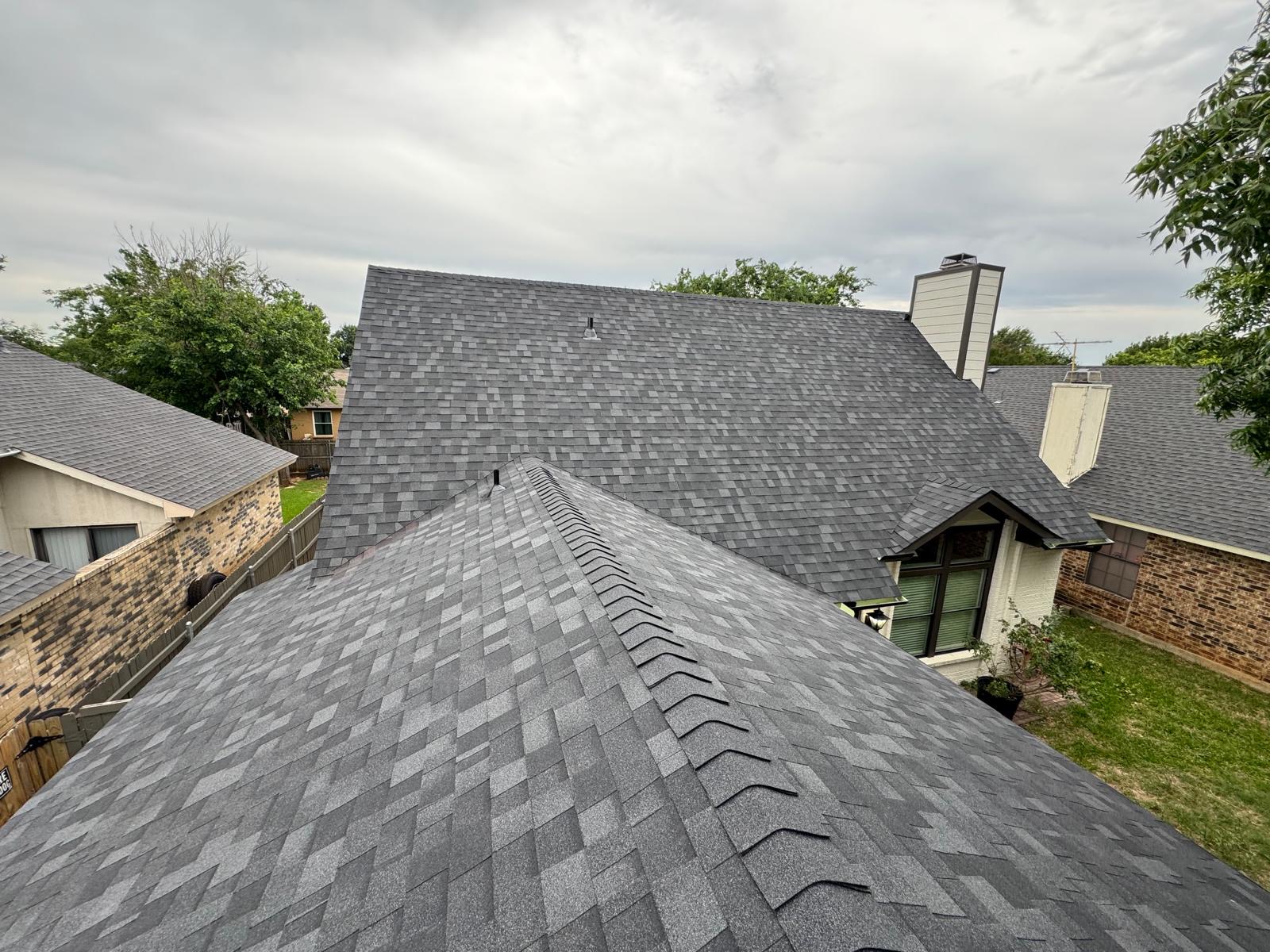
You just found a leak after last night's storm, or maybe you noticed a few shingles missing after that big wind event we had here in North Texas. Now comes the part that can feel like navigating a maze: dealing with your insurance company to get your roof fixed. You've heard stories, and you're probably wondering, "How do insurance companies actually determine if my roof damage is covered, and how much will they pay?" It's a valid question, especially when your contractor tells you one thing, and the adjuster seems to be seeing something else entirely. This isn't just about getting a new roof; it's about protecting your biggest investment and making sure you get the fair settlement you deserve.
The Insurance Adjuster's Role: Cost Control vs. Fair Assessment
Let's start with the person who will likely be inspecting your roof: the insurance adjuster. It's important to understand their role. While their job is to assess the damage and recommend a settlement, they are ultimately employees or contractors hired by the insurance company. Their primary directive is to verify the claim against your policy and ensure the payout is accurate and justifiable based on the terms of your contract. This means they're looking for specific types of damage that are covered by your policy and are often trained to identify signs of pre-existing conditions or wear and tear that might not be attributable to a recent storm.
Think of it this way: they're looking for a "peril" – a sudden, accidental, and often unforeseen event that caused the damage. For a roof, this typically means hail, high winds, or falling debris. If they can't tie the damage directly to one of these covered perils, or if the damage appears to be the result of normal aging or poor maintenance, they may deny the claim or offer a settlement for only a partial repair. This doesn't mean they're trying to cheat you, but it does mean you need to be prepared and understand what they're looking for.
What most people miss is that an adjuster's job involves a delicate balance. They need to confirm that damage occurred due to a covered event, but they also have a responsibility to manage the insurance company's financial exposure. This is why having your own qualified roofing professional present or having them conduct a thorough inspection before the insurance adjuster arrives is so incredibly valuable. They can help identify potential issues the adjuster might overlook or downplay, ensuring all aspects of the damage are properly documented and understood.
Key Factors Insurers Use to Determine Roof Damage
When an insurance adjuster steps onto your roof, they're not just looking for visible holes. They're evaluating a range of factors to determine the extent and cause of the damage. Here are the primary things they're looking for:
1. Type of Damage
The adjuster will first try to identify the specific cause of damage. For roofs in the DFW area, this most commonly involves hail damage (circular impact marks, bruised shingles) and wind damage (lifted or missing shingles, torn underlayment). They'll look for patterns that are consistent with these events.
2. Severity and Extent
It's not enough to just have hail. The adjuster needs to see a certain density and severity of hail impacts across the roof to deem it significant enough for a claim. Similarly, for wind, they'll look for damage affecting a substantial portion of the roof, not just one or two isolated spots. They often use mapping tools to document the affected areas.
3. Shingle Condition
They'll examine individual shingles for signs of bruising, cracking, or granule loss. Bruised shingles, where the asphalt mat is damaged but the granules haven't fully detached, are a key indicator of hail damage. Significant granule loss can indicate wear and tear or severe storm impact.
4. Underlayment and Decking
If the shingles are severely damaged, the adjuster will look at the underlayment and the roof decking beneath. Tears in the underlayment or visible damage to the plywood or OSB decking indicate more severe structural impact and a stronger case for a full replacement.
One critical aspect they consider is the uniformity of the damage. If they find hail impacts scattered across one side of the roof but not the other, it raises questions. They'll also look for evidence of previous repairs or damage that might have occurred at a different time. It's a detailed forensic investigation, and your ability to present your own evidence is key.
The Crucial Impact of Roof Age and Pre-Existing Condition
Here's a hard truth about roofing and insurance: your roof's age and its existing condition play a massive role in how an insurance company assesses damage. In 2026, most standard homeowner's insurance policies in Texas will cover "sudden and accidental" damage. They are generally not designed to cover gradual deterioration, wear and tear, or damage resulting from a lack of maintenance. This is where things can get tricky.
Many insurance policies have an "actual cash value" (ACV) clause for older roofs. This means they'll pay for the depreciated value of the damaged portion, not the full cost to replace it with new materials. A "replacement cost value" (RCV) policy pays the full cost to replace the roof, but often only after you've paid your deductible and the ACV amount.
If your roof is, say, 15 years old and starting to show signs of age (like some granule loss or minor cracking), an adjuster might argue that a recent storm only exacerbated existing issues, rather than causing entirely new damage. They'll often look at the overall condition of the shingles, the flashing, and the ventilation system. If they find widespread signs of aging, they might attribute a significant portion of the damage to normal wear and tear, which is typically not a covered peril. This is why maintaining your roof and having it inspected regularly, even when there isn't a storm, is so important for your long-term insurance coverage.
For example, if a storm hits and causes moderate hail damage, but your roof is already 15 years old and showing signs of brittleness and granule loss, the adjuster might only approve a repair for the most severe impact points, arguing that the older shingles would have failed anyway under normal weather conditions. They might offer a payout based on ACV, which would significantly reduce the amount you receive for replacement. Understanding your policy's stipulations regarding roof age and depreciation is critical. Many policies in Texas now have specific exclusions or limitations for roofs over a certain age, often 10 or 15 years.
Key Insight
Insurers often use a depreciation schedule based on the estimated lifespan of your roofing materials. A roof nearing the end of its expected life will have a higher depreciation percentage applied, meaning you'll receive less cash value towards a replacement. This makes proactive roof maintenance and timely replacement crucial for maximizing insurance benefits when damage occurs.
Material Matching: Why It Matters for Your Claim
This is a big one, especially for homeowners in DFW who have older homes or unique roofing materials. When a storm damages only a portion of your roof, the insurance company's default approach is often to repair the damaged sections. However, a key consideration in these repair decisions is the availability of matching materials. In Texas, building codes and industry standards often require that replaced materials match the existing ones in terms of color, age, and performance. This can be a real sticking point in insurance claims.
If your insurance adjuster proposes a repair but can't find matching shingles (especially for older or discontinued styles), you have a strong case for a full roof replacement under your policy. Manufacturers often update shingle colors and styles, making an exact match impossible after a few years.
Imagine you have a beautiful, older home in Plano with a specific shade of architectural shingles that haven't been manufactured in five years. If a storm damages just a few of those shingles, an adjuster might want to replace only those damaged ones. But if a perfect match isn't available, and the new shingles would look noticeably different, this can create an aesthetic issue and potentially a functional one if the new shingles don't perform identically. In such cases, many policies and state regulations support replacing the entire roof to ensure a uniform appearance and consistent protection.
This is where an experienced DFW roofing contractor can be invaluable. They know the manufacturers, the product lines, and the common issues with finding matches. They can communicate this effectively to the adjuster, often providing documentation from manufacturers or suppliers that shows a match is unavailable. This can be the leverage needed to push for a full roof replacement, which is often what's needed for long-term protection and curb appeal.
Wear and Tear vs. Storm Damage: The Adjuster's Dilemma
Distinguishing between damage caused by a specific, covered event (like a recent hail storm) and damage that has occurred over time due to normal wear and tear is one of the most critical and often contentious aspects of an insurance claim. Adjusters are trained to look for specific indicators.
Storm Damage Indicators
- Hail: Circular bruises, impact marks, cracked shingles, displaced granules in gutters. Damage is often widespread and patterned.
- Wind: Lifted or missing shingles, torn edges, detached flashing, damage to roof penetrations. Often concentrated on roof edges and ridges.
- Sudden Appearance: Damage that appears to have occurred suddenly after a specific weather event.
Wear and Tear Indicators
- Age: Brittle shingles, curled edges, general granule loss across the entire roof surface.
- Oxidation: Shingles that have lost their protective granules, appearing chalky or faded.
- UV Exposure: Damage that is more pronounced on south-facing slopes or areas with constant sun exposure.
- Poor Installation/Maintenance: Issues like improper nailing, lack of ventilation, or clogged gutters that contribute to premature aging.
An adjuster will often spend a lot of time examining the granule loss on your shingles. While hail can knock granules loose, old shingles naturally lose granules over time. They'll look at the pattern of loss. Is it uniform across the entire roof, or is it concentrated in areas where hail impacts are visible? They might also check for signs of oxidation, which is a natural aging process where the asphalt binder in the shingle hardens and cracks.
This is where having a qualified roofing contractor who specializes in storm damage assessments is paramount. They can identify subtle signs of hail impact that might be missed by an untrained eye. They can also explain to the adjuster why certain damage is clearly storm-related, even if there are some signs of age present. For instance, a roof might have some general granule loss due to age, but a series of distinct hail bruises on those same shingles is a clear indicator of storm damage. It's about presenting a comprehensive picture that aligns with the evidence.
How to Get This Done
DIY Inspection Tips: Look for circular or flattened spots on shingles (hail), lifted or missing shingles (wind), and check gutters for excessive dark granules. Examine attic for daylight or water stains. Montesco Roofing's Process: If you suspect damage, contact us. We'll perform a detailed, complimentary inspection, documenting every aspect of the damage with high-resolution photos and notes. We then work with you to file your claim and can meet with your insurance adjuster on-site to ensure a thorough and fair assessment.
Your Secret Weapon: The Power of a Professional Inspection
Navigating insurance claims for roof damage can be daunting. You're up against professionals who do this every day. That's why a professional roof inspection by a reputable, local roofing contractor is arguably the most powerful tool in your arsenal. It's not just about getting an estimate; it's about getting an expert opinion backed by experience and industry knowledge.
A qualified roofing professional, like the team at Montesco Roofing, has seen thousands of roofs and understands the nuances of storm damage. They know what to look for beyond the obvious. They can identify subtle hail bruising, wind uplift that might not be immediately apparent, and potential secondary damage that could lead to future leaks if not addressed. They are also familiar with the specific requirements and documentation that insurance adjusters look for.
"We've been in the DFW area for over 13 years, and we've seen every type of storm damage imaginable. Our goal is to be your advocate, ensuring your roof gets the attention it deserves from your insurance company. We don't just point out the problems; we explain them and help you understand the best path forward."— Montesco Roofing Expert
When your insurance adjuster arrives, having your own detailed report from a trusted roofing company can make a significant difference. It provides objective evidence and can help counter any assessment that seems low or incomplete. In fact, many insurance companies are increasingly receptive to working with established roofing contractors because they understand that these professionals can provide accurate assessments, saving everyone time and potential disputes down the line. It's about collaboration, but you need to have your own expert on your side.
Documenting Damage: A Homeowner's 5-Step Checklist
While a professional inspection is crucial, your own documentation is your backup and can be incredibly persuasive. The more evidence you gather, the stronger your position will be when you file your claim. Here's a straightforward checklist:
Step 1: Initial Visual Assessment
From the ground, take clear photos and videos of your entire roof. Look for obvious signs like missing shingles, sagging areas, or debris lodged on the roof. Document any damage to gutters, downspouts, or siding that might have been caused by falling debris.
Step 2: Attic Inspection
If it's safe to do so, go into your attic. Look for any signs of daylight coming through the roof deck (indicating holes) or water stains and mold on the underside of the roof sheathing. These are definitive signs of leaks.
Step 3: Gutter Check
Examine your gutters and downspouts. Are they filled with a significant amount of dark, gritty material? This is likely shingle granule loss, a strong indicator of hail or wind damage. Take photos of the granules you collect.
Step 4: Detailed Shingle Examination (If Safe)
If you can safely access parts of your roof (or have your roofer do this), take close-up photos of individual shingles. Look for circular impact marks (hail), cracks, tears, or areas where granules are missing. Document specific damage patterns.
Step 4: Record Everything
Keep a log of everything you observe, including dates, times, and specific observations. Note the weather conditions during any suspected storm events. This detailed record is invaluable when speaking with your insurance adjuster.
Remember, your insurance policy likely requires you to take reasonable steps to protect your property from further damage after an event. If you see damage, report it promptly. Don't wait for a small leak to turn into a major water intrusion issue, as the insurance company might argue that you failed to mitigate the damage.
Decoding Your Policy: Coverage, Deductibles, and Exclusions
Before you even speak with an adjuster, it's essential to understand your homeowner's insurance policy. This document is your contract with the insurance company, and it dictates what is covered, what isn't, and what your financial responsibilities are.
Key Insight
In Texas, most homeowner's policies are based on a "named peril" approach for the dwelling coverage, meaning only the perils specifically listed in your policy (like wind, hail, fire) are covered. For personal property, it's often an "all-risk" policy, meaning everything is covered unless specifically excluded.
Key things to look for:
- Coverage Limits: What is the maximum amount your policy will pay for roof damage or a full roof replacement?
- Deductible: This is the amount you'll have to pay out-of-pocket before your insurance coverage kicks in. In Texas, deductibles for wind and hail damage are often a percentage of your home's insured value (e.g., 1% or 2% of $400,000 = $4,000 or $8,000 deductible), rather than a fixed dollar amount.
- Actual Cash Value (ACV) vs. Replacement Cost Value (RCV): As mentioned earlier, ACV pays the depreciated value, while RCV pays the cost to replace with new materials. Understand which type of coverage you have.
- Exclusions: What types of damage are specifically excluded? This often includes wear and tear, lack of maintenance, mold, rot, and sometimes damage from certain types of weather in specific areas.
If you're having trouble understanding your policy, don't hesitate to call your insurance agent. They can clarify the terms and conditions. It's also wise to have a copy of your policy readily available when you speak with the insurance adjuster.
Navigating Disputes: What to Do When You Disagree
It's not uncommon for homeowners and insurance adjusters to see eye-to-eye on the extent of roof damage. If you receive an assessment that you believe is unfair or incomplete, you have options. The first step is usually to try and resolve it directly with the adjuster or your insurance company.
If your insurance company offers a settlement that doesn't cover the full cost of repair or replacement recommended by your contractor, don't accept it immediately. Always have an independent inspection done by a reputable local roofer first. Their assessment will be your basis for negotiation.
Here's a common path for dispute resolution:
- Request a Re-inspection: Ask your insurance company for a re-inspection, ideally with your contractor present.
- Submit Your Contractor's Estimate: Provide your insurance company with a detailed estimate from your chosen roofing contractor. This estimate should clearly outline the scope of work, materials, and costs.
- Communicate with Your Insurer: Clearly articulate why you disagree with their assessment, referencing your documentation and your contractor's findings.
- Consider a Public Adjuster: If direct negotiation fails, you might consider hiring a public adjuster. Unlike company adjusters, public adjusters work for you, the policyholder, and are skilled in negotiating with insurance companies.
- File a Complaint: If you believe the insurance company is acting in bad faith or violating the terms of your policy, you can file a complaint with the Texas Department of Insurance (TDI).
- Legal Action: As a last resort, you may need to consult with an attorney specializing in insurance claims.
Remember, the goal is a fair settlement that allows you to restore your roof to its pre-storm condition. Don't be afraid to advocate for yourself and seek professional help when needed. Montesco Roofing has extensive experience working with insurance companies throughout the DFW metroplex and can be your partner in this process. We understand the claim process and can provide the detailed documentation and expert assessment needed to support your case.
When a Full Roof Replacement is the Only Answer
Sometimes, despite an adjuster's initial assessment, the reality is that a full roof replacement is the only viable solution to properly protect your home. This typically happens under a few key circumstances:
In these situations, pushing for a full replacement is not about getting something extra; it's about ensuring your home is adequately protected for years to come. A patchwork of repairs on an aging or heavily damaged roof can lead to future leaks and problems, potentially costing you more in the long run. A full replacement provides a fresh start with a new, warranted roof system.
Frequently Asked Questions About Roof Damage Insurance Claims
How long does an insurance company have to assess my roof damage claim in Texas?
What is the difference between a company adjuster and a public adjuster?
Can my insurance company refuse to cover roof damage if my roof is old?
What should I do if my insurance company offers less than my contractor's estimate?
Is roof repair or replacement covered if the damage is minor?
How do I find a good roofer to help with my insurance claim?
Need help putting this into action? Our team has protected hundreds of DFW homes. Tell us about your roof — free inspection, no pressure.
Get Your Free Roof Inspection →Montesco Roofing Team
DFW's trusted roofing contractor with 13+ years of experience. Specializing in roof replacements, storm damage repair, and insurance claims across Dallas-Fort Worth.
Get in touch →