How to Speed Up your roof insurance claim in 2026

Understanding the Basics: What is an Insurance Claim Timeline?
You've just experienced a significant event – maybe a hailstorm ripped through your DFW neighborhood, or a pipe burst in your attic on a cold night. The immediate aftermath is stressful, and the thought of dealing with an insurance claim can feel overwhelming. One of the biggest questions on your mind is likely: how long will this take? That's where understanding the insurance claim timeline comes in. It's not just a set number of days; it's a series of steps, each with its own potential duration, influenced by a multitude of factors. In 2026, with evolving technology and ongoing shifts in the insurance industry, knowing what to expect can save you a lot of anxiety and help you manage your repairs more effectively.
For homeowners in North Texas, especially those who have dealt with the aftermath of severe weather events like the ones we often see in spring and fall, navigating the insurance claim process is a familiar, albeit unwelcome, experience. The goal of an insurance policy is to protect your home and your investment, and understanding the timeline is crucial to ensuring that protection is delivered promptly and fairly. It’s about more than just getting a check; it's about getting your life back to normal as quickly as possible.
The Anatomy of an Insurance Claim: Key Stages and Their Timelines
When you file an insurance claim, you're initiating a formal process. While every claim is unique, most follow a general sequence of events. Understanding these stages is the first step to anticipating how long things might take. Think of it like building a house – there are foundational steps that need to be completed before you can move on to the finishing touches.
Step 1: Filing the Claim
This is when you officially notify your insurance company of the damage or loss. You'll typically do this by phone, online portal, or through your agent. The sooner you file, the sooner the clock starts ticking. In Texas, there are specific reporting requirements, and delays here can impact your entire timeline.
Step 2: Claim Acknowledgment & Assignment
Once filed, the insurer will acknowledge receipt of your claim and assign an adjuster to your case. This usually happens within a few business days, but it can sometimes take longer, especially during periods of widespread claims (like after a major storm). You should receive a claim number and the adjuster's contact information.
Step 3: Investigation & Inspection
This is often the most critical phase for establishing the scope of damage and its cause. The adjuster will inspect your property, review photos, and gather any other relevant information. For roof damage in DFW, this involves a thorough inspection of shingles, flashing, gutters, and the underlying structure. This can take anywhere from a few days to a couple of weeks, depending on the adjuster's workload and the complexity of the damage.
Step 4: Damage Assessment & Estimate
After the inspection, the adjuster will assess the damage and prepare an estimate for repairs or replacement. This is where disagreements can sometimes arise. They'll compare their findings to your policy's coverage. This stage can also take several days to a week or more.
Step 5: Claim Decision & Offer
Once the assessment is complete, the insurance company will make a decision on your claim: approve, deny, or approve with limitations. If approved, they will present an offer for settlement. This usually follows the assessment phase fairly quickly, often within a week, but again, complex cases can stretch this out.
Step 6: Payment & Repair/Replacement
Upon agreement on the settlement amount, the insurer will issue payment. For roofing projects in 2026, this often involves a partial payment upfront to begin work, with the remainder paid upon completion. The actual repair or replacement timeline then depends on your chosen contractor's schedule and material availability.
Each of these stages has its own set of variables. For instance, if you're dealing with a simple car accident claim with clear fault and minimal damage, you might see a payout within days. However, if a hailstorm in Plano has damaged hundreds of roofs simultaneously, the insurance company's resources will be stretched thin, naturally extending the timeline for everyone.
Factors Influencing Your Claim's Timeline: Beyond the Basics
The step-by-step process is a good framework, but it's not a rigid schedule. Many elements can significantly speed up or slow down your insurance claim process. Understanding these factors empowers you to manage expectations and, in some cases, take proactive steps to keep things moving.
Key Insight
It's crucial to remember that insurance policies are contracts. Understanding the terms, conditions, and exclusions within your specific policy is fundamental to navigating the claim process effectively. A policy purchased for a home in Frisco might have different stipulations than one for a property in Fort Worth.
Here are some of the most common factors that influence how long your claim takes:
- Claim Complexity: A minor fender bender is far simpler than a house fire or a complex roof replacement involving structural damage. The more variables involved – multiple parties, extensive damage, pre-existing conditions, or policy exclusions – the longer the investigation and assessment will take.
- Documentation Quality: This is where homeowners can make a huge difference. Providing clear, comprehensive documentation from the outset – detailed photos, videos, repair estimates from reputable contractors – can significantly speed up the adjuster's assessment. Missing or unclear information forces them to ask for more, adding delays.
- Adjuster Availability: During peak storm seasons in North Texas, especially after large-scale events, insurance companies can be overwhelmed. Adjusters may be working around the clock, and their availability for inspections can be limited. This can lead to backlogs.
- Policy Provisions: Some policies have specific clauses about how quickly claims must be processed or what information is required. Reading your policy thoroughly is essential.
- State Regulations: Texas, like other states, has laws governing how insurance companies must handle claims. These laws often dictate timeframes for acknowledgment, investigation, and payment. While they set a standard, they also provide a framework for how the process should unfold.
- Contractor Involvement: If you need repairs, the timeline also depends on your chosen contractor's availability, their ability to work with your insurance company, and the lead time for materials. Working with an established DFW roofing contractor like Montesco Roofing, who has experience with insurance claims, can streamline this part of the process.
- Disputes and Negotiations: If you and the insurance company disagree on the scope of damage or the settlement amount, the claim can enter a negotiation or dispute phase, which naturally extends the timeline.
Be wary of "storm chasers" who appear immediately after a major weather event. While some are legitimate, others may rush you into signing contracts or make promises they can't keep, potentially complicating your claim and leading to shoddy work. Always verify credentials and work with established, local contractors.
How Long Does Each Type of Insurance Claim Typically Take?
The general timeline is helpful, but the type of insurance claim you're filing will significantly impact its duration. Here's a look at typical timelines for common claim types, keeping in mind these are estimates and can vary greatly.
| Claim Type | Typical Timeline (Estimated) | Key Factors Affecting Timeline |
|---|---|---|
| Minor Auto Damage | 2-10 business days | Clear fault, minimal damage, efficient repair shop. |
| Major Auto Damage / Total Loss | 1-4 weeks | Complex accident investigation, vehicle valuation, lienholder involvement. |
| Minor Home Repair (e.g., leaky pipe) | 3-15 business days | Simple cause, easy access for repair, available plumber/contractor. |
| Hail/Wind Damage to Roof (DFW Specific) | 2 weeks - 3 months (or more) | Claim volume post-storm, adjuster availability, complexity of roof damage, contractor scheduling, material availability. For significant DFW storms, expect the longer end. |
| Fire Damage to Home | 1-6 months (or more) | Extensive structural damage, mold remediation, content inventory, investigation into cause. |
| Health Insurance Claim | 15-45 days (statutory limits vary) | Medical necessity review, pre-authorization, coding accuracy, provider billing. |
| Commercial Property Damage | 1 month - 1+ year | High value of property, business interruption claims, multiple stakeholders, complex engineering reports. |
Note: These are general estimates. Actual timelines can be shorter or much longer depending on individual circumstances.
For homeowners in the Dallas-Fort Worth metroplex, dealing with storm damage is a recurring reality. After a significant hailstorm or wind event, insurance companies face a surge of claims. This means adjusters are in high demand. While Texas law provides certain timeframes for insurers to respond, the sheer volume can lead to delays in initial inspections and assessments. This is precisely why having a trusted, local roofing contractor like Montesco Roofing, with over 13 years of experience in DFW, is invaluable. We understand the local climate, the common types of damage, and how to navigate the insurance process efficiently on your behalf.
Navigating Texas State Laws and Regulations for Claims
Texas has specific laws designed to protect policyholders and ensure fair treatment by insurance companies. These regulations often set mandatory timeframes for insurers to respond to claims. Understanding these laws can empower you and provide a benchmark for when delays become unacceptable.
These statutory timelines are crucial. If your insurance company is not meeting these deadlines without a valid reason (like an ongoing investigation for a complex claim), it may be a sign of an unfair claims practice. The Texas Department of Insurance (TDI) is the regulatory body that oversees insurance practices in the state. They provide resources and complaint mechanisms for consumers who believe they are not being treated fairly.
For roof damage claims specifically, the process in Texas often involves an initial inspection by the insurance adjuster, followed by your own inspection by a qualified roofing contractor. If there's a discrepancy between the two assessments, it can lead to further negotiation. Having a detailed report from a contractor experienced in insurance claims, like the team at Montesco Roofing, is vital for ensuring your claim accurately reflects the damage and necessary repairs. We know how to document issues like wind damage, hail impact, and compromised ventilation systems, which are critical for a fair settlement.
How to Get This Done
If you need to understand specific Texas claim laws or file a complaint, the Texas Department of Insurance is your primary resource. For documenting and assessing roof damage after a storm, you can start by walking around your property and taking photos of any visible damage from the ground. Look for missing shingles, dented gutters, or damaged vents. If you're unsure or want a professional assessment, our experienced DFW roofing team can provide a thorough inspection and work with you and your insurance company to ensure all damage is accounted for.
Proactive Steps to Expedite Your Insurance Claim in 2026

While you can't control every aspect of the insurance claim process, there are definitely steps you can take to help move things along and ensure you're not contributing to unnecessary delays. Being proactive is key to a smoother experience.
Keep meticulous records of all communications, including dates, times, names of people you spoke with, and summaries of conversations. This documentation is invaluable if disputes arise or if you need to follow up on a delayed action.
Here’s how you can actively contribute to a more efficient claim timeline:
- Notify Promptly: As soon as you discover damage, contact your insurance company. The sooner you report it, the sooner they can begin the process. Don't wait to see if minor damage will worsen; early reporting can prevent further issues and is often required by policy terms.
- Understand Your Policy: Before any damage occurs, familiarize yourself with your homeowner's insurance policy. Know your deductible, coverage limits, and what types of damage are covered. This knowledge will help you communicate effectively with your adjuster and understand their assessments.
- Document Everything Thoroughly: This is perhaps the most critical step.
- Photos and Videos: Take clear, well-lit photos and videos of the damage from multiple angles. Capture the extent of the damage, as well as the surrounding areas for context. For roof damage, consider aerial photos if safe to do so, or hire a drone service.
- Inventory of Damaged Items: For personal property loss, create a detailed inventory, including descriptions, brands, models, purchase dates, and original costs. Keep receipts if you have them.
- Keep All Documentation: Save all correspondence, repair estimates, invoices, and any other documents related to your claim.
- Be Available for Inspections: When the adjuster schedules an inspection, be prepared. Have your documentation ready, and if possible, be present during the inspection to point out the damage and answer questions. If the adjuster is coming to your home in Rowlett, make sure they can easily access all affected areas.
- Work with Reputable Contractors: If your claim involves significant repairs, like a new roof in Allen or Plano, choose a licensed, insured, and experienced contractor. A contractor who understands insurance claims can provide detailed estimates, communicate effectively with adjusters, and advocate for the full scope of necessary repairs. Montesco Roofing has been serving the DFW area for over 13 years, and we know what it takes to get your roof repaired or replaced correctly and efficiently.
- Ask Questions and Seek Clarification: Don't hesitate to ask your adjuster or insurance representative to explain any part of the process you don't understand. If an explanation seems unclear or a decision seems unfair, ask for clarification and supporting documentation.
- Follow Up Regularly (but politely): While you don't want to be a nuisance, a polite follow-up call or email every few days to check on the status of your claim can be beneficial, especially if you haven't heard back within the expected timeframe.
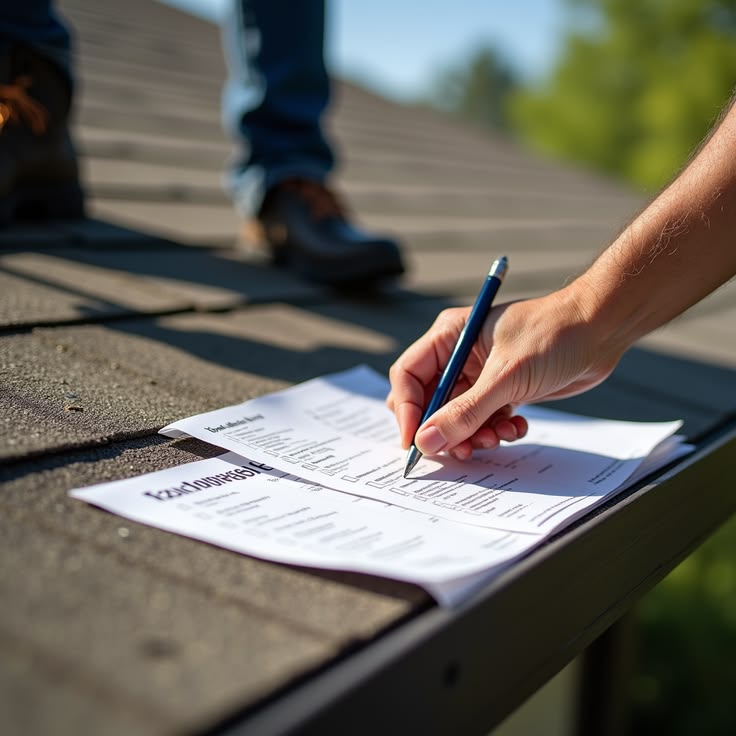
How to Get This Done
To effectively document damage, you'll need a smartphone with a good camera, a notebook and pen, and potentially a ladder for safe roof access (if you're comfortable and it's safe). For professional documentation and advocacy, especially for complex roofing claims in the DFW area, contact Montesco Roofing. Our team is equipped to provide detailed inspections, accurate estimates, and expert guidance through the entire insurance claim and repair process, ensuring your home is protected and restored to its pre-loss condition.
What to Do When Your Insurance Claim is Delayed
Despite your best efforts, sometimes insurance claims can get delayed. This can be incredibly frustrating, especially when you're dealing with damaged property and mounting expenses. The key is to remain calm and strategic in your approach.
Key Insight
Unreasonable delays can be a sign of bad faith insurance practices. While not every delay is malicious, it's important to be aware of your rights and the resources available to you if your claim is not being handled promptly and fairly.
Here’s a plan of action if you encounter delays:
- Identify the Cause of Delay: First, try to understand why the claim is delayed. Was it a missed appointment, a request for more information, or simply a backlog at the insurance company? Communicate with your adjuster to get clarity.
- Review Your Policy and State Laws: Revisit your policy documents and the Texas Department of Insurance regulations. Understand the insurer's obligations and the timeframes they are supposed to adhere to.
- Send a Formal Follow-Up: If you're not getting timely responses, send a formal written request (email or certified letter) to your insurance company and adjuster. Clearly state your claim number, the issue, and request a specific update and timeline for resolution.
- Escalate Within the Insurance Company: If communication with the adjuster breaks down or is unproductive, ask to speak with their supervisor or a claims manager.
- Contact the Texas Department of Insurance (TDI): If internal escalation doesn't resolve the issue, or if you believe the insurer is acting in bad faith, file a complaint with the TDI. They can investigate and mediate disputes. You can find complaint forms and information on their website.
- Consider Legal Counsel: For very complex or high-value claims, or if you suspect bad faith practices, consulting with an attorney who specializes in insurance law might be necessary. They can advise you on your rights and options.
- Document Your Efforts: Keep records of all your attempts to resolve the delay, including dates, who you spoke with, and the outcome of each interaction.
When dealing with a delayed roofing claim in DFW, it’s essential to have a contractor who is patient but persistent. Montesco Roofing understands that prolonged delays can leave your home vulnerable, especially if temporary repairs are needed. We work with homeowners to ensure the insurance process is as smooth as possible, advocating for fair and timely resolutions so that permanent repairs can begin without further undue delay.
Managing Expectations and Emotional Well-being During the Process
The insurance claim process, especially for major damage, can be a marathon, not a sprint. It's easy to get stressed, anxious, and frustrated when you're waiting for decisions and repairs. Managing your expectations and taking care of your emotional well-being is just as important as managing the claim itself.
"The stress of dealing with insurance after a disaster is often as bad as the disaster itself. Knowledge is power, and understanding the timeline helps manage that stress."— Homeowner, Post-Storm Survey, 2025
Here are some strategies to help you cope:
- Educate Yourself: The more you understand about the process, the less uncertain and frightening it will be. Knowing the typical stages and potential delays can help you prepare mentally.
- Set Realistic Timelines: While you hope for a quick resolution, acknowledge that complex claims take time. Avoid setting yourself up for disappointment by expecting immediate results.
- Focus on What You Can Control: You can't control the adjuster's schedule or the insurance company's internal processes, but you can control how well you document, how clearly you communicate, and how you prepare your home for inspections.
- Communicate with Your Contractor: If you've hired a contractor, maintain open communication with them. They can provide updates on material availability, scheduling, and the overall repair process, giving you a clearer picture of what to expect once the claim is approved.
- Lean on Your Support System: Talk to family, friends, or neighbors who have gone through similar experiences. Sharing your concerns and hearing their advice can be incredibly helpful.
- Practice Self-Care: Ensure you're getting enough sleep, eating well, and taking breaks from thinking about the claim. Engage in activities that help you relax and de-stress.
- Seek Professional Help if Needed: If the stress becomes overwhelming, don't hesitate to talk to a therapist or counselor.
For DFW homeowners, the emotional toll of storm damage and a drawn-out insurance claim can be significant. It's why we at Montesco Roofing strive to provide not just expert craftsmanship, but also clear communication and support throughout the repair process. We aim to be a source of reliability when so much else feels uncertain.
The Role of Technology in Modern Claim Processing
Technology is rapidly changing how insurance claims are handled, often for the better. In 2026, you'll likely see even more advancements that can impact the insurance claim timeline.
AI and Machine Learning
Artificial intelligence is increasingly used for initial claim assessment, fraud detection, and even estimating repair costs for simpler claims. This can significantly speed up the initial review process.
Drones and Satellite Imagery
Drones and high-resolution satellite imagery allow adjusters to assess damage remotely and more efficiently, especially for large-scale events or hard-to-reach areas like complex roof systems.
Digital Platforms and Apps
Many insurers now offer online portals and mobile apps where you can file claims, upload documentation, track progress, and communicate with your adjuster. This enhances transparency and accessibility.
Virtual Inspections
In some cases, adjusters may conduct virtual inspections using video calls, allowing for quicker assessments of less severe damage.
While technology can accelerate many aspects of the claim process, it's not a replacement for human expertise, especially for complex situations like significant roof damage. The nuanced understanding of structural integrity, material performance, and local building codes required for a proper roof replacement in Texas still benefits immensely from an experienced human eye. Montesco Roofing leverages technology where it makes sense, but our core strength lies in the hands-on expertise of our seasoned roofers and adjusters.
Frequently Asked Questions About Insurance Claim Timelines
How long does it typically take to get paid after an insurance claim is approved?
Can I choose my own contractor, or do I have to use one recommended by the insurance company?
What happens if the insurance company offers less than the repair cost?
Is there a time limit to file an insurance claim after damage occurs?
How does a deductible affect the insurance claim timeline?
What is considered an "unreasonable delay" in an insurance claim?
Need help navigating your insurance claim timeline? Our team has protected hundreds of DFW homes for over 13 years. We understand the local weather, the common insurance hurdles, and how to get your roof repaired or replaced efficiently and correctly.
Get Your Free Roof Inspection & Claim Assistance →Montesco Roofing Team
DFW's trusted roofing contractor with 13+ years of experience. Specializing in roof replacements, storm damage repair, and insurance claims across Dallas-Fort Worth.
Get in touch →