The Most Ignored Part of Your Home Is Also the Most Expensive.

Why Your DFW Roof Is the Silent Financial Killer Most Homeowners Ignore
You just found a leak after last night's storm, and your insurance company is already making things difficult. That's not just a roof problem — it's a potential financial disaster waiting to happen, and it all starts with the part of your home most of us rarely think about: the roof. Here in the DFW area, with our intense Texas sun, unpredictable hailstorms, and dramatic temperature swings, your roof is working overtime. Yet, it's often the last thing on our minds until it starts screaming for attention. Ignoring your roof isn't just neglecting a structural component; it's actively inviting thousands of dollars in damage and headaches. By June 2026, many homeowners will be facing the harsh reality that a neglected roof can indeed become a $20,000 liability, and then some. We're talking about everything from water damage seeping into your walls and ceilings, to mold growth, compromised insulation, and even structural issues that can affect your home's entire integrity. It's easy to overlook when it's doing its job, but when it fails, it fails spectacularly, and expensively.The True Cost of Neglect: What a Failing Roof Costs You Beyond Just Leaks
When we talk about the "cost of neglect" for your roof, it's easy to think only about the immediate drip, drip, drip. But that's just the tip of the iceberg. A failing roof is a silent saboteur, systematically chipping away at your home's value and your financial well-being. Think about it: that small leak in your attic isn't just a minor annoyance; it's an invitation for water to spread. Over time, this water can saturate your insulation, drastically reducing its effectiveness and sending your energy bills soaring. It can warp your roof decking, compromise the structural integrity of your rafters, and create the perfect breeding ground for mold and mildew. And mold? That's a health hazard and a costly remediation project all on its own.Many homeowners in DFW mistakenly believe that if they don't see water inside, their roof is fine. This is dangerously untrue. Water can travel between your roof deck and ceiling for weeks or months before appearing inside, causing hidden rot and structural damage.
Key Insight
The hidden costs of a failing roof extend far beyond visible leaks. They include reduced energy efficiency, accelerated structural decay, mold infestation, and a significant decrease in your home's market value. Proactive maintenance is always more cost-effective than reactive repairs.
7 Critical Signs Your DFW Roof Is a Ticking Time Bomb (Most Miss #4!)
Here in DFW, our roofs are constantly battling the elements. While many homeowners wait for the tell-tale sign of a leak, there are numerous other indicators that your roof is on its last legs – or is already past it. Spotting these early can save you a fortune and a whole lot of stress. Let's break down the most critical signs to look for, even before you see water inside your home.1. Granule Loss
Your asphalt shingles are designed to shed granules over time, but an excessive amount in your gutters or downspouts is a clear sign of wear. These granules protect the asphalt from UV rays. When they're gone, the shingle degrades much faster.
2. Curled or Cracked Shingles
As shingles age, especially under our intense Texas sun, they can begin to curl, buckle, or crack. This exposes the underlayment and makes them vulnerable to wind and hail damage. Look for shingles that aren't lying flat.
3. Missing Shingles
This one might seem obvious, but even a few missing shingles can create openings for water to penetrate your roof deck. High winds, common in DFW storms, are often the culprit. Inspect your roof after any significant weather event.
4. Sagging Roof Decking (The Big One!)
This is a sign that moisture has been accumulating for a long time, rotting the wood underneath your shingles. A sagging roof is a serious structural issue and often indicates widespread damage that requires immediate attention. This is the sign most homeowners miss because it's often subtle from the ground.
5. Damaged Flashing
Flashing is the metal material used to seal joints and valleys in your roof, particularly around chimneys, vents, and skylights. If it's rusted, loose, or damaged, water can easily seep into your home.
6. Bald Spots on Shingles
Similar to granule loss, you might see areas where the granules have worn away, revealing the dark matting underneath. This is a sign that the shingles are nearing the end of their lifespan.
7. Excessive Energy Bills
An old, inefficient roof can significantly impact your home's insulation and ventilation. If your AC is running constantly, especially in the hotter months, and your energy bills are unexpectedly high, your roof might be contributing to the problem.
Don't just look at your roof from inside your car. Get out on a ladder (safely, or better yet, have a professional do it) and do a visual inspection from different angles. Pay close attention to areas around penetrations like vents and chimneys.
Roof Replacement vs. Repair: The $20,000 Decision You Can't Afford to Get Wrong
Deciding whether to repair or replace your roof is one of the most significant financial decisions a homeowner will face. It's not a simple "yes" or "no" question, and the wrong choice can be incredibly costly. In DFW, where roofs are constantly under duress from the climate, understanding this distinction is paramount. A repair might seem like the cheaper option upfront, but if the underlying issues are extensive, it's often just delaying the inevitable and potentially causing more damage. A full replacement, while a larger initial investment, can provide peace of mind and long-term protection.| Feature | Roof Repair | Full Roof Replacement |
|---|---|---|
| Cost (Estimate) | $300 - $2,000 (depending on scope) | $10,000 - $30,000+ (depending on size, materials, complexity) |
| When It's Appropriate | Minor damage: a few missing shingles, small leaks in a localized area, damaged flashing. Roof is generally in good condition otherwise. | Widespread damage, age-related deterioration, multiple leaks, sagging deck, significant granule loss across the entire roof. Roof nearing end of its lifespan (15-25 years for asphalt). |
| Lifespan Extension | Can extend lifespan by a few months to a few years, if done correctly. | Restores roof to like-new condition, often with a significantly longer lifespan (20-50+ years depending on material). |
| Warranty | Typically a limited workmanship warranty from the contractor (1-5 years). Manufacturer warranty on shingles may be voided if not installed as part of a full system. | Manufacturer's warranty on materials (often 25-50 years or lifetime) PLUS a robust workmanship warranty from the installer (typically 10+ years for reputable DFW contractors like Montesco Roofing). |
| Insurance Claims | May be covered if damage is sudden and accidental (e.g., storm). Deductible often applies. | Often covered by insurance if damage meets policy criteria (e.g., widespread storm damage). Deductible applies. Can be a more straightforward claim for significant damage. |
| Long-Term Value | Can be cost-effective for very minor issues. However, multiple repairs can eventually cost more than a replacement. | Highest long-term value. Provides maximum protection, potential for energy efficiency upgrades, and increased home value. Prevents future costly repairs. |
| Risk of Future Issues | Higher risk if underlying issues are not fully addressed or if the roof is old. New problems can arise from existing wear. | Lowest risk. A new roof system is installed to current building codes with new materials and underlayment. |
Key Insight
For roofs over 15 years old in DFW, or those that have sustained significant storm damage, a full replacement is almost always the more cost-effective and secure long-term solution, even if it seems like a larger upfront expense. Think of it as investing in your home's future, rather than just patching its past.
How to Get This Done
DIY Inspection: You can do a visual inspection from the ground or a ladder (safely!) to look for obvious signs like missing shingles or curling. Check your gutters for granules. Professional Assessment: For a thorough evaluation, especially after a storm, it's best to call a licensed and insured roofing contractor. They have the expertise and safety equipment to identify hidden damage. Montesco Roofing offers free, no-obligation roof inspections for DFW homeowners. We'll assess your roof's condition, explain your options, and provide a clear, honest quote for repairs or replacement.
Decoding Your Roof's Lifespan: What to Expect from Different DFW Roofing Materials in 2026
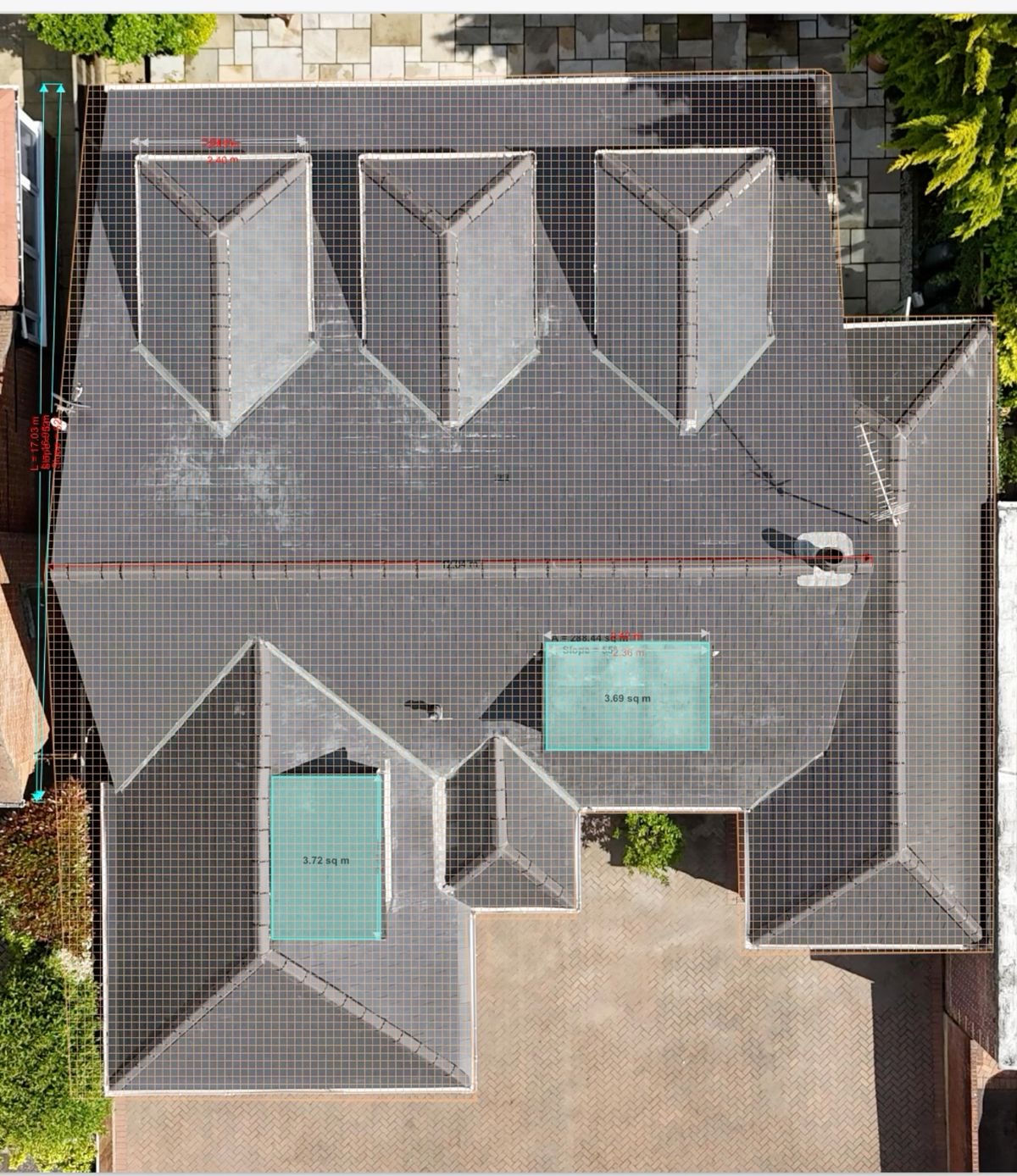
Asphalt Shingles (Architectural/Laminate)
Lifespan: 15-30 years. High-quality architectural shingles can last longer. Our DFW climate, with intense sun and occasional hail, tends to shorten this lifespan.
Pros: Most affordable upfront cost, wide variety of colors and styles, relatively easy to repair.
Cons: Shorter lifespan compared to other materials, susceptible to hail and wind damage, can degrade faster in extreme heat.
Metal Roofing (Standing Seam)
Lifespan: 40-70+ years. Highly durable and resistant to hail and wind.
Pros: Excellent longevity, energy-efficient, low maintenance, fire-resistant, can increase home value significantly.
Cons: Higher upfront cost, installation requires specialized expertise.
Tile Roofing (Clay or Concrete)
Lifespan: 50+ years. Very durable and resistant to extreme heat and fire.
Pros: Exceptional longevity, aesthetic appeal, excellent fire resistance, good insulation properties.
Cons: Very heavy (may require structural reinforcement), higher upfront cost, can be brittle and crack if walked on improperly.
When choosing asphalt shingles in DFW, look for those with a higher wind rating and impact resistance. Manufacturers like GAF and Owens Corning offer lines specifically designed to withstand harsh weather. Always ensure your chosen material is installed by a certified professional to maximize its lifespan.
The $15,000 Mistake: Why DIY Roof "Fixes" Are a Recipe for Disaster
I get it. You see a small leak, and your first thought might be, "I can fix this myself." Maybe you've watched a few YouTube videos, or you're handy around the house. While the intention is good – saving money – attempting DIY roof repairs, especially in the DFW area, is often a costly mistake that can easily turn into a $15,000+ problem.Attempting to repair your own roof can void your homeowner's insurance policy. If further damage occurs due to your "repairs," your insurer may deny future claims, leaving you to cover the entire cost of extensive damage.
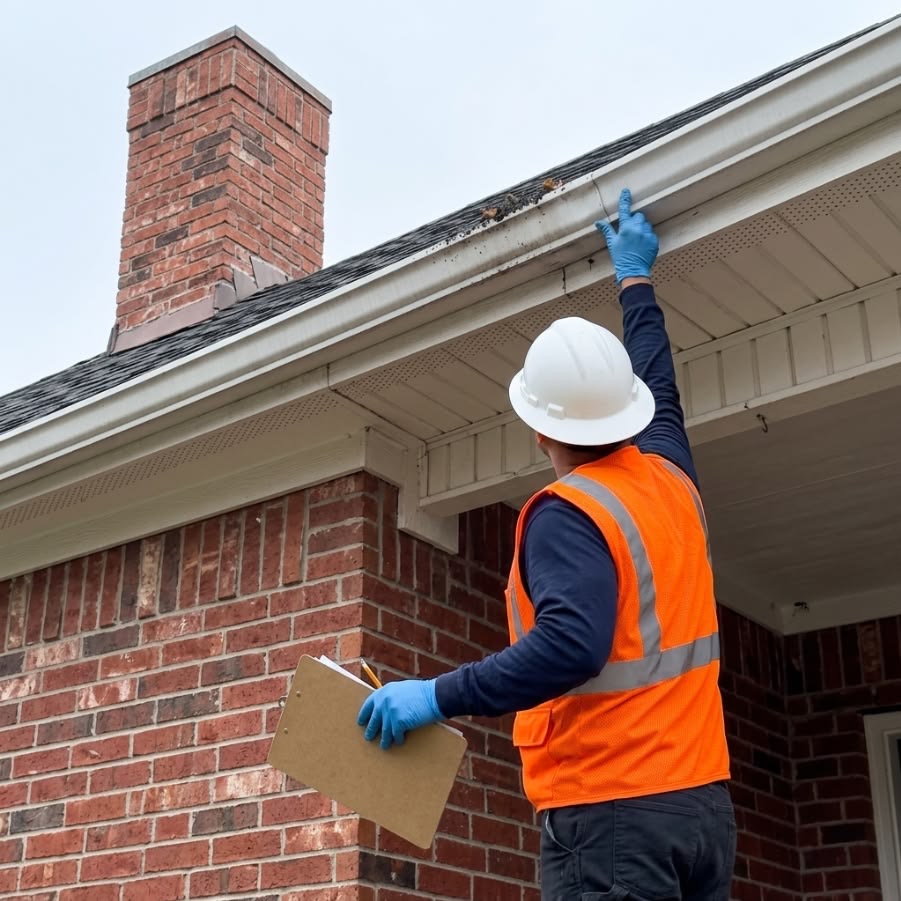
- Safety Hazards: Working on a roof is inherently dangerous. Falls can lead to serious injury or even death. In DFW, a sudden gust of wind or a slippery patch of moss can be all it takes. Professional roofers have the training and safety equipment to mitigate these risks.
- Hidden Damage: You might patch a visible leak, but what about the water damage that has already spread behind the drywall or into your attic? A DIYer often lacks the diagnostic tools and experience to identify the full extent of the problem, leading to ongoing issues.
- Improper Materials & Techniques: Using the wrong type of sealant, nails, or shingles, or applying them incorrectly, can create more problems than they solve. This can lead to leaks, blow-offs, and premature failure of the repair itself.
- Voiding Warranties: Tampering with your roof, even for a minor repair, can void the remaining manufacturer's warranty on your shingles and underlayment. This means if a storm hits and causes damage, you might be on the hook for the entire cost.
- Code Compliance: Professional roofers are trained to adhere to local building codes. DIY repairs might not meet these standards, potentially causing issues during inspections or when you eventually sell your home.
How to Get This Done
DIY Caution: For very minor cosmetic issues on a shed or outbuilding, you might be able to manage. For your primary residence, especially in DFW, we strongly advise against DIY roof repairs. Professional Solution: If you suspect any roof damage, contact a reputable DFW roofing contractor. At Montesco Roofing, we handle everything from minor repairs to full replacements with expert precision, ensuring your roof is properly sealed, up to code, and protected by our comprehensive workmanship warranty. Schedule your inspection today and avoid costly DIY mistakes.
Proactive Protection: How Montesco Roofing Safeguards Your DFW Investment
At Montesco Roofing, we've been protecting homes in the Dallas-Fort Worth metroplex for over 13 years. We understand that your roof isn't just shingles and tar; it's the primary defense for your family, your belongings, and your financial future. That's why we approach every job with the same dedication and meticulous attention to detail as if it were our own home. Our goal is to help you avoid that $20,000 liability by providing honest assessments and superior workmanship.Key Insight
Our 13+ years of experience in DFW means we're intimately familiar with the specific challenges our climate presents. We've seen it all – from the aftermath of severe hailstorms to the gradual wear and tear caused by relentless sun and heat. This local expertise allows us to provide solutions tailored to your home's unique needs and the local environment.
- Expert Inspections: We don't just look for leaks. Our comprehensive inspections (often at no cost to you!) go deep, checking for granule loss, shingle integrity, flashing condition, ventilation, and the crucial underlying deck structure. We identify potential problems before they become major disasters.
- Quality Materials & Craftsmanship: We partner with leading manufacturers like GAF, Owens Corning, and CertainTeed to ensure we use the highest quality materials. More importantly, our installation crews are highly trained and experienced, adhering to strict standards for proper ventilation, sealing, and fastening – critical for DFW's weather.
- Transparent Communication: We believe in educating our clients. We'll explain exactly what we find, why it's important, and what your best options are. No jargon, no pressure – just clear, honest advice. We'll walk you through the entire process, from initial assessment to final cleanup.
- Insurance Claim Assistance: Dealing with insurance companies after storm damage can be incredibly frustrating. We have extensive experience navigating these claims. We'll work with your adjuster, document the damage thoroughly, and advocate on your behalf to ensure you receive fair compensation for the necessary repairs or replacement. This service alone can save homeowners thousands.
- Long-Term Warranties: We stand behind our work. Montesco Roofing offers robust workmanship warranties on all our installations and repairs. This peace of mind is invaluable, knowing that if any issues arise due to our workmanship, we'll be here to make it right.
Your 5-Step Action Plan to Prevent a $20,000 Roof Catastrophe
Facing a potential $20,000 roof liability can feel overwhelming, but it doesn't have to be. By taking a proactive approach and following these simple steps, you can keep your DFW roof in top condition and avoid costly disasters. It's about being informed, being vigilant, and knowing when to call in the experts.1. Conduct a Visual Roof Check (Every 6 Months)
At least twice a year, and especially after any significant storm (hail, high winds), take a few minutes to look at your roof from the ground. Use binoculars if needed. Scan for missing shingles, curled edges, or any visible damage. Also, check your gutters for an excessive amount of shingle granules.
2. Inspect Your Attic (Annually)
During daylight hours, go into your attic. Look for any signs of daylight peeking through the roof deck, water stains on the rafters or insulation, or mold growth. If you see any of these, it's a clear indicator of a leak that needs immediate professional attention.
3. Review Your Homeowner's Insurance Policy
Understand your coverage, particularly for storm damage and your deductible amount. Knowing this upfront will be crucial if you need to file a claim. Many DFW policies have specific deductibles for wind and hail damage. Check your policy around June 2026 to ensure it's up-to-date.
4. Schedule Professional Inspections (Every 2-3 Years or After Major Storms)
Even if you don't see obvious signs of damage, have a qualified DFW roofing contractor inspect your roof every few years. Professionals can spot subtle issues that homeowners often miss. After a major hail or wind event, don't wait; schedule an inspection immediately.
5. Address Small Issues Promptly
If your inspection reveals minor damage, don't put off repairs. A small leak repaired today for a few hundred dollars could prevent thousands in water damage and structural repair costs down the line. It’s always cheaper to fix it early.
Key Takeaways
- Regular visual checks and attic inspections can catch problems early.
- Understanding your insurance policy is crucial for storm damage claims.
- Professional inspections are vital for identifying hidden issues.
- Promptly addressing minor repairs prevents them from escalating into costly disasters.
- Proactive maintenance is the most effective way to avoid a $20,000+ roof liability.
Frequently Asked Questions About DFW Roof Neglect & Cost
How often should I have my DFW roof inspected by a professional?
What is the average lifespan of an asphalt shingle roof in Texas?
Can minor roof leaks cause major structural damage?
How does DFW's weather specifically impact roof longevity?
Is it worth investing in a metal roof in DFW to avoid future costs?
What should I do if I suspect my insurance company is underpaying my roof claim?
Need help putting this into action? Our team has protected hundreds of DFW homes. Tell us about your roof — free inspection, no pressure.
Get Your Free Roof Inspection →Montesco Roofing Team
DFW's trusted roofing contractor with 13+ years of experience. Specializing in roof replacements, storm damage repair, and insurance claims across Dallas-Fort Worth.
Get in touch →