The Unseen Hero Protecting Your Roof
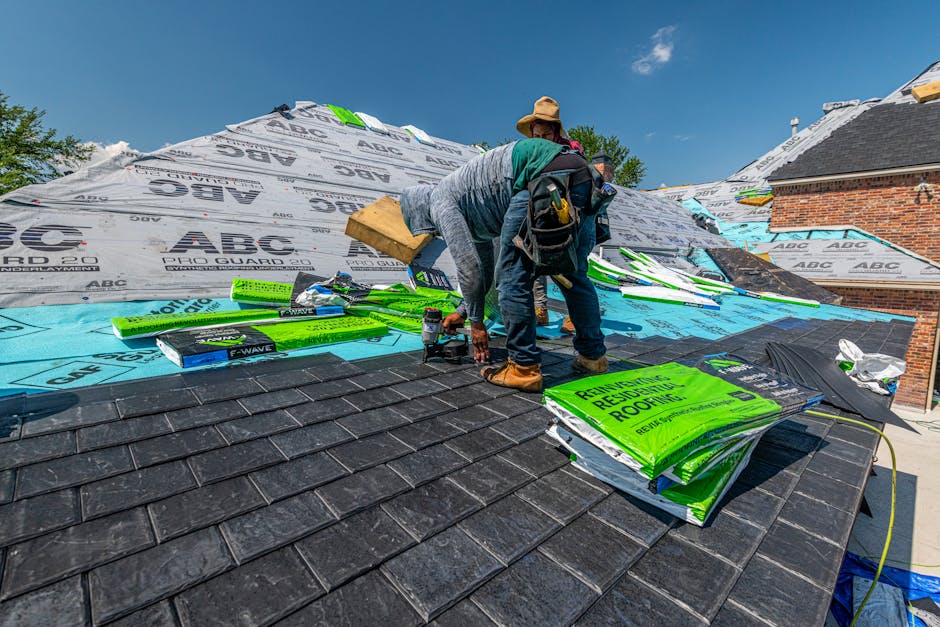
What Exactly IS Ice & Water Shield?
You're staring at your DFW home, maybe thinking about the next big Texas storm. We all know our weather can be unpredictable – scorching summers, sudden downpours, and yes, even the occasional freeze that can catch us off guard. While we might not get the heavy, prolonged snow and ice you see up north, the reality is that our roofs here in the Dallas-Fort Worth area face unique challenges. And one of the most critical, yet often overlooked, components in protecting your home is something called Ice & Water Shield. It’s not just a fancy name; it’s a specialized roofing underlayment that acts as a second line of defense, especially when water decides it wants to go where it shouldn’t.
Quick Answer: Ice & Water Shield is a self-adhering, waterproof roofing underlayment installed directly to the roof deck. Unlike standard felt paper, it creates a powerful seal around fasteners and in valleys, providing superior protection against wind-driven rain and ice dams, preventing water from seeping into your home.
Think of it as the unsung hero of your roofing system. Most homeowners focus on the shingles – the part you actually see. But beneath those shingles is a whole lot of engineering designed to keep your house dry. Standard roofing felt, or synthetic underlayment, is good at its job, but it has its limits. Ice & Water Shield goes a step further. It’s a sticky, tough material that bonds directly to your roof deck, creating a robust barrier that literally seals out water. In DFW, especially with the increasing intensity of storms we've been seeing in 2026, this extra layer of protection is becoming less of a luxury and more of a necessity.
It's a heavy-duty, self-adhering membrane, typically made of a polymer-modified bitumen. It's designed to stick firmly to the roof sheathing and create a waterproof seal. This seal is crucial because it prevents water from migrating through the roof deck, especially in vulnerable areas. It’s not just for ice, either. In a place like North Texas, where we get heavy rain and wind, this shield is a lifesaver. It’s the kind of detail that separates a truly well-built roof from one that’s just “good enough.” And when you’re talking about protecting your home, your family, and your investment, “good enough” just doesn’t cut it.
Why DFW Homes NEED Ice & Water Shield in 2026 (Beyond Just Ice)
Now, I know what some of you might be thinking: "We don't get that much ice here in DFW, do we?" And you're right, for the most part. We're not talking about feet of snow piling up on your roof for weeks on end like in Minnesota. However, the weather patterns we've been experiencing, especially in 2026, show a definite trend towards more extreme events. We're seeing more intense, short-duration rainstorms that can be incredibly damaging. And even a few days of freezing temperatures, combined with rain or melting snow, can create conditions where water finds its way into your home if you're not properly protected.
In DFW, Ice & Water Shield is just as critical for protecting against wind-driven rain that can get under your shingles as it is for potential ice dams. The self-adhering nature creates a seal that standard underlayment just can't match.
Here’s the breakdown of why this underlayment is so vital for North Texas homes, even if you’re not building an igloo on your porch:
Wind-Driven Rain
Our Texas thunderstorms are notorious. High winds can force rain upwards and underneath your shingles, especially in areas like valleys, eaves, and around dormers. Ice & Water Shield's adhesive properties create a watertight seal that prevents this water from reaching your roof deck and, eventually, your attic.
Freeze-Thaw Cycles
Even a few nights of freezing temperatures can cause water that's accumulated on your roof to freeze. When it melts during the day, it can refreeze at night. This repeated cycle can create small ice dams that lift shingles, allowing water to seep in. Ice & Water Shield’s robust barrier holds strong against these cycles.
Valleys and Low-Slope Areas
These are natural water collection points. Standard underlayment can get saturated and allow water to pass through over time. Ice & Water Shield is specifically designed for these critical areas, providing a much more durable and waterproof solution.
Roof Penetrations
Chimneys, skylights, plumbing vents – these are all potential entry points for water. Ice & Water Shield is used around these penetrations to create a watertight seal, preventing leaks that can cause significant damage to your home's structure and interior.
When you consider the frequency and intensity of storms in DFW – from those heavy spring rains to the occasional winter chill – the need for this advanced protection becomes clear. It’s about proactive defense, not just reactive repairs. It’s the kind of detail that gives you peace of mind, knowing your home is better equipped to handle whatever the Texas sky throws at it. We’ve seen firsthand in areas like Frisco and Plano how a properly installed Ice & Water Shield can save homeowners thousands in potential water damage repairs down the line.
The Science Behind the Shield: How It Stops Leaks Before They Start
Let’s dive a bit deeper into how this stuff actually works. It’s not magic; it’s smart engineering. The core of Ice & Water Shield is its construction. It's typically a multi-layered material:
When this adhesive layer is pressed onto the roof deck (or sometimes over a layer of standard underlayment in certain applications), it creates a self-sealing bond. What does that mean? It means that if a nail pierces the membrane – which is inevitable during shingle installation – the adhesive around the nail hole actually flows and seals it shut. This is a huge advantage over traditional felt paper, where nail penetrations are essentially small holes just waiting for water to exploit.
Some contractors might try to cut costs by only installing Ice & Water Shield in minimal areas, like just the eaves. Building codes and manufacturer specifications often require it in more critical zones. Always ensure your contractor is following best practices and local building codes.
The adhesive also creates a tight seal against the roof deck, preventing water from getting underneath the membrane. This is particularly important in situations where shingles might be lifted by wind or ice. The membrane itself is also designed to withstand significant water pressure. So, when rain is hammering down, or when ice begins to melt and pool, that shield is your roof’s first and best defense against intrusion.
It's this combination of a waterproof barrier and an aggressive, self-sealing adhesive that makes Ice & Water Shield so effective. It's designed to work in conjunction with your shingles and other roofing components to create a complete, watertight system. For a DFW homeowner, this means a drier attic, protected insulation, and a healthier home structure. It's about building a roof that can withstand the elements, not just look good for a few years.
Ice Dams vs. Water Intrusion: The Battle Your Roof Can't Lose
Let's talk about ice dams for a moment. While they're more common in colder climates, the conditions that create them can absolutely happen here in North Texas. An ice dam forms when heat escapes from your attic and warms the roof deck, melting the snow or ice on the surface. This meltwater then flows down to the colder eaves of your roof, where it refreezes. This cycle creates a ridge of ice – an ice dam – that prevents any further meltwater from draining off the roof. The water then pools behind the dam, backing up under your shingles and finding its way into your home.
Key Insight
The primary cause of ice dams is inadequate attic insulation and ventilation, leading to heat loss from your home onto the roof deck. While Ice & Water Shield is a crucial defense, addressing attic issues is key to preventing ice dams in the first place.
This pooling water is where the real damage occurs. It can seep through tiny gaps in your shingles, cracks in the roof deck, and around nail holes. Once it gets past the shingles and the primary underlayment, it can saturate your roof decking, damage insulation, stain ceilings, and even cause mold growth in your attic and walls. In a DFW home, even a few days of freezing temperatures after a rain can create this scenario. Imagine a winter storm where temperatures hover around freezing for 48-72 hours – that's enough time for an ice dam to form and cause significant problems if your roof isn't prepared.
"The most common cause of ice damming is heat loss from the building envelope into the attic space. This melts snow on the roof, which then refreezes at the eaves, creating the dam."— Building Science Information
This is where Ice & Water Shield truly shines. Its primary function is to create a barrier that water simply cannot penetrate. Unlike standard roofing felt, which can become saturated and eventually leak, the Ice & Water Shield forms a waterproof membrane. It's installed along the eaves, in valleys, around dormers, and in any other area where water is likely to collect or back up. This means that even if ice dams form and water pools, the shield is there to catch it and direct it safely away from your home's interior.
The self-adhering nature is critical here. When water gets under shingles, it can sit there for extended periods, especially if the dam is holding it back. The adhesive on the Ice & Water Shield grips the roof deck tightly, preventing water from seeping under the shield itself. This creates a redundant layer of protection that is far superior to standard underlayment alone. For homeowners in areas like Arlington or Fort Worth who might experience fluctuating winter temperatures, this robust defense against water intrusion, whether from ice dams or heavy rain, is invaluable.
Ice & Water Shield vs. Standard Underlayment: A Critical Comparison for DFW Homeowners
You might be wondering why you can’t just rely on standard roofing underlayment. It’s a fair question. Standard underlayment, whether it’s asphalt-saturated felt paper or synthetic underlayment, is a necessary part of any roofing system. It provides a temporary protective layer during construction and a secondary barrier against water in case shingles are blown off or damaged. However, it’s not designed for the same level of protection against persistent water intrusion that Ice & Water Shield offers.
| Feature | Standard Underlayment (Felt/Synthetic) | Ice & Water Shield |
|---|---|---|
| Primary Function | Secondary water barrier, temporary protection during installation. | Waterproof barrier, creating a sealed system in critical areas. |
| Water Resistance | Good, but can become saturated and permeable over time, especially with standing water. | Excellent, waterproof membrane designed for prolonged water contact. |
| Adhesion | Mechanically fastened (stapled or nailed). Water can seep through fastener holes. | Self-adhering with aggressive adhesive backing. Bonds directly to the deck. |
| Self-Sealing | No. Nail penetrations are points of potential leakage. | Yes. Seals around nail penetrations, preventing leaks. |
| Vulnerability | Susceptible to wind-driven rain intrusion and prolonged water exposure. | Highly resistant to wind-driven rain, ice dams, and standing water. |
| Cost-Effectiveness | Lower initial cost. | Higher initial cost, but significantly reduces risk of costly water damage repairs. |
The key difference lies in the material's construction and installation method. Standard underlayment relies on being a physical barrier. If water sits on it or is forced under it, it can eventually soak through or find pathways. Ice & Water Shield, on the other hand, is a waterproof membrane with an adhesive that creates a true seal. It’s designed to be installed in the most vulnerable areas of the roof – the eaves, valleys, rakes, and around penetrations – where water is most likely to collect and cause problems. While it costs more upfront, the protection it offers against costly water damage, mold, and structural issues is well worth the investment, especially here in DFW where storms can be so severe.
For DFW homeowners, especially those in areas like McKinney or Allen where we see significant storm activity, understanding this difference is crucial. When you're getting quotes for a new roof or a roof replacement, ask your contractor specifically where and how they plan to use Ice & Water Shield. Don't just accept "underlayment." You need to know they're using it strategically and according to best practices and building codes.
Common Misconceptions About Roof Underlayment: What to Watch Out For in 2026
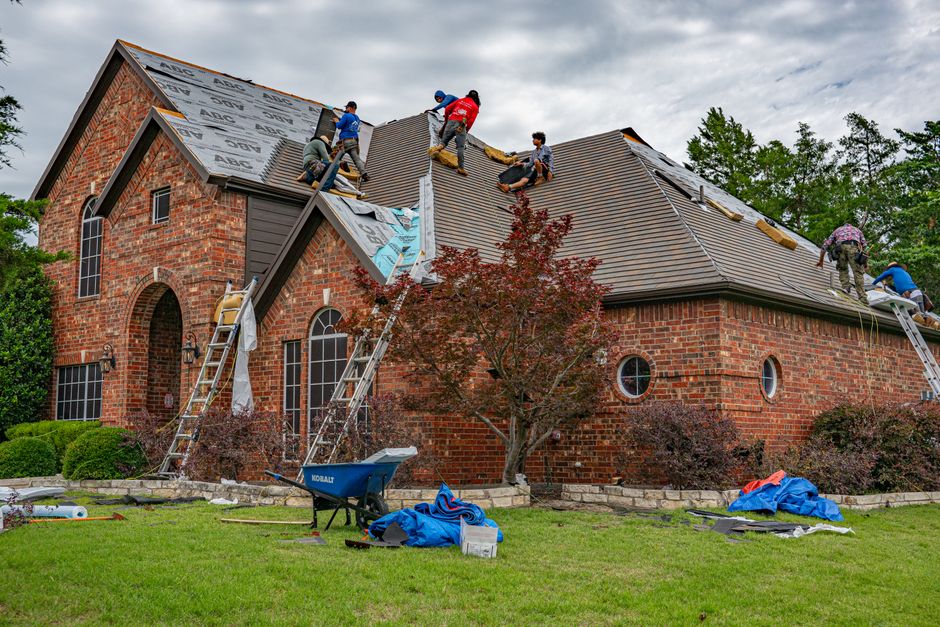
As a roofing contractor who’s been in the DFW area for over 13 years, I’ve heard my share of misconceptions about roofing materials, especially underlayment. With the increasing frequency of severe weather events, it's more important than ever to cut through the noise and understand what truly protects your home. Here are some common myths I encounter:
Frequently Asked Questions About Roof Underlayment
Is all underlayment the same?
Do I really need Ice & Water Shield if I don't get much snow or ice?
Can I just use Ice & Water Shield everywhere instead of felt?

Is Ice & Water Shield only for steep roofs?
How long does Ice & Water Shield last?
Does my homeowner's insurance cover Ice & Water Shield?
Myth 1: "Any underlayment is good enough." The reality is, the type of underlayment matters significantly. Standard felt or synthetic underlayment is a good secondary barrier, but it's not designed to be a primary waterproof membrane. Ice & Water Shield is engineered for that specific purpose in critical areas. In 2026, with the weather we're seeing, relying on "any" underlayment is a risk.
Myth 2: "Ice & Water Shield is only for cold climates." As we’ve discussed, this is a big one here in DFW. The adhesive properties and waterproof nature make it invaluable against wind-driven rain and rapid temperature fluctuations, which are far more common threats in Texas than prolonged ice accumulation.
Myth 3: "All roofing contractors use Ice & Water Shield the same way." This is unfortunately not true. Some less scrupulous contractors may cut corners by only installing it in a few key areas, or not at all, to save on material costs. Always ask for specifics on where and how it will be installed. A reputable DFW roofing contractor will detail this in their quote and explain its importance.
Be wary of contractors who are vague about underlayment or push for the cheapest option. Proper installation of Ice & Water Shield is a sign of a quality roofing job and a contractor who stands behind their work.
Myth 4: "It's too expensive for my budget." While Ice & Water Shield has a higher material cost than standard underlayment, the cost of dealing with water damage, mold remediation, and potential structural repairs can be exponentially higher. It's an investment in the long-term health and integrity of your home.
Understanding these misconceptions helps you have informed conversations with your roofing contractor and make the best decisions for your home. It’s about choosing protection that’s right for the DFW climate in 2026.
When is Ice & Water Shield Non-Negotiable for Your DFW Roof?
There are certain situations and roof designs where the use of Ice & Water Shield isn't just recommended; it's absolutely essential. These are the points where your roof is most vulnerable, and skimping here is a recipe for disaster. As a seasoned roofer in the DFW area, I consider these areas mandatory for this premium underlayment:
Eaves and Drip Edges
This is the most common place for ice dams to form and where wind-driven rain is most likely to get under shingles. Ice & Water Shield should be installed along the eaves, extending up the roof deck at least 24 inches past the exterior wall line.
Valleys
Valleys are where two roof planes meet, creating a channel for water runoff. They are naturally prone to collecting debris and water. A properly installed Ice & Water Shield in valleys provides a robust, leak-proof barrier that standard underlayment can't match.
Roof Penetrations
This includes chimneys, skylights, plumbing vents, and HVAC units. These are all points where water can easily find its way into your home if not properly sealed. Ice & Water Shield is critical around these areas.
Low-Slope or Flat Roof Sections
While less common on residential homes, any section of your roof with a slope of less than 4:12 (a 4-inch drop for every 12 inches of run) requires special attention. These areas are more prone to standing water and require a fully waterproof membrane, often covering the entire deck with Ice & Water Shield.
Dormer and Wall Transitions
Where a dormer window meets the main roof, or where a roofline transitions to a vertical wall, water can collect and seep in. Ice & Water Shield provides essential protection in these transition zones.
Even if your roof doesn't have all of these features, you should still consider its use. For instance, in areas prone to high winds, even without ice, wind-driven rain can be a significant threat. The adhesive nature of Ice & Water Shield helps lock down shingles and prevent water intrusion when shingles are slightly lifted by strong gusts. This is why we emphasize its importance for DFW homes in 2026; the weather patterns are demanding this level of protection.
How to Get This Done
DIY Inspection: Walk around your home and look at your roofline from the street. Notice any areas where two roof planes meet (valleys) or the edges (eaves)? Check the edges (eaves). See any vents or chimneys poking through? These are critical zones. If you suspect issues or want to be proactive, documenting these areas can help you discuss them with a professional.
If you want to ensure these critical areas are protected with the best materials and expert installation, our team at Montesco Roofing has extensive experience with DFW roofs. We follow manufacturer specifications and local building codes to ensure your home is protected. Our process typically involves a thorough inspection, detailed quote outlining material usage (including strategic placement of Ice & Water Shield), and meticulous installation by certified technicians.

When we perform a roof inspection, especially after a significant storm, we pay close attention to these vulnerable areas. If we find signs of wear, damage, or inadequate protection, we'll recommend the appropriate solution, which often includes the proper application of Ice & Water Shield. It’s about building a roof that lasts and performs, not just one that looks good on paper.
The Montesco Roofing Difference: Expert Installation for Ultimate Protection
In DFW, you have a lot of choices when it comes to roofing contractors. But when it comes to something as critical as your roof's underlayment, especially a high-performance material like Ice & Water Shield, the installation is just as important as the material itself. This isn't a place where you want a "good enough" job. At Montesco Roofing, with over 13 years of dedicated service to homeowners across Dallas and Fort Worth, we understand the nuances of building a roof that truly protects.
Why Installation Matters
Even the best materials can fail if not installed correctly. For Ice & Water Shield, this means ensuring proper surface preparation, correct overlap, adequate pressure for adhesion, and sealing around every fastener. Our installers are trained to meticulous standards.
What sets us apart? It’s our hands-on approach and our commitment to quality. We don't just slap materials on a roof; we engineer systems. When we install Ice & Water Shield, we ensure:
We believe in transparency. When you get a quote from Montesco Roofing, we'll walk you through exactly what materials we use and why, including the specific application of Ice & Water Shield. We're not just selling a roof; we're providing a long-term solution designed to protect your home. We've seen too many homes in areas like Garland and Mesquite suffer from water damage due to poor installation practices. Our goal is to be the contractor you can trust, year after year, especially as our climate continues to evolve.
Ready to ensure your DFW roof is protected with the best? Our team has been building and repairing roofs in North Texas for over 13 years, and we understand the unique challenges our climate presents. Don't wait for a leak to find out if your underlayment is up to par.
Get Your Free Roof Inspection & Quote →Frequently Asked Questions About Ice & Water Shield
What is the main purpose of Ice & Water Shield?
Where is Ice & Water Shield typically installed on a DFW roof?
How does Ice & Water Shield differ from standard roofing felt?
Can I see Ice & Water Shield after my roof is installed?
Is it necessary for all roof replacement projects in DFW?
How does it help with wind-driven rain, which is common in Texas?
Montesco Roofing Team
DFW's trusted roofing contractor with 13+ years of experience. Specializing in roof replacements, storm damage repair, and insurance claims across Dallas-Fort Worth.
Get in touch →