How to Read a Hail Swath Map: Your Guide to DFW Storm Damage in 2026
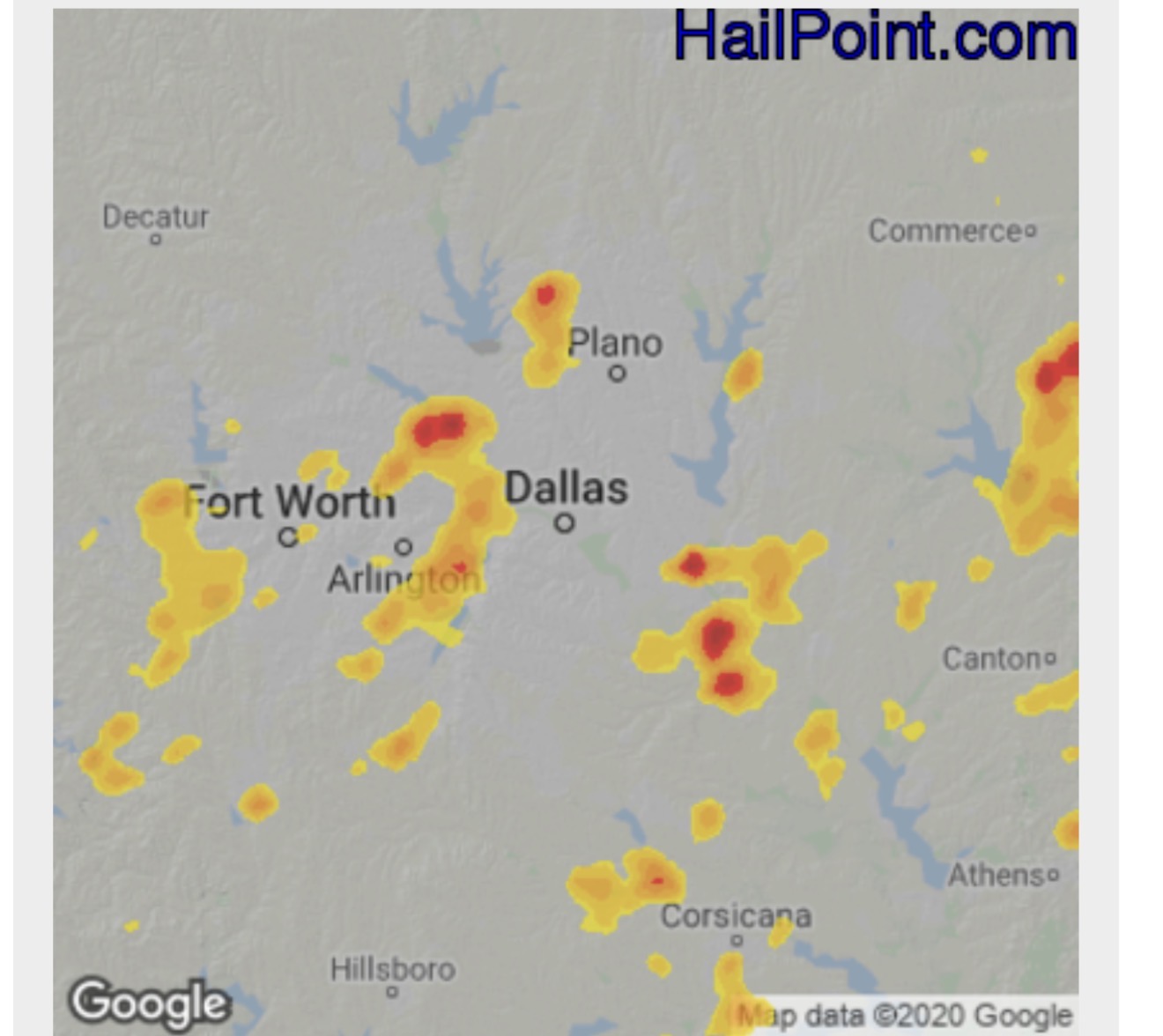
Why DFW Hail Swath Maps Matter for Your Roof in 2026
It's Saturday, June 6, 2026, and here in DFW, we've already seen a few storms roll through. You know how it goes – one minute it's sunny, the next you're hearing that familiar, terrifying pinging on your roof. For us North Texans, hail season is practically an annual rite of passage. And when those storms hit, a lot of homeowners are left wondering: 'Did the hail actually hit my house? How bad is it?' That's where a hail swath map comes in. Think of it as a weather report's X-ray vision for storm damage.
These maps are incredibly useful tools, especially here in the Dallas-Fort Worth Metroplex, which seems to get a front-row seat to some of the most intense storm activity in the country. They don't just show you if hail fell, but also where it fell, and often, how big it was. This information is gold, not just for understanding potential damage to your home, but also for navigating the often-tricky process of insurance claims. When you can point to specific data showing your neighborhood was in the direct path of a significant hail event, it makes your case much stronger.
As a roofer with over 13 years of experience here in DFW, I've seen firsthand the difference that understanding these maps can make. Homeowners who can interpret them are often better prepared, quicker to act, and ultimately, more successful in getting their roofs properly repaired or replaced. In 2026, with weather patterns as unpredictable as ever, having this knowledge is more important than ever. It's about protecting your biggest investment – your home – from the fury of Texas storms.
Decoding the Data: Key Elements of a Hail Swath Map
So, you've got a hail swath map in front of you. What are you actually looking at? It might seem like a jumble of colors and lines at first, but once you break it down, it's pretty straightforward. The core purpose of these maps is to visualize the storm's trajectory and the size of the hailstones that fell along that path.
First, you'll usually see a central line or band. This represents the estimated path of the storm's most intense activity. Think of it like the bullseye on a target, but stretched out over miles. The wider this band, the more widespread the potential impact. Sometimes, you'll see multiple bands, indicating areas of varying hail intensity.
Then, there are the colors. This is where the map really tells its story. Different colors typically correspond to different hailstone sizes or impact levels. A common color coding might show greens and blues for smaller hail (like pea-sized or dime-sized) and progress through yellows, oranges, and reds for larger hail (quarter-sized, golf ball-sized, or even larger). Understanding this color-coding is key to gauging the severity of the damage you might expect.
You'll also notice geographic markers. These are usually city names, county lines, or even specific neighborhoods. This helps you pinpoint exactly where your home falls within the storm's path. For us in DFW, this means you can see if a storm that hit Fort Worth also swept through Arlington or Plano, for instance. Data providers often use radar data, storm reports from the National Weather Service, and even ground-level observations to build these maps.
Finally, look for timestamps. A good hail map will indicate when the storm occurred. This is vital for matching the map data to your specific weather experience. Was it the storm that blew through on April 15th, or the one from May 3rd? Knowing the date helps you connect the dots between the map and what you experienced.
Pro Tip: Don't just look at the map for your general area. Zoom in! Sometimes, a storm can be highly localized. A few blocks can make a significant difference in hail size and impact. If your street is on the edge of a red zone, you might have experienced larger hail than your neighbor just a mile away.
Understanding Hail Size & Impact Zones: What the Colors Mean
The colors on a hail swath map are your direct visual cue to the potential severity of damage. While the exact color-to-size correlation can vary slightly between different data providers, the general principle remains the same: bigger hail equals bigger problems for your roof.
Generally, you'll see these kinds of correlations:
- Green/Blue: Often indicates smaller hail, typically ranging from pea-sized (1/4 inch) to marble-sized (1/2 inch). At this size, the damage might be minimal or even unnoticeable on many roofing materials. However, repeated impacts from smaller hail over time can still wear down shingles.
- Yellow/Light Orange: This usually signifies hail around dime-sized (3/4 inch) to penny-sized (1 inch). At this point, you're starting to see noticeable damage. Shingles can be dented, and the protective granules on asphalt shingles can begin to be dislodged. This is a size that can often be seen on insurance adjusters' reports.
- Orange/Red: This is where things get serious. These colors typically represent hail from quarter-sized (1.25 inch) up to golf ball-sized (1.75 inches) and beyond. Hail this size can cause significant bruising, cracking, and even puncture damage to asphalt shingles. It can also damage metal components like vents, gutters, and flashing.
- Dark Red/Purple/Other Intense Colors: These hues usually denote the largest hail, often baseball-sized (2.75 inches) or even larger. This is catastrophic damage. You're looking at potential shingle breakage, deep dents in metal, and a very high likelihood of leaks if the roof isn't addressed immediately.
It's important to remember that these maps are estimations based on radar and other meteorological data. The actual size of the hail that fell at your specific location might vary slightly. However, they provide an excellent starting point for understanding the potential impact.
For instance, a storm that generated golf ball-sized hail (around 1.75 inches) across areas like Frisco or McKinney is going to cause a lot more damage than one with only pea-sized hail. The force of impact from larger hail is exponentially greater. A golf ball-sized hailstone hitting a shingle at highway speeds can easily cause the shingle to fracture or lose a significant amount of its protective granules. This compromises the shingle's ability to shed water and exposes the underlayment to the elements.
How to Access DFW Hail Swath Maps in 2026
Knowing that these maps are valuable is one thing; actually getting your hands on one is another. Fortunately, in 2026, accessing hail swath data for DFW storms has become much easier. Several reputable sources provide this information, often shortly after a significant weather event.
One of the most reliable ways is through weather data and analytics companies. Many of these services specialize in tracking severe weather and provide detailed maps. Some popular providers include:
- AccuWeather: They often provide detailed storm analysis maps.
- The Weather Channel (weather.com): Their storm tracking features can include hail path data.
- Local News Weather Departments: Many DFW news stations (like WFAA, CBS 11, NBC 5) have excellent meteorologists who often post detailed storm maps on their websites or social media after a major event.
- Specialized Hail Mapping Services: Companies like HailTrace, CoreLogic, or PropertyIntel are often used by insurance companies and roofing contractors, and sometimes offer public access to their data or summaries. You might find these linked through local news or industry blogs.
When you're searching, use terms like "DFW hail map [date of storm]," "Dallas hail swath map," or "[your city name] hail damage map." It's also a good idea to bookmark a few of these sources so you can quickly check them after a storm passes.
Remember that the most detailed maps are often generated using sophisticated radar technology. These systems can detect the size and intensity of precipitation. When a storm with hail is detected, the data is processed to create the visual swath map. The accuracy of these maps has improved dramatically over the years, making them an indispensable tool for homeowners and professionals alike.
For instance, after a significant storm hits areas like Rowlett or Mesquite, you can often find a detailed map within 24-48 hours showing the exact path and estimated hail size. This allows you to quickly assess if your property was in a high-impact zone, even if you didn't personally witness large hail.
How to Get This Done
If you want to handle this yourself, here's exactly what you need: Regularly check reputable weather websites after storms pass through your DFW area. Look for hail swath maps specifically for the date of the storm. Note your address on the map to see if you were in a high-impact zone. If you'd rather have experienced roofers handle it, our team has done this on hundreds of DFW homes — here's how our process works: We use these maps as an initial guide, then conduct a thorough, hands-on inspection of your roof, attic, and property to document all damage, and we can help you interpret the map data in relation to your specific situation.
Actionable Steps: Using Hail Maps to Proactively Protect Your Roof

Okay, you've got the map, you've identified your area, and you've seen the colors. What now? This is where being proactive makes all the difference. Using a hail swath map isn't just about satisfying curiosity; it's about taking concrete steps to protect your home.
Here’s how to leverage that information:
- Immediate Visual Check (from the ground): After a storm that shows up on a hail map as impacting your area, the very first thing you should do is a visual inspection of your roof from the ground. Use binoculars if you have them. Look for obvious signs of damage like missing shingles, cracked shingles, or large dents. Also, check your gutters and downspouts for dents or a significant amount of shingle granules.
- Document Everything: If you see anything suspicious, take photos and videos. Note the date and time. This documentation is crucial for insurance claims. Compare what you see with the hail map – if the map shows golf ball-sized hail in your neighborhood, and you see dents on your gutters, that's a strong indicator of potential roof damage.
- Check Your Attic: This is a step many homeowners skip, but it's vital. Go into your attic and look for any signs of daylight coming through the roof deck. Water stains on the rafters or insulation can also indicate a leak that may have started due to hail impact. A breach in the roof, even a small one from hail, can lead to water intrusion and mold growth over time.
- Review Your Insurance Policy: Understand your deductible. Hail damage claims often fall under your homeowner's insurance. Knowing your deductible amount beforehand will help you understand the financial aspect of a potential claim. The Insurance Information Institute has great resources on understanding your policy.
- Contact a Trusted DFW Roofer: This is where I come in, and why it's so important to work with established local professionals. Once you've done your initial checks, call a reputable roofing contractor. We know what to look for, how to document it properly, and how to work with your insurance company. We can interpret the hail map data in conjunction with a thorough roof inspection.
Don't wait days or weeks to get an inspection. The longer you wait, the more damage can occur from subsequent weather or even just exposure to the elements. For example, a small crack from hail can allow water in, which can then freeze and expand in colder temperatures (though less common in June, it's a factor in other seasons), or simply lead to rot and mold.
Watch Out: Be wary of "storm chasers" or out-of-state contractors who show up uninvited after a big storm. They often offer "free inspections" and push for immediate repairs, sometimes using subpar materials or not properly documenting damage. Always choose a local, established roofing contractor with a good reputation and a physical address in DFW. We've been here for over 13 years, and we're not going anywhere.

Beyond the Map: When to Call a Professional DFW Roofer
While hail swath maps are fantastic tools for initial assessment, they are not a substitute for a professional roof inspection. A seasoned roofing expert brings a level of knowledge and experience that goes far beyond what any map can provide. Here in DFW, where we deal with everything from intense sun to driving rain and, of course, hail, understanding the nuances of roof systems is critical.
A professional inspection involves more than just looking for dents. We're trained to identify subtle signs of damage that an untrained eye might miss. This includes:
- Bruising on Shingles: Even if the shingle surface isn't cracked, hail can bruise the asphalt matting underneath, weakening it and making it prone to premature failure.
- Granule Loss: Significant loss of granules is a clear sign of impact. These granules protect the asphalt from UV rays and water.
- Damaged Flashing: The metal flashing around chimneys, vents, and skylights is often overlooked but is a critical point for water entry. Hail can dent or warp this metal.
- Soffit and Siding Damage: Hail doesn't discriminate; it can also damage your soffits, fascia, and even siding, which can indirectly affect your roof's ventilation and integrity.
- Underlayment Damage: If hail is large enough to penetrate or crack the shingles, it can also damage the protective underlayment beneath, creating a direct path for water.
Furthermore, a professional roofer can assess the overall condition of your roof system, including its age, ventilation, and any pre-existing conditions. This comprehensive evaluation is essential for determining the best course of action, whether it's a repair or a full roof replacement.
When you work with a contractor like Montesco Roofing, you're not just getting someone to fix a leak. You're getting a partner who understands the local climate, the materials that perform best in DFW, and how to navigate the complexities of insurance claims to ensure your home is restored to its pre-storm condition. We've seen it all, from minor dents on a shingle in Plano to catastrophic damage in Arlington, and we know how to handle each situation with expertise.
DIY Visual Check (Using Map Data)
Pros: Quick initial assessment, helps identify obvious damage, empowers homeowners with data.
Cons: Misses subtle damage, lacks professional expertise, doesn't guarantee proper documentation for insurance.
Professional Roofer Inspection
Pros: Expert identification of all damage (subtle and overt), proper documentation for insurance, knowledge of repair/replacement best practices, peace of mind.
Cons: Requires scheduling an appointment.
*Most reputable roofers offer free initial inspections after storm events.
The Cost of Ignoring Hail Damage: A Stark Reality for DFW Homeowners
It might be tempting to look at a few dents or some lost granules and think, "It's not that bad," or "I'll deal with it later." But here in DFW, ignoring hail damage is one of the most costly mistakes a homeowner can make. The cumulative effects of even seemingly minor damage can lead to significant problems down the road.
Here’s why putting off repairs is a bad idea:
- Accelerated Aging of Shingles: Hail impact, especially from larger stones, disrupts the protective layer of granules on asphalt shingles. This exposes the asphalt matting to UV radiation and the elements, causing it to degrade much faster. What might have been a 20-year shingle could become a 10-year shingle or less.
- Water Intrusion and Leaks: Even small cracks or punctures created by hail can allow water to seep into your roof system. This water can then find its way into your attic, insulation, and eventually into your ceilings and walls, leading to costly interior damage, mold growth, and structural issues.
- Compromised Ventilation: Hail can damage roof vents and soffits, disrupting the critical airflow needed to keep your attic cool in the summer and prevent moisture buildup in the winter. Poor ventilation can lead to premature roof decay and increased energy bills.
- Voided Warranties: Many shingle manufacturers have specific requirements for reporting damage and performing repairs. Neglecting to address hail damage promptly could void your manufacturer's warranty, leaving you responsible for the full cost of future repairs or replacement.
- Increased Insurance Premiums or Claim Denial: If a small leak caused by unaddressed hail damage leads to significant interior water damage, your insurance company might view it as a maintenance issue rather than a storm event, potentially leading to claim denial or increased premiums in the future. They expect homeowners to take reasonable steps to mitigate damage.
The National Weather Service reports that Texas experiences some of the most severe thunderstorms in the U.S., with hail being a common and destructive component. In 2026, we continue to see these patterns. A study by the Insurance Information Institute found that property damage claims from severe weather events, including hail, cost billions annually. For individual homeowners, a small repair costing a few hundred dollars could balloon into tens of thousands if left unaddressed and leads to widespread structural damage.
Key Insight
Think of your roof like your body's immune system. A small cut might seem insignificant, but if left untreated, it can become infected and lead to much larger health problems. Your roof works the same way. Hail damage compromises its integrity, making it vulnerable to a cascade of other issues that are far more expensive and difficult to fix.
Frequently Asked Questions About DFW Hail Swath Maps
Frequently Asked Questions About DFW Hail Swath Maps
Are hail swath maps always accurate for my exact location?
What's the best way to find a hail swath map for a recent DFW storm?
Can I use a hail map to file an insurance claim myself?
How quickly do I need to get my roof inspected after a hailstorm?
What's the difference between a hail swath map and a hail radar?
Can hail damage my roof even if I didn't hear it?
Need help understanding hail damage or reading your roof's story after a storm? Our team has protected hundreds of DFW homes from the elements for over 13 years. We can help you navigate the damage, interpret the maps, and work with your insurance. Tell us about your roof — free inspection, no pressure.
Get Your Free Roof Inspection →Montesco Roofing Team
DFW's trusted roofing contractor with 13+ years of experience. Specializing in roof replacements, storm damage repair, and insurance claims across Dallas-Fort Worth.
Get in touch →