HOA Roof Replacements in DFW 2026: How Projects Work & What You MUST Know Before June
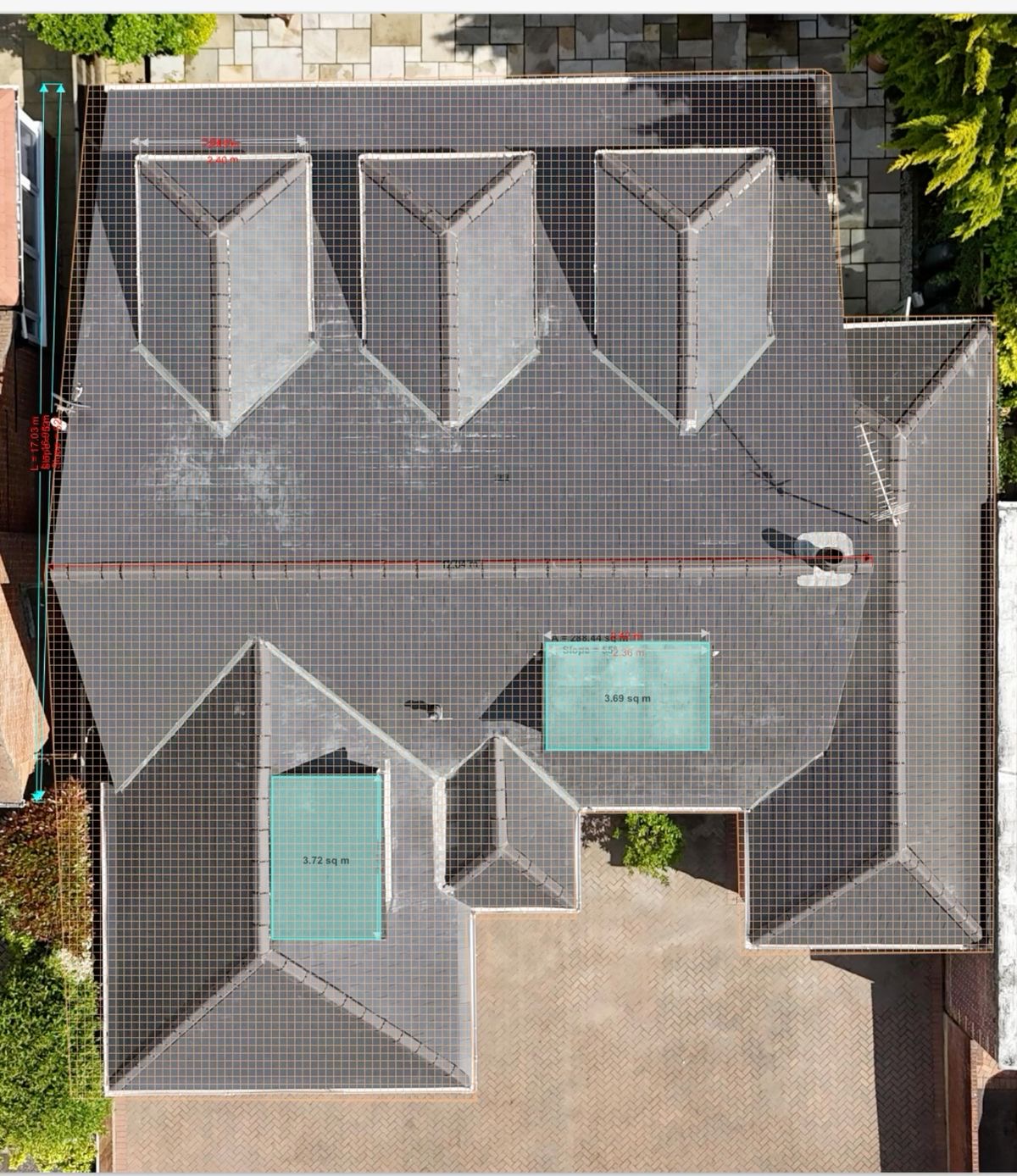
You're ready to finally get that roof replaced. Maybe it's showing its age, or perhaps a recent North Texas storm left its mark. But then you remember – you live in an HOA community here in DFW. Suddenly, what felt like a straightforward home improvement project has turned into navigating a maze of rules, applications, and potential headaches. It's not just about picking shingles anymore; it's about compliance, aesthetics, and making sure your investment is protected while fitting seamlessly into your neighborhood.
The HOA Roof Replacement Maze: Why It's Different in DFW 2026
Living in a homeowner's association (HOA) community here in the Dallas-Fort Worth area brings a lot of benefits – well-maintained common areas, consistent neighborhood aesthetics, and often, a sense of community pride. But when it comes to a significant home repair like a roof replacement, those same rules designed to protect property values can add a layer of complexity. In 2026, DFW HOAs are more attuned than ever to maintaining specific architectural standards. This isn't just about preventing a bright pink roof next to a muted beige one; it's about ensuring every home contributes to the cohesive look and feel the community was designed for. For us at Montesco Roofing, we see firsthand how crucial it is for homeowners to understand this process from the get-go. It’s not a roadblock; it’s just a different set of instructions to follow.
Always start by reviewing your HOA's Architectural Control Committee (ACC) or Architectural Review Board (ARB) guidelines. These documents are your roadmap for what's allowed and what's not. If you can't find them, your HOA board or management company will have copies.
The biggest difference you'll notice is the pre-approval requirement. Unlike a home outside an HOA, you can't simply call a roofer and have them start work. You need official sign-off. This process typically involves submitting an application package, which includes detailed information about the proposed roofing project. Think of it like getting a building permit, but from your neighbors. This ensures that the new roof will align with the established architectural standards of your specific neighborhood in areas like Plano, Frisco, or Fort Worth. The goal is uniformity and maintaining a high standard of appearance across the community, which, in turn, helps protect your own home's value.
What often catches homeowners by surprise is the timeline. HOA approval processes aren't always immediate. They can take anywhere from a few weeks to over a month, depending on the HOA's meeting schedules and review procedures. This is why starting the process well before you need a new roof is so important, especially if you're dealing with storm damage in North Texas and the insurance claim process is already underway. Rushing can lead to mistakes, rejections, and further delays. We've seen homeowners in communities like those in McKinney or Allen get caught in this loop, which can be frustrating when you're dealing with a leaky roof.
Decoding Your HOA's Architectural Guidelines for Roofing in 2026
Every HOA is different, and their architectural guidelines are their rulebook for maintaining neighborhood aesthetics. For roofing projects in DFW in 2026, these guidelines typically focus on a few key areas: material type, color, and sometimes even brand. It's not uncommon for HOAs to mandate specific types of shingles, like architectural asphalt shingles, or to restrict options to certain shades of gray, brown, or black to maintain a cohesive look. Some communities might even require specific manufacturers or product lines to ensure a uniform appearance.
Key Insight
Many HOAs have specific requirements regarding roof pitch, ventilation, and even the underlayment used. These are often tied to building codes but can also be community-specific to ensure long-term performance and appearance.
When you receive your HOA's guidelines, pay close attention to the sections on roofing. Look for details on:
- Allowed Shingle Types: Are 3-tab shingles acceptable, or do they require dimensional/architectural shingles? Some might even allow or prefer metal or tile roofs, depending on the community's overall style.
- Color Palettes: HOAs almost always have a pre-approved color chart or a limited selection of approved colors. These are usually neutral earth tones that complement the surrounding homes.
- Manufacturer Restrictions: In some cases, HOAs might specify certain reputable brands to ensure quality and longevity.
- Permitting and Insurance: They'll want to see proof that you're working with licensed and insured contractors, and that you've obtained any necessary local permits.
- Application Process: What documents do you need to submit? Who reviews them? What's the turnaround time?
Understanding these details upfront is critical. At Montesco Roofing, we've worked on hundreds of homes in DFW HOAs across areas like Rowlett and Mesquite. We know that trying to guess what your HOA will approve is a recipe for disaster. That’s why we make it a point to help our clients gather the necessary information and select materials that are not only high-quality and durable but also compliant with their community's standards. It saves everyone time and stress.
Don't assume your preferred shingle color is okay. Even slight variations can lead to rejection. Always verify the exact approved color codes or samples with your HOA before making a final decision.
It's also worth noting that some HOAs have specific rules about when you can have roofing work done. Noise restrictions, working hours, and debris management are common. Knowing these can prevent neighborly disputes and ensure your project runs smoothly and respectfully within your community.
Step-by-Step: Securing HOA Approval for Your DFW Roof Project This Year
Navigating the HOA approval process for your roof replacement in DFW in 2026 might seem daunting, but it's manageable when broken down into clear steps. The key is preparation and clear communication. Here’s how it typically works:
Step 1: Obtain HOA Documents
Your first move is to get your hands on the official Architectural Review Committee (ARC) guidelines or similar governing documents related to exterior modifications, specifically roofing. You'll also need the official application form for exterior modifications.
Step 2: Select Your Materials & Contractor
Based on the guidelines, choose your roofing materials (shingles, underlayment, vents, etc.) and select a qualified roofing contractor. We recommend getting detailed quotes that specify the exact products and colors you plan to use. At Montesco Roofing, we provide comprehensive documentation for our proposals.
Step 3: Complete the Application Package
This is the core of the process. Your application package will typically require:
- Completed HOA application form.
- Detailed scope of work from your roofing contractor.
- Material specifications: Manufacturer brochures, product data sheets, and color samples for shingles, underlayment, and any other visible components.
- Contractor information: Your roofer's license, insurance certificates, and contact details.
- Site plan or diagram (sometimes required).
- Proof of any necessary local permits (if applicable at this stage).
Step 4: Submit Your Application
Submit the complete package to your HOA's management company or directly to the ARC/ARB, following their specified submission method (email, mail, online portal). Keep a copy for your records.
Step 5: Await Review and Approval
The ARC will review your application. This can take time, as they often meet on a set schedule. They may approve it, request modifications, or deny it. If denied, they should provide a reason, allowing you to revise and resubmit.
Step 6: Receive Written Approval
Once approved, you'll receive official written confirmation. Do not start any work until you have this approval in hand. Proceeding without it can lead to fines, mandatory removal of unapproved work, and significant headaches.
This entire process requires patience and attention to detail. What many homeowners don't realize is that some HOAs have strict rules about how long an approval is valid. If you don't start your project within, say, 90 or 180 days of getting approved, you might have to go through the process again. This is especially relevant if you're planning a replacement during a busy season like spring or fall in DFW, when roofing contractors are in high demand. It’s always best to coordinate your HOA approval timeline with your chosen contractor's availability.
How to Get This Done
If you want to handle this yourself, here's exactly what you need: access to your HOA's architectural guidelines, the correct application forms, detailed product specification sheets for your chosen roofing materials, and your contractor's license and insurance information. If you'd rather have experienced roofers handle it, our team at Montesco Roofing has guided hundreds of DFW homeowners through this exact process — here's how our partnership works: We'll help you understand your HOA's requirements, recommend compliant materials, provide all necessary documentation for your application, and even assist with communication to your HOA board if needed.
Material Choices for HOA Roofs: Balancing Aesthetics, Durability, and Compliance in 2026
When it comes to selecting roofing materials for your DFW home within an HOA community in 2026, you're balancing three crucial factors: the HOA's aesthetic requirements, the material's durability and performance, and your budget. Fortunately, many modern roofing materials offer excellent options that meet these needs.
| Material Type | Typical HOA Approval | Aesthetic Appeal | Durability (Years) | Typical Cost (per sq ft installed) | Montesco Roofing Insight |
|---|---|---|---|---|---|
| Architectural Asphalt Shingles | Highly Approved | Excellent. Mimics wood shake, wide color range. | 25-50+ | $4.00 - $7.00+ | The most common and versatile choice. We recommend high-quality dimensional shingles from brands like GAF, Owens Corning, or CertainTeed for longevity and aesthetic appeal that most DFW HOAs accept. |
| 3-Tab Asphalt Shingles | Sometimes Approved (less common now) | Basic, flat appearance. | 15-25 | $3.00 - $5.00 | While budget-friendly, many HOAs prefer the enhanced look of architectural shingles. They offer less wind resistance and shorter lifespans. |
| Metal Roofing (Standing Seam) | Often Approved (if color/style compliant) | Modern, sleek. Available in many colors. | 40-70+ | $10.00 - $18.00+ | A premium option offering exceptional durability and energy efficiency. Many DFW HOAs are open to metal if the color and profile match the community's standards. Great for Texas heat. |
| Tile Roofing (Clay/Concrete) | Approved in specific communities (e.g., Mediterranean style) | Distinctive, high-end. | 50-100+ | $15.00 - $30.00+ | Heavy and requires specialized installation. Best suited for architectural styles that naturally incorporate tile. Can be very expensive and may not be allowed in all DFW HOAs. |
| Wood Shake/Shingle | Rarely Approved (due to fire risk/maintenance) | Natural, rustic. | 20-30 (requires maintenance) | $8.00 - $15.00+ | While beautiful, many DFW HOAs prohibit wood due to fire concerns and higher maintenance needs. Synthetic wood-look shingles are a more compliant alternative. |
| Synthetic/Composite Shingles | Increasingly Approved | Mimics slate, shake, or tile very well. | 30-50+ | $7.00 - $12.00+ | A great alternative if your HOA restricts certain natural materials but wants a premium look. Offers excellent durability and can be a good compromise. |
When you're making your selection, think long-term. A roof is a significant investment, and in DFW's climate – with intense sun, occasional hail, and heavy rains – durability is paramount. Choosing a material that meets your HOA's aesthetic standards while offering robust protection is the sweet spot. For example, high-quality architectural asphalt shingles from reputable manufacturers like GAF, Owens Corning, or CertainTeed are often the best bet. They offer a great balance of appearance, longevity, and cost-effectiveness, and are widely accepted by most DFW HOAs.
It's also crucial to consider the color. HOAs often provide a specific list of approved colors. These are typically designed to blend with the natural surroundings and maintain a consistent look across the neighborhood. Even if a color seems neutral, it might not be on the approved list. Always confirm the exact shade or color code with your HOA before finalizing your material choice. A slight miscalculation here can mean redoing your application and delaying your project.
Consider the DFW Climate
Our Texas weather is tough on roofs. High temperatures, intense UV exposure, and the potential for severe storms mean that durability and impact resistance are key. When selecting materials, ask your contractor about their performance in our local climate. A roof designed for milder climates might not hold up as well here in DFW.
The Cost of HOA Compliance: Understanding Estimates and Potential Surprises
Let's talk numbers. The cost of a roof replacement in an HOA community in DFW in 2026 isn't just about the shingles and labor; it involves an added layer of cost related to compliance. While the core roofing materials and installation will be the primary expense, there are a few factors that can influence the overall price when an HOA is involved.
Never start work without official HOA approval. Doing so can result in fines, mandatory removal of the unapproved roof, and the requirement to re-do the job with approved materials, effectively doubling your cost.
First, material choices often dictate cost. As we saw in the comparison table, premium materials like standing seam metal or certain high-end synthetic shingles, while offering superior durability, come with a higher price tag. If your HOA mandates these types of materials, or if you choose them to ensure compliance and longevity, you should expect a higher estimate.
Second, specialized contractors who are experienced with HOA processes may factor their expertise into their pricing. At Montesco Roofing, we understand the value of our experience in navigating these requirements. Our estimates are comprehensive, detailing not just the materials and labor but also the time and effort involved in preparing and submitting the necessary documentation for HOA approval. This transparency helps homeowners avoid surprises. A lower bid might seem appealing, but it could be missing the crucial steps needed for HOA compliance, leading to unexpected costs down the line.
Third, consider potential delays. If the HOA approval process takes longer than anticipated, or if your initial application is rejected and requires revisions, this can lead to extended timelines. If you're on a tight schedule, or if your contractor has to reschedule, there might be additional costs associated with rescheduling fees or price adjustments if material costs rise. This is why proactive planning and clear communication with both your HOA and your roofer are essential.
Finally, some HOAs might have requirements for dumpster placement, specific work hours, or even contractor insurance requirements beyond the standard. While these might not directly increase the material cost, they can add to the logistical complexities and potential labor time. Always ask your HOA if there are any specific site-specific requirements for contractors working on your property.
How to Get This Done
To get an accurate estimate, you need a contractor who understands HOA requirements. If you want to handle this yourself, here's exactly what you need: a detailed list of your HOA's approved materials and colors, and quotes from multiple contractors that explicitly state they will handle HOA documentation. If you'd rather have experienced roofers handle it, our team at Montesco Roofing specializes in HOA projects and provides detailed, itemized quotes that include all necessary documentation for approval. We work to ensure your estimate reflects the full scope of compliant work.

When you receive an estimate from us, you'll see a breakdown that accounts for the quality materials we use, our expert installation, and the support we provide for HOA compliance. We believe in transparency, so you know exactly what you're paying for and why.
Choosing Your DFW Roofing Contractor: The HOA-Approved Specialist
Selecting the right roofing contractor is paramount for any homeowner, but it's especially critical when you're working within an HOA in DFW. The contractor you choose needs to be more than just skilled at installing roofs; they need to be adept at navigating the HOA approval process. In 2026, this means looking for specific qualifications and a proven track record.
Key Insight
An HOA-approved contractor isn't just a title; it's a testament to their understanding of community standards, their ability to provide thorough documentation, and their commitment to a smooth, compliant project from start to finish.
Here’s what to look for in a DFW roofing contractor when your home is in an HOA community:
- Experience with HOAs: This is non-negotiable. Ask potential contractors how many HOA roof replacements they’ve completed in your specific area (e.g., Plano, Frisco, McKinney, Allen, Richardson, Arlington, Fort Worth, Garland, Mesquite, Rowlett). A contractor who understands the nuances of different HOA guidelines will be invaluable.
- Documentation Prowess: Can they provide detailed specification sheets, manufacturer brochures, color samples, and contractor licenses and insurance certificates in a format that meets HOA requirements? Montesco Roofing prides itself on providing thorough documentation packages.
- Manufacturer Certifications: Contractors certified by major manufacturers (like GAF Master Elite, Owens Corning Platinum Preferred, or CertainTeed Select ShingleMasters) often have a deeper understanding of product specifications and warranty requirements, which can be beneficial when submitting to an HOA.
- Communication Skills: Your roofer should be an excellent communicator, not just with you but also willing to communicate with your HOA if necessary. They should be responsive to your questions and proactive in providing updates.
- Local Presence and Reputation: A DFW-based company with a long history (like Montesco Roofing, with over 13 years of experience) means they are accountable and understand our local climate and building practices. Check online reviews and ask for local references.
Why is this so important? A contractor unfamiliar with HOA procedures might submit incomplete applications, leading to rejections and project delays. They might also push for materials that aren't compliant, putting you in a difficult position with your HOA. This can turn a straightforward roof replacement into a stressful, costly ordeal. We've seen it happen, and it's why we invest the time to help our clients through the HOA approval process.
How to Get This Done
If you want to handle this yourself, here's exactly what you need: a list of questions to ask potential contractors about their HOA experience, proof of their licenses and insurance, and sample documentation they provide. If you'd rather have experienced roofers handle it, our team at Montesco Roofing is your trusted partner for HOA roof replacements in DFW. We offer free consultations where we discuss your HOA's requirements and our proven process for seamless approvals.
When you choose Montesco Roofing, you're not just getting a roof installation; you're gaining a partner who understands the unique landscape of HOA communities in DFW. We’re committed to making your roof replacement experience as smooth and stress-free as possible, ensuring your new roof not only protects your home but also meets all community standards.
Navigating Common HOA Roofing Project Pitfalls and How to Avoid Them in 2026
Even with careful planning, roofing projects in HOA communities can hit snags. Being aware of common pitfalls in DFW in 2026 is the first step to avoiding them. These issues often stem from misunderstandings, overlooked details, or rushed decisions.
Starting work without written approval is the most common and costly mistake. Always wait for the official green light from your HOA.
Here are some of the most frequent challenges homeowners face and how to steer clear of them:
- Incomplete Application Packages: This is a big one. HOAs need comprehensive information. Missing product specification sheets, incorrect color codes, or lack of contractor insurance can lead to immediate rejection. Solution: Work with a contractor like Montesco Roofing who provides complete, accurate documentation tailored to HOA requirements.
- Choosing Non-Compliant Materials: You might love a certain shingle color or style, but if it's not on your HOA's approved list, it won't pass. Solution: Thoroughly review your HOA's guidelines before selecting any materials and confirm with your HOA if you're unsure.
- Ignoring HOA Meeting Schedules: Many ARCs meet monthly. If you miss a submission deadline or your application comes up for review just after a meeting, you could face significant delays. Solution: Plan your project timeline well in advance and submit your application with ample time before the next meeting.
- Unforeseen Scope Changes: Sometimes, during the tear-off, a roofer discovers additional damage (like rotten decking) that wasn't initially visible. If your HOA requires approval for any scope changes, this can cause delays. Solution: Discuss potential 'what-if' scenarios with your contractor and HOA beforehand. Some HOAs allow for pre-approved contingency budgets for unexpected structural issues.
- Misunderstanding Warranties: Homeowners might assume their contractor's warranty covers everything, but HOAs often have specific requirements for manufacturer warranties or workmanship guarantees. Solution: Understand both your contractor's workmanship warranty and the manufacturer's material warranty, and ensure they meet or exceed your HOA's stipulations.
- Poor Debris Management: A roofing project generates a lot of waste. If debris isn't managed properly, it can lead to complaints from neighbors and potential fines from the HOA. Solution: Ensure your contractor has a clear plan for debris removal and site cleanup.
At Montesco Roofing, we've developed processes specifically to mitigate these risks for our DFW clients. We understand the importance of adhering to community rules while still delivering a high-quality, durable roof. Our goal is to make the process as straightforward as possible, ensuring your project is completed correctly, on time, and in full compliance with your HOA's standards.
How to Get This Done
If you want to handle this yourself, here's exactly what you need: a checklist of common HOA roofing pitfalls and their solutions, and a proactive attitude toward communication. If you'd rather have experienced roofers handle it, Montesco Roofing has a proven system for avoiding common HOA pitfalls. We anticipate potential issues and provide clear guidance throughout the entire process, from application to final inspection.
Montesco Roofing: Your Partner for Seamless HOA Roof Replacements in DFW
We get it. Dealing with an HOA can sometimes feel like navigating a bureaucratic maze, especially when it comes to something as significant as your roof. But it doesn't have to be a headache. At Montesco Roofing, with over 13 years of dedicated service to homeowners across DFW, we've honed our processes to make HOA roof replacements as smooth and stress-free as possible.
Key Insight
Our 13+ years of experience in the DFW market means we've built strong relationships and a deep understanding of local building codes and common HOA requirements, allowing us to anticipate needs and streamline the approval process.
What sets us apart when it comes to HOA communities in areas like Frisco, Plano, or Arlington? It's our commitment to being more than just a roofing contractor. We aim to be your trusted partner:
- Expert Guidance: We don't just install roofs; we help you understand your HOA's guidelines and select materials that meet their standards and your needs.
- Comprehensive Documentation: We provide all the necessary paperwork – detailed proposals, manufacturer specifications, color samples, and proof of insurance and licensing – to make your HOA application package complete and professional.
- Proactive Communication: We keep you informed every step of the way, from the initial consultation and HOA submission to the final installation and cleanup.
- Quality Craftsmanship: We use only the highest quality materials and employ skilled technicians who adhere to strict installation standards, ensuring your new roof is built to last.
- Local Accountability: As a DFW-based company, we stand behind our work. Our local presence means we're here for you long after the project is completed, should any issues arise.
We understand that your home is your biggest investment. Protecting it with a reliable, aesthetically pleasing roof that complies with your HOA's rules is our priority. Whether you're dealing with storm damage or it's simply time for an upgrade, Montesco Roofing is equipped to handle your HOA roof replacement with expertise and efficiency.
Need help navigating your HOA roof replacement? Our team has protected hundreds of DFW homes, ensuring compliance and quality. Tell us about your roof — we offer free inspections and expert advice, no pressure.
Get Your Free Roof Inspection →Frequently Asked Questions About HOA Roof Replacements in DFW 2026
Frequently Asked Questions
Do I need HOA approval for a roof repair, not a full replacement?
How long does HOA approval typically take in DFW?
What if my insurance company approves a shingle color that my HOA doesn't allow?
Can my HOA reject my roof replacement application?
What happens if I replace my roof without HOA approval?
Does Montesco Roofing handle the HOA application process for me?
Montesco Roofing Team
DFW's trusted roofing contractor with 13+ years of experience. Specializing in roof replacements, storm damage repair, and insurance claims across Dallas-Fort Worth.
Get in touch →