The Surprising History of Roof Shingles

The Dawn of Roofing: Early Protective Layers
You might not think much about your roof shingles beyond their color and how they keep the rain out, but their history is actually quite long and fascinating. Think about it: for thousands of years, humans have been trying to create shelter that can withstand the elements. Before the shingles we know today, people had to get pretty creative.
Early humans, living in caves or simple huts, didn't have "roofs" in the modern sense. Their shelters were often natural formations or basic structures made from whatever was readily available. As societies developed, so did the need for more robust and permanent housing. This meant figuring out how to keep water, wind, and even sun out more effectively. The earliest attempts at roofing likely involved natural materials like large leaves, animal hides, or packed mud. These were simple solutions, but they were the first steps toward what we now understand as a protective roof system.
These early methods were effective to a degree, but they were also temporary and highly dependent on local resources. A heavy rainstorm could easily compromise a roof made of leaves, and animal hides would eventually degrade. The true innovation came when people started to think about layering materials to create a more durable and water-resistant barrier. This concept of overlapping elements to shed water is fundamental to roofing, and it’s a principle that still guides us today, even with our advanced materials.
The development of pottery and brick-making technologies around 6000 BCE marked a significant turning point. These innovations allowed for the creation of more durable building components. While not "shingles" as we define them, early fired clay tiles were among the first manufactured roofing materials. These were heavy, labor-intensive to produce and install, but they offered a level of protection and longevity that previous methods couldn't match. Imagine the effort it took to shape, fire, and then lay each individual tile on a roof. It was a monumental task.
The core principle of overlapping materials to shed water is ancient. It’s still the most effective way to design a waterproof roof today, whether it's with clay tiles or asphalt shingles.
The desire for better protection from the weather drove continuous innovation. Different cultures, in various climates, developed their own unique roofing solutions. In colder regions, materials that could offer better insulation were prioritized. In wetter climates, shedding water efficiently was the main concern. This global experimentation laid the groundwork for the diverse range of roofing materials we see today, but it all started with the basic need to keep the elements at bay.
Quick Answer: The creation of roof shingles evolved from ancient, rudimentary methods like leaves and mud to early manufactured materials like fired clay tiles. The fundamental principle of overlapping elements to shed water, crucial for modern shingles, was established thousands of years ago. This long history reflects humanity's persistent need for durable shelter against the elements.
The Birth of the Shingle: Early Innovations in DFW's Predecessors
When we talk about "shingles" in the modern sense – those individual, overlapping pieces that form a roof covering – their history really begins to take shape with early civilizations in the Mediterranean and Asia. The concept of a shingle is essentially a flat piece of material designed to be laid in overlapping rows, starting from the bottom and working upwards, so that water runs off without penetrating the roof structure.
Ancient Greece and Rome are often credited with some of the earliest forms of manufactured roofing tiles that closely resemble the idea of shingles. They developed methods for shaping and firing clay into various forms, including flat tiles and curved tiles. The most significant development for what we’d recognize as shingles was the creation of the Laconian tile in Greece and later the tegula and imbrex system in Rome. The tegula was a flat tile, and the imbrex was a curved tile laid over the seams of the tegulae. This system, while not a single shingle piece, was a sophisticated way to create a waterproof roof using overlapping ceramic elements.
These clay tiles were a significant improvement over earlier methods because they were durable, fire-resistant, and relatively water-resistant. However, they were also very heavy and expensive to produce and transport. Their installation required strong roof structures to support the weight. Despite these limitations, the Roman Empire's vast infrastructure projects spread the use of these tiled roofs across much of Europe, laying the foundation for future roofing technologies.
In Asia, particularly in China, ceramic roofing tiles were also being developed concurrently, often featuring intricate designs and glazes. These were used on temples, palaces, and the homes of the wealthy. The principles were similar: create a durable, overlapping layer to protect the structure beneath from rain and sun.
Early clay tiles were a major advancement, but their weight and cost meant they weren't accessible for all homes. This limitation spurred further innovation in search of lighter, more affordable roofing solutions.
The idea of a "shingle" as a standardized, mass-producible unit was still a long way off. These were often custom-made or produced in relatively small batches. The technology to create consistent, affordable, and easily installable roofing units was yet to emerge. However, the fundamental concept of using overlapping, weather-resistant pieces to build a protective roof layer was firmly established. This ancient wisdom is the bedrock upon which all modern shingle technology is built, including the roofs we install on homes right here in the DFW metroplex today.
The legacy of these early innovations is evident even today. You can see examples of ancient tiled roofs that have survived for centuries, a testament to the durability of well-made ceramic materials. While we don't typically use clay tiles on most residential homes in North Texas anymore, the design principles they established are still crucial. Understanding this history helps us appreciate the journey of roofing technology.
Wood Shingles: A Natural Choice for Early Settlers
As European settlers began to colonize North America, they brought their building knowledge with them but also had to adapt to the available resources. In many parts of the early United States, including areas that would eventually become Texas, wood was abundant. This led to the widespread adoption of wood shingles, also known as shakes, for roofing.
Wood shingles were typically made from durable woods like cedar, redwood, or pine. These trees were readily available and could be split or sawn into thin, flat pieces. The process involved hand-splitting logs into rough shingles or later, using early saws for more uniform products. Cedar, in particular, was favored for its natural resistance to rot, decay, and insect infestation, making it a relatively long-lasting roofing material for its time.
Wood shingles offered several advantages. They were relatively lightweight compared to tile, making them easier to transport and install. They also provided decent insulation and a natural, rustic aesthetic that appealed to settlers. The overlapping installation method ensured that water ran off the roof effectively, much like the ancient tiled systems. However, wood shingles also came with significant drawbacks.
Their biggest weakness was flammability. In areas prone to wildfires, wooden roofs were a major fire hazard. Even in everyday use, embers from chimneys or campfires could easily ignite them. Furthermore, wood shingles required regular maintenance. They could warp, crack, and rot over time, especially in humid climates or areas with significant pest populations. They also needed to be treated or sealed periodically to extend their lifespan.
While beautiful and natural, wood shingles pose a significant fire risk. Modern building codes in DFW and many other areas restrict or prohibit their use in many residential applications due to safety concerns.
Despite these issues, wood shingles remained a popular roofing choice for centuries due to their availability and cost-effectiveness. Many historic homes in older parts of DFW and across Texas still feature original or replacement wood shake roofs, preserved for their historical significance. However, as manufacturing technologies advanced and new materials became available, wood shingles gradually began to be replaced by more durable, fire-resistant, and lower-maintenance options.
The transition away from wood was driven not only by safety concerns but also by the desire for longer-lasting, more predictable roofing solutions. While wood shingles have a certain charm, their maintenance requirements and susceptibility to weather and fire made them less ideal for the growing demands of modern construction, especially in a climate like North Texas that can be harsh on organic materials.
The Rise of Asphalt Shingles: Revolutionizing DFW Roofs
The true revolution in shingle technology, and the one that most directly impacts the roofs we see across DFW today, came with the development and widespread adoption of asphalt shingles. This innovation, which began in the early 20th century, made durable, affordable, and relatively easy-to-install roofing accessible to the masses.
The basic concept behind asphalt shingles is straightforward: a base material (initially felt or fiberglass) is saturated with asphalt, and then a protective mineral coating is applied to the surface. This creates a flexible, waterproof, and UV-resistant roofing product. The manufacturing process allowed for standardized production, meaning shingles could be made consistently and in large quantities.
The early asphalt shingles were often single-layer designs, sometimes called "3-tab" shingles because of their appearance. They were a significant upgrade from wood in terms of fire resistance and durability. They were also much lighter than clay tiles and easier for a smaller crew to install, making them ideal for the burgeoning suburban development across America, including the growth of cities like Dallas and Fort Worth.
Over time, asphalt shingle technology continued to evolve. Manufacturers developed thicker, more robust shingles with enhanced features. The introduction of "architectural" or "dimensional" shingles in the latter half of the 20th century was a major leap forward. These shingles have a layered, sculpted appearance that mimics the look of wood shakes or slate, offering greater aesthetic appeal while retaining the practical benefits of asphalt. They also tend to be more wind-resistant and longer-lasting than their predecessors.
Today's architectural shingles are a far cry from the early asphalt products. They offer better wind resistance, impact resistance, and can last 25-30 years or more with proper installation and maintenance. They're a fantastic value for homeowners in DFW.
The widespread availability and affordability of asphalt shingles, combined with their improved performance, led to them becoming the most popular roofing material in North America. For homeowners in the Dallas-Fort Worth area, asphalt shingles offer a practical, reliable, and cost-effective solution that can handle the Texas climate, from intense sun to occasional severe storms. They represent a perfect blend of historical roofing principles and modern material science.
At Montesco Roofing, we've seen firsthand how asphalt shingles have evolved. We work with leading manufacturers like GAF, Owens Corning, and CertainTeed, who are constantly innovating to create shingles that are not only beautiful but also more durable and energy-efficient. This ongoing development ensures that homeowners have access to the best possible roofing protection.
The history of asphalt shingles is a story of continuous improvement, driven by the need for a roofing material that is accessible, durable, and effective. They have truly revolutionized how we protect our homes.
Beyond Asphalt: Exploring Other Shingle Materials Through Time
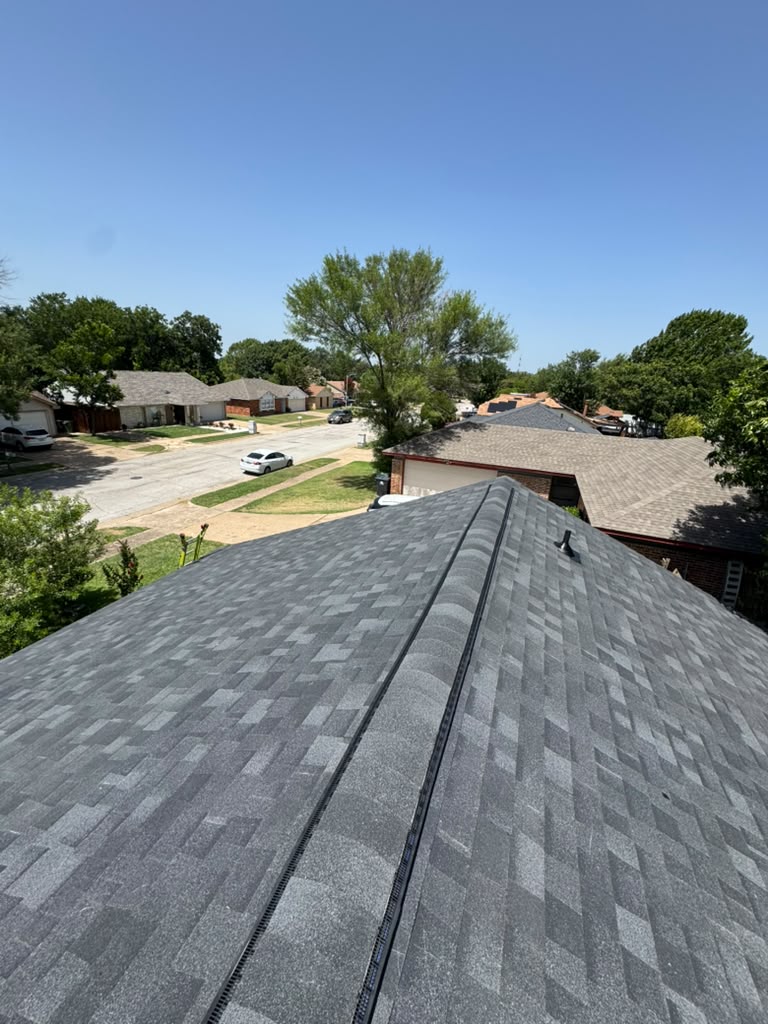
While asphalt shingles have dominated the residential roofing market for decades, the quest for the ideal shingle has led to the development and use of various other materials throughout history. Each has its own set of characteristics, benefits, and drawbacks, reflecting different needs, aesthetics, and technological advancements.
One notable category includes composite shingles, which often incorporate recycled materials like plastic and rubber. These materials are engineered to mimic the look of natural materials like slate or wood shakes but offer enhanced durability, lighter weight, and often better environmental credentials. Some composite shingles are designed to be highly impact-resistant, making them a good option in areas prone to hail, which is certainly a concern here in North Texas.
Another material that has seen a resurgence, particularly for its aesthetic appeal and durability, is synthetic slate. Made from polymers and other composite materials, these shingles can accurately replicate the look and texture of natural slate without the extreme weight and cost. Natural slate itself has been used for centuries on prestigious buildings, offering unparalleled longevity and a timeless beauty. However, its significant weight requires specialized structural support, and its brittle nature makes it susceptible to cracking if walked on improperly.
Metal roofing, while not always in shingle form, has also been a significant player. Standing seam metal roofs are common, but metal shingles designed to look like traditional shingles or shakes are also available. These offer excellent durability, fire resistance, and can last for 50 years or more. They are also highly reflective, which can contribute to energy efficiency in hot climates like DFW.
When considering alternative shingle materials, always check local building codes and HOA restrictions. Some materials, like synthetic slate or metal shingles, can offer great benefits but might have specific installation requirements or aesthetic guidelines.

Even materials like engineered wood or treated wood shingles have seen attempts to improve their durability and fire resistance. However, these often still face challenges compared to asphalt or composite options in terms of long-term maintenance and fire safety.
The history of roofing is a continuous cycle of innovation, adaptation, and refinement. While asphalt shingles remain the workhorse for most homes, the availability of other materials provides homeowners with choices that cater to specific aesthetic desires, performance requirements, and budget considerations. Each material has its place, and understanding their historical context helps us appreciate the advancements that have led to the roofing solutions available today.
At Montesco Roofing, we stay abreast of all these material advancements. Our goal is to provide homeowners in the DFW area with the best possible roofing solution for their specific needs, whether that's a high-performance asphalt shingle, a durable metal roof, or a specialized composite material.
The Science Behind Shingle Durability: What Makes Them Last?
Ever wondered why some roofs last 15 years and others can go 30 or even more? It all comes down to the science behind how shingles are made and how they interact with the environment. Modern shingle durability isn't an accident; it's the result of decades of material science and engineering.
The core of most residential shingles today is a fiberglass mat. This provides a strong, stable base that won't easily tear or degrade. This mat is then coated with asphalt. The quality and type of asphalt used are crucial. For roofs in hot climates like DFW, the asphalt needs to have excellent resistance to UV degradation and thermal shock (the expansion and contraction caused by extreme temperature changes). Manufacturers carefully select and blend asphalt formulations to achieve these properties.
On top of the asphalt layer, shingles are covered with mineral granules. These aren't just for color; they play a vital role in protecting the asphalt from the sun's damaging ultraviolet (UV) rays. UV radiation can break down the asphalt, making it brittle and leading to premature failure. The granules act as a shield, reflecting sunlight and extending the shingle's lifespan. The quality of the granule adhesion is also critical – shingles that shed a lot of granules quickly are often nearing the end of their life.
Manufacturers also incorporate advanced features into shingles to enhance their durability. For example, certain shingles are designed with impact-resistant technology, often using modified asphalt and a stronger fiberglass mat. These can withstand the force of hailstones, significantly reducing the risk of damage during severe weather events common in North Texas. Other shingles incorporate algae-resistant treatments, which use copper or other compounds to prevent the dark, streaky growth that can degrade shingles and reduce their reflective properties.
Proper attic ventilation is just as important as the shingle itself for longevity. Good ventilation helps keep attic temperatures down in the summer, reducing heat stress on your shingles and extending their life.
The way shingles are installed also plays a massive role. Correct nailing patterns, proper starter shingles, and adequate overlap are essential for wind resistance and water shedding. A poorly installed shingle, no matter how scientifically advanced, will fail prematurely. This is why choosing an experienced and reputable roofing contractor is paramount, especially here in the DFW area where weather can be extreme.
Understanding the science behind shingle durability allows us to make informed choices about roofing materials. It's not just about picking a color; it's about selecting a product engineered to withstand the specific challenges of our climate and provide long-term protection for your home.
At Montesco Roofing, we are passionate about using high-quality, scientifically advanced roofing materials that are proven to perform in the North Texas climate. We believe in educating our clients about the technology behind their roofs so they can make the best investment for their homes.
Montesco Roofing's Commitment to Proven Shingle Technology
As a roofing contractor with over 13 years of experience serving the Dallas-Fort Worth metroplex, Montesco Roofing understands that the history of shingles is not just academic; it's the foundation of the quality work we do every day. We've seen how roofing materials have evolved, and we've learned which technologies stand the test of time, especially here in Texas.
Our commitment is to use only proven shingle technologies from reputable manufacturers. We don't cut corners. When we recommend a shingle, it's because we're confident in its ability to perform, its durability, and its warranty. We primarily work with architectural asphalt shingles from leading brands like GAF, Owens Corning, and CertainTeed. These aren't your grandfather's shingles; they are highly engineered products designed to withstand the unique challenges of the DFW climate.
We believe in the importance of proper installation. Even the best shingle in the world will fail if it's not installed correctly. Our team undergoes rigorous training, and we adhere strictly to manufacturer specifications and local building codes. This ensures that your roof will perform as intended and that you'll benefit from the full warranty coverage. We understand that a roof is a significant investment, and our goal is to maximize that investment through quality materials and meticulous workmanship.
One of the key aspects of our commitment is transparency. We take the time to explain to homeowners exactly what makes a particular shingle a good choice for their home. We discuss factors like wind resistance ratings (crucial for North Texas storms), impact resistance (important for hail), granule adhesion, and the warranty offered. We want you to feel confident and informed about the materials protecting your home and family.
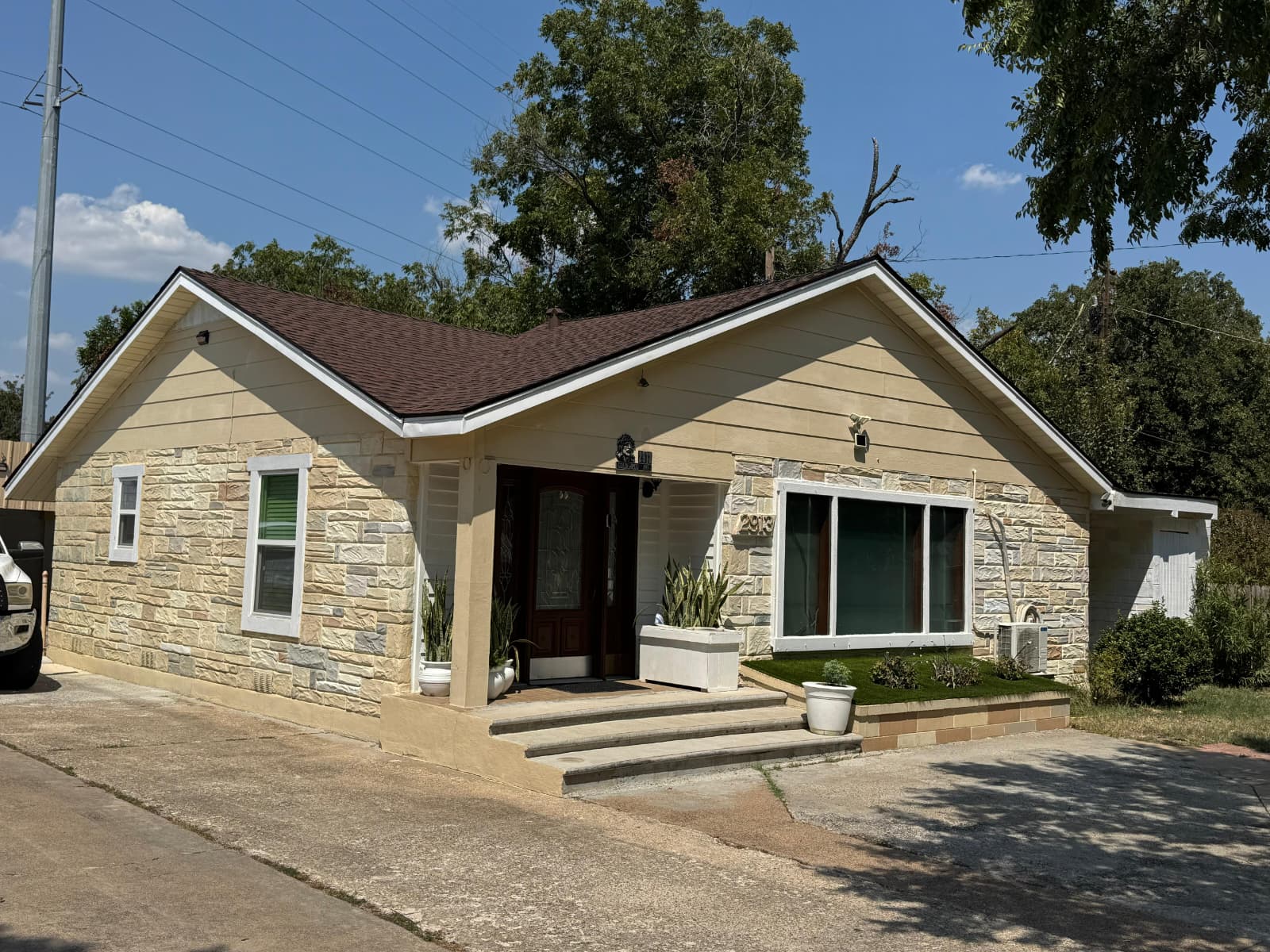
When getting quotes, always ask about the warranty offered on both the materials and the workmanship. A strong warranty from a reputable contractor is a sign of confidence in their work and the products they use.
We've seen the consequences of shortcuts and inferior materials. That's why we stand behind our work and the products we use. Whether it's a standard asphalt shingle roof replacement or a more complex storm damage repair project, our focus remains on delivering lasting value and peace of mind to DFW homeowners. Our extensive experience means we know what works and what doesn't in our local environment.
Choosing Montesco Roofing means choosing a partner who is invested in the long-term protection of your home. We leverage the advancements in shingle technology, combined with our hands-on expertise, to ensure your roof is built to last. It’s our passion to protect your home, just like we protect our own.
How to Get This Done
If you're looking to replace your roof or address storm damage, understanding the materials is key. For homeowners who want to ensure they're getting the best, here's how we approach it at Montesco Roofing: Our team provides free, no-obligation inspections to assess your current roof and discuss the best shingle options for your home's needs and budget. We walk you through material choices, explain warranties, and provide detailed, transparent quotes. Our certified installers ensure every shingle is laid with precision, maximizing its lifespan and your home's protection.
Frequently Asked Questions About Roof Shingle History
When did shingles first become popular?
What were roofs made of before asphalt shingles?
Are modern shingles significantly different from historical ones?
Why did asphalt shingles become so dominant?
How long did wood shingles last historically?
Are there any historical roofing materials still used today?
What is the biggest advancement in shingle technology?
Need help understanding your roofing options or dealing with storm damage? Our team has protected hundreds of DFW homes with quality roofing solutions. Tell us about your roof — free inspection, no pressure.
Get Your Free Roof Inspection →Montesco Roofing Team
DFW's trusted roofing contractor with 13+ years of experience. Specializing in roof replacements, storm damage repair, and insurance claims across Dallas-Fort Worth.
Get in touch →