The House You Think You Know
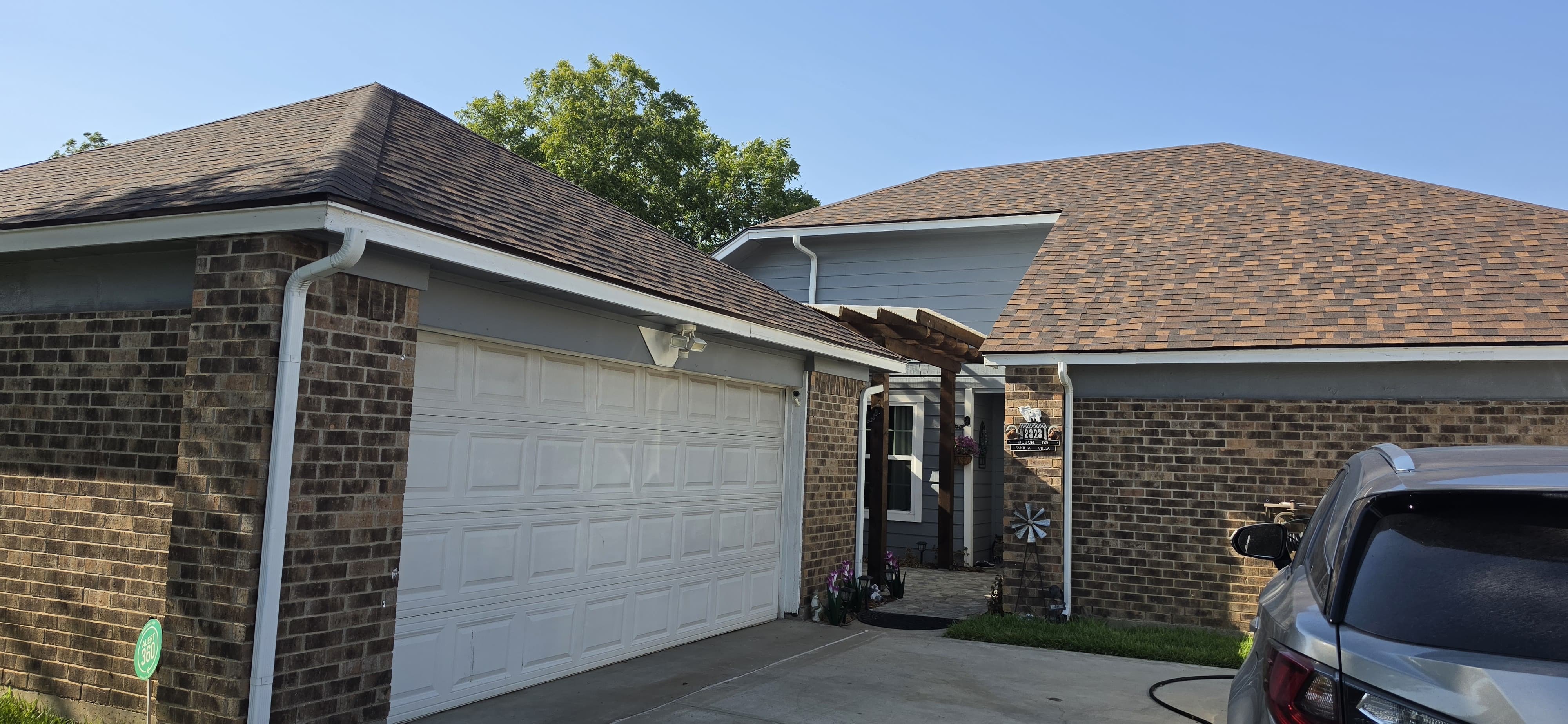
The Illusion of Security: Why Your Roof Might Be a Silent Threat
You’ve lived in your DFW home for years. You know its quirks, its creaks, and where the sun hits the backyard in the afternoon. You think you know your house inside and out. But what if there's a silent threat lurking just above your head, slowly chipping away at your home’s integrity and your peace of mind? In the heart of North Texas, where weather can shift from beautiful blue skies to severe storms in a heartbeat, your roof is your first and most critical line of defense. Yet, many homeowners overlook the subtle signs of damage or entirely miss threats that aren't immediately obvious. It's not about a dramatic leak that floods your living room – it’s about the small issues that, left unaddressed, can snowball into major, expensive problems. As a roofing contractor who's been working on DFW homes for over 13 years, I've seen firsthand how a seemingly minor oversight can lead to significant heartache and financial strain. This isn't about scaring you; it's about empowering you with knowledge. Let's pull back the curtain and look at the seven hidden roof threats that DFW homeowners often miss in 2026.Threat #1: The Subtle Shift – Granule Loss and Its Domino Effect
Think of your asphalt shingles like tiny, overlapping shields. Each shingle is coated with mineral granules, and these granules are the first line of defense against the harsh Texas sun and any incoming hail. They absorb UV rays, protecting the asphalt binder beneath from degrading. Now, imagine those granules starting to loosen and wash away. You might see them in your gutters or downspouts – a fine, sandy residue. This is often dismissed as normal wear and tear, especially after a strong rain. But here's the thing: granule loss is a direct indicator that your shingles are aging and becoming more vulnerable. As more granules disappear, the asphalt binder is exposed to the elements. This makes the shingle brittle, prone to cracking, and significantly reduces its lifespan. A roof that's losing granules is a roof that's losing its ability to shed water effectively. This can lead to water seeping underneath the shingles, finding its way into your roof deck, and eventually into your attic and living spaces. It’s a slow-motion disaster that starts with something as seemingly minor as a few granules in your gutter.After a significant rain event, take a look at your gutters. If you see a thick layer of dark granules, it's a strong sign your shingles are degrading. Don't just sweep them away; consider it a red flag for your roof's health.
Homeowners sometimes think a little granule loss is normal. While some shedding occurs over time, excessive amounts, especially after a storm or within the first few years of a roof's life, indicate a problem that needs professional assessment.
Threat #2: Attic Insiders – Moisture Traps You Can't See
Your attic is supposed to be a dry, ventilated space. But in many DFW homes, it can become a breeding ground for moisture. This isn't always about leaks from the roof itself; it's often about condensation and poor ventilation. In the summer, the intense Texas heat can cause moisture to build up. In the winter, warmer, moist air from inside your home can rise into the attic and condense on the colder roof deck. If your attic isn't properly ventilated, this moisture has nowhere to go. It lingers, creating a damp environment that’s perfect for mold and mildew growth. This can spread to your insulation, reducing its effectiveness and, more importantly, compromising your home's indoor air quality. Over time, persistent moisture can even lead to rot in your roof decking and rafters – the very structure holding your roof up. Many homeowners never even think to check their attic regularly, assuming it’s just a dusty storage space. But it’s a critical indicator of your roof system’s health."The attic is the lungs of your house. If they're clogged, the whole system suffers."— Roofing Industry Expert
Step 1: Attic Inspection
When it’s safe and comfortable, take a flashlight and carefully inspect your attic. Look for any signs of water stains on the underside of the roof deck, rafters, or insulation. Check for musty odors.
Step 2: Check Ventilation
Ensure your attic vents (soffit vents, ridge vents, gable vents) are not blocked by insulation, debris, or paint. Proper airflow is crucial for preventing moisture buildup.
Step 3: Assess Insulation
Damp or compressed insulation is a sign of moisture issues. It will also lose its R-value, meaning your home is less energy-efficient.
Threat #3: The Unseen Erosion – Wind Uplift's Stealthy Damage
We all know DFW can get windy. Those strong gusts, especially during thunderstorms, aren't just a nuisance; they can exert significant force on your roof. This force is called wind uplift. Imagine a strong wind hitting the underside of a loose shingle or a corner where shingles aren't properly sealed. It can lift the shingle, breaking the seal that holds it down. Even if the shingle isn't torn off completely, this repeated lifting and settling can weaken the sealants, making the shingle more susceptible to future wind damage and water intrusion. The real danger is that this damage is often subtle. You won't necessarily see a missing shingle right away. Instead, you might see slightly curled edges, or shingles that are no longer lying flat. This type of damage is insidious because it compromises the integrity of your entire roof system, shingle by shingle, without being immediately obvious. A roof that has experienced significant wind uplift might look okay from the ground but could have compromised seals all over, making it vulnerable to the next big storm.Key Insight
In DFW, especially areas like Frisco and Plano that can experience strong straight-line winds, wind uplift is a constant concern. Shingles are designed to withstand a certain wind speed, but repeated exposure or improper installation can significantly reduce their ability to resist these forces.
How to Get This Done
While you can look for visual cues like curling or lifting shingles from the ground, a thorough assessment of wind uplift requires a professional roofer. They have the expertise to identify compromised seals and potential underlying damage. If you suspect wind damage, especially after a storm, our team offers free roof inspections to identify these subtle issues before they become major problems.
Threat #4: Debris Traps – Clogged Gutters and Their Costly Consequences
Gutters are designed to channel rainwater away from your home's foundation and siding. When they get clogged with leaves, twigs, and other debris – which is common in North Texas with its diverse tree population – they can't do their job. This is a problem many homeowners know about, but often underestimate the severity of the consequences. Clogged gutters cause water to back up, and where does it go? It can overflow directly down your siding, leading to water damage, mold, and rot. It can seep into your fascia boards (the boards behind the gutters), causing them to rot and weaken. Worse, the backed-up water can pool around your foundation, leading to serious structural issues, basement flooding, or even foundation cracks. For your roof, clogged gutters can also cause water to sit against the roof edge and soffit, leading to rot and compromising the roof's edge. In winter, this backed-up water can freeze, creating ice dams that force water up under your shingles. It's a chain reaction that starts with simple debris.Option A: DIY Gutter Cleaning (Occasional)
Pros: Low cost, immediate action.
Cons: Time-consuming, potential safety risks (falls), may miss underlying issues, requires frequent repetition.
Option B: Professional Gutter Cleaning & Inspection
Pros: Safe, efficient, thorough cleaning, includes inspection of gutters/downspouts for damage/blockages, identifies potential roof edge issues.
Cons: Cost.
Threat #5: Flashing Failures – The Small Leaks That Become Big Problems
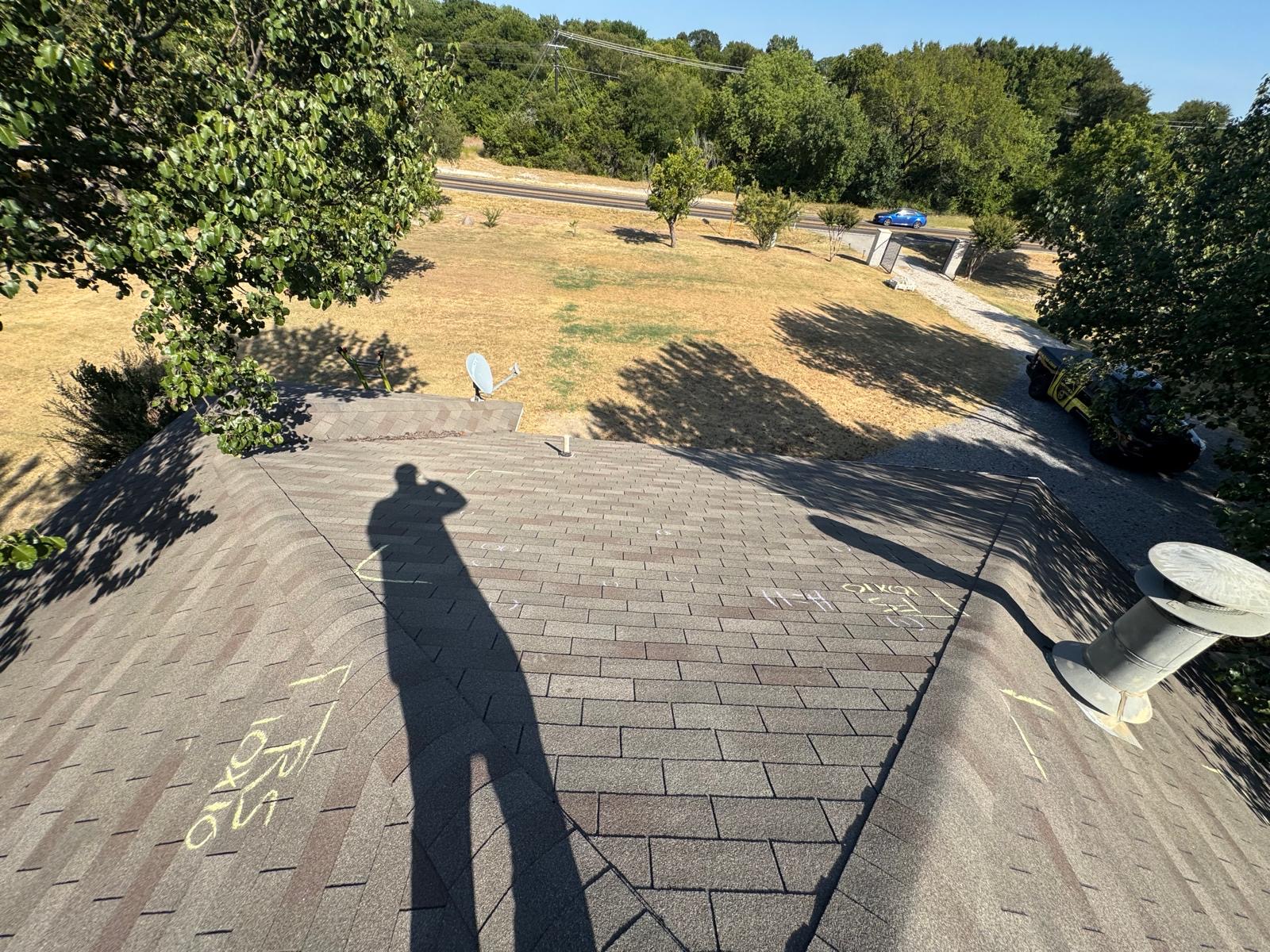
Threat #6: Tree Encroachment – Overhanging Branches and Their Hidden Dangers
In DFW, mature trees are a beautiful part of our landscape. But when branches from nearby trees hang too low or rub against your roof, they can pose a significant threat. This is often overlooked because the damage isn't immediate or obvious. Constant friction from branches can wear away at your shingles, similar to how sand erodes rock. This abrasion can strip away granules, creating weak spots and exposing the shingle material. Beyond just wear and tear, overhanging branches can:- Collect debris (leaves, twigs) that traps moisture against your roof.
- Provide a pathway for pests like squirrels and raccoons to access your attic.
- Cause damage during storms, with branches breaking off and puncturing shingles or knocking them loose.
- Create shaded, damp areas on your roof that encourage moss and algae growth, which can degrade shingles over time.
Tree Encroachment: The Subtle Sabotage
Overhanging branches might seem harmless, but the constant rubbing can create micro-abrasions on your shingles. Over years, this wear and tear weakens the material, making it far more susceptible to wind and hail damage. It's like a tiny, persistent sandpaper working on your roof.

Threat #7: Neglected Maintenance – The Slow Burn of Deferred Roof Care
This is perhaps the biggest threat of all, and it’s not a single issue but a cumulative one. Skipping regular roof inspections and maintenance is like ignoring your car’s check engine light. Eventually, small problems become big ones, and the cost of repair skyrockets. In DFW, our climate is tough on roofs. Intense sun, sudden hailstorms, and occasional high winds all take their toll. Without proactive maintenance, minor issues like a loose shingle, a small crack in sealant, or a bit of granule loss can go unnoticed. These small issues then become entry points for water, leading to rot, mold, and structural damage. Furthermore, neglecting maintenance means you’re not keeping up with the recommended lifecycle of your roofing materials. A roof that’s nearing the end of its 20-30 year lifespan needs more attention than one that's only 5 years old. Proactive care can extend the life of your roof, prevent costly emergency repairs, and ensure it performs as intended when you need it most.Quick Answer: Proactive roof maintenance, including annual inspections and addressing minor issues promptly, is the most effective way to prevent hidden threats from causing major damage. Neglecting this can lead to a slow but expensive deterioration of your roof system.
Key Takeaways
- Granule loss indicates shingle aging and vulnerability.
- Attic moisture from poor ventilation leads to mold and rot.
- Wind uplift can compromise shingle seals without obvious damage.
- Clogged gutters cause water damage to siding, foundations, and the roof edge.
- Flashing failures are small leaks that lead to extensive water damage.
- Overhanging trees can wear down shingles and trap moisture.
- Neglecting regular maintenance allows small issues to become costly problems.
Proactive Protection: How Montesco Roofing Uncovers Hidden DFW Roof Threats
Here at Montesco Roofing, we understand that your roof is more than just shingles and tar paper; it's the protective shield for your family and your most valuable asset. With over 13 years of dedicated service to the DFW community, we've developed a keen eye for the subtle signs of trouble that many homeowners miss. Our approach isn't about selling you a new roof you don't need; it's about ensuring your current roof is performing at its best and protecting you from the elements. When we conduct a roof inspection, we go beyond just looking for obvious damage. We meticulously examine every aspect of your roof system:- Shingle Integrity: We check for granule loss, curling, cracking, and any signs of premature aging or damage from wind or hail.
- Flashing Assessment: Every piece of flashing around chimneys, vents, skylights, and valleys is inspected for proper sealing and structural soundness.
- Ventilation Analysis: We assess your attic's ventilation system to ensure proper airflow, which is crucial for preventing moisture buildup and extending roof life.
- Gutter and Drainage: We check your gutters and downspouts for blockages and ensure they are directing water away from your home effectively.
- Roof Deck and Structure: While often hidden, we can sometimes detect signs of underlying issues like sagging or soft spots that indicate potential deck rot.
- Tree Encroachment: We’ll note any overhanging branches that could pose a risk to your roof.
How to Get This Done
If you want to handle a basic roof check yourself, start by looking for obvious signs from the ground: missing shingles, sagging areas, or debris buildup in gutters. Check your attic for daylight or water stains. However, for a comprehensive assessment that identifies the hidden threats mentioned above, professional expertise is essential. Montesco Roofing offers free, detailed roof inspections for DFW homeowners. Our experienced team uses industry-leading techniques to uncover potential issues before they escalate, ensuring your home remains protected.
Your DFW Roof Health Checklist: 7 Threats to Inspect Before 2027
Frequently Asked Questions
What are the most common hidden roof threats in DFW?
How often should I have my DFW roof inspected?
Can I check my attic for roof problems myself?
What's the difference between a repair and a full roof replacement?
How do DFW's specific weather patterns affect my roof?
What should I do if I suspect storm damage?
Are cheaper roofing materials less likely to have these hidden issues?
Need help putting this into action? Our team has protected hundreds of DFW homes. Tell us about your roof — free inspection, no pressure.
Get Your Free Roof Inspection →Montesco Roofing Team
DFW's trusted roofing contractor with 13+ years of experience. Specializing in roof replacements, storm damage repair, and insurance claims across Dallas-Fort Worth.
Get in touch →