The Damage You Find Later

You just went through a rough storm here in North Texas, and your roof took a beating. You think you've assessed the immediate damage – a few missing shingles, maybe some debris in the yard. But here's the thing about DFW weather: the real trouble often doesn't show up right away. What looks like minor storm damage today can morph into a costly headache six months from now. That's the hidden damage we're talking about, the kind that silently erodes your home's integrity.
The Silent Sabotage: Why Roof Damage Isn't Always Obvious Immediately
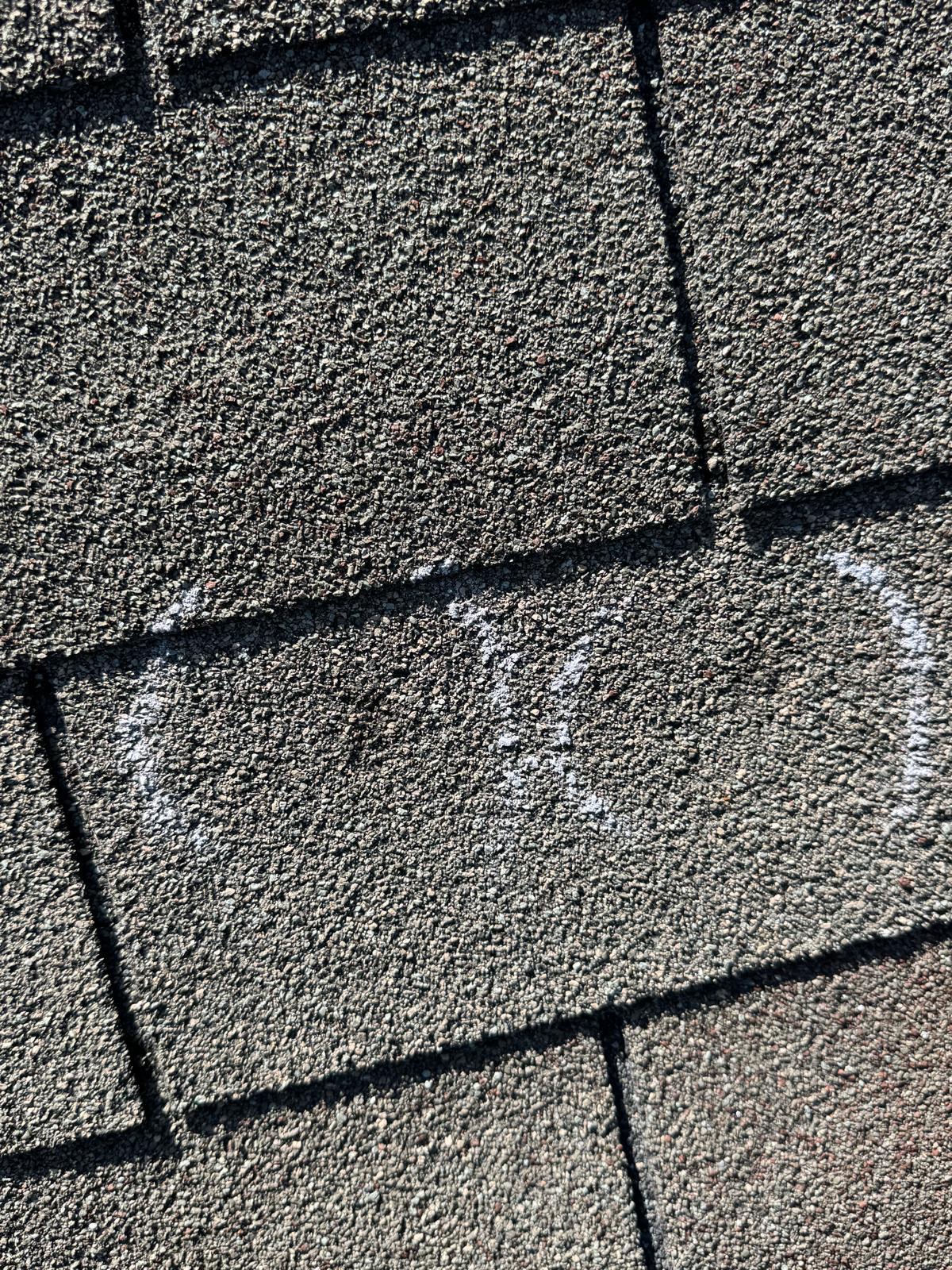
It's easy to think that if you don't see water pouring into your living room the moment the storm passes, you're in the clear. But that's rarely the case, especially with the intense weather we experience here in the Dallas-Fort Worth area. Think about hail, for instance. Those little ice missiles can impact your shingles in ways that aren't immediately visible. They might bruise the asphalt matting underneath, crack the protective granules, or even loosen the sealant strips holding your shingles together. On the surface, everything might look okay, but a tiny opening has been created.
High winds are another culprit. While they might rip off a few shingles, they can also lift and weaken the entire roof deck. This subtle compromise can create pathways for water to seep in over time, especially when combined with heavy rain. And let's not forget the DFW heat that follows – it can exacerbate these minor issues, causing materials to expand and contract, further weakening compromised areas. The real damage is often happening beneath the surface, in places you can't easily see, like the underside of your shingles, the roof deck, or even your attic insulation.
What most homeowners miss is that roof systems are designed with layers. The shingles are the first line of defense, but beneath them are underlayment, flashing, and the roof deck itself. A compromise at any of these levels, even a small one, can allow moisture to infiltrate. This moisture doesn't always create an immediate, dramatic leak. It can slowly seep into your attic, onto your insulation, and eventually down into your ceilings and walls. This slow, insidious process is what makes delayed damage so dangerous.
These issues are often hidden because they occur out of sight. Your attic, for example, is a prime spot for early signs of trouble, but it's a space many homeowners rarely inspect thoroughly. The insulation up there is designed to keep your home comfortable, but it's also a sponge for water. Once it becomes saturated, it loses its effectiveness, leading to higher energy bills and, eventually, mold and mildew growth. This is why a quick glance after a storm just isn't enough. We're talking about a comprehensive assessment, looking for the subtle clues that point to trouble brewing.
7 Signs of Hidden Roof Damage That Emerge Months Later
When you're dealing with hidden damage, the signs aren't always as obvious as a dripping ceiling. They tend to be more subtle, creeping up on you over time. Here are seven key indicators to watch out for, even months after the initial storm event that might have caused them. Pay close attention to these, especially if you're in a DFW neighborhood that's seen its share of hail or high winds.
1. New Water Stains or Discoloration
This is often the most noticeable sign. Look for yellowish or brownish stains on your ceilings, walls, or even around light fixtures. These indicate water has penetrated the roof and drywall. They might appear gradually, and their appearance months later suggests a slow leak.
2. Peeling or Bubbling Paint on Ceilings/Walls
When moisture gets behind your paint, it can cause it to blister, peel, or bubble. This is a direct result of water seeping through the drywall, often originating from a compromised roof deck or flashing.
3. Mold or Mildew Growth
Persistent moisture creates the perfect environment for mold and mildew. You might notice a musty odor, especially in the attic or upper floors, or see visible black, green, or white fuzzy patches on walls, ceilings, or around window frames.
4. Sagging Ceilings or Walls
This is a more serious sign that indicates significant water saturation and potential structural damage. The weight of absorbed water can cause drywall to deform, and in severe cases, lead to structural compromise of rafters and beams.
5. Increased Energy Bills
Compromised roof underlayment or damaged insulation due to water saturation can significantly reduce your home's energy efficiency. If you notice your HVAC system working harder than usual or your energy bills creeping up without explanation, it could be a sign of underlying roof issues.
6. Granules in Gutters or Downspouts
While some granule loss is normal over time, a sudden or excessive amount of asphalt granules found in your gutters and downspouts, especially after a storm, indicates that your shingles are degrading prematurely. This is a direct sign of hail or wind damage that may not be visually obvious from the ground.
7. Damp or Wet Insulation in the Attic
This is a classic sign of a roof leak. If you venture into your attic and feel dampness or see visible water saturation in your insulation, it's a clear indicator that water is getting past your shingles and underlayment. This can lead to mold, rot, and decreased insulation effectiveness.
Don't confuse these delayed signs with everyday wear and tear. If these symptoms appear suddenly or are more pronounced than usual, especially after a significant weather event in DFW, it's time to investigate further.
Beyond the Shingles: How Hail & Wind Cause Deeper Structural Issues
When a severe hailstorm rolls through Frisco or Plano, those ice balls can do more than just dent cars. They can impact your roof in ways that are deceptively subtle. A hailstone, depending on its size and density, can bruise the asphalt matting of your shingles. This bruising creates a weakened spot that might not crack immediately, but it makes the shingle far more susceptible to future damage. Over time, especially with the expansion and contraction caused by DFW's temperature swings, these bruised spots can develop into cracks, allowing water to seep beneath the surface.
Furthermore, hail can dislodge or damage the protective granules on your shingles. These granules are crucial; they shield the asphalt from UV rays and the elements. When they're gone, the asphalt is exposed and degrades much faster. This granule loss is often one of the first signs of hail damage, even if the shingle itself still looks intact from a distance. It's like losing the protective coating on a piece of metal – it starts to corrode underneath.
High winds, common in North Texas storms, present a different set of challenges. While obvious wind damage might involve shingles being torn off, less visible damage includes the lifting and loosening of shingles. Even if a shingle isn't ripped away entirely, the sealant strip that holds it down can be compromised. This creates a gap where wind-driven rain can easily penetrate. Over time, this constant exposure to moisture can weaken the adhesive bond, leading to further lifting and eventual shingle loss. It's a domino effect, where one compromised area weakens another.
Key Insight
The structural integrity of your roof isn't just about the shingles. It involves the entire system: the sheathing (roof deck), the underlayment, the flashing around vents and chimneys, and the ventilation itself. Damage to any one of these components, often initiated by seemingly minor hail or wind impacts, can compromise the entire system and lead to the hidden water intrusion we're discussing.
What many homeowners don't realize is that the roof deck, typically made of plywood or OSB, is the foundation for your shingles. If water consistently seeps through damaged shingles and underlayment, it can begin to rot the roof deck. This rot weakens the wood, making it less able to support the weight of the roofing materials and, more importantly, less able to withstand the stresses of future storms. A rotten roof deck is a serious structural issue that can be incredibly expensive to repair, often requiring significant portions of the roof to be replaced.
Flashing, the metal components around roof penetrations like chimneys, vents, and skylights, is another critical area. Wind can lift or bend flashing, creating gaps. Hail can dent or crack it. If these seals are broken, even tiny amounts of water can begin to infiltrate the attic space or wall cavities. This is where the real "hidden" damage can occur, as water slowly travels down structural members, unseen for weeks or months, causing rot and mold growth deep within the walls of your home.
The Attic's Secret Story: What Your Insulation Reveals About Roof Leaks
Your attic is the silent guardian of your home's upper levels, and its insulation plays a crucial role in both comfort and protection. However, it's also the first place where hidden roof leaks often make their presence known. After a significant storm event here in DFW, it's absolutely vital to inspect your attic, even if you don't see any obvious signs of damage inside your living space. The insulation is designed to trap air, which is why it's so effective at keeping your home warm in the winter and cool in the summer. But that same property makes it an excellent sponge for water.
When water infiltrates your attic, it doesn't just sit there. It soaks into your insulation. This saturation has several immediate consequences. First, it dramatically reduces the insulating R-value. Instead of trapping air, the wet insulation traps water, making it far less effective at regulating your home's temperature. This is why you might start noticing warmer rooms upstairs or feel drafts, even though your HVAC system is running. Your energy bills will likely reflect this decreased efficiency.
When inspecting your attic, wear a mask and gloves, and use a bright flashlight. Look for any discoloration, damp spots, or visible water saturation on the insulation. Also, check the underside of the roof deck for dark stains or signs of rot.
Secondly, wet insulation is a breeding ground for mold and mildew. The dark, often humid environment of an attic, combined with the presence of moisture from a roof leak, creates the perfect conditions for these fungi to thrive. Mold can spread rapidly, releasing spores into your home's air circulation system, which can cause respiratory problems and allergies for your family. The musty odor associated with mold is often the first clue homeowners pick up on, but by the time you smell it, the mold may have already established itself.
Beyond mold, prolonged exposure to moisture can lead to the deterioration of the insulation material itself. If you have fiberglass insulation, the fibers can clump together, losing their loft and their insulating properties. For cellulose insulation, it can compact and become less effective. In more severe cases, the weight of the saturated insulation can even cause it to sag or pull away from the roof deck, creating air gaps that further compromise your home's thermal envelope.
The roof deck beneath the insulation is also at risk. If water is constantly seeping through, it can lead to wood rot. This rot can weaken the structural integrity of your roof. What might have started as a few small leaks after a storm can, over months, lead to significant structural damage that is far more expensive and complex to repair than simply replacing a few shingles. This is why a thorough attic inspection is a non-negotiable step in assessing potential hidden roof damage.
Water's Insidious Path: Tracking Hidden Leaks Before They Destroy Your Home

Water is a master of finding its way. After a storm hits DFW, a small breach in your roof – a bruised shingle, a loosened sealant strip, a slightly bent flashing – isn't just a single point of entry. It's the beginning of a journey. This water doesn't always cascade directly down. Instead, it often follows the path of least resistance, working its way through the various layers of your roof system and into the structural components of your home. Understanding this insidious path is key to catching hidden damage early.
Imagine a tiny crack in a shingle caused by hail. Rainwater gets under that shingle and lands on the roofing felt or synthetic underlayment. This material is designed to be a secondary water barrier, but it's not waterproof. If water sits on it, or if it's already compromised by the hail impact, it will eventually seep through. From there, it hits the roof deck – the plywood or OSB sheathing.
Once water reaches the roof deck, it can travel horizontally for a surprising distance before finding a point where it can drip down. This is a critical point for hidden damage. It might drip onto a rafter, into the attic insulation, or even travel along the underside of the deck until it reaches a nail or a gap, and then it begins its descent into your home. This horizontal travel is why a water stain on your ceiling might be located many feet away from the actual point of entry on the roof.
This slow infiltration process is what allows damage to fester for months. The water doesn't create a dramatic flood; it's a consistent drip, drip, drip. This constant moisture exposure is what leads to the most destructive consequences: wood rot, mold growth, and damage to your home's structural elements. Rafters, ceiling joists, and even wall studs can be compromised over time, leading to costly structural repairs that go far beyond the scope of a simple roof repair.
The insulation in your attic is often the first casualty. As mentioned, it absorbs water, losing its effectiveness and becoming a breeding ground for mold. But the water doesn't stop there. It can seep through the insulation and reach the drywall of your ceiling. This is where you see those tell-tale water stains and peeling paint. If left unchecked, the moisture can even begin to degrade the drywall itself, making it sag and eventually crumble.
What most people don't realize is that the longer water is allowed to sit and penetrate, the more widespread and severe the damage becomes. It's not just about fixing a leak; it's about addressing the moisture that has already infiltrated the building envelope and preventing further intrusion. This requires a thorough understanding of how water moves through a damaged roof system and the underlying structure.
The Cost of Waiting: How Small Issues Balloon into Major Expenses
It's tempting to put off addressing minor roof issues, especially after a storm. Maybe you're dealing with insurance adjusters, or perhaps the immediate damage doesn't seem severe enough to warrant a full repair. But I can tell you from 13+ years of experience right here in DFW, waiting is almost always the most expensive option. What starts as a small, manageable problem can quickly escalate into a financial black hole.
Consider the scenario of a few bruised shingles from a hailstorm. If you ignore it, the weakened asphalt matting and lost granules mean your shingles are now more vulnerable. The next strong wind, or even just the daily expansion and contraction from our Texas weather, can cause those bruised spots to crack. Water seeps in, but it's just a small amount initially, perhaps only appearing as a faint stain in the attic months later. You might think, "I'll get that fixed when I see a real drip."
Immediate Repair (DIY/Minor Professional)
Cost to address minor shingle damage, flashing repair, or gutter cleaning.
Pros: Cost-effective, prevents immediate issues.
Cons: May miss hidden damage if not thorough.
Delayed Repair (Major Issues)
Cost to repair extensive water damage, rotted roof deck, mold remediation, structural repairs, and full roof replacement.
Pros: None – this is the result of neglect.
Cons: Extremely expensive, extensive disruption, potential health hazards.
Fast forward six months. That small amount of water has been slowly seeping into your attic insulation. It's saturated a significant portion, losing its R-value and becoming a perfect breeding ground for mold. The moisture has also started to degrade the roof deck. Now, when you finally see a noticeable water stain on your ceiling, it's not just a small drip; it's a larger area of damage. The cost to fix this has ballooned. You're not just replacing a few shingles; you're likely looking at replacing large sections of the roof deck, dealing with mold remediation (which is costly and complex), and potentially repairing interior drywall and paint damage.
This is where the true cost of waiting becomes apparent. What might have been a $500 repair to a few compromised shingles and a quick check of the underlayment can quickly turn into a $10,000 or $20,000+ job involving extensive structural repairs and a full roof replacement. And that's before we even consider the potential health impacts of mold exposure or the damage to your home's interior finishes.
Ignoring roof damage, even minor-seeming damage after a storm, can void your homeowner's insurance policy for future claims related to that damage. Insurance companies often expect homeowners to perform reasonable maintenance and address issues promptly.
In DFW, our intense weather cycles – scorching heat, sudden downpours, and occasional hail – are harsh on roofing materials. Small vulnerabilities are quickly exploited. A proactive approach, involving a thorough inspection after any significant weather event, is not just about preventing immediate leaks; it's about safeguarding your investment and avoiding the exponentially higher costs associated with delayed repairs. The peace of mind knowing your home is protected is invaluable, and it's far cheaper than the alternative.
Proactive Protection: Montesco Roofing's Strategy for Preventing Delayed Damage
Here at Montesco Roofing, we've seen firsthand the consequences of delayed roof damage in DFW homes. That's why our approach isn't just about fixing what's broken; it's about preventing future problems. We believe in a proactive strategy that prioritizes thoroughness and education, ensuring homeowners understand the true health of their roof long after the storm has passed. Our 13+ years serving the Dallas-Fort Worth community have taught us that the best defense against costly, hidden damage is a vigilant offense.
Our process begins with a comprehensive roof inspection. This isn't a quick walk-around; it's a detailed examination of every aspect of your roof system. We go beyond just looking for missing shingles. We meticulously inspect for hail bruising, granule loss, sealant integrity, flashing conditions, and signs of wear and tear on all roofing components. We’ll get up on the roof, use specialized tools, and even inspect your attic and interior for any subtle signs of moisture intrusion that might not be visible from the ground.
How to Get This Done
If you want to handle this yourself, here's exactly what you need: A sturdy ladder, safety harness, binoculars for ground inspection, a bright flashlight for attic checks, and a keen eye for detail. If you'd rather have experienced roofers handle it, our team has done this on hundreds of DFW homes — here's how our process works: We schedule a detailed inspection, document all findings with photos and notes, provide a clear, honest assessment, and recommend the most effective, long-term solution, whether it's a repair or a full replacement.
Following the inspection, we provide a detailed report, often with photographic evidence, explaining exactly what we found. We don't just tell you "you have damage"; we show you the bruised shingles, the compromised underlayment, the signs of moisture in the attic. We explain why it's a problem and the potential consequences if left unaddressed. Transparency is key to our approach. We want you to understand the risks so you can make informed decisions about protecting your home.
For homeowners navigating the complexities of insurance claims, we offer dedicated assistance. We understand how frustrating it can be when an insurance company tries to deny or underpay a claim. Our experience with DFW-area insurance adjusters means we know what to look for and how to properly document storm damage to ensure you receive the coverage you're entitled to. This is crucial for getting the necessary repairs done promptly and correctly, preventing those minor issues from becoming major problems.
Our commitment extends beyond the initial repair or replacement. We stand behind our work with robust warranties, giving you confidence in the long-term performance of your roof. We're a local DFW contractor with a proven track record, meaning we're here to stay. If any issues arise down the line, you know who to call. This local accountability is something you won't find with transient storm chasers who disappear after the check clears.
Key Insight
The true value of a roofing contractor lies not just in their ability to fix immediate problems, but in their expertise to identify and prevent future ones. Proactive inspections, detailed documentation, and a commitment to quality installation are the cornerstones of protecting your home from the insidious nature of delayed roof damage.
Ultimately, our strategy is about building trust and providing peace of mind. We aim to be your go-to roofing experts in DFW, the ones you can rely on to keep your home safe and sound, not just today, but for years to come. By addressing potential issues before they escalate, we save our clients time, money, and stress.
Your 6-Month Roof Health Check: A DIY Guide to Spotting Trouble
While a professional inspection is always recommended, especially after a significant storm, there are things you can do yourself to keep an eye on your roof's health. Think of this as a regular check-up, like taking your car in for an oil change. For homeowners in DFW, performing a basic roof health check every six months, and especially after severe weather, can help catch those subtle signs of damage before they become major problems.
1. Visual Exterior Check (From the Ground)
Using binoculars or a good zoom lens on your phone camera, carefully examine your roof from street level. Look for obvious signs like missing, cracked, curled, or warped shingles. Check for any sagging areas, which could indicate underlying structural issues. Also, note any debris that may have accumulated on the roof surface.
2. Gutter and Downspout Inspection
Walk around your home and check your gutters and downspouts. Are they clogged with debris, especially asphalt granules from your shingles? An excessive amount of granules is a strong indicator of shingle wear and tear, often accelerated by hail or wind damage. Ensure downspouts are directing water away from your foundation.
3. Attic Inspection
This is crucial for spotting hidden damage. On a clear day (so you can easily spot leaks), go into your attic. Look for any signs of water stains, dark spots, or mold growth on the underside of the roof deck, rafters, or insulation. Check for dampness or sagging in the insulation. A bright flashlight is essential here.
4. Interior Ceiling and Wall Check
Inspect all ceilings and walls, especially in upper floors and around attic access points. Look for new water stains, discoloration, or peeling paint. These are often the first visible signs that water is penetrating your roof system.
5. Check Your Energy Bills
While not a direct visual cue, a sudden unexplained increase in your energy bills can sometimes be linked to a compromised roof system. Damaged or saturated insulation loses its effectiveness, forcing your HVAC system to work harder.
Document everything. If you see anything suspicious, take clear photos or videos. This documentation can be invaluable if you need to file an insurance claim or when discussing the issue with a professional roofer.
Remember, this DIY check is a starting point. If you notice any of these signs, it's essential to contact a qualified roofing professional. We can perform a more in-depth inspection to accurately diagnose the problem and recommend the best course of action. For homeowners in DFW, understanding these basic checks can empower you to be proactive in protecting your most valuable asset.
Need help putting this into action? Our team has protected hundreds of DFW homes. Tell us about your roof — free inspection, no pressure.
Get Your Free Roof Inspection →Frequently Asked Questions About Delayed Roof Damage
How soon after a storm can hidden roof damage appear?
Is hail damage always immediately visible?
What is the biggest risk of ignoring minor roof leaks?
Can my insurance company deny a claim for damage that appeared months later?
What's the difference between a quick patch and a proper roof repair after damage?
How often should I have my roof professionally inspected in DFW?
Montesco Roofing Team
DFW's trusted roofing contractor with 13+ years of experience. Specializing in roof replacements, storm damage repair, and insurance claims across Dallas-Fort Worth.
Get in touch →