The Roof Looked Perfect From the Ground—Until We Got Closer. This is what we found.
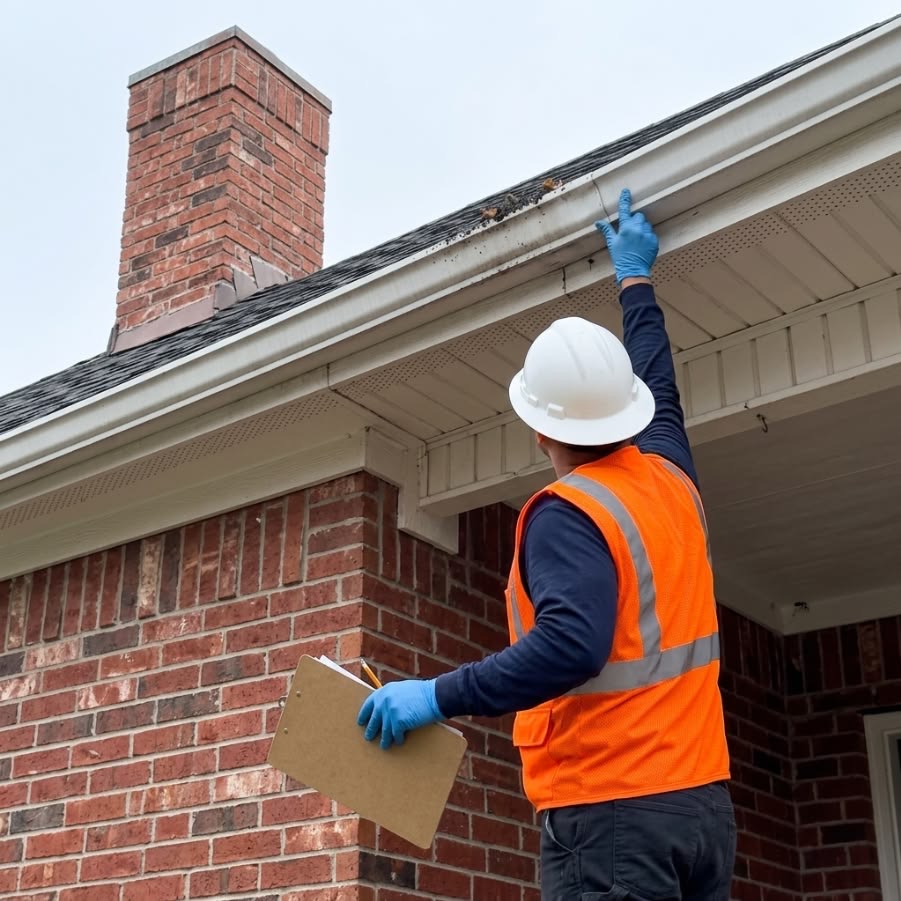
The Illusion of Perfection: Why Ground-Level Roof Checks Fail DFW Homeowners
You just walked around your house, squinting up at the roofline. Everything looks… fine. No obvious holes, no shingles flapping in the breeze. It seems like your roof survived that last hailstorm that rolled through Plano, right? That’s what most homeowners think. We’ve seen it countless times here in the Dallas-Fort Worth metroplex. A storm passes, the sun comes out, and everyone breathes a sigh of relief. But here’s the hard truth: what looks perfectly fine from the ground often hides significant damage that only a trained eye can spot. In 2026, with our unpredictable Texas weather, relying solely on a visual check from your driveway is like assuming your car is fine after a fender bender just because the doors still open.
Assuming your roof is undamaged after a hail event solely based on a ground-level inspection is one of the biggest mistakes homeowners make. The real damage is often hidden from view and requires a professional assessment.
The DFW area is no stranger to severe weather. We get everything from blistering heat to derechos and, of course, plenty of hail. These storms aren't just a nuisance; they can be incredibly destructive to your home's most vital protection layer – your roof. Hail, especially, is a sneaky culprit. It doesn't always rip shingles off or punch clean holes. More often, it causes bruising and fracturing beneath the surface, weakening the material over time. This kind of damage is insidious. It’s not immediately obvious, but it compromises your roof's ability to shed water and withstand future weather, leading to potential leaks and structural problems years down the line. We’re talking about a lifespan reduction for your shingles that you might not even notice until it's too late and the water starts dripping into your attic or ceiling.
As a roofing contractor who’s been working across Dallas, Fort Worth, and surrounding communities like Frisco and McKinney for over 13 years, I’ve seen firsthand how much damage hail can inflict, even when it seems minor. Our job at Montesco Roofing isn't just about replacing roofs; it's about protecting your home and your investment. And that starts with understanding that a quick look from the sidewalk just isn't enough. It takes getting up there, getting your hands dirty, and knowing exactly what to look for. This isn't just about spotting the obvious; it's about finding the subtle signs that tell a story of impact and potential failure.
7 Stealthy Hail Damage Indicators Your DFW Roof Might Be Hiding in 2026
So, what exactly are these hidden signs that a ground-level inspection will miss? These are the subtle clues that, when pieced together, paint a clear picture of hail impact. I’ve put together a list of seven key indicators that we look for on every DFW roof after a storm. Think of these as the whispers of your roof telling you it needs attention, long before it starts shouting with leaks.
1. Bruised Shingles
This is the most common and insidious form of hail damage. Hailstones don't always shatter shingles; they often impact them with enough force to break the asphalt binder underneath the protective granules. This creates a bruise, which appears as a dark, wet-looking spot on the shingle. It's not a hole, but the protective granules are dislodged or fractured, exposing the asphalt mat to UV rays and moisture. These spots are almost impossible to see from the ground.
2. Granule Loss (Beyond Normal Wear)
Shingles naturally lose some granules over time, especially older ones. However, hail impact can dislodge a significant amount of granules in concentrated areas or in patterns that don't align with normal wear. You'll often find these excess granules in your gutters or downspouts. While finding granules is normal, finding large, localized piles or a sudden increase after a storm is a red flag.
3. Cracks and Fractures
Hailstones can cause hairline cracks or larger fractures in the shingles. These might not go all the way through, but they compromise the shingle's integrity. These cracks can be superficial or deep enough to expose the matting. They often appear along the edges of shingles or where the shingles overlap.
4. Dented or Damaged Metal Components
It's not just the shingles that take a beating. Metal components like flashing around chimneys, vents, skylights, and gutters can also show dents from hail impacts. Even small dents in flashing can compromise its ability to seal the roof, creating potential entry points for water.
5. Impact Marks on Soft Surfaces
Look for impact marks on other soft surfaces around your home that are at the same level as your roof. This could include vinyl siding, wooden decks, or even outdoor furniture. If these surfaces show significant hail damage, it's a strong indicator that your roof likely sustained similar impacts.
6. Compromised Ridge Caps
The ridge cap shingles are crucial for sealing the peak of your roof. Hail can crack, dent, or dislodge these shingles, much like it does with field shingles. Damage here is particularly concerning because it directly impacts the highest point of your roof, where water can easily be driven in by wind.
7. Soft Spots or Sagging (Advanced Damage)
While less common immediately after a storm unless the hail was exceptionally large or combined with other factors, persistent moisture intrusion from hail damage can eventually lead to soft spots or visible sagging in the roof deck. This is a sign of advanced water damage and structural compromise.
What most people miss is that these aren't isolated incidents. A roof is a system. Damage to one shingle can affect its neighbors, and compromised flashing can allow water to seep into the underlayment and decking. It’s a domino effect. That's why a thorough inspection by a qualified DFW roofing contractor is so critical.
Beyond Granules: Understanding the True Impact of Hail on Shingle Integrity
Let's dive a little deeper into what's actually happening when hail strikes your shingles. Asphalt shingles are designed with a layer of mineral granules on top. These granules are the first line of defense, protecting the asphalt binder from UV radiation and the elements. They also give shingles their color and texture.
Key Insight
Hail damage isn't always about visible holes. It's often about compromising the structural integrity of the shingle itself. When hail hits, it can cause the asphalt binder to fracture, even if the granules remain largely intact. This "bruising" weakens the shingle, making it more susceptible to future damage and premature failure.
When a hailstone impacts a shingle, it can cause a few things:
- Granule Displacement: The force of the impact can knock granules loose, creating bare spots.
- Asphalt Binder Fracture: This is the critical part. The impact can break the asphalt layer beneath the granules. You won't see it as a crack on the surface, but the shingle's ability to shed water and resist UV damage is significantly reduced.
- Underlying Mat Damage: In severe cases, the impact can damage the fiberglass or organic mat that forms the core of the shingle. This is a serious structural compromise.
Pay attention to your gutters. After a significant hailstorm, check your gutters and downspouts for an unusual amount of asphalt granules. This is a strong indicator that your shingles have been impacted and are losing their protective layer.
Why does this matter so much? A shingle that has lost its protective granules or has a fractured binder is essentially compromised. It can’t perform its job effectively. This leads to accelerated aging. The exposed asphalt degrades faster under the Texas sun, and the shingle becomes more brittle. Over time, this can result in curling, cracking, and eventually, leaks. It’s a slow, insidious process that can shave years off your roof's lifespan. For homeowners in DFW, where we experience intense sun and frequent weather changes, this accelerated aging is a serious concern. A roof that should last 20-30 years might be significantly degraded in just 5-10 years if hail damage isn't addressed.
At Montesco Roofing, we understand these nuances. Our inspectors are trained to identify these subtle signs of compromised shingle integrity. We don't just look for obvious holes; we look for the "bruises," the fractured granules, and the compromised matting that indicate underlying damage. This detailed approach is crucial for accurate damage assessment and, importantly, for ensuring your insurance claim accurately reflects the full extent of the damage.
The Cost of Complacency: How Minor Hail Dents Turn into Major Roof Nightmares
It's easy to think, "It's just a few dents, I'll deal with it later." But in the world of roofing, especially here in North Texas, complacency after a hail storm can be incredibly costly. What starts as a seemingly minor issue can snowball into a much larger, more expensive problem. Let's break down why ignoring subtle hail damage is a bad idea.
Immediate Reaction (Minor Hail Impact)
You notice a few dark spots or minor granule loss. You decide to wait and see.
1-3 Years Later (Compromised Shingles)
UV rays and weather exposure degrade the weakened shingles. You start seeing curling, more significant granule loss, and maybe small leaks in high-wind areas.
5-10 Years Later (Major Damage & Leaks)
Water intrusion has damaged the underlayment, decking, and potentially insulation and interior ceilings. The entire roof system is compromised, requiring a full replacement.
The progression of damage is often like this: Hail strikes, causing micro-fractures and granule loss. This exposes the asphalt binder to the intense DFW sun. The Texas heat accelerates the degradation process. The exposed asphalt becomes brittle. Over time, this brittleness leads to cracking and curling of the shingles. As shingles crack and curl, they lose their ability to seal properly, creating pathways for water to enter the roof system. This water then seeps through the underlayment, onto the roof decking, and potentially into your attic and living spaces. The longer this goes on, the more widespread the damage becomes, affecting not just the shingles but also the decking, fascia, soffits, and even your home's insulation and interior walls.
Insurance policies typically have a statute of limitations for filing claims after a storm. Waiting too long to address hail damage means you could miss your window to have your insurance cover the repairs, leaving you responsible for the full cost of a premature roof replacement.
Consider the cost difference. A professional roof inspection and minor repairs after a storm might cost a few hundred to a couple of thousand dollars. This proactive approach can prevent the need for a full roof replacement for many years. However, if you wait, and the damage progresses to the point where a full replacement is necessary, you're looking at a cost that can easily range from $10,000 to $30,000 or more, depending on the size and complexity of your roof. And that’s before considering potential interior damage to drywall, paint, or insulation. For homeowners in communities like Plano, Allen, or McKinney, where property values are high and homes are well-maintained, a damaged roof can also impact resale value.
At Montesco Roofing, we’ve seen too many homeowners face massive, unexpected bills because they didn't address subtle hail damage early on. We believe in educating our clients and providing honest assessments. Our goal is to help you avoid that "major roof nightmare" scenario by identifying and rectifying issues when they are still manageable. It's about protecting your home and your peace of mind.
Decoding Your DFW Roof Insurance Claim: What Adjusters Look For (And What They Might Miss)
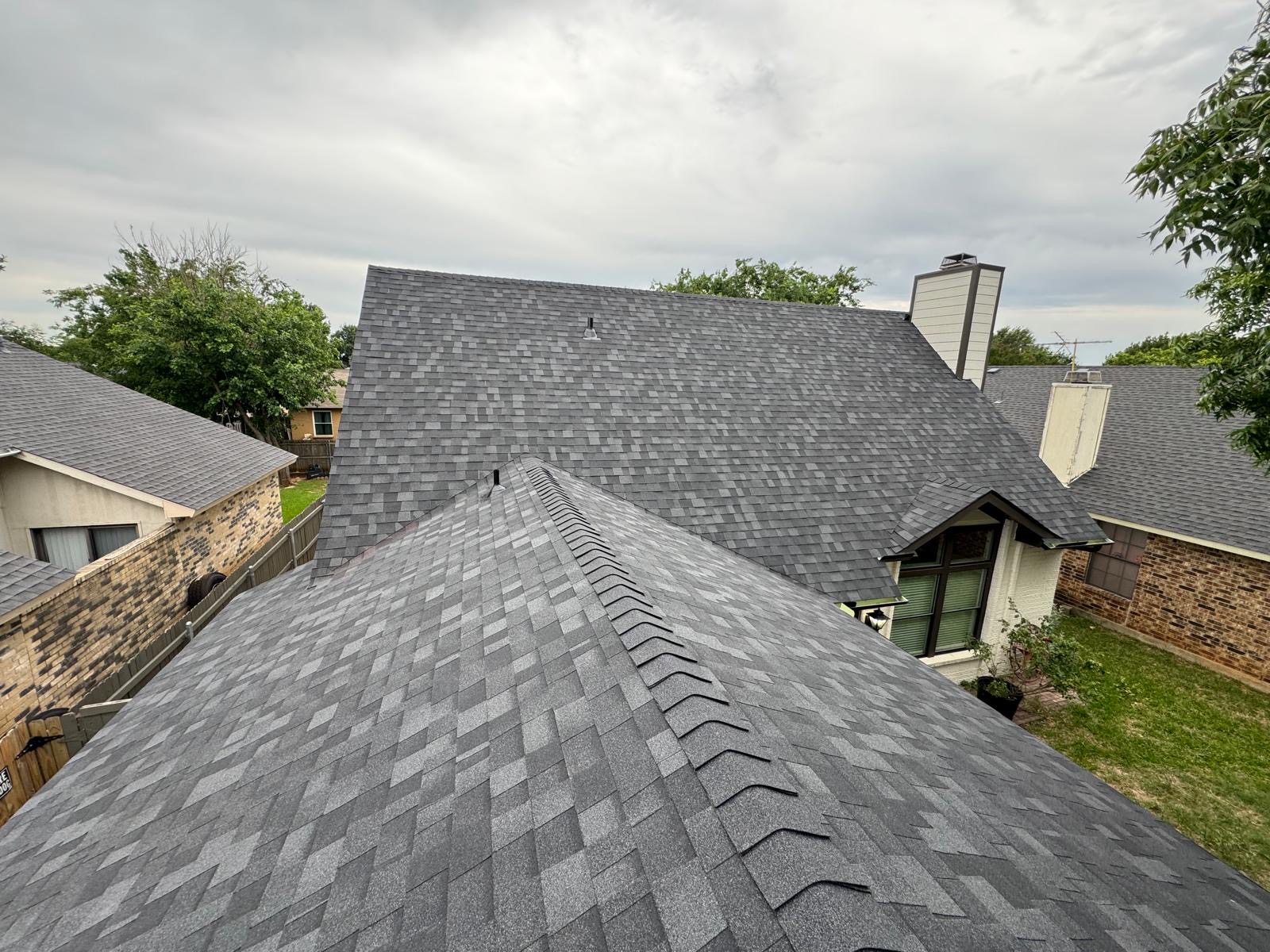
Dealing with hail damage often means dealing with your insurance company. This can be a daunting process, especially when you're unsure if the damage your roof sustained will be covered. Insurance adjusters are professionals, but they have a lot of roofs to inspect and limited time. This is where understanding what they look for, and critically, what they might miss, becomes incredibly important for DFW homeowners.
When an insurance adjuster visits your home after a hail storm, their primary goal is to determine if the damage meets the threshold for a covered claim according to your policy. They typically look for specific types of damage that indicate hail impact. These often include:
- Granule Loss: They'll look for significant amounts of missing granules, often in patterns that suggest hail impact rather than normal wear.
- Bruises and Dents: While hard to see from the ground, an experienced adjuster will often spot these on closer inspection.
- Cracked Shingles: Visible cracks or fractures are a clear indicator of damage.
- Damage to Metal Components: Dents in vents, flashing, and gutters are noted.
Document everything! Before the adjuster arrives, take clear photos and videos of any damage you can see from the ground, as well as any granules you find in your gutters. This provides a baseline and shows your proactive approach.
Here's the challenge: adjusters are often on tight schedules. They might do a quick walk-around, a visual inspection from the roof surface, and then make a determination. They might miss the subtle "bruises" on shingles that are the hallmark of hail damage, or they might underestimate the extent of granule loss. They might also not have the specific DFW-area expertise to recognize the typical patterns of damage from our unique storm types. Furthermore, their job is to assess the damage based on industry standards and your policy, not necessarily to advocate for the most thorough repair or replacement if it's not explicitly obvious or covered.
"The biggest challenge for homeowners is understanding that hail damage is often cumulative and subtle. What seems like cosmetic damage to an adjuster could be the precursor to significant structural failure down the line."— Insurance Industry Analyst
This is precisely why having a qualified, local roofing contractor like Montesco Roofing involved is so crucial. We don't just inspect your roof; we advocate for your home. We understand the nuances of hail damage, the specific materials used on DFW homes, and the insurance claim process. We conduct our own detailed inspections, meticulously documenting every piece of damage, no matter how small it may seem. We can meet with the insurance adjuster on your roof, point out the damage they might miss, and provide our professional assessment. Our goal is to ensure your claim is accurate and that you receive the full amount needed to restore your roof to its pre-storm condition, or better.
How to Get This Done
Navigating insurance claims can be complex. If you suspect hail damage to your DFW roof, here’s how Montesco Roofing can help:
1. Initial Assessment: We'll perform a free, thorough inspection to identify any damage.
2. Documentation: We meticulously document all findings with photos and detailed reports.
3. Claim Assistance: We can meet with your insurance adjuster on-site to ensure all damage is recognized.
4. Repair/Replacement: Once approved, we handle the repairs or replacement using quality materials and expert craftsmanship.
This process significantly increases the chances of a fair settlement and ensures your roof is properly repaired. Learn more about our insurance claim assistance.
Remember, your insurance policy is designed to protect you. But you need an experienced partner, like Montesco Roofing, to help you leverage that protection effectively. We've been helping homeowners across the DFW metroplex navigate these claims for over 13 years, ensuring they get the repairs they need without unnecessary out-of-pocket expenses due to overlooked damage.
The Montesco Roofing Difference: Our 13+ Years of Uncovering Hidden Roof Threats in DFW
You've heard about the hidden damage, the subtle signs, and the complexities of insurance. Now, let's talk about why choosing the right roofing contractor makes all the difference, especially here in the DFW area. At Montesco Roofing, our 13+ years of experience aren't just a number; they represent thousands of homes protected, countless storms weathered, and a deep understanding of what it takes to keep your roof sound.
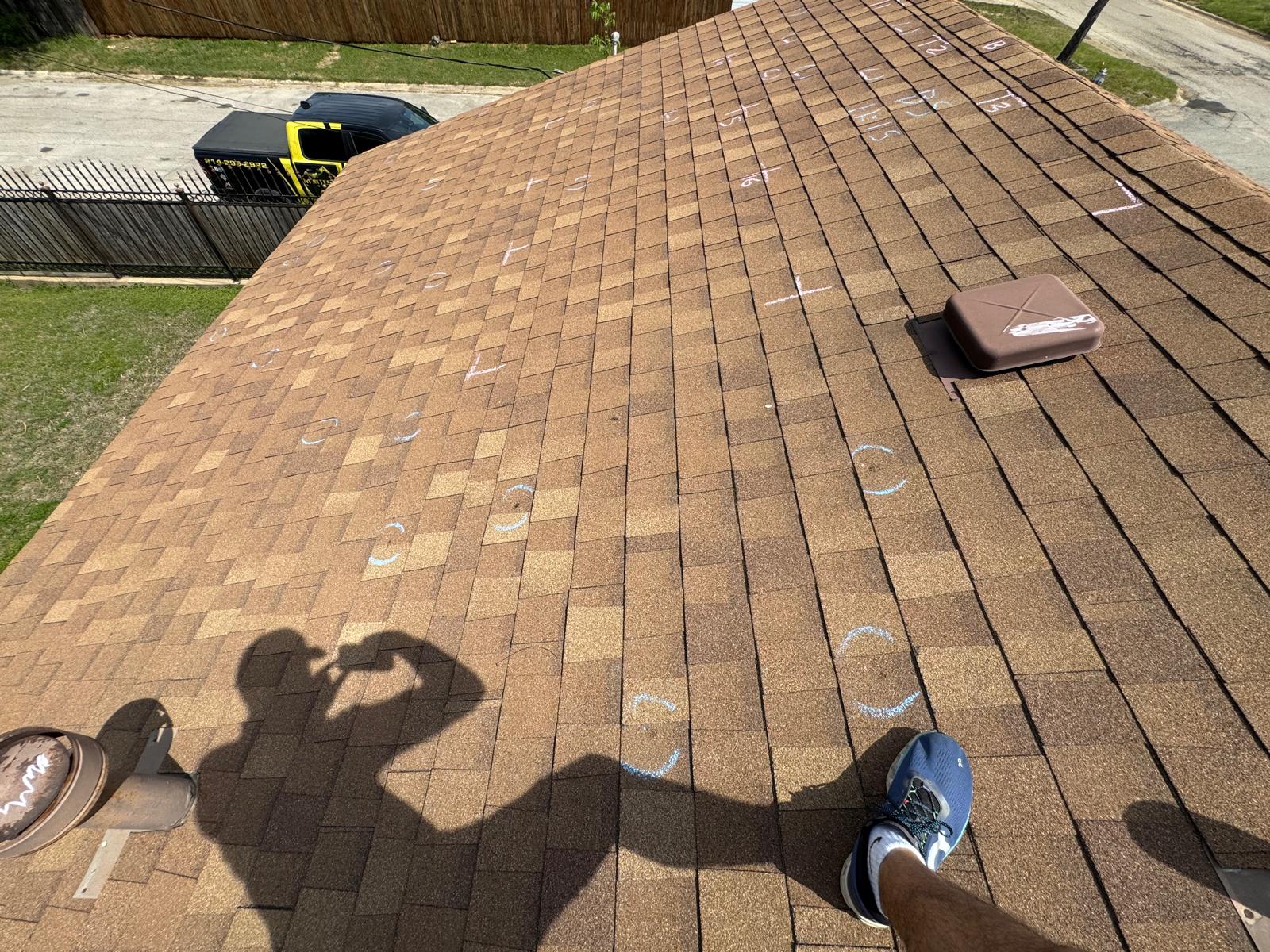
Key Insight
Experience in DFW isn't just about years in business; it's about understanding the specific weather patterns, common building materials, and the unique challenges of roofing in North Texas. We've seen it all, from the massive hail storms of 2016 to the derecho of 2021, and we know how to identify and address the damage they leave behind.
What sets Montesco Roofing apart? It's our hands-on approach and our commitment to going the extra mile.
- Local Expertise: We live and work in DFW. We understand the specific types of hail that hit our area, the common roofing materials used on homes in Plano, Garland, Fort Worth, and beyond, and how our climate impacts roof longevity.
- Detailed Inspections: Our inspections are not quick once-overs. Our experienced roofers are trained to spot the subtle indicators of hail damage that others miss. We get on the roof, examine every shingle, flashing, and vent.
- Quality Materials & Craftsmanship: We only use high-quality materials from reputable manufacturers like GAF and Owens Corning. Our installation crews are skilled and meticulous, ensuring every repair or replacement is done to the highest standards. We don't cut corners.
- Insurance Claim Advocacy: We don't just identify damage; we help you navigate the insurance process. We'll meet with your adjuster, present our findings, and fight for the coverage you deserve. This is invaluable for homeowners dealing with storm damage.
- Long-Term Warranties: We stand behind our work. We offer robust workmanship warranties, giving you peace of mind for years to come. This is a testament to our confidence in the quality of our repairs and replacements.
Think about it: a storm chaser might show up after a major event, do a quick job, collect payment, and disappear. What happens if a problem arises a year or two down the line? They're long gone. With Montesco Roofing, you're working with a local, established company. We're your neighbors. We're accountable. Our reputation in communities like Richardson, Arlington, and Mesquite is built on trust and quality work. We're here today, and we'll be here tomorrow, standing behind every roof we touch.
Our Process for Uncovering Hidden Damage
When you suspect hail damage, here's how Montesco Roofing tackles it:
1. Comprehensive Inspection: Our certified inspectors conduct a meticulous, hands-on roof assessment, looking for all types of damage, especially subtle hail impacts.
2. Detailed Report: We provide a thorough report with photos and documentation, outlining the extent of the damage.
3. Insurance Collaboration: We work with your insurance adjuster, often meeting them on-site, to ensure they have all the necessary information for a fair claim.
4. Quality Repair/Replacement: Using top-tier materials and expert installation, we restore your roof to optimal condition, backed by our strong warranty.
This comprehensive approach ensures your roof is properly assessed and repaired, protecting your home for years to come. Get your free roof inspection today.
Choosing Montesco Roofing means choosing peace of mind. It means entrusting your home to a team that genuinely cares about its protection and understands the unique challenges of living in DFW. We're not just fixing roofs; we're building lasting relationships and ensuring the long-term safety and integrity of your home.
DIY vs. Professional DFW Roof Inspection: When to Call the Experts
We've talked a lot about the hidden damage and the importance of a thorough inspection. But you might be wondering, "Can't I just do this myself?" While some basic checks are always a good idea, there's a significant difference between a homeowner's inspection and a professional one, especially when dealing with the subtle signs of hail damage common in DFW.
| Feature | DIY Inspection (Homeowner) | Professional DFW Roof Inspection (Montesco Roofing) |
|---|---|---|
| Safety & Access | Limited by ground view; ladder use carries significant risk. | Certified inspectors have proper safety equipment and training for safe roof access. |
| Damage Identification | Can spot obvious issues like missing shingles or large holes. Struggles with subtle bruising, granule loss patterns, or compromised matting. | Expertly identifies all types of damage, including subtle hail impacts, bruised shingles, micro-fractures, and compromised underlayment. Recognizes patterns indicative of hail vs. wear. |
| Tools & Technology | Eyesight only. | Uses specialized tools (e.g., binoculars, drones, moisture meters) and extensive knowledge of materials and failure points. |
| Understanding of DFW Weather | General awareness of storms. | Deep understanding of local storm patterns, hail sizes, and their specific impact on DFW roofing systems. |
| Insurance Claim Support | Limited to personal observation; adjuster may dismiss homeowner's findings. | Provides detailed, documented reports and can meet with adjusters to advocate for accurate claim coverage. |
| Cost | Free (but potential for missed damage leading to higher future costs). | Often free for initial assessment; investment in prevention and accurate claims. |
| Warranty/Guarantee | None. | Workmanship warranties provided on repairs/replacements performed by Montesco Roofing. |
A homeowner's inspection is crucial for initial awareness. It's about noticing obvious problems and deciding if further investigation is needed. You can look for missing shingles, sagging areas, or large cracks from the ground or a safe vantage point. You can check your attic for daylight or water stains. These are vital first steps. However, they are not a substitute for a professional assessment.
When inspecting your attic, look for water stains on the underside of the roof decking or on insulation. Also, check for any signs of moisture or mold. These are clear indicators that water is getting past your roof's protective layers.
When it comes to hail damage, the subtle signs are where the real problem often lies. A professional roofing contractor like Montesco Roofing has the trained eyes, the experience, and the tools to identify these issues. We understand the lifespan of different roofing materials under DFW conditions and can accurately assess whether hail has compromised that lifespan. More importantly, our detailed reports and on-site presence during insurance adjuster visits are invaluable for ensuring your claim is handled fairly. We’re not just looking for damage; we’re looking for the cause and the potential future impact of that damage. That perspective is what saves homeowners significant money and headaches down the road.
Key Insight
The decision to call a professional isn't just about finding damage; it's about getting an accurate assessment that can protect your financial investment and the structural integrity of your home. For anything beyond obvious, major damage, professional expertise is essential.
So, while you should always be aware of your home's condition, when it comes to potential hail damage after a storm in DFW, trusting the expertise of a seasoned roofing contractor is the smartest move. It ensures that subtle issues are caught before they become expensive disasters, and that your insurance claim, if needed, is handled correctly.
Your DFW Hail Damage Roof Inspection Checklist: What to Expect
If you've experienced a hailstorm in the DFW area and suspect your roof might have damage, knowing what to expect during a professional inspection can help you feel more prepared. At Montesco Roofing, we aim for transparency and thoroughness. Here’s a breakdown of what our typical inspection process looks like for potential hail damage:
1. Initial Contact & Scheduling
You reach out to us, and we schedule a convenient time for a free inspection. We'll ask about the storm date and any concerns you have.
2. Ground-Level Survey
Our inspector starts by walking the perimeter of your home, looking for obvious signs of damage on the roof, siding, gutters, and other exterior elements. They’ll note any granule deposits in gutters.
3. Ladder Ascent & Roof Surface Examination
Safely accessing the roof, the inspector will meticulously examine the shingles. They'll look for:
- Bruised areas (dark, wet-looking spots)
- Granule loss patterns
- Cracked, chipped, or broken shingles
- Dents or impacts on metal flashing, vents, and ridge caps
4. Detailed Inspection of Critical Areas
Special attention is paid to vulnerable areas like valleys, skylight flashing, chimney flashing, and vent pipe boots, as these are common entry points for water if compromised.
5. Attic Inspection (If Accessible)
If possible, the inspector will check your attic for signs of water intrusion, such as daylight showing through the roof deck, water stains on the underside of the decking, or damp insulation.
6. Documentation & Reporting
Throughout the inspection, the inspector takes detailed photos and notes. This documentation is crucial for assessing the damage and for insurance purposes.
7. On-Site Assessment & Explanation
After the inspection, the inspector will walk you through their findings, explaining the damage, its potential causes, and recommending the best course of action. They'll answer all your questions.
8. Insurance Claim Assistance (If Applicable)
If hail damage is found and you plan to file an insurance claim, we can help coordinate with your adjuster, meet them on-site, and provide our professional assessment to ensure a fair claim.
Our goal is to provide you with a clear understanding of your roof's condition and the steps needed to protect your home. We believe that an informed homeowner is an empowered homeowner. This detailed checklist ensures that no stone is left unturned, and that the full extent of any storm damage is identified.
Need help putting this into action? Our team has protected hundreds of DFW homes. Tell us about your roof — free inspection, no pressure.
Get Your Free Roof Inspection →Frequently Asked Questions About DFW Hail Damage and Roof Inspections
How soon after a hailstorm should I get my roof inspected?
Can I file an insurance claim for minor hail damage?
What's the difference between hail damage and wind damage?
How long does a typical roof inspection take?
What if my insurance adjuster says there's no damage, but my roofer disagrees?
Are all shingles equally susceptible to hail damage?
How much does a roof inspection typically cost in DFW?
Montesco Roofing Team
DFW's trusted roofing contractor with 13+ years of experience. Specializing in roof replacements, storm damage repair, and insurance claims across Dallas-Fort Worth.
Get in touch →