Hail Damage Roof Inspection: 9 Photos Your Insurer Demands for a Full Payout in 2026
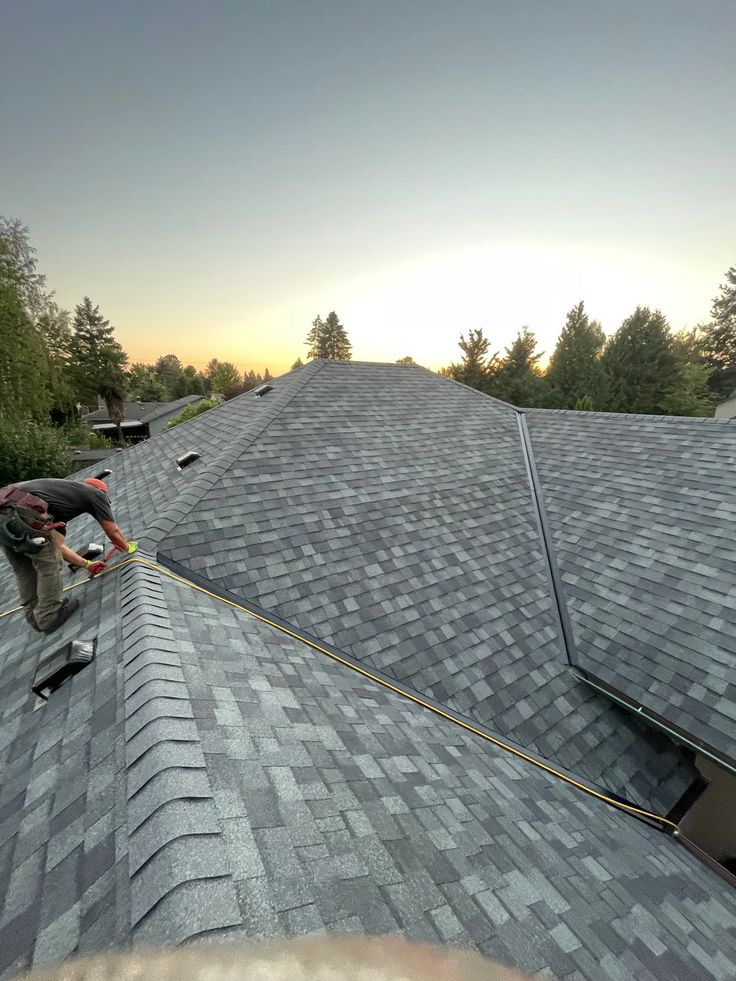
The Unseen Threat: Why Hail Damage Demands Immediate Action in DFW
It's Friday, May 29, 2026, and here in the Dallas-Fort Worth area, we know that the sky can turn from clear blue to a terrifying gray in a matter of minutes. We've seen it time and time again – those sudden, violent Texas thunderstorms that bring not just rain, but often, destructive hail. You might think a few dents on your car are the worst of it, but the real damage, the kind that can compromise your entire home, often happens silently, high above your head. I've been a roofing contractor in DFW for over 13 years, and believe me, I've seen firsthand how quickly hail can wreak havoc on a roof. It's not just about aesthetics; it's about the integrity of your home's first line of defense against the elements. Ignoring even what seems like minor hail damage can lead to leaks, mold, and ultimately, much more expensive repairs down the line. That's why understanding what to look for and how to document it is so crucial, especially when it comes to working with your insurance company.
Your Insurance Claim's Secret Weapon: The Power of Photographic Proof
When a hailstorm rolls through DFW, your insurance policy is your safety net. But that safety net only works if you can prove the damage. Think of your insurance adjuster. They're busy, they've got a lot of claims to process, and they rely on clear, undeniable evidence to approve your claim and determine the payout. This is where your role as the homeowner becomes critical. You're the first responder to your home's damage. Your documentation, especially your photos, can be the difference between a smooth, fair settlement and a frustrating battle. Over the years, I've seen countless homeowners struggle because they didn't capture the right kind of evidence. They might have a few blurry pictures, or they might have only focused on the most obvious damage. But insurance companies, especially in a busy market like ours, need a comprehensive picture. They need to see the extent of the damage, the type of materials affected, and how that damage impacts your home's overall structure. The more thorough and professional your documentation, the stronger your position will be when negotiating your claim. It’s about presenting a clear, undeniable case for why your roof needs professional attention and why your insurance should cover it.
When taking photos, always try to include a common object (like a coin or ruler) in the frame to show scale. Also, ensure your photos are well-lit and in focus. Natural daylight is best. If it's cloudy, try to capture images when the sun is at its brightest.
The 9 Essential Hail Damage Photos Your Insurer Will Absolutely Require in 2026
Navigating an insurance claim can feel like learning a new language. Your adjuster will likely have a checklist, and if you can present them with the information they need upfront, it speeds up the entire process. Based on my experience working with homeowners across Plano, Frisco, and the wider DFW metroplex, there are nine specific types of photos that are almost always requested. These aren't just random shots; each one serves a purpose in helping the adjuster understand the scope and severity of the hail damage. Missing even one of these can lead to delays or, worse, a denial of certain aspects of your claim. We're talking about more than just seeing dents; we're talking about documenting the impact on the materials, the potential for water intrusion, and the broader damage that hail can cause beyond just the shingles. Having this visual evidence ready is your best bet for a successful and timely resolution.
Key Insight
Insurance adjusters are trained to look for specific patterns of damage. Your photos should help them identify these patterns and confirm that the damage is consistent with hail impact, not wear and tear or other issues. Documenting the "story" of the hail damage is crucial.
Photo #1: The Overall Roof View – Setting the Scene for Your Claim
Before you zoom in on every little ding, start broad. The first photo your insurance company will want is an overall view of your roof. This means standing at a distance, ideally from the street or a neighbor's yard if possible, and capturing a wide shot of your entire roofline. You might need to take a few of these to show all sides. The goal here is to provide context. It shows the adjuster the general condition of your roof, its pitch, and allows them to see the overall layout. It also helps them understand the potential path of the storm over your property. If there are significant areas of visible damage from afar, this is where they'll first notice it. It sets the stage for the more detailed photos to come. Think of it as the establishing shot in a movie – it gives the full picture before we get into the nitty-gritty.
Step 1: Position Yourself
Find a vantage point where you can see the majority of your roof from the ground. The street in front of your house is usually ideal.
Step 2: Capture Wide Shots
Take multiple photos, panning across the roof to ensure you capture all slopes and sections. Aim for clear, unobstructed views.
Step 3: Document the Whole House
If possible, include a portion of your house in the frame to show the roof in relation to the entire structure.
Photos #2 & #3: Close-Ups of Damaged Shingles – The Smoking Gun
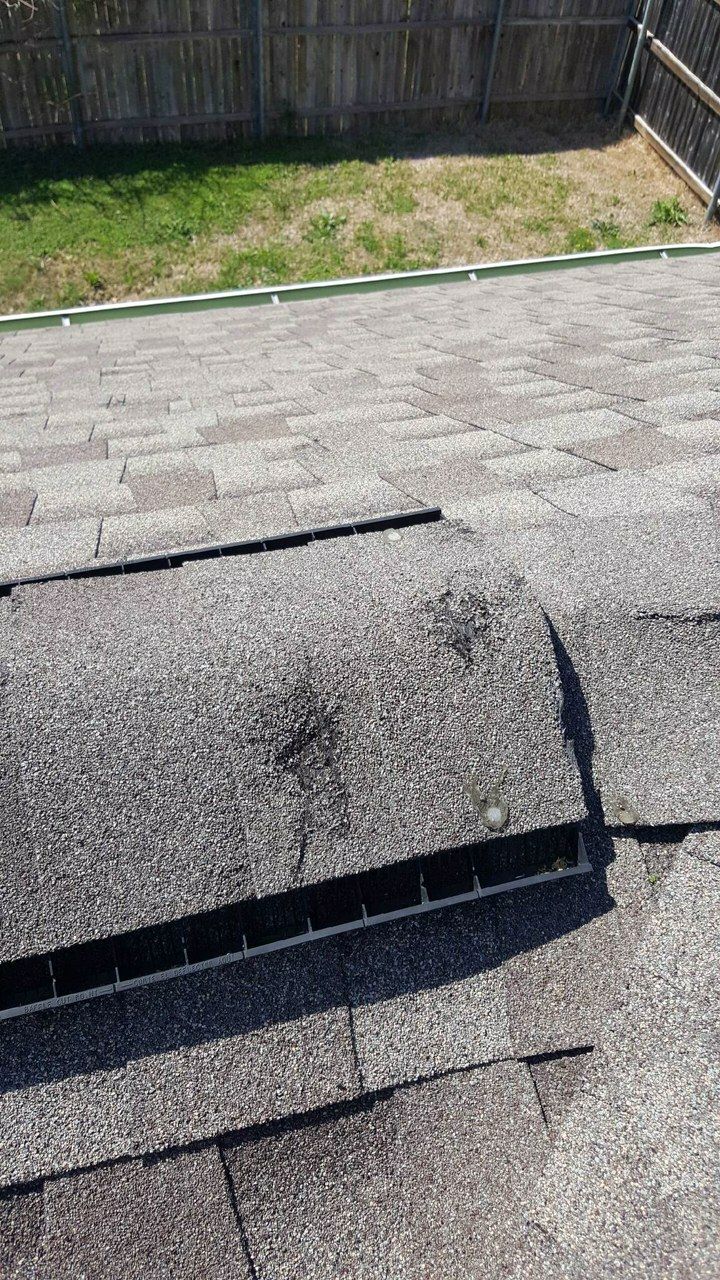
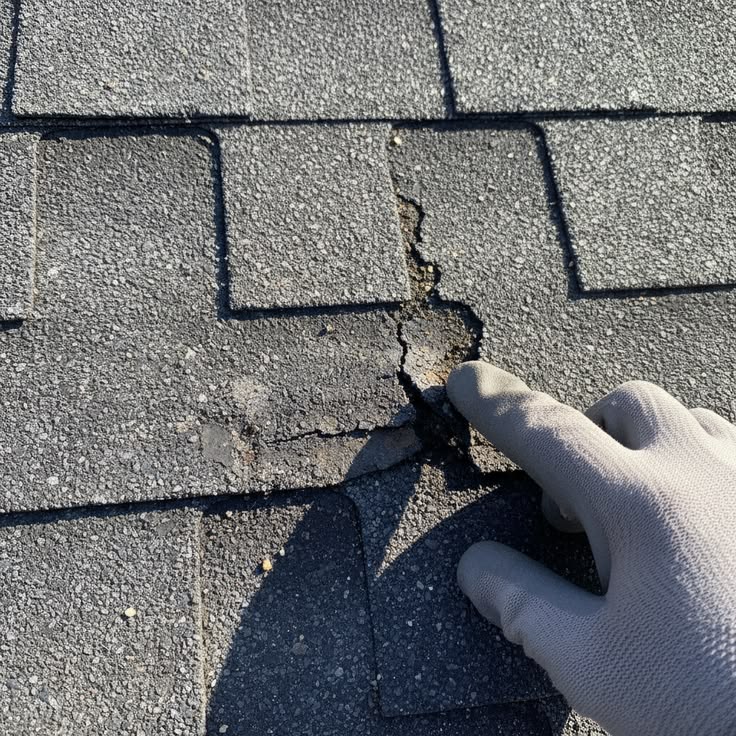
Now, let's get down to the nitty-gritty. After the overall view, the adjuster will want to see the direct evidence of hail impact on your shingles. This means getting up close and personal with any shingles that show signs of damage. What are you looking for? You're looking for bruises, cracks, or impacts that have broken the protective surface of the shingle. These are often visible as dark spots or areas where the asphalt has been compressed or fractured. Take multiple photos of different damaged shingles. Don't just take one shot of one shingle; show them the variety of damage you're seeing. This is critical because it demonstrates the widespread nature of the impact. If you only show one or two, an adjuster might dismiss it as an isolated defect. Showing several, with clear signs of hail impact, makes a much stronger case. Remember, shingles are designed to withstand a lot, but hail is a different beast altogether.
Avoid taking photos directly after a storm when the shingles are wet. Water can obscure damage. Wait for the roof to dry completely, and if possible, take photos during the brightest part of the day for maximum clarity.
Photos #4 & #5: Granule Loss & Bruising – Subtle Signs of Major Impact
This is where knowing what to look for really pays off. Hail damage isn't always a gaping hole. Often, the most significant damage is more subtle: granule loss and bruising. When hail strikes a shingle, it can knock off the protective mineral granules that shield the asphalt from UV rays. These granules will often be found in your gutters or downspouts. Take photos of areas on the shingles where you see a noticeable absence of granules, exposing the dark asphalt layer beneath. Also, look for circular or oval-shaped bruises on the shingles. These are areas where the hail has compressed the shingle mat, weakening its structure even if the surface isn't visibly cracked. You might need to get quite close for these shots. Capturing these subtle signs is vital because they are definitive indicators of hail impact. Many homeowners miss these, but an experienced adjuster will be looking for them. Documenting them shows you understand the nature of hail damage and helps build a comprehensive picture for your claim.
Shingle Damage: What to Capture
Granule Loss: Areas on shingles where granules are missing, exposing the black asphalt layer. Often found by checking gutters for loose granules.
Bruising: Circular or oval-shaped indentations on shingles caused by hail impact, weakening the shingle mat.
Cracks/Fractures: Visible breaks or splits in the shingle material, often a result of severe impact.
Chipped Edges: Small pieces of the shingle material that have been chipped away by hail.
What NOT to Focus On
General Wear: Faded colors or minor curling due to age and sun exposure (unless directly related to a hail impact).
Moss or Algae Growth: These are typically indicators of moisture issues, not hail damage.
Debris: Leaves, twigs, or other natural debris that might be resting on the roof.
Photos #6 & #7: Dents on Metal Components & Flashing – Don't Forget the Details
Hail doesn't just target shingles; it can damage any exposed surface on your roof. This includes metal components like vents, flashing around chimneys and skylights, and even your gutters. These metal parts can easily show dents and dings from hail impacts. Take clear, close-up photos of any dents you find on these surfaces. For flashing, pay attention to areas around penetrations – these are critical for preventing water leaks. Dented flashing can compromise its ability to seal effectively. Similarly, hail can dent the tops of vent pipes or the caps on your chimney. These might seem like minor details, but to an insurance adjuster, they are important pieces of evidence. They show the pervasive nature of the storm's impact and can indicate potential weak points where water might eventually find its way in. Don't overlook these elements; they are often just as vulnerable as your shingles.
Key Insight
Metal components, especially flashing, are crucial for preventing leaks. Damage to these areas, even if it doesn't look severe, can compromise your roof's watertight integrity. Documenting this damage is essential for a complete claim.
Photos #8 & #9: Gutters, Downspouts, and Exterior Siding – The Ripple Effect
Hail damage isn't confined to just the roof itself. The impact can have a ripple effect throughout your home's exterior. Your gutters and downspouts are often directly in the path of falling hail and can easily show dents and deformation. Take photos of any damage you see here. Also, consider the siding on your home. Depending on the size and force of the hail, it can leave dents or even chips in your siding, particularly if it's vinyl or aluminum. Documenting damage to these secondary components reinforces the idea that a significant hailstorm occurred and impacted multiple parts of your property. This comprehensive approach shows the adjuster the full extent of the storm's impact. It’s not just about the roof; it’s about the overall protection your home received (or failed to receive) during the event. This is where you can really build a strong case for the total damage caused by the hail.
How to Get This Done
If you're unsure about safely accessing your roof or identifying specific types of damage, it's best to call in a professional. Montesco Roofing offers free, comprehensive roof inspections. Our experienced DFW roofing professionals know exactly what to look for and can document the damage with the precision insurance companies require. We can also help you navigate the insurance claims process from start to finish, ensuring you get the settlement you deserve.
Beyond the Photos: What Else Adjusters Look For in a DFW Hail Damage Inspection
While photos are undeniably critical, they are just one piece of the puzzle for an insurance adjuster. When they come out to inspect your roof in DFW, they're looking at the whole picture. Here's what else they'll be evaluating:
Shingle Condition
They'll assess the age and general condition of your shingles. Older, worn-out shingles might be attributed to wear and tear, not hail. This is why documenting damage soon after a storm is crucial.
Roof Age & Material
The age of your roof and the type of material used (asphalt shingles, metal, etc.) play a role in how they assess damage and potential replacement costs.
Roof Pitch & Complexity
Steep roofs or those with many valleys, dormers, and penetrations can be more challenging to inspect and may incur higher labor costs for repairs or replacement.
Underlying Decking
If the hail has been severe enough to damage the shingles, they'll check the roof decking (the plywood or OSB layer beneath the shingles) for any signs of impact or moisture penetration.
Ventilation & Drainage
Proper attic ventilation and roof drainage are essential. They'll look to see if hail has impacted vents or if clogged gutters might have exacerbated water issues.
Quick Takeaway: Your photos are your primary evidence, but the adjuster's hands-on inspection confirms the extent of the damage and assesses the roof's overall condition, influencing the final claim decision.
Navigating the Claim: How Montesco Roofing Simplifies Your Hail Damage Process
Dealing with hail damage and insurance claims can be overwhelming. That's where a trusted, local DFW roofing contractor like Montesco Roofing comes in. We've been serving homeowners in areas like Arlington, Fort Worth, and Mesquite for over 13 years, and we understand the nuances of the local climate and the insurance landscape. Our goal is to make the process as transparent and stress-free as possible for you. We don't just patch things up; we ensure your roof is restored to its pre-storm condition, protecting your investment for years to come. We work directly with your insurance company, acting as your advocate to ensure that all necessary repairs or replacements are covered. Our team is skilled in identifying all types of hail damage, from the obvious dents to the subtle granule loss, and we document everything meticulously. We believe in providing clear communication every step of the way, so you always know where your claim stands and what to expect.
How to Get This Done
If you want to handle this yourself, here's exactly what you need: a sturdy ladder, safety gear (gloves, non-slip shoes), a camera or smartphone with a good resolution, and plenty of time to thoroughly inspect your roof and surrounding exterior. If you'd rather have experienced roofers handle it, our team has done this on hundreds of DFW homes — here's how our process works: We start with a free, no-obligation inspection, document all damage with high-resolution photos and detailed notes, meet with your insurance adjuster on-site to ensure they see all the damage, and then manage the entire repair or replacement process, handling all the paperwork and communication with your insurer.
Choosing Your Roofing Partner: Montesco vs. The Rest
When a major storm hits DFW, you'll see a lot of companies pop up overnight. They promise quick fixes and easy money. But the reality is, these "storm chasers" are often long gone by the time you discover a problem with their work or when the next storm rolls through. Choosing an established local contractor like Montesco Roofing means you're choosing peace of mind. We're invested in this community, and our reputation is built on quality workmanship and honest service. We understand that your roof is one of the biggest investments you'll make in your home, and we treat it with the care and expertise it deserves.
Common Mistakes Homeowners Make with Hail Damage Photos (And How to Avoid Them)
Even with the best intentions, homeowners can make a few common slip-ups when documenting hail damage. Being aware of these pitfalls can save you a lot of headaches with your insurance claim.
Mistake 1: Blurry or Poorly Lit Photos
Why it matters: Adjusters can't see damage if they can't clearly make it out. This leads to requests for more photos or even denial of damage if it's not evident.
Mistake 2: Not Enough Variety
Why it matters: Showing only one type of damage or only a few shingles might lead the adjuster to believe the damage isn't widespread or severe enough to warrant a full replacement.
Mistake 3: Focusing Only on the Roof
Why it matters: Hail can damage siding, gutters, and other exterior elements. Not documenting this collateral damage can mean leaving money on the table for repairs you're entitled to.
Mistake 4: Waiting Too Long
Why it matters: Roof damage can worsen over time due to weather exposure. Also, insurance companies have deadlines for reporting claims. Documenting immediately after a storm is key.
Mistake 5: Not Including Scale
Why it matters: Without a reference object (like a coin or ruler), it's hard for an adjuster to gauge the size of the dents or the extent of granule loss. Photos lack context.
If you're uncomfortable on a ladder or unsure about identifying damage, don't risk it. A professional inspection from a reputable roofing contractor is the safest and most effective way to get accurate documentation for your insurance claim.
Frequently Asked Questions About Hail Damage Roof Inspections & Insurance Claims
Frequently Asked Questions About Hail Damage Roof Inspections & Insurance Claims
How soon after a hailstorm should I inspect my roof?
What is the average cost of a hail damage roof repair in DFW?
Can I file an insurance claim if my roof is old?
What if my insurance company denies my hail damage claim?
What is "depreciation" on a roof claim?
Should I get multiple quotes if my roof needs replacement after hail damage?
How does hail size affect roof damage?
Need help putting this into action? Our team has protected hundreds of DFW homes. Tell us about your roof — free inspection, no pressure.
Get Your Free Roof Inspection →Montesco Roofing Team
DFW's trusted roofing contractor with 13+ years of experience. Specializing in roof replacements, storm damage repair, and insurance claims across Dallas-Fort Worth.
Get in touch →